Valpo Voyager

Student Stories from Around the World

Date: September 2, 2011

The Cities of Europe! (part 2)

1)   Munich, Germany

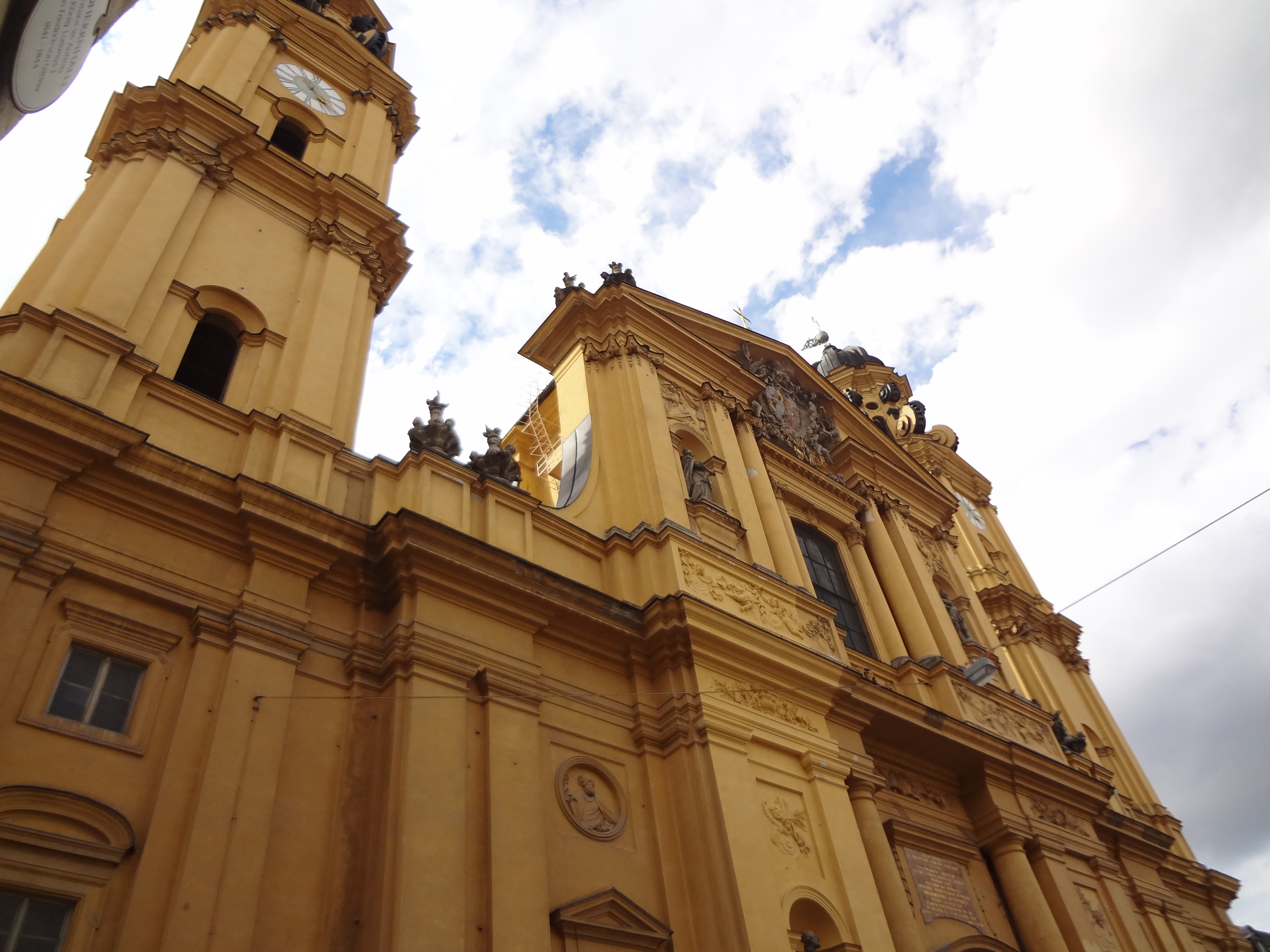
Theatinerkirche St. Kajetan

Theatinerkirche St. Kajetan

While we were staying in St. Johann, we were able to make a couple day trips to visit places like Munich and Salzburg (both within driving distance). Munich is a great city, but it is definitely touristy. But to its credit, we basically only stayed right in the middle of the city and saw all the typical things like the Hofbräuhaus; I’m sure if you wander outside the “tourist-zone” Munich has many great things that aren’t swamped with Americans. The city had a lot of character to it, and it was also home to some of the most amazing gardens and churches! There was also a big market in the Viktualienmarkt, where my brother got some fresh strawberries.
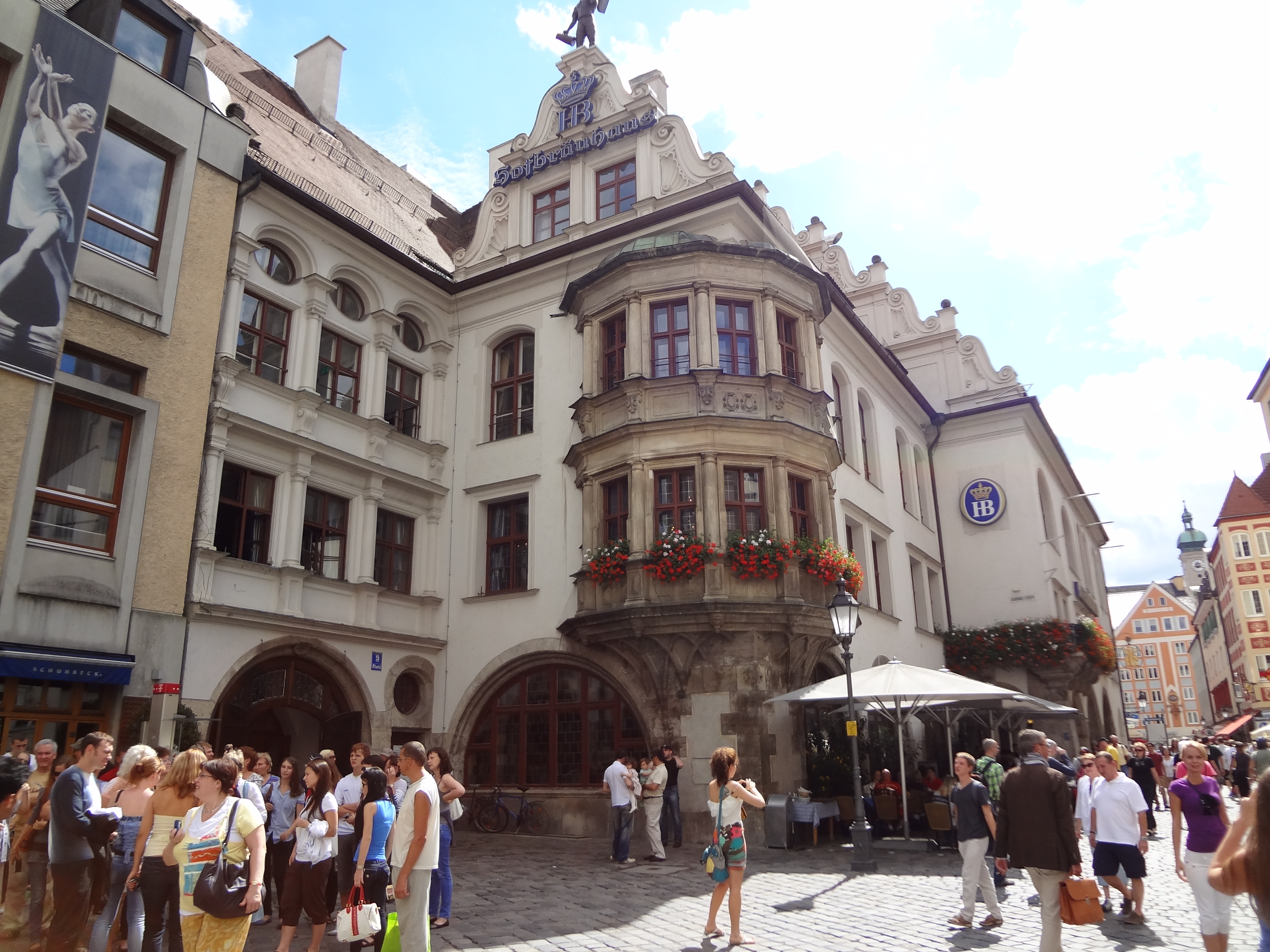
Hofbräuhaus München

Best of: Hofgarten (gardens); Theatine Church; Neues Rathaus (new city hall) Hofbräuhaus (famous restaurant/brewery)
Not so great: lots of tourists

2)   Salzburg, Austria
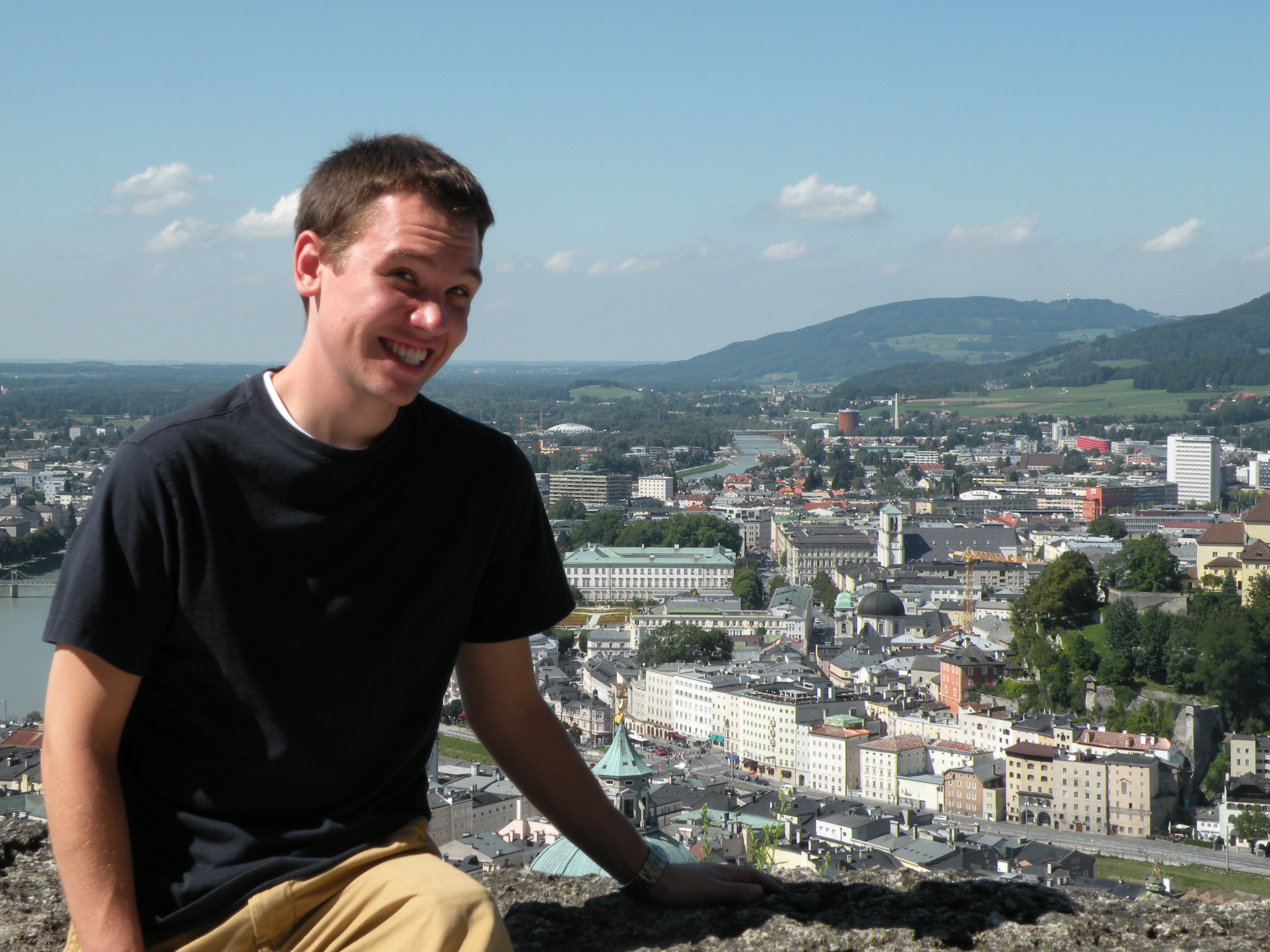
View from the Festung Hohensalzburg

The other excursion we took was to Salzburg. We woke up early and drove into Salzburg hoping to see some things before it got too busy. We started at the Mirabell palace, which has quite extensive gardens. From there we made our way over to Salzburg’s
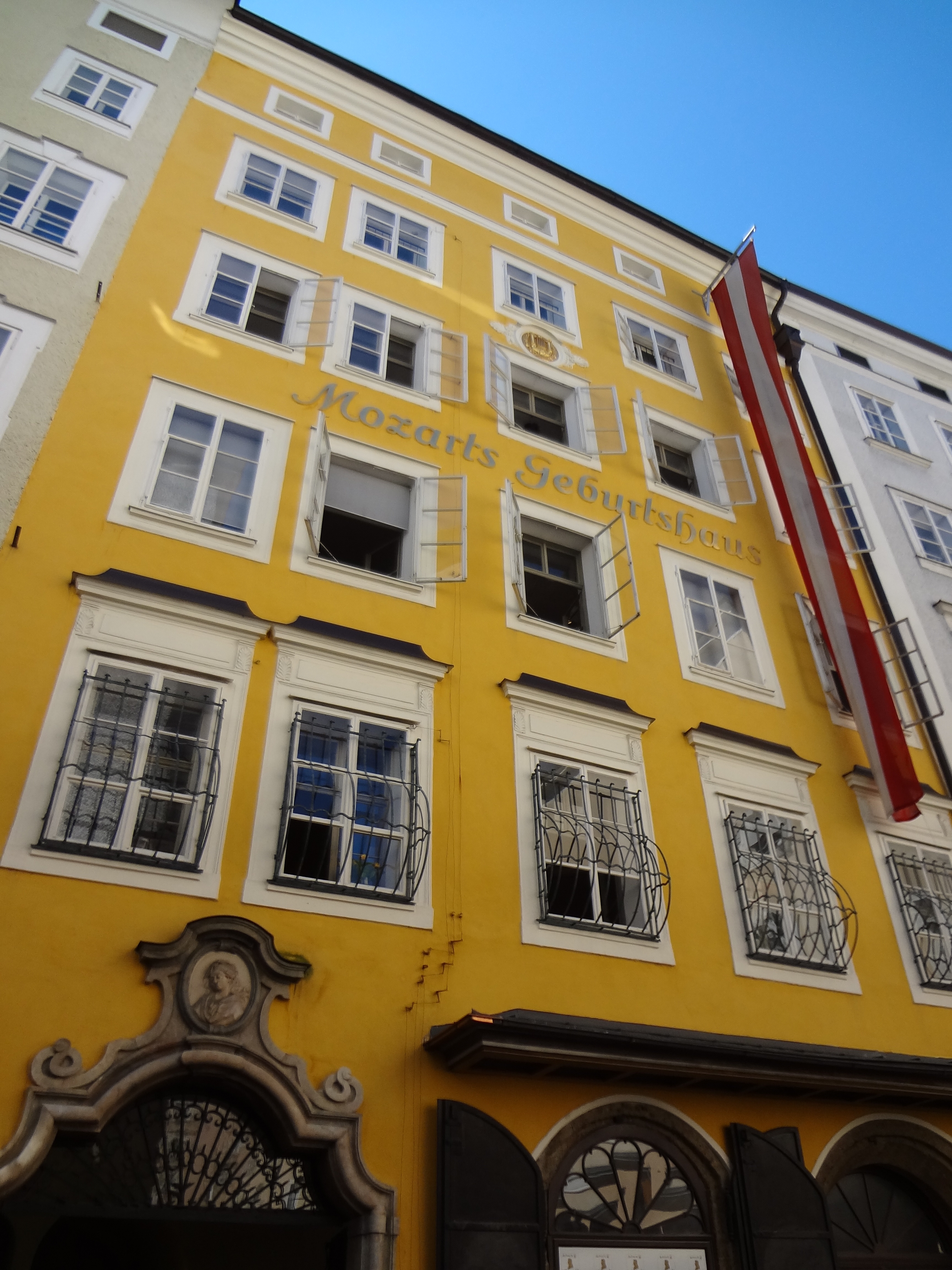
Mozart's Birthplace

most famous shopping street, Getreidegasse. They had EVERYTHING on this street. From McDonald’s to H&M to high priced jewelry, you name it they had it. The house where Mozart was born is also on Getreidegasse. We wanted to take a tour but the lines were kind of long.

Perhaps the coolest opportunity we had was to see the Festung Hohensalzburg (translates
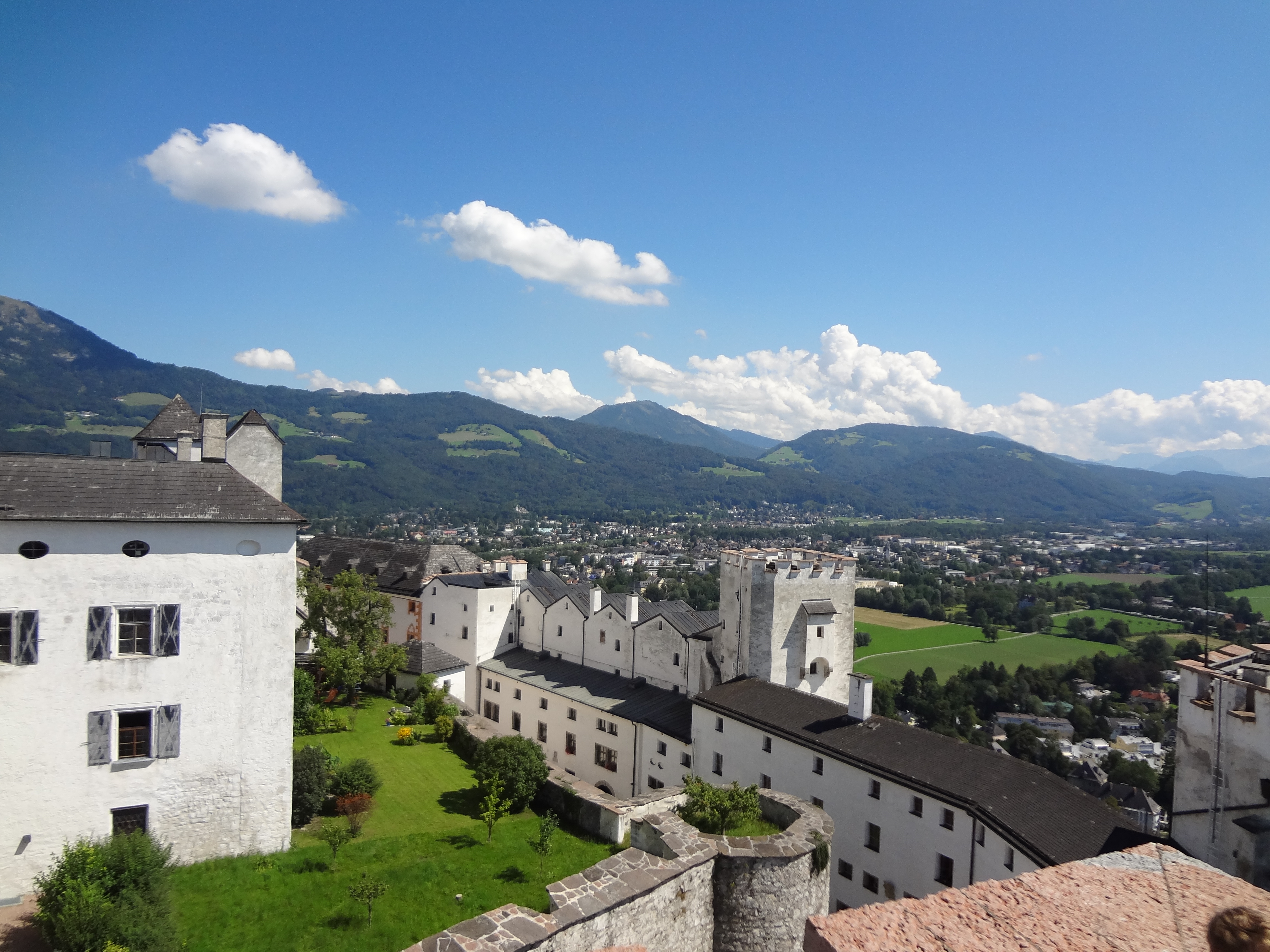
View from the Festung Hohensalzburg

to: high Salzburg fortress). It was amazing to see a medieval fortress, and the views from the top were spectacular. We walked up to the top (much cheaper than taking the tram), and it wasn’t as bad of a walk as it looks. The price of admission to the fortress also includes entrance to all the museums inside, so if you go it is well worth it to see the princes’ chambers, as well as the torture room/dungeon!

Salzburg also has plenty of amazing churches and lots and lots of concerts. When you walk through the streets you are bombarded with advertisements for concerts. Every night, almost every church in the inner-city has a concert. They are very proud of their connection with Mozart, so a good portion of the concerts have at least a couple works by him. While we were there, my brother and I saw a organ concert at the Franziskanerkirche. It was fantastic (and only 14 Euro a ticket!).
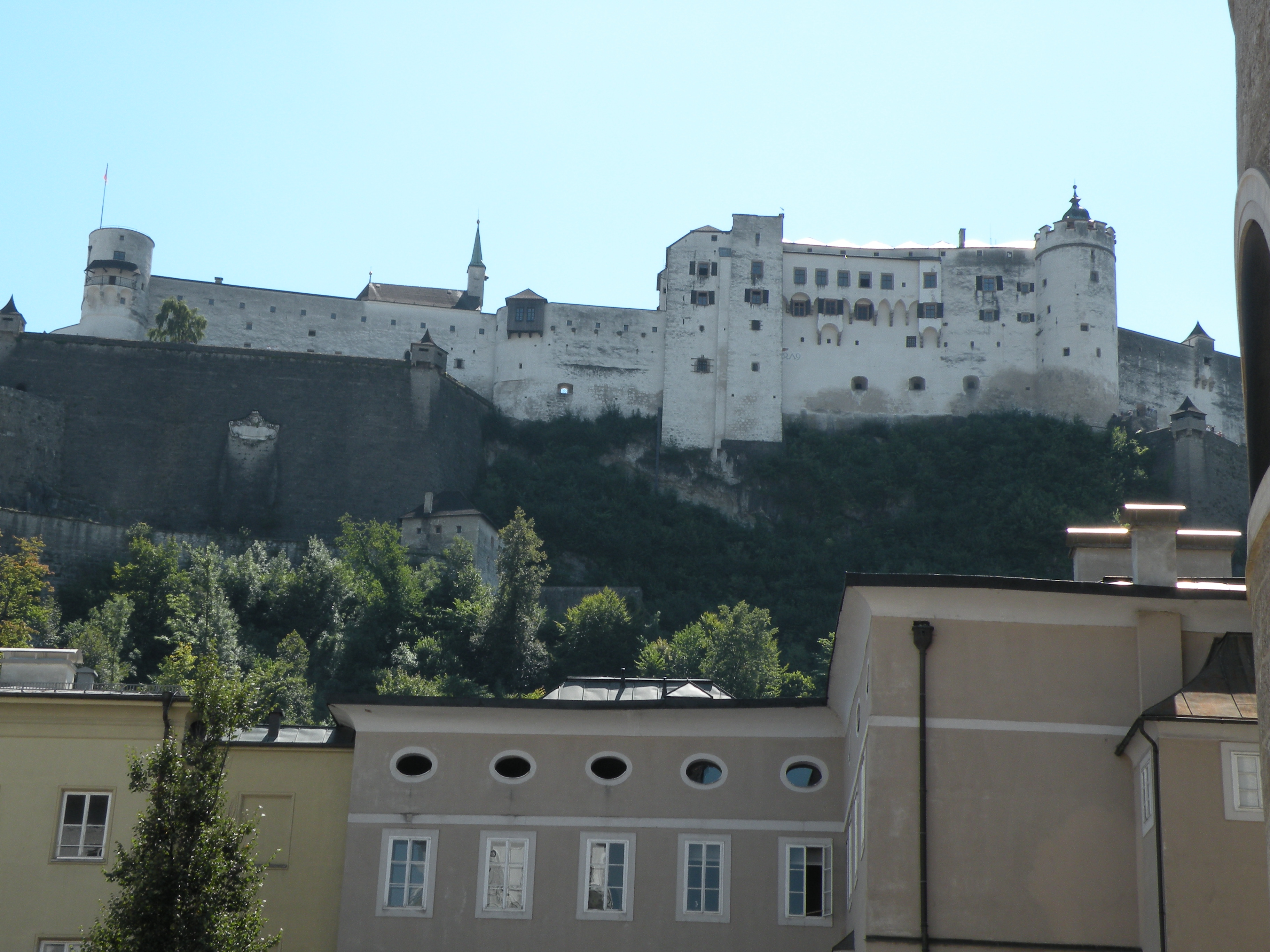
Festung Hohensalzburg
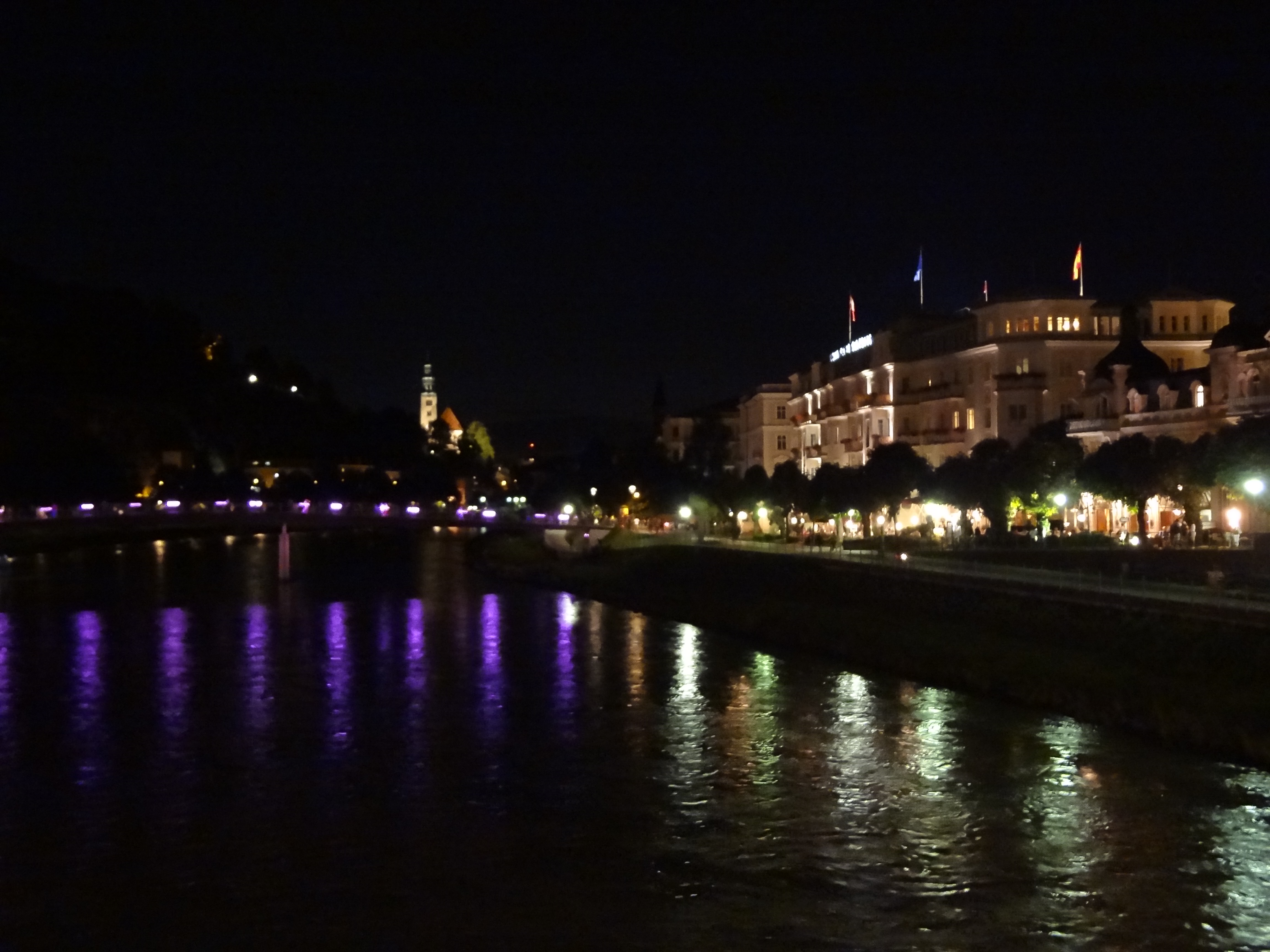
Salzburg at night


Best of: Getreidegasse; Festung Hohensalzburg (fortress); Concerts

3)   Heidelberg, Germany

During our travels we also made it to Heidelberg, where we have a lot of relatives! We didn’t get to see much of the city, but we did get a chance to visit with family for a couple days. It was very comforting to know that I have family here in Germany, and that I’m always welcome in their homes. I know I’ll be making at least a few weekend trips out to see them!
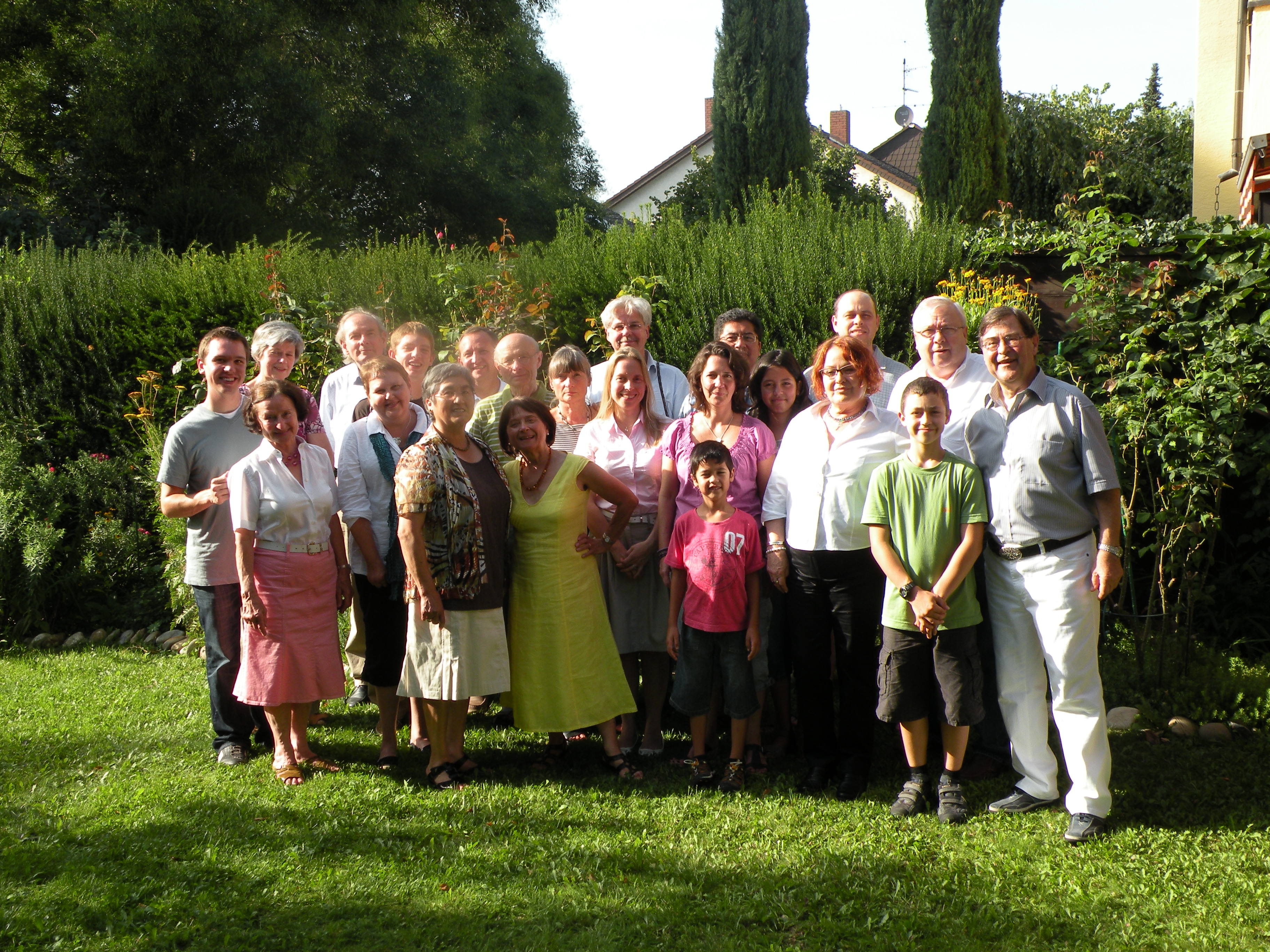
Family from Ladenburg, Germany
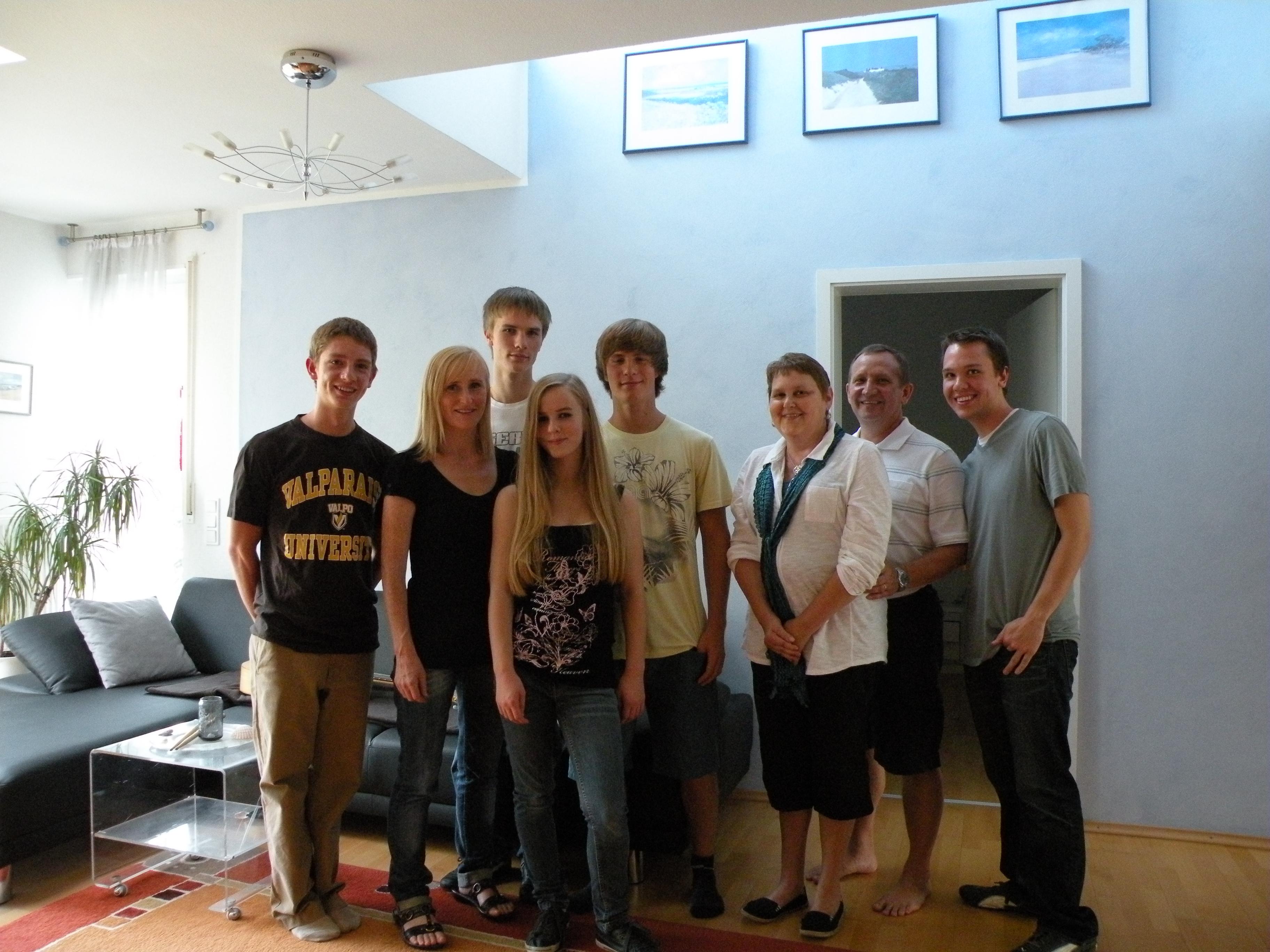
Family from Mannheim, Germany

4)   Zurich, Switzerland
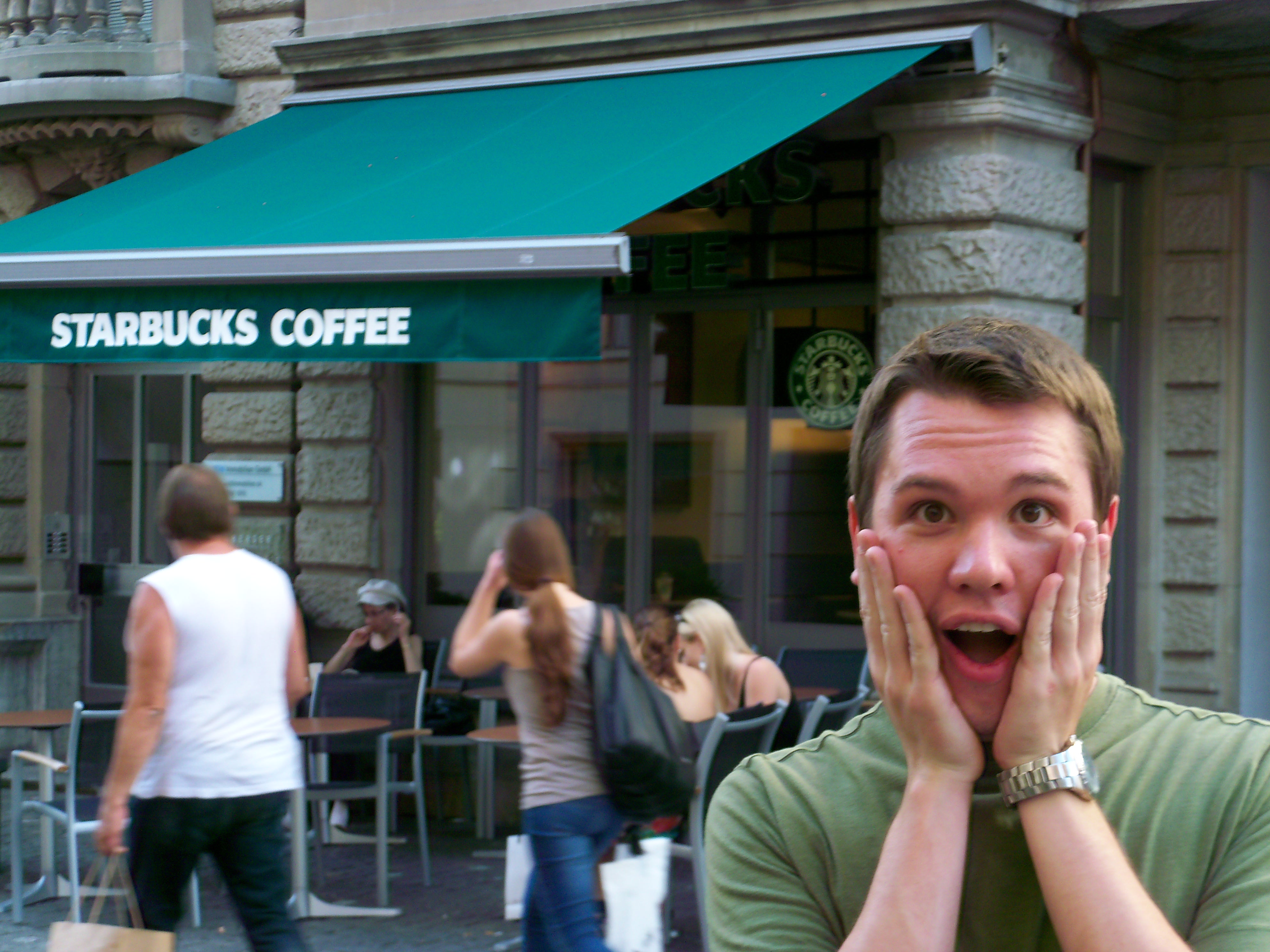
My "I can't believe my coffee was that expensive" face

I’m not sure I can afford to ever go back to Zurich. It was ungodly expensive in the city. To its credit, it was beautiful, but even the cheapest food was unreasonable. My Starbucks Chai Tea Latte (normally 3.25 USD) cost the equivalent of 8.60 USD. For lunch we found an average street café, and it was 70 USD for two beers, a Coca-Cola and a small plate of appetizers. Craziness, I tell you!

Our other mishap in Zurich was with the hotel phone system. We had dropped my brother off at the “Zurich Flughafen” earlier that morning because he had to make it home for school. We wanted to get a hold of him that evening to make sure he made it home okay, so we tried calling using a pre-paid calling card from the hotel phone. We never ended up getting through to him that night, but spent about 4 minutes total on the phone. When we checked out the next morning, the hotel had charged 230 Swiss Francs for our phone calls (about 294.00 USD). Because these charges were absolutely outrageous (not to mention that we were calling a toll-free number within Switzerland) we managed to get the charges down to 20 USD.

I think Zurich was a little pricey – beautiful but very expensive.
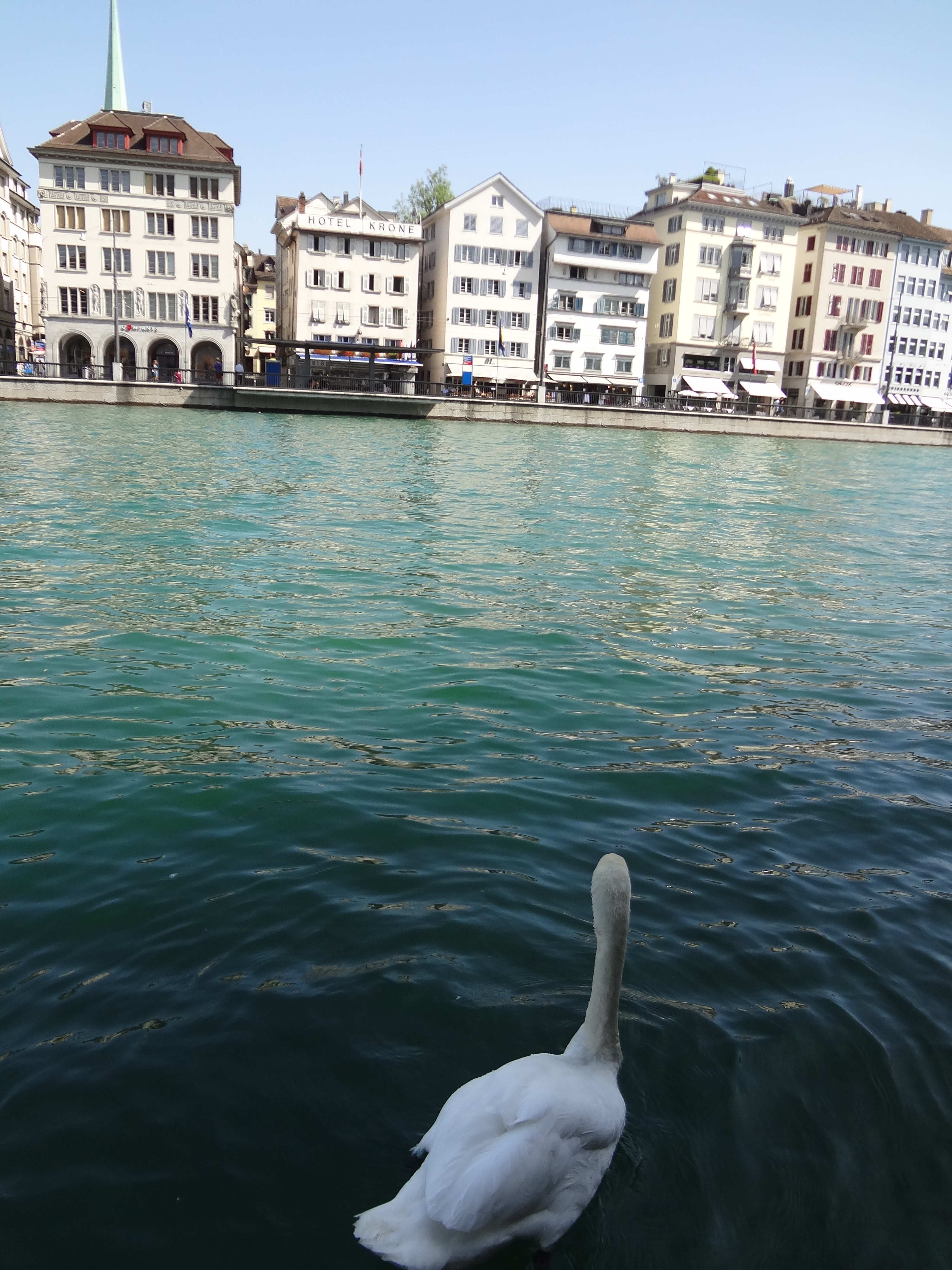
Nonetheless, Zurich was pretty

Best of: Bahnhofstrasse (famous shopping street); the lake
Not so great: Expensive

I’ll post soon about some of my adventures in Tuebingen and the local region around Stuttgart!

Bis dann! Tschüß!
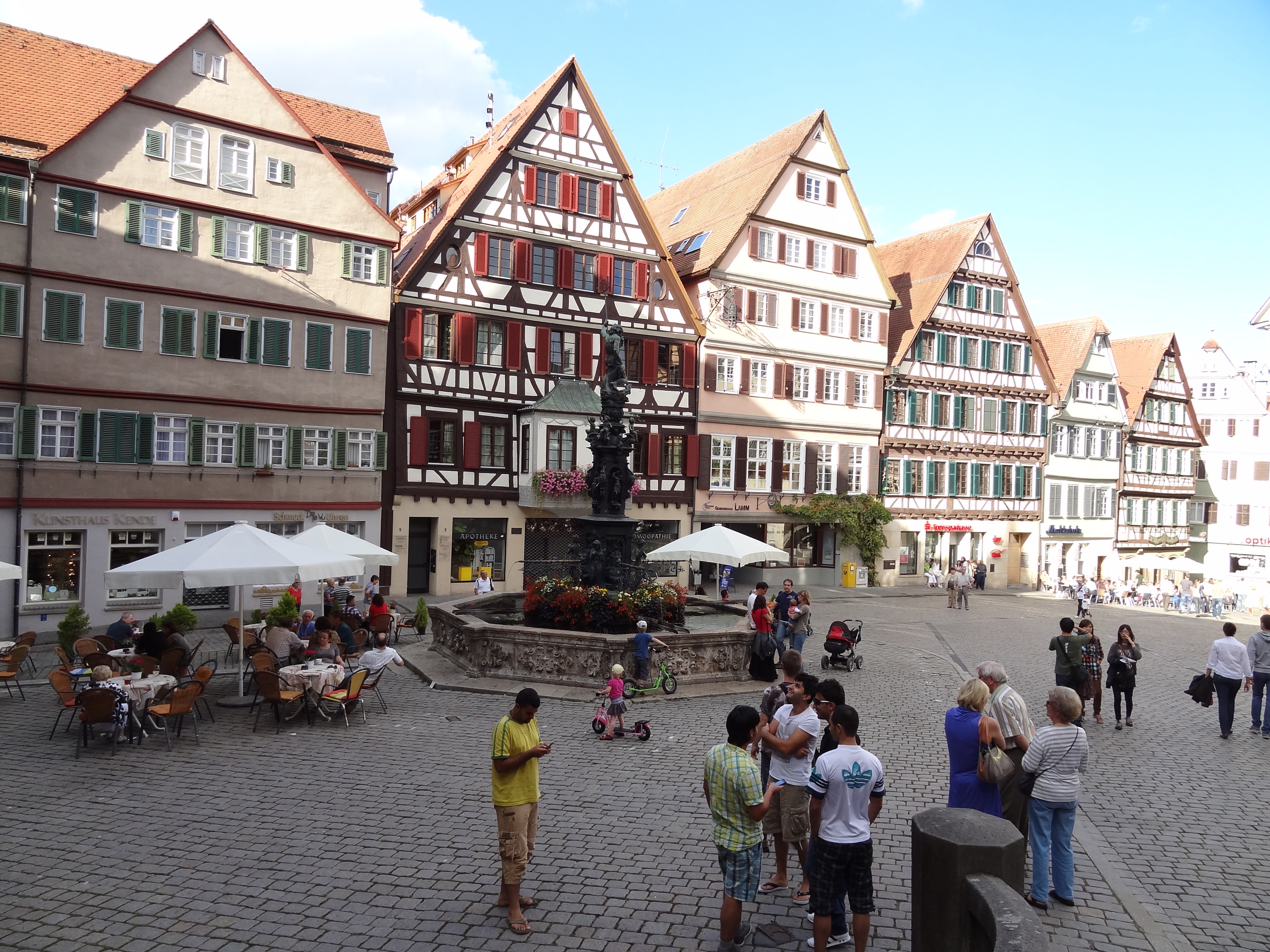
 

The Fail Buzzer: Our Experiences Speaking German


It goes without saying that many Germans can communicate pretty well in English. Even if they don’t speak it fluently, chances are that many people you come across will know enough of the language to have a simple conversation.


Quite frequently, when a member of our Valpo group here in Tübingen tries to start a conversation with somebody else in German, he/she gets a response in English. None of us are perfect at German, but I would say that we’re all pretty competent when it comes to day-to-day conversations. Whether ordering food at a restaurant, introducing yourself to someone new, asking for directions, or silently looking at a train schedule, it isn’t at all unusual for someone to drop everything to help the apparently-confused Americans.


I’m pretty sure that because so many people here speak English, they’re always looking for people to practice it with. In America, I know I look for opportunities to speak German to people too, since there are so few people to stay in practice with. Once I read in a travel guide booklet that the reason Germans prefer to speak English with foreigners is because they are a very orderly society, and easily frustrated when people aren’t able to simply communicate (I’m not quite sold on that one, but I guess it makes sense.) Other times, I think, “Maybe everyone here is just very friendly and always willing to help out.”


Regardless of the reason, unless I am actually extremely confused or at a total loss for words, I would prefer not to hear a response in English. I don’t mean to sound rude, but I am here for the entire year with my main purpose being, to come back as fluent in German as possible – a goal that hinges on the daily immersion in the  language. Many people here know this, which is why I’m grateful that my German neighbors and friends speak almost entirely in German with me.


After choosing the words, planning the word order, and practicing the sentence structure carefully in your head many times over, the outcome of a conversation can really make or break your day. I know that my grammar and word order may not be perfect, but I feel like I am almost always understandable. When you’re learning another language there’s nothing that feels better than getting through a difficult conversation without resorting back to your native language. On the contrary, the opposite outcome can sometimes be frustrating.


So our little Valpo group in Tübingen is constantly challenged to blend in with not only the culture, but the language and the way it is spoken. We try as hard as we can to hide our American accents and to express ourselves as thoroughly as we can. We’ve made an “inside” game of getting through conversations this way. When we receive a response in English, we imagine someone pressing a giant red “FAIL” button that makes a buzzer sound. Sometimes one of us even makes the noise out loud, as we laugh quietly at our inability to play German impostor.


For example:

At Ikea last week, and I ordered Swedish meatballs with gravy on the side for Jake who was watching our stuff at the table. I thought that what I said was understandable, as the man working behind the counter scooped up some meatballs and some gravy, which he did indeed put on the side. Then he faced me again and asked, “Would you like french fries too?”


“FAIL,” I thought, as I imagined the proverbial buzzer being pressed. “What did I say? Was it wrong to ask that way? Is my accent really that strong?” I thought.


As I walked away, he turned to me again and shouted, “ENJOY YOUR MEAL!” Everyone in line turned to look at the guy who couldn’t speak German, as I walked away embarrassed. Nobody else got a similar farewell.


In situations like this, I try as hard as possible to continue in German, hoping that the other person will switch back. Sometimes they do, but sometimes they’re pretty determined to speak their nearly-flawless English with you. Continuing to speak German can be pretty difficult for a few reasons. I know that my German is probably not as good as their English, not to mention that they switched to English because of some unknown mistake I made.


Anyway, I’ll have to do another post when we make it through an entire day without anybody having any “fail buzzer” experiences. Until then, we’ll all just keep trying! For the most part, people are very understanding and want to help us learn their language. Some people are even surprised that an American is trying to learn to speak to them in German.


I still have no internet, but my communication with people back home will improve once I do! I am really trying to limit myself, however, when it comes to email, Facebook etc. so that I can have a truly immersive experience. Our “Deutsch Kompakt Kurs” (German Compact Course) starts on Monday, and I’m getting pretty excited for it. I’ve heard a lot of great things about the program, and I’m looking forward to meeting some new people, traveling around the area, improving my language skills, and becoming more familiar with life in Germany.


Bis dann!


© 2026 Valpo Voyager

Theme by Anders NorenUp ↑