Category Archives: CAPS Fellows Blog

Embracing Discomfort by Lydia Knorp

My work at Heartland ALLiance has been inspiring, eye opening, and something that I look forward to each day. I came in the CAPS program struggling to pinpoint my calling. I knew that I had found my home in the field of Social Work; yet in a field so vast, I struggled to narrow down what branch of social work I wanted to work in. My weeks at Heartland thus far have been a comforting confirmation for me of the work that I passionately want to pursue. This experience has reminded me of the beauty I find when working with people different than me. However, my time at Heartland has also reminded me that helping people navigate injustices, no matter how much passion I have, will be and should be uncomfortable.
Our current times have been startling reminders of the disparities in our systems and the ways that the people who experience them are impacted. Heartland ALLiance has taken the hurt and injustices in this world, slid into the discomfort of it all, stood alongside and boldly defended the hurting. They have had no hesitation when it comes to discussing the problems in the world and acknowledging the trauma and hurt of those directly impacted by them.
As a social work student, I have spent many classes discussing the injustices that individuals experience in the world. The topics of racial disparities, systemic racism, and privilege are not new to my vocabulary. In these past few weeks, these topics have gone from being rarely and uncomfortably discussed to taking the headlines of the news and media. As passionate as I am about bringing greater awareness to the systemic racism and white privilege that are still alive today, I have found myself emotionally overwhelmed by the nature of our world. In simpler terms, I found myself in a place of discomfort.
Heartland ALLiance has celebrated the supreme court’s ruling of DACA and acknowledged the ways that the current immigration system fails to address the dignity of each individual. They acknowledged systemic racism and working and striving to dismantle it. They have said, “Enough with the racial and economic injustice that creates deep despair within Black communities. Enough with the inexcusable racist rhetoric and incitement to violence by our President. And enough with the systems of racism and oppression that have led to unacceptable over-policing, police brutality, and mass incarceration.” Heartland ALLiance has not remained quiet in the midst of complacency. They have taught me the importance of learning and growing through the discomfort.
            I still find myself frustrated and uncomfortable, yet I have learned the importance of leaning into these feelings. I have found the value in learning to embrace and delve into the discomfort. For if we come to be comfortable with injustices, we will never see change.

To learn more about Heartland ALLiance and their response to current events visit https://www.heartlandalliance.org

Unmuting the Silence by Kiera Pratt

June 1st marked the beginning of my internship at National Lutheran Communities and Services at The Village at Rockville location.  I am embarking on an 8 week journey and diving right into the intricacies and nuances of the senior living industry.  While having no experience within the field, many questions loom through my mind and I find myself overwhelmed with the thoughts and uncertainties I have in regards to the work I am being asked to complete.  Getting to know team members and discussing critical components and future plans of the organization through a computer screen with a grainy picture all while troubleshooting poor internet connection is a struggle I am sure many of us are facing today.  There is something to be said about the human interaction and social conversations that occur in the workplace compared to dialogue between two computers 1,500 miles away. 


“Make sure you put yourself on mute”, “Don’t ask an obvious question”, “Take all the information you can in” are common statements I make to myself in an effort, in my mind, will make me seem responsible and respectful.  However, through these efforts, I am choosing to be silent and making the choice to not ask questions and provide input.  I hover over the unmute microphone feature waiting for a moment of silence to jump in, but inevitably I accidentally cut someone else off and say “Oh, I’m sorry go ahead!” and eventually I am left with a multitude of questions and thoughts that I failed to ask and share.  I become frustrated with myself because I did not have the confidence to speak up, but the thing is I know my words have value.  However, I cannot help but to stop and think that while I know my voice has value, why is it that we as a society cannot value the voices of our Black community?  It is one thing to be silent, but it is of another magnitude to be silenced.  


In the recent social climate with the Black Lives Matter movement and addressing the systemic racism and social injustices that are so evident in today’s society, I learned that it has been my privilege to stay silent.  However, if I have learned anything through these past few months following this movement and conversation, it is that I have to use my voice.  Acknowledging my privilege and biases and the stereotypes that are so ingrained in our society’s being is one step in becoming aware of the inequalities that perpetuate the racism that exists today.  An internal dialogue is crucial when addressing various injustices because society created this issue and to be more specific, white people created this issue.  I have a privilege as a white woman that the Black community does not.  Being a white woman, I am not exposed to the slandering comments, presumptive stereotypes, and the belittling microaggressions, but it is vital that I use my voice and privilege to support the Black community and demand change. I understand that I will never understand what it means to be a Black person in today’s society.  


I have a privilege as a white woman to stay silent because my race is not at jeopardy of discrimination, but I believe it begins with acknowledging your privilege and using your voice effectively to eliminate the injustices and racism within the Black community and other communities of minorities.


Our voices are not necessarily meant to call out those who are being silent as the path they are choosing to take in creating change may look different from the way others are, but our voices are meant to amplify those who are being oppressed.  Having meaningful conversations with peers, friends, and families can create a dialogue that has intentional action supporting it.  


No longer will I toggle over the microphone feature in my own life in fear of speaking out instead I will use my voice effectively and productively to address my own thoughts, words, and actions, but also to have conversations with others to listen to various experiences and effect a lasting change that is integral to the progression of this country.


Now is the time to unmute ourselves all while listening and being empathetic to the voices that have been silenced for far too long.

What I Don’t Know For Sure: The Intricacies of Not Knowing By Drayce Adams

“What I Know For Sure” was a column in O, The Oprah Magazine, where Oprah Winfrey shared life lessons collected from her lifetime as a source of inspiration for others in an uncertain world. Admittedly, I hadn’t even heard of it until days ago, when it received a scalding critique from Imhotep, a director at Kheprw Institute where I am an intern. Kheprw is a nonprofit in Indianapolis that focuses on community empowerment through building capacity in community members. It operates by looking at the resources available and how they can be leveraged for community use. 


Like with most conversations, Imhotep and I discussed from the front porch, the heart of Kheprw’s operations. In the balmy Indianapolis evening, Imhotep said knowing anything for sure is complete crap. I objected, thinking of all the things I knew for certain. I knew my name was Drayce. I knew the pythagorean theorem equation. I knew that today was sunny, and that we sat on the porch because it shaded us from the heat. Before I could even dive into the plethora of knowledge I contained, he cut me off and reasserted a commonly-voiced statement: “You are 20 years old, you don’t know a thing!” Holding my frustration at bay, he explained that “knowing” is a feeling fabricated by oneself, and how one perceives the universe around them. This universe is constantly changing, and knowing something for certain violates that principle of change which is fundamental. 


That answer didn’t satisfy me, so I continued to mull over the things I knew. I thought about my journey to Kheprw through the CAPS Fellows program. Though a Biomedical Engineering major, I decided to step out of my engineering box and engage in something unfamiliar to me this summer. What brought me to Kheprw was a unique shared mentality amongst its members, one of equity and family. Then COVID-19 hit. My one opportunity to engage with this enriching environment was threatened, but I was determined to find a way to make it happen. Through Kheprw’s creativity, this opportunity arose, and here I found myself in Indianapolis, 200 miles from home with a stubborn man who tells me constantly that I know nothing.


I started to think critically about why Imhotep insists on beating that lesson into me. Starting with my background, I’m a white male, and have had the privilege of growing up in a comfortable suburb. I recognize this distances me both from the economic and racial issues that permeate Kheprw’s work, especially during a pandemic and in the wake of nationwide protests surrounding the Black Lives Matter movement. It’s as if I come from another planet. I can never fully grasp the complexity, barriers, and pain of racial discrimination that is encountered every day by people of color. This is because I live in a system that favors me, that has silently and vocally taught me that I have power, that I am smart, and that I can bring change. I learned very quickly here that this narrative is much different growing up with color, in fact it is the opposite. You learn that you start from the bottom of a ladder and that every day you have to be vigilant against a system designed to keep you from climbing up. I learned that success against this system is illusory: every movement against racism has only led to it continuing through another form. I continue to learn more everyday because the people here at Kheprw allow me to ask difficult questions. They even encourage me to ask the stupid questions where I lack the common knowledge that we are deprived of in the American education system. I’ve learned a lot, but it is as fractional as a drop in a swimming pool. I could learn every historical event, discuss institutionalized racism with every expert, and I would still know nothing about racism’s true nature, because I don’t live it. I just can’t experience it. How can I understand a lifetime of abuse when I can’t even stand an old man calling me a fool for 2 weeks?


So why does Imhotep tell me I know nothing? Simply because it’s true. This mentality is the only one that can bring me to understanding. If at any point I say “Okay, I get it. I came here to learn, now I know what racism is”, my learning would immediately end. In this context, knowing is the barrier to understanding.


Understanding, unlike knowledge, can change. Imhotep’s critique of Oprah’s “What I Know For Sure” was out of the sensibility that our understanding of the universe is very limited, just like my understanding of racism is limited. In this sense, claiming to know anything about this universe is as ridiculous as me asserting to completely know a facet of racism. Beyond that, in trying to deepen our understanding of life and anything in it, we have to first let go of the concept of knowing. For me, this is very difficult. As per an engineering mindset, I try to operate with logic and knowledge to engage problems. To me, the statement “My name is Drayce”, checks out as true; I know that as fact. But consider that names can change. ‘Imhotep’, meaning bringer of peace, was not his given name at birth. Instead the community collectively endowed this name. I don’t know what his original name was, but I suspect it doesn’t matter to him, considering that the current understanding is that he is Imhotep. This understanding may have changed over time, but it holds true as what is important.


Currently, discussions on racism are happening worldwide, which is amazing. Anticipating this blog post, I had at first sought to accumulate knowledge on the subject to share in this discussion, only to realize that isn’t how I can contribute. Instead, I can do a whole lot of listening. I can remind my fellow idiots that it’s okay to not know anything. By admitting this (which is still my challenge everyday) instead of denying it, you can begin to reflect and raise the questions that need to be talked about. To do this you have to put even your own beliefs under scrutiny because the “kool aid” (as Imhotep calls it) is everywhere. By asking these questions, you bring everyone to a greater understanding. That is how the fool contributes. With that said, there are a lot of things I don’t know for sure. I only hope the number of them continues to increase. Thank you for reading my CAPS blog post 🙂

Reflection and Change by Christy Craig

Leading up to the start of my fellowship on June 1st and in the weeks since then, our country has gone through some tremendously difficult times. From the COVID-19 pandemic to the loss of George Floyd and multiple other Black lives, we have been challenged as a society to reflect, speak up, and take action. While many aspects of these recent events have been painful and there’s clearly much work to be done, I feel blessed to be a CAPS fellow during this time. To work with a not-for-profit organization that prioritizes social justice and serving its communities. And to be part of an incredible group of CAPS fellows with whom I get to reflect with each week. Additionally, I’ve found that I’m really enjoying my work and that it’s already informing the type of courses I’d like to take when I start my master’s degree in public health this fall. Now I’m sure you’re wondering, what exactly is my fellowship? This summer, I’m working at one of the sites of National Lutheran Communities & Services called The Village at Rockville. The Village at Rockville is a CCRC, or continuing care retirement community, meaning that it offers multiple levels of care to its residents. These levels of care include independent living, assisted living, and skilled nursing, among others.

As part of my objectives for this summer, I am exploring trends in the senior living industry such as the growing need for affordable housing and the increasing desire for independent living units and high-end services. As someone who is entirely new to the senior living industry, I’m loving learning about everything from terminology to Medicaid/Medicare to how to create a master plan. This fellowship has not come without challenges, however. For one, I did not expect that it would be so difficult to adjust to a typical 9a-5p schedule. In addition, there have been times where I feel silly on a call because I don’t know an acronym (apparently SNFs means skilled nursing facilities) or when I’ve found myself frustrated by the complexity of health insurance and healthcare regulations. Further, at times, I’ve found it challenging to communicate effectively. That being said, I know this fellowship is and will continue to be an excellent opportunity for growth. This is my first time doing remote work, but I’m positive it won’t be my last. Thus, learning how to schedule my day, communicate through video conferencing platforms, and collaborate from a distance is of utmost importance. In the coming weeks, I’ve challenged myself to reflect deeply on how I communicate- both during this fellowship and in my personal life. Do I really listen? Have I asked fellow employees how they prefer to communicate? Are there creative ways I can overcome communication barriers? So far, I’ve decided that it’s beneficial to be assertive and to ask any and all questions, even if it feels uncomfortable. For example, during a call this past week, I felt unclear about my role in creating a master plan. I vocalized this and asked my supervisor how I could be most helpful, suggesting a few different options. As a result, I walked away from the call having a much better idea of the focus of my research in the next week. While I anticipate that there will be more challenges, I welcome them and look forward to learning from them. As a final note, I’ve also had the chance to meet with a variety of team members at The Village, and I really look forward to working with them, my supervisor, and the other Valpo student at my site, Kiera Pratt.


Until next time,

Christy 


America’s Silent Heroes by Joey Hess III

A dark cloud of fear and uncertainty looms over our nation as our friends, family, and neighbors lose their income, their food security, and are forced to self-isolate in an attempt to avoid illness. We turn on the news and day after day the same message is echoed. An invisible, virulent, and deadly virus is circulating the country and while precautions are in place, people are still being affected in vast numbers. Instead of hearing about any of the good that is happening in the country, our attention seems to be directed towards the negative. So, how are we supposed to embrace the light when all we can see is darkness?

While the enemy we fight is invisible, we do not have to be. The truth is, our presence in our communities is needed now more than ever, and Lutheran Services in America (LSA) and their member organizations recognize that and are answering the call. As part of their mission to bring awareness to all the great work that their members have been doing amidst the COVID-19 pandemic, LSA has been publishing daily stories highlighting the unsung Frontline Heroes who are selflessly serving their communities. These are our senior care nurses, social workers, physical therapists, case managers and so many more who, despite receiving little praise, are on the frontlines fighting to protect and serve our most vulnerable populations.

I have taken the time to read through all of the stories posted on the LSA blog and I am baffled by all of the amazing work these organizations are doing and the impact they are making across the country. What is even more shocking is how difficult it is to find a single story that highlights any of their great work in the mainstream media. Despite receiving little recognition, these organizations are sacrificing themselves for the greater good of the people they serve.

Lutheran Social Services of South Dakota is providing translation services at COVID-19 testing sites to remove the language barrier and ensure everyone has access to care. Luther Home of Mercia is streaming religious services for their residents as a way for them to grow and heal spiritually. Lutheran Social Services of North Dakota is providing daily dial-in support groups as a resource to fight social isolation. Lutheran Senior Life delivered over 10,000 meals to their community in the span of five weeks and Lutheran Social Services of Nevada expanded its DigiMart food pantry from 750 square feet to 3,058 square feet to help the growing number of people in their community who are facing food insecurity. These are just 5 out of the 50+ stories LSA has shared over the past few months and there are plenty more to come.

So I ask you to take the time to thank those working in senior services who are putting themselves and their families at risk in order to protect the older adult population. I ask you to share the stories of those serving our children, youth and family who are working tirelessly to ensure that every child they serve is safe, healthy, and is able to reach their full potential. Lastly, I ask that, if you are able to, donate some of your time, funds, or food to those providing shelter and nourishment for the people who are struggling to get through these troubling times.

At LSA, we plan to continue our effort to recognize these silent heroes and show appreciation for all the amazing work that they do. To be a part of a movement like the one being set forth by LSA is something that I do not take lightly. As long as I am with this organization I will continue to work towards their vision of improving and transforming the lives of the people and communities that their amazing members so selflessly serve.

There are two ways to spread light: to be the candle or the mirror that reflects it.


In luce tua videmus lucem,

Joey Hess III

Weeks Full of Lessons by Ashley Winiewicz

I’m beginning the third week of my internship at BallotReady, yet I have still not perfected the art of a flawless Zoom call. “Can you hear me?” “Is my microphone on?” “Ah, thank you for letting me know.” Just a few examples of the common phrases I notice myself saying daily when hopping on and off of meetings. But hey, I’m learning and I’m learning more than how to navigate an internship remotely, I’m being educated on the mission of BallotReady and pursuit to educate voters on their ballot to have politicians that represent them and their community. The heart of BallotReady beats on the voter first mentality and knowing our actions matter in a larger system to make sure the voter is informed and have their voice be heard. Each day of my internship I have been enlightened in some way or another and I want to share the beginning of my journey learning as an intern with you. Whether it’s from onboarding sessions, daily check-in calls with my intern team, or the CAPS reflect-in meetings these past three weeks have been bursting with conversations, thoughts, and lessons.

Silence doesn’t mean I have nothing to say… I’m thinking. This first lesson is actually from the second CAPS reflect-in and I’m grateful to have heard these words as I have interpreted the awkward silence in meetings as no one wanting to talk. Especially, speaking on behalf of myself my silence was me not wanting to speak up but simply trying to think about the subject matter and articulate my thoughts to prepare myself to speak. I think we seem to forget the times when meetings were not over video, we had time to brainstorm with one another and sit in the silence until someone had a comment, question, or thought to share at the table. Compared to the fast-paced automatic responses we expect over Zoom meetings when truly sitting in that silence allowing one another to gather our thoughts is normal, it means we want to make our words intentional and impactful, making the conversation more robust rather than just speaking to simply fill the silence lingering over the call. So, I’m learning to enjoy the silence and realize it’s the sound of us thinking.

Cross that off your checklist! The BallotReady intern team read an article from The New Yorker, “The Checklist” written by Atual Gawande to exemplify the order and efficiency a checklist can bring to a daily routine. The article shared stories from intensive care units using checklists to save lives and if one step was missed the whole process would have been off and the outcomes could have been different. A checklist is needed to stay organized, keep track of your progress, and keep yourself accountable for what needs to get done. Furthermore, the checklist exemplifies the small pieces of the puzzle you need to do in order to complete it. BallotReady values excellence in the work we do and produce for our customers and if something as simple as keeping an effective checklist boosts productivity and work ethic, I will implement it in my daily routine.

Breaking the ice, virtual icebreakers are essential. Hi, my name is Ashley! I go to Valparaiso University and I can’t swim. First, I need to find a better fun fact. But listening to the introductions, daily questions, and games that may seem silly over Zoom are essential to form a sense of community and connection in a remote workspace. I look forward to getting to learn more about those I work with, the small side messages or video chats validate we are all working on these projects together, we all share similar passions and interests. We should be taking the time to acknowledge one another and converse while we work to continue building a community.

Thank you for taking the time to read this, I have so many more thoughts and ideas that fill my mind as I have started this internship. I’m beyond thankful to be working for BallotReady and to be connecting the dots of my future plans. Stay tuned for the next blog post… I’ll dive more into that.

Stay safe, happy, and healthy

Ashley

In A Sea of Thousands by Maddie Fry

Moving from a small town of 30,000 to the bustling city of Chicago, home to 2.7 million, was more than just a change of scenery. I encountered more people on my morning commute to work in the city than I would in an entire week of living in Valpo. To many, the electric atmosphere of the city is intoxicating. There are restaurants open past 10 pm and people wandering around the park at all hours of the night. The endless possibilities which wait around every corner store and transit stop. 

For me, the city glow dimmed much faster than I expected it to. The unknown quickly lost its enchanting spirit and became overwhelming and at times, even scary. Living in a big city was not always what Gossip Girl and How I Met Your Mother made it seem. I took the wrong train more times than I care to admit and I ate way too much cheap pizza. Wandering around bright city lights does not always live up to the cinematic spectacle we dream it to be. 

In a summer program dedicated to helping us discover how our skills fit into the world, living in a city where there is a danger of feeling insignificant among the crowd proved to be a real challenge for me. I could walk down the street and not see one familiar face or have a meaningful interaction with someone. In those moments, I was so thankful to have our Valpo cohort. Having people who were experiencing similar feelings and being able to communicate openly about the struggles we were facing made them much easier to process. 

For any future CAPS fellows who may come upon this, I encourage you to reach out to those around you. Feeling swallowed up in a sea of thousands is a reality you may be facing, but you are not facing it alone. Lean on each other and check in with the people in your cohort. One of the most important takeaways from my summer was learning about the community I keep and what people in my life supported me. Make the most of the time you have and forge new relationships within your cohort. You’ll be surprised at the opportunities you find along the way. 

Steve’s Law by Juan Arellano

Hello, all! Last we spoke, I had just begun my adventure in the South Loop of Chicago’s downtown. Now I find myself in a period of transition, wrapping up my work at Ingenuity and preparing to return to Valpo for my final year of undergrad (crazy, I know). My time at Ingenuity has been everything I had hoped for and so much more. I have learned a wide variety of new things – from how to draft tweets for an audience of over 2,000 followers to how to write basic programming scripts in R. However, of all the new things I learned while interning at Ingenuity, one stands out to me like no other – Steve’s Law.

Steve Shewfelt is the director of the Data and Research department here at Ingenuity. Prior to joining the team at Ingenuity, Steve served in the military and later completed his PhD at Yale University. This summer, I have worked alongside Steve, Tom Bunting, and Emily Cibelli, the data team, in thought partnership around updates to artlook Map, an Ingenuity website that connects arts partners to Chicago Public Schools. Ingenuity launched artlook Map in 2015 as a one-stop-shop for Chicagoans to learn more about the arts education landscape in Chicago and since its inception, artlook has garnered attention on a national level. The majority of my work this summer has been centered around artlook in collaborating on the user experience and design, performing QA testing after a database migration, and collecting user feedback on potential new design implementations. However, here’s where it’s important to note something Steve said to me at the beginning of the summer. In the very first conversation I had with Steve regarding artlook, Steve said, “this is all completely new to us. We are not software people; we are data people.” And in a conversation I had later with Tom Bunting, Ingenuity’s Data Strategy & Products Manager, he would go on to describe the work they do around artlook Map as “making it up as we go along.” The phenomena that Tom described to me, I would later find out has a name – Steve’s Law.

So what exactly is Steve’s Law? Steve’s Law is the following: everyone, everywhere, all the time is making it up as they go along. That’s it. Steve told me about his law in a meeting we had along with the other Ingenuity CAPS Fellow, Claire Utzinger. I remember the feeling I had when he shared this lesson. I felt both terrified and absolutely relieved. At first, I began to question everything around me and what I have known to be true my whole life. I questioned the adults in my life who I have always looked up to and admired and began to question the advice and help they have shared with me. However, upon further reflection, I realized that Steve’s Law is not about a lack of knowledge but more so about endless possibilities. Steve’s Law tells us that life is unpredictable and filled with challenges, but that’s what makes life so exciting. No one knows what’s going to happen tomorrow, and that’s perfectly okay, because when we get there, we’ll figure it out. And nothing could more accurately describe the work being done at Ingenuity – and honestly, it’s been nothing short of inspiring. While it’s true that artlook Map is actually developed by professional software engineers at LaunchPad Labs here in Chicago, the ideas that power artlook are developed in-house. Steve, Tom, and Emily regularly meet to discuss what artlook is and what it could be – despite none of them having any sort of software background.

Although my summer at Ingenuity has ended, the lessons will remain with me for a very long time. I would like to thank the team at Ingenuity for having me this summer, and thank my friends and family for being so supportive of me in the last three months. My alumni mentor this summer was Gideon Litherland and I anticipate his mentorship and friendship will long outlive the summer. I would also like to thank Katie and Thais at the Institute of Leadership and Service for their help and guidance in navigating the waters of the CAPS fellowship. And finally, thank you, reader, for reading this. I hope you take Steve’s Law and run with it.

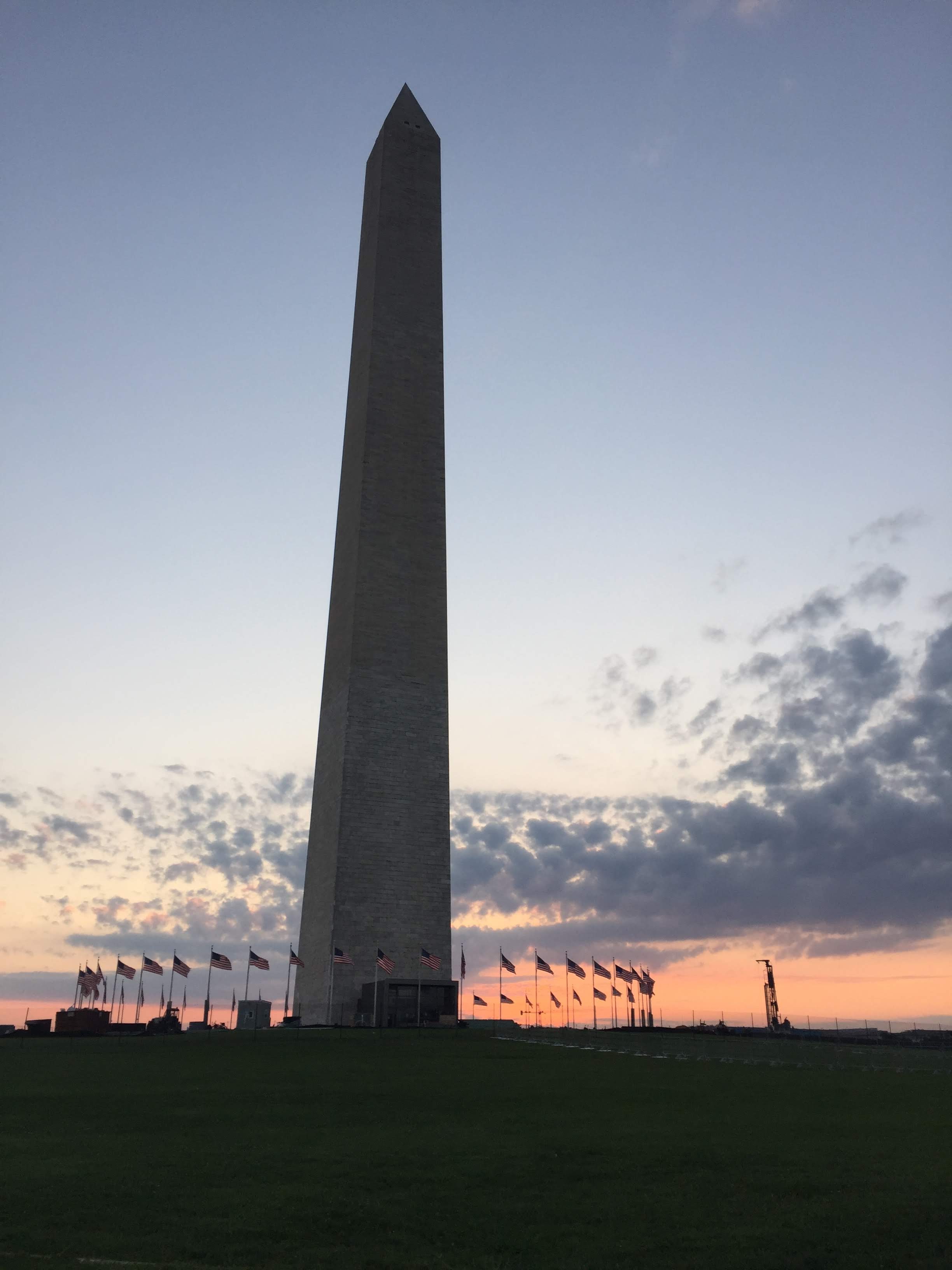
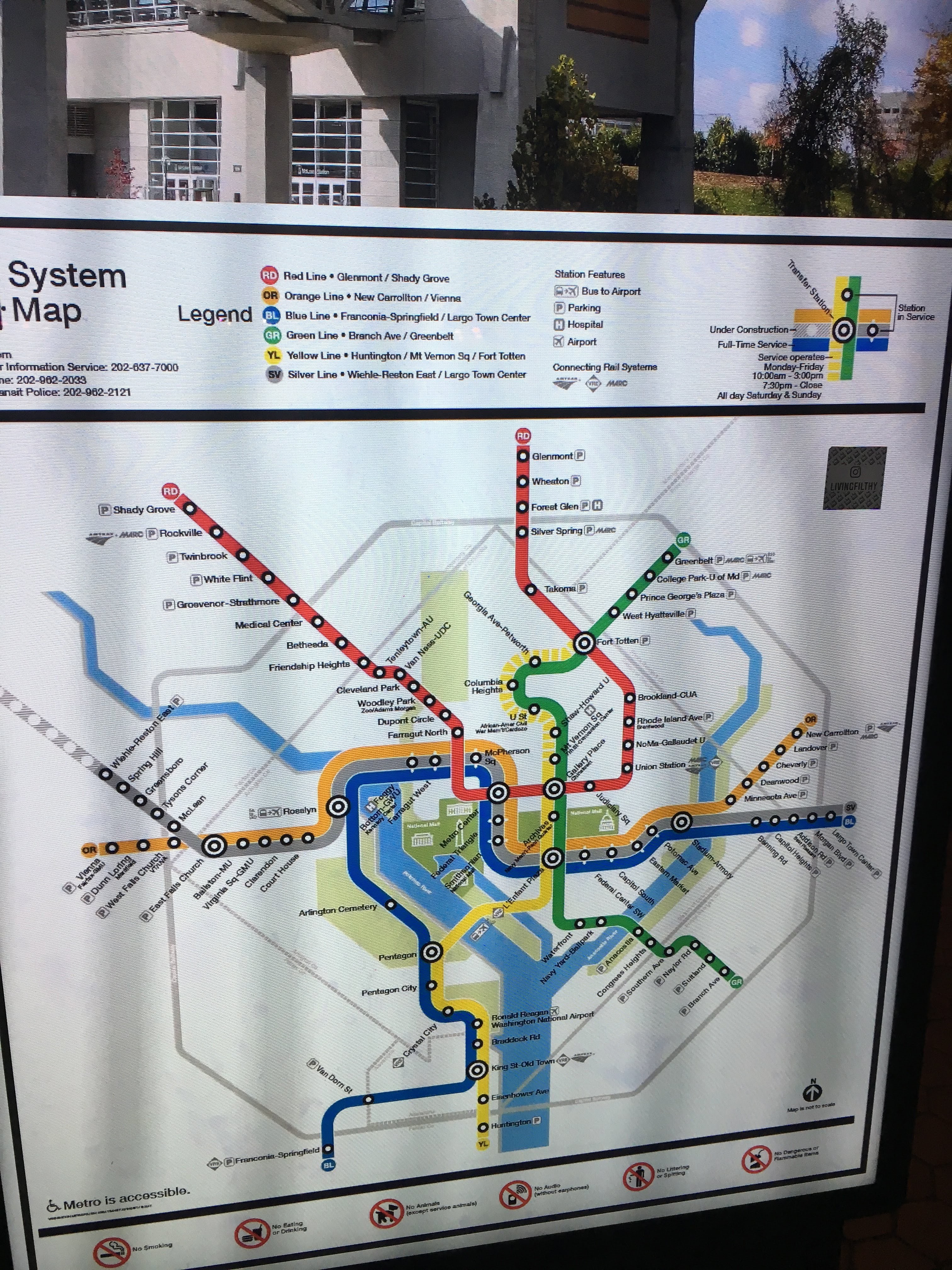
CAPS, D.C., and Beyond by Daniel Herschel

Throughout these closing weeks of my summer in DC, I have found that it is getting easier to lose focus.  As the uncertainty of what comes next looms large ahead of me, I find myself seeking distraction to keep apprehensive feelings at bay. Luckily, CAPS has provided me with opportunities to reflect, and this has helped bring me back to focus. A reflect-in here, a email thread with our CAPS director Katie there, and I find big questions again being brought to the forefront of my mind.

Sometimes, when reflecting, it is easy for me to see the negative things. For example, I think that if I had been more organized, I would have done a great deal more of job searching earlier in the summer. At the same time, I think about how I wanted to try to dive into DC head-on as much as possible. Looking back, I think there were weeks where I did a great job of this.  Other weeks, I was tired, or lazy, or just did not plan ahead well enough to do all that I wanted to do.

But I try to give myself some credit. DC was a huge change of pace for me, a completely different living and working experience than I had ever had before. I am happy for the things I did well, and I am trying to learn from the things I would like to do better. I already look back on the nights I stayed in or the weekends where I spent most of the day fretting over what to do instead of actually doing, and I somewhat disappointed. I wish that I had planned better, or had gone to bed earlier the night before so I wasn’t so tired after work, or had not worried so much about what something was going to cost.  But I also remember going to the monuments, and museums, and jazz festivals, and happy hours, and networking events, and I am very happy that I chose to spend my summer in DC, despite how new and challenging it might have been.

The most helpful aid to experiencing DC to the fullest was my CAPS cohort.  They gave me a community to be a part of outside of work that made DC seem much less imposing. Some of my greatest experiences in DC came out of time with the cohort.  And it was not so much that I did not have to go do something alone (although this was quite nice). Rather, it was that I had people to share the experience with that made these adventures great. I cherish CAPS for providing me with a community of great people during my stay here, and I hope that wherever I go next, I can find a great community that I can take part in.

As I look forward to my future after CAPS, I am somewhat overwhelmed by the possibilities that seem open to me. I have tried my best while in DC to network with different people and to learn about the possibilities for a professional life here.  And although I have found that there are plenty of unique and interesting fields of work in DC, my heart is not set on it completely. I still have a mind to go even further and explore opportunities to work abroad. I have started wrapping up networking and ramping up applications. I hope that whatever I do and wherever I go, it will be enriching and informing as my CAPS Fellowship has been!

Lessons from Water to Thrive by Nosi Oleghe

Having an internship this summer was a huge adjustment for me, and I’m glad to have worked at Water To Thrive. On our last day at work, they threw us a goodbye pizza party. My experience here was different than what I expected. I was lucky to work under the accounting manager for Water To Thrive which was cool for me since I am an accounting major. I also got to help create a budget plan for the well projects that my supervisor got to use on her trip to Ethiopia. Majority of my time at W2T was spent planning our Chef’s Table Austin fundraiser which will take place in September. I contacted restaurants in order to get gift card donations for the silent auction part of the fundraiser.

One part of this internship that I didn’t get to experience was traveling to Ethiopia with my supervisor Susanne and other interns. However, I plan on going on a trip with this nonprofit sometime in the future and staying connected with them and the work that they do, because their mission is something that I have always been very passionate about.

My time in Austin is coming to an end. I have learned so much about myself this summer. From shopping for groceries, budgeting money, and exploring Austin to balancing my internship at Water To Thrive while taking two summer classes, it has been a very fun and growth filled summer. I feel a lot more prepared for senior year and my future career. I am starting to think about the kind of jobs I will be applying for by graduation. I always thought that I would live in Chicago after I graduate, but since moving to Austin this summer, I have loved it here and would consider a job here.

Austin is a great city with so many opportunities, and I look forward to being back here sometime soon. I am going to miss so many things about this place. I’ll miss the unlimited food trucks down every street, the food in general (especially the tacos), the live music, going downtown on the weekends, attending free events in the city, and movie nights with Madison and our deep talks about literally everything. I am going to miss everything about this experience, and I am so grateful to Valpo and CAPS for giving me this amazing opportunity. I can’t believe that in about a year I will have to start looking for jobs, but I am also confident that my experience here has brought me one step closer in preparation for the future.

The Kheprw Family by Alyssa Brewer

The time has come to leave the Kheprw Institute. In such a short time I have developed deep and intentional friendships with the Indianapolis CAPS cohort as well as with the Kheprw staff. I had no idea that this place would become my home away from home -and these people would become my family away from family. Each morning we would have two hour discussions about our day- our goals, plans, accomplishments, and most notably how we are doing. In any “professional” space I have been, discussing your personal feelings and concerns were off the table. Here at Kheprw, they are welcomed. It is a support group unlike any other. 

Throughout the summer us interns completed different projects for the team. I helped put an aquaponics system back together, write emails for an entrepreneurship incubator, create an online curriculum about social capital, construct an LOI for a grant, and other various assignments. While at times it seemed stressful, it was nothing more than we could handle. There was a constant middle ground between leading and learning. 

Overall, I am grateful for this experience. I learned more than I could have in the classroom and had enough support to do it without overextending myself. While I am excited to see my family and friends again (combining the time studying abroad and working here, I’ve been away for almost eight months now), I am also sad to leave. Through this program, I was able to broaden my connections, my education, and my ideas of what service, leadership, and purposeful work mean. I am excited to forge a new path ahead of me but I will never forget what and who helped me get there. 

Times of Transition by Hilary Van Oss

Times of transition. They are different for everyone and people experience them in different ways; however, what usually links them together is the reflection that occurs from going from one chapter of life to another. This summer has been a time of transition for me as I am in the gap of time between being a student and being an “adult”. Graduating from Valpo this past May marked the end of my time as a student and my CAPS experience has been a blessing as it has been the experience that I needed during this time of transition within my life. It has provided me with time for the reflection, growth and self-discovery that is integral following a major chapter of life.

Below is an excerpt from my CAPS personal statement that I wrote as I was applying to the fellowship program:

One of the biggest question that I keep asking myself is how can I help people find their own vocations when I am so uncertain about how to enter into mine? I have found my calling, but I do not know how to get there; I am questioning how I can personally make a difference in the lives of refugees. In today’s political climate I am having a hard time understanding how people can be afraid of individuals who are just trying to live in a place where they feel safe and accepted. I ask myself where is the best place for me to begin working with refugees and immigrants when their future in the United States is so uncertain. Knowing that migrants are people that deserve to be treated with respect, how can I improve the environment in which they are entering into?

How can I improve the environment in which refugees are entering into? The answer I have learned from this summer… by walking alongside them wherever they are in life. These are individuals that are in major times of transitions within their own lives. They have packed their entire lives into a few bags, flew to a new country, and are trying to create lives for themselves in their new home. What I think is so valuable about the work that Heartland Alliance does and how they do it is the fact that they are meeting participants where they are at in their journey of resettlement.

It ranges from extensive interactions during the first few weeks and months upon arrival to assisting in navigating employment changes to times in which the participants ask for guidance down the road. For me, a majority of my interactions with participants occurred during the first few weeks after arriving in Chicago right in the heart of that time of transition. It included navigating social security and public benefits, accompanying to medical appointments, demonstrating how aspects of an apartment work and anything else that needed to be done.

While working with individuals that are going through their own times of transition really helped me in understanding about my own, it put some of my feelings into perspective as everyone goes through these times of transitions within their own lives. Yes, I learned that it is okay to feel scared and nervous. It is okay to feel overwhelmed and lost. It is okay to be excited while also being terrified and it is okay to lean on others and ask for support. This summer I learned that walking alongside refugees as they resettle in the US results in you being the person that they lean on sometimes. For me, I knew that it was okay for me to lean on others for support as well: my family, friends, roommates and the list goes on.

Everyone is going some through time of transition whether that is the time between student and “adult” like myself, a new job, a new relationship, a new health matter or any other new element of life. We all need to be the support for others to lean on just as we have relied on the support of others. One aspect that CAPS has taught me is that we can impact the environment in which the people around us are in just by walking alongside them wherever they are at with their journey especially during their times of transition.

We Have the Knowledge and Experience, So What’s Next? by Zachary Felty

My internship ended on Thursday and I have traded in my apartment in the city of Indianapolis for the home of my family. I have transitioned from my quite apartment to my hectic home with my parents and 4 siblings. Since coming home I have spent a lot of time reflecting on my ten weeks at Kheprw Institute. While working there, I saw things that I had only ever read about. Things such as gentrification, food deserts, and other ailments that low-income communities suffer from. I spent the entire summer helping to build out a fundraising campaign to help Kheprw address these problems. However, I still left feeling like I should have done so much more. I also have struggled with guilt since leaving Kheprw. Here is a low income community that is only 20 minutes from my home, that I had no idea existed. It has been right there for me to go and help in all this time, but I have done nothing for them up until this point. Knowing this now, having these feelings, and having gone and helped in this community, I know face the question of, what’s next? I have always tried to live my life by the mentality of: if we have the ability to help, we also have the responsibility to help. That leads me to the conclusion that if I know there are these low income communities so close to where I live, then instead of feeling guilty for not knowing, I should harness that guilt to make a difference like I did this summer. However, only one question remains, where do I start? I find this to be a difficult question, because I don’t spend a lot of my time in a single place. I spend a lot of time in Indianapolis (with my family) and at Valparaiso University. However, I have learned two thing for certain this summer: there are always opportunities to help nearby, and that help should only be what those in need say it should be. With that being said I think I will start to identify those in need around Valpo and perhaps more in Indy, then learning from them what they need, because assistance is useless if it is not what the those in need wish for. These will be my next steps, and then the next course of action will present itself after they have been taken. This is the closest to a plan that I can come up with while drawing on my experiences this summer. While I am uncertain about who is in need by my two homes and what kind of assistance they may desire, one thing is unquestionable; even after my time at Kheprw, there is still work to be done.

A New Normal by Alyssa Trinko

This summer has been one of the most amazing summers of my life. I have learned so much in such a short amount of time. I have fallen in love with Indianapolis and found a home there. I’ve also fallen in love with the Harrison Center and the work the incredible staff is doing to create positive change in Indy.

The Harrison Center builds relationships with the residents and business owners of Indianapolis neighborhoods so they can help make neighborhoods healthy, foster community identity, and work on renewal in the city. Art is central to this work. The Harrison Center is home to 32 resident artists, many of whom are creative placemakers and collaborate with the Center for city projects. The “city side” of the Center works on building these close relationships with people all over the city and engaging them through art and other creative mediums like public art events, public art installations, porching, and other creative placemaking tools.

This form of activism is innovative and, though it continues to gain popularity across the country, it is still unconventional. I had never heard of creative placemaking until I came here. On the first day of my internship, my internship coordinator, Moriah, told me we would all be attending a porch party for lunch. I was very confused as to why we would be eating lunch in a neighbor’s yard in the middle of the work day. By the end of my first week, I was quickly starting to understand why.

This summer, we worked specifically in the Martindale-Brightwood neighborhood of Indianapolis. All of my internship projects were focused on connecting this neighborhood’s past to the present. The goal of the work is to invite new residents and business owners in the area into the existing stories and traditions of the neighborhood as it continues to experience gentrification. This kind of community engagement the Harrison Center does unites the community, and it eliminates racial inequity.

I organized a storytelling night for the residents of Martindale-Brightwood to share their stories with new neighbors. I also co-created an art show with fashion pieces that celebrated neighborhood matriarchs. I spent a lot of time porching with residents, interviewing them, and taking their photographs. Resident artists painted these older residents’ portraits and they were turned into billboards, postcards, and shown at exhibitions for all of Indy to see. All of these initiatives are examples of creative placemaking.

The work the Harrison Center does is hard. It takes years of effort, dedication, and a strong belief in the cause. It truly takes a village, but it works. In just two months, I was able to witness a community in Indianapolis become closer, more loving, more understanding, and stronger. The Harrison Center has shown me the meaning of community, how to build it, and what it can offer us as humans. It has shown me what a neighborhood really looks like, and that we desperately need close-knit, healthy neighborhoods with identity and culture now more than ever. As I leave Indianapolis, I feel confident that I can take what I’ve learned here and bring it to my own community.

The Importance of Knowledge by Jade Curless

After finally retreating home from our nation’s capital, I have finally been able to reflect on the significance of my CAPS experience and what it has taught me. After working at Venn Strategies this summer, I have gained numerous professional skills and an overall deeper understanding of how politics functions in the United States. Working at a governmental affairs firm has provided me with a much more in-depth view of how our government operates and how policy is a constant battle.

As a general research intern at Venn, I was able to work on a variety of issues. I did research on the devastating maternal mortality rate in the U.S., a crisis where black mothers die at a rate 3 to 4 times greater than their white counterparts despite the socioeconomic conditions. I also had an ongoing project where I researched the upcoming revisions of the Dietary Guidelines. I learned about the importance of limiting the influence of big food and pharmaceutical companies, ensuring a scientific-based Dietary Guidelines for the country. These experiences, and many more, taught me the importance of knowledge and the necessity to be aware. In this current political climate, there seems to be an abundance of problems but only a number of solutions. Being able to watch congressional committee and caucus meetings, I discovered how much influence the American people have. There are many congresspeople who are passionate about solving these social and economic issues, however, their voice is constrained when they don’t have adequate support from their constituents. Working in Washington did confirm my suspicion that big money influences a large amount of how our government functions; however, there are politicians, lobbyists, investigator generals, and many others that a ready to change this norm. For a government to be representative of the people, the people must be passionate about being represented. There is a reasonable mistrust between the people and the government, specifically for minority groups. And while I and many others are unable to fully understand those experiences, that doesn’t mean that this isn’t the time to fight for their platform. It is necessary that our country allows everyone to be represented and more importantly supports them to be their own advocates.

My sociology education has made me critical of our society, but my CAPS experience has made me realistic on how to shift these social structures. Working in such a political environment showed me the significance of being aware and knowledgeable of current issues. There are a lot of underlying barriers that make it difficult for everyone to be represented, but my internship taught me that there are a lot of people trying to change that. Knowledge is a powerful tool, and if we want things to change this upcoming 2020 election, then this tool needs to be as accessible as possible for everyone.

Becoming a Sponge by Claire Utzinger

In my first blog post, I explained that I didn’t really have a good idea of how I will start the search for my ideal career. I want to find a job that combines my love of the arts and working with people, but where does one find that after they graduate? One of the many opportunities with which Ingenuity has provided me is to sit down with the directors of each department to learn about their role in the non-profit and ask them any questions I have. The big takeaway for me was that each person had different pieces of equally valuable advice. So far, I have learned some important life skills from my time at Ingenuity:

  1. Always ask questions. This could include asking for help on something, asking why something was done a certain way, or even asking to be apart of a committee that you feel passionate about. Sometimes things will happen if you just ask.

  2. When applying for a job, figure out what you want to do and find the place that does it best. This will set you up for success in the field you are interested in. If you do this, you will know that you are going to make an impact on the community because the organization strives to do good work.
  3. Have a plan and then do it. When you choose a job, think about how it could help you get to where you want to be two jobs from now. Planning in advance can really propel you on the path to the career you want.
  4. Network, network, network. Everyone always says this, but it’s true. In order to know people who can help you at some point in the future you have to meet people, introduce yourself, and talk about your job for a little bit. Not too bad for the payoff that could come from just a simple business card exchange.
  5. Be a sponge. Take in everything. See what the people around you are doing and how communicating, situations, and tasks are handled. Learn from these things. Also, ask for an explanation if something doesn’t make sense.
  6. Funding is very important in the nonprofit world. Matching a donor’s passions to your organization’s needs is crucial. This, in turn, can be great advertising because your funders will be interested in talking to other people about what they have taken part in.
  7. Step up, or step out. Demonstrate visibility in the workplace and don’t be a wallflower. Make thoughtful and respectful contributions no matter what position you have. Show up fully present each day because if you are not here to work hard and get the job done, someone else will.
  8. Customer service skills can get you a long way. Knowing how to communicate and work with someone in a way that takes into consideration who they are and how they operate is very beneficial.
  9. Expertise is created by hard work and creativity requires risks. From the beginning of time, people have been testing ideas and passing down what they discover. Someone might have more experience in a certain field than you, but they only got good at what they do from trying something out, failing, and coming up with a new plan that could potentially work better than the one before. Then it did. Sticking with it and working hard is a better strategy than luck — although a little luck doesn’t hurt either. Everything in the world was created by someone no smarter than you are. “It’s supposed to be inspirational and terrifying.”
  10. Make sure that you are confident in the workplace. People who put you down are only projecting their insecurities onto you and it isn’t your job to carry their burden. If something is toxic, get out of there fast. 

You can see from this list that many different people took part in giving these pieces of advice. All of them are relevant in different ways, so I look forward to being able to look back on these ideas and connect them to my decisions, projects, and career goals in the future.

Going Home by Rachel Winkler

I am writing this while sitting at my small wood dining room table. My cat is curled up next to me and there is a soft light coming through the windows that face the street. It is weird to be home, to be back in St. Louis. I have had so many homes in the past three months. When I leave St. Louis to go back to Valpo, I say I am going back home. When I leave Valpo to go to St. Louis I also say I am going home. During CAPS my roommates and I would refer to our apartment as home. I even say I am going back home to see my family in Washington even though I have never lived there for a substantial amount of time. Over the summer I thought a lot about what really made a home a home. 

When I was younger I thought of home as an unwavering permanent place. I had grown up in the same city, only moving once when I was five so my house had always been my home. Many people say home is where the heart is and to some extent, I would agree. Valpo, St. Louis, Indianapolis, and Washington all have pieces of my heart and have people I love there. Not all of these physical spaces always felt like home. It wasn’t until I felt safe, secured, and loved that I believed somewhere was home.

 When I first moved into my apartment this summer it did not feel like home. It was scary and new and weirdly quiet. I was also in a new city with two roommates I did not really know.  The same feelings were there the first night I spent at Valpo. These feelings shifted as I began to figure out the city and get closer to my roommates. I began to be able to then branch out and form connections, take risks, and enjoy my new found home with my new found friends. 

This summer I was placed at School on Wheels who provides one on one tutoring to children experiencing homelessness. School is hard for all kids in some aspect or another. It is a time of continuous growth, challenge, and change. It is so much harder when children do not have a place to call home. A safe, consistent place where they are able to perform and learn to their full potential. This summer I worked with some children who were transitioning from a space they might have considered to be home into a new space with new people. They might also be dealing with a violent or traumatic experience. They are going through all these major changes and now with the absence of a home and the school year is rapidly approaching.

This summer I learned that no one can remove all the obstacles that have been unfairly placed into these kids lives but one person can make somewhere feel a little more like home. Trying to understand what my role is as someone with privilege in spaces that are underprivileged has been something I have really struggled with. It was important for me to acknowledge it every day and be conscious of how much space I was taking up. This allowed me to step back and make sure the kids could show me all the amazing things they can do and be able to explore, create, and have fun. If I had not done this my experience this summer would have been far less impactful.

Going back home, to St. Louis was hard. It is weird to walk into the lives of these kids and know them and know their struggles and the just vanish out of their lives. I am still processing everything that I learned over the summer but one thing I have come to appreciate so much is community. Being invested and present in a community is so personal and forms a devotion and passion for others that cannot be replicated. Being a dedicated part of all the communities I am a part of is now something I strive to be.

Different Sides of the Aisle by Braxton Jenkins

CoCoDA stressed to me and other travelers on the Friends of CoCoDA Tour that we must be culturally humble when we travel to different communities in Central America. We must understand that we are probably not accustomed to how people live in underdeveloped countries. If we are not aware of this, our interactions may have be negative without us actually realizing it. After returning, I have realized it is almost more difficult to be culturally humble in the United States. That is an incomplete conclusion. I was in Central America (El Salvador and Nicaragua) for 2 weeks and have traveled to Haiti and Guatemala with WAVES for 2 weeks total before this summer. Cultural humility is not easy abroad, but it is simple when I only have to be there for a short amount of time. I have spent the rest of my life in the U.S., and cultural humility is still an intense learning process.

The ethics of service are strikingly similar from country to country. Working with Central American employees and serving people in developing countries is almost the exact same. In the last week of my internship, CoCoDA sent me to Bloomington, Indiana to shadow the founder and president of Whole Sun Designs, a solar panel installation company. I participated in 8 site visits between the president and clients that were pre-installation and close-out meetings. The men I worked with were intentional and visionary about the details of installing the next few projects, planning projects four weeks in advance, and directing the company in the direction they want it to go. The president had high, though reasonable expectations for everyone. I knew CoCoDA functioned like this as a non-profit serving under-resourced people in Central America. I watched Whole Sun Designs do this as a for-profit, and it changed how I thought a business could operate and still reap amazing results. Successful businesses do not have to choose which clients to hold in contempt or treat employees with partiality.

I was surprised at how the president and employees wove integrity and fairness to each other and their customers as integral to the company’s operation. Our conversations in the site visits, which were usually at people’s houses, reminded me of when I evaluated solar panel systems in El Cacao, Nicaragua. We were just as respectful to their homes and ensured we understood how they wanted to use their system. For example, the president could recommend taking a tree down to maximize sunlight on one part of the roof. He would not follow through with it if the client did not want it. People also showed us awesome parts of their property that they had developed. They were proud of it just like homeowners in Central America were proud of their home development. The only difference between serving clients of Whole Sun Designs and CoCoDA is who could afford the system and who could not. That single difference introduces a running lists of nuances that lead can lead to poor service in developing countries for those who do not continuously collaborate with their clients.

Indiana itself has flooded me with varying levels of emotions that are common nuances in life in life in this country. I know how Indiana has treated black people in the past, so I had to be mindful of that everywhere I went. The threat was not as serious in Indianapolis or Bloomington, but I could not get it out of my mind. I stayed at the house of the president of Whole Sun Designs for two nights. I could not believe that we drove for 20 minutes through forest to get to his house. I am from Chicago. I have buildings and streetlights, not open land and trees. The hills reminded me of Nicaragua’s landscape more than anything else! The president’s roommates were very welcoming people; so was everyone else I met. I have been to many cities in the U.S., yet cultural humility seems more complicated to exercise here than abroad. That is probably because I live here and encounter different cultures on a regular basis rather than touring other countries for a week at a time.

I have not yet gotten into the nitty-gritty of commitment to community development, or business development. I am thankful for this summer internship because I have been exposed to methods of doing both ethically. I will not have to shift into my career thinking there are only avenues to success that are cut-throat. Pragmatism, realism, and respect will be enough.

Growing Home by Michele Poindexter


During my most recent reflect-in with CAPS, Katie asked us what we have grown into this summer. It took me a while to think of an answer. There are many ways in which I have grown this summer, but thinking of something about myself or capabilities that I have grown into proved more difficult. However, after reflecting about my past internships and how they have ultimately led me to Growing Home, I realized my answer. In these past several years, and especially this summer, I have increased my knowledge, passion, and skills for working in food access and community engagement. I still have plenty to learn, but I have grown into my confidence that I am capable of doing this work and doing it well. As I look forward to my future – I have graduated and will be starting a new chapter of my life soon – this realization is incredibly important for me.

As I continued to reflect, I realized that I could not have grown into this confidence without one very important, consistent aspect. Whether it be on a small farm in Northwest Indiana, a backyard farm in Wilmington, North Carolina, or on an urban farm in Chicago, strong women farmers have been present. Agriculture is historically, and presently, a male dominated profession. It is incredibly labor intensive, requires a lot of endurance, you get really dirty, and you see lots of bugs. For these reasons, and several more, women are not typically seen as capable of farming. Yay gender stereotypes and prejudices!…NOT. With that said, having met and worked alongside incredible women farmers has been such an empowering experience for me. I often feel incapable, downtrodden, and in over my head when I think about working in this industry, but having the influence of these women in my life gives me the strength that I need to push forward and pursue my passions. Then maybe someday, I will be for another young woman what these women have been for me.

As I do move forward, past my life in college, I plan to keep these realizations close to my heart. As I search for a job, I need to be confident in my abilities and in the fact that my gender does not diminish my qualifications for the industry I want to work in. If I do start to get those doubtful voices in my head, I will remind myself of the wonderful community of agricultural and food access workers that I have become a part of. Knowing that I have this source of support and knowledge will, hopefully, renew my confidence so I can continue working alongside others toward the goal of access to affordable and healthy food for all.

As my fellowship officially comes to a close, the two most important things that I have learned are that I am capable and I am stronger with a community. I think those are pretty great lessons to take away from a summer internship.

Creating Unity, Amidst Diversity by Ben Montgomery

I first heard this phrase when I was fifteen and participating in the Ulster Project, a cross-cultural program designed to build relationships between protestants and Catholics in Northern Ireland. The project was created in response to historical conflict between these two groups and the goal was to bridge the divide between these two groups by building relationships and inviting dialogue about differences. Throughout my placement, this phrase has repeatedly entered my thoughts. While at Valpo, life is encapsulated into a bubble, one which I love, but also one that is comprised of people who come from similar backgrounds, speak the same language, and think in similar ways. I have likely never been amidst the level of diversity that I have experienced this summer which is one of the things I have appreciated most about my placement. During my week I am surrounded by people of different religions, nationalities, ethnicities, and languages. Old people, children, Hispanic people, Islamic people, African people, the list goes on. Part of what I like about my placement is the welcoming of this diversity on the path to creating unity. I am working with ICDI, the Interfaith Community for Detained Immigrants. Diversity was important enough to my organization that they included “interfaith” in their title. Diversity is obviously important when working with immigrants as they are people that come from all over the world. The people I interact with were raised with different values, customs, and traditions and the differences are certainly evident but there is something so meaningful about people coming together and having dialogue and working together across those difference to grow to appreciate them. The people who I work alongside, as well as those we are working to help are coming from different backgrounds but we all come together under a unified goal: to remedy a humanitarian crisis and to provide dignity and basic needs to immigrants and refugees in Chicago. This is why the phrase, “creating unity, amidst diversity” has been cropping up in my thoughts all summer and this is one of the things I have found most valuable about working with ICDI.