Category Archives: CAPS Fellows Blog

Coffee and Clarity

I began the application process for the CAPS fellowship by working on a personal statement which took me days – even weeks – to complete. Coming to Valparaiso University, I had struggled trying to simply decide what I wanted to study. Now I found myself sitting in front of a blank page on my computer screen struggling to discuss what my interests were or what possible career endeavors I hoped for in the near future. The only thing I have been certain of since childhood is my desire to help others. Throughout my life, numerous things such as hobbies, sports, and extracurriculars have pulled my attention in various directions. However, the one thing that threaded everything together was my desire to help people.

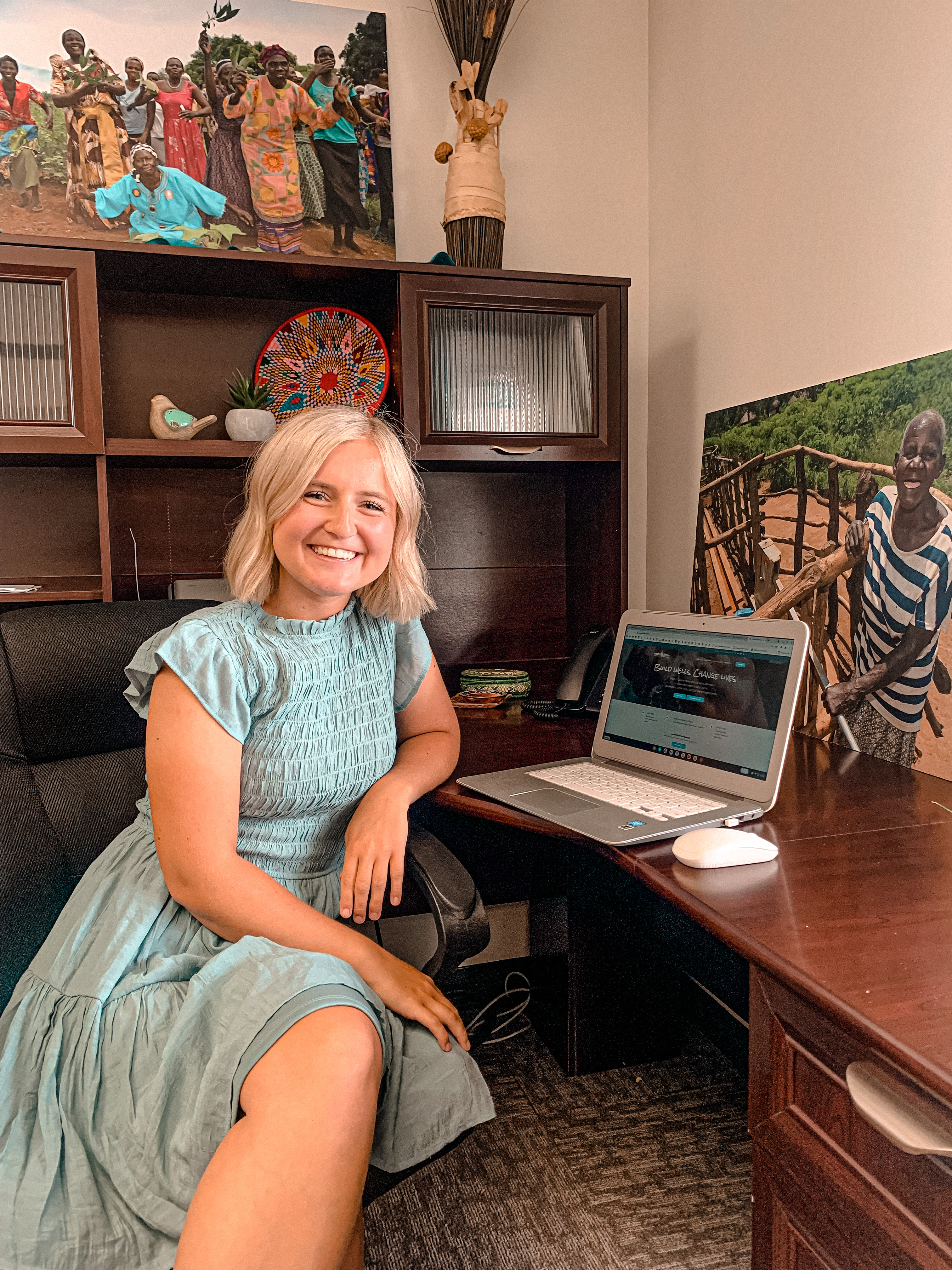
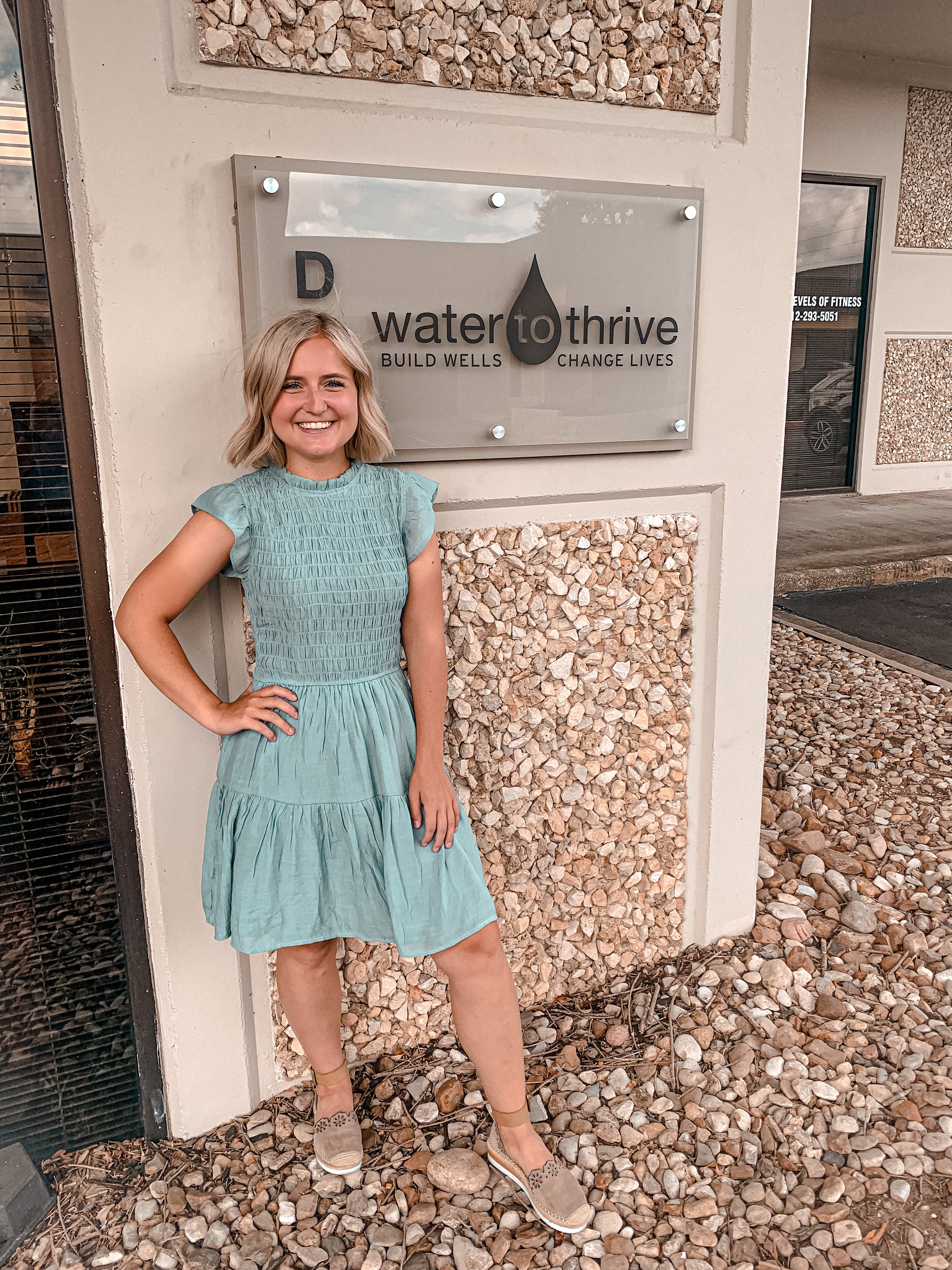
It was not until nearing the end of my internship experience and having an intellectual conversation with a mutual friend of mine that I discerned what it is I am called to do. Over coffee, this woman and I were discussing my current internship with Water to Thrive and the work I was doing. One of the things that I mentioned was how much I loved that I was working both in the field of communication doing community outreach, but also fundraising, which is more related to the field of nonprofit. I explained that I was experiencing the same amount of fulfillment as I had assumed only came from the types of helping professions that work hands-on with others, such as doctors, counselors, or teachers. The epiphany I had when my coffee date responded to this totally changed my viewpoint on a profession in fundraising.

Just because I was not providing hands-on help or services to others this summer does not mean I was not doing anything of benefit. Raising funds in order to allow these opportunities to occur genuinely was and is the root of all positive outcomes for an organization. At Water to Thrive, the work I did directly impacted the way that the business could run and to what extent their organization can help those in need. Just because this career field is one that is more business-focused does not mean that it is any less important and in alignment with the mission of the organization. Working at Water to Thrive was so eye-opening and only furthered my interests and desire to fundraise for a non-profit organization post-graduation. I have already begun applying for job opportunities since I am graduating in December, and without this summer internship, I would have never known how to narrow down this search.

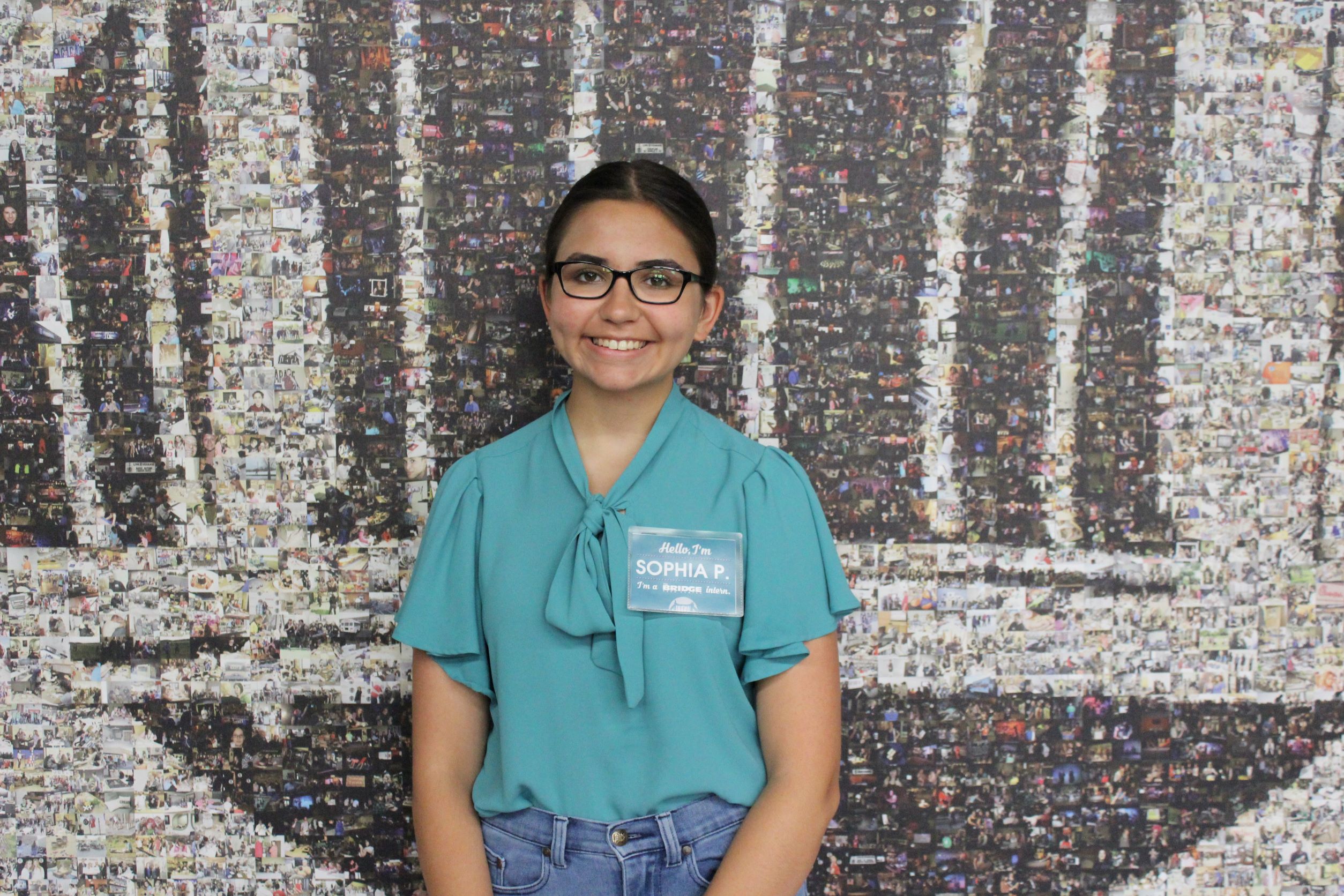
“And What’s Next?” by Sophia Behrens 

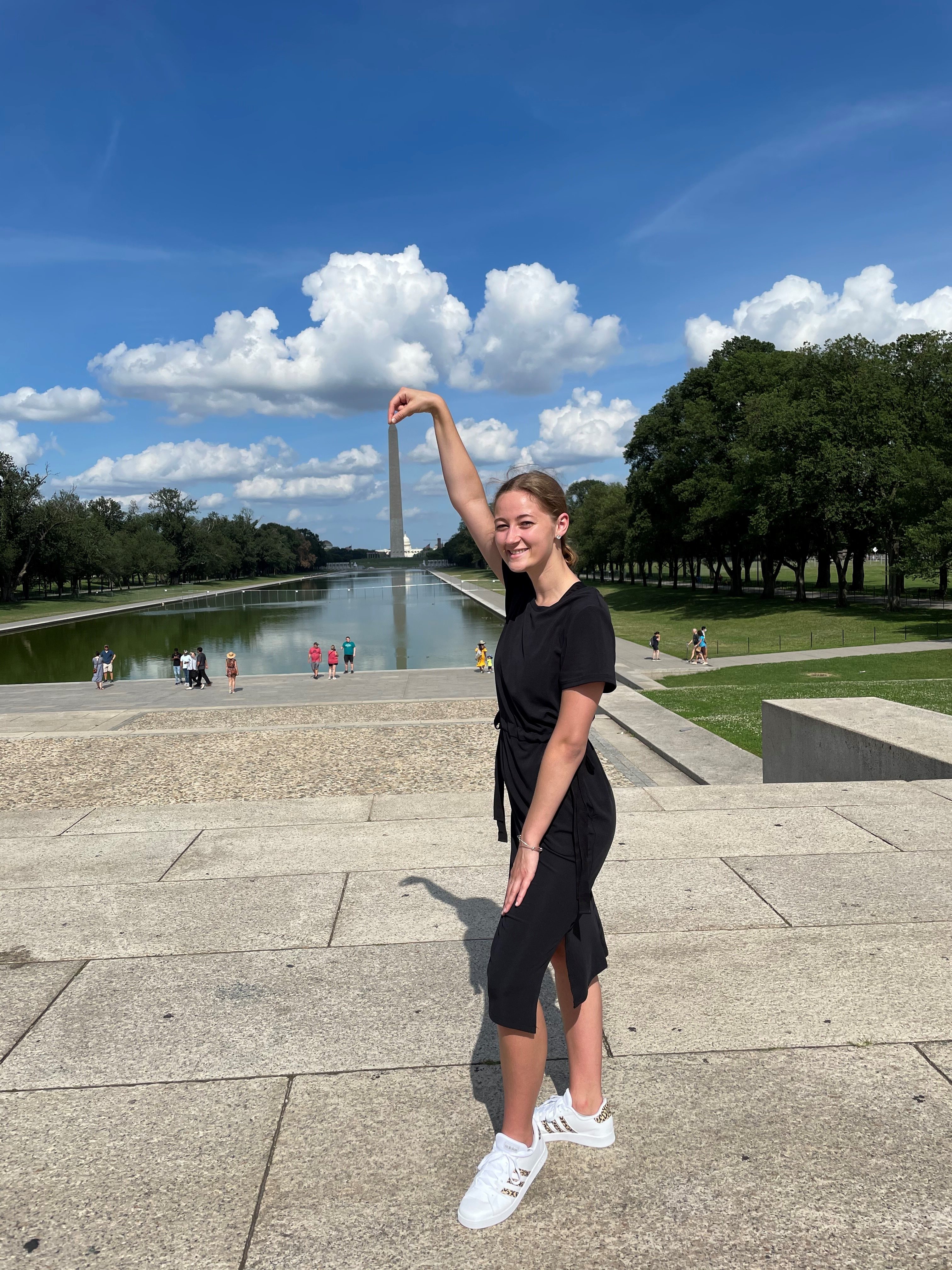
During my time in DC I have found a favorite pizza place, as one always should when living in a new place. Situated perfectly on the route to the Lincoln memorial, &Pizza is the ideal pick-me-up after a long day of sightseeing and easily found when wanting to meet a new friend for dinner. It’s also a chipotle-style pizza place, meaning that you’re able to customize your pizza from the sauce to the drizzle on top and an excellent size for dinner plus leftovers. I’ve found myself going often when with others and it was the first place I ate when moving in for the summer. Like &Pizza, my time as a CAPS fellow has been very customizable both in and out of the workspace. I have been able to choose whether to live at home or move to a big city, to work with child welfare or senior services, to have one roommate or three in my apartment, and how to engage with the CAPS community and with communities here in Washington DC. 

The one decision I was most excited about making was working with Lutheran Services in America as my CAPS fellowship. I remember my interview fondly. I immediately felt welcomed and that I would have the opportunity to explore different sectors within LSA and be able to learn along the way. This rang true throughout my internship, as each person I interacted with at work welcomed me with warm smiles and encouraging comments. 

A lot about this summer left me with more questions than answers about my future and even about what the rest of my time at Valpo will be like. I have questions like, do I want to go grad school and when? What do I study after undergrad? Where do I want my networks to be? Where should I live to cultivate these networks? What jobs do I want to look for after my undergraduate degree? However, my time at Lutheran Services in America has shown me that being within a supportive work environment is one of my most important bases for my future. To be supported and able to receive constructive feedback among colleagues is essential to a successful organization. 

Another thing I’ve learned through my experiences this summer is the importance of community and networks. When arriving in DC, I knew I still wanted to be involved with my faith life even when away from home and the Valpo community. So, I joined a local church and was able to spend the summer making connections with young adults around the nation’s capital. Some of them were young professionals who had lived here for several years and some were summer interns like me. By listening to their stories and journeys I was able to learn valuable advice while creating relationships that will hopefully last beyond a summer. I was able to get an inside look on what living in the capital is like when it’s more than just a few weeks. I also learned the struggles and joys of other internships and working environments which will inevitably help shape my professional path in the future. 

Always Expect the Unexpected by Miranda Engholm

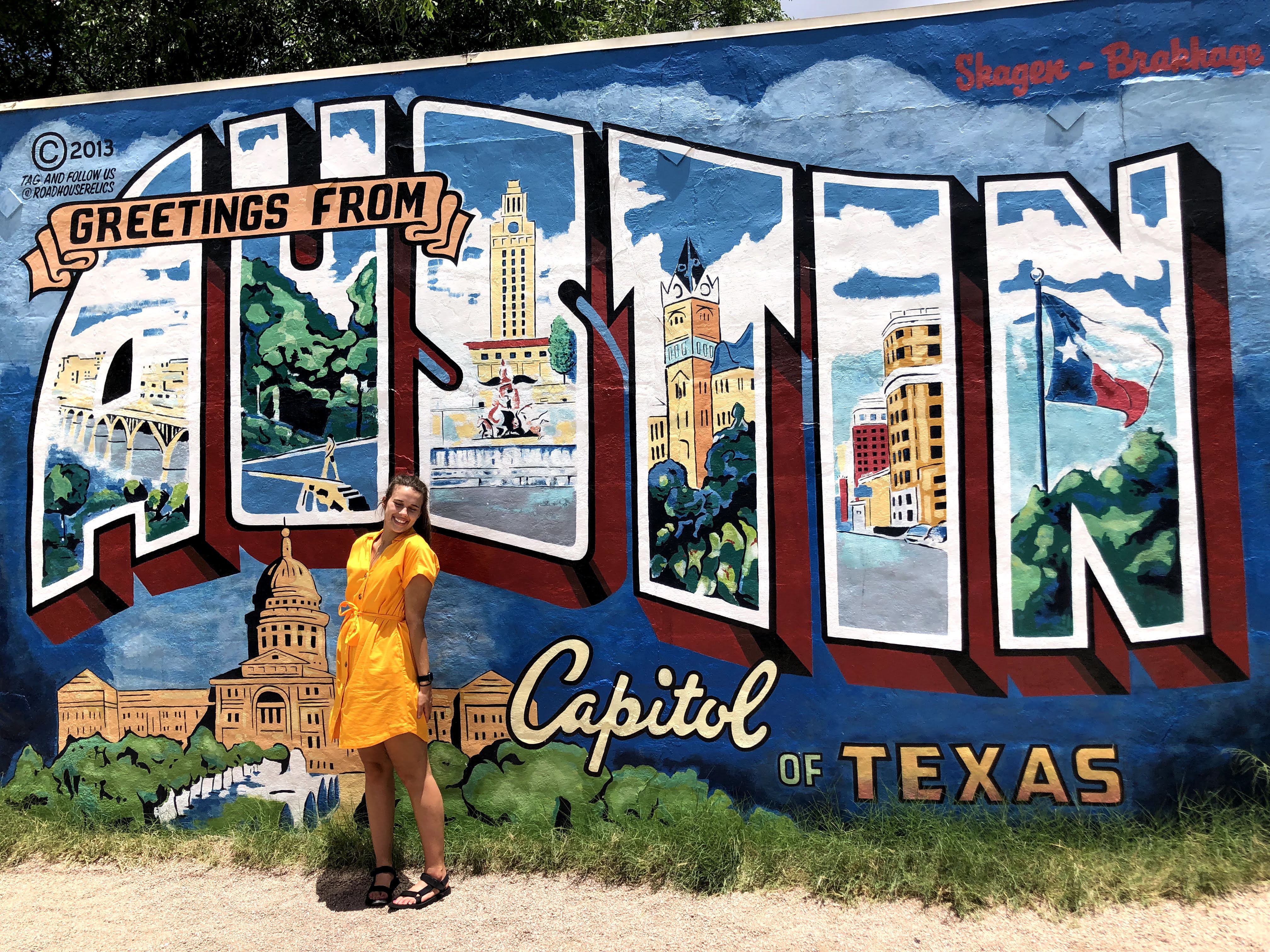
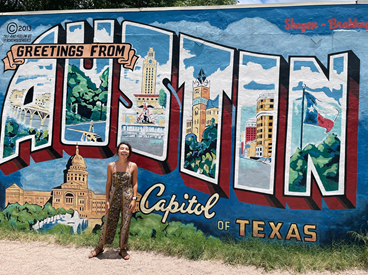
Traveling to a new city is one of my favorite things to do. I enjoy the challenge of figuring out where to go, planning itineraries, and observing the distinct culture of the new place. So, needless to say, I was elated to get the chance to stay in Austin, Texas for three weeks as part of my internship with Water to Thrive. Before arriving, I spent time researching and learning about what Austin was like and all of the activities to-do. I have learned when traveling that it is better not to hold tight to expectations, and to come into a new place with as open a mind as possible. Of course, it is impossible to have no preconceived ideas of what a new place will be like, but it has helped me to truly enjoy a new place.

Keeping an open mind while traveling has also translated into starting my internship. When starting anything new, it is easy to have an idea of what it will be like. This could be either extreme excitement or dread, or something in-between. For me, a fresh graduate, the transitioning time between college and “the real world” has been different to what I thought. Yet, it has shown me how I have no control over specifics, but I do have control over what I do and how I think about it. For example, even though I may not be able to understand traffic or the weather, I can adjust my attitude about it. For example, even when it begins to down-pour while paddle boarding, I can keep a cheery attitude and recognize that the rain was actually helpful in cooling me down after being in 90 degree Texas weather. This is just a small silly example, but the same is true as I continue to work through my internship. 

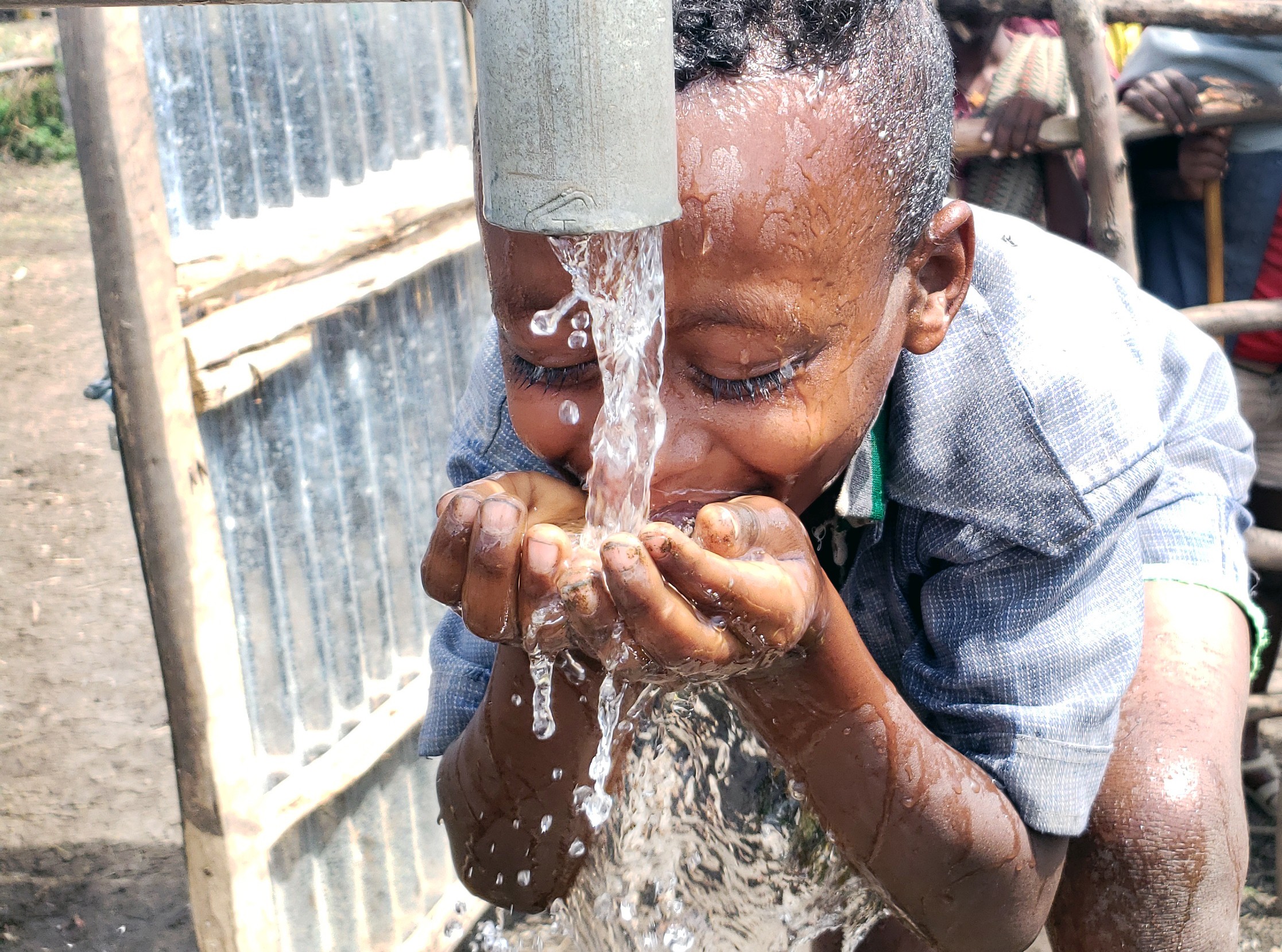
Water to Thrive does amazing work in building sustainable water wells in rural East Africa, which is the kind of work I am extremely passionate about. It is hard to find an organization that cares so deeply about truly changing lives, and not just creating band-aid fixes to massive global issues. It is also difficult to find an organization working on international aid that does not allow donors to go and physically help with the work. I think this well-intentioned help can often cause more hurt, and works to boost the ego of Americans who travel across the globe to help with a cause. Donors may visit the sites, but they are not allowed to help with building the wells themselves. Thus, at Water to Thrive, the work here in Austin is mostly to achieve funding so that local communities in Africa can build and establish their wells. After taking many classes on how to serve global communities well, I was ecstatic to learn about how Water to Thrive effectively makes a difference in the world without playing into the white-savior trope. Of course the role of the donor is important, but what is most important is the community being served. This is what caught my attention when I first learned about Water to Thrive. 

My role as an intern is to begin establishing corporate partnerships with local businesses— something I have never really done before. I knew it would be a challenge on both a large scale especially post-2020 since so many businesses have struggled financially. However, I also knew it would be challenging on a personal scale since I have had to teach myself about how businesses work and how to make a corporate business feasible. Something I subconsciously expected, however, was that businesses would be extremely receptive and responsive to my pitch. Why wouldn’t they want to support a cause that is so meaningful? Although I always try to come into new situations with few high expectations, I found that I do sometimes have the idea that everyone cares deeply about global causes. In my role, which has been mostly research, outreach, and some designing, it has been difficult to decipher the interest level of those that I am reaching out to. 

Last week, I was able to tag along with Kim and Morgan in asking for specific donations to local businesses for Water to Thrive’s silent auction. In this in-person situation, I was able to finally see the generous spirit of business owners and managers. It was encouraging to hear people’s intentions and excitement over our mission. Austin seems like a very generous city, it is one that has different initiatives to help community members. Most businesses already have some sort of philanthropic endeavor, and it is easy to see why Austin is the fastest growing city in North America.

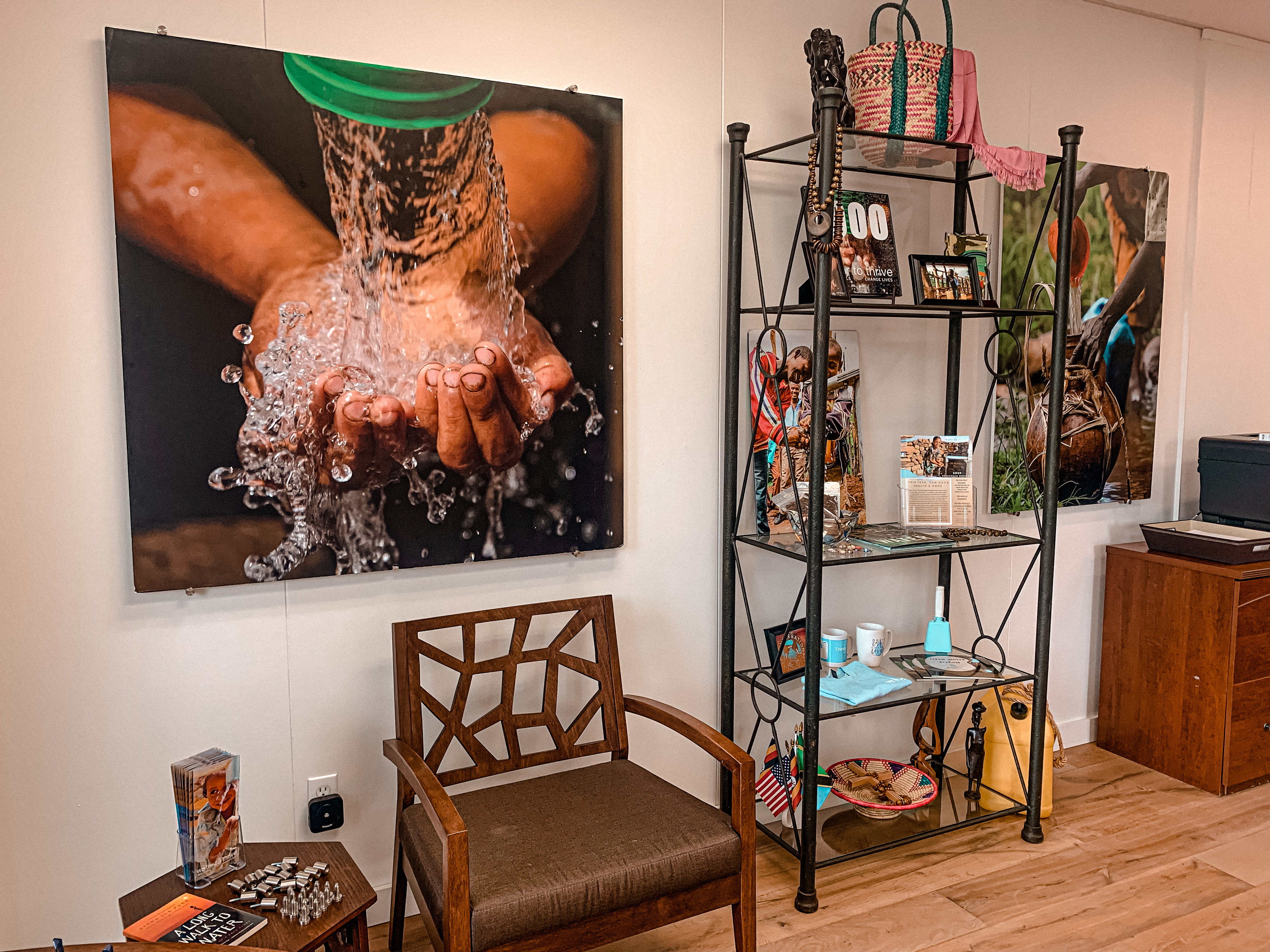
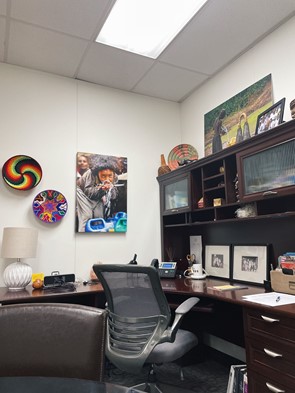
So, for me, even though my work is not directly with those that Water to Thrive is serving, I have to remind myself that the mission is greater than my own small tasks. Discouragement is part of working for a non-profit, simply because of the unknown nature of where funding will come from. Yet, conversely, there is great excitement and joy in seeing the generosity and willingness to give in these particularly hard times. Being in the office where I get to see images of joy of those in rural communities receiving water, has also helped me in maintaining my passion for my work. 

My own frustration and joy has been part of the beauty of this summer. Challenges help me grow, and I can already see how my summer at Water to Thrive has impacted me and exposed the kind of work that I enjoy. It is easy to get caught up in the small inconveniences of my life here— a lack of response, a wrong bus, an unexpected rainstorm— and yet, these are the things that make this experience so unique. I have the chance to take these small problems and change my perspective. Instead of inconveniences they are an opportunity for a follow up, for more sight-seeing, and for the chance to see a rainbow.


Producing Fruitful Fellowship at St. Phillips by Elizabeth Nevarez

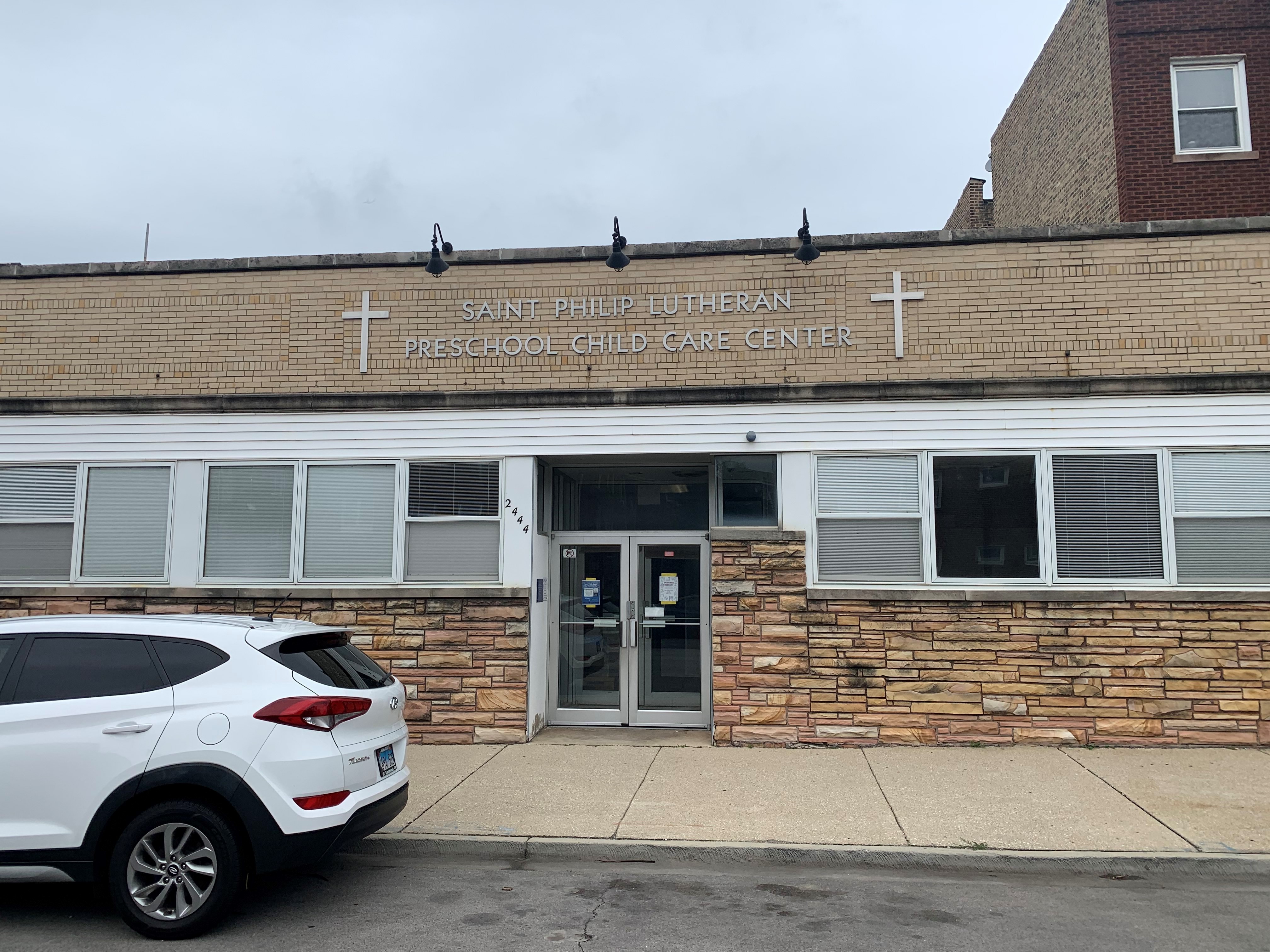
My time at LINC Ministries is quickly dwindling; I am feeling very downhearted towards this memorable chapter in my life ending. I have felt incredibly humbled to be both a CAPS Fellow and an intern for my dream nonprofit. This month I have started a project that has differentiated from the rest of my internship tasks. I have had the privilege of kickstarting a LINC Ministries project called Root to Rise. Saint Philip is a Lutheran church nestled in between the neighborhoods of Logan Square and Rogers Park of Chicago. This region is overflowing with diversity; many of the residents are from different countries in Africa, the Middle East, and Eastern Europe. The church has an abandoned Early Childhood Center which has been closed for three years now. At one point, learning was cultivated inside these walls for young children through the hands of passionate teachers, however, it is now a desolate and somber building. Thankfully, starting in the fall, the building will be transformed into a cultural arts and community center for families and children in the area. During the day the community center will house a workspace for residents to come and spend time in. During the evening, the building will become an afterschool program for students. It is crucial that these immigrant students have a place to congregate at night because they are unfortunately susceptible to becoming vulnerable to gang-related encounters. The children will be given the opportunity to express themselves individually and culturally during their time at Root to Rise. Classes such as dance, art, yoga, and other similar activities will be offered for the students. These classes will allow the students to learn more about their abilities as well as the abilities of others who may be different from them. This building will soon encourage hope for this flourishing community– the seed will be planted, the roots will firmly create a foundation, and the fellowship will rise.

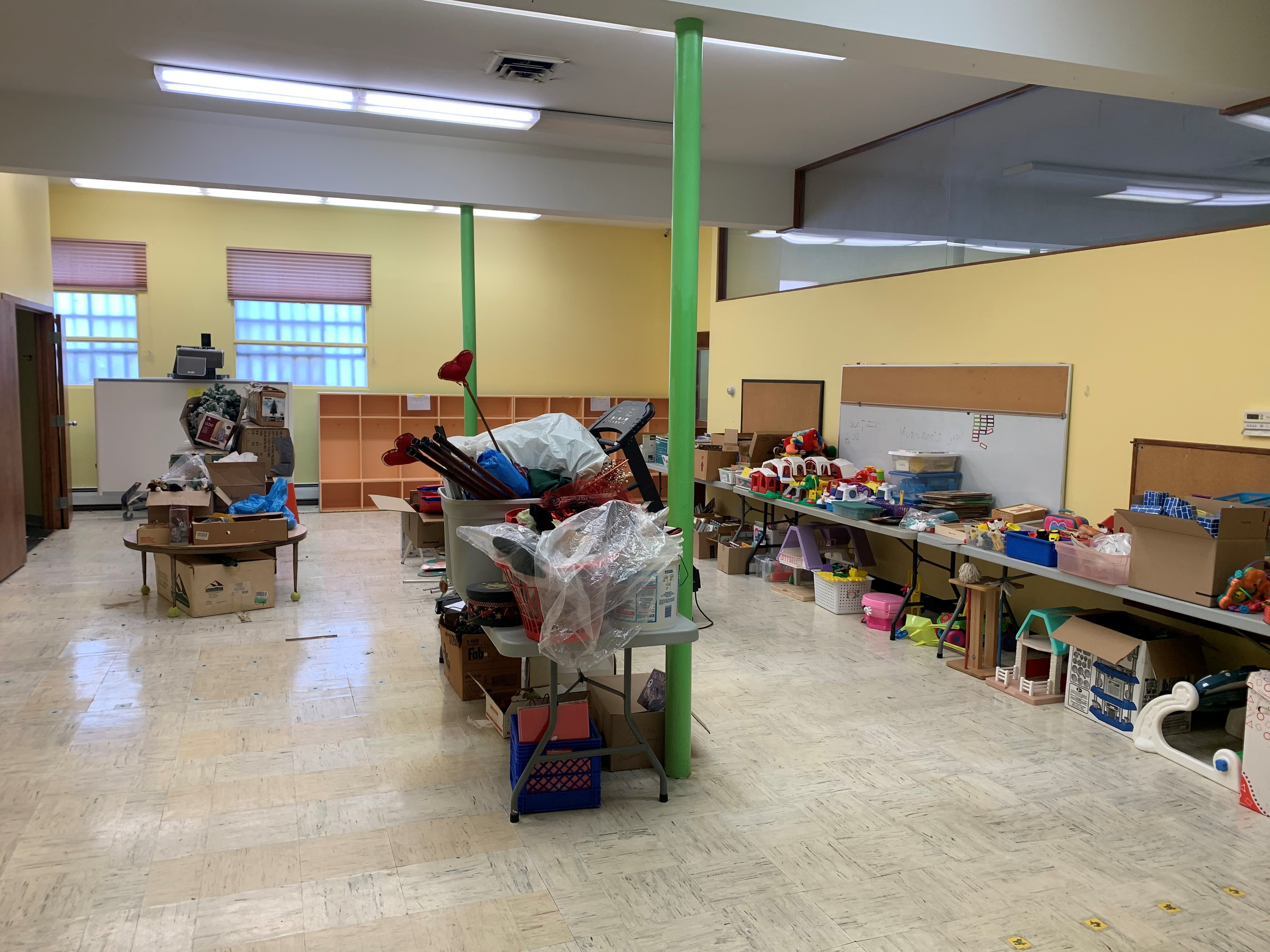
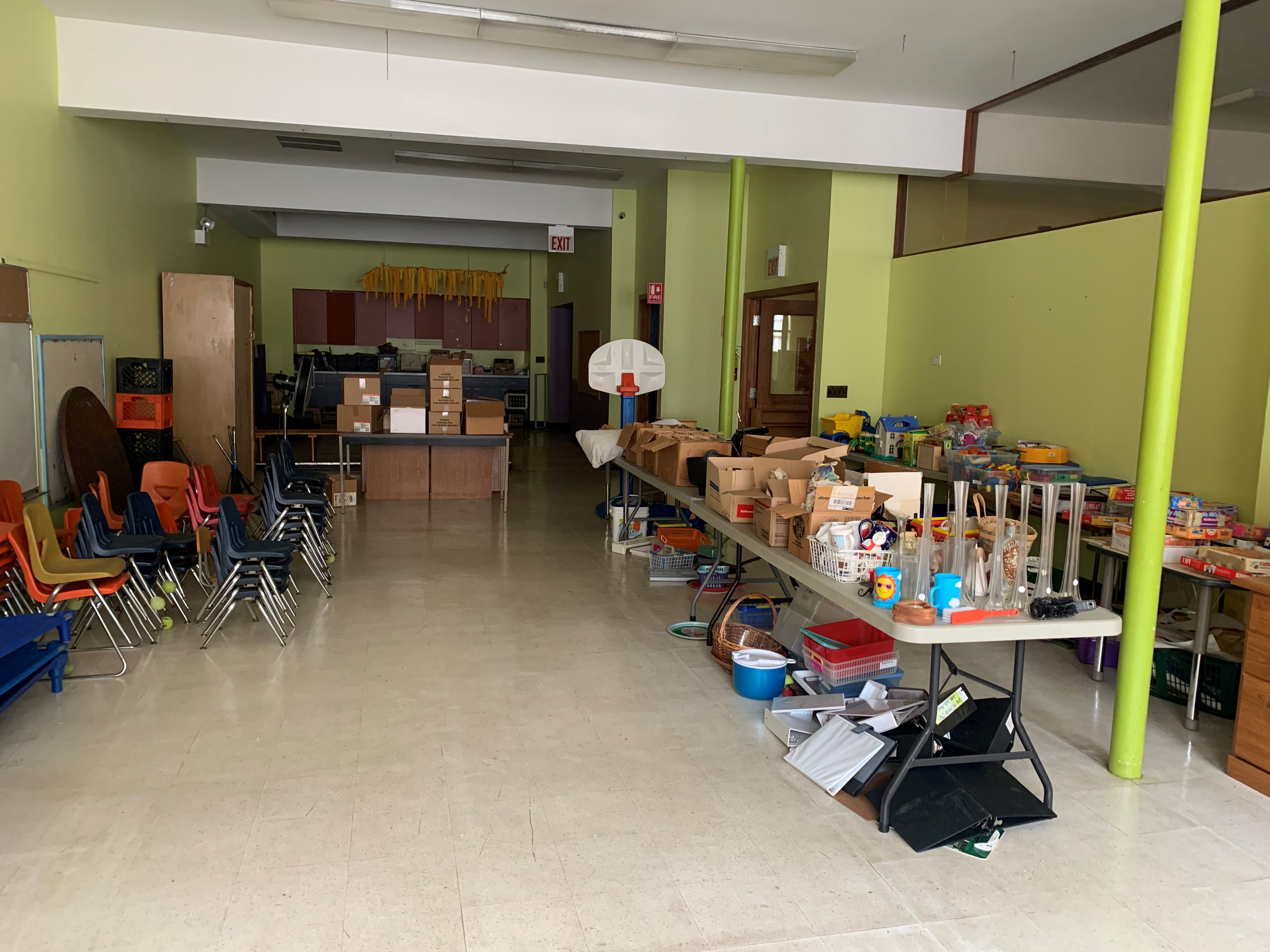
In the meantime, I have been preparing Saint Philip for this impending project. Currently, the building has been used as a dumping ground for Saint Philip’s items; my job has been to organize and clear out these items. I have found myself in Chicago’s unpredictable summer days; I experienced 90 degree weather in that unairconditioned building and a brisk 60 degree day, preparing the building for renovations. I filled up over thirty trash bins, swept for two hours, hosted two curb alerts, and donated items. I have accumulated sweat and dirt, gained a new knowledge of social work, thanks to Brene Brown’s podcasts, and walked in with far too many iced matcha lattes.

In all seriousness, I have enjoyed the opportunities and challenges that have come out of this project. I have had the privilege of connecting with the community through hosting curb alerts and community meetings. The curb alerts that we hosted at Saint Philip were a joy; residents of the community were able to come out, grab free items, and learn about the upcoming project at Saint Philip. It was encouraging to meet so many community members and learn about their stories. My boss and I were able to develop relationships and make connections for the future. I learned that with any opportunity comes many challenges. Clearing out Saint Philip was not easy; a lot of the time, my thoughts felt clouded and my body felt weak from all of the physical toil. I did enjoy the stillness that came with the building though, I found myself dreaming of the potential of it. What allowed me to keep going was the dreamt up visualization of my end goal. I knew that this cultural arts and community center would not be able to exist without the clearing of the building. I knew that I had a responsibility to fulfill, for the community. Through this experience, I was able to learn that hard work always pays off; nonprofit work is not always pretty but the end result is what makes it worth it. It took strong discipline to work on one project continually, but I am so glad that I kept with it. I hope to come back to Root to Rise years from now and see the impact that it has had on the community. I know in my heart that every long day spent at this building will soon produce fruitful fellowship for a community in need.


Going into my CAPS experience, I already knew I felt most comfortable working independently. I prefer assignments where I can take total control and responsibility. In group projects I can get frustrated by differing opinions and work paces. I love the groups I’m a part of, but I often take up projects that allow me to work at my own speed. However, I realized that I have been underestimating the power of a team.

I always saw myself working in a position where I didn’t need to work directly alongside others. My experience at Concordia Place, my placement site, gave me a glimpse into the joys of team projects. I initially requested tasks that I could work on at home without anyone else’s help. While this gave me lots to work on I also felt lonely and directionless. My assignments slowly started losing meaning and it became harder to work at my usual pace. When I physically came into work, I felt recharged. I’m sure the change in environment helped my drive, but I felt most excited to work after I talked with my supervisor or one of my coworkers about my job. In past work experiences, I’ve had a hard time being social at the workplace because I’m so focused on my job. However, at Concordia Place, I found that allowing myself to open up to others gave the organization more meaning. By recognizing the individuals who make up the organization rather than just the overall work of the group, I felt closer to the mission of Concordia Place and to my own work.

Something I don’t think I realized before my CAPS experience is the importance of an organization’s composition. I assumed I only needed to consider what cause I wanted to work for in the future. After Concordia Place, I know I need to consider the kind of people who work at the organization. If I feel inspired by the passion of others, I want to work side by side with individuals who genuinely care about the mission statement. I also know that I need to make an effort to know the people beside me. Since I hope to work on bigger-picture projects, I most likely won’t be in close contact with those who seek the services of the nonprofit. Relationships are always going to be more meaningful than a job description or a mission statement, so I need to invest in the relationships I make at work. I hope I can grow with my coworkers and develop a greater appreciation for the work I’m doing.
I feel confident about my future knowing that I can quickly adapt to a new work environment and get to know strangers in a relatively short period of time. I feel incredibly grateful for my internship position at CAPS because it showed me how much I relied on my community for support. Even though I enjoy working independently at school, I feel more fulfilled when I make personal connections with the organization. I might need alone time every so often, but regular interactions with coworkers brings me much more joy.

Working From Home and Living at Work

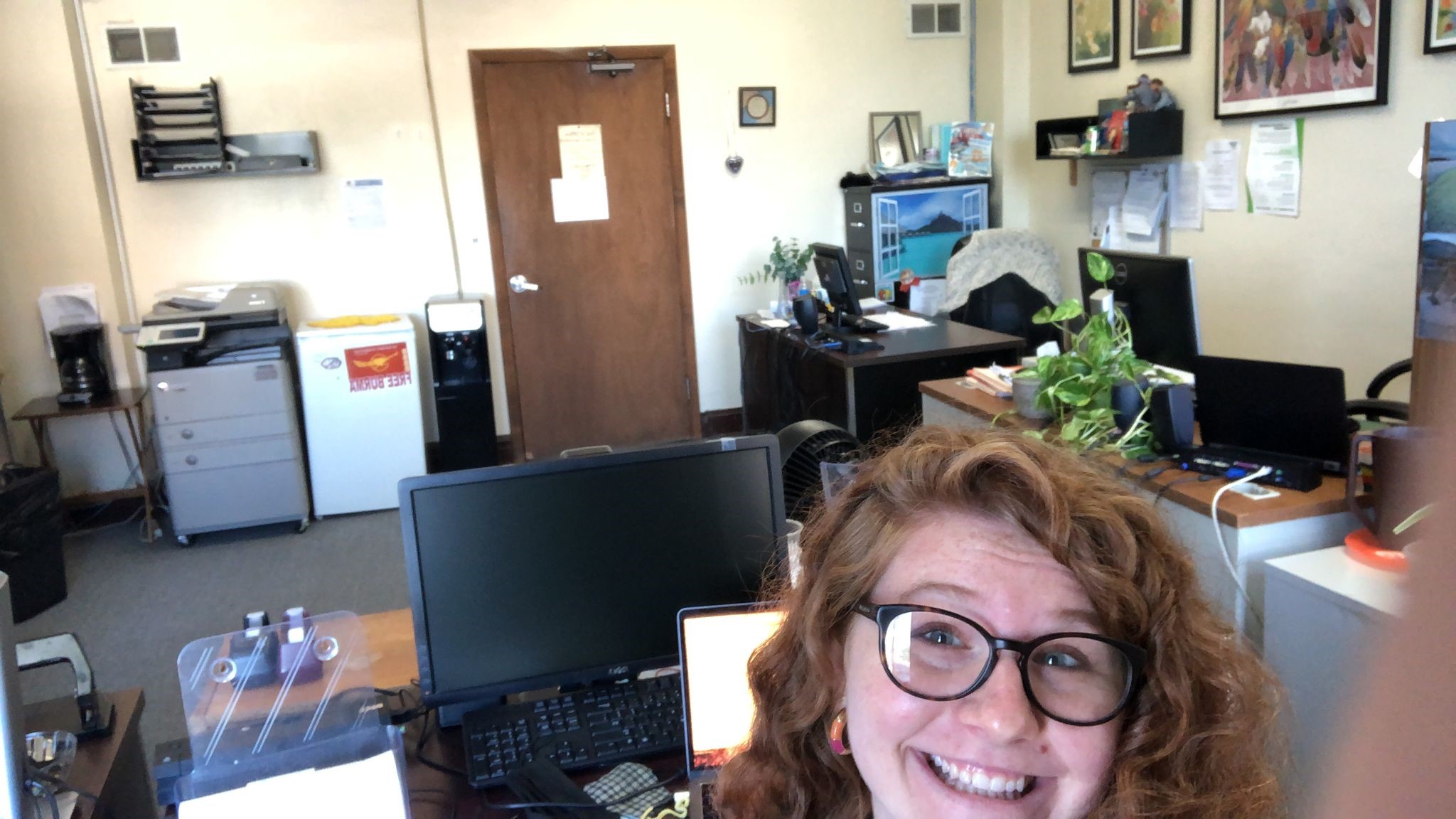
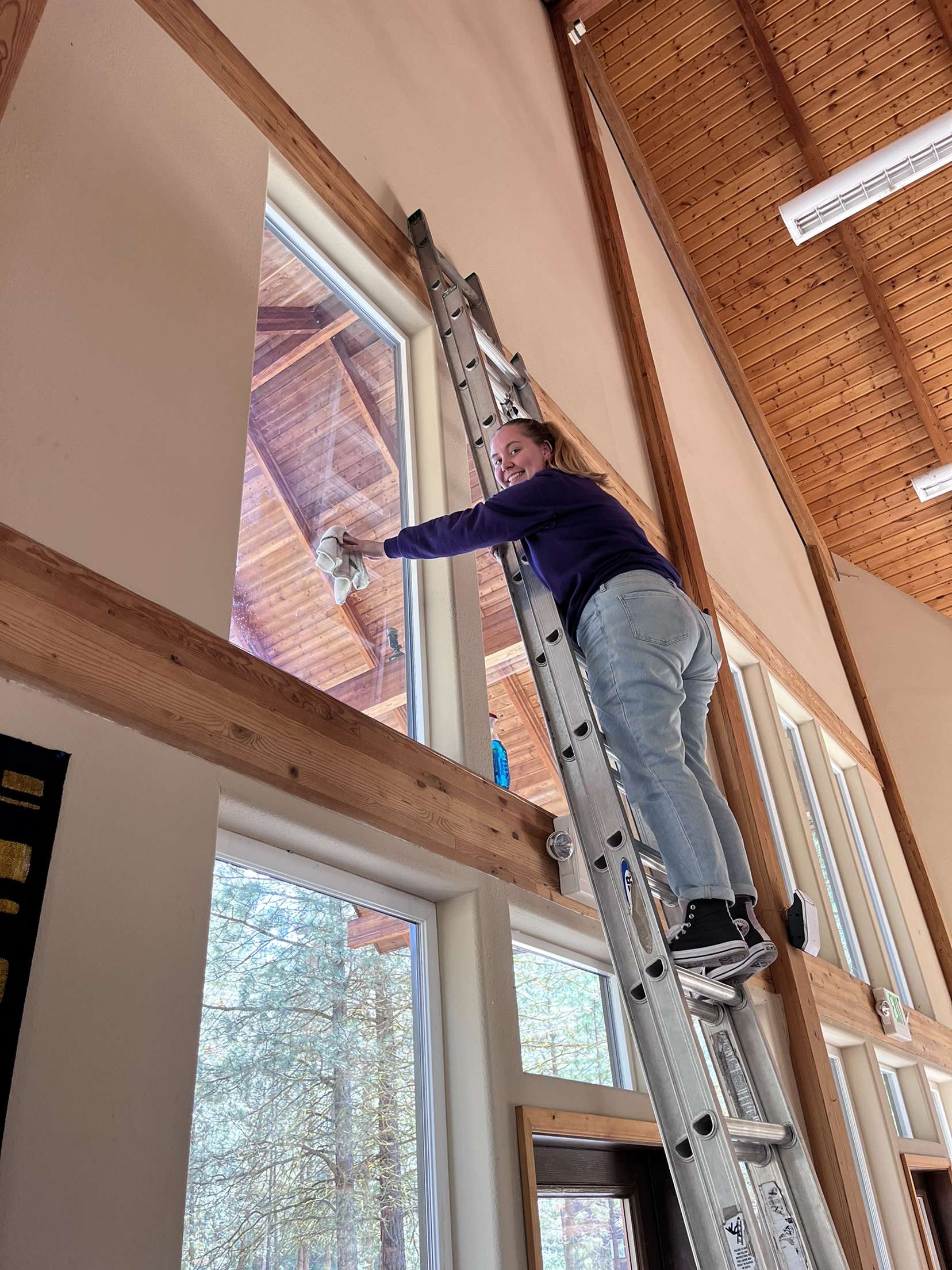
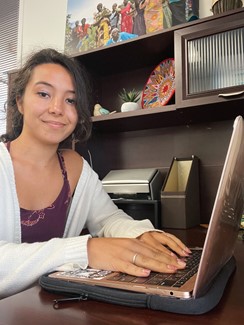
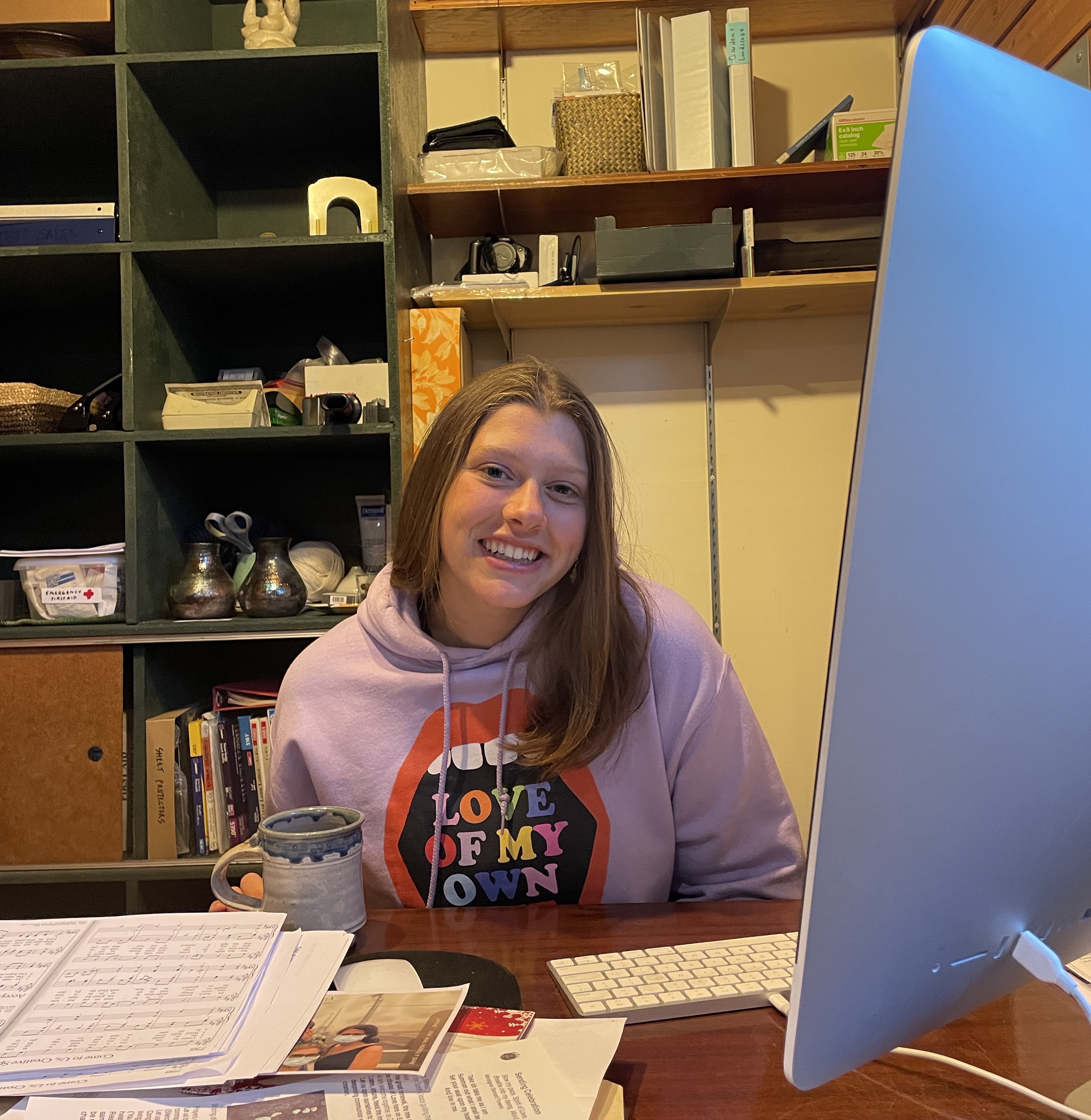
Working in the office!

My first two months here at the Grünewald Guild have flown by. As the hospitality intern for summer programming, I have been busy getting the campus ready for guests and creating a welcoming and comfortable environment during their stay. I order supplies, assign weekly responsibilities to staff, and oversee the turnover of guest housing each weekend. Since programming is at half capacity for the summer, the groups have been smaller, allowing us to form close connections during shared meals, classes, and free time. The biggest change over the past two weeks has been switching from almost completely unstructured days without guests, to having a daily schedule with meals and activities. This has shifted my daily work routine and my timeline for getting things done. Instead of being able to plan out my day according to my most productive times and the specific tasks for the day, I am guided by mealtimes and morning and evening services. While I enjoy having guests here, this shift has highlighted the importance of work-life balance.

My morning commute to the Centrum is a two-minute walk across campus (even shorter if I’m late for breakfast). The Centrum is the main building on campus and houses the office, community living room, kitchen, and dining area of the Guild. Living at my workplace has had major benefits. For one, my coworkers are also my friends and neighbors. The six other staff members are the only people that I see on a regular basis, so we spend lots of time together outside of our daily work obligations. When temperatures reached 115 degrees here a few weeks ago, we drove an hour to Wenatchee to see the

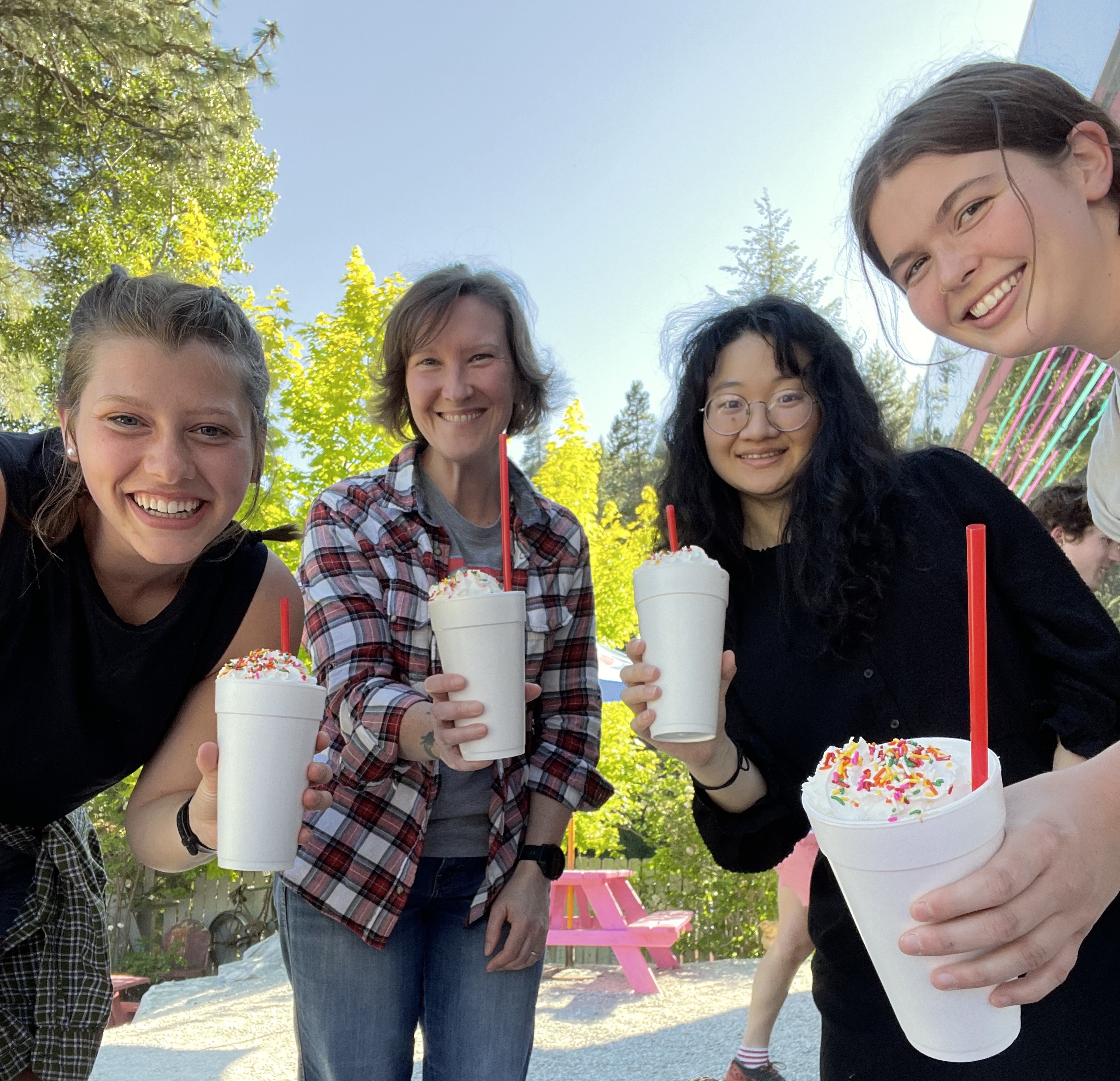
A staff outing to the 59er Diner with Gray, Judy, and Lucy

new Fast and Furious movie together which was a great way to beat the heat. We’ve made many trips to the nearby diner for milkshakes and gone on quite a few hikes. Living here has also allowed me to be completely immersed in my work and see how my projects impact guest experience and daily functioning on campus. The seeds we planted in June are now the plants in the garden that I walk by each day and enjoy in my meals. And I benefit from the organizing and cleaning work I do by having more enjoyable spaces to be in.


Despite the many perks of staying on campus, there are some challenges when it comes to navigating the balance of work and rest. Since I rarely leave the campus for more than an hour, it is easy for me to keep adding on projects to my day and find things that need to be done. My day starts at 7:30-8am with breakfast set up and ends at 8pm after evening service. Instead of a contained eight-hour workday, I end up working somewhat sporadically throughout the day which can lead to me feeling both overworked, and underproductive. I really enjoy what I do, so it is easy for me to see things that need to be done around campus and jump in without considering if I have the time and energy to do so. However, this challenge has given me the opportunity to practice setting boundaries and prioritizing my personal time as well as my projects.

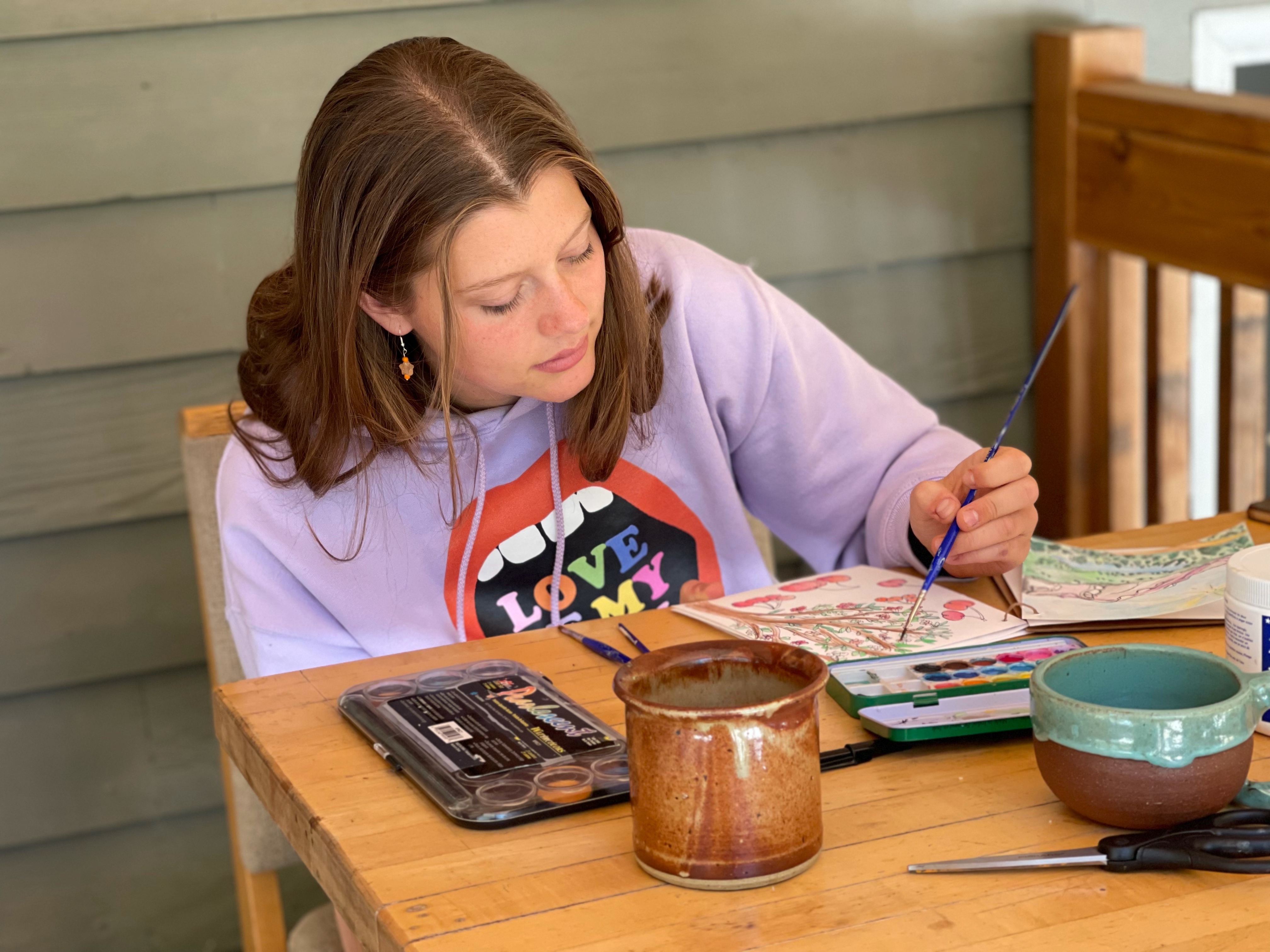
Painting on the porch in my free time!

Understanding what needs to be done and what can wait or be delegated to others’ is one of the most important things I have learned. During the 24-hour period between guests leaving on Saturday and arriving on Sunday, there are a lot of tasks to complete, but by assigning clear roles to each staff member, I feel confident resting on Saturday nights after my responsibilities are done. I also have more time during the week for the activities I enjoy such as hiking, art projects, and spending time with the staff.

During the height of the COVID-19 pandemic, working from home became the new normal, with the utilization of virtual meetings, projects, and collaboration. For some, working remotely increased productivity and flexibility, but it is likely that others struggled to set boundaries between work and rest. This summer, I have realized that no matter if I work from home or commute to the office in the future, I have the tools I need to distinguish between my professional and personal life and will be better equipped to set boundaries on my work. There is always more I could be doing, but being present in the moment, preserving my mental and physical well-being, and enjoying the time I have here are important too. When I find balance in my work, I am a better employee, neighbor, and friend. As guests continue to come and go this month, I am excited to hear their stories and make connections, as well as extend hospitality and kindness to welcome them into our community.


Expressing Empathy in a Virtual World by Laura Reid

Going into CAPS, I had the assumption that most if not all of the placements would be remote, i.e. work from home. While this work style offered flexibility of location giving me the opportunity to travel and work anywhere I had Wi-Fi, I was worried about the potential lack of connections to the organization and staff. How could I form meaningful relationships and create a positive change if I was never in the same place with the people I was working toward that change with? To my surprise, after being selected as a fellow, many of the placements were in person or had in-person components. Going into the organization interviews, I didn’t let the pros or cons of either modality of work skew my opinion of the nonprofit organizations. Rather, I was focused on two somewhat simple things I am looking for in my future career: connection to the people and passion for the work. After my interview with Lutheran Services in America (LSA), I was overjoyed! I felt as if I had known the person who interviewed me my whole life, all of the nerves went away, and I felt like I was catching up with an old friend. When talking about the mission of LSA, it was apparent how much she believed in it. When she asked me what I was most passionate about, I shared my drive to advocate for and give a voice to people with intellectual and/or developmental disabilities (IDD). Then, we talked about the LSA Disability Network (DN) and how my passion could be fulfilled and expanded within it and I knew that LSA was the place for me.

My very first week with LSA, I had an introductory zoom meeting scheduled with every single member of the staff. Each meeting was like the others even though they were all different people working from different places. The first word that comes to mind when I think of those interactions and the people is genuine. They truly were interested in getting to know me and offer their support in any way they could. The phrase many of them used was “professionally and personally” indicating their desire to support me as a person and not solely as a summer intern.

Maybe it’s that LSA has such a small staff. Maybe it’s because they are all truly passionate about the work they are doing. Or maybe it’s because they cultivate a work environment where mutual respect, open dialogue, and empathy are the driving force behind every interaction.

As discussed during my first interview, much of the work I do is with the Lutheran Services in America Disability Network (LSA-DN). The DN has 16 dedicated members that have conversations and training around disability advocacy and policy and how to improve and enrich the lives of people with intellectual and developmental disabilities (IDD). The same genuineness that I continue to witness with my coworkers is also evident with these members. They are honest about how they are feeling within their organizations and within their lives. In a world where so many people are taught to leave their problems at the door when coming to work, it is so encouraging to see and hear these people opening up to one another and to me, a new face on the zoom gallery screen.

I don’t believe that these characteristics are only found at LSA. I truly believe this level of connection and empathy can be fostered anywhere (even in a virtual setting) as long as there is an intention. An intention not to be the best organization or even be the most efficient, but an intention to truly see the people you are working with and for as human beings. Within nonprofits, I think it is easy to lose sight of your staff because of the focus on the change you are trying to make in a community or in the world. While it is important to have this focus, taking a moment to acknowledge the humanness of the people doing the work and putting in the effort for the change can break down a barrier between those serving and those being served. This is when trust is created and a culture of empathy and understanding is cultivated.

Learning to Let Life Open Up by Morgan Olson

I came across a saying the other day that said, “life opens up if & when you let it”, and I couldn’t help but resonate with how fitting that statement is for the season of life our society is in at the moment. Coming off of a year where most of the life was had slowed down and most things were closed, and as we are now entering a new season where we are returning to some form of what used to be our normal pace I could not be more thankful for the fact that the world is physically opening up, but I thought when I am going to let life open up for me? It’s the if and when you let it part of this statement that I’ll be reflecting upon throughout my Blog Post. 

This Fall I will be a Senior at Valparaiso University, majoring in Elementary Education and minoring in Special Education. I have known I wanted to be a teacher since as early as I can remember, and have often only placed myself into opportunities that allowed for me to continue developing my teaching skills and that reaffirmed my passion to pursue a career in the education field. 

You see, I actually had little to no interest in going through the CAPS Application process because I thought it had nothing do with my intended career path. During my time at Valparaiso University, I had seen my peers go through the CAPS Application process and I would always think “How cool is that?! But it’s not for me.” 

Then one day, I received an email from the ILAS notifying me I had been nominated by a professor of mine to potentially consider going through the CAPS Application process. I was incredibly apprehensive and it took a lot of self convincing to finally fill out the application. I still wasn’t sure how it fit within my calling to be a teacher, but I kept reassuring myself with the fact that one of my professors thought I would be fitting for this experience. 

With hitting the send button on my application, I would step outside of the comfort I had found in my very straight and narrow path to becoming a teacher and for the first time place myself into a professional opportunity that I thought wasn’t education based.

Needless to say, when going through the CAPS Application process and looking at the potential internship matches I still tried to find ones that had something to do with education and tried to fit myself inside of this box when this was an opportunity that was intended to push me outside of my comfort zone. 

In turn, the internship I ended up being drawn to the most and ultimately matched with had nothing to do with teaching, children, or education whatsoever. With that being said, I was excited to find out that to my surprise I was a multi passionate individual discovering passions of mine I didn’t even know existed due to the box I had so comfortably put myself in.

Then suddenly, it all made sense and I understood how this experience fit. Being multi passionate, and stepping outside of my comfort zone would ultimately make the best teacher for my future students one day.

When I think back to my academic experiences, I think of my grade school teachers and collegiate professors as some of the coolest people I’ve had the opportunity to meet but not because of how they taught the content knowledge, but because of the authentic life experiences and testimonies that they would compliment the textbook curriculum with. These life experiences and testimonies only came from them stepping outside of their teacher comfort zone, and exploring more of what life had to offer. 

And because of the experiences they would share throughout their instruction, I often felt my learning exceeded far beyond the four physical walls of the classroom. 

I had an influential, still anonymously named, professor push me in the direction where novice educators begin to find and establish their footing on the path to becoming the most impact resource to their future student’s learning.

Teachers know the heart of their students best, and are the firsthand witnesses to a student’s abilities as well as the potential a student holds. 

I am so thankful my professor saw the potential in me for this experience that I did not see for myself within the CAPS Program. 

Because I decided to pursue this opportunity, with a little push, I have been able to make connections with my placement organization nearly 1,175 miles away and be able to be apart in supporting their philanthropic mission while also visiting a new place for the first time, and making new friends along the way that I wouldn’t have had the chance to meet if it weren’t for the experience of being a CAPS Fellow. 

Now you won’t see me changing my career path to something in the nonprofit sector anytime soon, but through this experience I feel the calling and purpose I went in with beforehand has only been reaffirmed. I cannot wait to share the experiences I have had with Water to Thrive with my future students when we learn about Austin, Texas during our Geography Unit, or learning about water during our Science Class, or when we are talking about how it might be a little nerve wracking to try things outside of our comfort zone.

Just when I thought I was placing myself into a professional opportunity that wasn’t education based, it had everything to do with education. Throughout this summer being a CAPS Fellow and my week on site in Austin, Texas I learned more than I can even begin to put into words. 

Lastly, and in conclusion, the most important thing I have learned throughout this whole experience is to let life open up, and I’ve decided that right now is a better time than ever to start taking every opportunity presented to me, because as we’ve been reminded this past year opportunities aren’t always guaranteed.  I am so thankful that I have learned and decided to let life open up when I did, but it wouldn’t have been without a little “lesson” from a noteworthy teacher. Because of this, and the learning experience this teacher pushed me towards, I know I will be a better educator myself one day because of it. 

Expanding My Horizons and Developing Friendships by Hailey Kmetty

Writing this, I find myself over halfway through my internship at BallotReady. It is hard to believe! There is much left to do, but there has been so much I have learned since my last entry. BallotReady provides a wide variety of learning opportunities. Recently, we were introduced to entering officeholder media pages into TAFT Satellite, BallotReady’s database created by their engineering team. In addition, our data team supervisors have been hosting Excel and SQL “jams” or learning sessions. SQL is the programming language used within their databases. As a Global Service major, I have not had much experience with programming and databases. Therefore, these training sessions have been very helpful for me in expanding my set of hard skills as well as boosting my confidence in using them. We have also had the opportunity to watch and participate in lunch and learn sessions every week; thus far, my favorite was a lunch and learn on hot cheetos. There are also future plans for career panels with fellow coworkers which I really look forward to because I admire the BallotReady team.

The social aspects of my internship have been extremely beneficial as well, despite our remote work. We recently had a virtual company retreat which allowed for reflecting on the organization’s progress this year, possible improvements, and for cross-company bonding opportunities. I was surprised and pleased that my intern cohort and I were included. Just by being included, we were able to better our relationships and efficiency as a team. We expressed goals and desires to collaborate together more throughout our journey outside of our weekly intern games event and daily check-ins. From there, we have all made efforts to engage more with one another. I have been overjoyed to learn more from my peers and to develop our friendships. Furthermore, the retreat was an educational experience to see the inner workings of a business and how its people make it evolve. BallotReady’s team is filled with creative young people with inspiring motivation, outside-the-box thinking, and great communication skills. 

Moving forward, I will continue to work on my intern minor where I help the Director of People and Operations consolidate their HR resources. We also will be starting projects on confirming early voting drop box locations and updating normalized positions data. Additionally, my supervisors on the data team have been offering to help me with job preparation before the internship ends. I am the only intern they currently have that has graduated so I greatly appreciate their efforts to guide and support me in my future endeavors.

As I enter the final month of my internship, I will be beginning my hunt for a full-time job. It is a scary time of transition that lies ahead. However, BallotReady has prepared me for entering the workforce and comforts me that they will be here to support me along the way. Through this internship, I have learned that I do not need to limit myself to nonprofit organizations; I can find meaningful work, great teams, and serve others in a variety of ways. I have also seen what it is like to work with an organization that values its employees well-being and how smoothly an organization can run as a community and not a hierarchy. BallotReady inspires me to go out into the world as a leader and person of service that upholds these practices and values. I look forward to learning more from them in this final month and then seeing where they take me into the future.


To Serve and Self-Discover

Sterling Group Home for individuals with developmental and intellectual disabilities

On June 30th, I visited LSSI’s Sterling Addiction Center, Sterling Group Home, and the Nachusa Lutheran Home campus, and I could not be more grateful to have the day trip that brought a lot of perspective to what I have been writing about. It would be no surprise to anyone that non-profit organizations can struggle, even in the simplest ways. But when you start to see these struggles in application, it really changes what you thought you knew.
On July 14th, I visited Bethel Christian Church in south Chicago, delivering new and exciting books for LSSI’s Visits to Mom program where families of incarcerated women are taken on a 3 hour drive to their moms, friends, and daughters. I talked to the main coordinator and he opened up about his passion for the job, staying connected with the community, and being excited to push his innovative ideas further.
Something that has really, pleasantly, stood out to me about this experience has been the staff camaraderie and endless amount of support they provide to one another. Behind each other’s backs, they say how wonderful individuals are doing, giving credit to the work that they are doing, and are in awe of the capacity to do their jobs well. I am starting to understand how noticeably powerful this mindset is to any occupation, but more importantly, for this non-profit organization that is constantly providing services to a wide variety of people. 

My visit to Bethel Christian Church to deliver books for the visits to mom program.

The Nachusa Lutheran Home is a large part of LSSI’s history. Originally built as an orphanage in the 1800s, this building was turned into a group home before having to be shut down due to city codes.

As a psychology and sociology major working in communications, I have discovered a new perspective for the position I never could have realized until becoming fully immersed in the experience. I have learned so much about myself in the office life, but more importantly, the professional characteristics I value. Honesty. Trust. Hard work. Support.
In addition to my fellowship experience, I have been doing a lot of soul-searching. A navigation through the thick weeds, daunting questions at the forefront of my mind: who do I want to be? But also, what do I need to do to get there? Time and time again, I am reminded that life doesn’t always turn out the way that you planned. Cheesy, I know. And as much as a planner as I am, I can see something beautiful in that. Something beautiful in the idea of things happening naturally, perhaps not the way your tedious mind had expected. I thought I would be at a minimum wage job, dealing with a variety of interesting customers until I couldn’t see straight this summer. And then that beautiful thing happened: this fellowship. I’m working for a non-profit that I believe in, that I see helping real people with extraordinary stories. I see its employees going above and beyond supporting one another and going forthright with their tasks to do the programs justice. The clients justice.

At Valpo, the students are highly ambitious and it can be intimidating to go on your own path. There is so much value in the soft skills that we don’t celebrate enough, don’t talk about enough. At the end of the day, we have to be ourselves to its full capacity. We deserve that, whatever that looks like. Pursuing and standing up for things that we believe in, and building connections with people that make us better. We have to question our perceptions and embrace the things that make us unique. I say these things as a reminder for you, but also to myself. I’m trying. I’m soaking up every moment that is to learn from, and finding myself along the way.

Where to begin

Much has happened since my previous blog post. On a logistical end, my IT issues have been resolved and I have begun working more directly with Heartland clients. I find it especially difficult to articulate the vast array of feelings and thoughts that cross my mind when doing my work. There is awe at the strength of our clients for enduring countless struggles, all for the hope of a better life. Along with it, a deep sense of appreciation for the comparatively easy, coddled life I have. On a practical level, there are feelings of incompetence whenever I make a phone call and stumble across language barriers. Many of these individuals know 2 or more languages even before English, a truly outstanding feat as anyone who’s tried to learn a language knows. To complicate matters further, my work has not been near the caliber of a clinician, it has been largely logistical: making calls to schedule appointments and check in with clients. Yet my feelings emerge all the same. Perhaps it is the knowledge that I am contributing to an effort greater than myself or the hope my efforts aren’t going unnoticed among the staff and clients. Likely it’s both.

For the sake of confidentiality, I cannot share specific stories, so in place of such, I simply ask the reader to imagine the life of a refugee. Refugees across the globe come from any number of backgrounds with one thing in common, trauma. Some are fleeing from wars that destroyed their homes, others leave their towns under the cover of night with nothing more than the clothes on their backs to escape persecution for their religion, political, or sexual/gender identities. A family’s difficulty does not end after their individual exodus either; most spend years, and more often than not the remainder of their lives, in United Nations refugee camps which I discussed in my last post. Yet these are still preferable to the life they left.

I don’t write about such trauma to glorify their resilience, as it is apparent enough. Nor do I intend to use the struggles of others to build some sort of empathetic veil of white savior-ism over myself. If anything I write to show how we as a nation, and as humans have failed one another. What an exercise in forgiveness it must be to seek refuge in the same nation that began the political unrest that eventually led to the destruction of your home. What continued bravery to willingly come to a nation whose previous administrations built a cult of hatred for the refugees it helped create through the insatiable hunger of its bloated military-industrial complex or the boundless greed of its corporations. Thinking in the wake of such unconscionable despair leaves quite the hefty psychological toll. After all, what am I, a single undergrad, to do?

I have no answer to the problems at large. But I do know that I can help those who are here now. I can assist Heartland’s clients as they build new lives, even with duties as small as facilitating communication between clinicians or counselors. I hope I can help a few souls find peace in a disorderly, chaotic world. If I can do that, I will find some solace.

Ingenuity and Imposter Syndrome by Anna Mason

Ingenuity: The quality of being clever, original, and inventive. While I’d like to believe that I’ve always been clever, I can definitely say that my time so far working with Ingenuity Inc. has grown my skills in every definition of the word. 

Ingenuity is a nonprofit organization that connects arts partners with Chicago Public Schools, as well as collecting and providing data on inequality and disparities throughout the system. As an intern with the Partnership and Learning department, I have been working on forging the connection between partners and the ever changing requirements of CPS. This year, the annual event for new partners has been revamped to include two other organizations: Communities In Schools of Chicago and the Chicago Literacy Alliance. My role has been a smattering of different tasks: finding speakers, creating social media posts, writing scripts, organizing the gist of the conference, and getting out of my comfort zone.

Something that has been a big challenge for me is battling imposter syndrome. My coworkers, supervisors, and the other interns I’m working with often feel head and shoulders above me in both skill and experience. I’ve found myself feeling meek and choosing not to participate in meetings rather than share my voice. Everyone I work with has been great with encouraging and congratulating me for the work I’ve put in, but it’s taken a while to see it myself. Today I sent out a newsletter I had created to over 5,000 people. That was a moment that put things into perspective and made me realize the impact of the work I’ve been doing. Would anyone who got that email ever know it was written by an intern with an inferiority complex? No, but that’s the highlight of it. They’ll never know, but I will, and that’s something for me to be proud of. 

This summer has been filled with a lot of personal challenges. I can only hope that my next month of being a CAPS fellow wont continue that trend. While I’ve been feeling pretty heartbroken and alone, the kindness and flexibility of my supervisors has allowed me to take time for myself and grow in ways that, while not related to my work performance, are necessary for my own growth. I have been leaning on introspection and the importance of reflection that is constantly promoted by ILAS to pull my thoughts out of myself and back into my work.

I’ve picked up a job working weekends at the American Girl Place. It’s not a job that I would normally gravitate towards, but it has allowed me to work with so many kids and watch their eyes light up with the joy of a new toy or experience. These interactions have been so special for me. Ingenuity’s purpose is to provide children, especially those in underserved communities, with access to the arts so that they can experience the joy of discovering a new passion. My work with Ingenuity is not only fulfilling for my current self and future career goals, but for the kid in me, the terrible clarinet player, mediocre soprano, and aspiring poet who had so many giggles and proudest accomplishments spurred from the arts.

Experiencing Water to Thrive in Austin Texas by Ebony Jessen

My first experience in Austin Texas was sleeping on top of my luggage at the Austin International Airport. After 5 long hours of flying and 4 hours of layover, I eventually made it to Texas where I soon realized nothing was open yet and I had to stay at the airport until 9 in the morning. Thankfully, I had my book and lots of delicious coffee to get me through it.

Checking into my apartment was fairly easy and went very smoothly. What I did not expect was a roommate. Do not get me wrong, I was happy to have a roommate; however, it would have been nice to know beforehand instead of thinking I walked into the wrong apartment room. All that considered, my roommate Dani is a really nice person who has helped me experience what it is like to live in Austin Texas.

On June 3rd, I had my first official day in the Water to Thrive office. I learned so much about my other coworkers and what it is like to work for this nonprofit as a CAPS fellow. I also learned more about the organization in general.

Water to Thrive is a faith-based, nonprofit organization that works directly with East Africa to supply clean water to the rural areas. This was interesting to me because it brought up so many questions that I did not know I had. For instance, I wondered about funding for the projects and the organization, how the wells are maintained, how well locations are decided on and what goes into the training for the implementation of these wells? Learning the answers to these questions is all a part of my projects this summer and I am very ecstatic that I get the privilege to work side-by-side with this wonderful group of people while experiencing the amazing city of Austin.

From the projects that I have been working on I have learned communication skills, how to create various kinds of graphics and posts, project plan proposals and what it takes to keep a nonprofit organization going. I have also learned and experienced what it is like to live in a different state essentially on my own. All of these skills and experiences are things that I want to continue working on because it will help benefit me in my future career as a healthcare leader. As well as help me find my place that I want to be a part of.

All things considered, I would not change the experiences I have had so far because all of them, even the challenging ones, have impacted who I am and who I want to become. I have had to adapt to a completely different city and figure out my own way to live here. As mentioned at the beginning, I may have had a bit of a rough start but in the end it has made me stronger and more confident in myself.

Get Connected (For Free)

As I prepare for my trip to Austin, Texas, where I will be spending one week of my internship in-person with Water to Thrive, I can’t help but reflect on all of the connections in my life that have helped get me here. My introduction to both the CAPS Fellowship and Water to Thrive organization started my freshman year of college while taking a required class for my Philanthropic Leadership & Service. Assuming that students attaining this minor were a target audience to introduce to the CAPS program, we had someone from the Institute for Leadership and Service present to our class about this fellowship opportunity. Being both a first-year and exploratory studies student, I was hesitant to apply for this opportunity, as I had little to no idea what I wanted to do when I was older. However, Madison Magiera, a classmate of mine, applied and was matched with Water to Thrive, so I learned a lot about the program and her experience as she was going through it herself.

It took me until the spring of my junior year of college to decide to officially go for it and apply for this fellowship. After a fairly lengthy interview process (and probably some personal bias towards the organization I had heard such great things about), I was matched with Water to Thrive. Not only that, but so was Morgan Olson – a mutual friend of mine. Morgan and I both grew up in the city of Valparaiso with many mutual friends in high school, but were never officially introduced to one another until becoming collegiate cohorts in this program. However, the connections we both had to one another allowed for us to plan and execute a week-long in-person internship experience together in Austin.

Not only had I realized that much of the position I am in today was due to connections I had made during very different walks of life, but soon another few random connections would soon lay even more opportunities in my lap. First, Morgan’s alumni mentor offered to lend a helping hand and pick us up from the airport when we arrived and even suggested dinner one evening this upcoming week. Along with this, a family friend of mine discovered I would be in Austin, his hometown, and insisted that he take us to a “honky tonk” while we are here.

As a college student interested in the field of communication, I have always been told that networking and making connections with people is crucial in this particular career field. Not only have I been fortunate to have my connections aid me in navigating this new experience travelling to a new city, but I am sure I will make even more connections when I am down there, which may come back to help me in the future.

1989 (Phia’s Version) by Sophia Behrens

My friends and I have a running theory that moving to a new city should perfectly encapsulate the feeling you get when listening to the album 1989 by Taylor Swift. In this album, Swift is upbeat, bold, and seemingly unphased about her move from Nashville, TN to an apartment all by herself (and her cats), in New York City. While I was pretty sure that I would feel a bit more nervous about moving to a city alone, I knew that this internship would be a growing experience that only comes along once in a lifetime. 


 With a burst of confidence, I found myself testing our 1989 theory through the CAPS program, in my dream city. After a whirlwind of goodbyes and some (admittedly frantic) packing, I found myself settling down in a comfy apartment on the outskirts of Washington DC. While the pandemic has made my internship with Lutheran Services in America virtual, I have still been able to learn a great deal from this internship site in the few short weeks that I have been here. The first lesson? Outlook. This one came as a surprise, as I have almost religiously used Google for all of my school, work, and home needs for as long as I’ve known how to work a computer. After just a few hiccups (and missed messages in Microsoft Teams), I was well on my way to diving into projects and learning what a (virtual) office setting looks like. 


To my delight, I am able to continue past work of a former CAPS Fellow during my time with Lutheran Services in America. I’ve begun research on racial equity data within the nonprofit world and continuing to research LSA’s member organizations for the same type of data. I have also been able to learn more about how nonprofits can work together to combat the systems that hurt the people they serve. I’ve particularly enjoyed learning about aging adult facilities and how they help aging adults in rural populations. 


While I’ve enjoyed this work, it’s also led me to consider my calling for the future. In having a lively conversation with my CAPS mentor, I found that more often than not, our paths in life aren’t as straightforward as they seem. In fact, the further I get in my studies, the less I know what I want to do with my career and life path. Luckily, CAPS has allowed me to explore one of the many options that my degree leads me to. Nonprofit work can be difficult, frustrating, and can be either focused on day to day life or the big picture. LSA allows for me to see both sides of this work, experiencing conversations with those doing the nitty gritty ground work. The people who are constantly putting out fires while simultaneously making the world a better place. On the other hand, LSA takes the non profit staff and gives opportunities to focus on the bigger picture and direction of their work. This has led to more and deeper conversations around race and racism, reaching out to typically ignored populations, and creating a safer space for those who need help. Overall, I feel grateful for the different opportunities LSA has given me and allowed me to explore on my own. It has given the flexibility of a learning environment while still showing how to be productive in a work environment. 

Why is the River Rushing? by Rebekah Hershberger


On a hike at Icicle Gorge

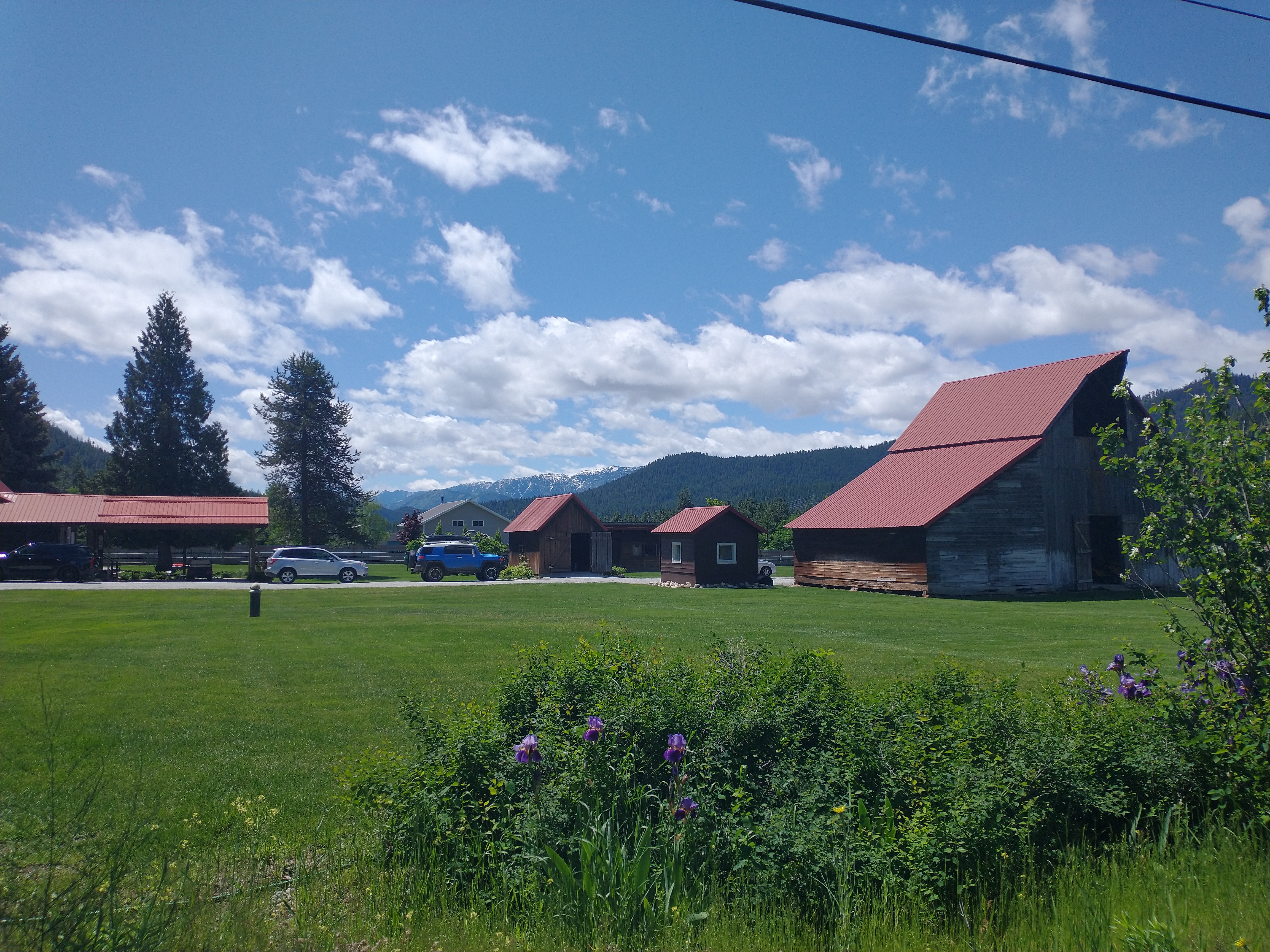
My CAPS Placement at the Grunewald Guild is a bit unconventional, which is exactly what drew me to it. Nestled along the Wenatchee River, the Guild is surrounded by the snowy peaks of the Cascade Mountains, and the vibrant Wenatchee National Forest. When I arrived at the Guild at 11pm my first night, my supervisor took me out to the walking bridge over the river to listen to its roar and watch the stars. He told me that the river was the highest and fastest he had ever seen it, after recent warm temperatures led to a massive snow melt on the mountains. That first night I fell asleep in my loft to the sound of the river rushing right outside my window, imagining the new experiences it would bring with it. 

The Wenatchee River

Now three weeks later, the water levels have gone down a bit and I have adjusted to the constant sound of the river. I also have adjusted to the pace of life here in Washington. The Guild’s larger art classes will be starting in July, so for now, my daily tasks include preparing campus housing for guests, gardening, coordinating volunteers, and getting to know the other staff members and artists. When I met the other staff the first Thursday I was here, we had a short orientation meeting and then they told me the next item on the schedule was a Monday morning meeting. I spent that first weekend exploring the campus, hiking along the river, and bonding with my team. This relaxed pace has given me the opportunity to settle into a new environment and reflect on each day as it passes. 

As a college student whose biggest accomplishment is balancing 800 classes, clubs, and committees, it feels unusual to have time to just be still. My mind is always moving on to the next item on the to-do list, the next time block on my Google Calendar, before I even finish the task at hand. However, during my time here, I have been reflecting on how I can best use my time to meaningfully serve others and myself. I have the unique opportunity to spend a whole summer in a totally new place, learning about myself and taking time to think through my interests, passions, and commitments. As the hospitality coordinator for the summer, I have been assured I will be plenty busy helping guests in July and August. But in this time of preparation, I have not only been resetting guest rooms, but also my mindset in how I measure productivity and success.

I constantly feel the pressure to make progress and check things off my personal and professional to-do lists. Why am I rushing to have my whole life figured out? Even if I woke up tomorrow knowing my future education and career path, I would still be here at the Guild until August. There is no rush. Although it has been difficult at times to not compare my summer experience to my peers who might be making professional strides in more traditional ways, I know that serving at the Guild is where I am meant to be. In my three weeks here, I have already grown in my independence, ability to advocate for the things I need, and responsibility to delegate tasks to others. These along with many other developing skills and experiences are my new measure of success. While I might not include my new capacity for spider removal or my dishwashing talents on my resume, the personal growth I have experienced this summer is an accomplishment in itself. 

So why is the river rushing? Maybe it is because someone told it that it needs to have its entire career planned out by the age of 20. Maybe it’s because its peers recently posted about their new high-profile job opportunity. Maybe it is scared of not living up to the definition of success created by society. Or maybe it is just because recent warm temperatures led to a massive snow melt in the mountains. Whatever the reason, I have learned that life is not a race. I can learn and grow at my own pace, without fear of the future. After all, the river and I have different destinations and I am content right where I am. 

Funding the Gap by Lillian Gramza

Going into my Caps experience, I knew my work would give me a valuable peek into the administrative side of nonprofits. I did not anticipate, however, how a goal of empowerment, growth, and economic opportunity requires a constant fixation on money. I knew that services need funding and most social problems stem from financial inequality, but I underestimated the amount of time and energy that goes into securing money to run the organization and deliver services. Essentially, I did not realize that nonprofits were allowed to be greedy.
Growing up comfortably, without needing to worry about paying for my basic needs, I learned to appreciate the world separate from “treasures on Earth”. I understood that money, while necessary to survive, should not be the focus of life. People who spend their time seeking money would find themselves with less than their neighbors. That reality helped me become a more empathetic and grounded person, but it also forced me to see wealth in a negative light. So when I learned about the intense fundraising efforts of nonprofits, I was both impressed and skeptical. It seemed wrong to tell myself money was the root of evil while simultaneously working hard to secure more and more money for this business.
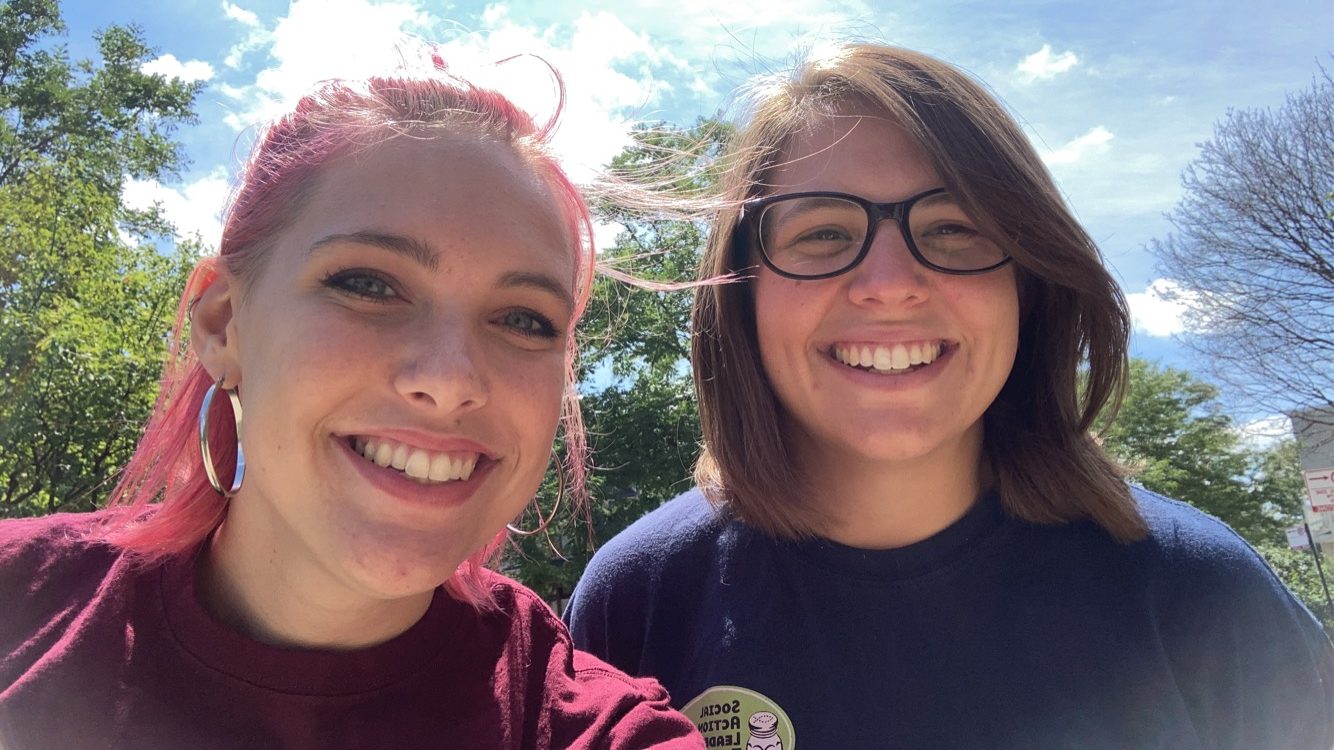
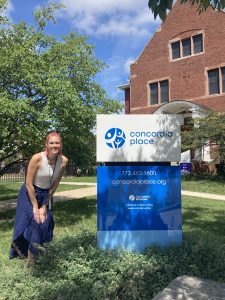
However, the nonprofit I work with, Concordia Place, truly uses their profits with the wellbeing of their community in mind. Concordia Place serves around 800 people a year. They provide childcare, education, teen development programs, English language classes, and home visits for newly expecting mothers. The children, teens, and adults speak a total of 27 different languages. The organization prides itself on being a place of yes, a place where any person can come seeking assistance for themselves or their child and will receive what they need.
The mission of Concordia Place goes hand in hand with one of my most recent classes about the American welfare system. Essentially, in America, the government sets a limit on the amount of money someone can make or possess before they no longer qualify for public assistance. This means that someone making a few dollars over that limit is actually worse off than someone who makes a few dollars below the limit. Concordia Place recognizes that many families struggle to pay for childcare, but cannot receive the benefits granted to others due to governmental restrictions. They address this problem by offering sliding scale tuition, which allows families above the poverty line to apply for a reduced rate in whatever service they are seeking. They call this “funding the gap”; giving extra assistance to those too poor to afford the regular costs, but too wealthy to qualify for public assistance. Not only does Concordia Place provide instant relief for individuals through their programs, but the organization has a long term focus. By increasing the quality of childhood education and the opportunities parents have once they find a safe place for their children during the day, those same families have a higher chance of employment and, hopefully, the ability to generate generational wealth. Concordia Place battles systemic inequality with accessible services that allow for growth in both the child and the parent.
I fully support everything Concordia Place hopes to achieve and I hope I can do everything in my power to contribute to their mission. This being said, I will continue to examine the role of money in my life now that I understand that more wealth can also mean more good. The more funding Concordia Place secures, the more community members they can serve, the more lives they can impact. It seems unlike me to envision a life where I consume myself with the acquisition of money. When I thought about my future as an employee at a nonprofit, I saw myself doing administrative work but with the assumption that money would simply be there to run the organization. However, nonprofits have to fight just like everyone else to maintain enough funding to survive. A fixation on money is not counterproductive to the life-giving mission of a nonprofit, it is absolutely necessary. Through my experiences at this internship and college, I will strive to learn more about the world of fundraising and fund management. I feel grateful to have an experience at an organization like Concordia Place where I can see a true calling for social change in action alongside a mission of extensive fundraising.

Beginning My Journey at BallotReady by Hailey Kmetty

Leading up to my first week at BallotReady, I felt concerned about being good enough. I have more soft skills than hard skills. I have a passion for politics, but I felt like an amateur. I quickly learned that there was no need to be so worried. In my first week, I met with my cohort of other interns, both data and engineering, and had meet-and-greets with the whole BallotReady staff. I instantly felt welcome despite the remote setting BallotReady is working in. It was a breath of fresh air to work with and be led by young people who are motivated by and interested in similar things.

Thus far, as a data intern, I have primarily been aiding BallotReady’s Data Team in researching current officeholders across the U.S. as the organization seeks to expand their product to more of a year-round service, not just during election cycles. Data interns also get signed on to other projects like researching voter registration requirements in each state. It is really exciting to me to know that our work is contributing to informed voting for fellow citizens. I was so impressed with my supervisor who exemplified just how important this work is; she told us how she spent an hour exploring Google Maps to find accurate directions to and the address of a polling place in a trailer. It was used by ten voters who, without her directions and hard work, would not have found their polling station to vote. Starting next week, I will be taking up my intern minor project. I will be working with the Director of People and Operations to consolidate their HR information into a new database system. I look forward to continuing to expand my horizons, building my skill set, and furthering my relationships with my supervisors and peers.

In my fourth week on the team, I find myself becoming more confident in my hard skills and I now know that my involvement with civic engagement is what is important, not being an expert. I also truly value the diversity and inclusion practiced at BallotReady. I feel comfortable being myself with my coworkers, communicating and asking questions, and trying new things. One of my goals as a CAPS Fellow is to narrow down what it is that I want to do and what type of roles fit me best. For the past few years, as a Valpo student and Global Service major, I had always thought working at a nonprofit in some sort of capacity was the answer for me. However, with just four weeks as a graduate and BallotReady intern under my belt, I see that there is so much more out there for me. This may sound like the opposite of my aforementioned goal, but it has been extremely insightful to me.

“Responding to the Gospel…” by Emily Gaus

I was given a tour of a normal looking office building, with tall grey cubicles and sounds of fingers steadily typing in the distance. With the pandemic, only a handful of employees are actually in the office. My lovely supervisor brings me around, introducing me, and I try not to show my nervousness. Amongst the chaos of this year, this is the most new people I have met in a really long time. At one point, I say thank you to someone after introducing myself, and I think about it for the next few days hoping she doesn’t remember how awkward I was. I have to remind myself this is part of the process, and it is okay. 

At this point in my experience, I have been with Lutheran Social Services of Illinois (LSSI) for three-ish full weeks, but it feels so much longer. I have the mission statement stuck in my head, and remember to consider it in everything that I do (hence the title). I have met everyone and no one at the same time. I have conducted interviews, written articles, and created flyers and social media posts that will be then sent to the rest of the company. I feel useful. I feel connected in what I’m doing. There are times where it’s difficult to feel like I’m a part of something bigger, working half at home and half in the office. But as soon as I hear a “they really liked what you did” or being mentioned in a staff meeting, I realize how worth it it is. Everyone I have met at LSSI so far has only admiration for their place within the organization and their fellow employees. It’s inspiring. It’s a great work environment to be a part of. We have weekly coffee chats in the morning, my preferred choice of drink is apple juice, and it’s an informal way to get information out to the team. This has been especially important during remote working, and it has been a great way for me to put some names to faces over emails. 

Last week I visited one of the facilities that they are shooting a Youtube virtual tour of, and it was great. After talking with our tour guide, I recognized what sacrifices non-profit organizations have to make in order to do their job well, consistently well. My supervisor took note of some things that need fixing, hoping to bring it to her people and get a donor who could contribute. I loved seeing that initiative take place. Constantly thinking of others and potential solutions. 

With COVID-19, facilities are a little more hesitant to offer tours or meet and greets. Working with the communication and advancement team is exciting because I get to talk to lots of different people across the organizations, taking the time to learn about many different programs, as opposed to being in one branch. Throughout this experience, I’m recognizing how much I like being backstage to the operation, versus being completely hands-on. There’s potential for opportunities where I could be a little more hands-on and compare, that I’m looking forward to. I’m very grateful for the social media and graphics experience I am receiving, because it lets me explore my creative side in a productive way. 

There is so much potential to be had and I can only gain new and exciting learning experiences from here.

Patience is a Virtue by Nick Skrobul

I began my internship with the Heartland Alliance last Wednesday, 5/26/21, and have been met with a number of logistical challenges right off the bat. The Monday before my orientation I took the time to attempt to log in to the necessary online portals I would be frequenting as my internship is remote however I was met with screen after screen of dead links. It wasn’t until Thursday that I learned that the Alliance’s IT department was having major outages across several of their servers. Because of this I have thus far been unable to begin many of the tasks of my internship such as reaching out to clients and writing and logging case notes. All communications and video calls with my team have also had to transition from my Heartland Alliance email to my school email that I have access to. Needless to say this has been quite the source of frustration as I was so eager to dive into the world of social work.

Another source of surprise has come from the content of my work thus far which has largely been in the form of reading large quantities of legal documents related to the US refugee system and Heartland’s own policies surrounding their programs. While much of this has been important to understand, and I have learned a great deal from it, it certainly is a deviation from my desire to help the clients in the system; but that will come with time. On the first day of my internship, I met with my supervisor for a brief orientation session where we discussed the importance of the work we do. I was presented with some rather harrowing statistics about the global refugee crisis and watched some videos interviewing refugees to understand their personal experiences through resettlement. According to the UN, there are approximately 80 million forcibly displaced peoples in the world today. Most of these individuals take refuge in UN Refugee camps, which although good in theory ends up looking like tent cities with few resources available for medical or psychological care. Less than half of a percent of these people will successfully resettle in a new home after a rigorous screening process that can take anywhere from 5-20 years.

The knowledge of these struggles has kept me humbled and level-headed throughout the process. I often remember the words of the early 1900s radio host Orson Welles:

“We must each day earn what we own. A healthy man owes to the sick all that he can do for them. An educated man owes to the ignorant all that he can do for them. A free man owes to the world’s slaves all that he can do for them” (1943)

Such has been my reason to pursue this internship and my motivation to see past the comparatively insignificant ailments of the first world. Of course, there is a fine line to walk between humility and delegitimizing one’s personal emotional struggles; however, the fact of the matter is that I can certainly persevere through IT troubles or remote learning environments for the betterment of others. After all, the existence of such problems is evidence of my own privilege in life; and what good is my privilege if it is not used for the betterment of others.