By Kat Peters, Assistant Director of the Institute for Leadership and Service
Calling and Spiritual Life Newsletter, October 11, 2023
My friend Julio is a rapper in Costa Rica – he comes from a Nicaraguan immigrant family that lives in a precario (what we call in the English translation a “shantytown”). He raps about social issues that he sees in his community, an active place filled with the noise of life – music, conversations, construction, cooking, playing, vehicles, and more. In order to hear himself think and without having regular access to a recording studio, he regularly records in his car, where he can have some quiet. In both literal and artistic ways he’s trying to cut through the noise to help us listen to his message.
As a staff here at the Institute for Leadership and Service we have been talking a lot about listening this semester. ILAS thinks about leadership and service on campus as flowing from a sense of purpose and calling. As part of the Division of Calling and Spiritual Life, we recognize that our purpose and calling are genuine expressions of being in alignment with the work that is already going on in the world, work being done by God.
In his 1980 speech at Spelman College, Howard Thurman called this alignment with ongoing, true work the “sound of the genuine”. Thurman pointed out that we are all listening for the sound of the genuine in ourselves, and in other people.
What does it take to hear the sound of the genuine in ourselves in others, and to hear it well enough to come into alignment with it as we explore our purpose in life? It takes real listening, which requires attentiveness, quiet, and a willingness to engage with difference, something Sharon Daloz Parks calls “the power of constructive encounters with otherness.”
Valparaiso University Black Student Organization (BSO) President, Tékeidra Masters, expressed this idea in a recent interview with the Torch for We Matter Week: “We have to realize that in order to be a servant leader, you have to be willing to serve those in need… and 9 times out of 10… they’re going to have some kind of difference, because we’re human and we’re diverse… [We Matter Week] isn’t just a BSO thing. This is a community effort to uplift voices that are unheard, a community effort to listen, a community effort to learn, a community effort to celebrate, a community effort to pass on this information…”
As we listen, we are open to the reality that the stories people tell will be different from our own narratives, and each of our “narratives are shaped by the context in which we are embedded,” as Susan L. Maros points out in her book Calling in Context: Social Location and Vocational Formation, which we as an ILAS staff are working through this year. These contextual differences make careful listening, accompanied by thoughtful reflection, so important.
Maros argues that “storytelling is an essential part of how we articulate our understanding of the unique nature of our individual and communal responses to God’s calling” (p. 10). We discern the work that God is already doing and contemplate how we are being called to participate in that work, listening to spiritual stories, to our own inner voices, and to each other’s stories.
At ILAS we will soon be unveiling a new podcast called Listening For Purpose. Our student staff will be interviewing campus community members – students, faculty and staff – to listen to those stories and to come to a deeper understanding of our community, with all of the contexts and callings that make it up.
We invite you to listen.
Kat Peters is the Assistant Director of the Institute for Leadership and Service at Valparaiso University.
 How is your breathing today? When was the last time you took a deep breath?
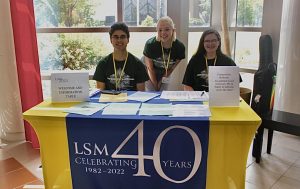
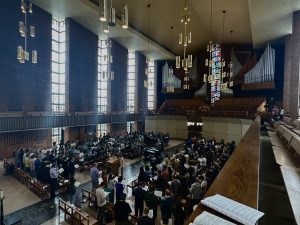
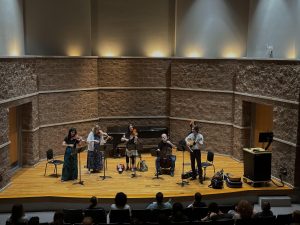
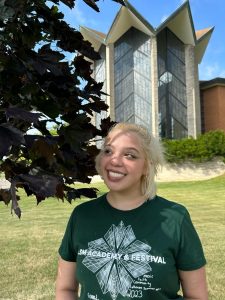 While Lutheran Summer Music, or LSM, has been around for 40 years, this was my first year. As a social work major with an art minor and no prior experience in music, joining the LSM community was intimidating. Luckily, with an art concentration in my background, I know that art comes in many different forms, and all forms of art are enjoyable for me. Although coming into LSM, I knew little about anything musical, nor had I ever listened to ‘nonpopular instrumentals’. So I was a bit out of my comfort zone, although the mindset I had due to my artistic background helped me navigate the unfamiliar territory of music at LSM because it was a completely new world to me. Luckily, the LMS community is very welcoming, which made learning about musical culture easier. As a social work major, my major instructs me to understand and appreciate different cultures; often, this means our norms, values, races, etc. Working with LSM helped me immerse myself in a new culture without feeling pressured to know everything about it; I didn’t feel the guilt of not knowing information about music like I would with the different cultures that we speak about in my major. I feel that this has been an important part of my journey here at LSM. To learn about culture, I have been able to learn how to ask questions about it, how to be respectful, and even how to enjoy it. LSM has not only allowed me to learn about their culture, but they have allowed me to join it too. As I now sing in the chapel choir! Although I do not know how to do things such as read music or necessarily sound good (although I am learning!), they have fostered an environment that is nourishing and encouraging enough for me to want to participate, even with such talented musicians around me.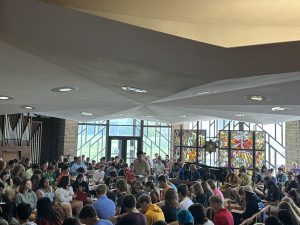
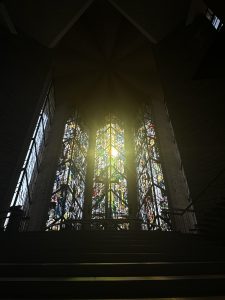
 I am currently a little over halfway through my time here at the Guild. That sentence conjures up both feelings of restlessness and anticipation.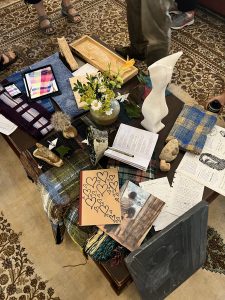
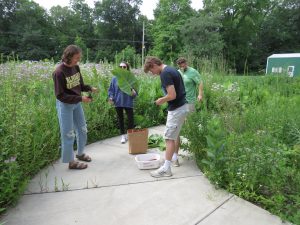
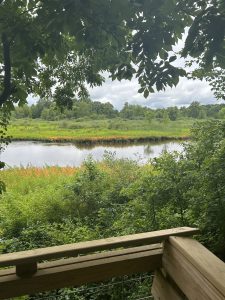
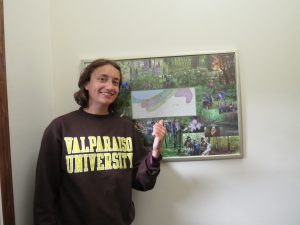
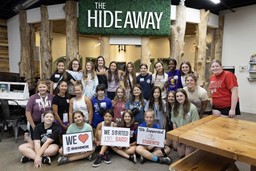
 I am about two months into my summer internship at By the Hand Club for Kids, which has been gratifying. Unfortunately, my time here is quickly reaching its ending point. I am enjoying my time so much that Interning here is flying by so fast and does not feel like work!
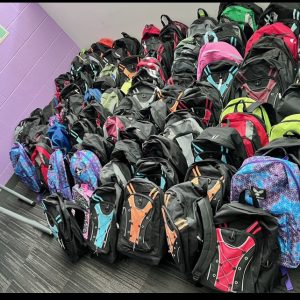
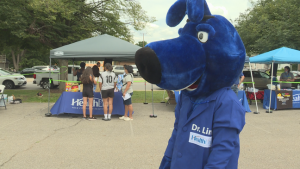
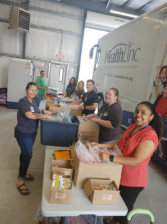
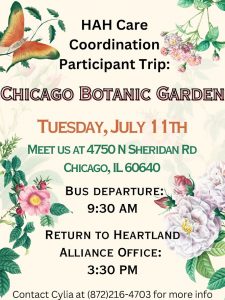 I’ve been lucky enough to have had plenty of great experiences these past few weeks working with the Care Coordination Team of Heartland Alliance Health! For some highlights, I’ve assisted in organizing outings to Lincoln Park Zoo and the Chicago Botanic Gardens, which were successful and offered fun, community-building activities to participants and staff. I’ve worked closely with one particular case manager in dividing up some of her weekly tasks involving participants, and have formed connections with participants while supporting them with attaining resources such as entrance into our program, public benefits, bus cards, medical care, and disability parking permits. I’m refining my administrative skills, especially by practicing case-noting, and am noticing an increase in my comfortability levels with directing my own tasks.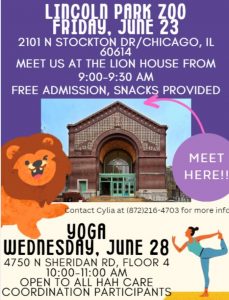
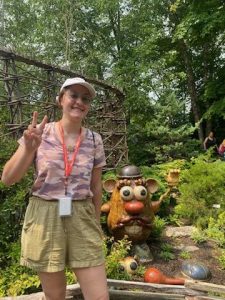
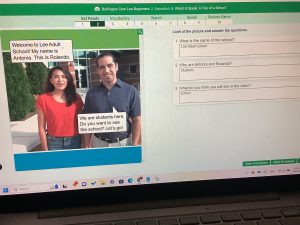
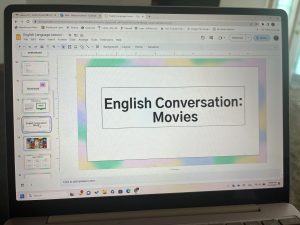 For the past few weeks I have been working with Heartland Alliance’s Vocational English Language Training Team. So far this position has been very eye opening for me and has helped me reflect on my future. In my first week it was all about observation. I was tasked with watching various classes ranging from Level 1, the lowest level taught, all the way up to their higher level courses. Each teacher had their own way of teaching with some using similar resources and others making their own curriculum. I tutored in high school so I had a small experience doing that but I had never experienced teaching at this scale before. At this point I wasn’t sure what my job here would look like or how this position would affect my future goals but I was willing to go along for the ride! As the weeks began to progress, I went from observing to actually assisting the teachers and tutoring a few students myself! I was participating in classes everyday of the week and tutoring three days a week up until our break. I didn’t know that similar to other types of schools and classes, ESL programs give their students a break for a few weeks before starting classes again for the new year. While this was a well deserved break for the students, it took place at a difficult time for me because I was just starting to get the hang of teaching. I was really getting used to my routine and getting to know each student in the classes I was working with but now this would be put on pause. I still needed to fill my time with something so I have been tasked with handling administrative work, continuing my tutoring with students who still want additional help, and participating in registering new students. I have also been completing my tutoring training in the meantime as well so I should be able to get a certificate for it by the end of this month. I think all of these current experiences have allowed me to seriously consider the different career paths I have thought of and things that I would like to have in a work environment.
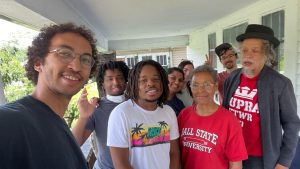
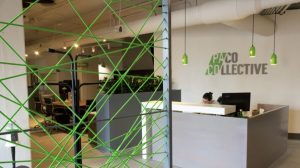 learning about their experiences, and listening to their insights has been an enriching and fulfilling pursuit. Moreover, my investigation assistance on the wealth inequality report has helped me gain a better understanding of the challenges that community members from Black and Latin populations are encountering. I am eager to continue shedding light on crucial issues such as poverty, social inequality, racial discrimination, and gun violence. My hope is, through the guidance of my supervisor, I can develop my own piece that allows me to amplify equality so that I can contribute to the mission of the Chicago Reporter while proposing solutions to the community. I believe that this experience is helping me understand my calling better and will be a bridge for my future career. The Chicago Reporter experience has been extremely special because not only is it allowing me to gain professional growth, but also, personally, it is connected with my sense of calling and my goals of highlighting injustice, spreading awareness, and cultivating empathy.
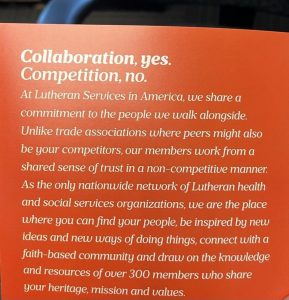 Through my time in REI development meetings and team member engagement meetings, I have appreciated Lutheran Services in America’s ability to utilize the strengths and weaknesses not only of those within their organization, but of their membership network. The LSA network consists of over 300 members all over the United States, and yet with such a big network, the goal is to make sure that each member gains and connects with LSA in a meaningful way, so as to emphasize the importance of intentional connection with the LSA network. In order to ensure members are getting enough out of the network, we have been working on the “Health and Housing” initiative. This has consisted of many one on one meetings with members of our housing collaborative to identify major projects in the pipeline, but also major stumbling blocks that people seem to be facing when it comes to implementing affordable housing. Through these meetings and conversations, LSA’s goal is to build a collaborative network that organizations and members can pull from for guidance and expertise, as well as pour into with their own shared experiences and knowledge.
 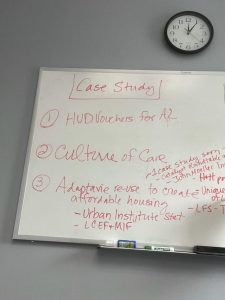 Several issues we identified through these one on ones were that there is limited public and private funding for members to pull from, and intense competition for LIHTC credits (Low Income Housing Tax Credit). Navigating funding limitations as well as the complexity of different local and state regulations and financing options has proved to be a common struggle of many of our members. With the knowledge of what their membership network is struggling with, LSA can thus facilitate nonprofit housing development expertise and technical guidance, as well as create a powerful national network through partners like LCEF or United Healthcare. LSA’s vicinity to capitol hill makes it a great place to advocate for change, and part of LSA’s mission is to be keenly aware of the issues their membership faces in order to assist with advocating for policies that support and drive the missions of their members.
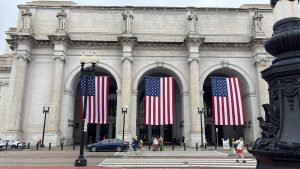 Two weeks ago, as I stopped to take a cool picture of Union Station, a young guy stopped to ask me what kind of work I did in DC. I (very briefly) explained the mission of LSA and explained that I had the opportunity to work there through a program at my school. He seemed impressed and said that my work sounded really fulfilling, with what seemed like wistfulness in his voice. I couldn’t help but reflect on how fulfillment in work was vital to me, but also how LSA is unique in that it doesn’t function like your typical non-profit. Rather than doing the hands-on work that might be considered more “fulfilling,” LSA seeks to empower, support, and connect the organizations that do the more hands-on work in order to create more positive outcomes for underserved communities and populations.
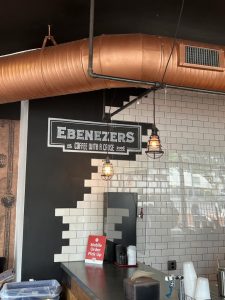 It’s really exciting to commute into DC, where people are buzzing with the latest news and “change is in the air,” but it’s also exciting because.. coffee 🙂 Ebenezers, a local coffee shop about a 10 minute walk from where I work, donates 100% of its profits to humanitarian local non-profits. The building was abandoned for 25 years before being bought by National Community Church that began its mission “Coffee with a Cause.” Being able to support businesses like this while being in DC is simply, awesome.