Category Archives: CAPS Fellows Blog

Austin to Addis Ababa by Madison Magiera

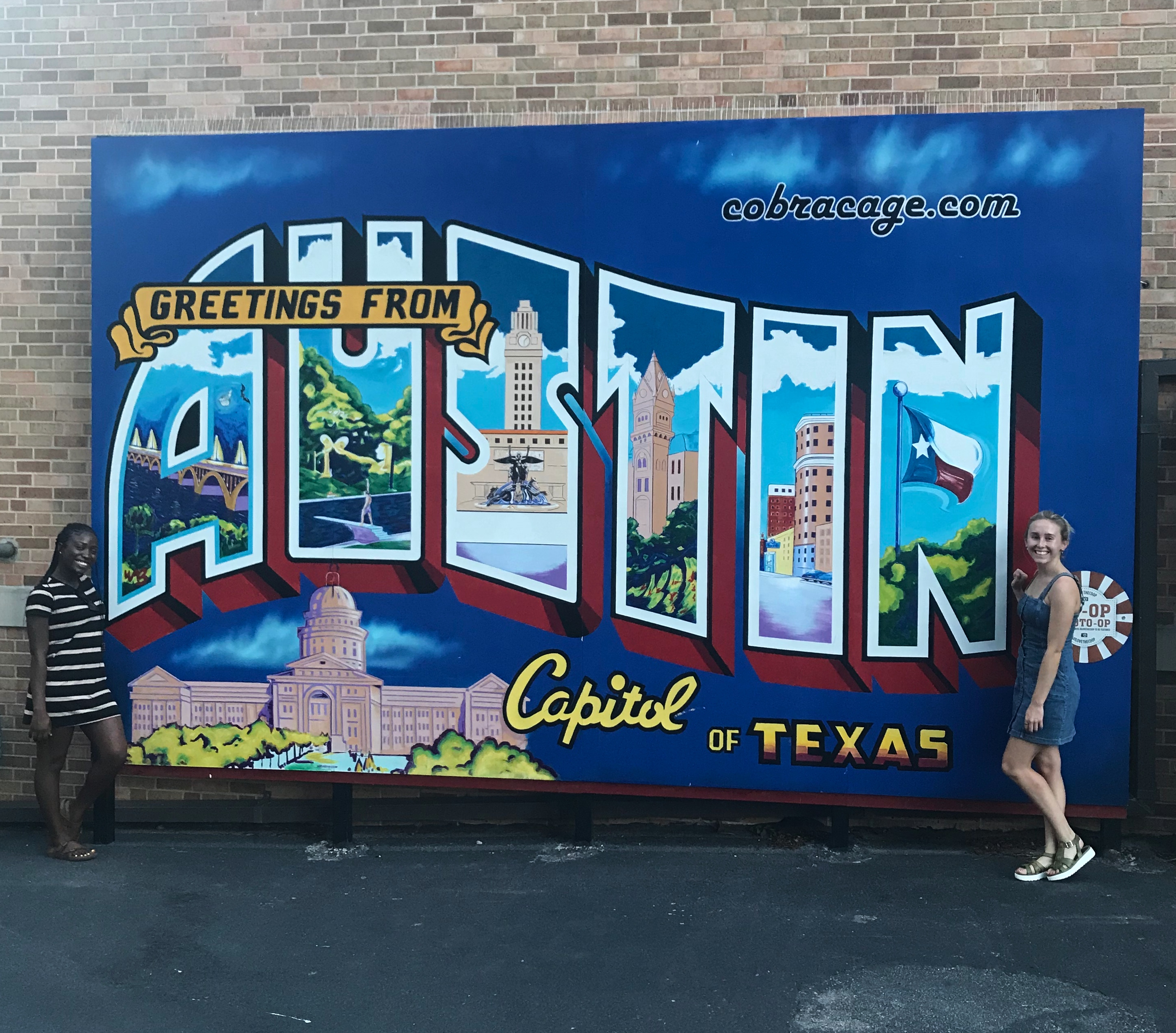
Wow – so much has happened since I began my CAPS Fellowship! I moved to Austin, TX almost two weeks ago and moved into my own apartment for the first time.  I really enjoy being in my own apartment and I love living with Nosi as my housemate! Together we have started exploring Austin and we have found there is so much to do there! Austin is a unique blend of being proudly Texan, but welcoming to all, liberal and conservative and business-oriented with laid-back, bohemian vibes. So far I have found that the city possesses lots of live music, record stores, cute coffee shops, funky art museums and a profound (and inspiring) love for tacos. Nosi and I are staying in University of Texas housing so there is quite a few shops and restaurants within walking distance of our apartment, which is really nice.

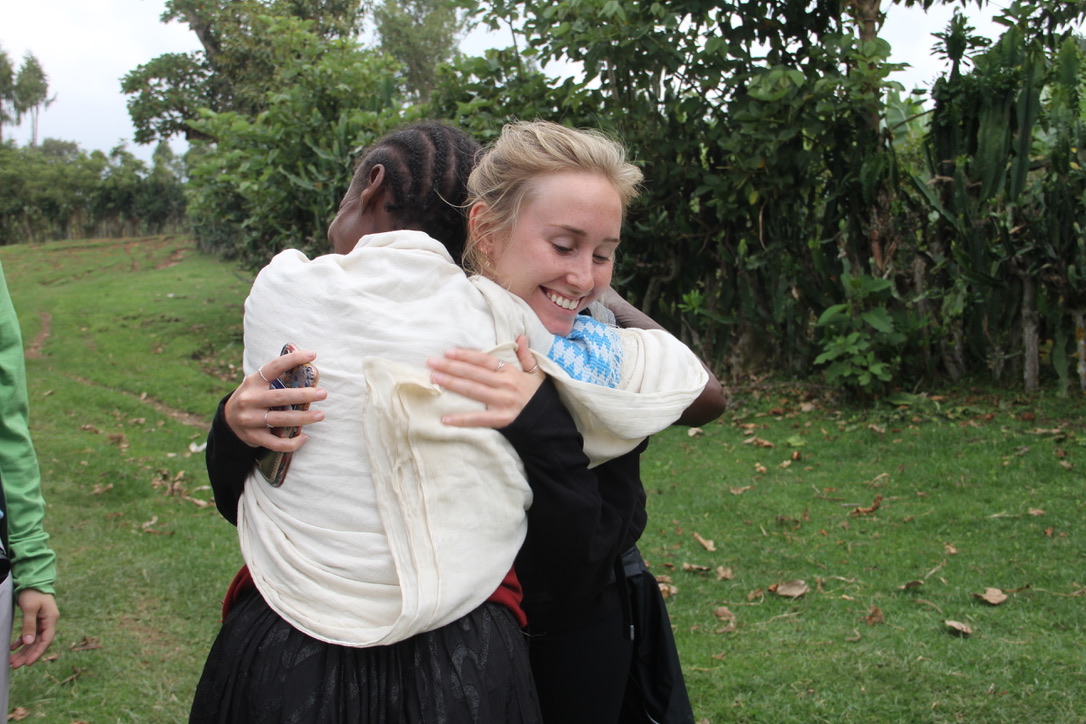
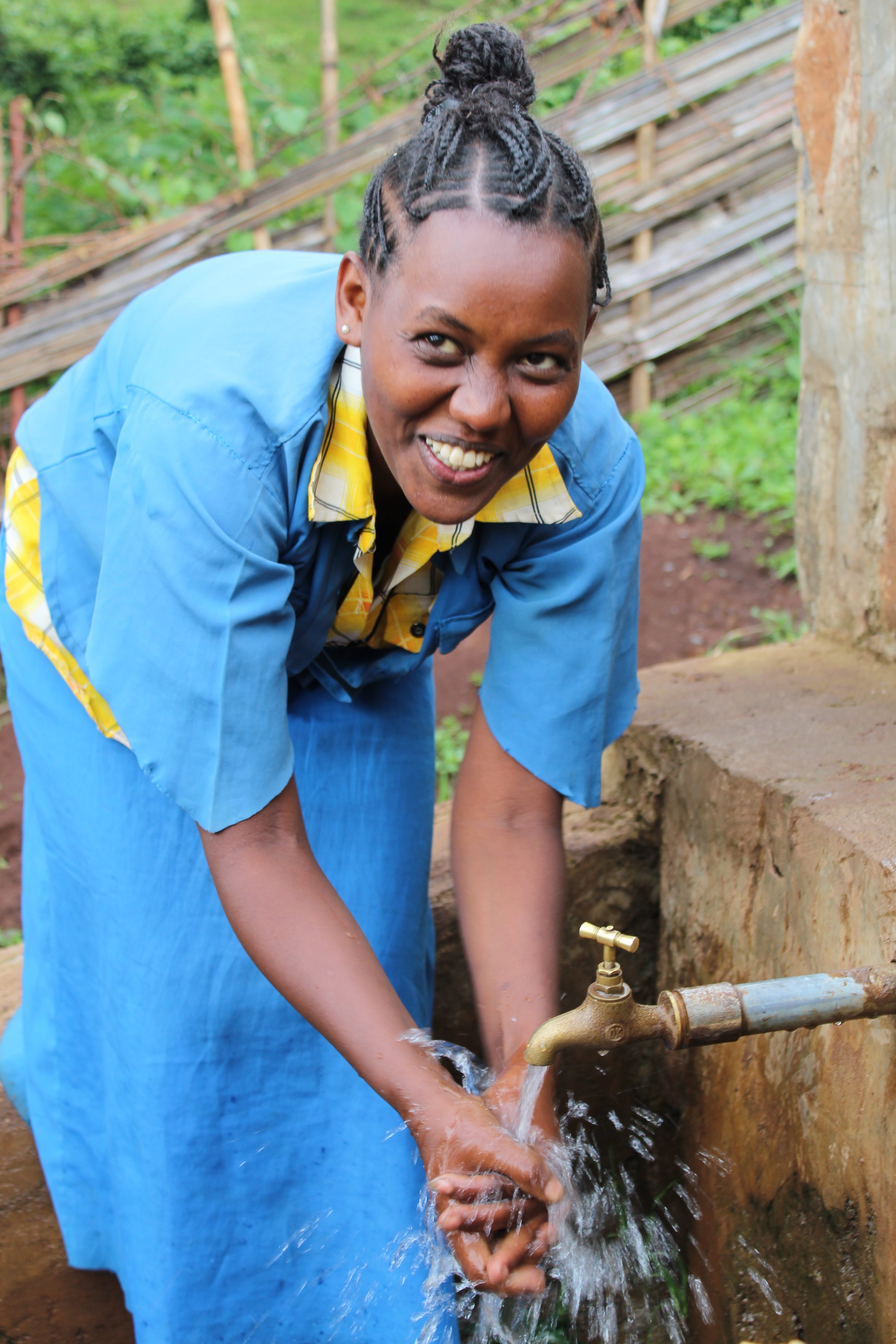
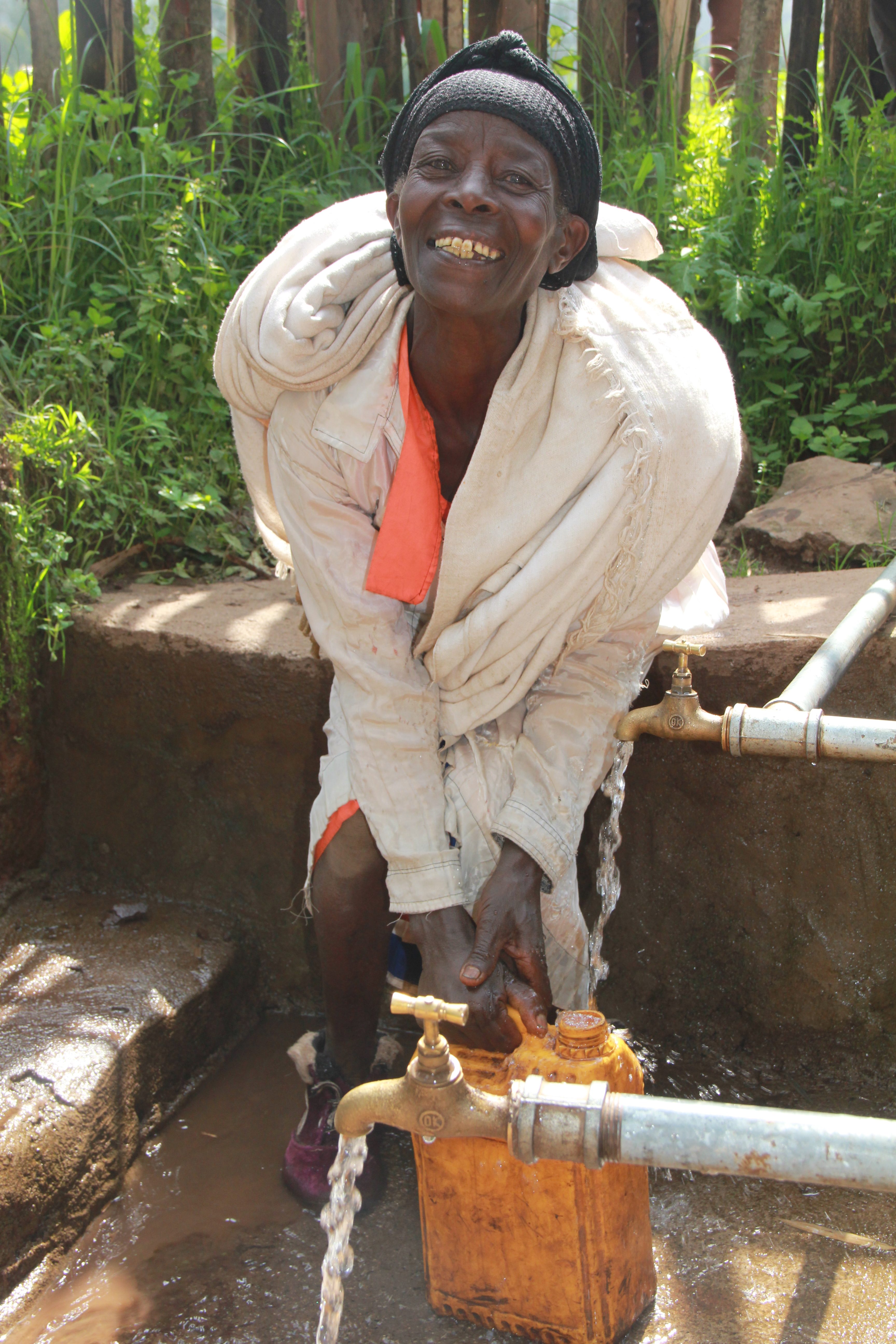
After getting settled in at Austin, I started work at Water to Thrive! Water to Thrive raises money to build wells in communities in Ethiopia, Uganda and Tanzania, where there is little or no access to safe, drinkable water. The organization builds wells in the central hub of communities, provides easy access for the whole community to safe water and saves women and children from spending hours in a day walking miles to collect water. As an intern, I am currently working on marketing strategies for the organization and running their social media. So far, I have created a best practices guide for social media use (as volunteers also post on their social media), created a calendar to plan posts, created goals for the marketing of the organization and started posting in hopes to grow their social media following (shameless plug: you can find/follow us @WatertoThrive on Facebook, Instagram and Twitter😊).

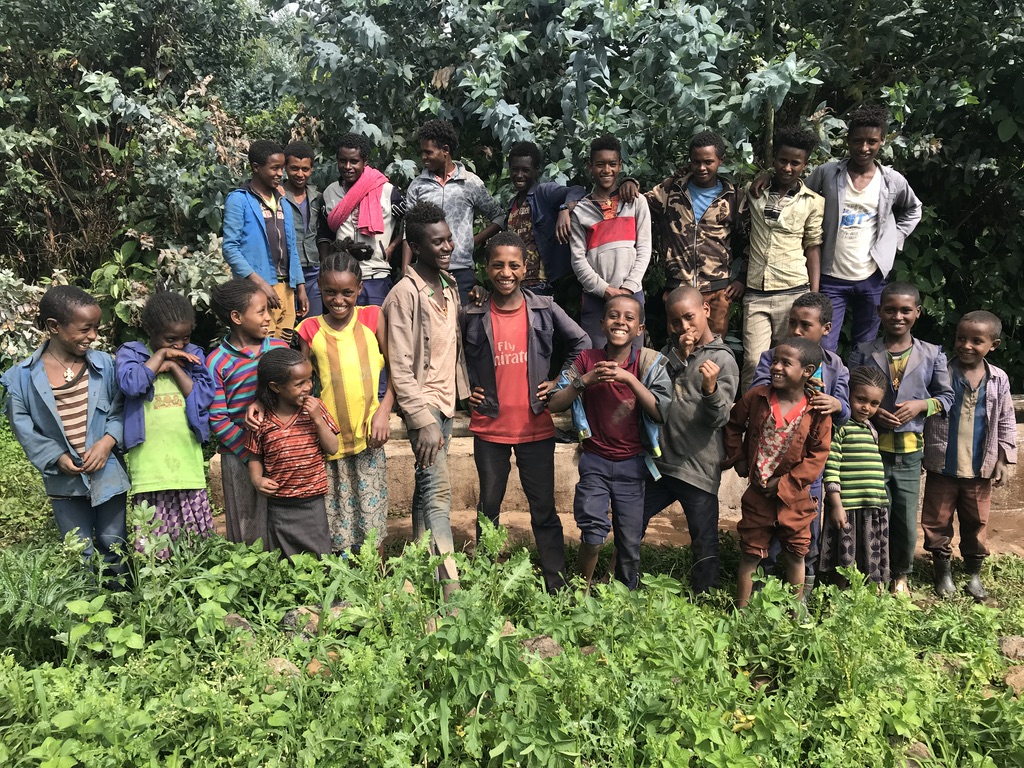
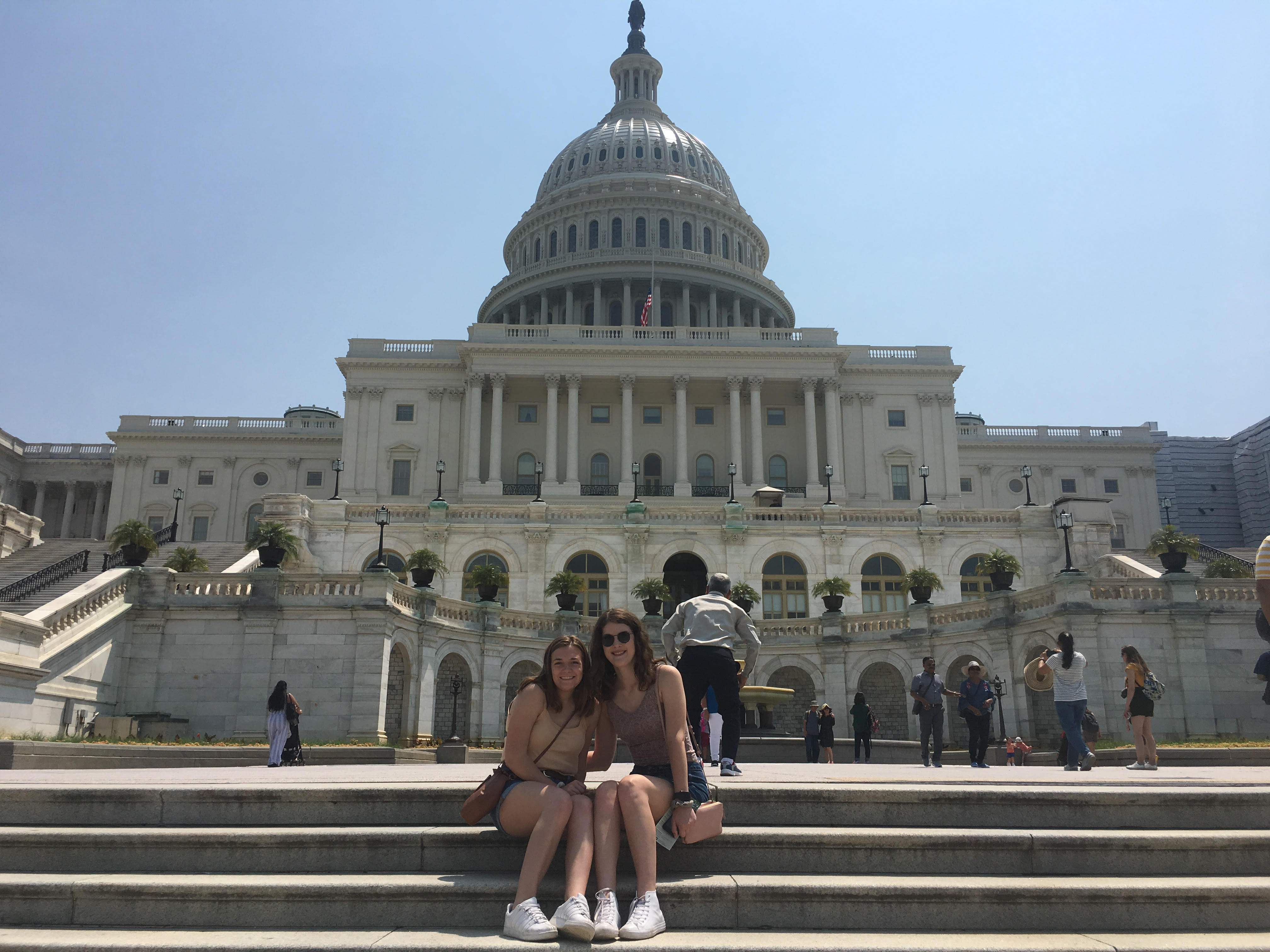
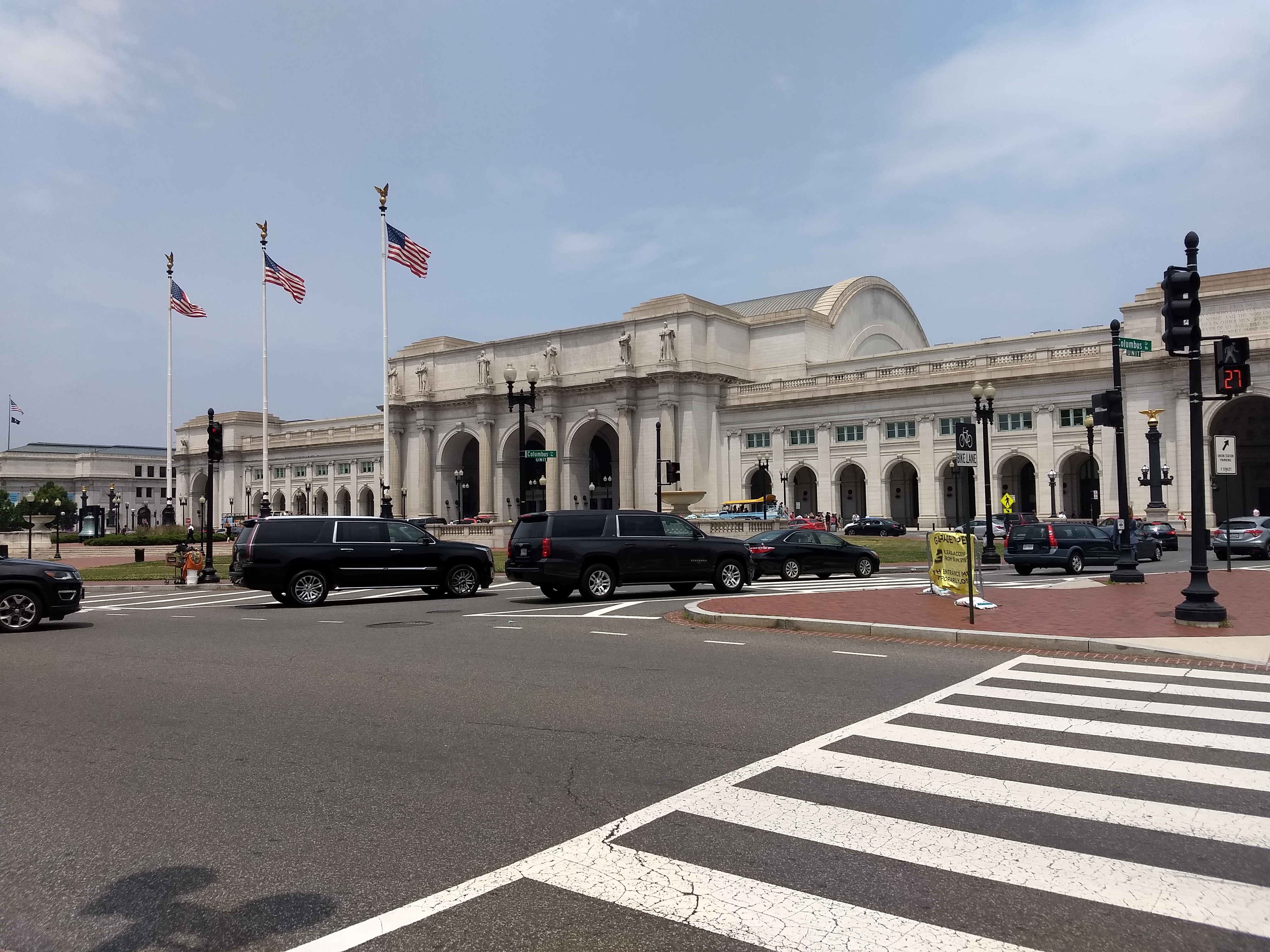
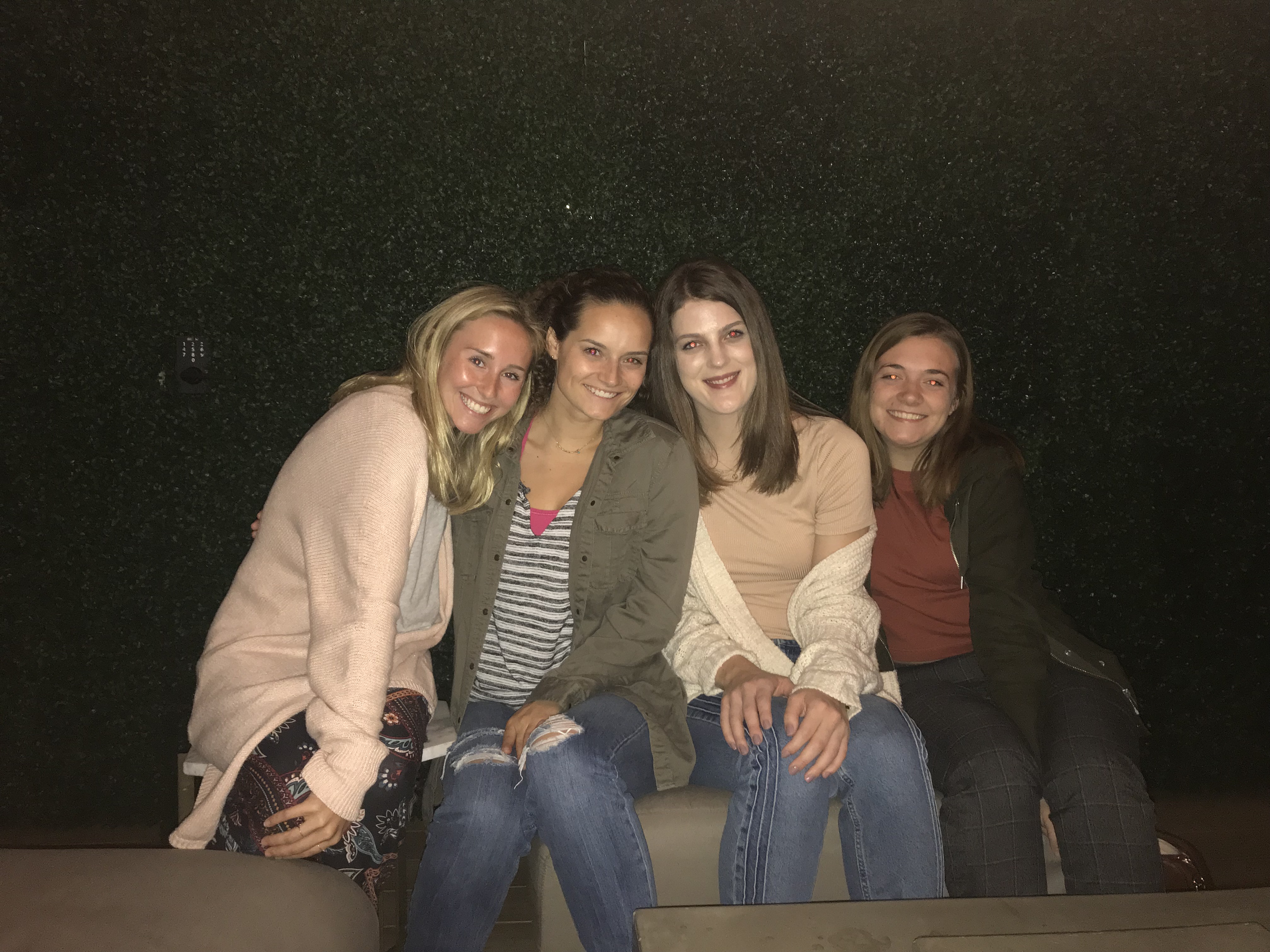
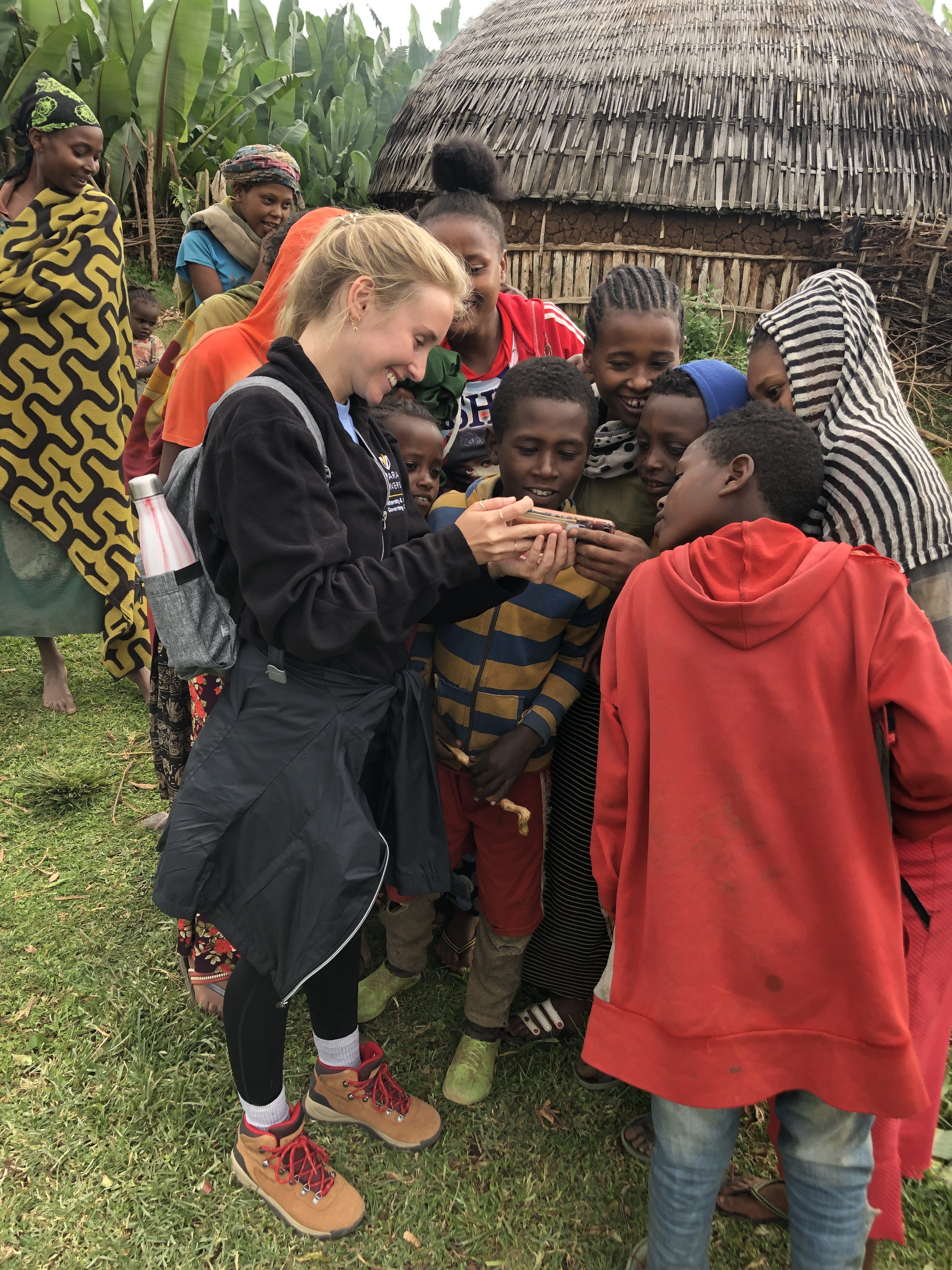
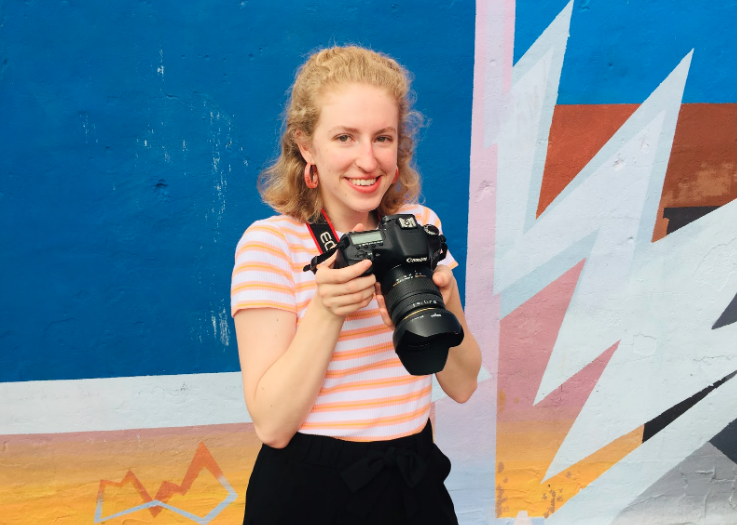
After being placed with Water to Thrive a while ago, I was made aware of the opportunity to travel to Ethiopia with the Executive Director, Susanne, and another intern, Kendall. Of course this was an opportunity that I knew I couldn’t let go. So, after spending one week in the Water to Thrive office in Austin and meeting all of the amazing womenwho work in the office, I left for Ethiopia! We had to fly from Austin to Washington D.C. before flying to Ethiopia and we had a free night in D.C., so Kendall and I met up with CAPS fellows Jade and Maddie! They gave us a tour of their apartment and then we went to a rooftop restaurant in the city! The next day we boarded our plane and thirteen hours later landed in Addis Ababa, the capital city of Ethiopia. We have now been in Ethiopia for three days and I have already learned so much about Ethiopian society, customs, food and the Amharic language! Throughout our trip we will be visiting old and new water project sites and talking to the local people about their current access to clean water. I will still be running social media as well as taking pictures and blogging about our experiences for the Water to Thrive website. We have already visited four villages, and the people have been so friendly and welcoming to us when we enter their spaces. I am so excited to continue to travel throughout Ethiopia and learn more about the effects of the global water crisis and Ethiopian culture!

Bright Lights, Big City by Zac Felty

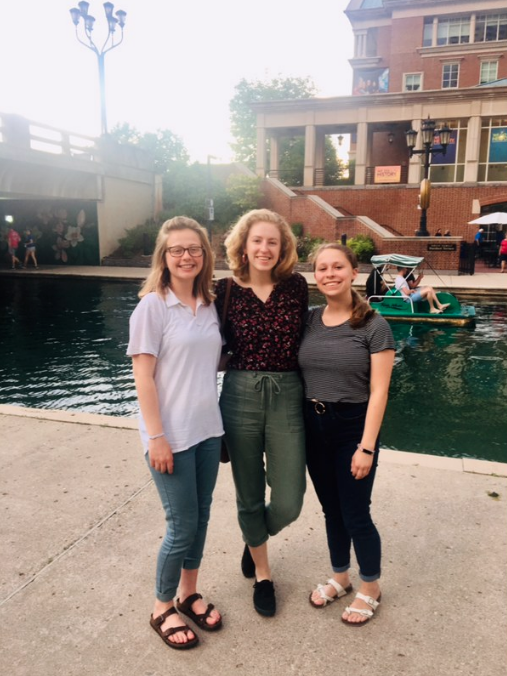
This first week has been a whirlwind of change for me. Moving into an apartment for the first time in my life, saying good bye to my family who I am so used to living with every summer, and starting work at a non-profit organization for the first time. This last weekend and beginning of this week has certainly worked as an open door to a seemingly endless flow of change for myself, as I embark on this summer of adventure in this big city full of bright lights.

The apartment living is one that is entirely new to me, but I am enjoying it thus far. I am used to living in a family sized house, with a yard, neighbors, and with all my younger siblings running around providing an endless supply of distractions and laughter. However, I am now finding myself in a two room apartment with a new roommate. My neighbors are the rest of my cohort who live in the building over, and instead of a yard we have a river and canal to explore. This is a great change for me, but one that I am excited about, nonetheless. On Sunday we all got brunch with a former CAPS fellow in the city at a place called “Wild Eggs,” which creates amazing breakfast food ranging from breakfast burritos to French toast. We went to a fun store called “Silver in the City” which sells things ranging from environmental books, sterling silver jewelry, and the most ridiculous looking socks in the world (that everyone seems to want). I am used to summer activities with my family such as beach day, walks in the neighborhood, and grilling out. However, these activities I have embarked on so far show that a large portion of my summer will be spent exploring the city, trying new places to eat, and finding stores that sell weird socks. All alongside my Indy Cohort. This range of activities that we will and have already embarked on, show how different this summer will be for me. Make no mistake, however, I am very excited for this change and new adventure that is right in front of me.

I also began work with a non-profit for the first time this week. The Kheprw Institute works with low income communities with things ranging from cooking skills, education on social capital, to assisting other non-profits to carry out their missions more effectively. Traveling to this institute displayed (quite quickly) that this city can transition almost instantly to from a beautiful, well-trimmed college campus with shopping and modern looking buildings to a neighborhood crammed to the brim with small houses in overgrown yards; in strong need of assistance. This showed me that the areas where our skills are needed are not always in the inner city, across borders state borders, or across the sea. They can actually be a 13 minute car ride from your home. This institute (thus far) has shown me that there are many different ways we can assist our communities, and they can be much closer than we may think at first.

A Summer Sanctuary by Alyssa Trinko

Flowers. Flowers all around me. Shades of pink and lavender. Little did I know these were the petals of milkweed: the native plant to Indianapolis that provides monarch butterflies with a sanctuary in Indianapolis, Indiana. It was golden hour. I felt the warm, gritty surface of the bench upon which I rested as I gazed at the luscious greenery surrounding me.

Before I sat down to catch my breath, I had spent one hour driving around Kroger searching for parking — desperately trying to navigate my way through the one-way streets. I struggled to decide what groceries to buy. “What will I cook for dinner tonight?” I thought. “What will I cook for dinner the rest of the week?” I was exhausted, and I was overwhelmed. I had just finished my first day of interning in the city.

As exciting as change can be, it can also be quite daunting. I have spent nine days in Indianapolis, living on IUPUI’s campus and working at the Harrison Center, and I feel much more confident now. The first few days were pretty challenging. While an internship experience is about growing as a professional, it is also about learning to stand on your own two feet. Grocery shopping, cooking, and commuting to work play a big role, of course. Self-discipline, hurdling obstacles, and feeling comfortable with uncertainty, though, are parts of the story, too. With the support from my roommates and a little (okay, a LOT) of perseverance, I have successfully survived my first week in a new city.

And I could not be happier. This summer I am a Creative Placemaking Intern at the Harrison Center, which is a non-profit organization “for the arts” and “for the city.” The Center focuses on renewal, anti-gentrification, and building healthy communities in Indianapolis through “cultural solutions: art, music, education, and grassroots activism.” It has been amazing to see firsthand all of the incredible work the staff and resident artists are doing here, and it is even more thrilling to be a part of it. Here is a video that might give you a better idea of the work we do: https://vimeo.com/299053006

As a Creative Placemaking Intern, I will contribute to and lead art projects that are based in concepts of place, which means the history and culture of long-term neighbors and neighborhoods on Indianapolis’ North Side. Through these projects, we hope to preserve their traditions and bring new Indy neighbors into their stories instead of erasing them. I am looking forward to writing blogs, making photographs and storytelling, organizing events, and building community with the wonderful neighbors in Indianapolis.

Just as the monarch butterfly starts its life journey as a curious caterpillar, it always finds its way to becoming the beautiful creature it is meant to be. I, myself, feel much like the monarch — in search of sanctuary, nourishment, and growth, as I prepare my wings for flight. And Indianapolis seems to be the perfect place.

Coming to Chicago by Ty Snarr

Coming to Chicago, my life felt utterly different. Growing up in a rural town in Ohio, all I have known is cornfields, pastures, and knowing every neighbor. While those things definitely have their advantages and disadvantages, pulling up to my apartment was exciting. I honestly felt as if I didn’t deserve to be getting the treatment of living in the Loop. This was just the beginning of my getting acclimated to the city. Part of my excitement soon turned into frustration as the first place I went to buy milk charged $5.00 a gallon. Nevertheless, I knew once I established a routine (and found a reasonably priced grocery store) I would begin to feel more at home.

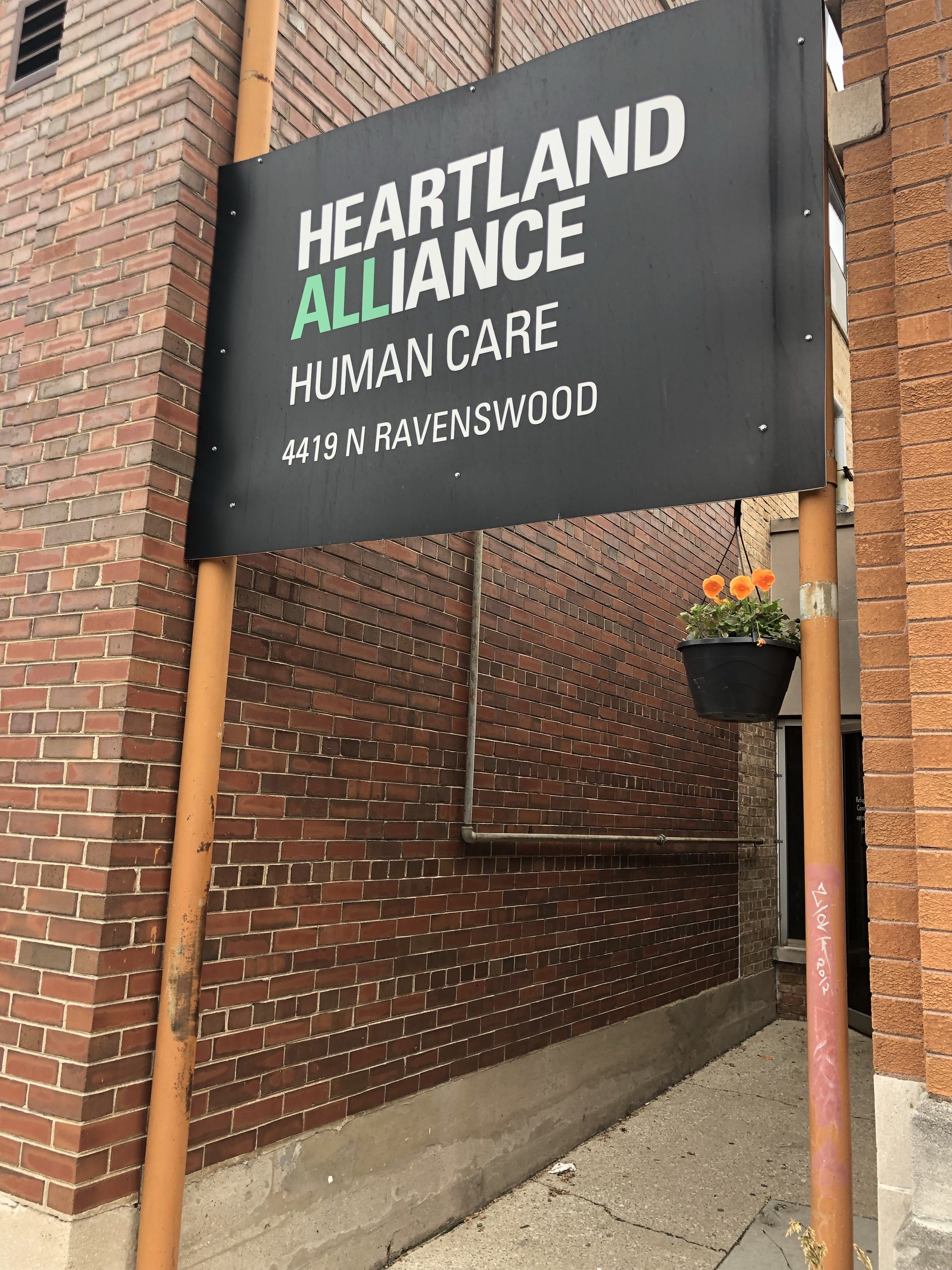
The second day in Chicago was a day preparing me to navigate the city. I practiced my route to work, taking the brown line to and from Heartland Alliance. Heartland Alliance is an organization where many CAPS fellows have worked before. Their tagline “Ending Poverty” illustrates the broad range of services the non-profit offers. The refugee and immigrant community services (RICS) office, which I am working in for the summer, helps refugees, immigrants, and asylees integrate in the United States. As a public health major, helping program participants access all of these services is vitally important to promote health amongst the population.

Arriving at my first day of work, about 20 participants sat in the lobby waiting to go on an employment trip, looking to get their first job in the United States. It became clear that this would not be an average internship, but an opportunity unparalleled. As with most placements, the first day consisted of getting accustomed to the office and doing necessary paperwork to ensure I’m not a felon. My co-workers were wonderfully accommodating. They invited me to lunch and gave me a complete rundown of all of the best deals in the neighborhood. As the afternoon came around, my work began to slow. This was not because there was little to be done, but the opposite. My boss and co-workers were extremely busy and did not have long chunks of time to dedicate to training an intern.

As the week has gone on, I have started to pick up on quite a bit. I have had the chance to help out the organization by creating case files, going on home visits, traveling with a family to pick up prescriptions, amongst many other activities. For someone who has only been to Chicago twice before and never using public transportation, I now feel as if I have been doing so for years. Looking forward, I am excited to see where the next nine weeks take me. Acting as an assistant case manager, I will have the opportunity to work with numerous families and learn about the rigorous, and at times defeating, process people go through for a better life in the United States.

My life feels dramatically different than a week ago in my hometown. Living on my own for the first time, in the third biggest city in the country, with no pressing matters outside of work, I’m undeniably gaining a new perspective on the world. This inspirational work will be guiding me this summer. Although there is no guarantee that this is the workplace, lifestyle, or city I want to end up in, I nonetheless know I am humbled by the work I will be doing this summer. By the end I hope to see in a new light.

-Ty Snarr, Heartland Alliance

It’s Complicated

In my last blog, I was feeling a lot of stress. I was struggling with one of my biggest weaknesses: anxiety. Although my internship always keeps me on my toes, I eventually got into the rhythm of things. Psychologically, I think it helped that there were interns that started after me who I guided. For example, I taught them about different trips and what documents to bring (such documents to apply for a social security card). I gained confidence because that proved to me that I was retaining reliable knowledge while at RICS.  As gained more confidence in my actions, I was able to relax more, better reflect on my experiences, and enjoy my time with the participants* and my coworkers.

When I was first here, I thought about whether or not moving to the US was worth it for some of the participants. It seemed so dismal at the time,  coming to a new place where you don’t know the language or culture. I was blessed when I went abroad that I had such a big support system, composed of people who were not only familiar with the culture but loved and cared for me, wishing the best for me. And I had them with me every day, available for whenever I needed them. Yet, I still struggled. To come here and not have that kind of support seemed incredibly difficult. To also have a language barrier seemed impossible. To call this strange place your new home seemed a recipe for depression.

From my limited observations, I think that the first few weeks are the worst. After that, the participants seem to start forming lasting relationships with other participants and staff members and learn more English. After a few months, they eligible to apply for a job, the key to their independence. Although they may go through a lot of pain, the participants can and do overcome. This is very admirable, but I came to realize that these participants are not extraordinary. They are determined, strong, and smart. They are determined to make the best of their life, simply trying every day for themselves and their families. Their strength helps them endure the challenges they continuously face. And they are smart because they allow and strive to learn more on a daily basis. And they are not unique.

I am not trying to minimize their situation or even ignore the fact that they are the 1% of refugees that are actually resettled, but I do want to recognize that the determination, strength, and knowledge that they use in their day to day life is something found in human behavior. Something amazing about human beings is our resilience. To clarify, I’m not saying that there aren’t people whose success is attributed to uncontrolled privileges, chance, or miracles. In fact, I think that all aspects of life are affected by circumstances that an individual can’t control. This is also not meant to glorify struggles brought by injustice and inhumane treatment.  I am saying we are capable of amazing things. You may think to yourself, “I don’t know how she/he can do it; I could never do it.” These people didn’t accept their circumstances as a challenge, it was forced on them. Survival is partially choice, but it’s also a reflex.

In particular, I think about a family that I meant in the first few weeks of me being at RICS and their first time being in the U. S.  I remembered how scared they look. I had no idea what was going on in their minds. Did they feel regret, overwhelmed, fearful? As time went by I was able to witness a change. They became more confident in where they were going and what they were doing. They learned more English and were happy to have a conversation with me, even if there were misunderstandings. Time went by so fast that I didn’t even realize how much they were progressing each day. It seemed like all of a sudden they were in high spirits, progressing and learning more. Even when things went wrong (which they often did with me frequently guiding them to a place I’ve never been to), they didn’t show anger or frustration.

But I’m not ignorant of the people that aren’t as happy as them. It’s not to say that those participants are failing, their path is just different. They’re adapting to their situation in a different way. This blog seems to be the result of me recognizing the struggles of other, but not pitying them or not giving them the credit they deserve. I think that realizing how “privileged” people are, can mistake our lives as being better than others. What is a successful life, anyways? However, we should still recognize poverty as a global, human being issue and strive for equality and opportunity for all, as Heartland Alliance does. Honestly, I’m not sure if I’m making any sense here. This is just something that has been on my mind. I’m trying to figure it out and articulate my thought process, but I’m not sure if I’m losing you along the way. I’m sure someone more experienced than me could look at this and point out my ignorance.

Embracing Options

I’ve been home from Chicago for about two weeks now, trying to organize my life post-internship and preparing for stepping back into my role as a student after two long months of playing a professional adult role. Its an interesting regression, as I think I was finally getting the hang of adulthood and now I can choose to let go of that persona for another year before the permanence of adulthood kicks in. Although I’ve found some aspects of adulting enjoyable, I’m relieved that I still have some time before I have to adult to that extent again.

The beauty of the CAPS fellowship is exactly that. You get a taste of a career path or field and how you need to function within that field, but nothing is permanent. At the end of the summer, you get to say your goodbyes and step away from that experience, and have time to evaluate it all. What you liked, what you didn’t like, if it’s the path you want to pursue. In such a pivotal time in one’s life, it’s a great resource for helping to decide what steps to take next.

I knew coming into this summer that I might not end it with clarity about what I want to do. It might provide me instead with some clarity about what I don’t want to do, or help me to grow or shorten my list of potential career options. While this is a frustrating concept for someone who is surrounded by people in their life who graduated from college and immediately found that fit for them, whether that be nursing, engineering, or any other number of professions that has a more linear path, it is something that we liberal arts majors are just going to have to live with.

My education at Valpo, through Christ College, leadership positions, and studying sociology and political science, has equipped me with a wide and unique set of skills. That being said, these skills are applicable to a multitude of fields and careers. I have a lot of options post graduation, and I’ve felt the weight of that since very early on in my college career. It often feels like an impossible task to decide on one career or path. And now I realize that I don’t have to.

One of the things I’ve tried to make a priority while working at Concordia Place is to ask my coworkers their “story”. I have been collecting the stories of how they ended up working at this nonprofit in Chicago, and have learned that the answer is exactly what I suspected (and kind of feared) to be true: trial and error. They all come from different schools around the country, whether it be Tennessee, Colorado, Illinois, New York, etc. And they all have worked in several different fields, and different positions within those fields. They learned what their strengths were as they progressed through each position, and some of them are still trying to figure that out now, at Concordia Place. Some went immediately to graduate school after college, some waited a few years after working a few different types of jobs so that they could be more sure of what they want to go into even more debt studying.

As a “planner”, it can be disheartening to hear to that I can’t fully plan out my future in a linear way. I know that it should excite me that there are endless possibilities, but it’s not the easiest idea to get used to. No one prepares you for that, especially in a society that expects you to have an idea of what you want to do with your life when you graduate high school at a mere 18 years old.

One beautiful Friday morning, I went to a nonprofit panel geared towards interns. I plugged the address my boss gave me into Google Maps and started walking. I was pretty surprised when I ended up in front of the Sears/Willis Tower (I’ve gotten a lot of crap for calling it either, so pick your poison). I got to listen to career advice while looking out at Lake Michigan, and it was an experience that will stick out when I think back on this summer. The most important piece of advice was that you can’t plan out your whole career path now, and you shouldn’t even try. Hindsight is 20/20, and only when you’re looking back does your career path make any sense, according to the knowledgeable and highly qualified panelists. Seeing how far the panelists had come in their careers, despite their paths being completely different than what they had anticipated at my age, is a comfort. I’m working on learning to let go of my obsession with planning and instead, let life do its thing.


Concordia Day on Milwaukee, which we finally cut the ribbon and opened on August 1st!

In Truth and Love

On one of my first commutes to work I had left my headphones at my apartment. This is a big deal to someone riding the CTA, because headphones provide a welcomed distraction to the chaos of life in the city. This train ride felt really long and I tried to ignore the awkwardness I was feeling. As I stood to exit the train, an older man also stood so we made eye contact and shared a small grin. We stepped off, and as we hit the platform he started chatting to me about his day. We walked for about five minutes together before our routes took a shift as I went to walk into work and he was to continue down the sidewalk. Before we parted ways, he asked for my name and we shook hands as we shared a more genuine, friend-like smile.

I have reflected on this moment a lot during my summer. Perhaps the hardest part about the city to me is that human interactions are reserved for those at work or our known friends… rarely are conversations with strangers welcomed or encouraged. So then I started to think about why this is. Is it because people are somehow more dangerous in the city? Is it the fear that someone will ask something from us and it’ll feel awkward to deny? And I honestly couldn’t come up with an answer that made me feel content. I realize that there are major issues in the city that create for a dangerous environment and that crime rates are high. I realize that being a woman, I should be more mindful of the places I travel and what I do, in order to be safe. But these things still didn’t explain why humans couldn’t just love each other enough to engage in a simple conversation on the train. So the first step I took to experiment with this debate was to promise to never again wear headphones in a public place. With this one decision came many more interactions with strangers. I was asked multiple times for spare change, was complimented on my hair, and most often of all was asked, “Hey, how you doin?” in a non-Joey-from-Friends way but more of a thank-you-for-acknowledging-my-presence way. How crazy it was, that my removing my headphones, I automatically became a conscious member of society instead of a life-avoider. This of course made me start acting differently. I envisioned the people asking me for spare change as a version of myself in very different circumstances. Because of this empathy, I could no longer ignore them and make up excuses about why I couldn’t treat them as a member of society, so instead I would ask to pet their dog and talk to them about the pet. Or if they didn’t have a pet, I would just ask them how their day was going or have another form of conversation to initiate. Sometimes I had money and other times I didn’t, but in any case, I would never walk by without saying something.

I think this is what the CAPS Fellows Program meant to me. It’s exhausting to constantly be focused on MY purpose and MY career and MY achievements, especially when I don’t know what the heck my calling is. But what I do know, is that no matter what environment I am in or what day I am having, I need to be a conscious, loving member of society. I know that my purpose is to approach any situation in truth and in love. As I practice these two things more and more, I believe my calling will become more and more evident, and I can bless others while feeling content about my place in this world. And to those who are having trouble finding their calling also, I just wanna say… it starts with taking out our headphones.

Fake It ‘Til You Make It

I’m incredibly grateful to Venn Strategies and all I learned there this summer!

Sitting at my desk on my last day at Venn

Finishing up my time as a CAPS Fellow has been a blur. I finished up my last day, packed up my apartment, and caught a 7am flight to Boston to meet my family. Now I’m back home in Wisconsin for a lengthy six days before blasting off to study abroad in Costa Rica for the semester. All that being said, time to reflect has been scarce. I’m still coming to terms with everything I learned throughout my CAPS experience but I’ve definitely seen myself grow as a person, both personally and in my career aspirations.

When I started at Venn, I knew I felt like I was in way over my head. I didn’t have a firm grip on what I was doing and at times I was drowning trying to learn everything at once. I felt incredibly unprepared about the work I was doing and thought everyone around me had it all together. After all, I was the intern and this was their actual job. I was turning in memos on topics I knew nothing about (ever heard of the Railway Securities Alliance? Neither had I until I started at Venn). I felt like a fraud—like at any moment my boss would come over and ask me what I was doing there. I adopted a sort of “fake it ‘til you make it’ attitude and it actually worked. After a few weeks I started to understand the rhythm of the company and started working on some projects I really enjoyed. I even made a work friend—something I thought only existed on sitcoms (Shout out to Nina—I miss our lunch break Sephora runs ☺). As I got more comfortable with my position my work also improved. I was able to step out of my comfort zone by participating in client meetings and offering feedback. My confidence grew and I felt more and more comfortable with the work I was doing and proud of the projects I finished.
Over the course of the summer I also learned a lot about the ins and outs of lobbying—it’s really not what it looks like on Scandal. It is more focused on building relationships and having ongoing conversations, finding people in government and showing them why they should care about the issue you are bringing forth. The work moves both extremely slow and extremely quickly. The bureaucracy of government means it can take years to get bills passed but client demands sometimes mean working around the clock to get results. Overall, lobbying is about making a difference. It’s about changing current policies to make them better for constituents and interest groups. I definitely came into the summer a little jaded about what the work would look like. Instead, I met clients passionate about policies that had a huge impact on themselves, their businesses, and their customers. The job of a lobbyist—or anyone working in policy really—is to make sure that people can have their voices heard.

That isn’t to say it all became easy—it isn’t. I didn’t always agree with the policies clients wanted change and I didn’t always agree with the means used to achieve it. When I started to get frustrated, I did my best to take a step back and focus on the larger vision of what I was doing. I was helping support a group that wanted to make their ideas and goals known to their elected officials. And that, I think, is pretty fulfilling.

Defining Quality

What is quality?  This is a question that Ingenuity seeks to answers in terms of arts education.  However, this is a question I sought to answer in terms of an internship experience.  Being a college student, we are told that an intern experience is a quality one because we need to build our resumes.  So often, students spend their summers making copies and getting coffee for the sake of building their resume. But is this truly a quality internship?  By the end of the summer, students only know how to use the printer, order coffee, and, if they were lucky, sit in on a couple of meetings to take notes.  My definition of a quality internship is one where I can grow professionally by doing meaningful work. Luckily for me, Ingenuity feels the same way.

The advantage of working at a nonprofit organization is being surrounded by people who are passionate about their mission.  I can always feel the passion for quality arts education for all CPS students in each team member at Ingenuity from the moment I started working here. When I was tasked with the Partner Starter Institute, I was excited to have a project that was integral to the programming of the Partnerships and Professional Learning team.  Being in charge of the Partner Starter gave me the opportunity to exercise my networking, facilitation, and event planning skills. I was given the freedom to design the content of the entire day from the venue, agenda, and even the catering.

  
Ingenuity puts a lot of faith into their interns.  We are treated as equal members of the team. We are invited to staff meetings where our input is encouraged and valued.  As a member of the Partnerships and Professional Learning team, I have the opportunity to help run professional development events and attend a meeting to foster arts partnerships.  My time at Ingenuity has taught me the importance of partnership and collaboration. No person is an island and we need to work with others if we want to accomplish anything.

Each day was a different adventure working at Ingenuity.  This experience allowed me to think about what kind of work environment I should look for when seeking future employment.  The work culture at Ingenuity is very inviting. Each staff member seeks feedback from others to ensure that their work is being done efficiently.  It is inspiring that each team member models that it is encouraged to work together on projects.

   
If you asked me what a quality internship is, I would tell you Ingenuity without hesitation.  Ingenuity provided me the opportunity to grow professionally by tasking me with the Partner Starter Institute, assisting with professional development events, and fostering arts partnerships.  I know that every task I was given at Ingenuity served a purpose that aligns with their mission of ensuring all CPS students have access to arts education. I will miss working with an organization that is passionate about the work they do and take the time to nurture a student’s professional development.


Jenga Blocks and the Metaphor of Relationships:

It’s difficult to believe that I am coming to the end of my time at Erie House. In the few weeks I have been here, I have learned a multitude of skills, listened to new perspectives on life, and saw the service sector function through a different organization. Each day was another day to learn, to grow, to challenge myself. Yet, some days brought lessons that were seemingly more profound than others and introduced me to a new way of viewing relationship-building, and life in general.

Since ninety-eight percent of my work has been with elementary-age or middle-school age kids, I’ve definitely become more apt at playing sports as well as a variety of board games that I had either not touched since my own childhood or have never seen in general. However, Jenga was one of the games that I was quite familiar with (as there was the “giant version” Jenga in the game room at Valpo). One night at one of the youth programming events, we played Jenga—but with a twist.

In this game, Solomon, the man in charge of the youth programming (youth being anyone from 7th-10th grade) at Erie House, gave us eight blocks each. With those eight blocks, we were supposed to build whatever we wanted. Not understanding the ulterior motive (there always is one—or so I believed), I began constructing a tower that would be quite stable if a block were removed (I tried to anticipate what he could possibly be doing and figured it would be safe to go with a short and stable tower). But what came next surprised me. He had his own eight blocks but he didn’t build anything. Instead, he asked me if he could put a block on my tower. I looked suspiciously at him but added a ninth piece to my already amazing-eight-piece tower. But I wasn’t the only one. He went around to each youth and asked to put a block on their tower. Some decided to take it, others did not.

At the end, we had to share why we built the tower the way we did. Some youth explained that they wanted to build the tallest tower, and so they had paired up with one of the staff members or each other to create a taller tower. Others made shapes, like a duck, and said they did it for fun. It was neat to see the level of creativity and the amusing replies they gave. But then Solomon then asked if any of us had any idea what the point of the game was. We all went around and shared our thoughts. Some people believed it was about teamwork since many of them decided to put their blocks together to make something bigger, others believed it to be about individual creativity.

Solomon stood up and pointed at each tower and asked if we could identify which blocks were ours if we had joined our blocks together. Some said yes. Others no. Then it became clearer as he explained.

“This whole exercise was about creating a narrative. We all have our own stories, but sometimes we don’t know what story we want to tell, so we hop on someone else’s and create a narrative that way.

Do you remember that I asked each one of you if I could add a block to your tower? Some of you said ‘yes’, and others of you didn’t. That was me asking to be a part of your story, of your narrative. It’s okay if you said no. Sometimes you see something you really want to be a part of and sometimes you’ll get turned away. But it’s okay, because there might be openings other places to insert yourself and be a part of that story. With each tower, you created a story, a narrative—by yourself or with others. But in the end, this is about understanding how we all relate to each other, and the ability to accept or decline people to be a part of our story and making it our own.”

It was amazing how something so simple like Jenga could become so profound. This extends past just talking about youth programming. It’s about life. We are all building Jenga block towers, so precariously stacked and with only so many pieces, but we don’t always have to build it alone. We can if we want to and that’s acceptable. We can also allow others to help us create what is our own story and account of our lives, actions, and character.

This metaphor isn’t just for the youth at Erie House, but for each person who is telling his/her/their story in life. As I move forward, soon to end my time at Erie House, I’ll know that my metaphorical Jenga tower is even broader because of all the blocks I allowed to be added to my narrative. I hope that I was also able to take some of my Jenga blocks and add them to the youth and staff I worked with in the short time I was there. However, as I continue on to Spain where I’ll be teaching next year, I hope to use this metaphor, this story and its meaning, to better form relationships and deeply reflect and think about what it means to be an individual and collective in creating personal stories.


“Every Voice Matters”

Satu, dua, tiga…


This past Friday was our final day of Refugee Youth Summer Program here at Heartland Alliance- a day filled with many emotions, from exuberant pride at the growth and confidence of our kids, to humbling gratitude at the opportunity to work with them each day, and finally the acute sadness that accompanies difficult goodbyes.


For the last six weeks, I’ve waited in front of the Howard Jewel-Osco in Rogers Park for our youth to come out to summer program, based this year around the theme “Every Voice Matters”  (“camp” is not used by Heartland due to its potentially retraumatizing connotations). Kids between 5-15 years old from countries such as Syria, Eritrea, Burma, and Central African Republic- many of whom are relatively recent arrivals to the United States- are invited to summer program as an opportunity to build relationships, promote familiarization with their greater Chicago community, assist with English language acquisition, and provide a trauma-informed space to process experiences in a safe and supportive environment.  Each day, myself and fellow Heartland staff hop on public transit with our “Howard Crew” kids to go meet up with the rest of our 40+ person summer program group- rotating daily between engaging in planned activities, heading to the beach, facilitating support groups, playing soccer with other refugee resettlement agencies, and participating in field trips in the Chicago area.

Baking cookies in pizza box solar ovens for “science day,” which I had the opportunity to coordinate and lead. Our word of the day was “experiment;” we also made DIY lava lamps and slime!


Throughout the summer, I often found myself counting to three (as done in Malay at the beginning of this post).  Sometimes this was done silently to myself, accompanied by a deep breath on a jam-packed rush hour bus with 20+ tired out children in tow who “are sitting down, we promise!” (as they stand in the middle of the bus aisle); during others, it was yelled with enthusiasm when leading a group game of four corners. I‘ve used it to de-escalate conflict, navigate passionate outbursts of emotion, and learn new languages from our participants. As I prepare to head to Malaysia come January, I’ve been especially privileged to be able to start learning Malay from some of our Rohingya girls, and turned these numbers into a game with one participant- for every new number or phrase she taught me in Malay, I would teach her one in English. Whenever something happened that made her sad, I’d start counting as fast I could in Malay (always messing up), which usually provoked a laugh or smile even on difficult days.   


It’s fairly intimidating to show up to work everyday knowing that you’re engaging with kids who are braver, kinder, and more intelligent than you’ll probably ever be. The youth that I’ve had the privilege of growing close with this summer are quite literally some of the strongest kids in the entire world- coming from backgrounds of persecution and oppression only to enter a country that continues to place their identities under attack. A country where they are given next to nothing (and are actually forced to undertake debt just to arrive here- refugee families take out loans to cover their own airfare) but must integrate into a society that overall rejects their unique cultures, languages, and religious backgrounds as “unamerican” and further marginalizes based on skin color. A country who only provides around $1000 per family member to start an entirely new life (think about how this compares to cost of living in the city of Chicago) with an administration that is actively cutting funding for needed social services, ironically requiring many families to move to areas of heightened violence; oftentimes the very thing they seek to escape. Our participants come into a nation that overall does not value the skills and educational backgrounds of the refugees who enter it and incorrectly equates intelligence with english language proficiency, prompting refugees to work multiple low paying jobs at once to make ends meet, all while stigmatizing these individuals as a “threat” (even though it takes years and countless screenings to legally obtain refugee status) and victim-blaming these same individuals for “burdening” one of the wealthiest nations in the world (even though refugees have no personal say in where they are resettled and actually pay more money back in taxes than they will ever receive from the federal government).


Our phenomenal Youth and Family Services team, who are constantly lifting one another up with their wisdom, support, and of course food

And yet, despite all this and so much more, our kids arrive each day with the ability to laugh genuinely, advocate for one another, care deeply for those around them, and ask critical questions of the world in which they live. It’s quite frankly a resilience unlike any other, and I look up to each of them immensely.  Given all that I’ve learned from these individuals, I was kidding myself when I thought that I could do tearless goodbyes. And when it was time to leave (and the presumed adult teacher version of Miss Emily was trying hard, but unsuccessfully, not to lose it), it was my turn to hear a “satu, dua, tiga…” coming from my ten-year-old friend.

Unexpected Home

I’ve been thinking a lot lately about the book The Bean Trees by Barbara Kingsolver. This has been one of my favorite books since I first read it when I was 13. The novel follows protagonist Taylor, who, realizing that she needs to escape her small hometown in rural Kentucky, buys a VW Bug and vows to drive until it breaks down. She ends up in Tucson, Arizona, and through a strange series of events finds herself caring for a three-year-old girl who she calls Turtle. There are a lot of reasons this book could be on my mind lately – besides the Southwestern aesthetic that characterizes both Tucson and Austin (my home for the summer), it touches on perennial themes like immigration rights, environmental responsibility, and coming of age. But most of all, it is a book about building a new home in a foreign place.

Taylor draws together eccentric characters: anxiety-prone fellow single mom Lou Ann and her son Dwayne Ray, undocumented Guatemalan immigrants Estevan and Esperanza, used tire store/refugee sanctuary owner and activist Mattie, and grumbling neighbors Virgie and Edna, to name a few. Little by little, Taylor builds herself a home and a family in the “foreign” land that is the southwest, and eventually feels that she belongs there more than she ever did in Pittman County, Kentucky.

I don’t necessarily identify with Taylor’s need to escape her hometown. The opposite, actually: I am a homebody at heart. There is nowhere in the world I like more than the old red armchair in my living room at home, curled up with a book and a cup of coffee, listening to my family rustling through the house around me. But in the past few years I’ve found myself drawn farther and farther away from home, not pushed by a desire to leave but pulled towards the unknown. I’ve spent my recent months first studying in Spain, then traveling to Uganda with Water to Thrive and living in Austin as a CAPS fellow. By the time I move back in at Valpo for my senior year, I will have been home for a grand total of 8 days in the past 8 months. And though I miss my home, my family, my friends, and that red armchair, I’ve been learning to take a page out of Taylor’s book and build a new home through my community here.

Exploring Austin with Grace!

As happens when you move somewhere new, distant networks have become friends. In addition to Grace, my wonderful fellow CAPS intern, I’ve found strange connections that have slowly built this city into a home: like friends of friends who are visiting Austin for the weekend, old acquaintances I was vaguely friends with in high school who have since moved to Austin, or my CAPS assigned alumni mentor, who had me over to her house for dinner. I spent the evening talking with her and her husband, who met in the Peace Corps and encouraged me to pursue this dream, and, after playing outside with her three-year-old son, sent me home with raspberry bars and an open invitation to stay with them any time I find myself back in Austin.

Last weekend, I drove down to San Antonio to visit Elanore, a donor who was on my Water to Thrive trip to Uganda. She is a 65-year-old former Navy Commander. On paper, we have very little in common. But we quickly bonded in Uganda, sharing snacks and motion sickness medicine and stories on long, bumpy van rides, and so I spent the weekend staying with her and her husband. We spent one day shopping and going to museums and eating tacos on the San Antonio Riverwalk. People kept asking us if we were related, assuming she was my mother or grandmother, to which one of us would reply, “No – we’re friends.”

Visiting Elanore in San Antonio.

My community has turned this city into a home, made up of eccentric and unexpected characters. As my time here in Austin ends, I find myself reflecting on not just the exciting travel and meaningful work I have been lucky enough to be a part of, but also the community and home I’ve built in each new place I go.

Blog Inception

My internship with the Harrison Center has held countless surprises, lessons, and memories. Looking back on all of it (the good and the not-so-good), I wouldn’t change how any of it played out– mostly because everything I’ve learned has been one more puzzle piece I can add to my unknown, post-graduation future. One of my most unexpected epiphanies didn’t make itself known until my last couple of weeks in Indy but it greatly affected that span of time.

I didn’t anticipate becoming apathetic to writing– blog writing that is. I know it’s a bit meta and ironic with this being a blog post but between the Harrison Center and the freelance writing I do for an addiction recovery center, this reliable use of my Creative Writing degree has grown less appetizing. Upon reflection, I think what’s deflated my love for blog-writing-as-a-career, has been the way it has zapped my energy and interest in independently writing creatively; the original intent behind my business and sales writing was to give me enough financial stability to be able to pursue my personal writing endeavors.

A non-blog-writing project I initiated this summer!

I know that there are many other financially-plausible options that my Creative Writing degree could open up for me (e.g., editing and proofreading, layout and design, ghostwriting, graduate school, etc.) but I’d always kind of banked on freelance content and sales writing since I’ve already gotten my foot or at least a few toes into that door.

From a big picture perspective, I know that I would end up feeling lethargic about any task that took up 40+ hours of my week or really anything mentally-demanding by the end of the summer– but I’d be lying if I said this apathy hasn’t been slightly alarming. Granted, I know I have a tendency to get too caught up in the spiraling tale of “what ifs” but as I explained in my previous CAPS blog post, it is okay because that’s just a part of my process.

At my first meeting with my amazing mentor, Lindsay Bledsoe, she imparted upon me some advice that she herself had recently received and benefited from. In regards to pursuing a creative career, she said that “sometimes you have to make art and sometimes you have to make money.” While this was initially a bit of a buzzkill to my barely 3-weeks of interning honeymoon phase, it’s stuck with me and resurfaced as relevant many times throughout this summer.

I had already had some experience with this hard lesson, as I struggled the past school year to release from my freelance writing the high expectations I put on all of my personal and academic endeavors. But I had underestimated how much more difficult it would be to establish a routine and mindset that would allow me to evenly ration out my writing energy. I know that as someone looking to make a career out of my creativity, it will be an ongoing search to find that  balance between upholding my artistic standards, self-fulfillment, and making money.

These amazing friends have kept me inspired and sane this summer!


Lessons from “Naptown”

This blog post comes to you in two parts. Firstly, one of the most awkward friendship-based situations, in my opinion, is listening to friends talk about inside jokes without being in on it. It’s fun for a couple seconds, of course, because there’s excitement and laughter, but then again, there’s accidental exclusion. So to prevent that possible feeling, I would love to share some of the jokes and lessons from this summer.


Me and Katy, a previous CAPS Fellow who now works at ArtMix, welcoming guests to the Art and Home Tour.


1. The Byrd Family

Though the Indy CAPS Fellows grew closer day by day through dinner time, there was some general, low-key disconnect due to everyone knowing one another to varying degrees. One day, one Fellow showed up late to dinner and the light-hearted dramatics that ensued afterward centered around a husband showing up late to a wife’s home cooking (stereotypical scenario definitely noted). From this moment, each CAPS Fellow took a role in the family, namely a father, mother, fraternity son, hipster daughter, and an outspoken aunt. Sure, we were acting and having fun, but thinking more about it, I think friendship includes things like how we could easily adapt, make light of a mistake, and use our imagination. At the end of the day, friendship should be a relief and a joy, and these qualities helped make it that.


2. Cowboy and Roller Derby Names

Have you ever thought of what your cowboy or roller derby name would be? Well, my cowboy “God-given name” is Wilhelmina “Willie” Buford (named after an Ugly Betty character and a Forrest Gump character). Again, this is another silly, imaginative game of sorts, but these names and other answers stemmed from out-of-the-box questions that sparked dialogue… and a good time. Questions, whether they’re serious or not, are much better at growing friendship than back-and-forth statements. While this should be a given, questions really helped us bond and reflect more about ourselves and other topics.


3. Hive Mind

Over the course of the summer, as my suitemates and I spent more time together, we noticed a trend where we would say things in unison (“…we finish each other’s sandwiches”, “that’s what I was gonna say”). Let me just say that this is one, a super awesome phenomenon, but also two, a really neat indicator of closeness. It wasn’t that we were getting predictable, but more so that we simply spent enough time together to “get” one another. Time, I’ve found, is a precious thing. Usually, I think about the time around New Years, the end of the semester, my birthday, and even a death. But time can also be seen as a gift, as a glue, and not just an hourglass. Maybe viewing it as such could change a mindset.

Perry’s drawing of our apartment cohort!


4. Dungeons and Death

If I was asked before this summer if I wanted to play Dungeons and Dragons, I probably would have said no, not because I was unaware of the game, but because of the stereotypical associated audience. After watching The Big Bang Theory and peering to see fellow Valpo students engage in a story, I didn’t feel like it would be the game for me. But after a Fellow talked about it and explained the game, I became interested and together, we roped other Fellows (and each of our friends… and my boyfriend) into the game. Because of D&D, I learned that opening my mind and being receptive to a friend’s interest can be fruitful for all parties: I gained a new interest and experience while they felt appreciated.


5. The Grate

One day, the Indy gang was walking around and decided to come inside due to an approaching storm. But because there wasn’t any rain yet, we decided to keep walking. Nearly one minute after this group decision, a Fellow heard ducks crying out from somewhere. We all searched for the ducks until we found a family of ducks in a sewer grate. Working together, one of us went in the grate, three of us chased the confused ducklings, and the other one of us guided the ducklings back to the mother. Many things this summer required teamwork, such as moving one another into the apartments, but this one was for sure the cutest and most anxiety-inducing moment. Teamwork, in short, makes the dream work. On a less cheesy note, working together really does produce results, especially when everyone’s on the same page. And yes, we did save the ducks!


Some super cool art featured at Buckingham Companies’ Art and Home Tour.


Second, it has been a busy time since the beginning of July. ArtMix has held two main events, an Art and Home Tour (2 of 3), which is a set of events that bring guests into residencies that collect art, and the Arts for All Fest, a celebration of our students and the ArtMix community. Both went swimmingly thanks to behind-the-scenes work, volunteers, and the amazing attendees. Though these events are very different in nature, they both create a community for ArtMix and continues the ArtMix vision. I am grateful to have surrounded myself in such a positive environment, a philanthropic, kind, and generous environment that is inevitable at such an organization. Though my job was tedious and sometimes tough, it was all the more worth it to help ArtMix. I know it is cheesy to say that everything happens for a reason, which is one of my frequent sayings, but I firmly believe that this summer has helped me bridge junior to senior year and think more deeply about vocation.


The ArtMix family featuring administrative staff, two interns, and our volunteer of the year.

SaveSave

SaveSave

SaveSave

Recognizing the Phase and Naming the Stage

Alright, it’s week eight in your internship. The end of summer is approaching, and you’re a couple weeks from finishing. What should you do now? You’ve asked the questions, given your input, and tried to be the best intern you could be, but what happens now?

I feel like there’s a shift that takes place over the course of an internship. I think you could consider the ‘shift’ like a series of stages. Stage one is what I like to call the “oh s**t” phase; you’re just figuring things out, and you’re not sure yet if you’ve got what it takes to handle it yet. And, from what I’ve learned, the only way to get to stage two (the “I get this, but not that” phase) is to be confident in your own ability to succeed.

In stage one, I was afraid of letting my supervisors down and letting Ingenuity down, because I thought I didn’t know enough to make meaningful contributions. Then I realized, no one knows everything. While I didn’t know, for example, what quality arts indicators are most equitable and student focused, I did understand how to think through the problems myself. Is requiring all schools to have their musical instruments in-tune equitable? Student-focused? My colleagues decided “no.” But I thought there was something there, so I gave my opinion (me, as a non-arts education expert). I said that while it’s not fair to require schools to make their instruments in-tune when they could be funding more student-oriented opportunities, it is an important to know whether or not students have access to quality tools that allow them to create effectively. While I haven’t been exposed to the entire conversation surrounding arts education in Chicago for the past several years, I was able to trust, draw upon, and offer my perspective. It got others in the room thinking differently about how they saw the problem. So in trusting myself, I moved to stage two which is where I am now.

Stage two is all about confidence, professionalism, and enthusiasm; you’ve got to have ‘em. This is because it’s easy to become the underdog… the millennial… the kid in the office. It’s important to explicitly show what you understand while professionally asking for clarity. My favorite line has become, “what I’m hearing from you is [this], am I understanding you correctly?” This allows you to show that you are engaged in what your supervisor is saying while also asking about what you don’t know. Being the kid means sometimes your supervisors and colleagues over-explain things (this is likely because it totally looked like you were in over your head on week one– and that’s okay). Just remember: exude confidence which equals trusting, drawing upon, and offering your perspective. Once you’ve mastered that, you move on to the final stage: the “what now?” stage.

This is what I’ll be entering as I step into week nine of my internship on Monday morning. What now? I feel comfortable doing the job I came here to do and sharing my opinions, so what’s next for my to accomplish other than more experience? Exactly. You should now, at the end of your internship, start asking yourself if you’re getting the experience out of this professional opportunity that you’d hoped. At the beginning of the summer, hopefully, you made a list of what you’d like to learn how to do or get better at. It’s time to check-in. Did you accomplish everything? My starter list was to get better at networking, get better at communicating, get better at public speaking, and understand how to use this experience to show my professional capability. I think I’ve gotten fractionally better at each, but now it’s the last lap and I’m running out of time to get it all done.

Enter, stage four.

Focus on your goals. You know what you need to do to finish your internship projects, and it’s time to bring your goals to a more forward place in your mind. Make a list of which experiences you think would help you check-off your goal list. For me, that’s reaching out to more folks at the big event next week, checking-in more regularly with my supervisor, helping to present our final instructional session, and identifying through-lines in the skills I learned and the next position I’d like to apply for. Wish me luck!

Cheers!

The Summit of the Summer

700 fellows. 48 sub Saharan African countries. 3 days. 1 incredible experience. To say that the past two weeks working at IREX has been an adventure, would be an understatement. On July 29, all of the 2018 Mandela Washington Fellows from 27 institutes across the country descended onto downtown Washington DC for the annual Mandela Washington Fellowship Summit to close their fellowship experience.

Keynote speaker, Masai Ujiri, speaking at the Summit

This summer, my internship working with the YALI (Young African Leader Initiative) team involved pouring over spreadsheets, looking through passports and tax back forms, and running errands all over the city. While I learned tons from my co workers, especially with technical skills in excel and salesforce, I eagerly awaited getting to meet our fellows in person. Last Sunday, all of the YALI team packed our bags and moved into the Omni Shoreham Hotel, where the Summit was to take place. The days were long and tiring starting at 7 am everyday and not ending until the late evening. After welcoming the fellows Sunday afternoon into the night, we started Monday with the opening plenary followed by keynote speaker, Masai Ujiri, President of the NBA team, the Toronto Raptors.  Masai is Nigerian and connected well with the fellows. He spoke of how the press often boast that he is the only African to ever reach the highest position in professional sports in North America. Masai saw this differently, he saw this as a place of improvement, because he should not be the only one. That theme kept on throughout the summit, that people under cut the value of Africa, and the importance of Pan Africanism and the potential for countries to work together.

Between ushering fellows through the maze of the old Omni hotel, I got to time keep and microphone run which allowed me to sit in on several sessions. The session that by far stuck out to me the most was the ignite talks. Select fellows were chosen to stand up in front of their peers and tell their stories. These fellows had overcome great struggles such as persecution from Albinism, being a refugee in a war torn country, becoming blind at a young age, and trying to raise a family in poverty. Here were people from all different countries that were only between the ages of 25 and 35 that had already lived through so much, but here they were in Washington DC, having the power to tell their stories.

After several other incredible sessions from a panel on empowering women to a congressional panel with Senator Chris Coons and other representatives, the final activity was the talent show, Wednesday night. This was my favorite part. Fellows dressed up in their traditional dress and preformed, ending in an all out dance party. It was a great way to end a jam packed three days.

Fellow YALI intern, Camille, and I in front of the #mymandelalegacy pledges

The theme for the Summit was “Living Mandela’s Legacy”, in honor of Nelson Mandela’s 100th birthday. We asked that everyone make a pledge on their personal Mandela Legacy. For me, my Mandela Legacy is to take all I have learned this summer through the CAPS program and to continue to work to invest in people at Valpo and as I hopefully continue to work in international development for many years to come. One of Nelson Mandela’s most famous quotes is “It always seems impossible, until it is done.” And while my internship is nearly done, there is still so much to do.

Finding New Growth in the Garden

Weeding the tomato plants with a volunteer group.

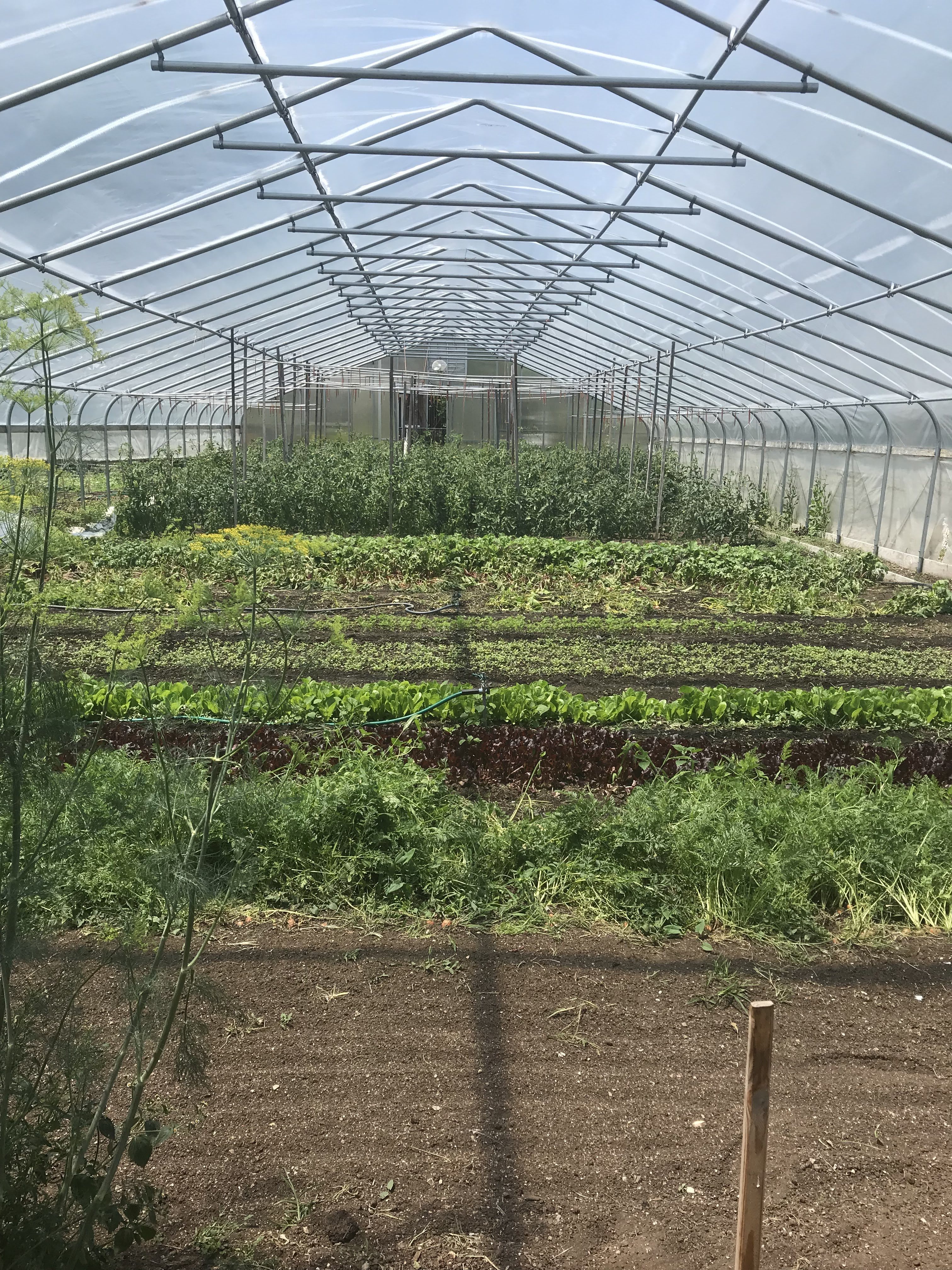
This week is my last week at Growing Home, so naturally, I have been taking more time to pause and reflect on my CAPS journey. Last week, I spent time in our Learning Garden which serves as a hands-on experience for kids to touch and taste the produce we grow. The garden is the responsibility of my department to maintain, so I’ve spent a lot of time in that space over the summer pulling weeds, pruning beets, and harvesting all kinds of vegetables: tomatoes, radishes, green garlic, kale, swiss chard, and a few strawberries, (getting to sample a few along the way, of course). While working in the garden, I was surprised to see how tall our pea plants had grown from when we planted them a few weeks after I started my internship. These plants, which were once pea-sized seeds, had climbed to nearly 3 feet in just a few weeks. As cheesy as it sounds, I cannot help but connect my personal growth through the CAPS experience to the growth of these plants. Just as it’s difficult to notice a plant’s growth in real time, my own growth wasn’t always apparent day-by-day, but looking back through this summer, that growth is undeniable.

Our growing pea plants

I am so grateful for the people and experiences that have supported my growth over the summer. One of those experiences has been the opportunity to work in each of the departments at Growing Home, which gave me a full experience and understanding of the organization and the work that they do. I mainly worked with the Community Engagement department hosting volunteer and tour groups on the farm, attending community events, and, lately, I have spent my time to helping prepare for Growing Home’s first Back to School Farm Fest at the end of August. This preparation has included everything from making a promotional flyer to creating 70 seed germination necklace kits that will be used as the kids’ activity to teach them about the beginning stages of plant life. Although I won’t be here for the event, it has been fun to see it take shape and to see the corner of our office pile up with boxes of in-kind donations, especially the 60 backpacks, full of school supplies, that will be given to children at the event.


Outside of my department, I visited the office where our development team works and learned more about what our development team does to keep the organization running smoothly and to raise the funding needed to keep the organization operating. I was able to learn about the process of organizing a fundraising event and helped create some social media posts.


Being given a variety of tasks and experiences has been one of my favorite parts of internship at Growing Home. I’ve learned proper way to bunch pieces of kale to form a uniform bouquet, helped with resume and job search workshops, acquired in-kind donations from local businesses, prepared weekly cooking demos, and recently created a short video for a grant. As a self-identified planner and sometimes overly-cautious person, these experiences have shown me my ability to take on new tasks or challenges and succeed, even in unfamiliar circumstances.


Taking some time away from the farm to hammock and read with my fellow CAPS Fellow, Emily.

Overall, my CAPS experience has stretched my perspective, not only on the work that goes into running a non-profit, but also on the many injustices in our food system and the amazing work community members in Englewood are doing to overcome the challenges and barriers they have had to face.


Although I will miss working with the talented staff at Growing Home and spending time with the Chicago CAPS cohort, I’m happy to have made lasting connections with these wonderful people who have supported my growth this summer in the same way the metal cage supports the pea plants ability to grow taller and stronger. Going into the next semester, I’m thankful for the personal and professional growth I’ve made this summer, but just like the pea plant, I still have plenty more to grow.

A Hot Commodity

My confidence is often borderline arrogance; however, I mean it when I say I’m a hot commodity at the American Red Cross. Not only do they literally want my blood, but my skill set has garnered a lot of attention throughout the region. I’ve been working as a Regional Communication Intern for the Red Cross, meaning I maintain their social media accounts, graphic design, and video. The last one is my focus, passion, and something that the Red Cross was very interested in. I think it’s important to stress that I am currently their only staff video editor in the state, as it is responsible for all of my stress.

My supervisor, Duchess has been very supportive of my editing passion since she interviewed with me, and I’m very grateful to have her constant encouragement and understanding of the process. I receive plenty of support from everyone in the office; however, supply and demand has come to create another barrier between myself and those who don’t have the same understanding. It hasn’t been negative by any means, but I’ve been nonstop for about three weeks and am still receiving pitches for video projects during my final days. In this fast-paced environment, Duchess and the Indy CAPS fellows have helped me prioritize, recognize my value, and work up the courage to be more assertive in the working world. I know the skill I have is valuable, and I don’t feel arrogant in saying so. My time at the American Red Cross has made me realized that my time and energy have high values and that I have every right to recognize that.

I no longer feel like I’m making an excuse when I say “I don’t have the time to pick up another project”, and I’ve gained confidence in discussing what’s top priority and what can wait a few days. My biggest inspiration regarding self-worth and negotiating expectations is Duchess. She has provided me with a professional means to carry myself as a leader without being overbearing. Thanks to her guidance as my supervisor and compassion as a friend, I feel comfortable admitting stress and asking others to help combat it. With the projects are clearing up now and the end of my internship is in sight, I can say with conviction that knowing Duchess and this experienced overall has strengthened me both individually and professionally.

Caught in the Experience

As the summer internship comes to a close, I want to reflect on the experience I had at Indiana Humanities, a statewide non-profit that encourages Hoosiers to think, read, and talk. Over the past couple of weeks, I was fortunate to work big events and go to places that no other internship can offer.

My co-intern Julia and I paddling on the White River.

The Next Indiana Campfires Series is a program unique to Indiana Humanities. This program combines treks into nature with literature and campfire discussions. The series won the Helen and Martin Schwartz Prize for Public Humanities Program in 2017, a national award given to the best humanities program in the nation. I was able to take a canoe trip down the White River while engaging in a conversation about literature. My co-intern, Julia, and I shared a canoe for the trip, and it was a bonding experience. I never thought that a four-hour canoe trip would change a relationship, but let me tell you, it definitely does.

One experience that specifically that brought us closer was having to work together when we got stuck between a couple logs and stopped moving. The river was very low, so not only were we stuck, but the boat kept dragging across the bottom of the river, making it hard to paddle out. Of course, with our luck, at the same time, it started to pour. At that point, we both looked at each other, decided to take a breath, and worked on getting out of the mess we were in. A few minutes later we were able to get free. About a half mile down the river we met up with the rest of the participants who were on a sandbank under trees trying to stay dry. Soaked through, we paddled up and joined them until the rain stopped.

As part of the program, participants gather to discuss the connections between nature, literature, and place. Kevin McKelvey, a University of Indianapolis professor, led our discussion. He read poems, short stories, and excerpts about nature in Indiana, and asked us to reflect on what we thought of the readings. Many points were brought up about how the White River is impacted by the current political climate both in the state and in the nation. Not only was it a wonderful (and wet) experience, I learned a lot about the White River and how the environment around the river impacts so many people.

The lake house pool with Hamilton lake behind it.

With Indiana Humanities, I was able to participate in the staff retreat. We stayed at the President/CEO’s lake house on Hamilton Lake in Hamilton, Indiana. During the three-day retreat, the staff discussed the successes and improvements of the current theme, Quantum Leap, which connects the STEM (science, technology, engineering, mathematics) field to the humanities; the next theme and its programming; grant application changes; the strategic plan for the next couple of years; and a discussion on the book titled The Immortal Life of Henrietta Lacks written by Rebecca Skloot.


The Indiana Humanities staff during the book discussion.

I found that the discussion of the book was one of the more entertaining parts of the weekend because we engaged in a deep, thoughtful conversation. The Immortal Life of Henrietta Lacks is about Henrietta’s cancer diagnosis and how her stolen immortal cells, now referred to as HeLa cells, helped start a scientific and medicinal discovery period. Taken without Henrietta’s consent, her cancerous cells were used for testing that led to discoveries in polio vaccines and how many chromosomes people have. It also helped scientists learn more about the AIDS virus and leukemia. The book follows the Lacks family – how they struggled to overcome poverty, to accept the fact that Henrietta’s cells have outlived Henrietta, and how the family has not been compensated for the advancements her cells have brought to the field of medicine. We engaged in conversation about whether life can, or should, have a patent on it, if the Lacks family should be paid, and if Skloot was using her white privilege to share this story of the Lacks family.


The Indiana Humanities staff hanging out on Hamilton Lake.

The staff retreat offered me the opportunity to get to know my coworkers outside of the workplace. We played Mafia (the card game) and hung out by the pool. We went paddleboarding and kayaking out on the lake. It was nice to be away from downtown Indianapolis and enjoy time together on a boat just to hang out.

I only have one week left here at Indiana Humanities, and I’m going to make the most of it. The connections I have made with the staff and other interns are strong and I know that I will be in contact with them as I grow in my profession. Thank you, Indiana Humanities, for the wonderful summer that I have experienced here.

Focusing In

One of my boss’s three cats, picture taken from the desk in his house where I usually work

The majority of my time spent in Indy after my trip to El Salvador so far has been focusing in on what project I want to work on for the remainder of the summer. After some deliberating with my supervisor, we decided that I would work on researching ultraviolet (UV) water purification processes and their potential compatibility with water system projects that CoCoDA has been implementing in Central America.

I didn’t have many, but one of the concerns that I had going into this internship process was that I would end up just doing busy work for the summer. This is work that could potentially be useful, but in the end is just a made up task to keep me busy. In this scenario I still would have done all the wonderful learning and reflecting that I knew would come with the CAPS style internship, but without really contributing to the organization. I had no idea that on top of the learning and reflecting I would be doing research for the organization that could change the way that they do water projects in the future. This research could really contribute to providing a more sustainable water system to families, and that is an exciting concept for me.

The current method of purifying the water in the systems that we have helped implement so far is through chlorine tablets, a method that works, but with a couple drawbacks. The first drawback is the upkeep. A trained person has to apply the chlorine to the water in regular monthly or weekly intervals throughout the year. This also comes with the regular purchasing of the chemical to purify the water. The second major drawback is the change in the water’s flavour. After shocking the water with chlorine, the flavour of the water becomes quite bad, providing a motivation for the people to put less chlorine in the water. The potential for a new method of purification that doesn’t change the flavour and only requires UV light bulb changes once a year is quite appealing.

This UV purification leads to a number of questions though. What specific purification device do you use, one that is already manufactured or should you attempt to design a new one? At what point along the journey of the water, from the ground to the home, do you purify it? Should you purify all the water or just the water that will be used for drinking? These questions and more all have many answers and are often dependent on each other. My job this summer is to find potential engineering solutions to these unique problems.

A water collection tank, the beginning of the water’s journey as it makes it way to the families in a community

Besides working on the project, Monday of this past week brought a CoCoDA board meeting. This meeting continued to  help me understand the inner mechanisms of a service based organization. The majority of the meeting centered on keeping the board up to date with what CoCoDA was doing, but seeing the employee interaction with board members showed me how imperative it was to have a governing board. The presence of an objective panel is a way of making sure that CoCoDA stays on the right path and it instills confidence in the employees that CoCoDA is not being run unchecked.

This really cool project paired with the organization I am working for, and the other (really awesome) CAPS fellows that I am living with has so far made my time in Indy an enriching experience. I am so happy with how the summer is going and I’m excited to see where it has yet to go.