Category Archives: CAPS Fellows Blog

Everything has a Solution, Except for Death

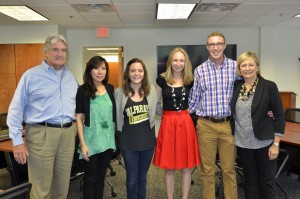
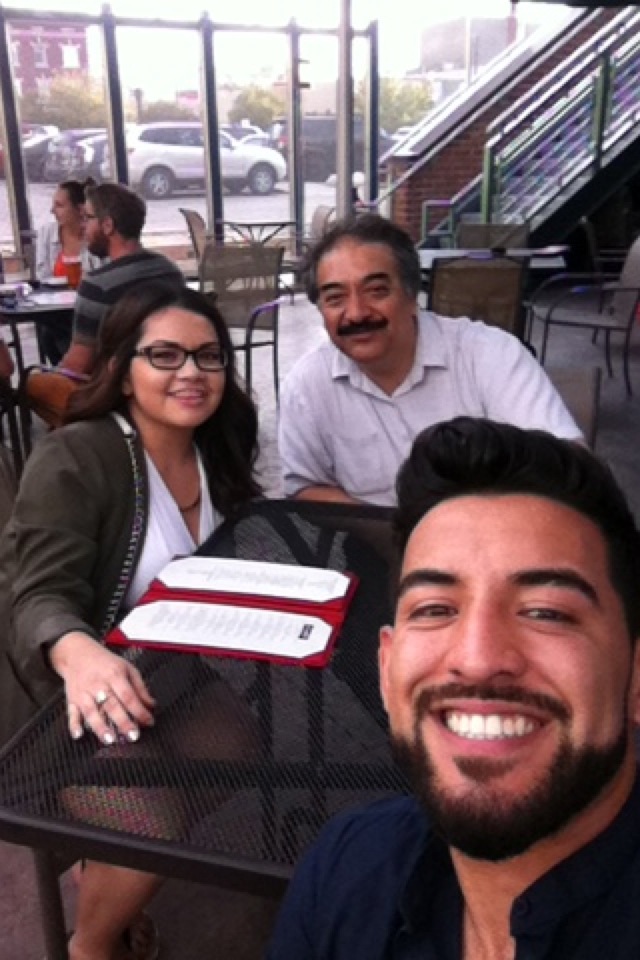
Jose Lopez, LULAC of IL State Director, myself and Jesus Payan chatting about improving community outreach via social media and unified webpage for LULAC of IL.

Jose Lopez, LULAC of IL State Director, myself and Jesus Payan chatting about improving community outreach via social media and unified webpage for LULAC of IL.

Narratives and storytelling has been a long standing tradition in the Latina/o community. It is often in that way in which we learn; by hearing stories from the elders in our families or communities telling us of our long standing traditions from our ancestors before us, events that have occurred when the thought of us was not even conceived, still in our mother’s womb or too young to remember. I grew up with story telling and learned the importance of narratives. To my family and to our community, narratives gave a platform to the unheard. But throughout the existence of our community, we have been shamed and conditioned into believing that we should not speak up for what we believe in due to fear or retaliation of what the majority in the United States could do to us. I’ve slowly seen this fear stripped away by the courageous acts of many in the Latin@ community in the U.S. From Cesar Chavez and Dolores Huerta forming the United Farm Workers in California to protest the working conditions of the fruit and vegetable pickers in the fields, to young immigrants proclaiming that they are undocumented and unafraid and recently, to the undocumented trans activist Jennicet Gutierrez interrupting President Obama during a pride event at the White House, crying out: “President Obama, release all LGBTQ immigrants from detention and stop all deportations”, the Latin@ community has had enough. Even in the most difficult of times, I don’t believe we have ever been quiet. We simply have never been heard. And now, finally, people are listening.

Having the opportunity to attend the 86th Annual LULAC National Convention in Salt Lake City in early July, reminds me of the several facets of racism, discrimination, prejudice and systematic inequality my community has faced and continues to face to this day. It is always empowering for me to go into a room full of Latin@s that are fighting everyday, across the country, to help dispel the injustices that are occurring. It is in these spaces that we are allowed to come together, meet new people, formulate new strategies and ideas for the betterment of community at a local or national level.

Often times, in social justice work, it can feel lonely or that no matter what you do or how hard you work, it’s never going to end and it’s never going to be enough. During these times, I am reminded of a saying my mom always tells me: todo tiene solucion, menos la muerte. Everything has a solution, except for death. While at times, the work I am doing may seem insignificant to some or not enough, I know that I, along with so many other’s, are doing what we can with what we have. Attending the LULAC National Convention was a thrilling reminder for me that the work that I am doing in my community does matter. Although some days are not easy, better days will come. There’s a long road ahead and so much work to be done. It’s scary to think of what lays ahead, but I am ready to do whatever it takes to create a more just community for my people and our future generations.

The Body of Christ in Action

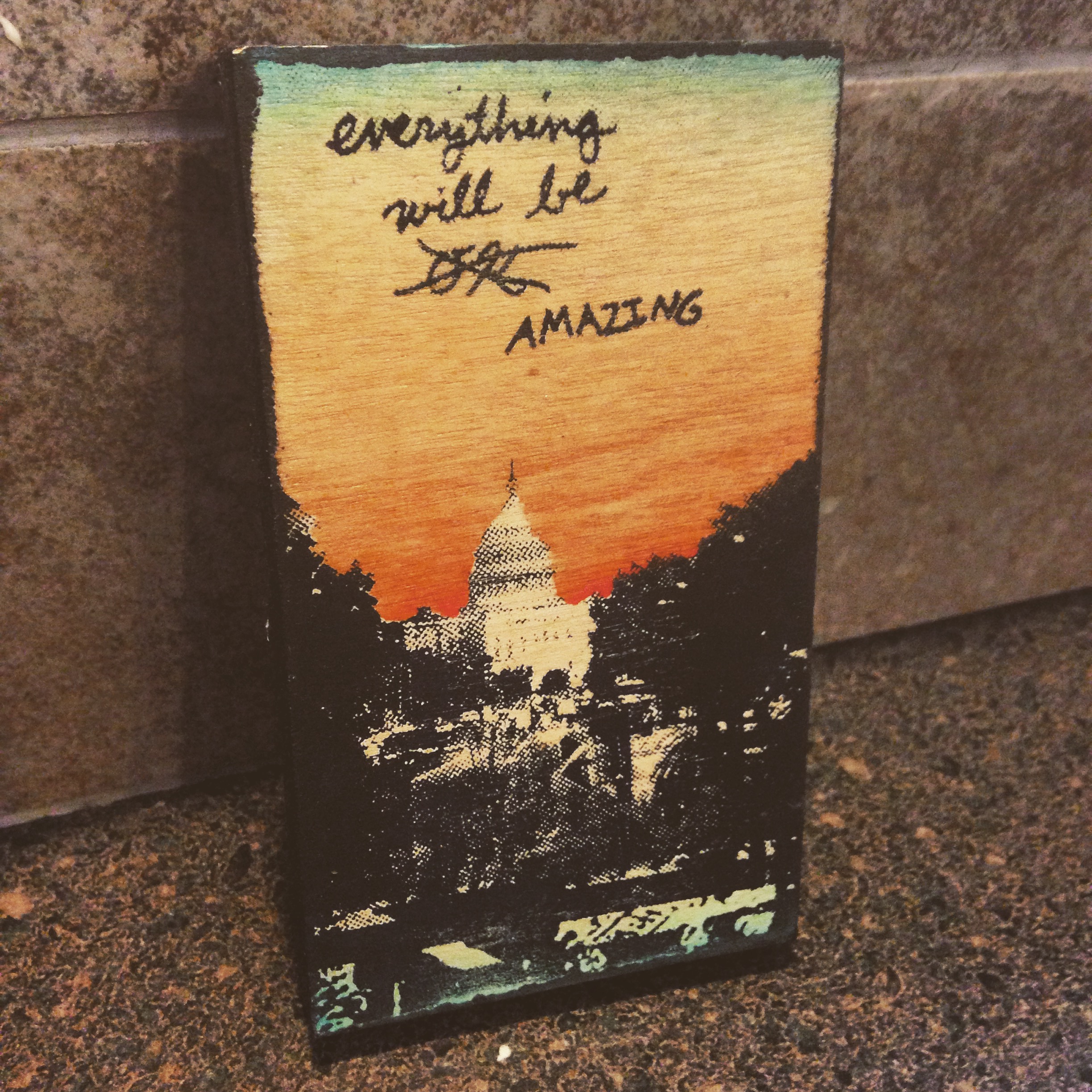
Everything will be amazing

I got this at the Eastern Market at the beginning of the summer. Everything did turn out to be amazing!

My roommates and I keep commenting on how quickly this summer has gone by. Two months seems like a lot at first, but now it feels like hardly any time at all. I’m entering my final week at Lutheran Services in America, which means I’m working on finishing up the projects that were assigned to me. A few of the projects I have been working on won’t be done by the time I leave, so I will be preparing those to be handed off to future LSA interns.

Outside of various smaller tasks, my two main projects at LSA have been donor analysis for the 2015 fiscal year and managing their social media platforms. The first project has involved a lot of compiling and organizing numbers in order to understand where the donations are coming from, evaluate donor trends, and formulate a new development strategy for the 2016 fiscal year. While sometimes spending hours on end working in Excel can be tedious, I’ve found myself to be quite interested by the results. This Thursday I will be giving a presentation to the entire LSA staff that will summarize the findings and help them understand a little more about where LSA’s funding is coming from.

Managing the LSA social media platforms is a different sort of project. I try to make sure that our postings are spread out evenly, so that we are maintaining a regular presence on social media. Sometimes these posts regard projects or events LSA is involved with, and sometimes they are highlighting one of our 300+ member organizations. I love posting about our member organizations because it means I get to spend time going through their Facebook pages and learning about all of the amazing projects and services they’re all providing. It fascinates me how vastly different our member organizations can be, yet they are all connected in their mission to serve others and by their Lutheran roots.

Nationals Game LSA

The LSA staff went to a Washington National’s game this week!

As a Lutheran, the network that LSA has created fascinates me. When I was growing up, I was always told that we are all one through Christ and that we are all connected.  That’s something I think about every day here at LSA. The work done by any one of our members is excellent and necessary, but when you take more than 300 of these organizations and find ways to connect them, that’s when truly incredible work can happen. And every single person involved in these organizations is doing service work – whether they are doing hands on work or office work. This is one of the best examples I’ve seen of the body of Christ in action. Romans 12:4-5 says, “For just as each of us has one body with many members, and these members do not all have the same function, so in Christ we, though many, form one body, and each member belongs to all the others.” The members of LSA provide a variety of tasks, and LSA helps bring them together. We are all the body of Christ, serving in a multiplicity of ways, and touching the lives of millions of people every year. Every kind of service is a necessary part of the body of Christ and serving with LSA this summer has provided me with a unique example of the body of Christ serving God’s people.

The Future is in the Details

My work at the Federation is all about details. From the exact responses to survey results and their connotations, to document formats, to the placement of questions in each email, each project forces attention to every miniscule detail. And every single detail has been important and critical to the success or outcome of each project. Working with an immense group of 56 councils around the country and in partnerships with organizations like the NEH and Pulitzer, the Federation’s effectiveness in these relationships relies on having each fact or detail correct.


However, our effectiveness is also measured in the work each council puts in to provide humanities programming to everyone in their state or territory. As the national branch, we are the promoters, advocators, and cheerleaders for the individual councils. For all of the work the Federation completes in Washington, DC, negotiating and advocating on Capital Hill, communities around the United States receive more chances to grow in the humanities. Knowing our national impact inspires me to continue to promote humanities education, to push for more literacy and reading discussion groups, and to always advocate for the value of history and literature.


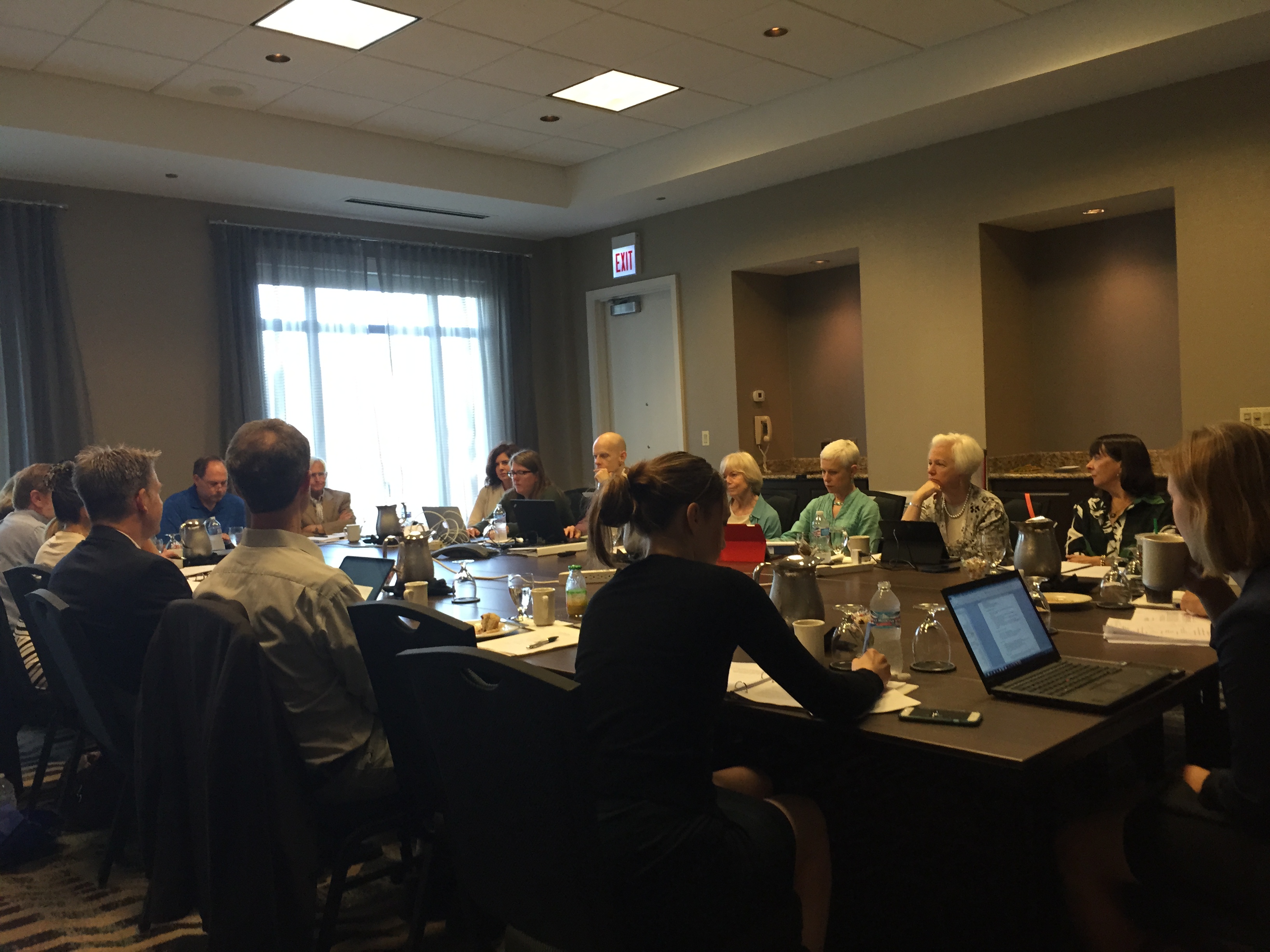
I was lucky enough to experience firsthand the Board of Directors meeting last weekend in Chicago. A little bit awestruck, and a whole lot a bit nervous, I found myself in room with influential humanities scholars and nonprofit workers from both humanities councils and other humanities backgrounds. Sitting in the room during the meeting, I gained valuable insight into the underground workings of a nonprofit. Board members and Federation staff discussed items such as budget allocations, development issues, and strategic plans. Each topic was important to the inner workings of the council system, and again, all of the details were highlighted and reviewed. While the board members debated and discussed, I sat at my intern table, frantically taking notes and excitedly grasping at the pieces of information that hinted towards the Federation’s future.

IMG_2043

As I begin the last week of my fellowship, I am filled with such a bizarre combination of sadness and excitement. The last nine weeks have been transformative, not only to my sense of self, but to my future and the place I see myself in this world. Working at the Federation has been more fulfilling and informative than I could have ever foreseen when I first learned of my placement all the way back in April. And now, I am so happy to be given the chance to continue my work here and stay I the amazing city of Washington DC. I will be working at the Federation full-time starting in the middle of August as I switch from CAPS fellow to a member of the nonprofit workforce. I am thrilled to have found a calling to promote the importance of the humanities during my time as a CAPS fellow, and I am eternally grateful for the opportunities it has provided me. Now, I get to sit and look out at this beautiful view for the indeterminate future, as I continue to discover my purpose in this world.

IMG_2014

My community is suffering, but there’s something I can do about it

The Region is as diverse in its problems as it is in its population. You do not have to wander too far to see the poverty that is plaguing some of the largest metropolitan areas in “the 219.” My placement is in one the cities that has been, by and large, forgotten by the rest of the Region and left to its own limited resources to rebuild itself. The progress that the city of Gary makes can seem slow but it is truly amazing to see the good that is coming from the organizations and citizens within the city that refuse to give up on each other. I’m proud to say that the Urban League of Northwest Indiana is one of those organizations.

During the second half of my internship, I noticed that many people began to call in for rental and/or utility assistance. Unfortunately, the ULNWI does not have the capacity to help with these specific problems, but we are able to refer people to other organizations that can. It is extremely sobering to realize that something as basic and necessary as shelter, electricity, and water are not readily available to so many people. Poverty is something that we all know exists, but until you meet the people that are living in the conditions or find yourself in that situation yourself, you don’t really “get it.” This is not to say that I completely or even half-way “get it”; there is no amount of schooling or volunteering could ever make me understand what it is like to live in abject poverty. I can only speak on things as I see and understand them through the lenses of privilege that I have.

In the midst of receiving phone calls about housing assistance, we had our monthly handing out of food vouchers. One of the local churches gives the ULNWI ten vouchers per month to give to people who sign up. To put into perspective as to how great the need is for food, if someone were to call in to receive a voucher, the earliest they would be able to receive one would be mid-September. This list is made up of just people who know that we have the capability to give out the vouchers. In June, I went to a grant writing workshop and one of the organizations that was also in attendance noted that they feed about 100 children every Sunday through the soup kitchen they run. Between the two churches, over 400 people are fed per month. And that is just in one city. I cannot imagine how much hunger there is in the other corners of the Region, in my own, more privileged but by no means upper-class, community of Merrillville. Do we really know what is going on with our neighbor?

For people that are in immediate need of food and cannot receive a voucher, we are able to refer them to other organizations throughout Lake and Porter counties. That makes the uncomfortableness of denying food to “The Eleventh” person somewhat less biting. But then you wonder if they have the means to get to the other organizations to receive the food that may be available to them. It is an overwhelming issue that people who are removed from the situation can sometimes diminish. If there was any doubt as to whether or not hunger is an issue in Northwest Indiana, here is the proof.

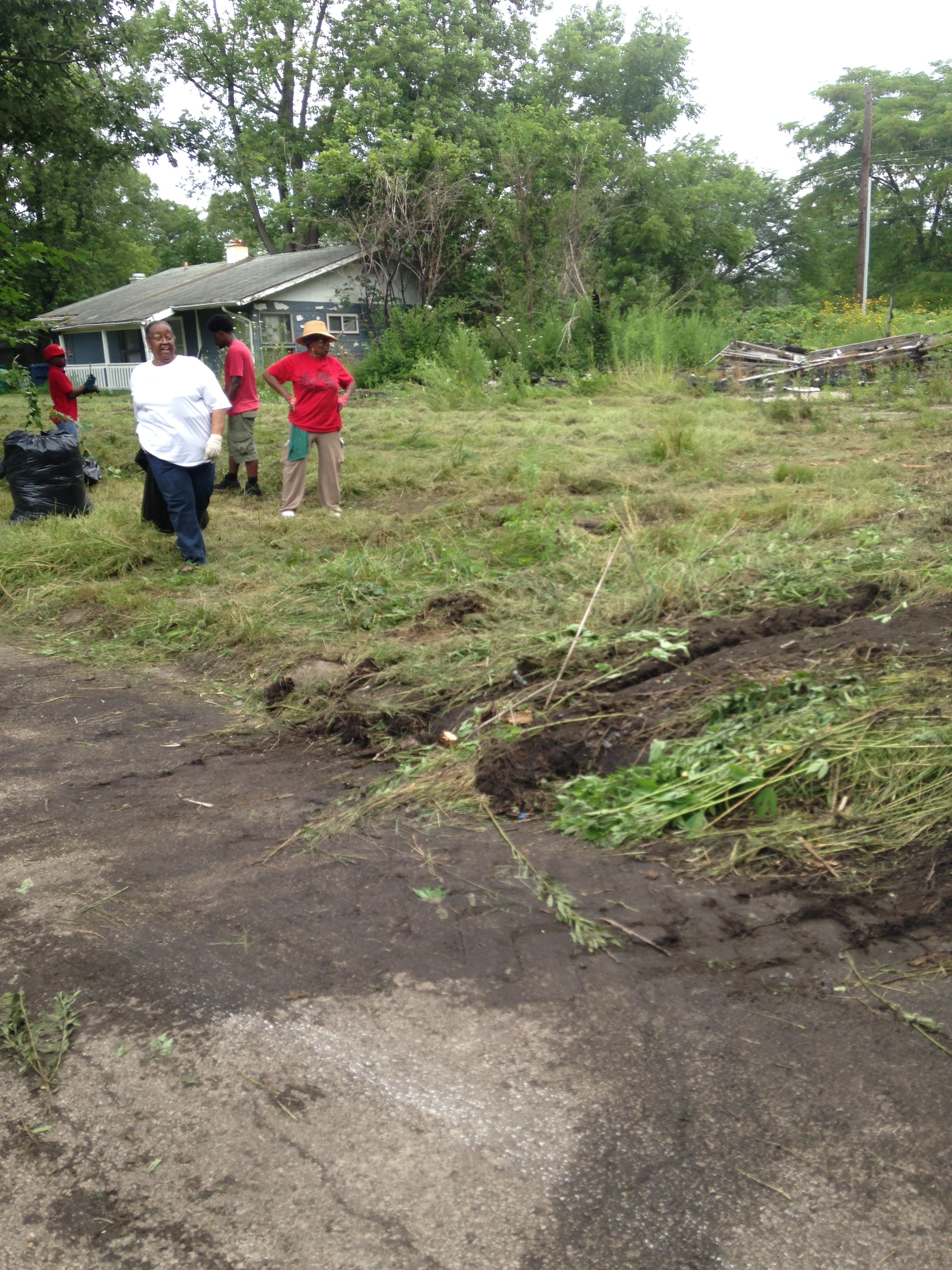
Even fours years later, the ULNWI is still working to rebuild the US and African American community through job prep services.

Even fours years later, the ULNWI is still working to rebuild the US and African American community through job prep services.

As mentioned in my other blog post, the ULNWI  provides career services on Wednesdays and Thursdays and I have been able to help people look for and prepare for work. This has been one of the best things I was assigned to do, hands down. I love having the opportunity to filter my passion for helping impoverished communities and the African American community into a program that directly, positively, affects people. I love learning about people, their stories, their struggles, and their goals. The optimism they have for their future, despite the myriad of obstacles they are facing. The grit they have for being able to apply for job after job even if many of them do not result in unemployment. The amount of work and effort people put into their professional development, from making resumes, practicing interviewing, or simply learning how to use a computer, reaffirms my belief that no one wants to live in poverty and that people do desire to make themselves self-sufficient, but it takes the efforts of those who have been able to “make it” to rise out of impoverished conditions. If the ULNWI did not respond to the needs of the citizens of the Region and did not open an employment clinic, I am not sure what other resources our clients would have. If I find myself having career problems, I can fall back on my university’s career center and a couple professional connections. What other option does everyone else have?

I have been fortunate enough to learn many skills during my internship at the ULNWI. I have learned more minute things, like how to make Excel less annoying and practical things like using my training in academic writing for professional writing. I think the most important things I have learned this summer are the issues of my community. I am going to graduate school in the fall and my focus has always been on the needs of communities of color living in poverty and I hoped for a placement at the ULNWI because of the exposure to these problems I would receive. My hopes were met and exceeded. When I finish school, I want to spend some part of my career improving the conditions of people living within the Region and this summer affirmed that desire. I see so much potential in the natural resources and people of the Region. With proper care, we could be the envy of the Midwest. But in order for that to happen, we cannot ignore the problems of our neighbors. We cannot hope that things will one day change. There must be a conscious effort made to make the Region reach its full potential. Working at the ULNWI has shown me that those efforts have started. Those efforts are creating the progress this area so desperately needs. I am proud of the service that I have done this summer and I am very excited to see in what capacity I can help during and after graduate school.

Leaving a Legacy: 3 criteria for a future nonprofit

Since first stepping foot onto Valpo’s campus as a freshman three years ago, the infamous “What are your plans after graduation?” question has always been daunting.  My typical response provides a semi-decent answer, as I mention my aspirations of a career in the nonprofit world. Yet, the follow up question—“What do you plan to do in that field?”—is more challenging. My 21-year-old (male) instincts tend to kick in at this point, and I reply with a simple, “Not sure. I still have to figure that out.”

I’m realizing, though, that things need to be figured out fairly soon.

Over the past month, my time at Legacy Foundation provided several opportunities for me to realize three key organizational characteristics that are essential for the nonprofit in which I will someday work. Whether observing a diverse group of area residents rally behind Legacy’s collective impact initiative known as “Neighborhood Spotlight”, conceptualizing hurtful charity practices set forth in Robert Lupton’s book Toxic Charity, or seeing grantees’ excitement as they report back on the progress of their grants, each offers unique glimpses into the criteria I will look for in a future organization.

  1. Shares Christ’s love

I want to be inspired to work for a cause that fulfills deep, intrinsic calling to greater purpose on this planet. Every nonprofit organization claims to touch on this in some form through its mission: art, dogs, nature, education, poverty, etc. All are important. All are impactful. All are different. And it’s in this variety that opportunities—and pressure—arise.

As the community foundation serving Lake County, Indiana, Legacy Foundation provides grants to local nonprofit organizations that work to transform lives of Lake County residents. I’ve witnessed nonprofit diversity within the last month when traveling with Legacy staff to visit these organizations for progress checks. It’s very evident that each organization is comprised of passionate individuals that are fulfilling their purpose by wholeheartedly committing to their organization’s vision.

Reflecting upon my own purpose, I am reminded of the importance in connecting my faith and career together—something that I was called to do after taking a mission trip to Haiti several years ago. My heart’s deepest passion is to make a difference for Christ in the world; I am reminded of this again and again. Although I am still discerning the details of what this will look like (let’s save that for another post), I know that my calling and purpose is to work in a faith-based nonprofit organization that shares Christ’s love.

  1. Empowers others

Sure, it may sound straightforward, maybe even redundant. But I believe that empowering others to proactively take initiative should be intertwined into every organization. This very notion is at the heart of Legacy Foundation’s “Neighborhood Spotlight” initiative, as the program fosters collaboration from all community sectors (citizens, nonprofits, corporations, government) to tackle community issues through collective impact. In other words, Legacy is empowering residents to catalyze community change. This intentional investment into residents’ lives is creating great momentum for this region.

  1. Seeks opportunities

I believe that nonprofits must constantly pursue opportunities to advance their missions, for doing so fosters the discovery of ways to help more people. Many times these efforts produce partnerships that create new programs and projects that would otherwise be unattainable if attempted alone. Collaboration is highly important at Legacy and is seen in many of its programs, including Neighborhood Spotlight. Organizations that boldly seek opportunities make the greatest impact—and I want to be part of that.

As I hope to work for a faith-based nonprofit in the near future, I am encouraged by the insights learned through my time as a CAPS Fellow. The three aforementioned criteria serve as guides to my vocational pursuit and will undoubtedly help me the next time I am asked about post-graduation plans.

Taltree Site Visit Group

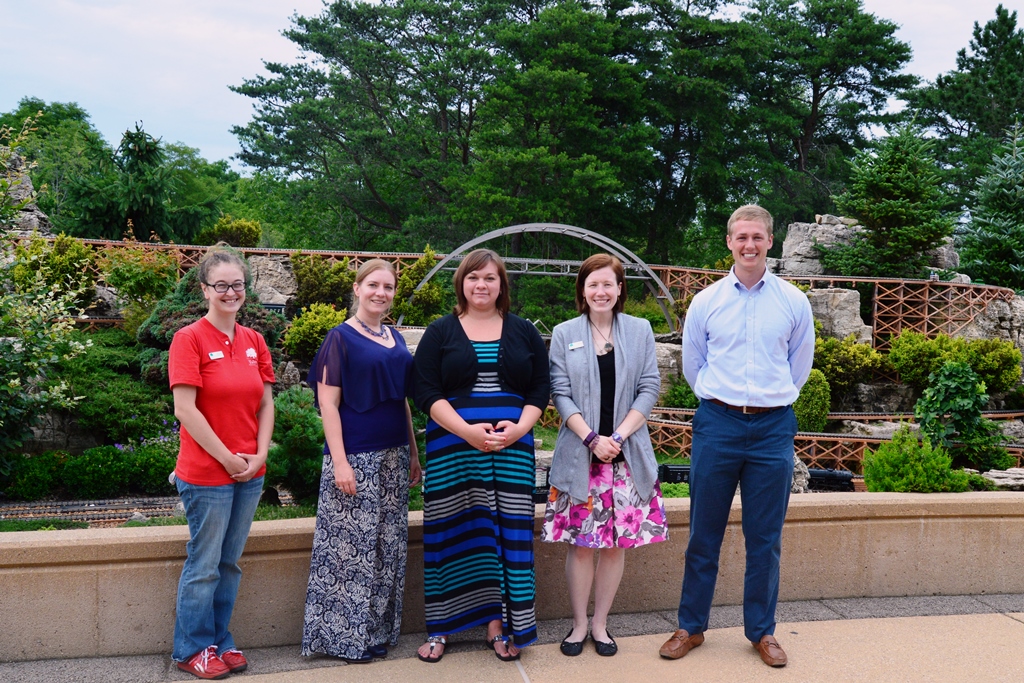
Site visit group photo at Taltree Arboretum & Gardens in Valparaiso.

Salty Weekend In Salt Lake City

As I come to the end of my fellowship with LULAC of IL in Cicero, I had a great opportunity to attend the National Convention that was held in Salt Lake City, Utah. WOW! This place was amazing. The view of green, breathtaking mountains behind the city really blew my mind. The weather was perfect. You know why? Because they were little to no flies and mosquitos, the sun set around 9:30pm, and low humidity. The city was like the ocean on a calm day with a nice breeze.

The convention catered to around 5-6,000 LULAC members during the week long convention. It was a nurturing weekend because I was able to spend time with LULAC State officials on the plane, over dinner, dance floor, workshops, and have intellectual conversations. I really bonded with the LULAC of Illinois State Director, Jose Lopez. I would ask questions and he would have answers, especially during elections. Elections were hectic and borderline madness. I asked Mr. Lopez, “I don’t see unity here at this election. People are yelling and being disrespectful. Is this how it usually is”? And he chuckled a bit, bowed his head a little closer to me and said, “This is expected. It happens every year in nearly all elections. It even happens within Democrats when they are voting because people may have strong, opposite opinions on certain topics. It’s the nature of elections, but LULAC always puts aside personal opinions and comes together for the larger issues”. As a biology major, I have no academic background in political science. However, Mr. Lopez really opened my eyes to the realm of politics in a coachable and effective way. And for that, I appreciate his patience in mentoring me and allowing me to challenge my preconceptions of politics.

After my fellowship, I plan to remain as an active member of LULAC and continue making myself of a resource for the community in whatever way that may be. I love my Latina/o community. But I recognize and understand the intersectionality between the entire spectrum of race, ethnicity, class, gender, sexual orientation, religion, and ability. I would like to continue my work to fight against social injustices and institutions that support institutionalized discrimination to create an inclusive and transparent community.

It is up to us, as Valpo leaders, to voice the struggles of our community through ACTION and ACCOUNTABILITY!

Salt Lake City, Utah

Salt Lake City, Utah

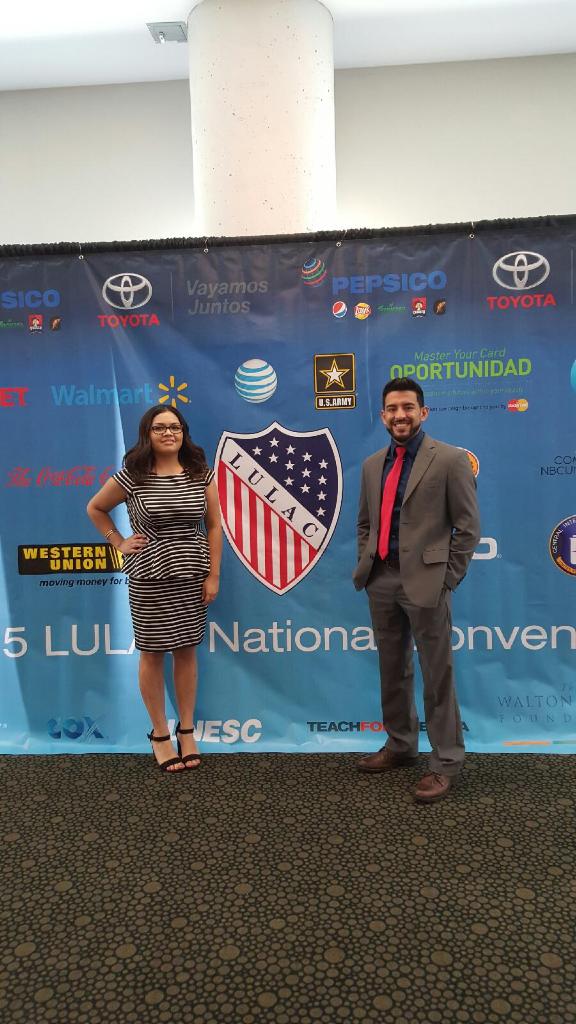
LULAC National Convention in Salt Lake City with Rocio Pulido

LULAC National Convention in Salt Lake City with Rocio Pulido

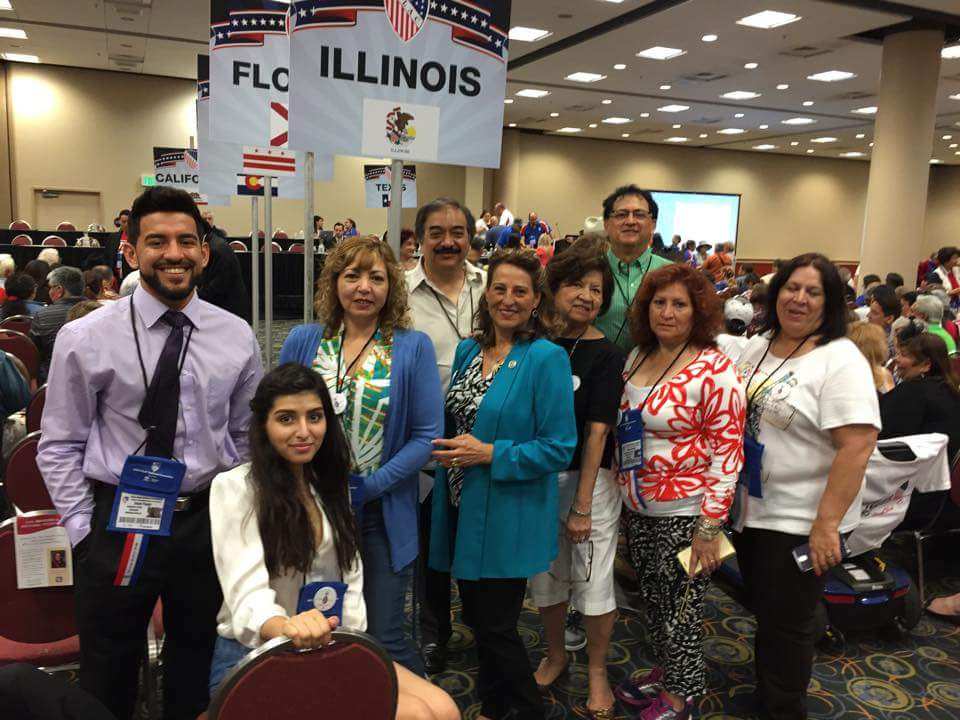
LULAC of IL delegates ready to vote

LULAC of IL delegates ready to vote

Jose Lopez, LULAC of IL State Director, Rocio Pulido and myself chatting about improving community outreach via social media and unified webpage for the state of Illinois

Jose Lopez, LULAC of IL State Director, Rocio Pulido and myself chatting about improving community outreach via social media and unified webpage for the state of Illinois


Change Can Happen

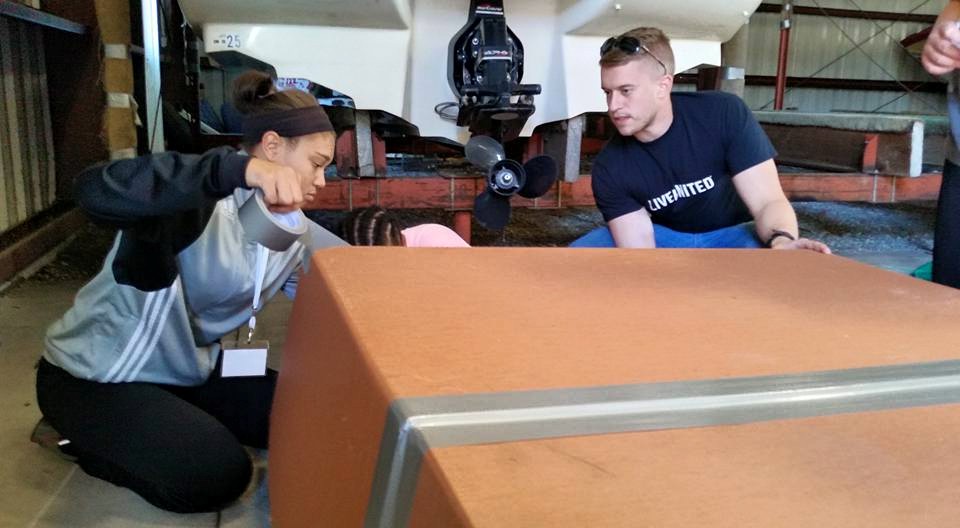
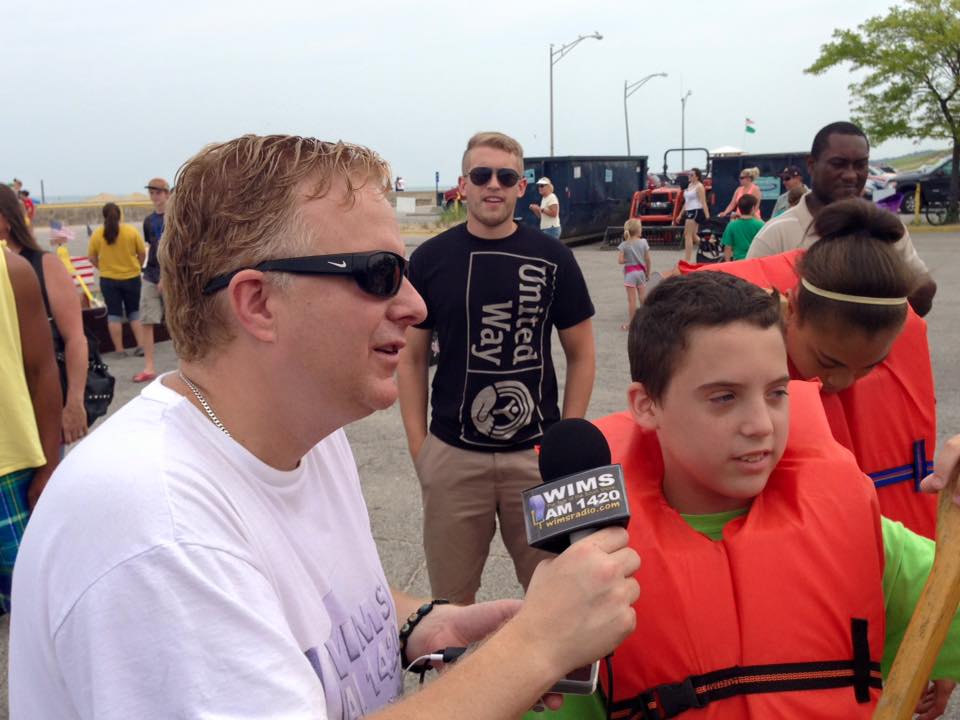
In my last post, I talked about the exciting opportunities I was given right out of the gate at the United Way of LaPorte County, I have been able to dive deeper into the great work that this organization is behind. After my last post, I was able to aid local youth, of the Michigan City Police Youth Academy, in building cardboard boats for the Annual Boat races on Lake Michigan. The race was this past weekend, a beautiful Saturday for the community to gather to watch not only kids, but also adults put their cardboard creations on the water. (I have attached photos of both the building and the race day). It was fantastic to be able to work with some of the youth, just being able to watch them work together to get a task complete has made this experience worthwhile.

11040401_940859342640865_6067985102449697660_n 11698698_952178978175568_660867496253443981_n IMG_1817


The community garden that I previously blogged about, is coming together nicely, with an ADA approved area for gardening to those with disabilities. Plants are planted, mulch has been laid to create paths, and the fencing is nearly complete. One neat occurrence around this garden is that someone anonymously delivered plants for the garden.

I have been spear heading a new way to raise funds through our campaigns. The United Way generally runs a campaign from August to February to raise funds for projects and other organizations that we sponsor. With that, our Executive Director suggested that we should use Network For Good, a non-profit that uses an online platform to raise funds for non-profits. Next week, I will be presenting this platform and how to use it to the Board of Directors. We are attempting to reach potential donors through Facebook and other social media platforms. It is a way to keep up with the adapting market while still keeping in touch with our prior donors.

Last Friday, a representative from the Indiana Association of United Ways, came and spoke with us and some other regional volunteer and staff personal to talk about ways to handle the new campaign season. It was nice to hear much of what he had said, was right in line with what we are trying to promote with this new platform to reach both previous and potential donors for this campaign season.

Being home has its perks. I have been able to utilize the contacts that I have made in the past, as well as creating new ones. Any social event that Kris or Dave (the Executive Director and the Manager of Community Engagement), I will tag along to learn as well as connect with leaders in the community.  I am getting near the end of my time with this organization but I have felt welcomed and that I was able to be a part of something bigger than myself. I am reminded of a phrase I heard at a very young age, “It takes a village…” meaning that it takes all of the people within a community to create change or promote societal well-being. Comment or questions, I will respond. Live United!

Clocks

Alexander-K.-Uryga-contemplates-clocks


Tick. Tock. Tick. Tock.


Time


You can call it an idiom or you can call it a cliché, but I like to call “Time flies” a pithy adage. The two words, for me, is a truth in transience.


Inception


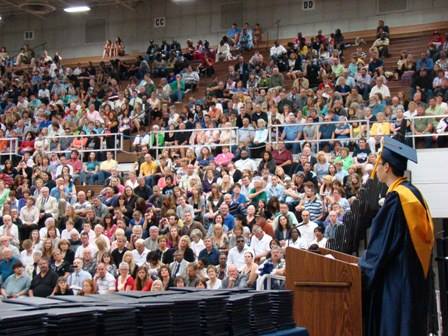
Four years ago in the summer of 2011, after graduating Valedictorian, Student Council President, and one of the two student speakers at commencement, from Michigan City High School in the spring, and before coming to Valparaiso University as a freshman in the fall, my mother, father, and I took a trip to Washington, D.C.
 

Alexander-K.-Uryga-gives-his-Michigan-City-High-School-2011-Graduation-Commencement-Address


We stayed at the L’Enfant Plaza Hotel, “A family and pet friendly hotel.” The name of the hotel, comes from a man named Pierre, or “Peter,” L’Enfant, who was an architect and mastermind behind the design of Washington, D.C. It felt fitting, my first time in the District, to stay at a place named after the man that created the layout of our capital.


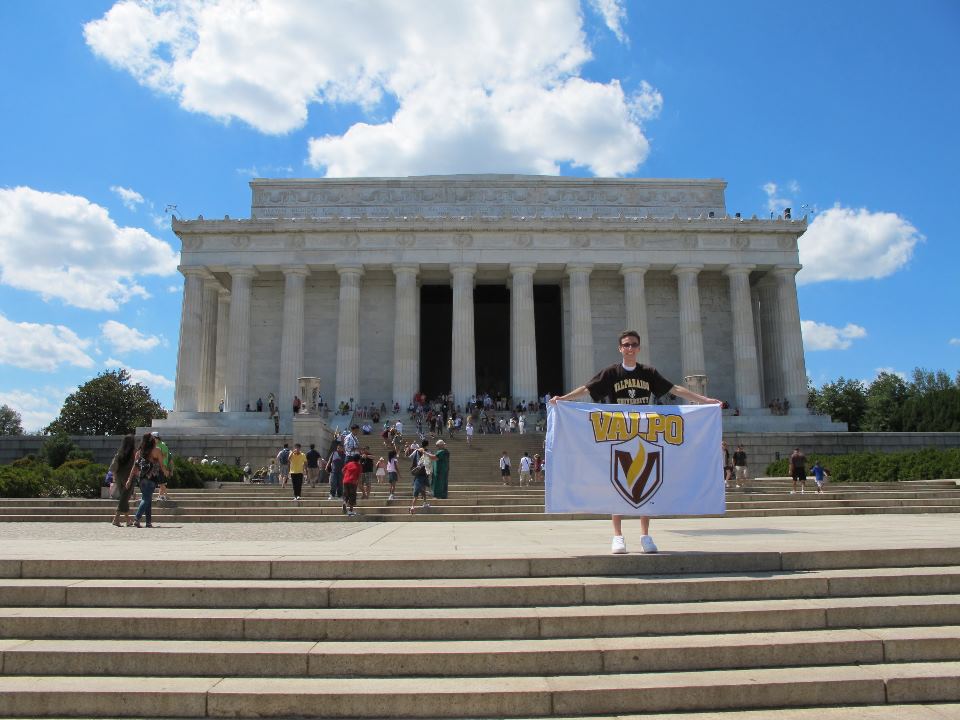
Our room at the L’Enfant Plaza Hotel was a room with a view, a view of the top of the Washington Monument, a five hundred and fifty-five foot tall obelisk done in an Egyptian revival style by architect Robert Mills. From a view from afar to a view up close, we went to the Washington Monument, as well as other monuments on the National Mall, including the Korean Memorial and the Lincoln Memorial. It is there, at the Lincoln Memorial, where my Valpo flag photo was taken. On one of the last few days for submissions, I entered the contest, and won!
 

Alexander-K.-Uryga-with-Valpo-flag-in-front-of-Lincoln


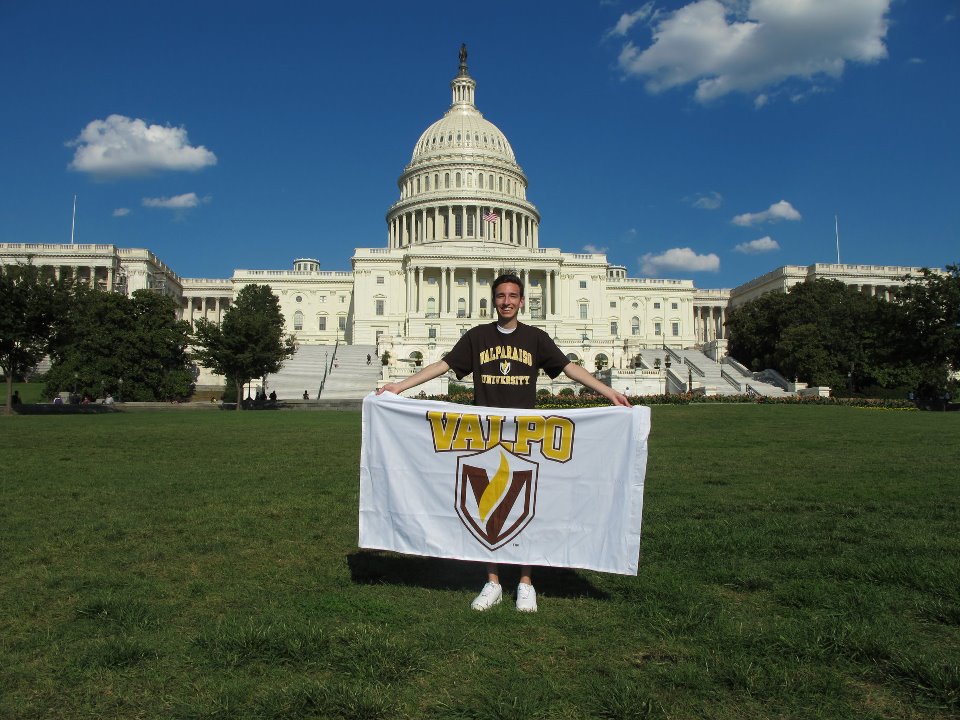
We explored the rest of what the National Mall offers, including the American History Museum, and the west side of the U.S. Capitol building. It is there, at the west side of the Capitol building, where another photo was taken of me with my Valpo flag. I did not know then that I would be back on the grounds of the United States Capitol, not as an incoming freshman student at Valparaiso University, but as a political science and history double major, a Christ College Honors College Scholar, the 2013-2014 Valparaiso University Student Body President, and as an intern for one of Indiana’s United States Senators.
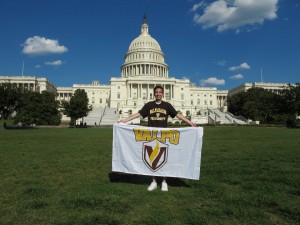
 

Alexander-K.-Uryga-with-Valpo-flag-in-front-of-U.S.-Capitol-Building


Intern


One semester ago in the spring of 2015, I interned for one of Indiana’s United States Senators, through the Lutheran College Washington Semester. A year before, I had no idea about the Valparaiso University Lutheran College Washington Semester until two of my friends from Student Senate, Finance Chairman Michael Peterson and Administration Chair Lucas Phillips, left Student Senate for a semester to participate in the LCWS 2014 spring semester.


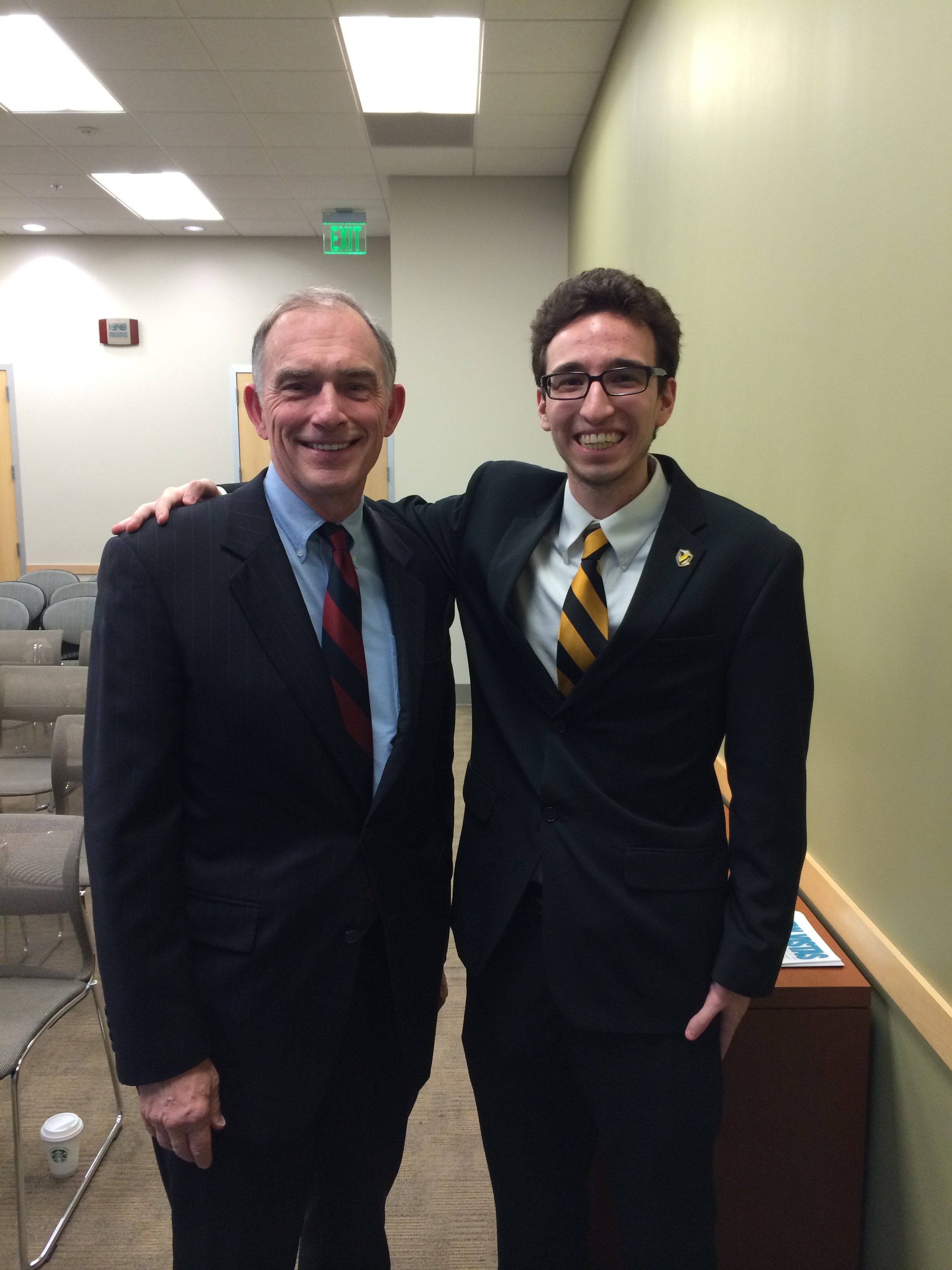
In the same spring of 2014, current Congressman, Peter or “Pete” Visclosky, and former Congresswoman, Jill Long Thompson, came to the university to speak about “Leading the Beloved Community” on January 20th, 2014, which was Martin Luther King, Jr. Day.
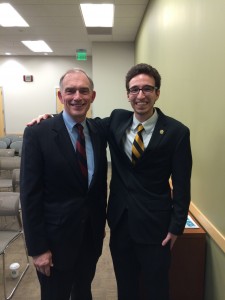
 

Alexander-K.-Uryga-with-United-States-Representative-Pete-Visclosky


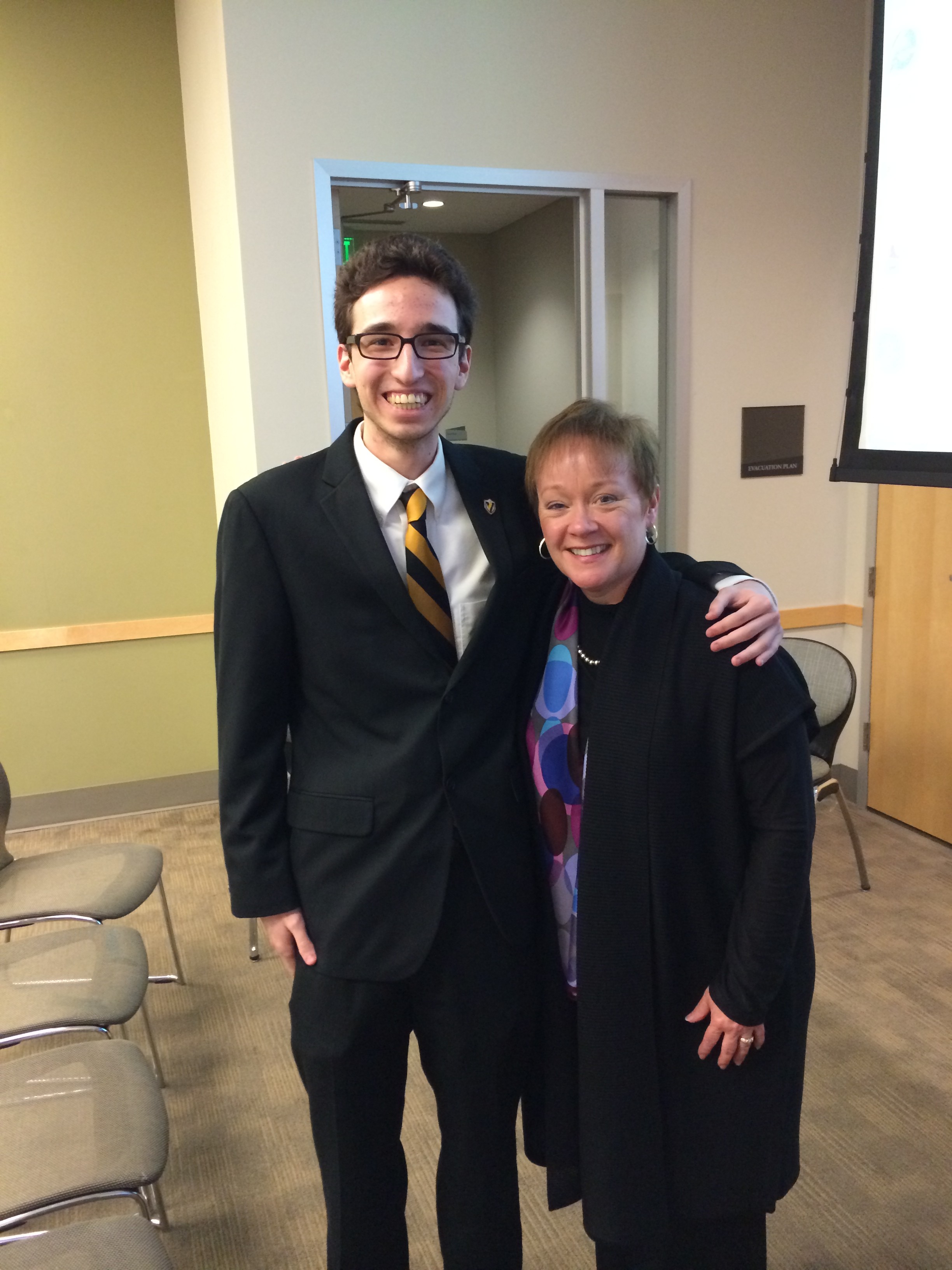
When the former Congresswoman, Jill Long Thompson, heard that I was President of the Student Body, she hugged me and said, “You’re on your way.” But, that’s not all she said. Looking me right in the eyes, she added, “You’ve got to go to Washington.”
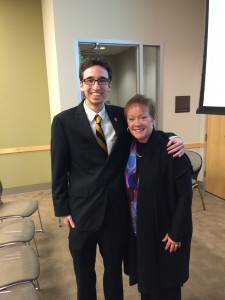
 

Alexander-K.-Uryga-with-former-United-States-Representative-Jill-Long-Thompson

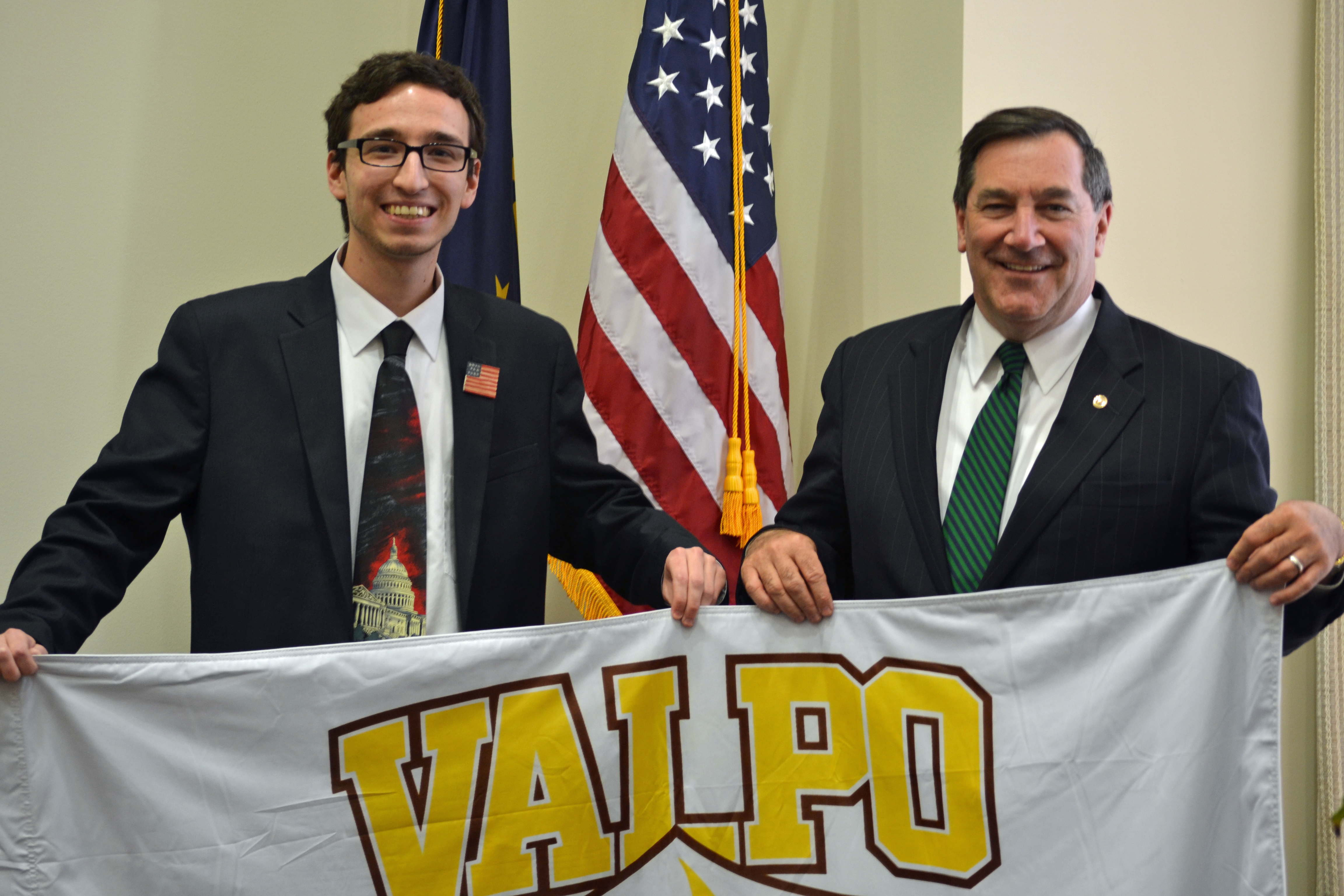
I took that as my sign to take a big step forward, into the Office of Indiana’s United States Senator, Joe Donnelly, as an intern, and to fulfill the charge of President John F. Kennedy, to “ask not what your country can do for you, ask what you can do for your country,” in the spring of 2015.
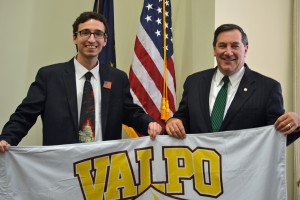
 

Alexander-K.-Uryga-with-United-States-Senator-from-Indiana


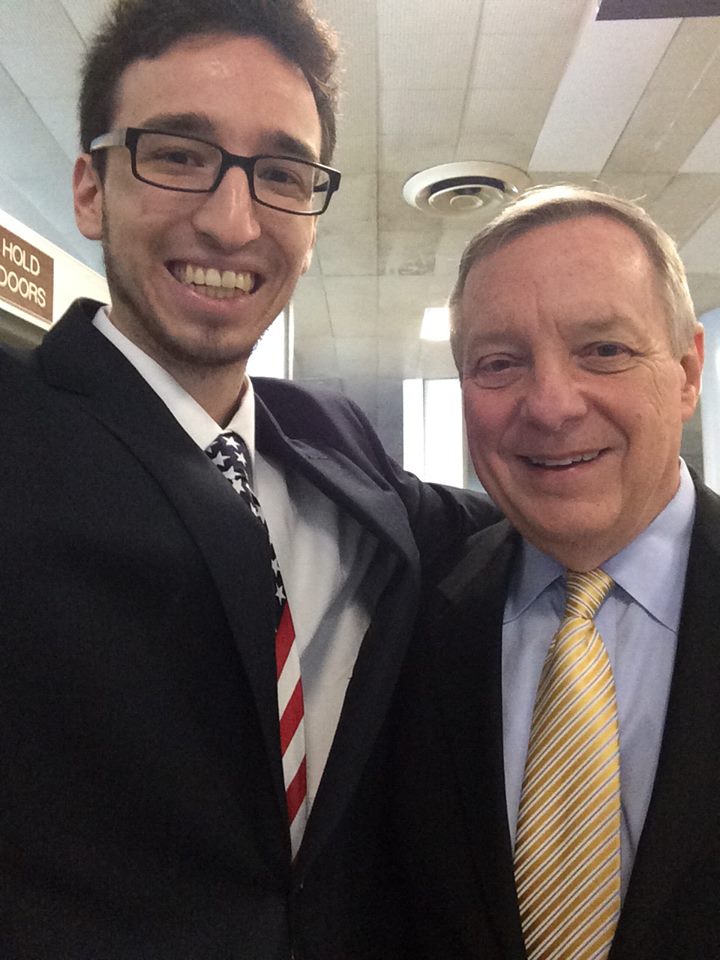
While I was there, I assembled 699 congressional and regional newspaper articles for press clips, answered 623 phone calls and compiled that information to respond to the constituents’ inquires, and gave 28 tours of the Capitol building, among other administrative, communicative, and legislative work, on the Press and Legislative Teams. I even came across the Democratic Party Majority Whip, Senator Dick Durbin, of my neighboring state of Illinois, who told me that “I was once an intern and now look where I am.” After asking him for a picture, he replied, “You know how to take a selfie?”
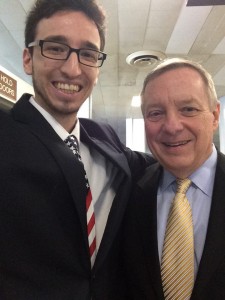
 Alexander-K.-Uryga-with-Senator-Dick-Durbin


But, while I was there, I also thought about graduation, and contemplated what I would do after graduation. Another one of my friends, Nate King, participated in the Valparaiso University Calling and Purpose in Society Fellows program in the summer of 2014. I thought that this program, housed in the university’s Institute for Leadership and Service, was a good idea for the summer after graduation.


So, after a competitive and comprehensive process, consisting of an application, an interview, and an interview with the placement sites, mine being three thirty minute interviews back-to-back, I became an inductee into the Calling and Purpose in Society Fellows program, and was able to start fulfilling another one of President John F. Kennedy’s charges, that “Every man can make a difference, and everyone should try.”
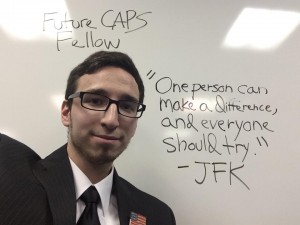
 

Alexander-K.-Uryga-CAPS-Fellow-JFK-quote


Intrigued by Kennedy, on my last day as an intern, I stopped back at the Senate gift shop, after seeing John F. Kennedy’s Profiles in Courage weeks before. After picking up presents, a couple of felt Senate coasters, for my parents, I picked up a copy of Kennedy’s Profiles in Courage, and bought it. After the plane took off from DCA to MDW, and after looking outside at the U.S. Capitol building, the Washington Monument, and the Lincoln Memorial, all lit up, I started reading Kennedy’s Pulitzer Prize winning book before graduation day.
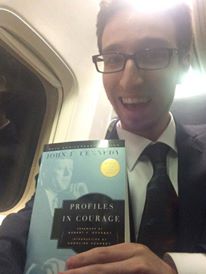
 

Alexander-K.-Uryga-reads-President-John-F.-Kennedys-Profiles-in-Courage


Graduation


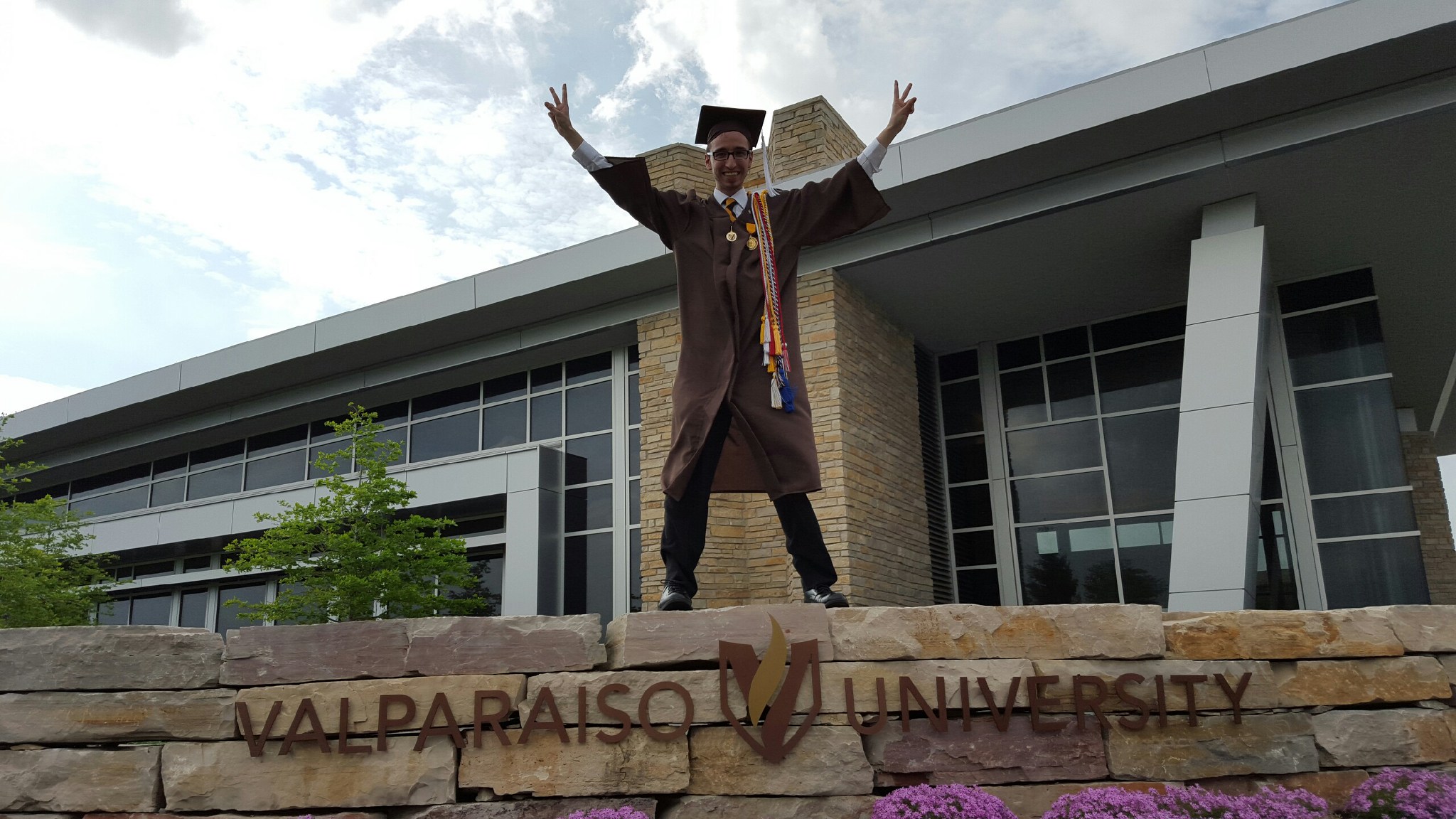
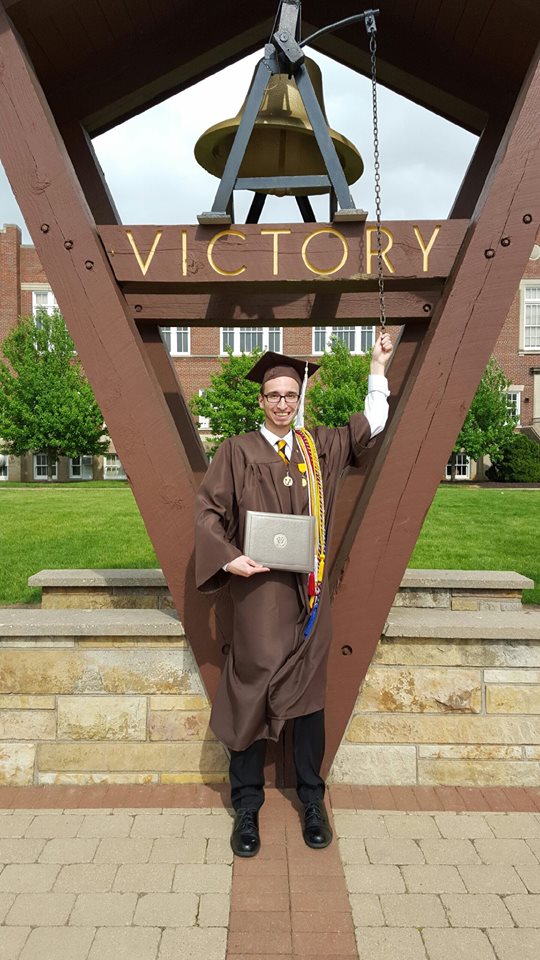
Almost two months ago on May 17th, 2015, I graduated summa cum laude as a Christ College Scholar with a Bachelor of Arts in political science and history from Valparaiso University. On Graduation Day, I felt not anxiety, but anticipation, an anticipation of my participation in the Valparaiso University Calling and Purpose in Society Fellows program, and victory, a victory in being accepted into this prestigious program.
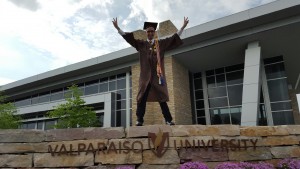
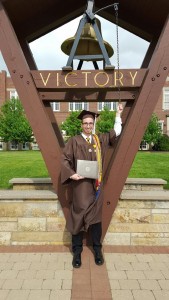
 

Alexander-K-Uryga-gradutes-from-Valparaiso-University


Alexander-K.-Uryga-graduates-and-rings-Valpo-Victory-Bell


Departure


Over a month ago, my father drove my mother and me through drenching rain to Chicago, Illinois’ Midway Airport on Friday, May 29th, 2015. On this day, which would have been John F. Kennedy’s 98th birthday, I finished his book, Profiles in Courage, which I began when I left Washington, D.C. from DCA.


After a while, we had finally arrived and found a parking space in one of the garages. We took out the luggage, the two tightly packed suitcases, which were full of professional suit jackets, white dress shirts, classy ties, pressed dress pants, white t-shirts, khaki shorts, and blue jeans. Also in the suitcases were the bare necessities, such as a tooth brush, tooth paste, deodorant, and an electronic shaver. Once the suitcases were on the ground, I popped up the handles of both suitcases, one to my left and one to my right, and started walking toward the entrance to the luggage corrals, rolling the suitcases behind me.


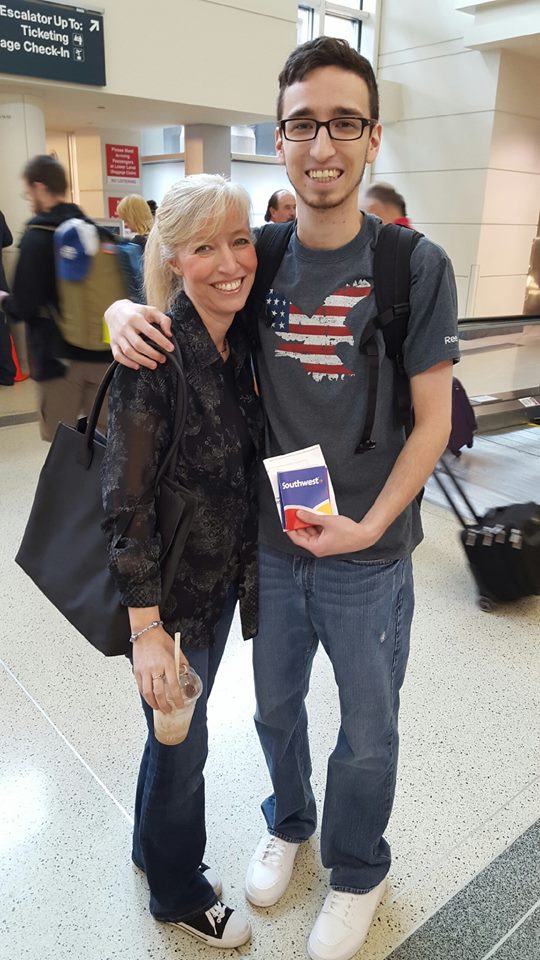
When we entered the entrance, I remembered the last time that I was there. A few weeks earlier, my parents picked me up from the airport after my spring semester in Washington, D.C. This time, however, it would be where I left them. After passing the luggage corrals, riding up the escalator, and getting my boarding pass, it was time to say goodbye. I hugged my mother and father underneath a sculpture of an amalgam of hundreds of miniature plane figurines that formed the shape of a bird. My mom and dad were letting their baby bird flap its own wings now. I departed from the Midwest in the late afternoon.
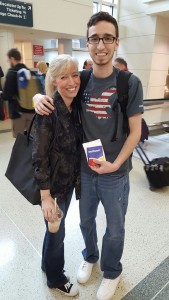
 

Alexander-K.-Uryga-departs-for-fellowship-in-Washington-DC


Arrival


I arrived at the East Coast in the early evening. As my airplane flew past fluffy, cauliflower clouds, I dreamed of what the summer had in store for me. As I continued peering through the tiny window of my airplane, the clouds blew away, and I began to see the Potomac River, then the National Cathedral, then the Lincoln Memorial, then the Washington Monument, and then the U.S. Capitol building. I had arrived!


Apartment


After getting the luggage at DCA in Virginia, riding on the Metro to Rosslyn, Virginia, and taking the elevator to the tenth floor of River Place North, my body was drenched with sweat, giving me a glimpse of what the weather, and life, would be like in Washington, D.C. for the summer. I walked down the hall to Apartment 1015. I knocked on the door. The door opened and I heard a familiar “Hey!” from none other than Michael Peterson, who I told you earlier about. Because we both interned with Congress, I called our two beds room, “The Congressional District.”


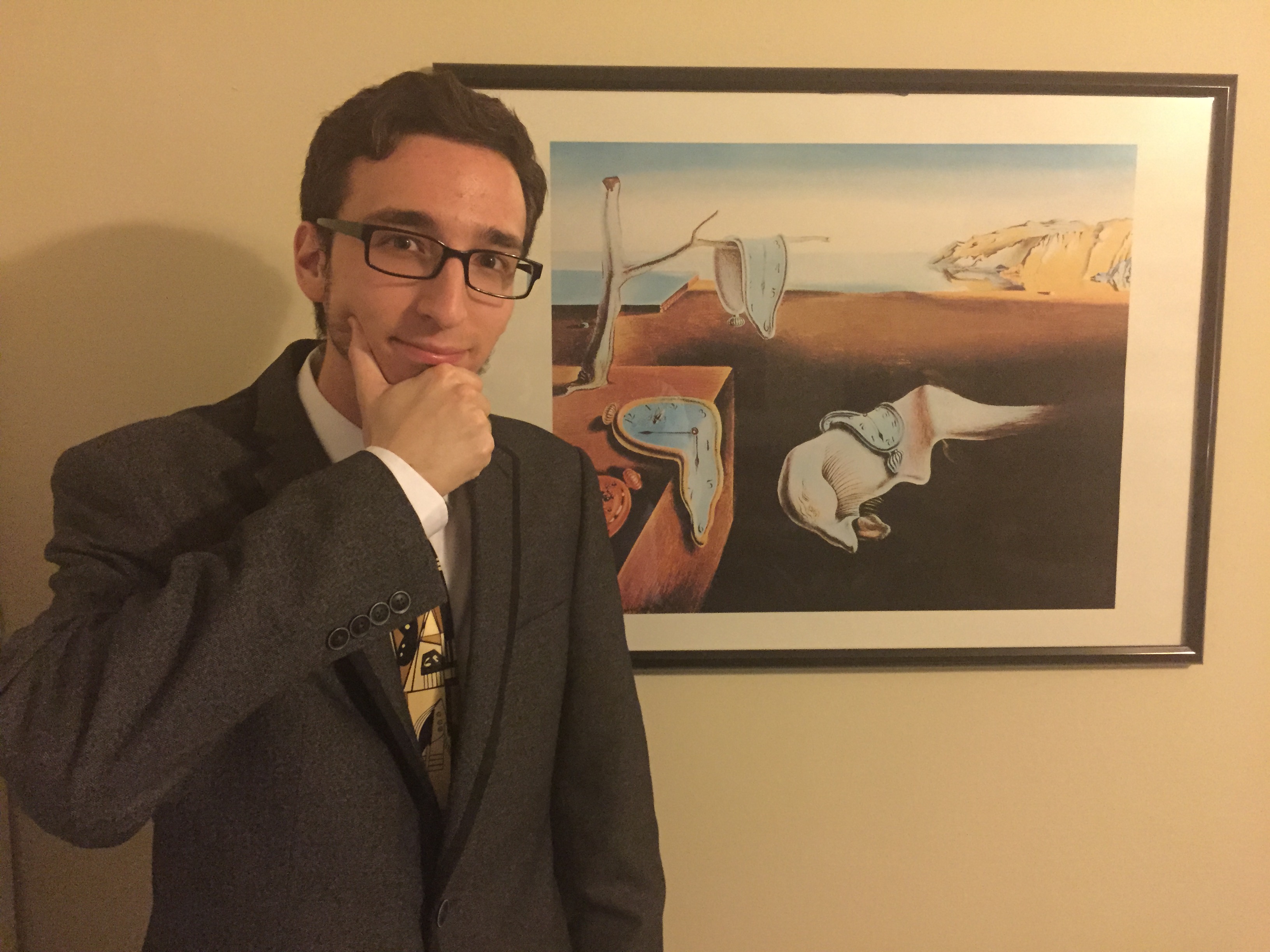
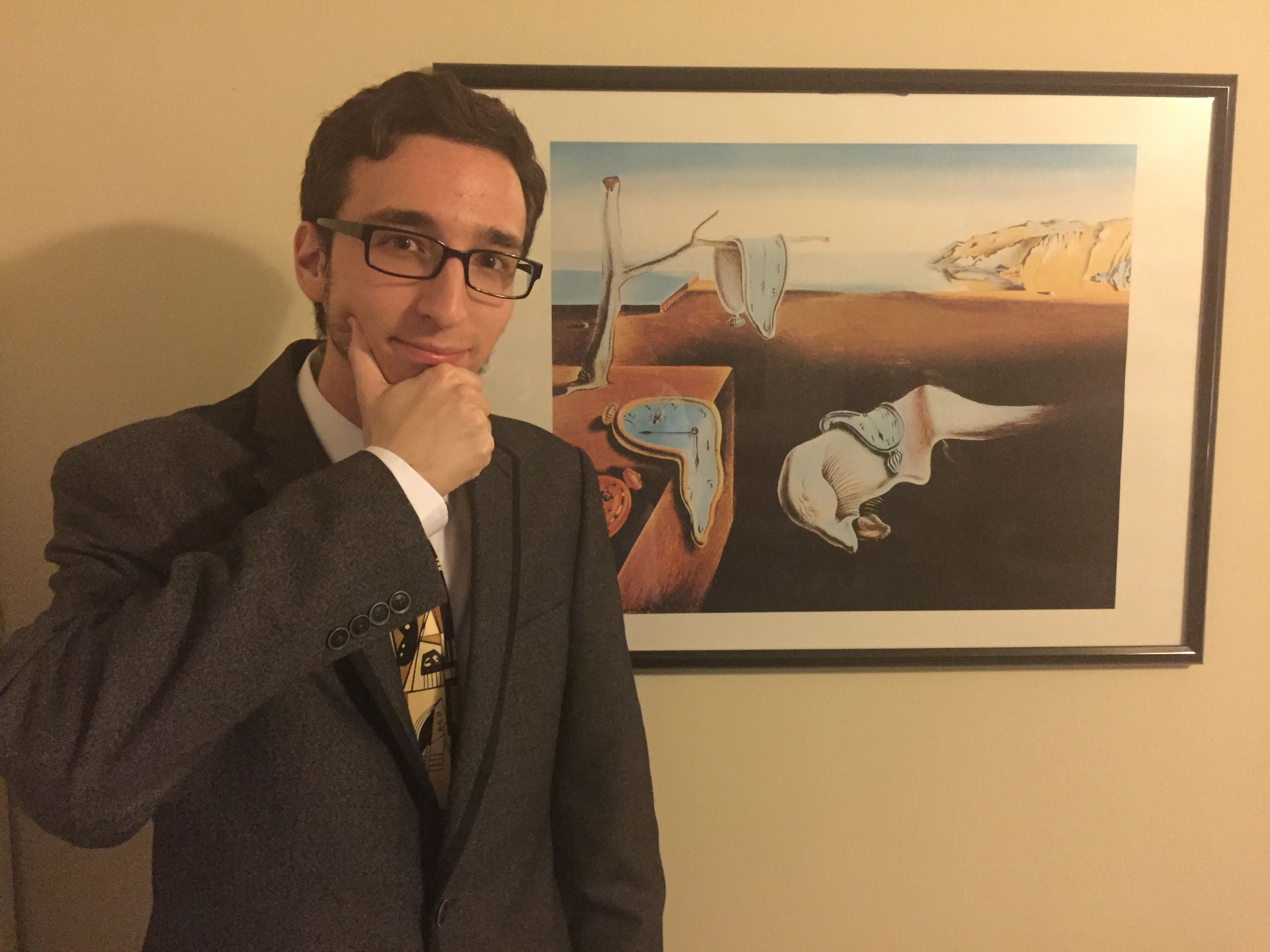
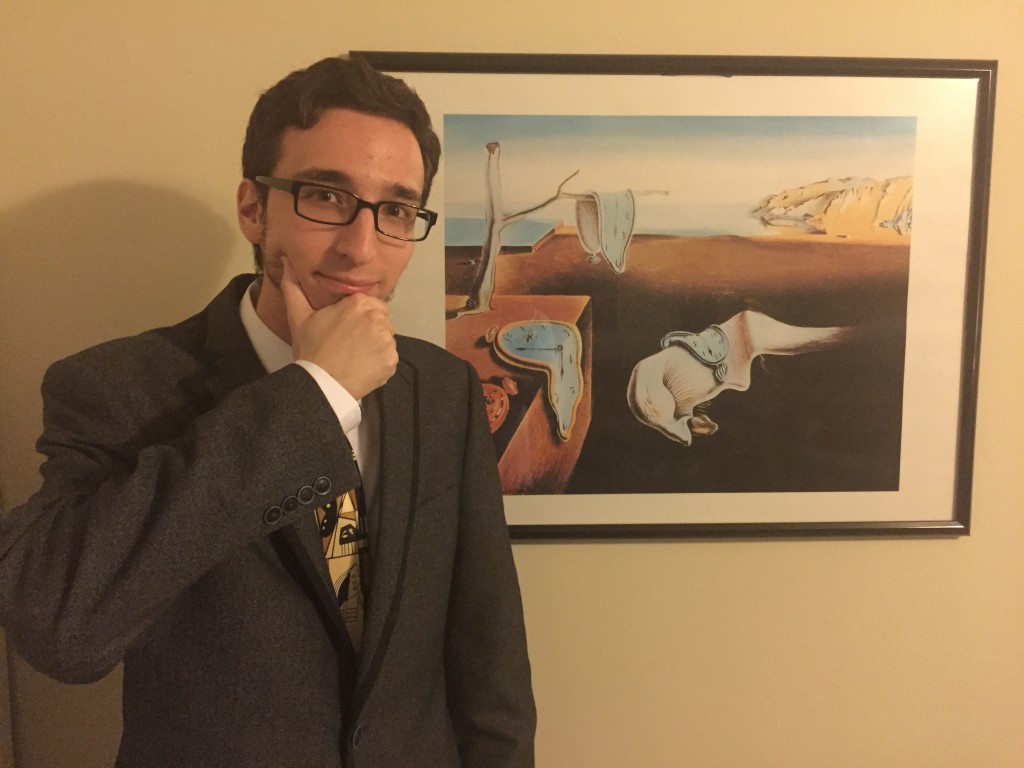
After getting situated and attempting to cool down in the process, I looked around at our new digs for the summer. Although I stayed in the River Place apartment complex before, in East 1205 during my internship and participation in the Lutheran College Washington Semester, the new apartment in North 1015 is something special, because it includes a view of the top of the Washington Monument, and has a modern décor. The walls of the apartment feature different modern art, including Salvador Dalí’s The Persistence of Memory, or what I like to call, “Melting Clocks,” or simply, “Clocks,” which was an inspiration for this blog post.
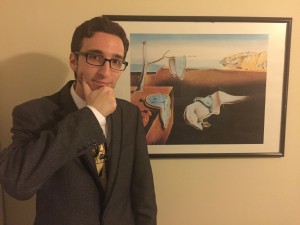
 

Alexander-K.-Uryga-contemplates-clocks


Fellow


An inspiration for the fellowship and summer soon became fellow Phi Beta Kappa, progressive President Theodore Roosevelt. These words, “Believe you can and you’re halfway there,” were some of the few that were being vetted by Venn Strategies, a public affairs and government relations firm, and fellowship site, for their new office. Before coming to D.C. for the summer, I watched a few episodes of The Roosevelts documentary series, and was familiar with TR’s can-do attitude.
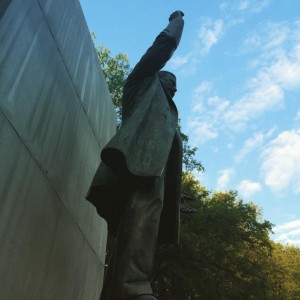
 

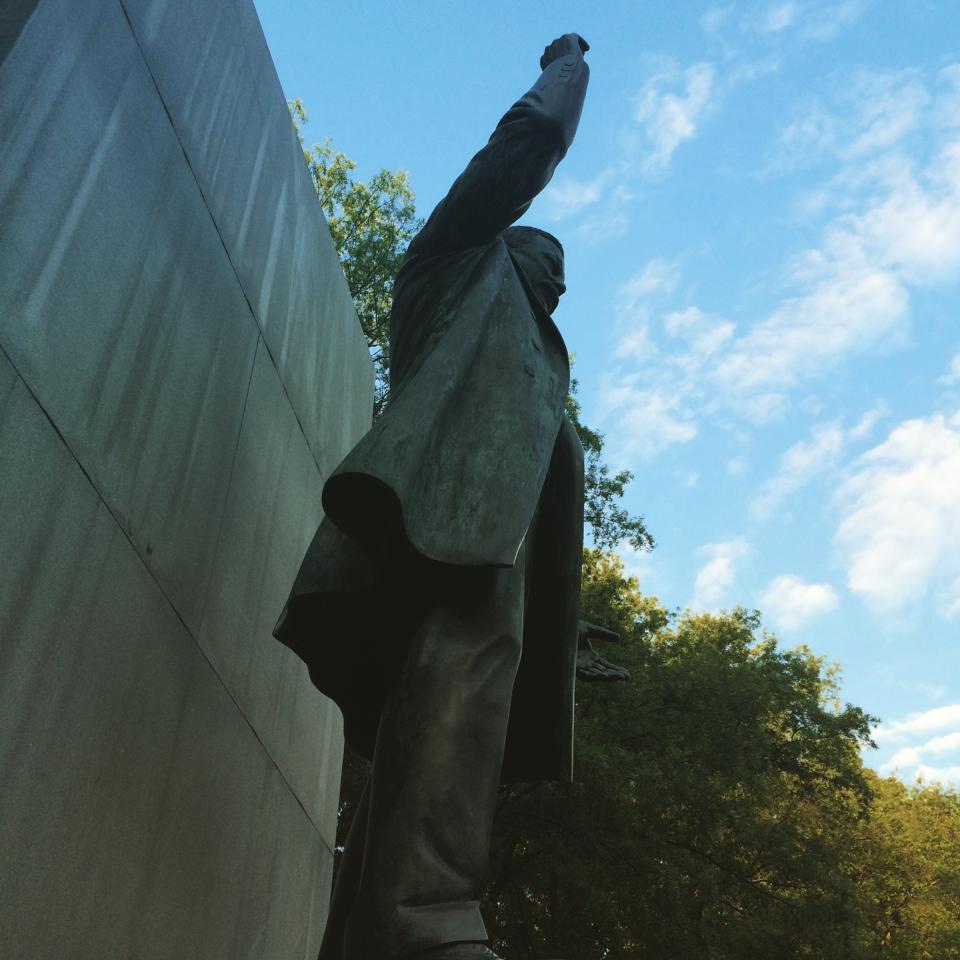
Alexander-K.-Uryga-goes-to-Roosevelt-Island


I also have a can-do attitude along with a positive attitude. Using these attitudes, and the teachings of my political science professors, Amy Atchison, Larry Baas, Jennifer Hora, James Old, and Gregg Johnson, and history professors, Ronald Rittgers and Heath Carter, has helped me as a Fellow.


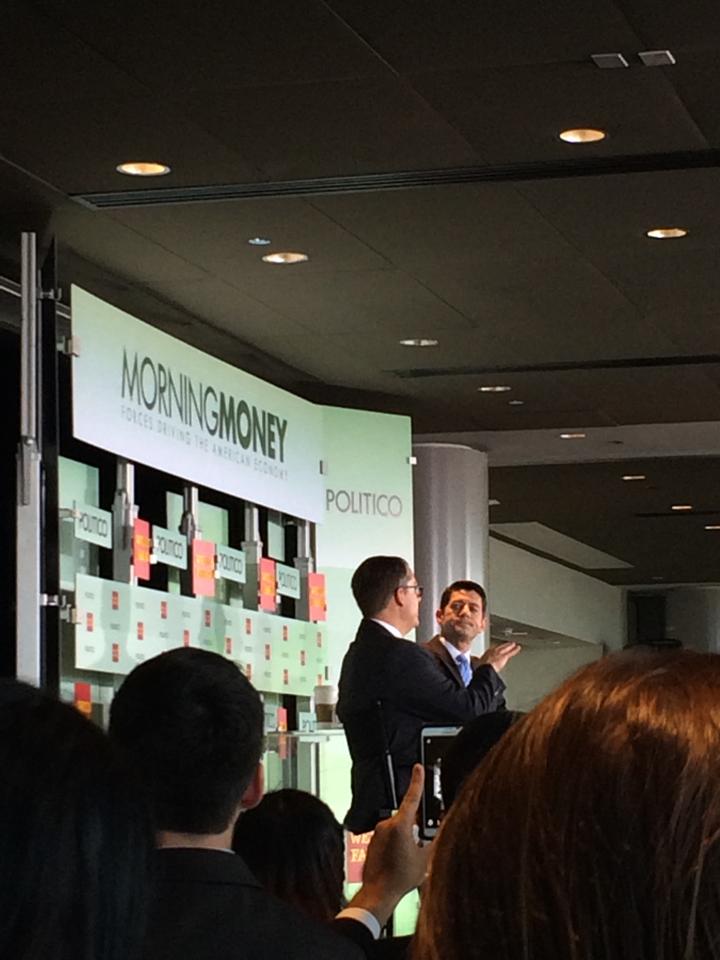
As a Fellow, I have been able to complete seventy-nine tasks, projects, and reports, so far for the fellowship. I have been a resource in inputting information, findings, and statistics into Word Documents. I have been an organizer in making hundreds of Team Leader, Participant, and Hill Staffer folders. I have been an arranger in creating four Excel spreadsheets of Labor, Pensions, Finance, and Tax staffers for the Ways & Means, HELP, and Finance House and Senate Committees. I have been a researcher in doing research on businesses, companies, and corporations, along with legislation and advocating that was done. I have been a summarizer in summarizing amendments that were brought up during a seven hour long Appropriations Committee meeting, as well as what was said while attending a 7:30 A.M. Morning Money event on the economy with former Vice-Presidential candidate and current House Ways & Means Chairman, Representative Paul Ryan.
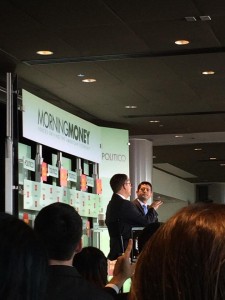
 

Morning-Money-event-with-Rep.-Paul-Ryan


Future


As a Fellow, I have also thought about the future. When I think about the future, I think about time. And as I think about time, I think about one of the quotes from the book that has been given to all of the fellows, and although it was not required to do so, I read the 457 page book, The Impossible Will Take A Little While: Perseverance and Hope in Troubled Times, in a month. A quote from Martin Luther King, Jr. in a “Letter from Birmingham Jail” is illustrative. “We must use time creatively, and forever realize that the time is always ripe to do right.” My time here in Washington, D.C. is about finding my calling and purpose, and what I have found is that my calling is to make an impact and my purpose is to make the world a better place.


And as us fellows have reflected in our first Google Hangout, our future is filled with questions. These questions are important because they will help us think about what we want from the future and how this will allow us to maximize our calling and purpose.


When I think about the future, I think about what my life will look like. When will I have a house? When will I have a home? When will I get married? When will I have children? When will I have grandchildren?


When I think about the future, I also think about what my jobs will look like. Will I become a Professor? Will I become a Congressman? Will I become a Senator? Will I become President?


Time will tell.


Read more about Alex Uryga on his website, www.alexuryga.com.
People, Places, and Purpose

Crowds. Washington, DC is full of crowds trying to get to places. People rushing to work, people rushing home, people rushing to meetings. The metro is always shoulder to shoulder during rush hour. Everyone walks with a purpose because everyone does have a purpose. Even at the park, it’s more relaxed, but there are still crowds of people. Looking around, I realized that I am now a part of this bustling crowd.

park

The wonderful thing about these crowds of people is that no matter where I go in the city, people are making a difference. From making someone’s day with a delicious pizza to donating to a good cause, there’s always happiness amongst the hustle. Every now and then, everyone takes time to relax and enjoy each others’ company. Taking the time to get to hear people’s stories, it’s easy to see that everyone has a place in this city. At the office, I hear so many stories about the impact World Food Program is making, and each co-worker has their own contribution. I have studied nonprofits and nongovernmental organizations in school, but to be a part of one is an incredible experience.

At the end of June, I wrote a blog post for my internship about an article called “30 Women Under 30 Changing Food”: http://wfpusa.org/blog/importance-women-food-and-agriculture. Women play a large part in food security; almost half of the world’s agriculture and fishery labor forces are women. Also, women work longer hours because they have less access to necessary resources. Along with the women that work directly in the fields, women are influential in the market, government, and all aspects of food security.

These women featured in this particular article were all young yet accomplished. Leanne Brown, age 29, is author of Good and Cheap, a cookbook with recipes for those with limited income, particularly those on food stamps. Yasmin Belo-Osagie is co-founder of She Leads Africa at the age of 26; She Leads Africa provides business advice to female entrepreneurs in Africa. All of these women have done incredible things already; it is an inspiration to me to read their stories. Access to resources and opportunities are a major obstacle for many women worldwide. I am blessed to have so many people in my life that are willing to help me. From my supportive family and friends to my university that offers programs such as the CAPS Fellowship, I am surrounded by support. Even here in DC, my CAPS mentor Carrie Parrott Monahan and coworkers are all eager to help me make my next step. By offering connections and suggesting possible career paths, everyone is very encouraging. This summer has been inspirational and eye-opening. I am still uncertain about where I will work after this summer, but I feel much more equipped to find a job I’ll love. I know some of what is out there and that everywhere, there are people that care and want to help. Even in a large city, the right support system can help you fit in anywhere. The extensive Valpo community is another wonderful resource. My roommates and my mentor Carrie all bring a piece of Valpo with them. We may be states away, but Valpo is always with you.

Although I have a long way to go, I am finally able to start to find my purpose. It’s a continual process that never really ends, and that’s invigorating. One’s purpose is as fluid as a crowd in the metro. In each place, every person has a purpose.

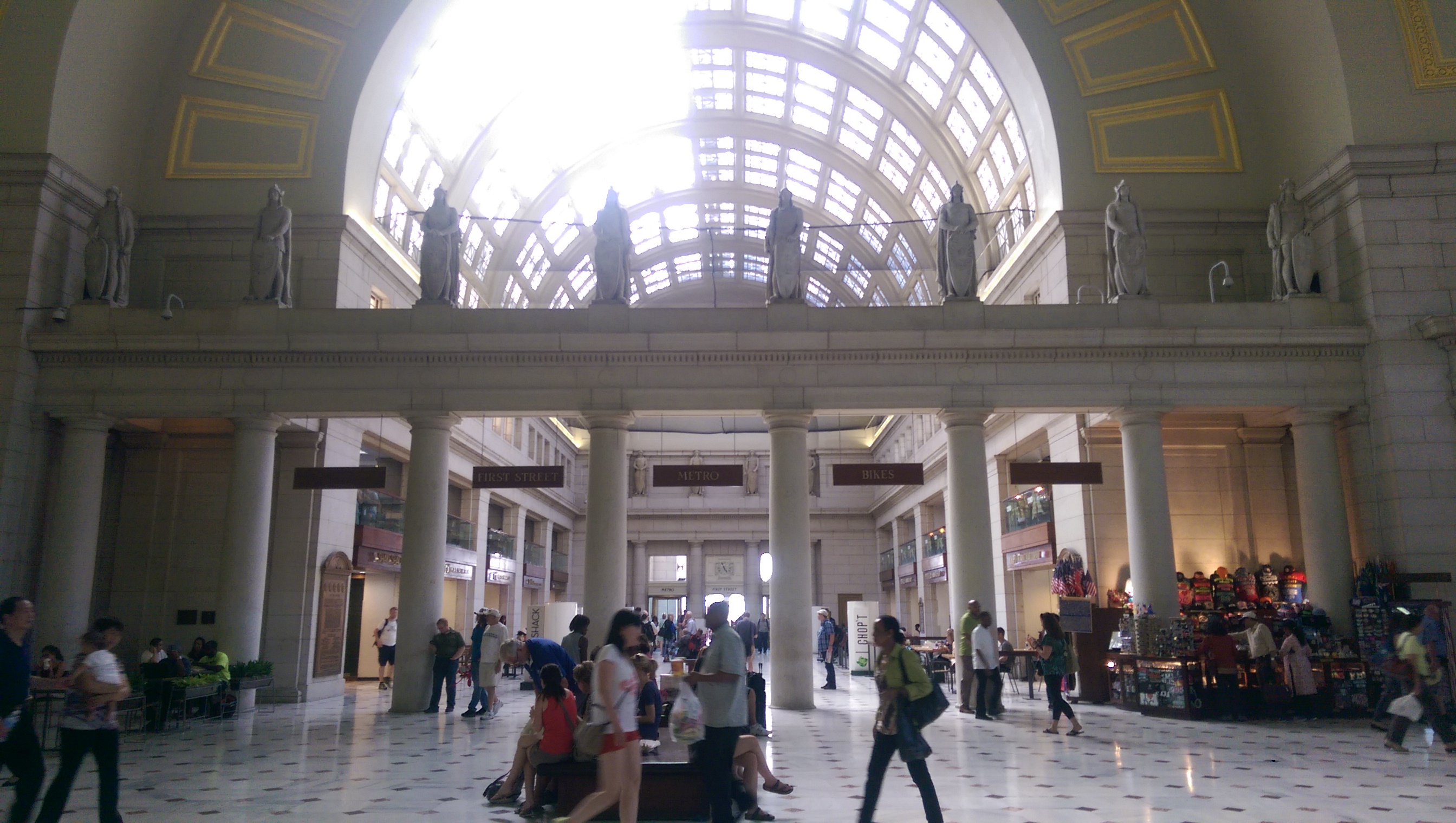
train station

Interdependence – Finding My Piece

It amazes me how interconnected we are. We [the NLCS CAPS Fellows] have found ourselves saying “well you can’t do this without that” or “this is why we need that program” and “I understand how that mission overlaps with our mission”. My string of “ahh-ha” moments have been countless as I have realized the interconnectedness of the work I am doing, the work others are doing and the overwhelming amount of social injustices we are all confronting. This work can be compared to a puzzle, we all have a piece that has a part in a bigger picture. Each piece is unique, connected to another, and the puzzle’s completion is dependent on all the pieces coming together.  This idea lead me to the creation of the puzzle depicted below:

IMG_9797IMG_9799

This summer I am working with the Philanthropy (Phil) Team at National Lutheran Communities and Services (NLCS). There are two components of the Phil Team; fundraising and community impact. NLCS started a grant program as a way to expand the impact they have on the older adult community. After conducting a community needs assessment, they defined five major areas of need and selected 15 ministries that were covering those areas. We are creating a video to showcase the 2014-2015 NLCS Community Impact Grant recipients and in an effort to materialize my thoughts I created the puzzle shown above. The red square lists the five areas most afflicting the seniors living in this area, each puzzle piece is one of the 15 ministries that was fully funded (totaling to $198,567) by the NLCS Community Impact Grant. The problems affecting seniors in these communities are beyond the capability of any one organization but together these organizations address each one of the five identified areas of need.

Kathryn and I at the Washington Nationals game on the 4th of July!

Kathryn and I at the Washington Nationals game on the 4th of July!

I have been fortunate enough to travel with my supervisor Kathryn Bearwald, the Chief Philanthropy Officer, to a variety of these sites. During our visits to Williamsburg, Washington D.C., and other surrounding areas we have been able to witness the overlap that exists among organizations, as well as the dependance these organizations have on one another. Each ministry has a niche market of services, but they complement their limited capabilities with a list of other ministries. Together these organizations provide a variety of opportunities, addressing a myriad of needs.

The beautiful and welcoming chapel located at The Village at Orchard Ridge in Winchester, VA.

The beautiful and welcoming chapel located at The Village at Orchard Ridge in Winchester, VA.

Additionally, the CAPS Program provides time for students to participate in a discussion together via Google Hangouts. During one of our “reflect-ins” we [some of the CAPS Fellows] gave a short debrief about the work we are doing this summer. The array of ministries and variety of experiences that everyone shared was truly remarkable. One fellow mentioned the difficulty of choosing just one area of social injustice to focus on. He/she continued to express the importance of knowing one area well, even if there are multiple areas of interest. This person’s difficulty resonated with my own struggle of discerning a specific sector to focus my efforts. As I ponder all of the possibilities, I am comforted knowing that we are all connected and humbled knowing my work is incomplete without the work of others. Similar to the ministries NLCS supports, as CAPS Fellows we are interdependent on each other’s work. My work with NLCS will not directly touch the lives of immigrants, confront the issues of discrimination, or address the challenges in NW Indiana. Therefore, I am obligated to rely on and support the mission of organizations that do provide these services. This does not lessen my responsibility to any one issue; rather it enhances my responsibility to other’s work, challenges me to get connected, and reminds me to be humble because of my dependence on others.

Pequeño mundo! (Small World)  We meet Manuel and his mom at a church in DC this Sunday. They are from El Salvador and went to school with one of my professors and his wife. The really cool thing, my professor was one that I spent a lot of time with, while studying aboard in Costa Rica.

Pequeño mundo! (Small World)
We met Manuel and his mom at a church in DC this Sunday. They are from El Salvador and went to school with one of my professors and his wife. The really cool thing, my professor was one that I spent a lot of time with while studying aboard in Costa Rica.

As I enter the last few weeks of this fellowship I am excited to continue learning, discovering, and pondering. The lessons I have learned, the experiences I have had, and the opportunities this fellowship has provided are numerous! I look forward to sharing more in the coming weeks.

"Injustice anywhere is a threat to justice everywhere. We are caught in an inescapable network of mutuality, tied in a single garment of destiny. Whatever affects one directly. Affects all indirectly." -MLK, Alabama, 1963

“Injustice anywhere is a threat to justice everywhere. We are caught in an inescapable network of mutuality, tied in a single garment of destiny. Whatever affects one directly. Affects all indirectly.” -MLK, Alabama, 1963

I attended church at The National Cathedral with my sister-in-law, Emma, when she came to visit.  "This is the nation's most visible church" - Dean Hall

I attended church at The National Cathedral with my sister-in-law, Emma, when she came to visit.
“This is the nation’s most visible church” – Dean Hall


Inequality Within Washington

IMG_2551 (1)

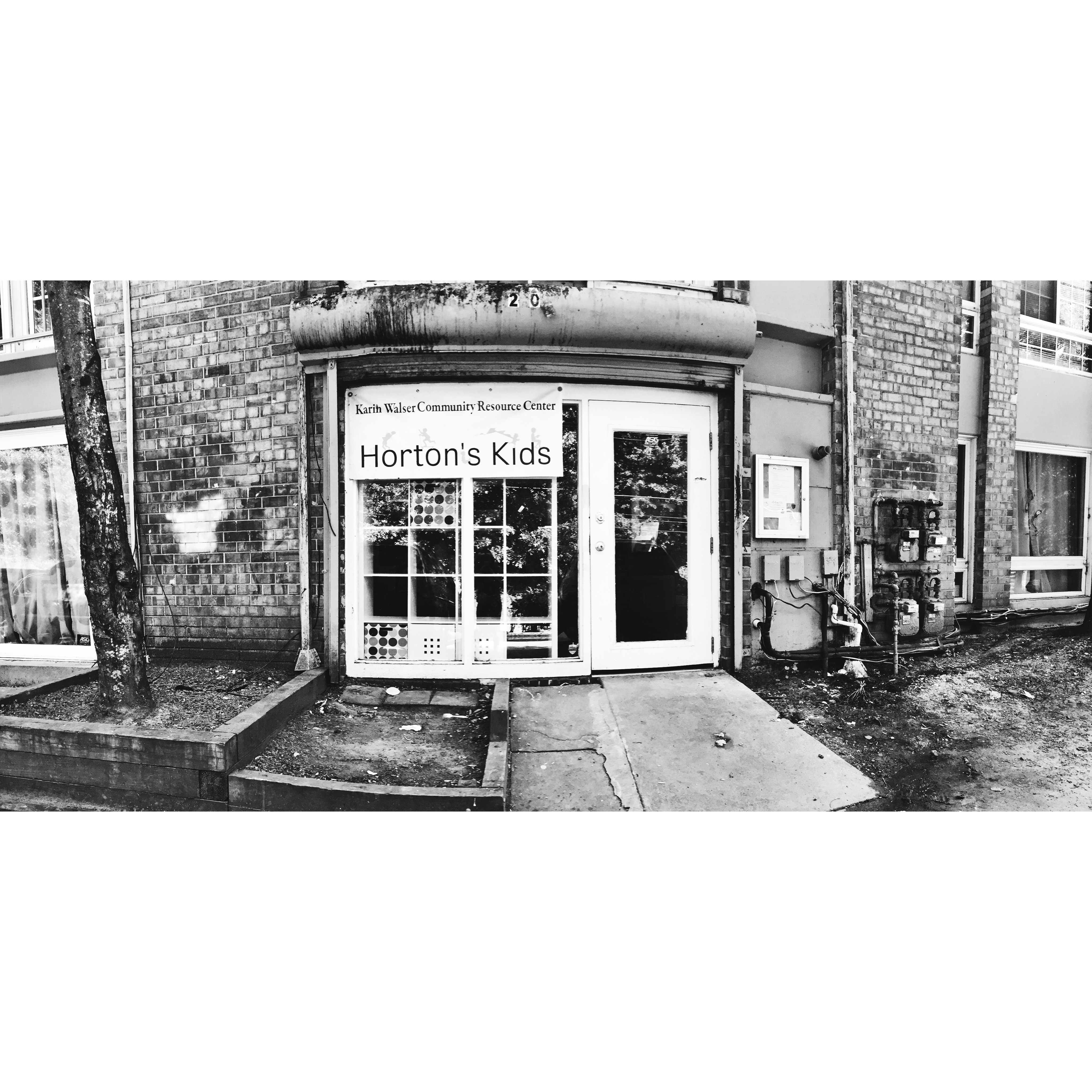
Here’s the Horton’s Kids office building. Located directly next to the United States Supreme Court and exactly across from the United States Capitol Building. Not bad, huh? This is where I’m lucky enough to spend my mornings- working with Horton’s Kids Youth Development team, researching best practices in older youth development, enrichment, and mentoring programs when I’m not crafting career prep lesson plans for high school students. The office is cute and welcoming- filled with bright colors and even brighter smiles of children on posters covering every empty wall. I loved it as soon as I walked in.

IMG_2457

Here, on the other hand, is the Horton’s Kids Community Resource Center. Located directly next to an outdoor basketball court and a bus stop, and exactly inside of a Wellington Park housing project where nearly all of the children we service live. This is where I’m lucky enough to spend my afternoons- helping pass out diapers every other week, serving daily meals, sorting through donations for our food pantry and toiletry bank, when I’m not reading with, facilitating programs, and letting the youth tirelessly pull at and play with my hair. The center from the outside blends in with the housing project that it is located within, and when the large metal gate is pulled down to cover the windows and doors, barely looks livable. However, the inside is filled with bright colors and even brighter smiles of the actual children that come through. I loved it as soon as I walked in.


It seems impossible that these locations are barely a 15 minute drive from one another. One located right in the middle of beautiful Capitol Hill- where my commute consists of historic buildings and congressional staffers, interns, and sometimes actual representatives in tailored suits. The other located across the Anacostia River in DC’s Ward 8- where we drive as a team for safety reasons and the commute consists of boarded up shops and broken windows. It also seems impossible, to many, that I would even consider calling myself “lucky” for the time I spend at the Community Resource Center. The looks I’ve gotten from anyone once I mention the location of my work range from “I’m so sorry” to “are you crazy?”


My first Monday on the job I attended the weekly staff meeting in the office. The executive director sat down at the table, which was crowded with staff members who pulled up chairs and some who ate their lunch while others took notes. “Well,” Robin started, “one of our kids got shot last night outside of the center.” Everyone was, of course, filled with concern and sorrow, but not exactly shock. This was the fourth occurrence of its type in the past four months. Luckily, they have been majority foot wounds, and although several other kids got grazed by bullets in the drive-by, none were seriously injured. About an hour after that announcement, I was in a car on my way to that very spot.


Now, if you know me, this isn’t my first experience related to youth living in poverty, or “at-risk.” Coming from a suburb of Chicago, I was fortunate enough to tutor youth in the western neighborhood of Austin all through high school. Last fall, I spent my time in D.C. researching child poverty, food insecurity, and homelessness with the Children’s Defense Fund. I have always had a heart and calling to service those in need, particularly youth, and it is no coincidence that I ended up back in Washington doing just that. However, it is not hard to imagine the challenges that come with working hands-on with this particular population. There are youth who don’t seem to care about school, jobs, or their future in general- because the environment they’ve grown up in doesn’t encourage any of those things. There are children, as young as 4th or 5th grade, whose guardians don’t if they show up to school or not- some may even prefer if they stayed home to help around the house.


I would say I love what I’m doing despite all the challenges, but that implies that the challenges themselves aren’t blessings, and they are. I love what I’m doing because of and through each and every challenge. I feel a strong sense of responsibility and  connection to these kids and youth that I’m working with, and that motivates me and generously pushes me through even the days where I work until 8, or the Sunday’s that I work to take the kids on pool trips. You never even realize how much energy you have until you’re doing something you absolutely love and have a heart and passion for. Now, if this isn’t an indication of vocation, I’m not quite sure what is.
What I’ve learned thus far ranges from how to construct a lesson plan for high school students to most effective youth development programs to “street lingo” used by the kids in the neighborhood. (Yes, they actually created a glossary of terms to inform other staff and myself.) While I enjoy walking through Capitol Hill on the way to my office and having lunch breaks outside of the Library of Congress, I especially appreciate every minute spent in Wellington Park. The stark inequality is so blatantly obvious that I cannot help but feel responsible to help create and identify opportunities for the youth that live just 20 minutes from the President of our country, yet are seemingly forgotten by so many. I’m excited to see where this calling leads me through the rest of my time in DC as well as in the future.

An Obligation to Act

The passage of time never ceases to amaze me. Moments long anticipated rapidly transform into present experiences and memories of the past. Short phrases can influence a lifetime, while hours of research can so quickly be forgotten. Time it seems, has no rules, no bounds, and though I was informed that my set time frame working with National Lutheran Communities & Services was to be for 8 weeks, the past few days have left me stunned in the question of, “how can it be that I only have three weeks left?”

I am incredibly thankful to the Institute for Leadership and Service, all those at Valparaiso University who support the CAPS Fellowship Program, the organizations that have provided internships for us this summer, and all those who have served as mentors, instructors, and guides for each fellow throughout his or her lifetime. In reflections with another CAPS

Summer concert at the foot of the Washington Monument.

Summer concert at the foot of the Washington Monument.

fellow, it has become increasingly evident to me that all of our involvements and internships this summer are a culmination of past experiences, current passions, and the various walks of life that we have traveled in our short twenty-some years. While professionally, the internships that we are a part of continue to challenge us, educate us, and provide us with unbelievable opportunities, I believe that the greatest development can be found in the personal sphere, in the people that we meet and the life lessons that we accrue in these short months and are sure to take with us as we move forward in leadership and service.

I personally can attest to the life changing learning opportunities that I have found in the people and conversations at National Lutheran Communities & Services (NLCS). Before expounding upon the impact that those around me have already left, I suppose it best to provide a brief background about NLCS, their ministry and mission, and the work that I have been privileged to be a part of.

Waiting to cross the Potomac River by way of cable ferry.

Waiting to cross the Potomac River by way of cable ferry.

National Lutheran Communities & Services is a not-for-profit, faith-based ministry of the Evangelical Lutheran Church in America that provides seniors with a variety of lifestyle, residential and health care options through retirement communities and services in Maryland and Virginia. They are currently composed of three residential communities: The Village at Rockville, The Village at Orchard Ridge, and The Legacy at North Augusta, as well as a home care agency, myPotential at Home. Services provided through the communities and myPotential include independent living, assisted living, assistance with living, skilled nursing, memory care, and short-term physical, occupational and speech therapy. In my time at NLCS, I have had the opportunity to travel to all of these entities, and to experience the impact that the ministry of NLCS has in each location.

My internship is embedded within the strategic development side of NLCS, and is focused on the expansion of the mission and ministry of NLCS, and the ways in which NLCS can look to meet the continually changing needs of older adults and other constituencies of need. Specifically, I have had the opportunity to join a team of brilliant individuals working on the development of a new healthcare delivery model that seeks to keep the patient at the center of care, and focuses on health and wellness promotion and disease prevention. As my fellow interns at NLCS can attest, this project has left me incredibly encouraged and excited, as it has truly been an experience in which I have seen the active development and creation of the way I believe health care should be delivered. It has provided the opportunity to have a glimpse into the policy side of health care, to see the in-depth work that is required to enact change, and to be exposed to the dedication of others from a variety of fields all working towards a common goal. From the moment we arrived at NLCS, we have been considered a part of the team and given the respect and trust equal to those who have been working on this project for years. We have participated in team meetings, partnership development with acute care providers and universities in the area, and entrusted with research and contributions to the development of the program. The combination of all of these experiences surmount to professional development that is invaluable.

Walking through the streets of The Village at Orchard Ridge in Winchester, Virginia.

Walking through the streets of The Village at Orchard Ridge in Winchester, Virginia.

None of these experiences would be possible were it not for the passion and character of all those who compose the NLCS team. Each day has proved to be an example of what can happen when servant leadership, empowerment, and respect are held at the core of an organization. Once, when driving through the rolling hills of Virginia to one of our communities, my supervisor, Dan, painted this atmosphere of dedication in words that I will never forget. “When you have the convergence of talent, time, and treasure, opportunity and need, you are obligated to act.”

Service is often presented as an option: an elected lifestyle for some, an occasional moment for others, and perhaps even as the sentiment of, “that’s nice, but not my thing”. We fall into a habit of allowing it to become a choice, a conscious act of beneficence, rather than a duty of humanity. But when endowed with the talent, time, treasure, and opportunity to meet a specific need it is evident that such service is not a choice, but a responsibility. To fail to act is to disregard that which has been entrusted to you. This is not to say that each person must take on every cause, or fight every battle. But it has instilled in me a call to awareness to the abilities that I have been given, the needs around me, and the opportunities in which the two may harmonize.

The weeks that have passed at National Lutheran Communities & Services have been filled with lessons such as these and with moments of conversation and events that have propelled deeper thought and exploration into what it truly means to lead and to serve. Five weeks have rapidly elapsed, a mere three remain. I cannot wait to see what each coming moment affords.


Moments of reflection at the Martin Luther King, Jr. Memorial

Moments of reflection at the Martin Luther King, Jr. Memorial

Learning to be Present

logotext logo

Throughout the week I participate in a different ministry of the Interfaith Committee for Detained Immigrants. Each ministry is an enriching experience that allows me to see a new perspective of immigration that, had it not been for this internship, I would not have witnessed otherwise. Yet before I begin to reflect on one of these ministries, there are a few things necessary to know about the Interfaith Committee for Detained Immigrants. ICDI formed under the leadership of Sister JoAnn Persch and Sister Pat Murphy, “whose names are synonymous with justice in Chicago” according to one of their volunteers. These Sisters are adamant about the holistic care of detainees throughout the entire process of detention, whether that means residency or deportation. The ministries of ICDI include pastoral care at detention centers, court watch at immigration court, post detention accompaniment programs at their houses of hospitality, and a prayer vigil every Friday as deportations are happening at the deportation center. In all ICDI has nearly 200 volunteers that enable these different ministries to provide care for detainees. For the sake of time, I cannot reflect on each of these ministries and summarize the experiences I have had thus far. However, I will reflect on one of my weekly experiences.

Every Tuesday I get in a car with three nuns as we make our way up to Woodstock, IL to do pastoral visits with detained immigrants. Quietly I sit in the back as the Sisters discuss how the other Sisters in their order are doing, what they had done over the weekend, and what exciting news they have about the other four ministries they operate. After my confusion has passed from the check-in on many of their Sisters and the happenings of their order, I am awestruck by how fast paced and dedicated the lives of these nuns are. Then I remember that they are triple and quadruple my age, which humbles any thought I have of how busy I think I am during the school year. Coming into my internship I prejudged this organization to be something that Sister JoAnn and Sister Pat did to stay busy in their maturing years; however, I was greatly mistaken.

Once we arrive at our destination, we are soon joined by a team of volunteers who come the same week of every month. Everyone greets one another with the warmest of welcomes as we make our way through security and into an empty pod where the detainees are held. Depending on the week, for the next two to four hours the volunteers and I will visit with a number of detainees. We wait at the entrance of the pod to greet their smiling faces, full of excitement from the opportunity to simply be with someone from “the outside” for a half hour. As they file in wearing the same orange jump suits as those incarcerated, we shake their hands and ask what languages they speak. Today I had the privilege to sit down and listen to six men tell me how they are feeling, which is usually a difficult task for any man. Yet, that difficulty fades away once someone has been held in detention, regardless of the length of time. I will share one experience from yesterday.

A younger man walked in and seemed surprised to be greeted by someone younger than fifty. He spoke English well. I asked him if he wanted to sit at my table. Eager to begin conversation, we introduced ourselves and then he immediately asked how I can got involved with doing this. What he really wanted to know was why I am doing this. So I explained how I got involved and he began to thank me for taking the time to come visit; we had not been sitting together for more than a minute.

For purposes of confidentiality, I will call my new friend Mark. Mark is 35 years old and hails from El Salvador. I asked him how he was doing, how are you feeling; a general but important question that I am sure he does not hear every day like many of us do. Mark responded first saying he was fine, next with a comment on the food, and finally that he was sad and worrisome. Attempting to explore the last comment more, I asked why so. At first he simply replied “because of my kids”. Then for the next thirty minutes, Mark expressed care and worry that only a parent can do. With his eyes illuminated from talking about his children, suddenly Mark’s face turned downtrodden with anxiety about possible deportation. I could see his hurt, yet in no way could I identify with his pain. The intensity of his worry is unlike anything I have had to worry about. Then Mark asked me how old I was, and I answered with 21 years old. He responded by saying that “we’ve been in this country for the same length of time”.

Mark wants nothing more but to be with his children and to be a good father. He does not want to be like his father, who left Mark, not because of deportation but voluntarily, when he was 7. That is the reason Mark explained to me that he will do everything he possibly can to be with his children, not matter the lot of his future: El Salvador or the United States. During our rich conversation, we formed a strong connection and a few things become abundantly clear to me. First, Mark will do everything within his power to be the father he desires to be and the father he knows his children need. Secondly, if Mark is deported from the U.S. it will be years before he can see them again. And lastly, I can do nothing to help Mark. I cannot fight his legal battle. I cannot help him with getting his family to El Salvador. I cannot help him see his kids again if they are separated.

The only way I can help is to sit and be present with Mark. Yet, for simply spending 45 minutes with him, for doing this small act of love, he expressed his deepest gratitude. I promised Mark that I would pray for him, his children, and hopefully for the future they will have together. He thanked me and quickly gave me a hug, both knowing we are not supposed to do that. Finally Mark said, “I want to do good things for my kids because God has blessed me with them, but also pray for yourself; that you keep doing good things”. All I had done was listen and ask the occasional question. I was simply present, but to him that was a good thing. Whether I think Mark should be deported or not is not the primary question. I have no say in that matter, nor can I help in one way or another. What matters is if Mark will have the opportunity to be a father to his children. All Mark wants to do is simply be present with his kids. That is not just a good thing, it is an essential thing.

But until his future is decided, I will continue to visit with Mark every Tuesday. I will come and listen to stories of his children, about the letters they write to him. I will come and be present, asking the occasional question that gives Mark the opportunity to relax his tightened shoulders and talk. Then after we part ways and in my feeling of helplessness, I will continue to pray that Mark will have the opportunity to be the father he longs to be; a father that is present with his children.

Above is one of the teams that goes to the detention center once a month. Sister JoAnn (front row in the dark green sweater) and Sister Pat (front row in the pink sweater) started the pastoral care ministry for detainees 5 years ago.

Above is one of the teams that goes to the detention center once a month. Sister JoAnn (front row in the dark green sweater) and Sister Pat (front row in the pink sweater) started the pastoral care ministry for detainees 5 years ago.


Ethiopia, Clean Water, and A Challenged Perspective


The group upon arriving at the Addis Ababa airport, posing with our tour guide, Yohannes.

When I accepted my CAPS fellow position as an intern with Water to Thrive (W2T) in Austin, I knew that a trip to Ethiopia would be a part of it. What I didn’t realize was how much I would learn about the country and how visible the impact would be that W2T has on rural communities there. Over the span of two weeks, our small group toured about 40% of the country and had the chance to visit twelve well sites sponsored by donors. W2T has been funding water projects in Ethiopia since it was founded in 2007 and in that time, numerous groups of donors from all around the country have had the chance to travel there. Our group of nine people included W2T’s founder, executive director, another intern, myself, and five other travelers.


The Church of St. George in Lalibella. It was the final of the eleven rock-hewn churches to be carved and is completely monolithic, meaning in one piece.

We traveled to six major Ethiopian cities, separate from the rural communities. In Addis Ababa, the capital, we saw the National Museum which among many national treasures, contained the skeletal remains of Lucy. In Lalibella, we saw the incredible rock-hewn orthodox churches, with each architectural aspect symbolizing something biblical. In Axum, we saw the ancient obelisks which serve as markers of tombs of royalty. Near Hawassa in the Omo Valley, we met members of the Mursi tribe, where the women are famous for using lip-plates. These were just a few of the historic and cultural places we visited. Our tour guide throughout the whole trip was fantastic and knew so much about the country.


pic 2

People of one rural community standing behind a line of “jerry cans” leading to a recently completed hand-dug well.

As amazing as it was to see and learn the history of the beautiful Ethiopia, it couldn’t compare to the opportunity to be with the twelve rural communities and celebrate the gift of clean water. Each of the wells we visited was recently completed or will be soon. And each one serves at least 200 people and often many more due to the need in the areas. At some of the most recently completed wells, we were greeted with popcorn, coffee, dancing, and shouts of celebration. But at each completed site, we heard how much of difference the clean and accessible water was having on the health and well-being of the people. Women no longer spent hours collecting water for their families and hurting their backs with the weight of the containers. Children, especially five and under, no longer fell ill or died due to water-borne diseases. The overall improved well-being of the community often brought more opportunities for education, women’s rights, and collaboration for further improvements. It was full of truly special moments as we celebrated with the communities on behalf of the contributions of so many.


IMG_4302 small

Taking notes as Weredekal, a representative of REST explains the details of a well and translates between us and the community members.

On an individual level, the trip has already impacted me both professionally and personally. Professionally, the experience provided a clear view of one way I can use my engineering degree and set me up to complete a difficult task this summer. We met just a few representatives from W2T’s hard working local partners REST and DAASC. Without these organizations and their intuitive and skilled leaders, none of the projects we saw could have been completed with the same results described in the section above. For me, it was really neat to see how these leaders, who each had technical backgrounds, had committed themselves to addressing the massive need of clean water supply in their country. I only hope I can commit myself in a similar way to a need and help generate results as visible and widespread. As I visited each well site, I took notes on the specific aspects of each project. This included site selection, well construction techniques, water committee organization, water source protection, as well as social and cultural concerns. These notes, in combination with research on water supply processes form the basis of the best practices document that another W2T intern and I will dedicate most of the summer to.


IMG_5205

A boy trying very hard to collect every drop of water in a jerry can.

IMG_4333

Two girls smiling as they pump water together.

Personally, the experience has greatly influenced my perspective. Before the trip, I heard something that has stuck with me since. It was along the lines of “All we can bring to a situation is our perspective.” I have thought a lot on that since. Ask anyone who’s traveled to a different country or spent time among those of a very different background, and I think this idea would resonate with them. I think there’s something special about sharing your perspective and hearing or seeing a very different one. For me, it does at least two things. It first reaffirms the many similarities that exist between people and then it enables me to see how my own perspective and role may fit into a larger context. The first concept was most clear to me as I talked with a woman who owned a small shop in the city of Axum. The woman was 22 years old, and had three adorable kids with her. She knew a little English and when I told her I was 21, she pointed out that “we are similar.” It was a neat moment because I realized that in spite of all of our differences, we were really more similar than different. The second concept is one that I think I’ll always be figuring out, one that will hopefully become clearer as I determine how I can serve and do my part in an organization.


I am so thankful for the opportunity to travel with W2T on this incredible trip to Ethiopia. I’m especially thankful for the role of the College of Engineering in helping cover the cost of the trip. It was an experience that will certainly continue to guide me in my life and professional decisions. I am excited to see how my time with Water to Thrive continues to challenge my thinking on how to best serve rural communities in Africa.

Exactly Where I’m Meant To Be

For the last three summers, I worked as a camp counselor at Lutheran Outdoor Ministries Center. I loved the work I did – I loved running around the hundreds of acres of land with the campers, seeing their smiling faces, and knowing that I was making a difference in each and every one of their lives. So working in an office in Washington, D.C. this summer is a very different experience, yet I know that this is exactly where I’m meant to be.

United Methodist Building

The United Methodist Building, where LSA’s office is located.

I am currently working with Lutheran Services in America (LSA) as a Marketing and Development intern. LSA is an umbrella agency for Lutheran service organizations around the country. They have over 300 members who they support in a variety of ways. I am the kind of person who thrives when she’s busy, and when I told my supervisors that they grinned and said, “well then you’re going to fit right in here!”

They weren’t kidding! I’ve been with LSA for three weeks now, and I have yet to find myself bored or looking for something to occupy me. In terms of Development, I am working with my supervisor, Debbie, on donor analysis and fundraising strategy. This means that I am looking at our donors from this last fiscal year and I’m comparing them with donors from the last five years to try and find patterns and understand why people give to LSA. I’ve never done anything like this before, but I find it fascinating. This is one of my long-term projects that will last for most of my time with LSA.

In terms of Marketing, I have a lot of smaller tasks, most of which revolve around social media. As of this week, I am officially running all of LSA’s social media platforms. This has turned out to be really interesting work! It’s not just casually making a post when LSA does something interesting – there’s a strategy behind it. I’m learning how to make posts that get people’s interest, how to word my posts to match the “LSA language”, and how to plan out a social media calendar so we know can properly schedule when to post about different events or highlight some of our members. For example, the White House Conference on Aging (WHCOA) is coming up. This is a conference that only happens once every ten years, and since a large portion of LSA’s members are involved with senior care, LSA has made it a priority to publicize and interact with our members about this event. Due to this, we have planed out a variety of different social media posts regarding the WHCOA, including sharing information about the conference itself, how to be involved virtually, and different senior services stories from our members.

Secretary Castro

“Our nation is at it’s best when everyone has a seat at the table and can share in prosperity.” – Secretary Castro, speaking at “Opportunity in Urban America” at the Urban Institute

Outside of these projects, there are also a variety of minor long-term projects different people from the office have assigned to me. These are things that aren’t necessarily priorities, but would be really helpful to have completed by the time I leave. This leaves me with a lot of different items on my plate, which requires me to really utilize the time management skills I’ve been cultivating these last few years at Valpo. I’m certainly busy, and I love every second of it! This placement is giving me an opportunity to view service differently. I’ve done a lot of “hands-on” service over the years, and now I have the opportunity to learn about the service that is necessary in order for the hands-on service to be possible.

One of the things I love most about this internship, though, is how supportive the staff are. They had CAPS Fellows last year, so they are familiar with the program and they want me to get the most out of my internship and my experience in Washington, D.C. They are always letting me know about opportunities to go listen to a panel discussion or attend a lecture. Last week they sent me to listen to HUD Secretary Julian Castro speak at the Urban Institute about “Opportunity in Urban American” and what the Department of Housing and Urban Development would be doing in the next 50 years. He is an incredible speaker, and I am so blessed to have had the opportunity to listen to him!

SCOTUS SSM Ruling 3

A rainbow flag waving in front of the Supreme Court following the Same-Sex Marriage announcement.

One thing I am sure to never forget about this experience is that LSA gave me the opportunity to be a part of history. Our office is located across the street from the Supreme Court, and when they ruled on same-sex marriage yesterday, my supervisor told the other LSA intern and myself to go outside and be a part of the celebration. I’ve never experienced anything that compares to the joy of the people who were rejoicing in front of the Supreme Court just minutes after the announcement. It was truly incredible.

I know without a shadow of a doubt that this is exactly where I am meant to be this summer, and I am so grateful to the CAPS program and to LSA for providing me with these never-ending incredible opportunities.

SCOTUS SSM Ruling 1

A photo of myself in the crowd in front of the Supreme Court just minutes after the Same-Sex Marriage announcement.


Adventures at the Village

A senior living complex, whether it be independent living, assisted living, or a nursing home, serves to help the elderly live out their final days in peace and comfort.   As an intern at Wittenberg Village in Crown Point, IN, I am getting a behind-the-scenes look at what it takes to achieve this mission. Wittenberg creates a community by incorporating all three living models on the same campus.  Starting on the first day, I shadowed my highly experienced supervisor as he introduced me to both the staff and the residents.  I traveled to the company headquarters, preferably called the “ministry center”, in Arlington Heights, IL to sit in on a budget meeting and meet the executives.  Since then, I have shadowed and worked on projects for the various department heads.  For example, I have helped reorganize the filing system in medical records, conducted government-mandated cognitive function questionnaires to residents for social services, and followed the culinary director for a day.  My work days are usually open-ended and flexible, allowing me to also attend resident programs.  I sat in on a bible study led by the campus chaplain and rode on a bus trip through the countryside, stopping at Dairy Queen along the way.  I have also attended resident council meetings and spent time chatting with residents to learn about issues they face and about their Wittenberg experience.

While these activities can be done on any given day, I am lucky to witness two major events that sporadically occur.  First, some of Wittenberg’s staff has reached out to the Teamsters to assist them in unionizing.  I have been able to sit in on some union discussions (although most are so confidential I cannot attend) and have learned about unions from the perspective of management.  Since my supervisor has rarely dealt with unions, he said it was an excellent learning opportunity for me.   Second, a complaint was filed by the family of a resident, so inspectors from the Indiana Department of Public Health were sent to conduct a complaint survey.  My supervisor, wanting to set an example of how to treat inspectors, introduced me to them as he would if they were professional contacts.  I sat in on a meeting between staff and inspectors that served as a collection of evidence, covering everything from the incident that occurred to how reporting procedures were followed.  Wittenberg received a minor citation, for which my supervisor was required to write a plan of correction for the state.  Throughout this process, my supervisor and I talked frequently about the role of inspectors, the nature of inspections, and how to prepare a facility to deal with these challenges.

My experience has been challenging, but I’ve also had fun, too.  Two weeks ago, I enjoyed the staff picnic.  I attended an open house for a local competitor that served as a cocktail party.  Musicians, martinis, and endless food helped to showcase their lavish senior accommodations.  Last Wednesday, my supervisor took me to Chicago to tour another Lutheran Life Community, and we went out for dinner afterwards upon our return to Indiana.  He regularly sails with a group of friends on Lake Michigan and has invited to take me sailing as they train for the Mackinac Race.  I’ll be sure to tell you about it in my next post!


“Mi’ja, We’re Going to Put You to Work.”

To graduating from Valpo and settling back into my hometown of Aurora, Illinois – this past month has been a whirl-wind and I’ve been trying my best to get used to my post-grad life and my fellowship with the League of United Latin American Citizens in the local council in Aurora, Illinois. The president of the local council and my supervisor and mentor, Art Velasquez, who, despite being 80 years old, continues to be a fearless leader and champion for the rights of the Latino community in Aurora. Since first meeting and getting to know each other Art told me “mi’ja, we’re going to put you to work” [mi’ja roughly translates to ‘my daughter’ and is used as a term of endearment in the Latina/o community]. In getting to know his story and the various forms of discrimination and barriers he has faced and overcome, Art has mentored and inspired me to believe in the work that I want to accomplish in our community and beyond. At times, it can feel like the world is crashing down and there is absolutely nothing that I can do to make my community better. Art reminds me that it’s okay to have bad days but that better days will come, if you keep your head up and keep fighting. Art always says, “la lucha sigue” [the fight continues].
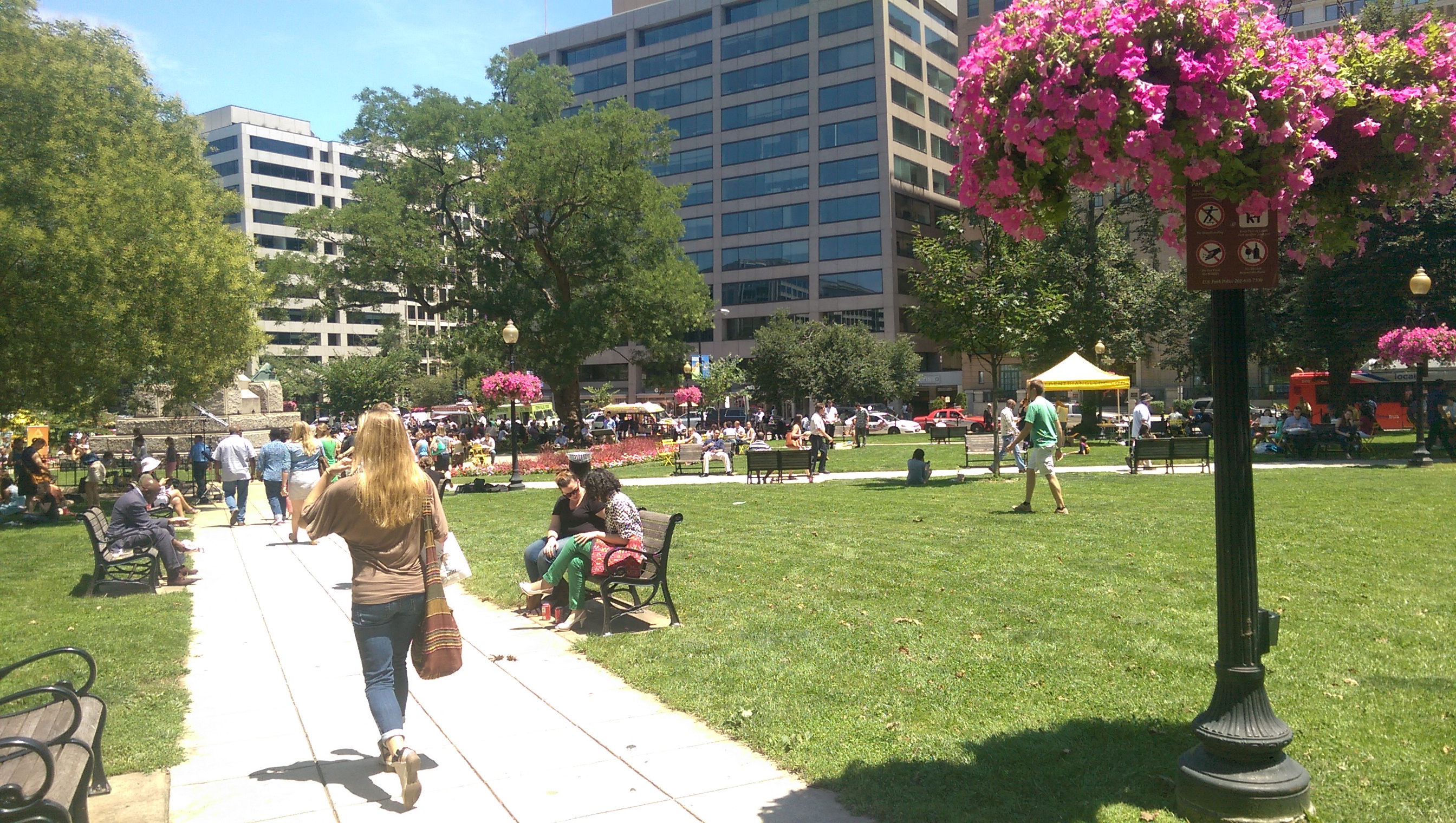
Jesus and I at the LULAC of Illinois State Convention in Little Village, Chicago, IL.

Jesus and I at the LULAC of Illinois State Convention in Little Village, Chicago, IL.

Every day is different and brings something new, which I love. I have met with several different agencies in the area such as the Quad County Urban League, Family Focus, various local politicians and school board members and superintendents. I have had the opportunity to attend the LULAC State Convention in Chicago and meet up with my good friend and CAPS Fellow, Jesus Payan, who is also working with LULAC for the summer. It was great to see a familiar face and work with an amazing friend in a professional setting. We both spoke of how our experiences working with the Office of Multicultural Programs at Valpo and serving as executive board members for LIVE (Latinos in Valparaiso for Excellence) has greatly prepared us for our roles in working for LULAC. Not only that, Jesus and I had the opportunity to attend the Illinois School Board Meeting in Oswego, Illinois on June 17th, where “regressive proration” was discussed. “Regressive proration” occurs when money is cut from low-income school districts and students rather than those with less low-income students. Education is a key focus for LULAC and the Latina/o community and it was imperative we attend and stress how the practice of “regressive proration” is affecting Illinois students, particularly those of African-American and Latina/o descent.

The Illinois School Board Meeting at Oswego East High School in Oswego, IL.

The Illinois School Board Meeting at Oswego East High School in Oswego, IL.

Next week, I will begin working with West Aurora School District 129 in helping organize their annual “Parent University.” Hopefully, I will have the opportunity to facilitate a workshop for parents of high school students on different resources that are available to them in the district and community, discuss higher education and/or financial aid.

I am excited to continue my work with LULAC this summer! I might have the possibility of traveling to Salt Lake City, Utah for the LULAC National Convention, which I know Jesus is going to attend. Hopefully, everything works out and I am able to go!

Coming back to Aurora has made me realize that I am privileged in so many ways. Unlike my parents and many in my community, I am a U.S. citizen and a college graduate and I am afforded the many privileges and rights that come with it. I know that there is a lot expected out of me because of that and that’s okay. The pressure is on and I only hope that I can deliver and help my community to the best of my abilities.

This is Only the Beginning!

I am now four weeks into the fellowship, or half way through! Yikes! Time has gone by way too fast, but I am now in the groove of how the Urban League office works and have gotten a good grip of my projects.


Since day one at the office, I have been thrown in and given work to do, because there is a lot to get done, which I truly enjoy. After going over the major projects I would be working on, I was a bit intimidated! My supervisors wanted me to develop the organization’s healthcare initiatives and translate most of the informational forms with their services and newsletters to Spanish. In addition, they have me working with Ms. Ola Morris, the coordinator of The Federation of Block Clubs, and organization branched from Urban League formed by community members to improve their neighborhoods. On top of that, they also want me to reach out to the Latino community and create a strong relationship and provide all the services the Urban League provides, to Spanish-speaking community members.


Thus far, I have very much enjoyed my time here at the Urban League. They have allowed room for professional and personal growth! I have been able to go out to the community at a few different events. The first one I got to go to was Gary’s Recycling event with Ms. Ola. It was definitely fun to go out and speak with the community members and let them know what types of services the office provides. Besides outings for events, at the office I have been kept extremely busy with all the small projects I have going on. I have officially finished the first general health pamphlet and on to creating others! And this is only the beginning! (:

Gary Recycling Event

Aside from the projects, the people we get to work with at the office are awesome people! They have been very welcoming and helpful with me at all times. I have learned a lot from my supervisors, from how to better communicate with people and make connections to how their non-for profit is run. Moreover, working with Ms. Ola one-on-one has been awesome! Ms. Ola is a wonderful person to work with whom I have learned so much from.


With these next few weeks left, I hope to continue learning and contributing to the organization positively who greatly impacts the community and improving the lives of individuals directly and indirectly. I am extremely grateful for this opportunity and I excited for what is to come!

Living United at Home

From the beginning, I have been immersed in an atmosphere of learning and hands-on work. For those of you who do not know, I am originally from LaPorte County, so this opportunity is quite special to me. I have been taking part in numerous discussions related to United Way, as well as group collaboration within the community to create a team to hit on key issues that are afflicting our area. This organization is looking into how they fund others, by working to collaborate on three key issues, that seemingly do have a great deal of overlap: Health, Education, and Financial Stability. We are looking to incorporate both public and the private sector to ensure that we cover all of our bases and encompass all of our community’s needs for change.

One neat feature of being in my home community, is that I am able to lean on people whom I have met while growing up. Allowing the organization to expand and make new connections with people that were otherwise uninvolved with the United Way. I am hoping that using these connections with government officials will help us to expand on our mission to reach all demographics of LaPorte County.

With that, I have been doing a great deal of research to examine how other communities have gone about making large scale changes for the better. One area that has stood out to me is that of Tupelo, Mississippi. I learned how one writer from the local paper was able to convince business owners that if they wanted to see profits rise, they needed to invest in the lowest/poorest people to build a stronger community. It is more about changing the culture of a community than just throwing money at something. I was able to attend an event entitled “Toxic Charities”, where the main take-aways were that we should be enabling people to better themselves, rather than enabling them to become entitled or in a constant state of need. Robert Lupton was the keynote speaker, who has been doing work in urban Atlanta for most of his adult life. He as been at the forefront of changing communities with basic need changes – such as helping to bring in grocery stores, rather than just convenience stores that are generally more expensive, with little to no fresh food for consumers to purchase. I have also been researching different types of software that we would be able to use to track changes to our set goals for each of the three areas that the United Way is trying to aid. I have also taken part in the creation of a community garden in LaPorte, in an area that has a need for fresh, healthy food because they are in a food desert. I have attached a few pictures below: one of the garden, and another of the filming of the documentary that we have made to capture the process that the United Way went through to make the garden possible. Comment below if you have questions!

IMG_1571!IMG_1525 IMG_1520

3…2…1 Lift-off.

Being someone who is naturally nocturnal, (especially in the summertime) the first day of my internship at EMPOWER began with me cringing as my alarm assaulted my sleeping ears. When I finally got around, ate some breakfast, and headed out for the day, I realized this was a routine I could get used to. The morning air was warm, yet refreshing, and my walk to work was a nice way to start my day.

flowers

When I got to the office I met up with my co-fellow, Faith, and we sat down with our bosses Heather and Kaye as they told us what they wanted us to work on during our time there. Faith and I are working on a project where we are researching different youth development programs throughout the country in order to see how effective that type of programming is, and then design our own program. The first question we had was, what is youth development?

national-safe-place-implementing-positive-youth-development-into-programming-1-728

The idea behind youth development is that a committee of teenagers (typically middle of high school) work together with community leaders in order to design programming meant for teens. The idea here being that if teenagers design programming for their own age demographic, it will be more effective and appealing to their peers. I was anxious to get started, because it sounded like this might be hard to find research on.

Boy was I wrong.

Right away I found multiple case studies and files that showed youth development programming from all around the country. From New York to Alabama it seemed like every state department had made multiple youth development programming efforts, and it was so exciting to start connecting the dots with what the most successful programs had in common.

The thing that was the most exciting for me was the amount of trust and freedom Heather and Kaye put into me and Faith. They were/are always open to our questions, but for the most part we are free to work on our own and in whatever ways we see fit in order to research and design this program. I loved being able to just put in some earbuds, buckle down, and start sifting through the multiple pages of research I had found.

As we continue our research, Faith and I have weekly meetings with Heather and Kaye in order to make sure we’re all on the same page and finding what information they would like us to find. It’s nice to have supervisors that allow us so much freedom, but also communicate effectively so that we always know what they expect from us.

One of the other great things about the beginning of my internship is that it had really opened my eyes to youth development programming. I’ve had discussion with my mom and my friends in the Army who all use multiple youth development programs in their jobs. My mother, being a social worker, leads many youth development programs that help foster children make the conditions in foster homes better for other kids. My friends in the Army work with youth development committees in elementary schools to educate kids about hard work and physical fitness.

So far things have been off to a great start at EMPOWER. My research is enlightening in its own right, but the discussions and conversations I’ve had with some of my friends and family as a result of my work is even more rewarding as I learn more about the world I live and work in. I can only see greater things on the horizon for this summer.