Valpo Voyager
Student Stories from Around the World

Category: Costa Rica (page 8 of 10)

Vamos a Nicaragua!

All too often, United States citizens think that all of Latin America is the same. Last week, I had the opportunity to go to Nicaragua, where I saw first hand that is not the case.   Nicaragua is right next door to Costa Rica, but the differences were obvious as soon as we crossed the border. Nicaragua is much poorer than Costa Rica, and even the way streets and houses look is just different. We were only there for ten days, but our schedule was very full and we learned a lot!
One of the first differences I noticed about Nicaragua was the poverty. Nicaragua is one of the poorest countries in the Western Hemisphere. For four out of the ten days of our trip, we stayed with host families in Ciudad Sandino, a small city just outside of the capital city, Managua. As soon as we got to our host families, we noticed that their living conditions were definitely less than we were used to. However, we also quickly noticed their warmth and kindness to us. On the first night, we were invited to play kickball with some kids in the street! It also amazed me to see the sense of community this little town had. Everyone seemed to know each other and wanted to spend time together. Definitely a contrast to the fast-paced city life that is so often valued in the United States.

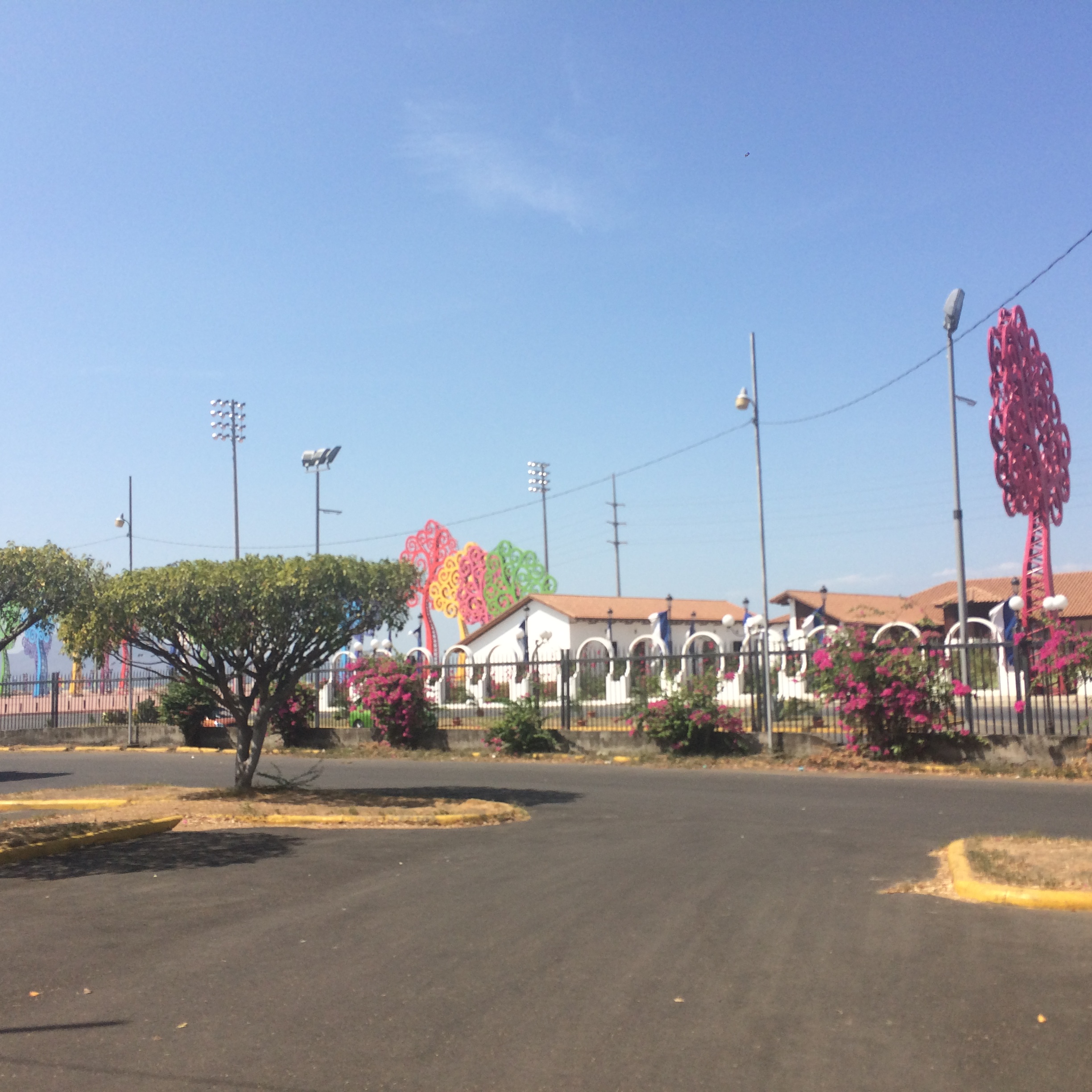
IMG_3541

This is from our tour of Managua, the capital city.  It is quite beautiful!

IMG_3552

This is a miniature model of Managua before nearly the entire city was destroyed in an earthquake in 1972.  One of my favorite parts of our tour!

One of the most powerful experiences on the trip happened a few nights in. After two days in Ciudad Sandino, we left for a rural community that was very poor, El Bonete. It felt like we were driving in the middle of nowhere for a very long time before coming upon a little village. Most families there did not even have indoor plumbing. However, once again we were immediately overwhelmed with their hospitality. They put together a community dinner/gathering for all of us at night, and we got to dance and play games with all of the kids! Later on, we got to hear testimonies from people in the community who were affected by the civil war in the 1980s. We had learned about this in class, but hearing testimonies of people who actually got displaced from their families during that time was very powerful.

One of the most powerful experiences for me in the community was hearing one of the community leaders talk about his impressions of the United States. He had been there a few times and he said he could not believe how much stuff there was and how much waste he noticed. His impression was that people are not very resourceful and throw away lots of things they could use. He also noticed that most people don’t think twice about saving energy or taking care of the environment. Again, this is something I had known in my head but it never really hit home until I heard it from someone from the outside. What struck me the most, though, is how kind everyone was to us even if they resented some things about our country. Rather than telling us how horrible we are, they just wanted us to hear their story and then go back home and think about how we can change.

The final place we visited in Nicaragua was the beautiful city of Granada. It is modeled after Granada, Spain, so the architecture is absolutely beautiful. It was a fun way to end our trip after some heavy, heart-wrenching experiences. We got to tour the city, eat gelato, and enjoy each other’s company. The Nicaragua trip was not only full of learning but full of fun!

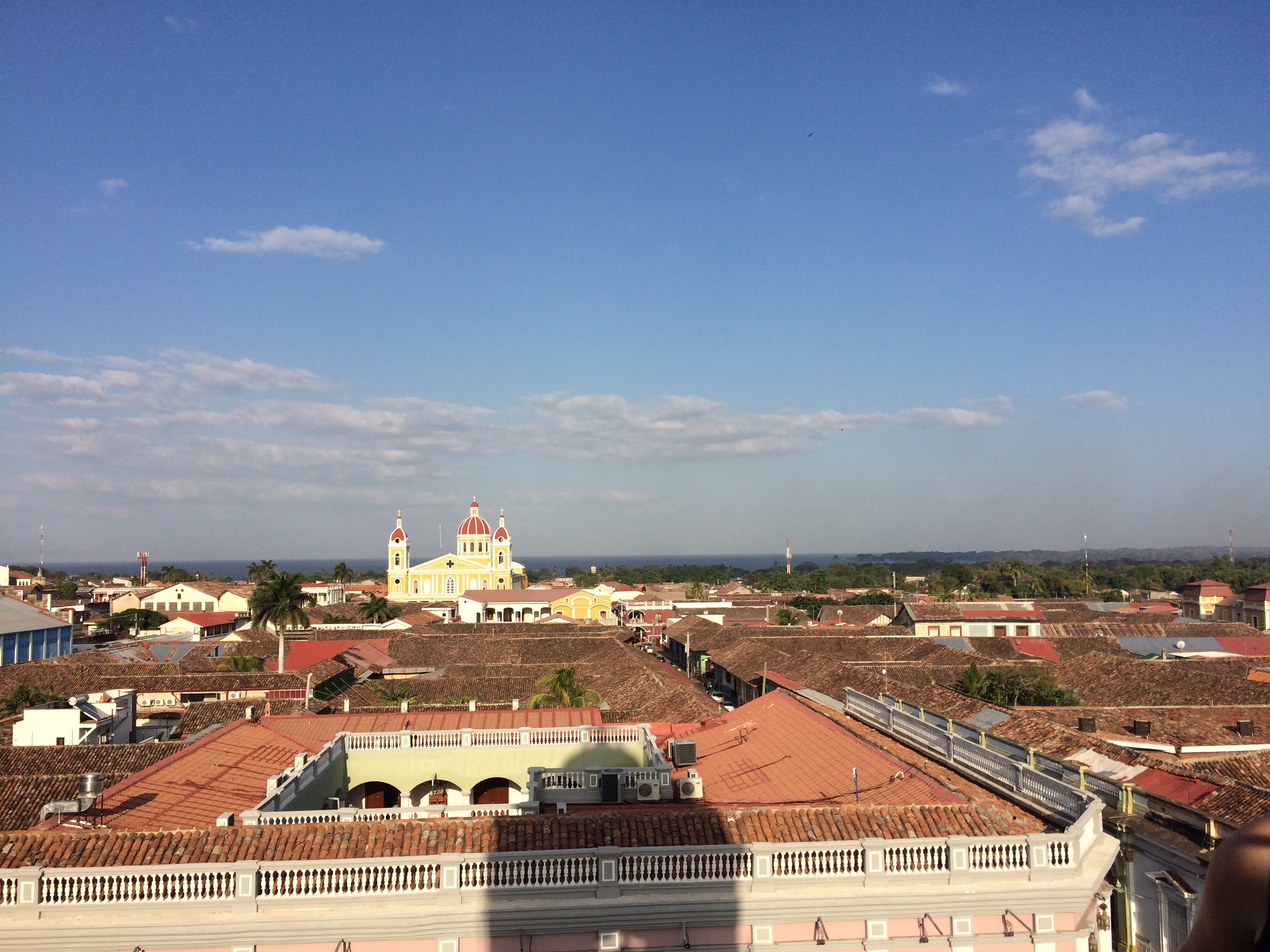
IMG_3587

View of Granada


IMG_3597

One fun thing we got to do was make piñatas at an organization which helps adults with developmental disabilities. It was really fun to get to know them and help them with their work!


Mountains and Valleys

After a long and full two months, I suddenly realized that the semester was halfway done. What a crazy two moths it has been. If you ask me what I’ve done in Costa Rica, I’ll tell you about the weekend trips and funny stories about my host mom and how much Spanish I’ve picked up, and you might think I’ve been having a blast every second of every day. But in reality, my day to day life feels pretty ordinary. As much fun as I’ve had studying abroad, I have learned the most not from the amazing weekends on the beach or in the mountains, but from the day to day challenges of adjusting to life in a different country.

The place where we live is called the Central Valley. Costa Rica is generally mountainous, but the area surrounding San Jose (the capital city) is a large valley, where the majority of the population lives.   The geography of Costa Rica is a pretty accurate metaphor for my time here. We’ve gone out of the Central Valley for some amazing trips and breathtaking views, but the majority of my time is spent in the city, where I go to class and mind my own business. Some of those days are really hard. But just because I have had some hard times doesn’t mean I wouldn’t recommend studying abroad. In fact, it’s because of the hard days when I just wanted to go home and hang out with my friends and speak English that I’m glad I decided to spend four months here. The most learning happens not in the mountains but in the Valley.

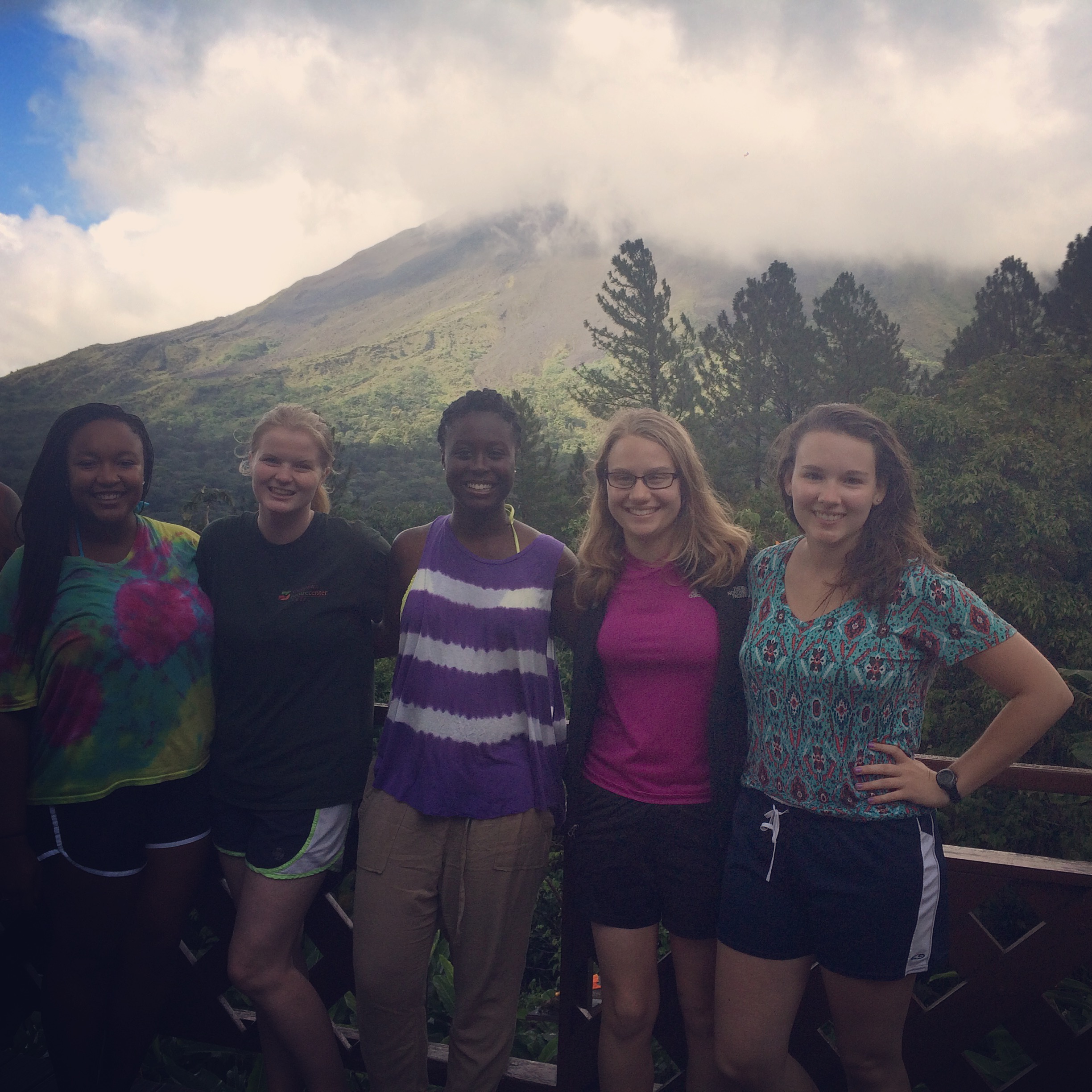
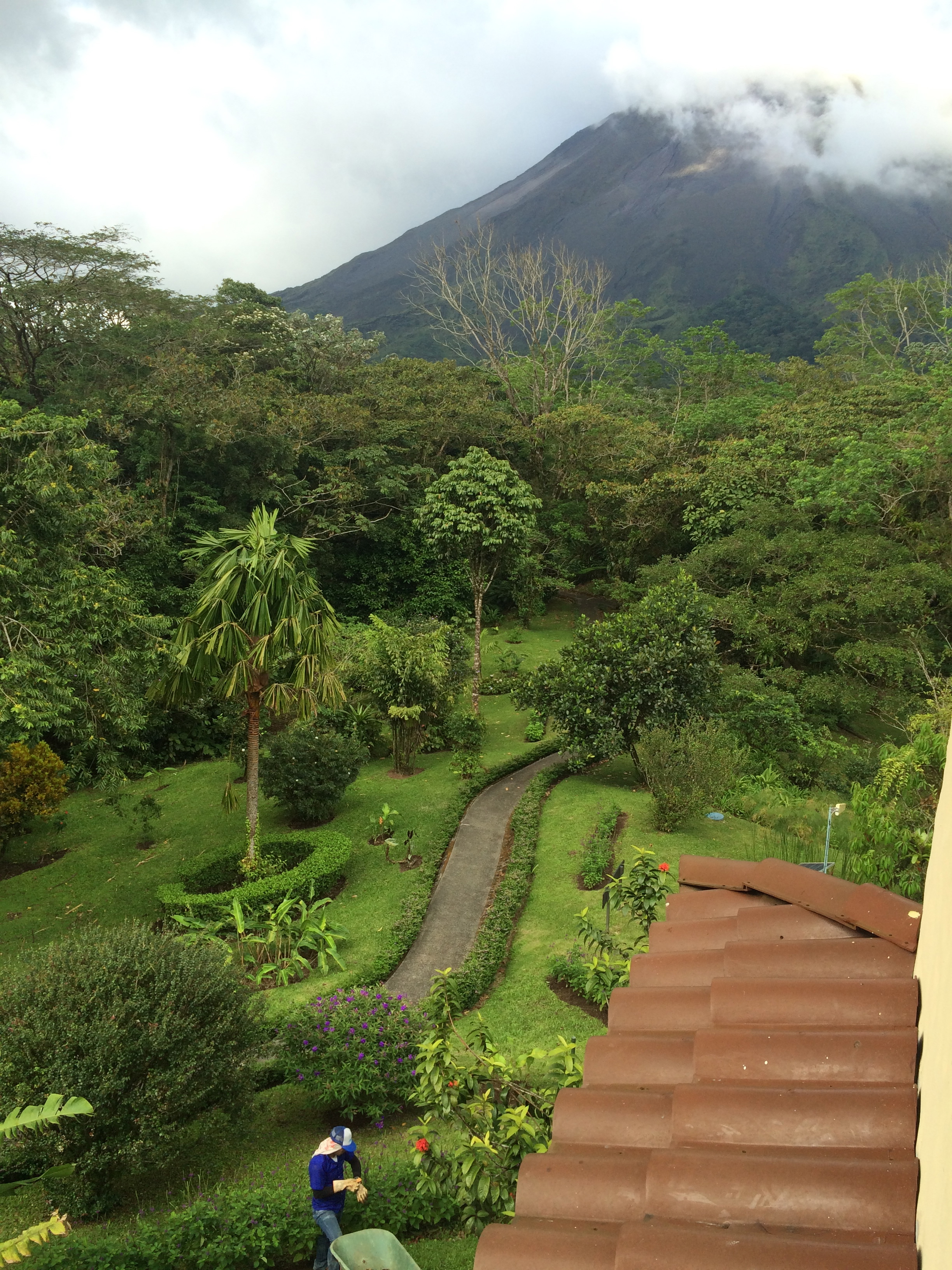
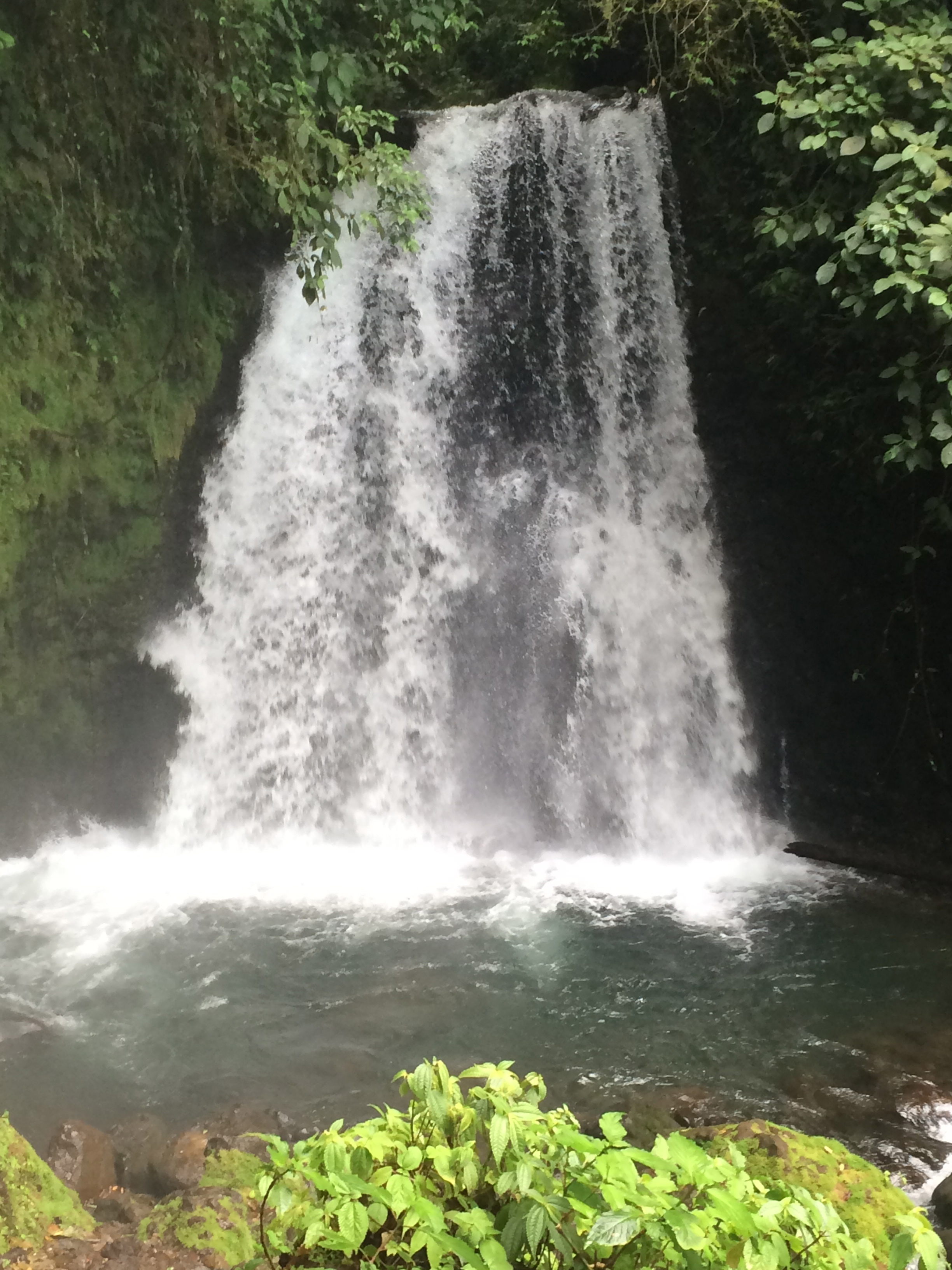
For spring break last week, our group took a trip to Arenal Volcano (Volcán Arenal). It is a pretty famous tourist location, and the volcano is still active. It was a ton of fun, and we took a tour where we got to swim in a waterfall and a hot spring! When I was in the waterfall, it was one of those moments that I pictured my study abroad experience to be like. I felt like a 20-year-old risk-taking traveler and had never felt more alive. That same night the tour guides took us to a hot spring, which had the same effect. I’ve had other mountaintop experiences here too—sitting on the beach in February, hiking up a mountain, seeing a real-life sloth, and the list goes on.

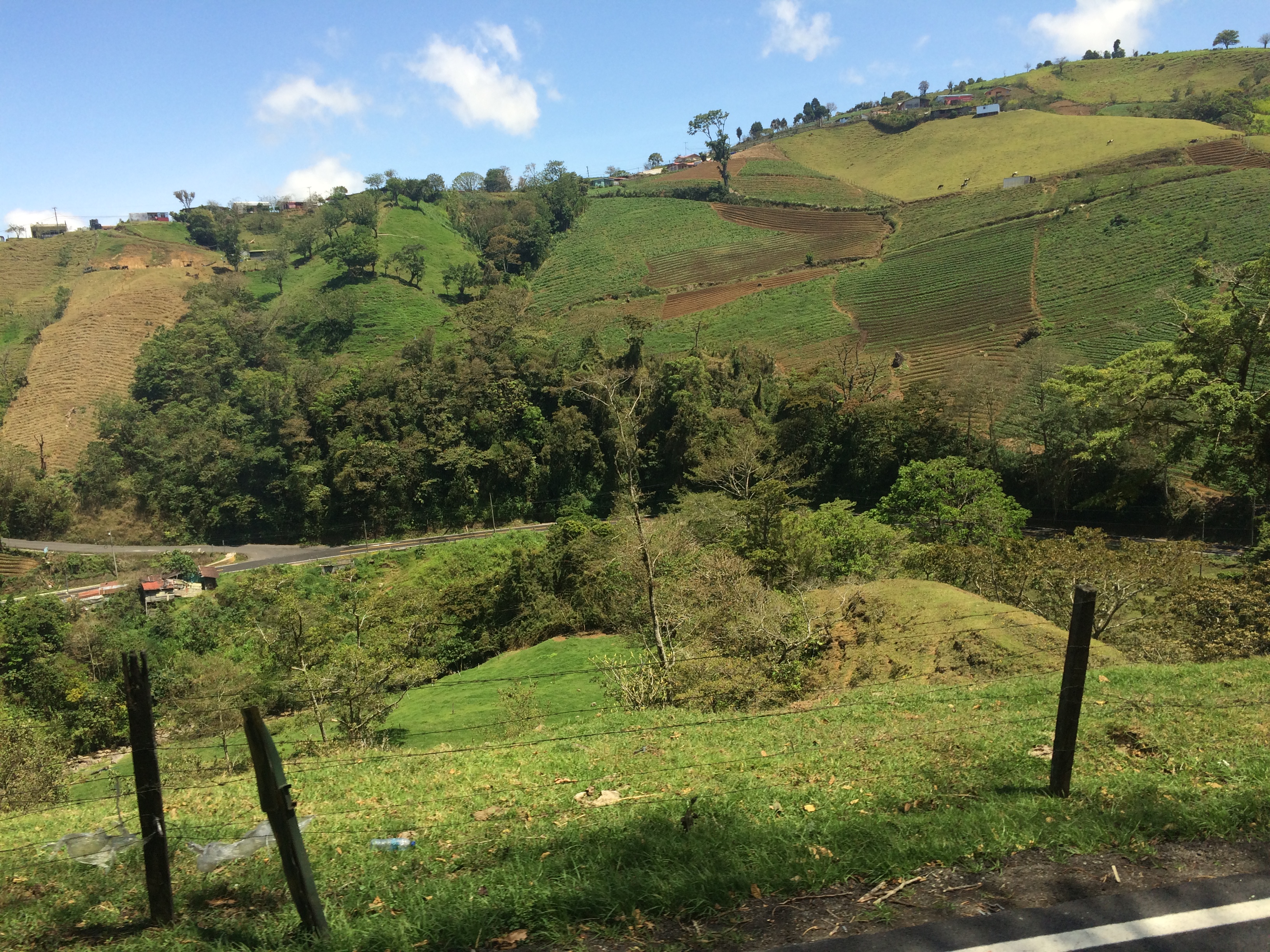
IMG_3472

Seen on our 4+ hour drive.  I will never get over how beautiful the scenery is here!

IMG_3499

View of the volcano!

IMG_3489

IMG_3493

Swimming in this waterfall was both refreshing and exhilarating!

I’ve come to the conclusion that although those mountaintop experiences were incredible, the most important part of being here is the valleys. Sometimes I can’t stand speaking Spanish anymore and get frustrated with myself, but I’ll never forget the time I was at the supermarket and understood the cashier saying the price for the first time (you try saying “mil quinientos noventa y cinco” five times fast).   Learning Spanish is a long and sometimes difficult process, but this week I have started my internship at a school in the local neighborhood, and I have realized how special it is to be able to communicate with someone in their first language, even if they know some English. I never thought hanging out with a group of eleventh graders could be a highlight of my day! Not to mention endless hugs and drawings from adorable first graders 🙂

Being here at first was pretty scary. But suddenly I know how to take the bus to the city all by myself. I recognize the cashiers at the local supermarket. I could tell a taxi driver how to get to my house. One day when it was really hot and I had a lot of homework to do, the extended family spontaneously came over for coffee, which was a really fun time, and I could communicate with them pretty well! My host mom is great, but like any family member, she sometimes frustrates me, but that has taught me a lot about living with people and cultural differences.   Living everyday life and integrating myself into a family and a neighborhood has taught me more than a week of sightseeing ever could. And it’s those ordinary days that make me never want to leave.

Comida (Food)!

One of my favorite parts of traveling is the food! Costa Rica has certainly given me plenty of new things to try, some of which are great…and some of which are not so great. Here’s a collection of some typical Costa Rican food I have enjoyed.

Let’s start with the morning. This is a pretty typical Costa Rican breakfast, including “gallo pinto” (gah-yo-peen-toe) – rice, beans, and vegetables mixed together. Eating rice and beans in the morning seems strange at first, but gallo pinto is really good! Other common items are eggs, bread, fruit, and of course coffee. The white block in the picture is cheese—it has sort of a spongy texture, but it tastes pretty good, and they put it on everything!

IMG_3171

Although I don’t eat gallo pinto every day, I certainly don’t go hungry in the morning!  8/10

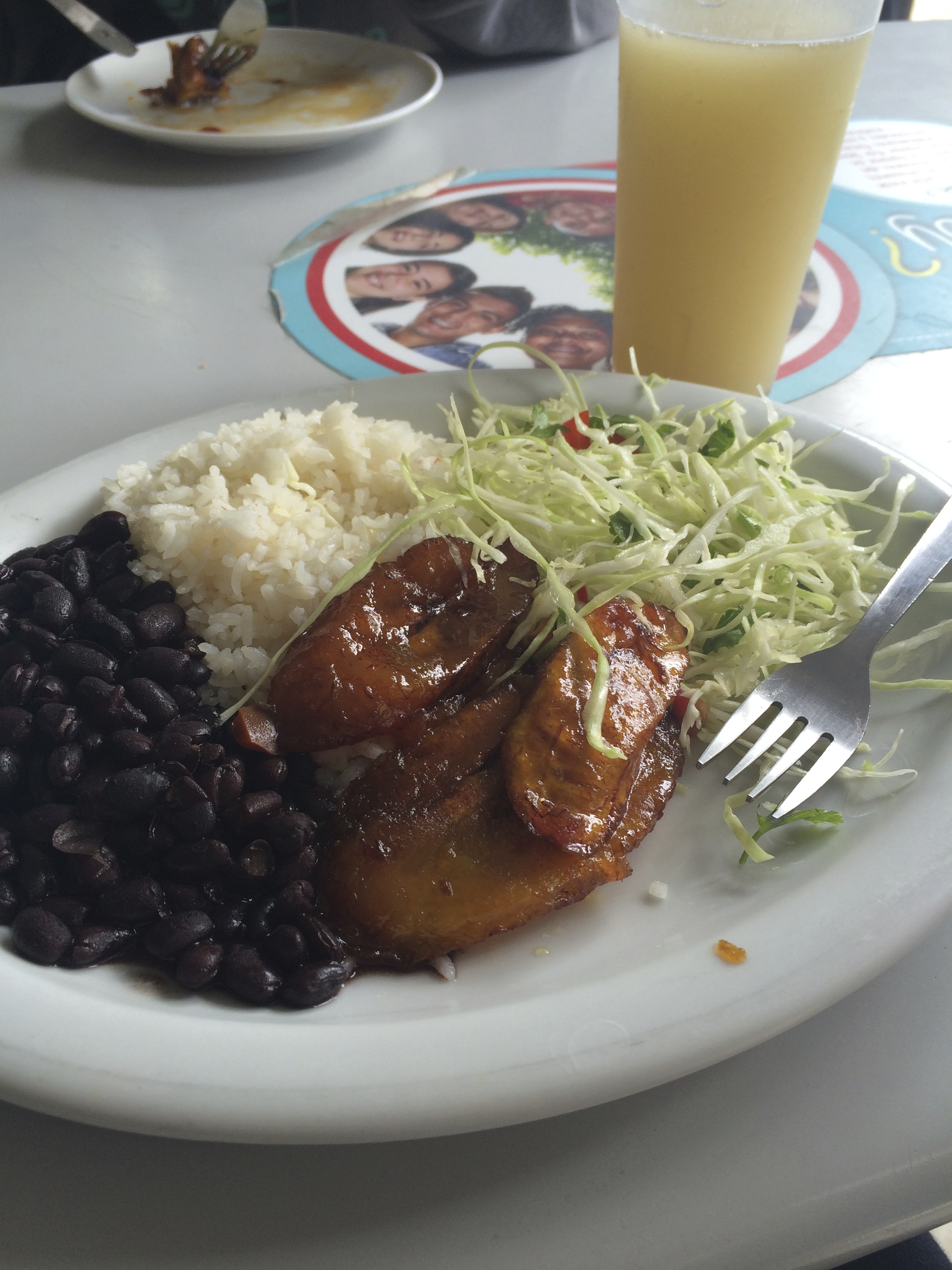
For lunch, the typical plate is called a “casado.” It includes rice, beans, salad, fried plantains, and sometimes beef or chicken. It’s a cheap, filling, and tasty lunch! Fun fact: In Costa Rica, lunch is considered the biggest and most important meal of the day. Quite a contrast to the U.S. where we are constantly eating lunch on the go or while working!

IMG_3185

Lunch at the university cafeteria.  Super cheap and quite different from Founder’s!  9/10

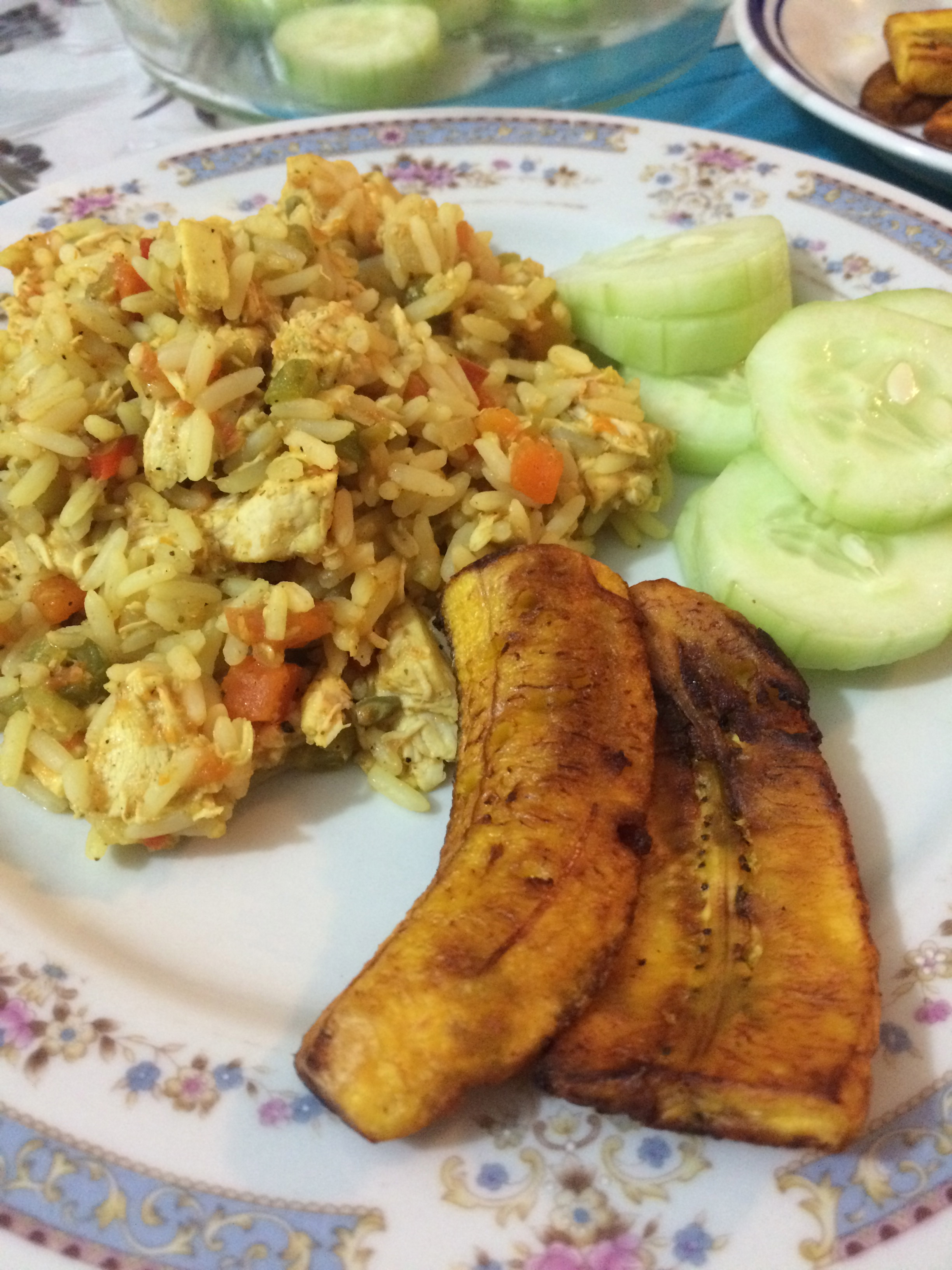
One of the most typical dishes of Costa Rica is “arroz con pollo” (rice with chicken). They eat it so much that sometimes they substitute the word for chicken with the word for always (siempre). Hence, “arroz con siempre” (roughly translated “rice with always”). It’s one of my favorite dishes!

IMG_3414

This dinner also included fried plantains and cucumber salad.  10/10

This is a pretty typical dinner at my house. A pork chop, white rice, beans, salad, and fried plantains. Fresh, homemade fruit drinks are also very typical—the one in the background here is pineapple—my personal favorite!

IMG_3194

Pretty hard to go a day here without rice and beans.  8/10

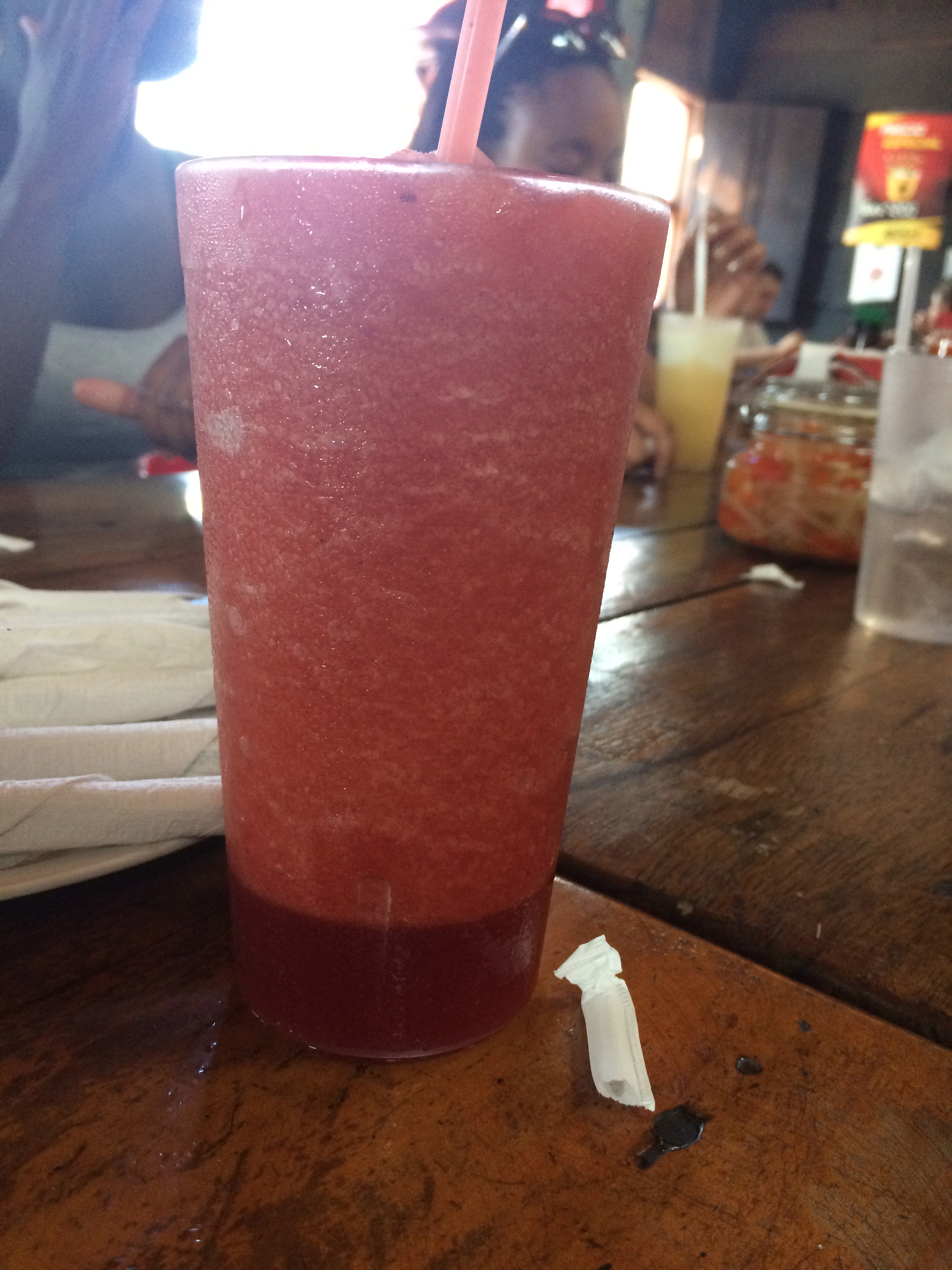
A picture of a fruit drink at a restaurant in San José—“mora” (blackberry).

IMG_2451

An upgrade from soda, I have to say.  10/10

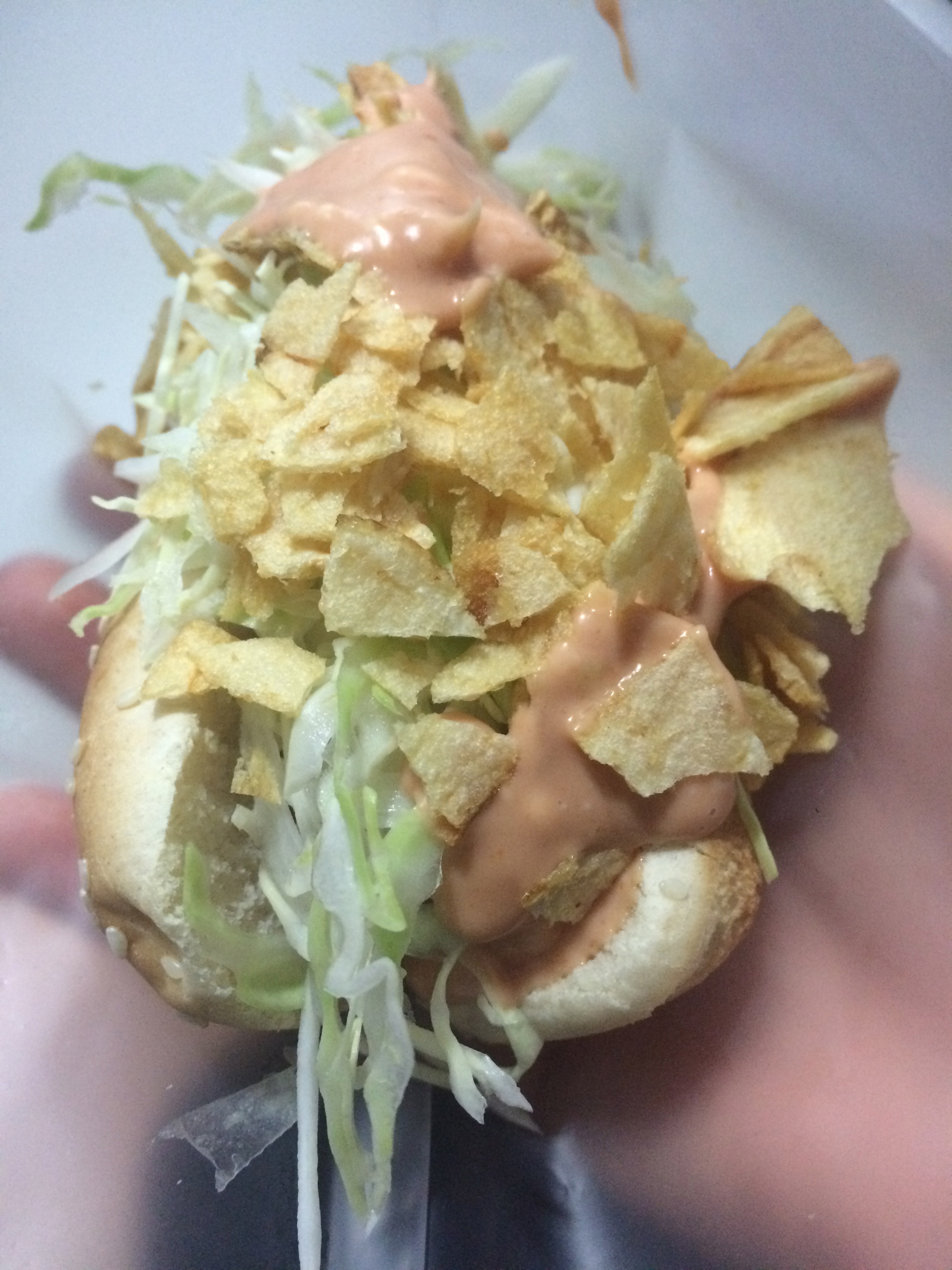
I thought I knew what I was getting into when my friends’ host mom served us “perros calientes” (hot dogs), but it was very different than I expected! This is a hot dog with cabbage, potato chips, and a mayonnaise and ketchup sauce.  Not the best hot dog I’ve ever eaten, but it was an interesting (and messy) experience.

IMG_3318

Not bad, but I prefer Chicago style.  7/10

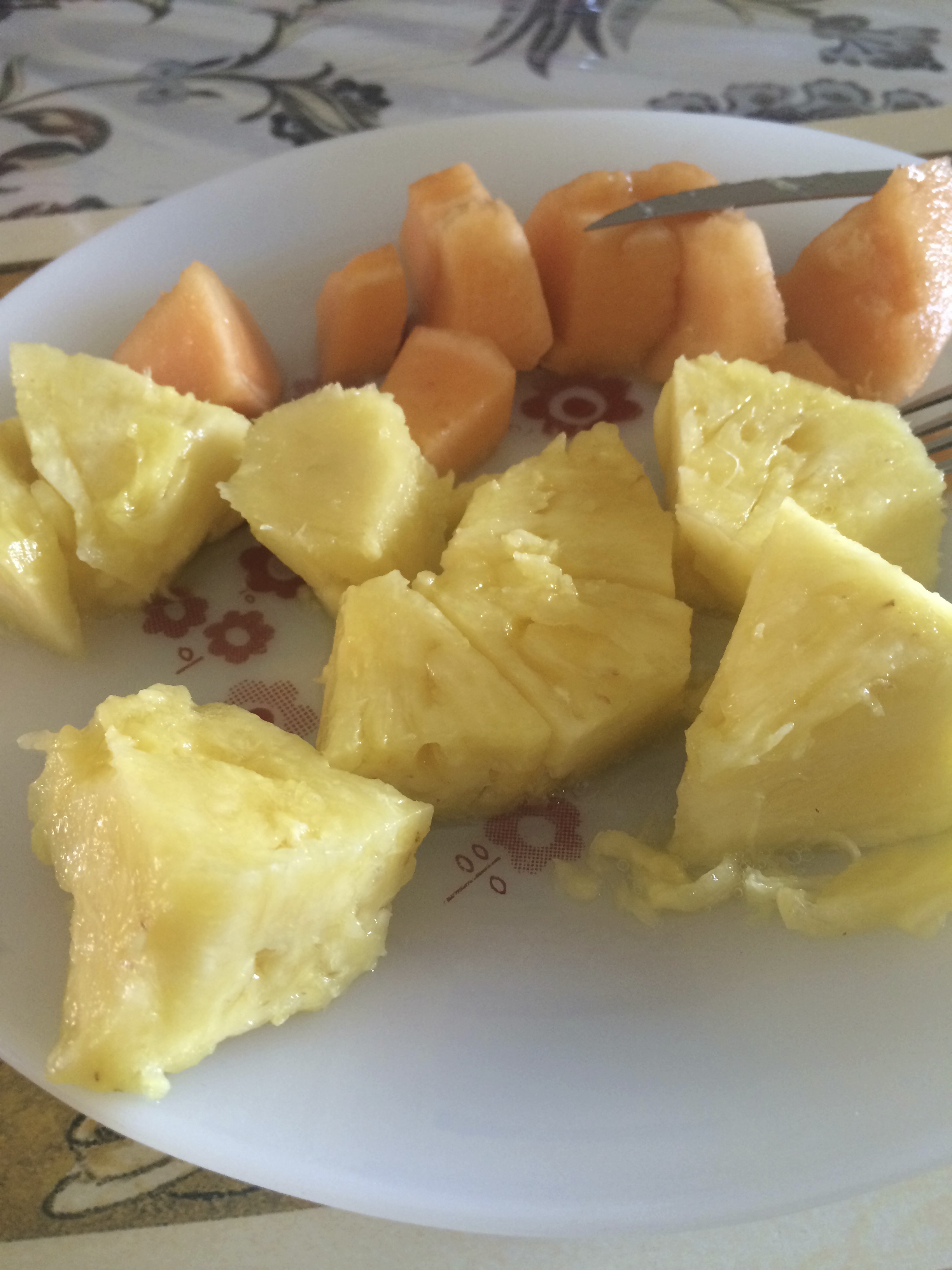
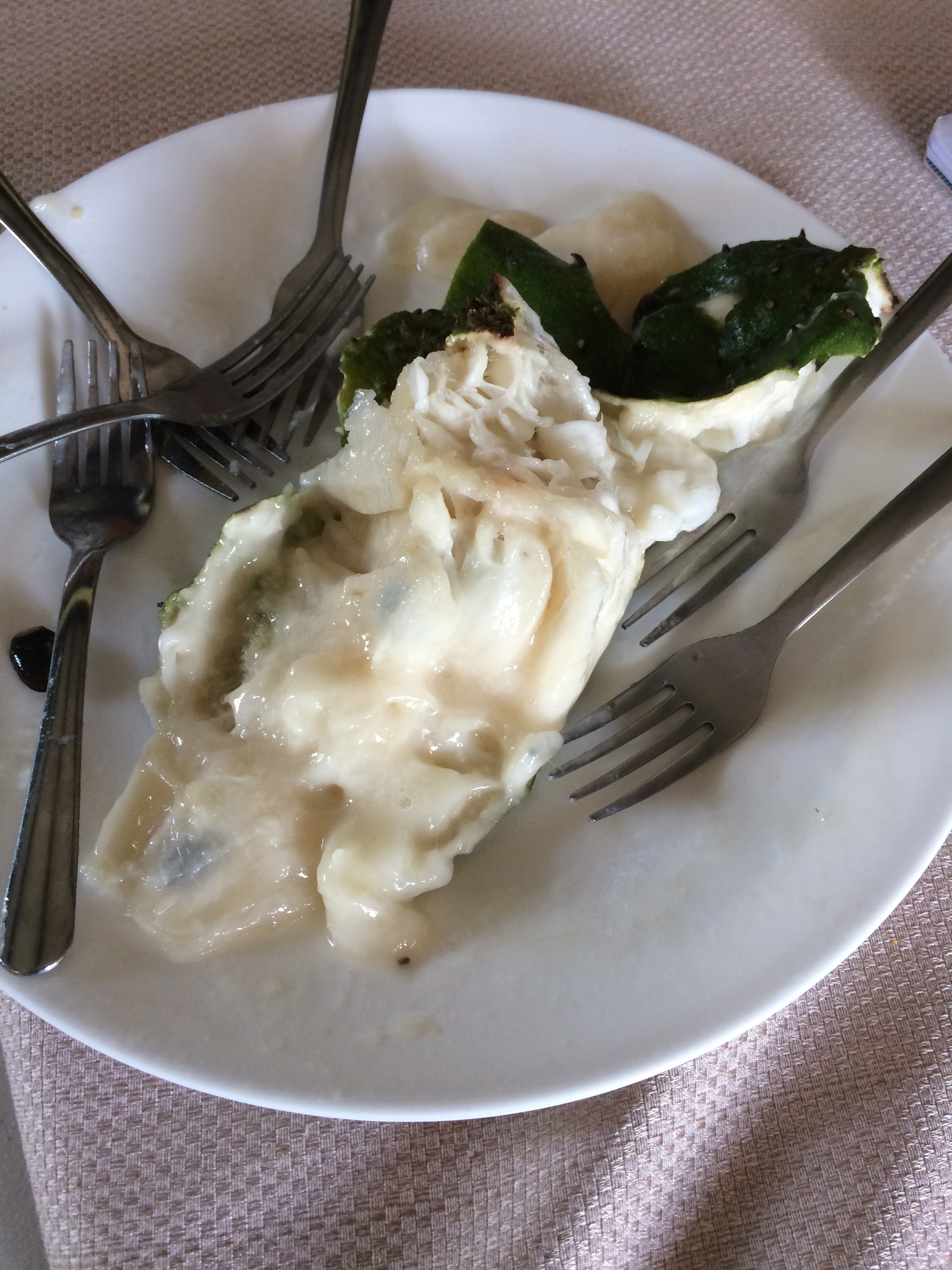
Costa Rica has a lot of different fruits that we don’t have in the U.S. A few I’ve tried are granadilla, cas, and tamarin. This particular fruit is a guanabana—it has a weird texture but good flavor! (Also, the fruits that are the same are WAY better here—pineapple, bananas, melon, to name a few).

IMG_3192

The juice is better than the fruit.  6/10

Another new fruit I’ve tried is called pejivalle. (pay-hee-vah-yay). It has the texture of a potato but a different flavor. It is typically eaten with mayonnaise. Another thing I wouldn’t eat again but am glad I tried!

IMG_3462

We had this at breakfast a few days ago.  5/10

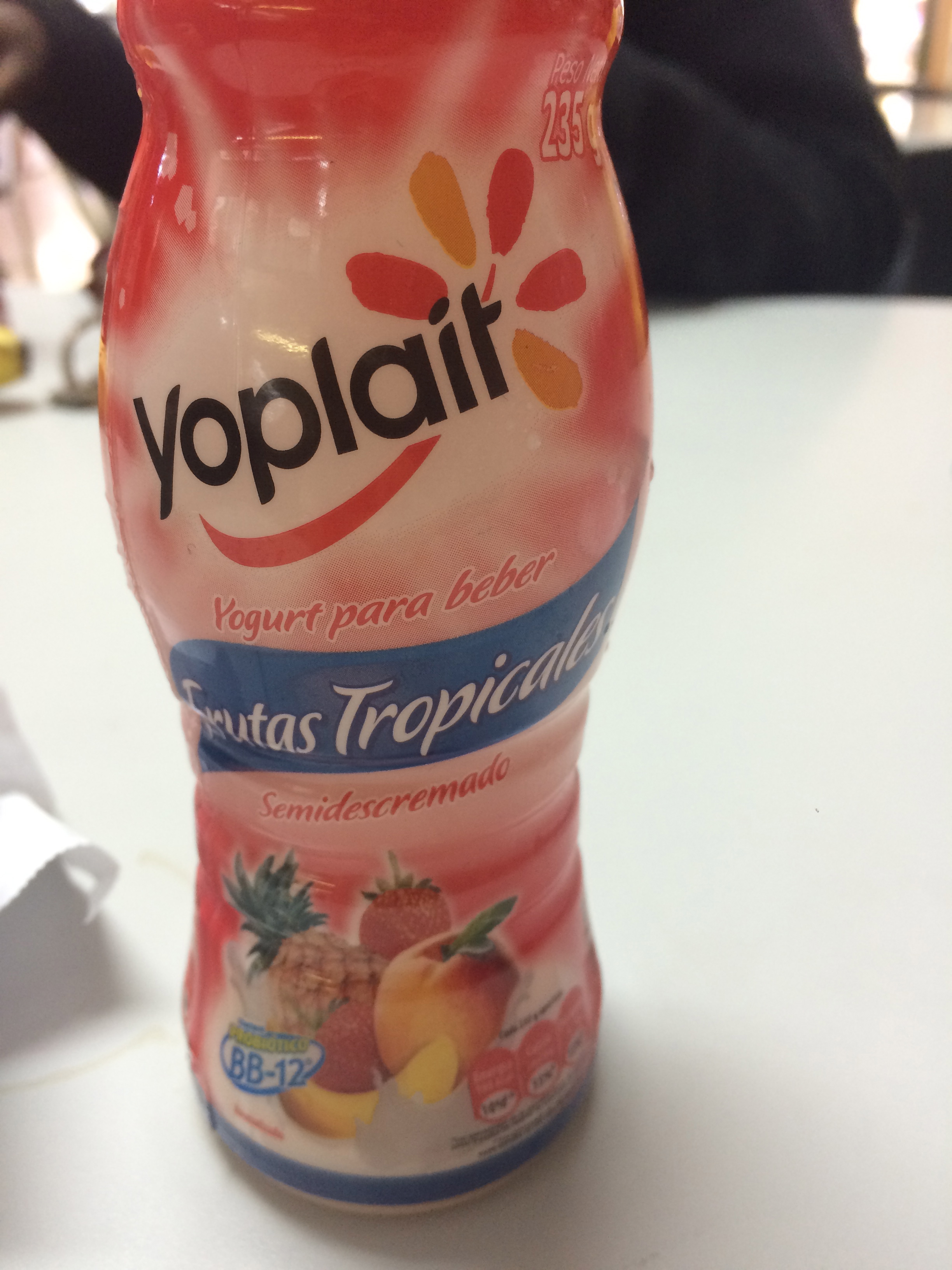
I love yogurt. In the States, I barely go a day without it. I was a little disappointed to find out that the only yogurt people seem to like here is in liquid form, but once I tried it, I was hooked!

IMG_3187

It comes in a variety of flavors, but my personal favorite is “frutas tropicales” (tropical fruit).  10/10

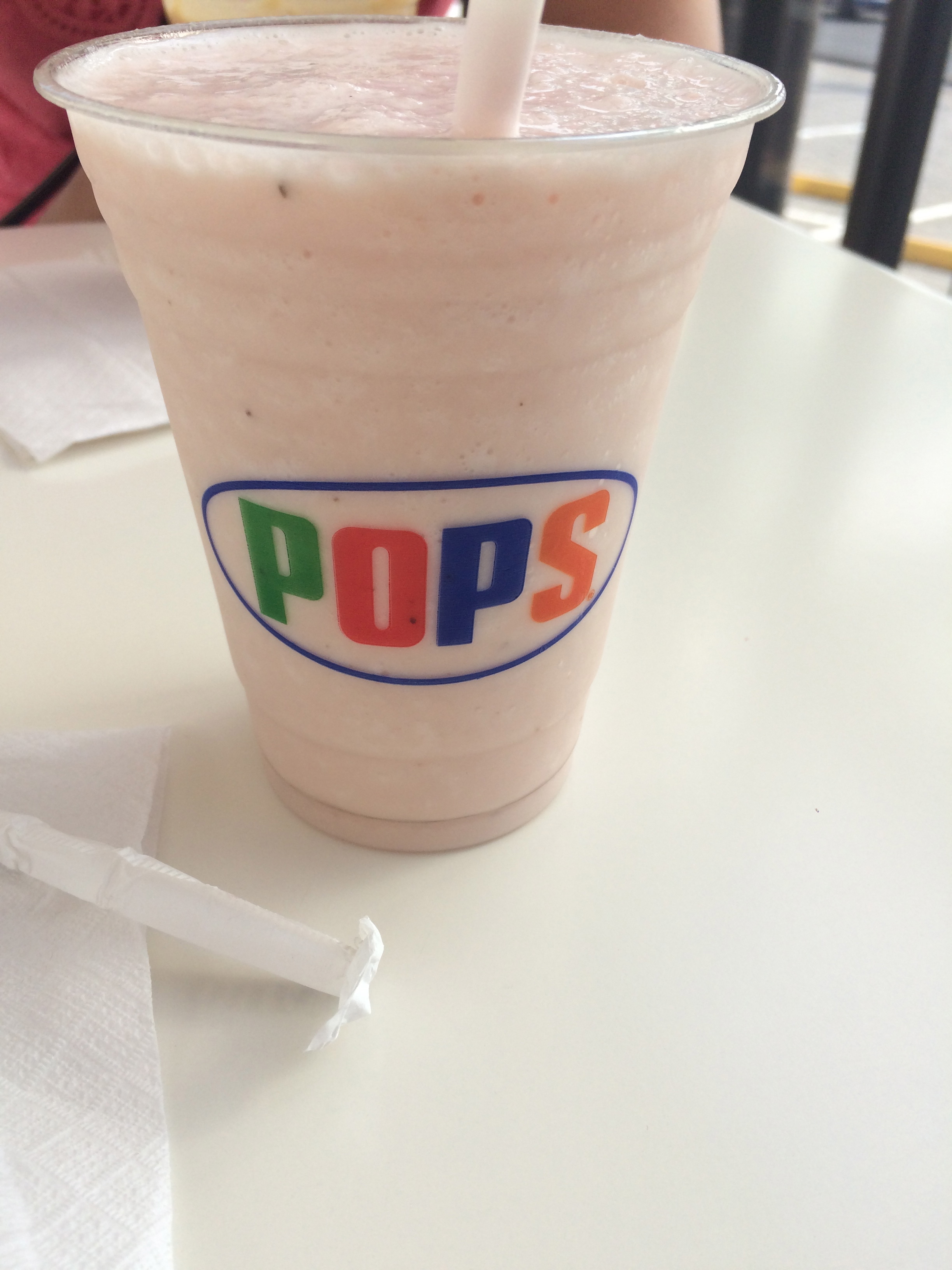
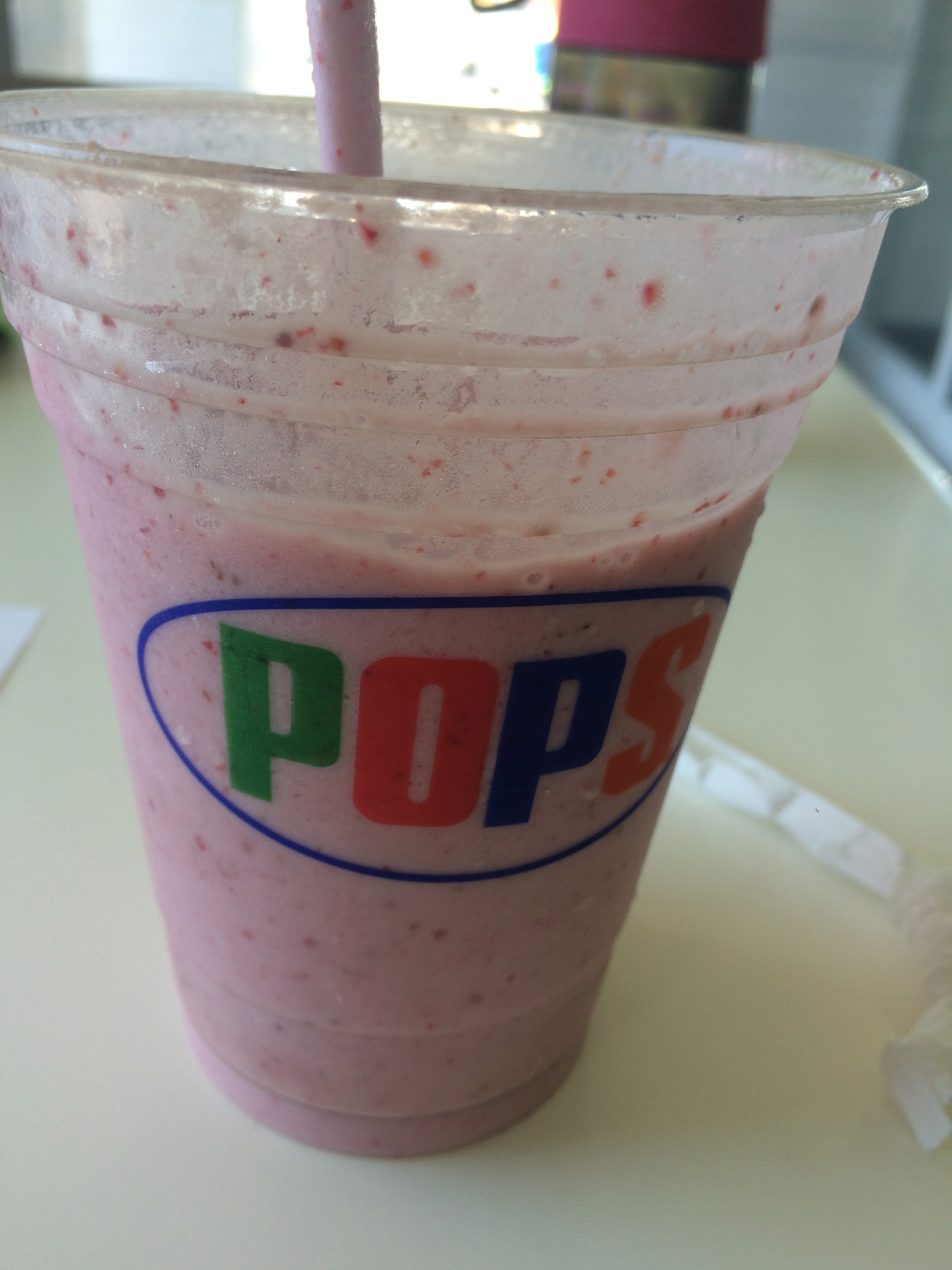
Finally, a blog of Costa Rican food would not be complete without POPS. This ice cream/smoothie shop never fails to satisfy a craving for a cold treat on a hot day. You can find one on nearly every corner!

IMG_3314

Strawberry smoothie = perfection.   11/10


Assumptions and Fears

No one likes to feel different. Walking around a strange city where everyone knows I don’t belong just by looking at me has been a completely new experience. People stare at me all the time, and they try to use the little English they know with me, which is sometimes nice and sometimes just insulting, depending on the situation. As much as I hate being stared at and feeling helpless when I don’t understand what people are saying, being an outsider has been an incredibly eye-opening experience.

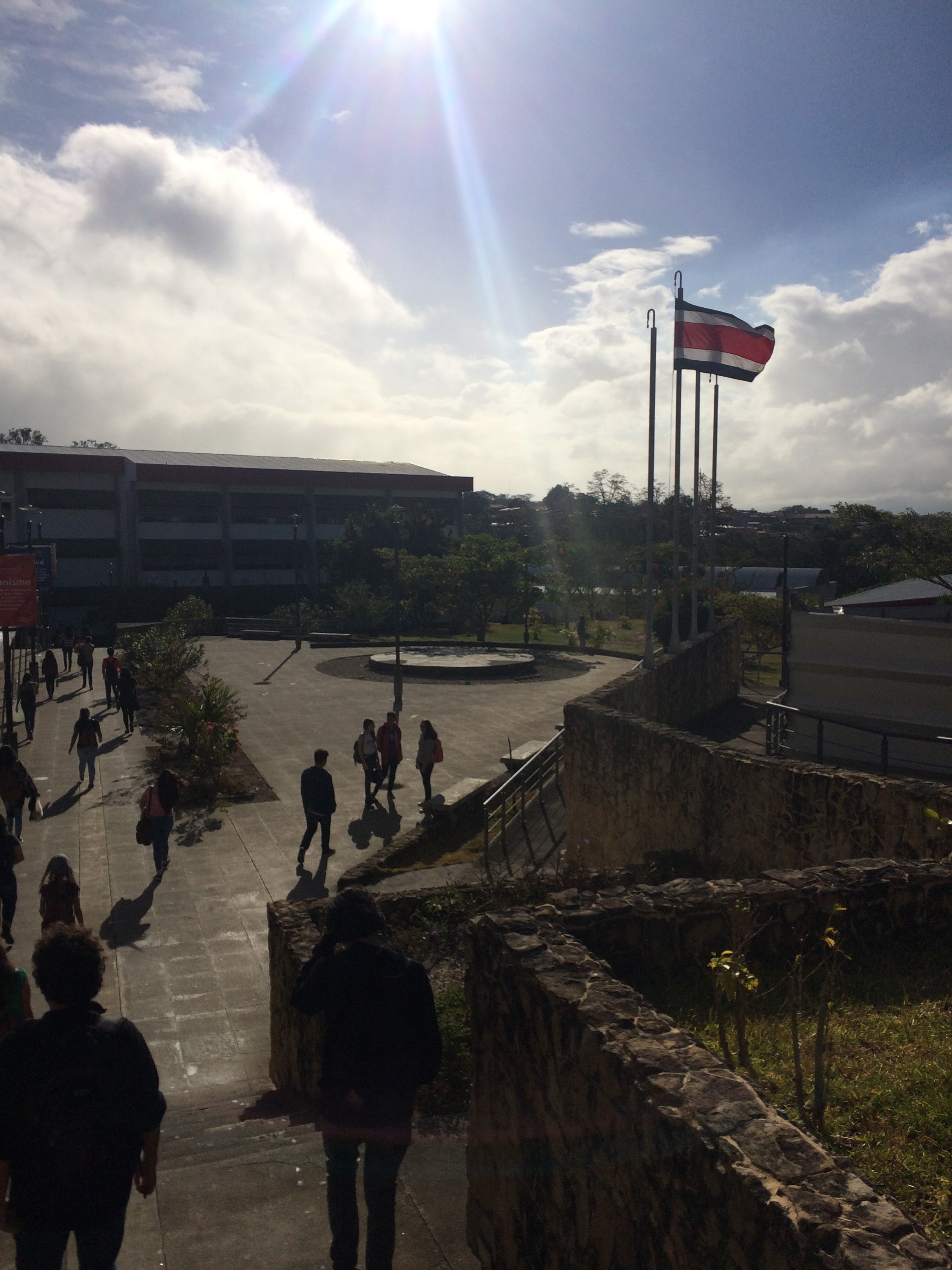
In general, people are afraid of the “other.” We tend to group up with people who are familiar because that’s when we feel safe. I know that I am guilty of this, both in the United States and Costa Rica. At Valpo, I never said a word to the international students I passed, and was even a little intimidated if they were all speaking a foreign language. Now, I am one of those people. I walk to class at the university speaking English with my friends, while passing by students giving us strange looks. Being here has definitely given me a new respect and empathy for the international students on Valpo’s campus. It’s hard to be in a place where people don’t speak your first language, and it’s terrifying to try to talk to someone because you don’t know how well you will be able to understand each other. Finding just one person who is patient, friendly, and willing to help is a huge blessing.

IMG_3410

Our walk to class at the Universidad Nacional (National University)

Another thing that keeps us from branching out of our comfort zones is assumptions. We assume things about people all. the. time. Many Costa Ricans assume I am a tourist who doesn’t speak any Spanish. For example, on a field trip with my Spanish class I was walking a little bit outside of the group, and a street vendor caught my eye and said, “Hello lady, welcome to Costa Rica!” Two thoughts went through my head: First of all, saying “hello lady” sounds weird, so I could tell he didn’t know English that well. Secondly, I had been in Costa Rica for a few weeks! I could have had a small conversation with him in Spanish, so his trying to speak broken English to get me to buy something didn’t make me feel welcome but was instead just insulting.

The assumptions about people go both ways, though. One day I got off the bus in my neighborhood with two other students, and we heard a man behind us making the hissing noise that is equivalent to catcalling in the U.S. I was really annoyed and just kept trying to walk faster, but he wouldn’t stop. Then we suddenly heard a woman yell out, “Muchachas!” (“Girls!”), so we turned around. She was standing with the man, who had been trying to get my attention to let me know I had money sticking out of my back pocket. He could have easily taken it, but instead he chose to persistently try to get my attention so I could put it away. Someone was trying to do something nice for me, but I assumed he was being rude.

Even within Costa Rica, people make assumptions based on appearance. Last weekend we had the privilege of going to the Caribbean coast in the province of Limón, which is largely made up of Afro-Costa Ricans. It is a slightly poorer area than the part of Costa Rica where we live (near San José), and many people are afraid of going there. Costa Rica has never had explicit racism (such as Jim Crow laws in the U.S.), but they have more subtle racism which still exists today. Limón is beautiful and in reality is no more dangerous than other parts of Costa Rica. But for some reason, people perceive it to be different, and many assume that every person who appears to be of African descent is from Limón. We had a wonderful time there, met some really great people, and never felt unsafe.

IMG_3346

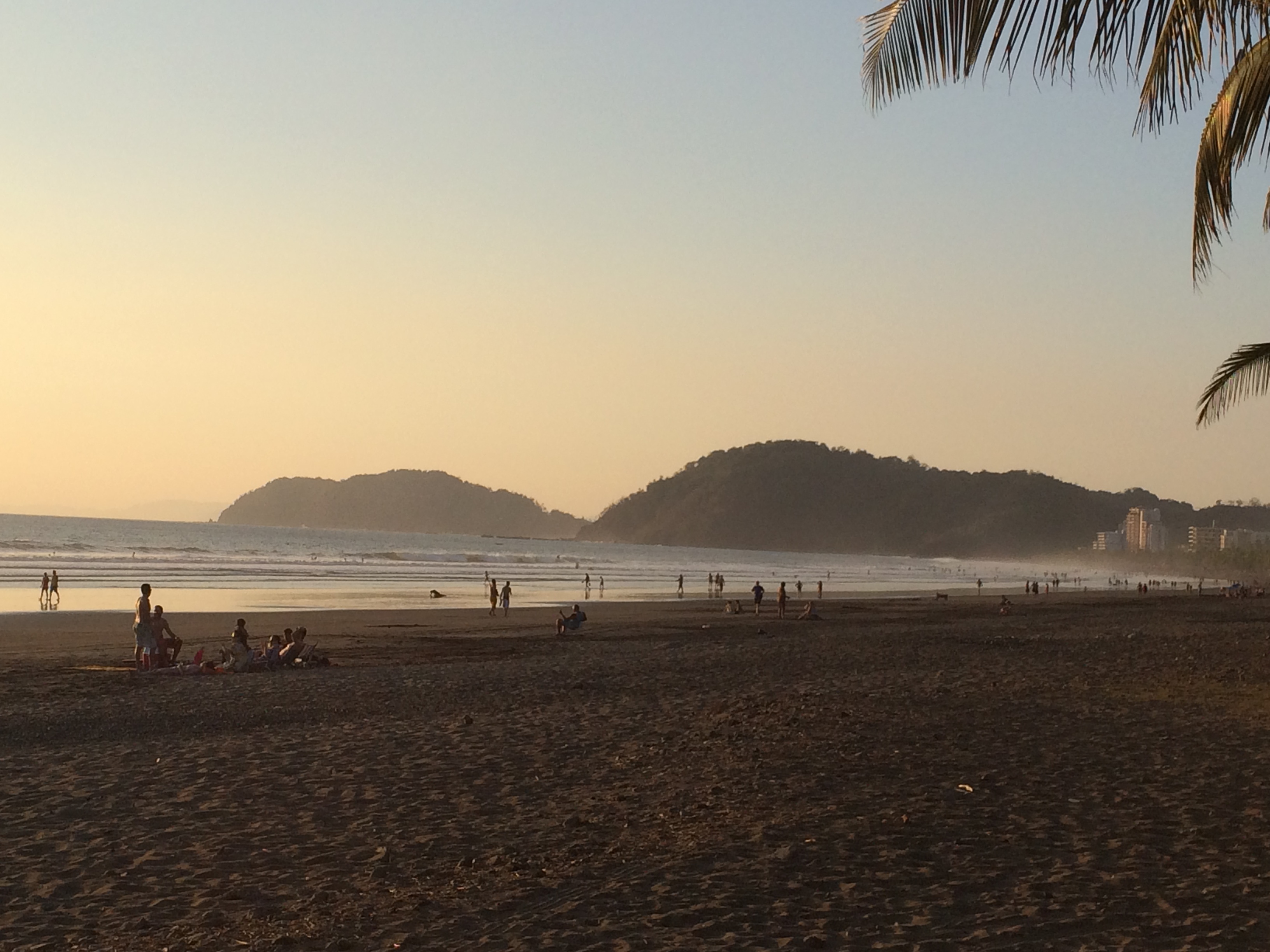
The coast is beautiful!

IMG_3406

The island in the distance is where Christopher Columbus landed, and he called the place Costa Rica (“rich coast”)

IMG_3397

We went to an indigenous community and learned how to make chocolate!

To close, I’d like to share one more story: One Monday morning, as I was walking to the bus stop, I noticed a strange-looking man out of the corner of my eye. Wanting to avoid him, I stopped at my friends’ house to wait for them to come outside (as usual) and made sure I just knocked and looked straight ahead at their door. Suddenly I sensed someone right behind me, so I turned around. Standing about two feet away from me was your classic picture of a homeless person. He was hunched over, dressed in rags, had unkempt hair, and was missing an arm. He just stared at me and held out his hand, which contained a coin. In that moment, I was terrified. I just stared at him wide-eyed and then quickly walked away. I live in a gated community, so I walked toward the security guards standing nearby. They saw what had happened and could tell I was scared, but all I could make out from what they said to me was “Tranquila!” (Don’t worry about it). The man was gone, so I walked back toward the bus stop, still shaking. I’ve never seen him again.

Upon further reflection of the situation, I wondered: Why was I so scared? I had the upper hand in the situation.   I was standing at my friends’ house (who would come outside any minute), within earshot of two security guards whom I know personally. I had a backpack full of books, two cell phones, four limbs, not to mention a blue passport to my name. What could he possibly have done? This man had nothing. Yet all I could do was look at him in sheer terror and walk away.

My challenge to myself is to stop being scared. To stop assuming and start listening. People are a lot more than we think they are, so let’s take the time to get to know them and hear their stories before making surface-level assumptions.


Weekend in the Mountains

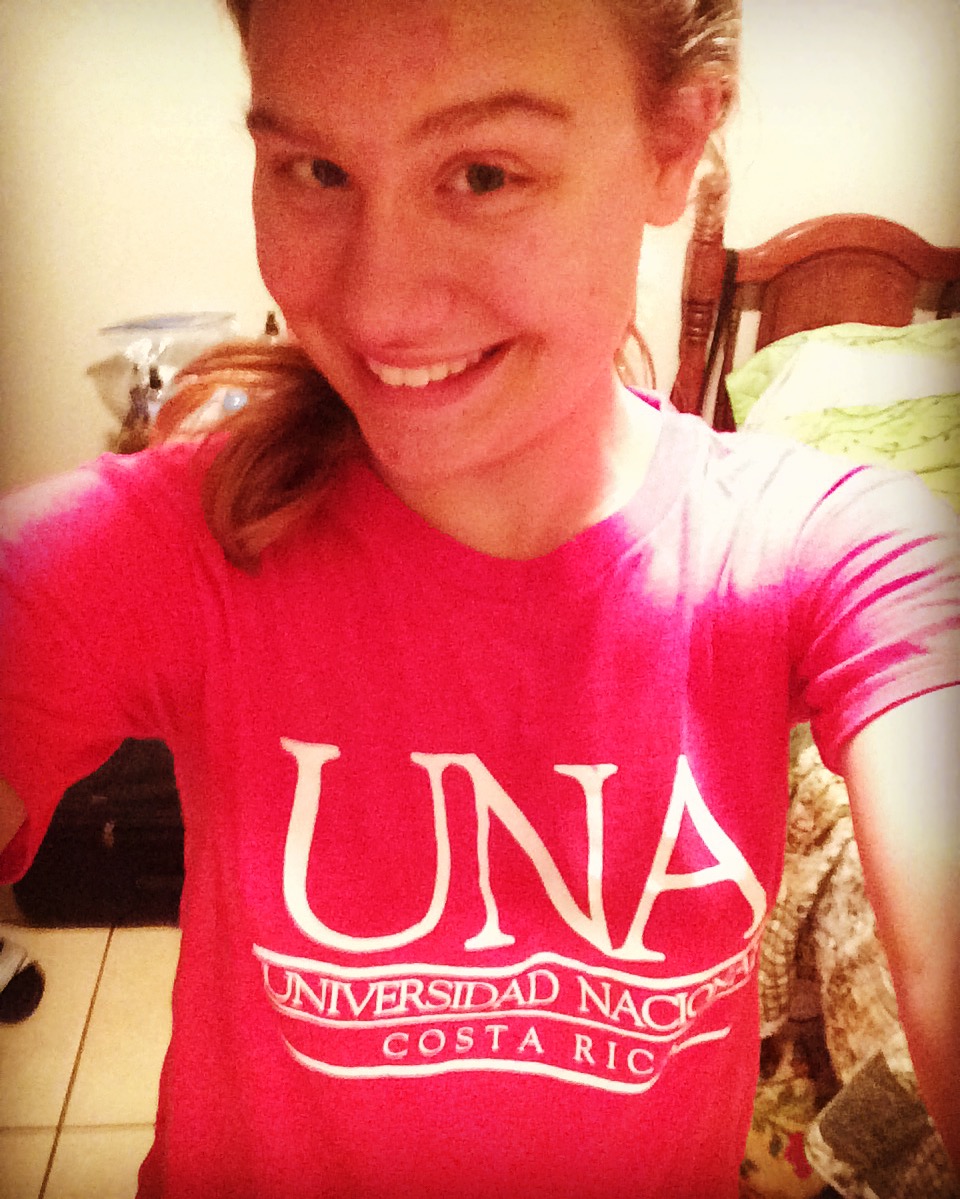
My third week in Costa Rica was quite busy, with the beginning of Spanish classes at the Universidad Nacional, or UNA. Since we’re packing six credits into five weeks, we have to go for four hours every Monday, Tuesday, Thursday, and Friday, as well as two hours on Wednesday. Our professor is wonderful and incredibly enthusiastic, so four hours often flies by with only five of us in a class with her. On Tuesdays, Wednesdays, and Thursdays we also have a class with Heidi (our resident director), which often includes field trips, so this third week was very tiring! However, at the end we got to relax and have fun with a weekend trip to Savegre mountain reserve.

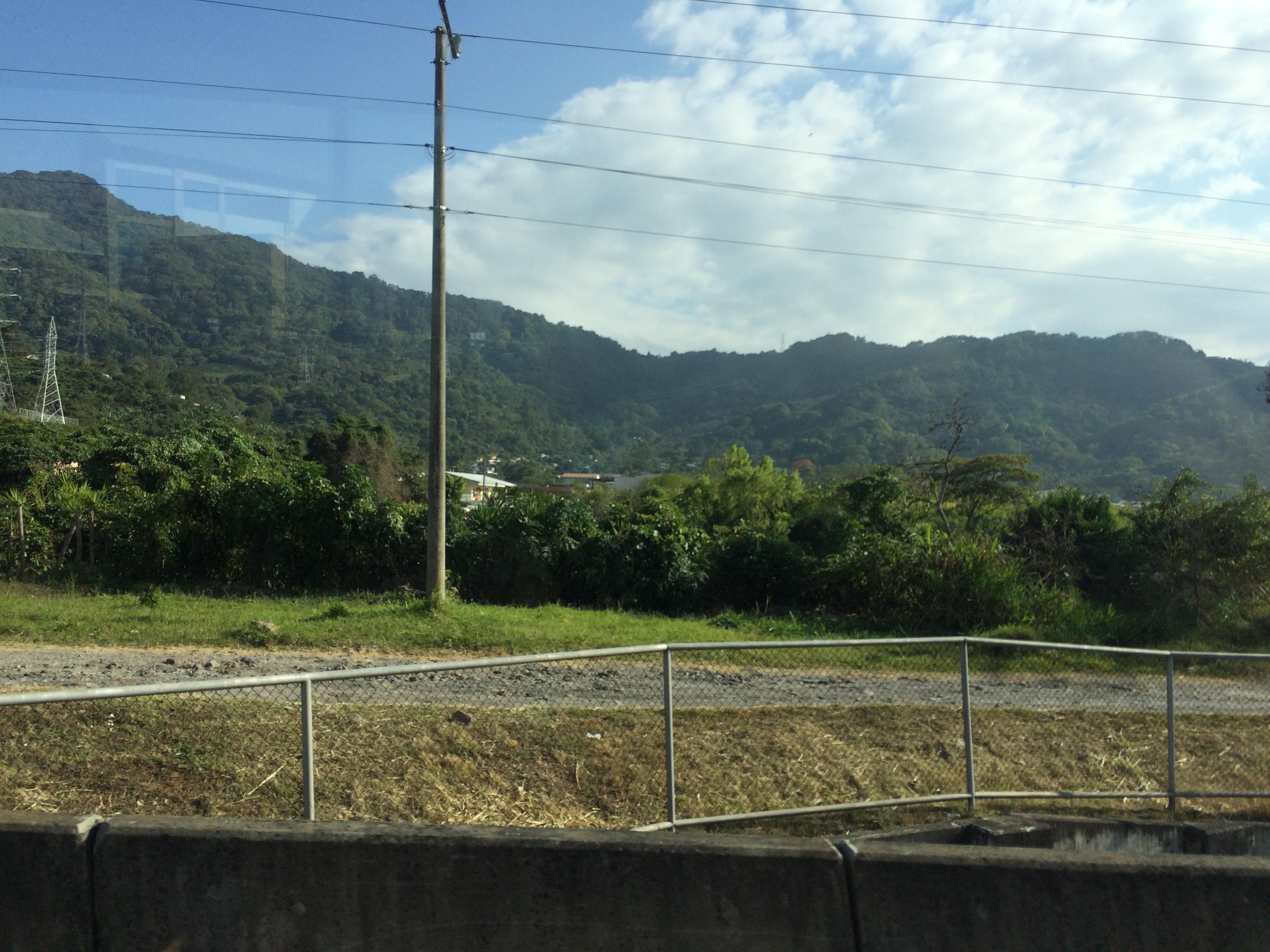
One of my favorite parts about going to the mountains is the ride there. Sitting on a bus for 2+ hours of less than smooth riding may be a struggle for some people, but with a window seat and my headphones in, I am a happy camper. The views are absolutely breathtaking.

IMG_3199


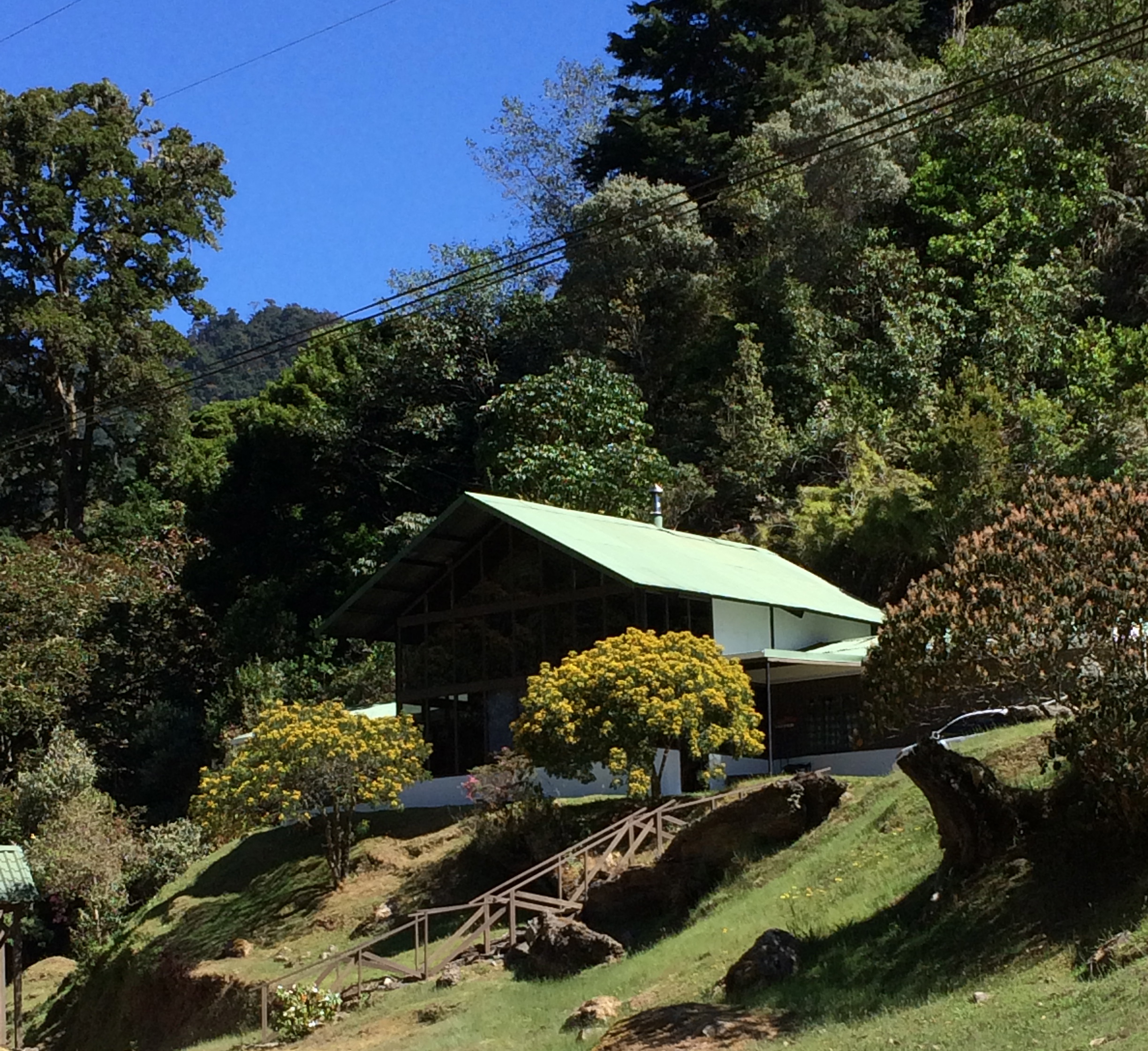
Once we got to our cabin, one the first things we realized was that it was cold. Not nearly as cold as Valpo right now (so I guess we shouldn’t have been complaining), but when you sign up for a semester in Costa Rica, that’s not something you expect!   We still had a fun night relaxing in the cabin and meeting some new people that came on the trip with us, many of whom only spoke Spanish.

IMG_3246

Our lovely little home for the weekend!

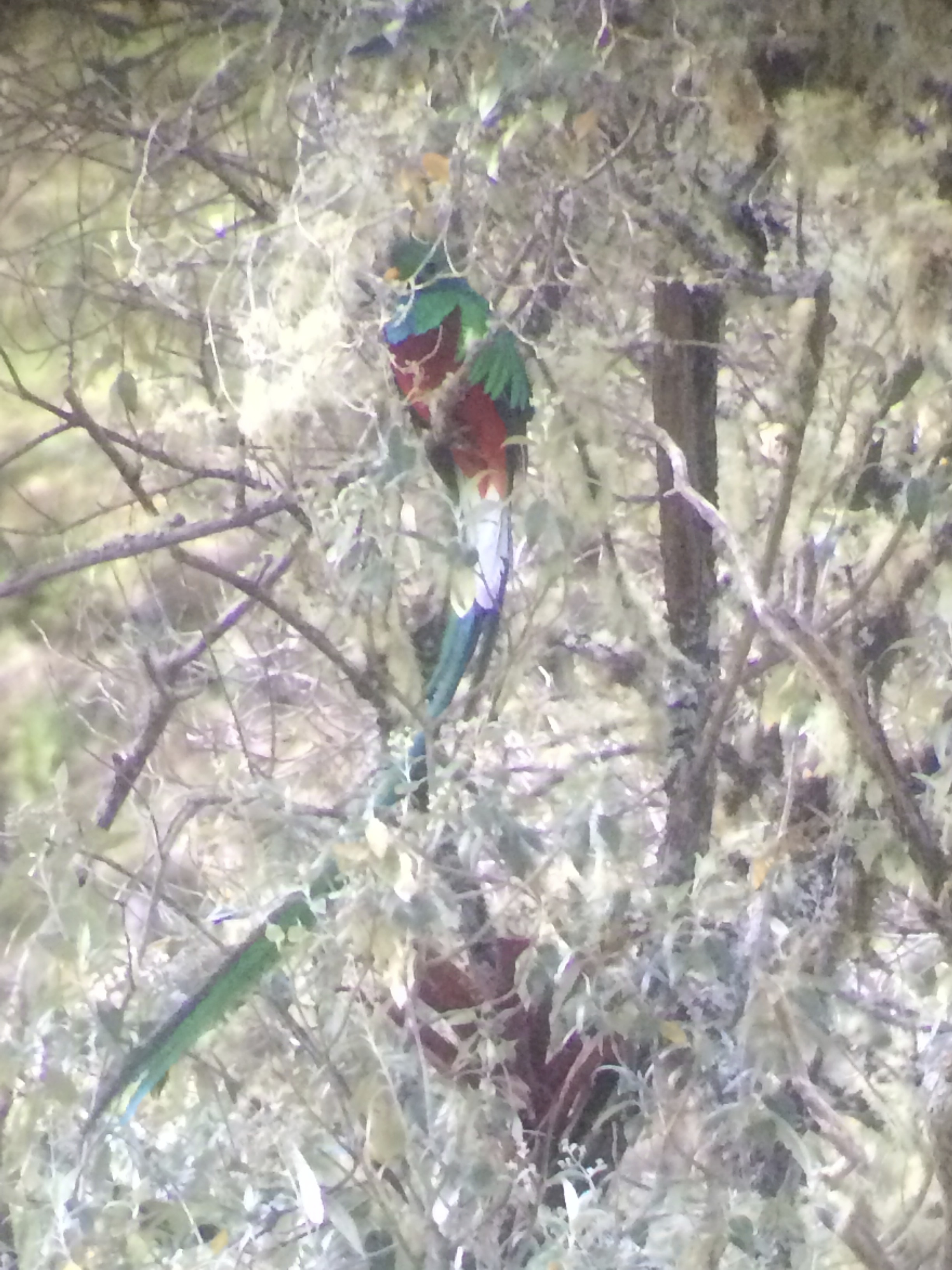
The next morning started bright and early, with a bird watching hike at 5:30 am! After our long week of classes we were less than thrilled to be waking up at this hour, but we got to see an extremely rare bird, the quetzal. This bird can only be found in Central America, and our tour guide knew the exact spot to go so we would be able to see it. Maybe the early morning was worth it after all!

IMG_3207

Taken through our tour guide’s binoculars.   This bird is gorgeous!


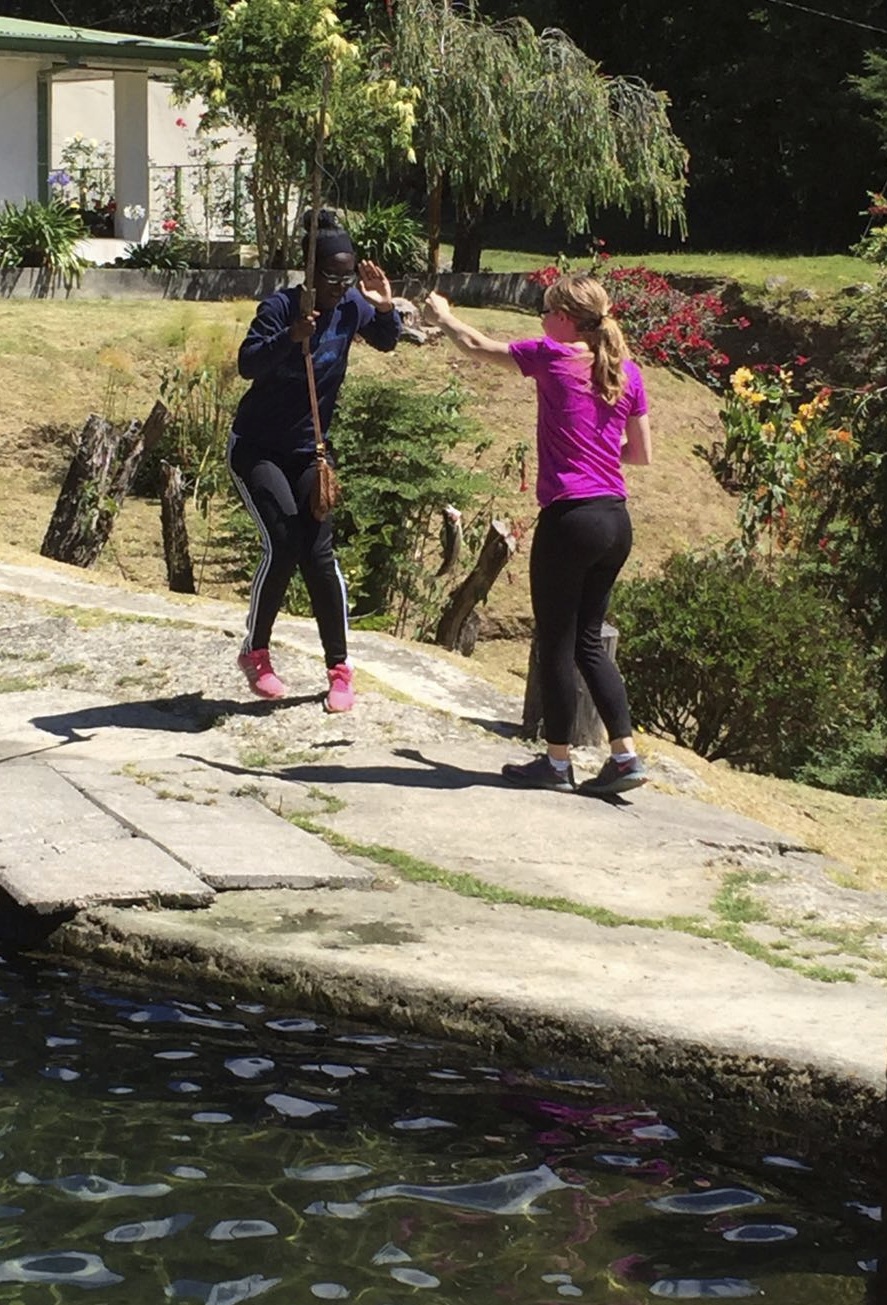
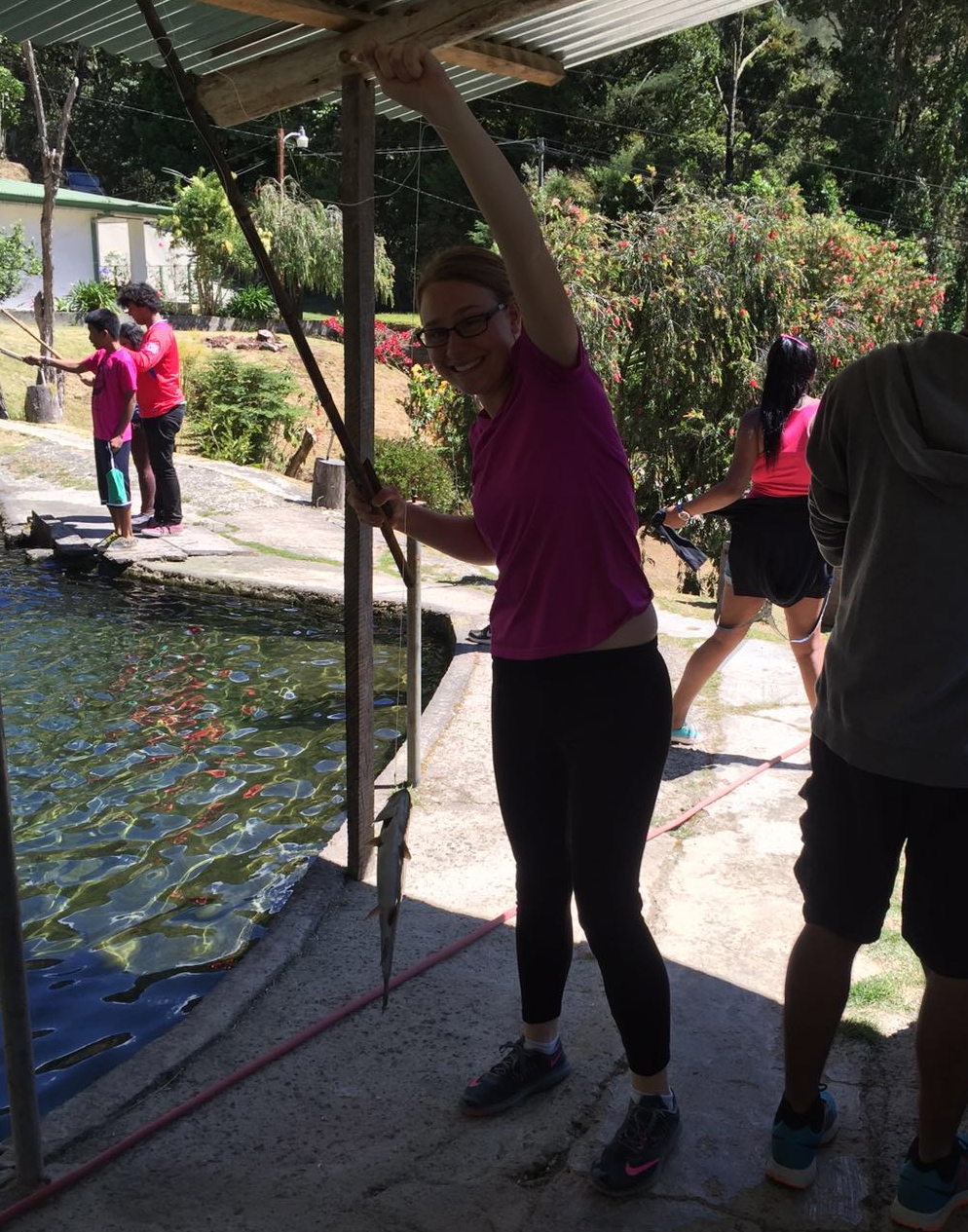
After breakfast and a couple hours to relax and explore, our group went fishing for our lunch. Yes, you read that right—we fished for our lunch. I couldn’t believe it when I first heard, because I have never even held a fishing pole, much less eaten something I caught myself. It turned out to be a really fun time, and the trout tasted pretty good (to me at least)!

IMG_3276

Eboni got one!  Catching a fish for the first time is a little intimidating, so often getting it off the pole is a two person effort

IMG_3278

“I’m really excited about this, but please hurry up and take the picture so I can get rid of it!”

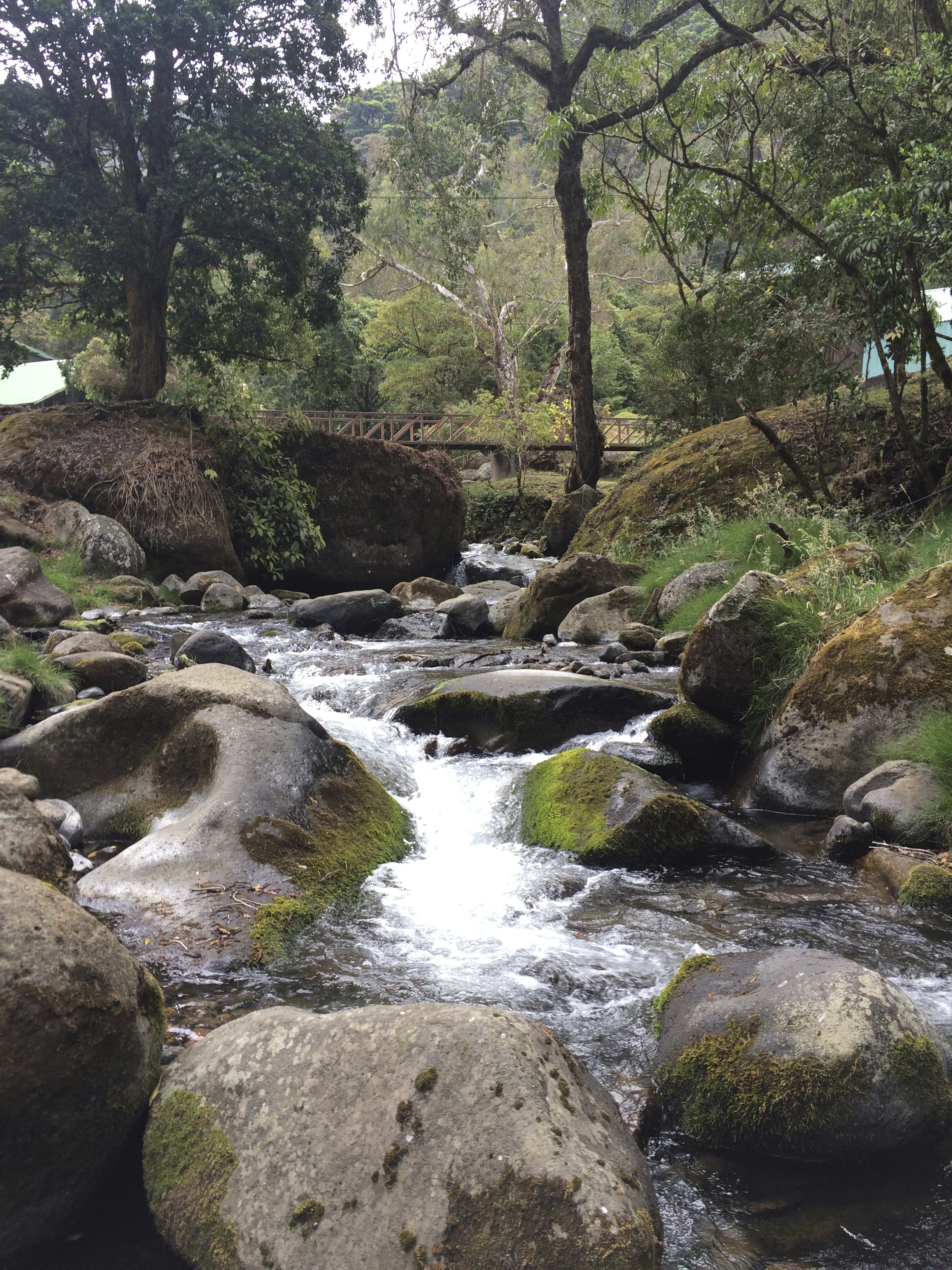
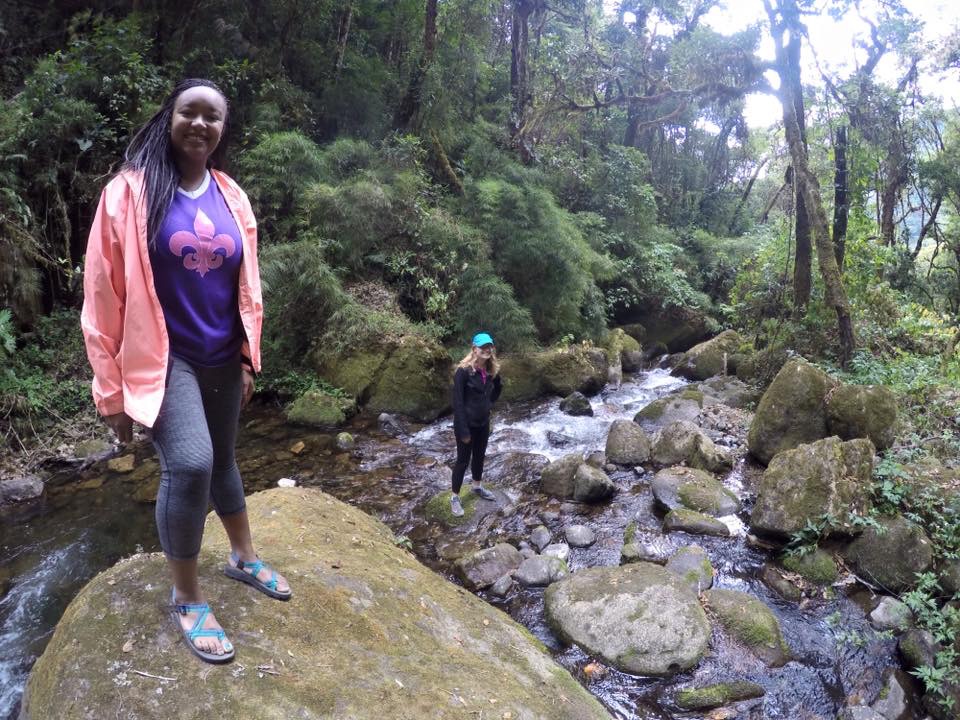
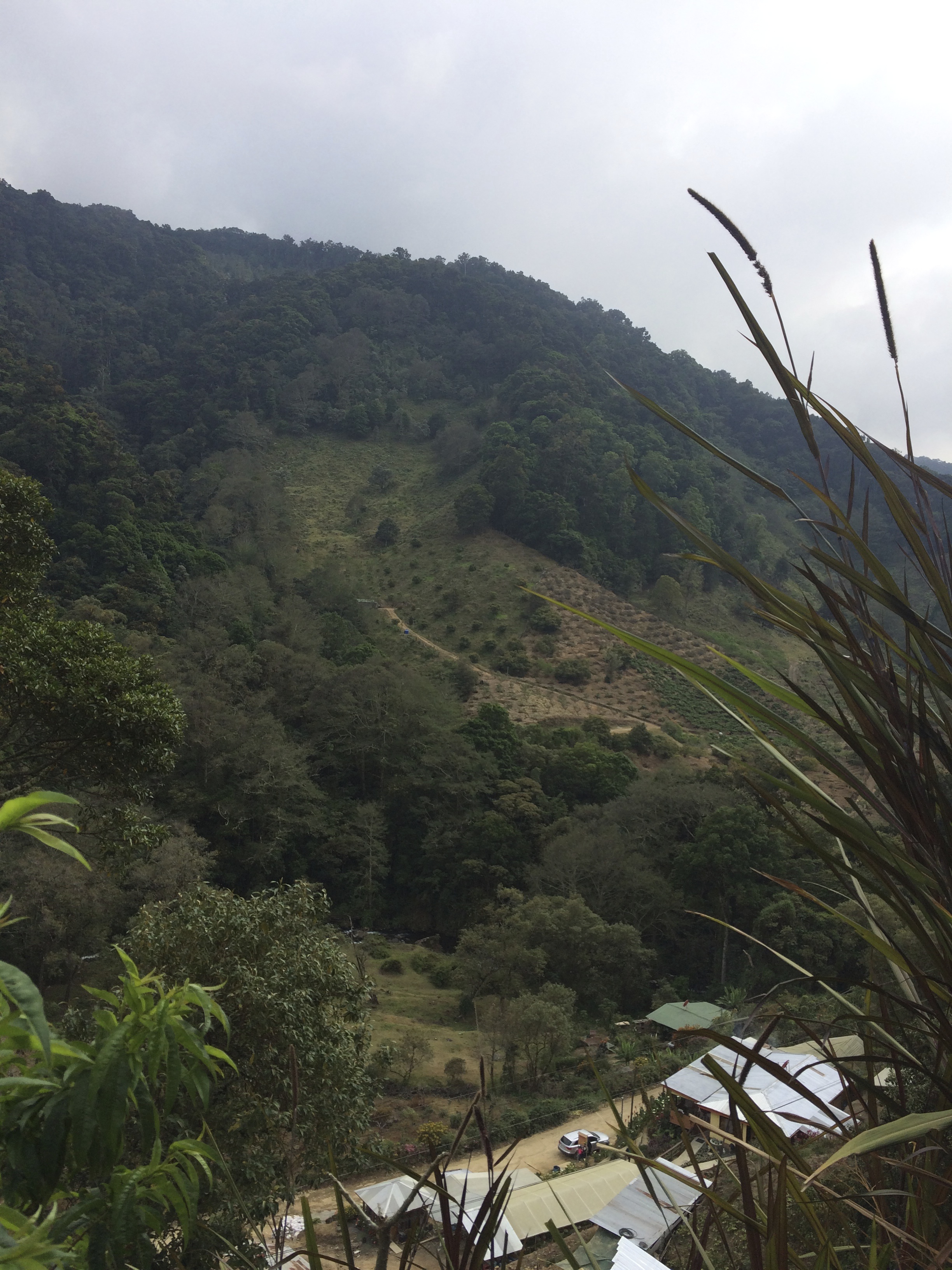
After lunch, we decided to go hiking. We got some exercise in while coming across incredibly gorgeous views!

IMG_3252

IMG_3283

Betsy and I taking the “risk” of climbing slippery rocks

IMG_3261

IMG_3264

Samantha, Erica, and I felt pretty “on top of the world” after finishing our hike up the mountain!

The rest of the day was pretty free, but we had a lot of fun hanging out both with the other students and with new friends on the trip. We got to practice our Spanish with the Spanish speakers, but still had the comfort of our friends and fellow English speakers around. That night, I also went outside and saw more stars than I had ever seen in my life. Although it was cold out, the sight was incredible.

The next morning brought on our next and final adventure for the weekend: horseback riding! I have never ridden a horse before, so it was another completely new experience for me. It was a little scary but also a lot of fun, and we got to ride through the mountains and streams for about two hours. It was lovely until the horses got to the end and started running! We were all very sore from it the next day, but it was a great time. There was also a running joke about my horse being the “rude horse” because for some reason he kept snubbing the other ones and trying to push in front of them! Qué vacilón!*

IMG_3274

My horse!

After a full weekend, we returned to our homes in Heredia. The third week was a bit overwhelming with the sudden course load, but the weekend was a wonderful reminder of the beauty of this country. Looking around at the mountains or down at the streams or up at the stars never fails to amaze me. Tranquila.**

IMG_3284


*One of our professor’s favorite phrases, which means “how fun/funny!”

**My favorite colloquial phrase so far, used to mean a number of things such as, “Chill out/everything’s okay/no big deal/don’t worry about it/calm down.”

Culture Shock in Costa Rica

“Culture shock” is one of those big, scary terms that people throw around whenever they talk about going to a foreign country. They make it sound like the second you get off the plane, you will get hit in the face with so many new things you won’t even know how to function. Before the study abroad students left for our various adventures, the Valpo study abroad staff prepped us extensively for dealing with this phenomenon, but no amount of advice could have really prepared me for one of the strangest and most disorienting weeks of my life.

Saying that culture shock includes not being able to function because of all the changes is a bit extreme, but when I arrived in Costa Rica with five other Valpo students,  I definitely felt like I was instantly hit with a completely new way of life (not to mention a new language). Here are some things I’ve learned in my first week in Heredia, Costa Rica:


  1. It’s HOT. This might go without saying, but when you go from a Midwest winter to a Central American summer, it’s a really big shock to your body. Staying hydrated is essential, and it often feels like you have to constantly drink water. After a couple days, though, we all have been enjoying the warm weather and sunshine!

IMG_2458

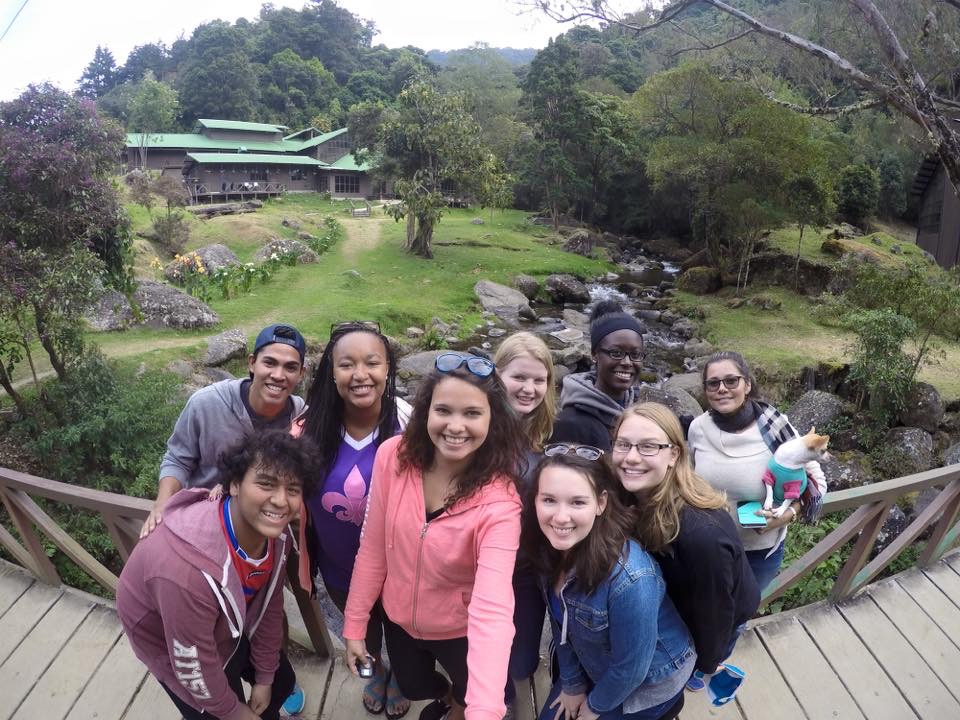
Our whole group enjoying the sunshine on a trip to San Jose (the capital city) with our director, Heidi.  This was taken in front of one of many colorful murals found in the city.

  1. Stay clean. Contrary to what some people from the United States might believe, Costa Rica is actually a fairly rich country, and its people pride themselves on their exceptional healthcare and cleanliness. Since it’s so hot all the time, people are always making sure they stay clean and fresh, sometimes even taking two showers a day. My host mom keeps her house especially spotless. She is very particular about certain things—like me making my bed and opening the curtains in the morning. It’s also important to always wear shoes in the house!  Going barefoot is seen as bad hygiene.
  1. Ticos. Costa Ricans have acquired the nickname “Ticos,” and they often have their own way of speaking. They like to add “-ita” and “-illa” to the ends of their words (my host mom does this all the time!), so even if you’ve studied Spanish before you have to pay close attention! A few other phrases we have learned are “Que chiva!” to say something is cool, “Que maje” to say “hey dude!” and the classic “pura vida” to say that life is good!
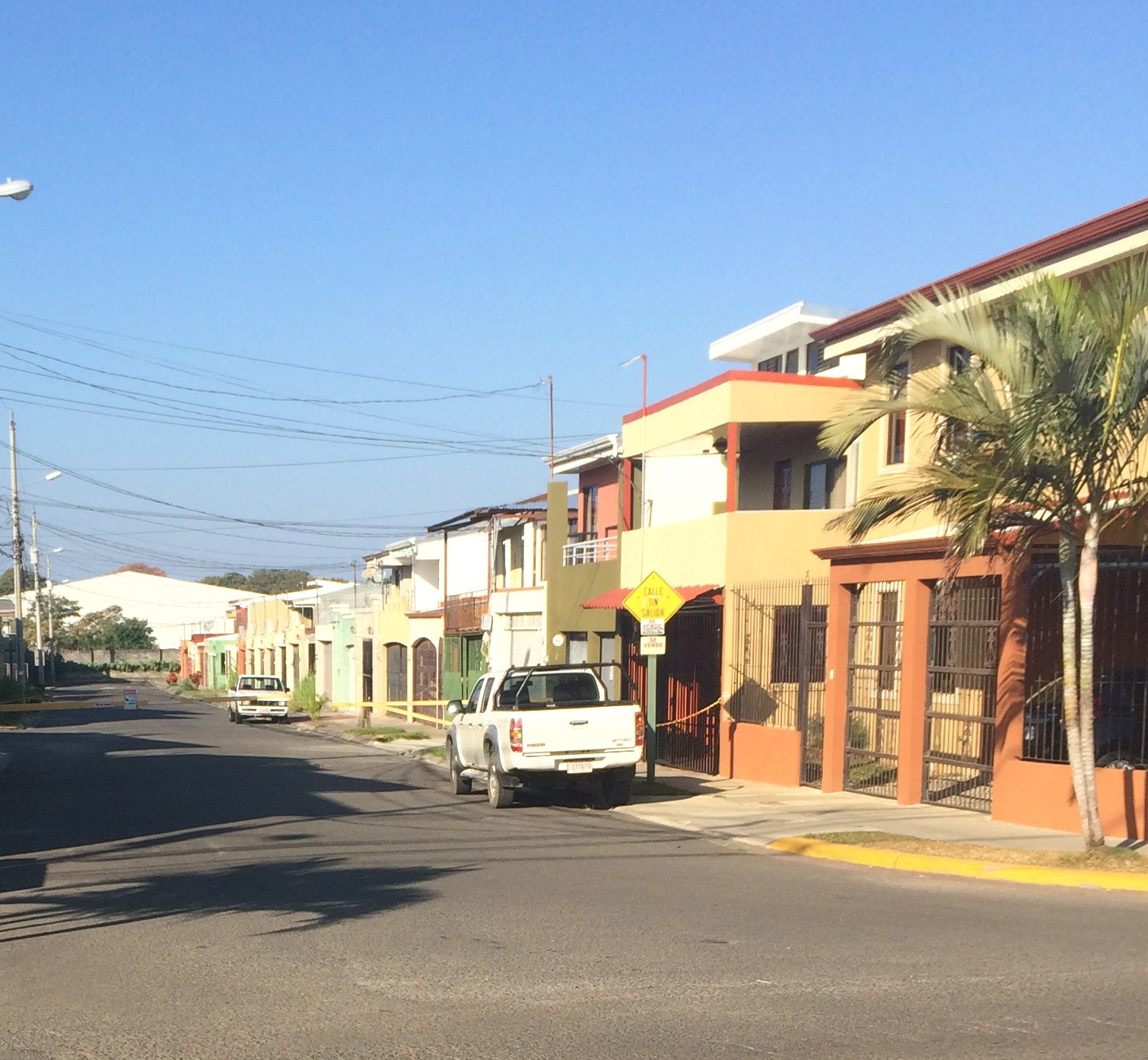
  1. Addresses are different. Typically, the streets don’t have names and the houses don’t have numbers, so in order to find out where something is you have to use landmarks. However, Ticos are very friendly and willing to help you get where you need to go; just ask!
  1. All the houses have bars on the front of them. No one really knows why.

Case in point:

IMG_2448

(this is a street in my neighborhood, Santa Rosa)

  1. If you look different, people will stare. I was warned about this in advance, but it is still a pretty strange feeling to have nearly everyone turn their heads when I walk by. When I was walking home from school one day, I saw a group of children riding their bikes, and every single face was a gaping stare. For a quite average looking blond-haired, blue-eyed girl from the Midwest, this is a very new thing for me!
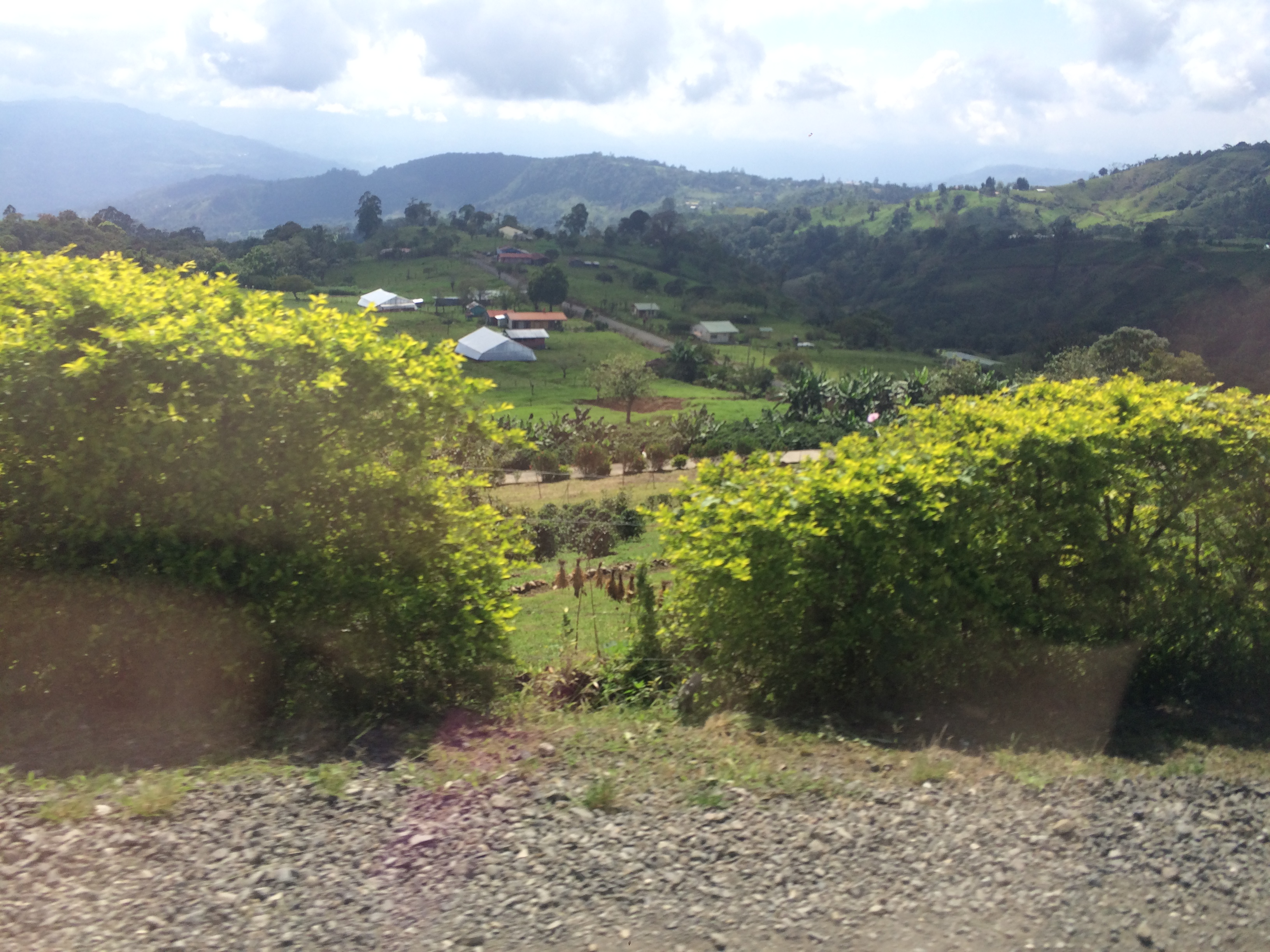
  1. It’s beautiful. In every direction, mountains are on the horizon. The houses are brightly colored. The food is delicious, and our host families never fail to offer us copious amounts of it. Coffee every morning is a must. The women buy fresh fruits and vegetables at the local market (La Feria), and then many make fresh fruit drinks with it (my host mom has made me a variety already!). So far, every day has been bright and sunny. Spanish music is nearly always playing in the background at my house. Our host families have taught us how to dance. Miscommunication with our host families is frustrating, but it leads to some hilarious stories. We’ve only been here for a week, but our Spanish has already improved.

IMG_2416

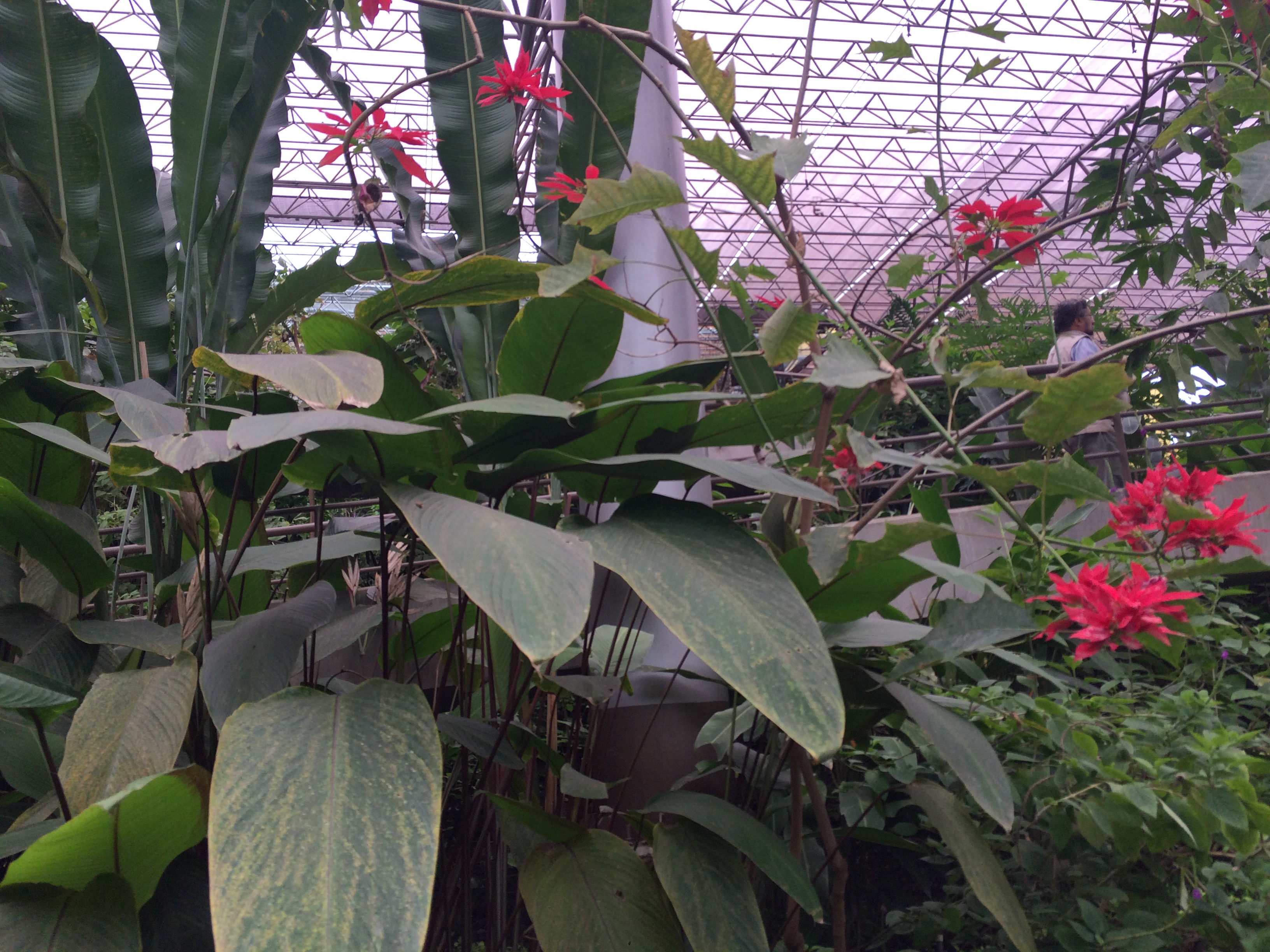
The butterfly garden at el Museo Nacional (National Museum)


IMG_2468


Our trip to Guayabo National Monument in the mountains


Although I’ve been out of the country before, I have never experienced culture shock to the extent that I have here. Maybe it’s the language. Maybe it’s the time frame. Maybe it’s the country. Whatever it is, I know deep down that I’m learning. I’m learning in a completely different way than I could at a classroom at Valpo. I keep reminding myself to be patient and take things one day at a time. Because here in Costa Rica, every day is a new adventure. Pura vida.

Meeting Up In Another Country

This past weekend, my parents came to visit me in Costa Rica.  It was a great experience, but also a strange one.  It was like my two worlds collided, but luckily they got along well.

IMG_5252

First, I showed them around San Jose and Heredia, the cities where I have spent most of my time here.  They enjoyed getting to see my university and meeting my host parents and coworkers.

P1030040

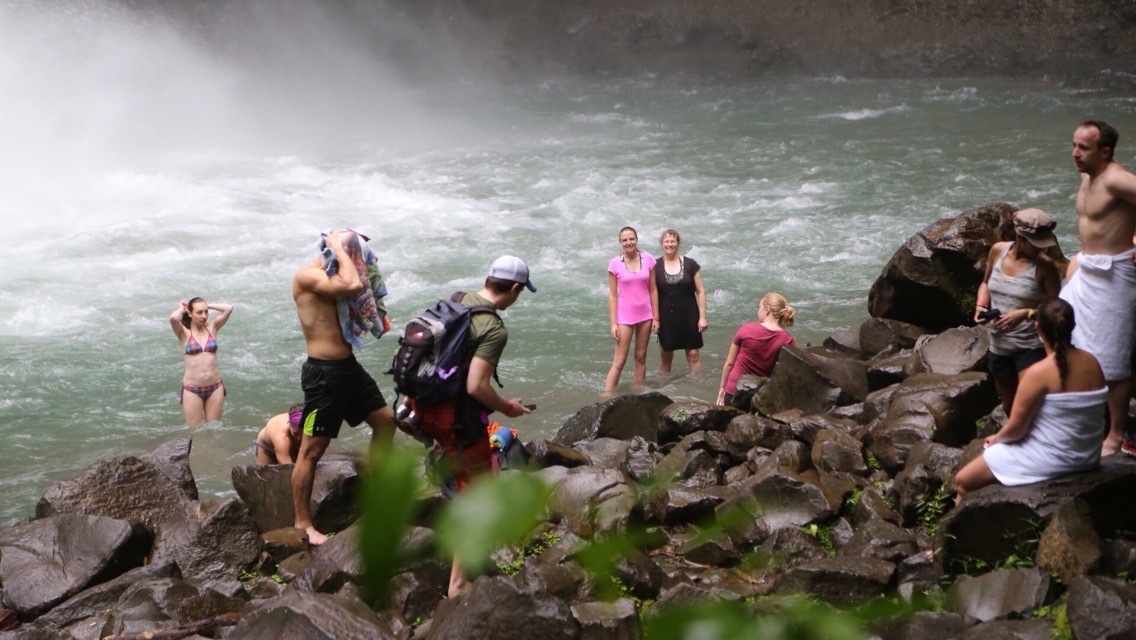
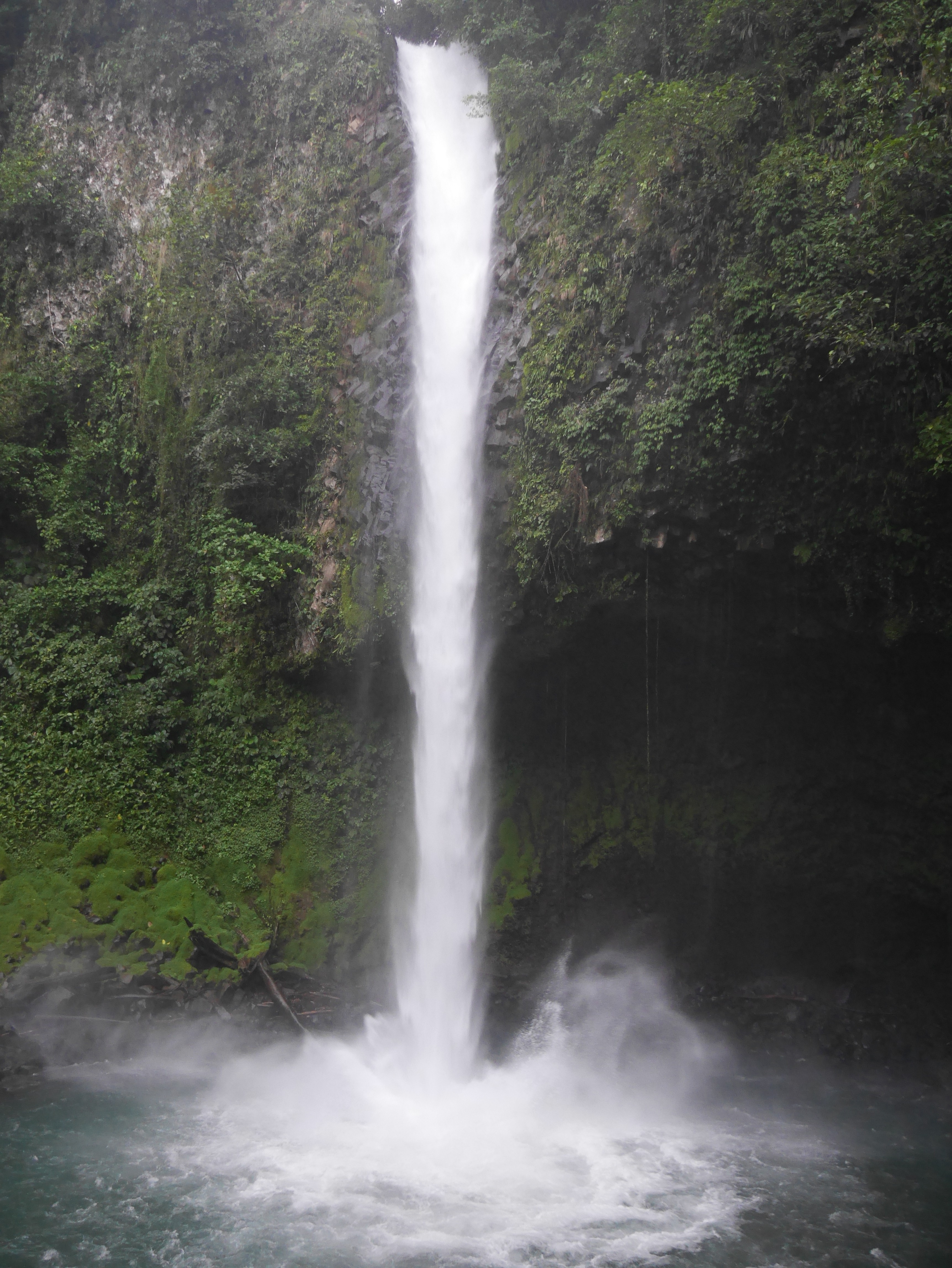
Over the weekend, we went to La Fortuna, a place known for its cataratas (waterfalls) and aguas termales (hot springs).  The waterfall was absolutely beautiful!

mom and me

Just to show the size of the waterfall, here is a photo of my mom and I enjoying the mist.  My dad didn’t want to get wet, so he took the picture from a safe distance.  Can you find us?

P1030039

The hike to the falls wasn’t that far, but we had to go over bridges and climb up 502 steps on the way back.  Talk about a good workout! And there’s my dad representing the Crusaders!

P1030050

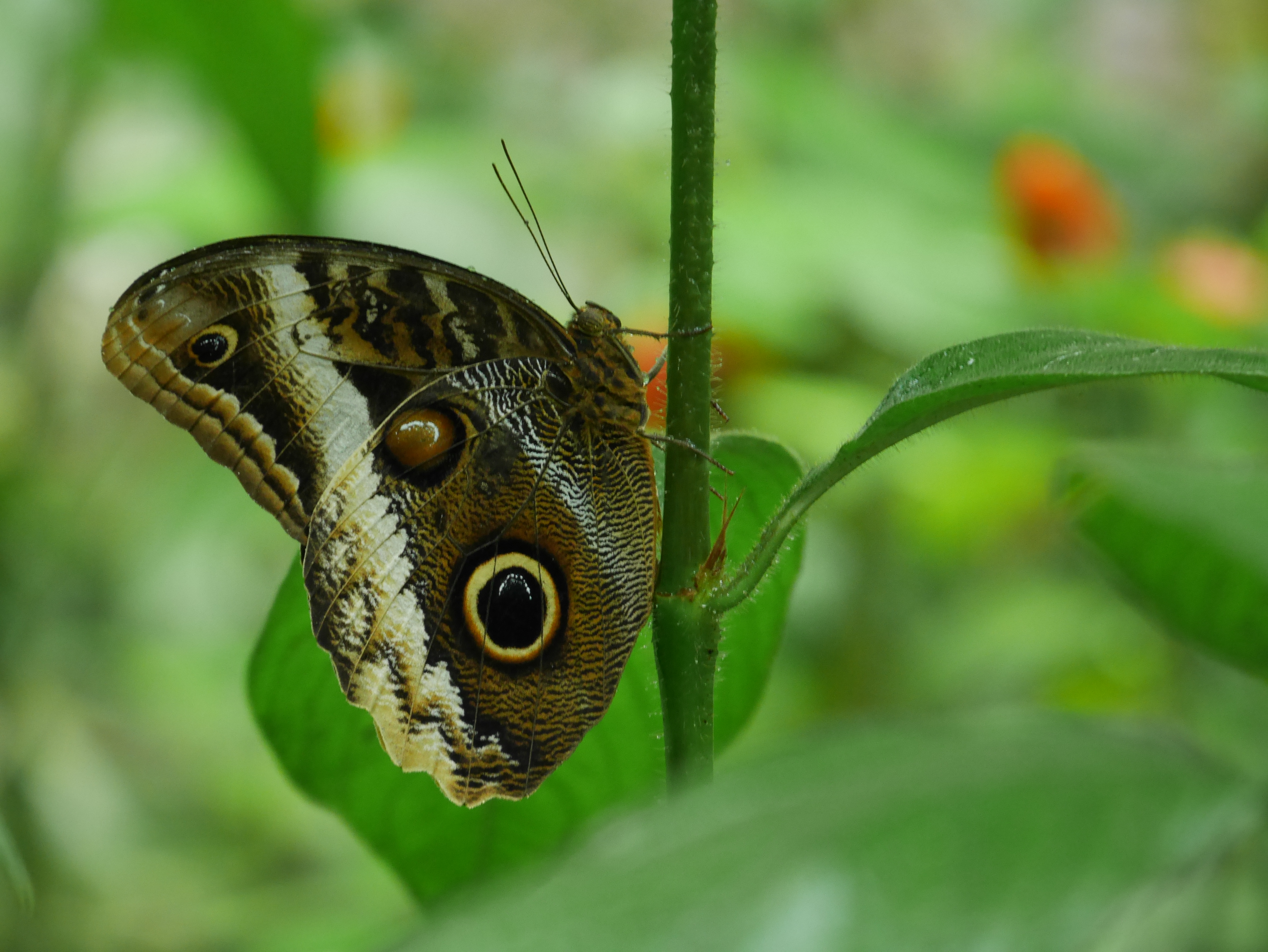
While we were in La Fortuna, we visited an ecological center to learn more about the flora and fauna of Costa Rica.  The butterfly in the photo above is a master of camouflage.  On the inside, this giant insect is purple and yellow, but from the outside, all you can see is brown.  Can you find the owl and the snake head?

P1030043

One of my personal favorite sights was this red-eyed tree frog.  We were lucky to see this one; they are nocturnal so normally they are up in the tops of the trees during the day.

P1030061

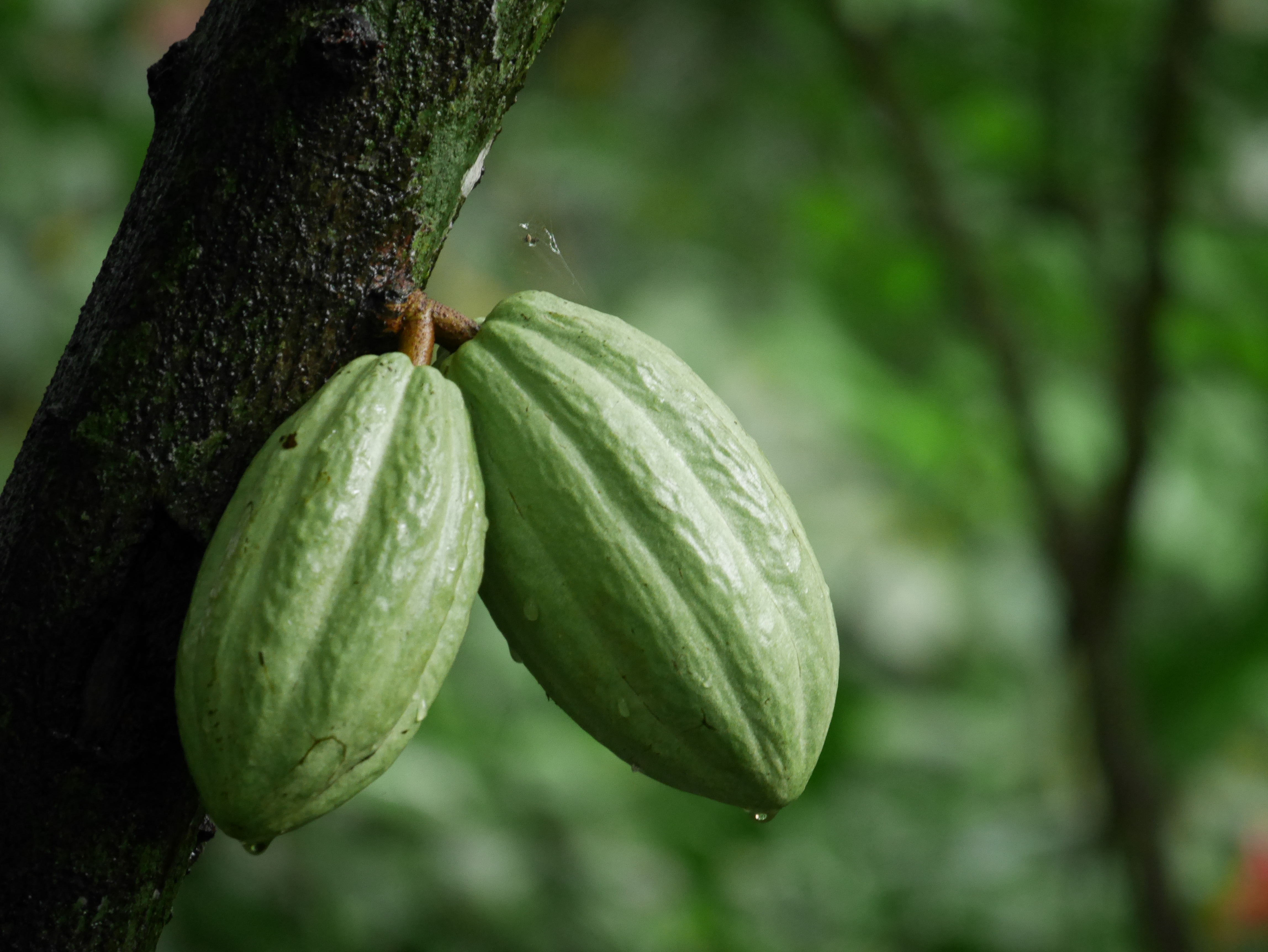
I know I already posted a photo of cacao, but here’s another one in honor of my mom, who loves chocolate.  I still find it hard to believe that it grows like this!

P1030063

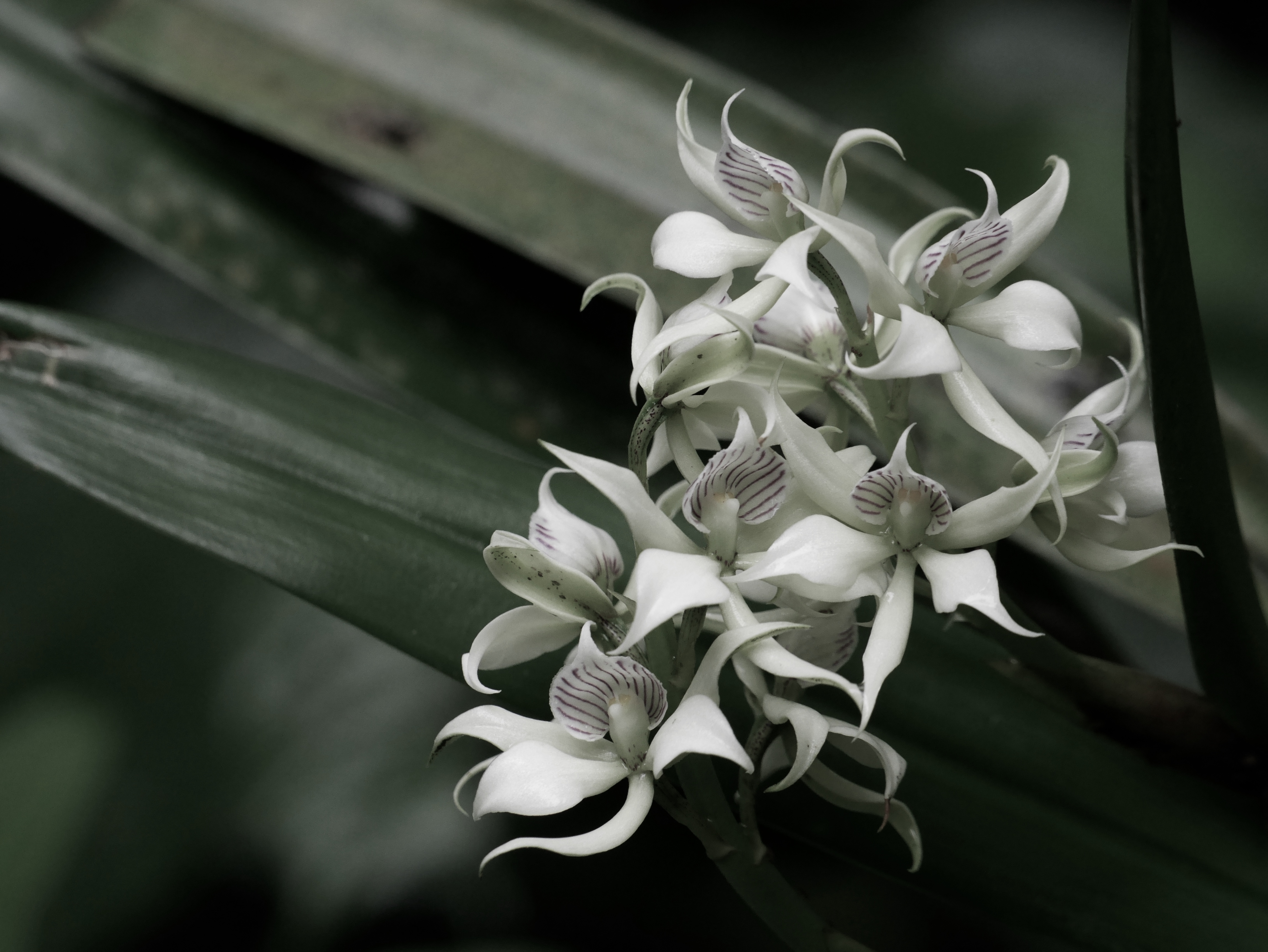
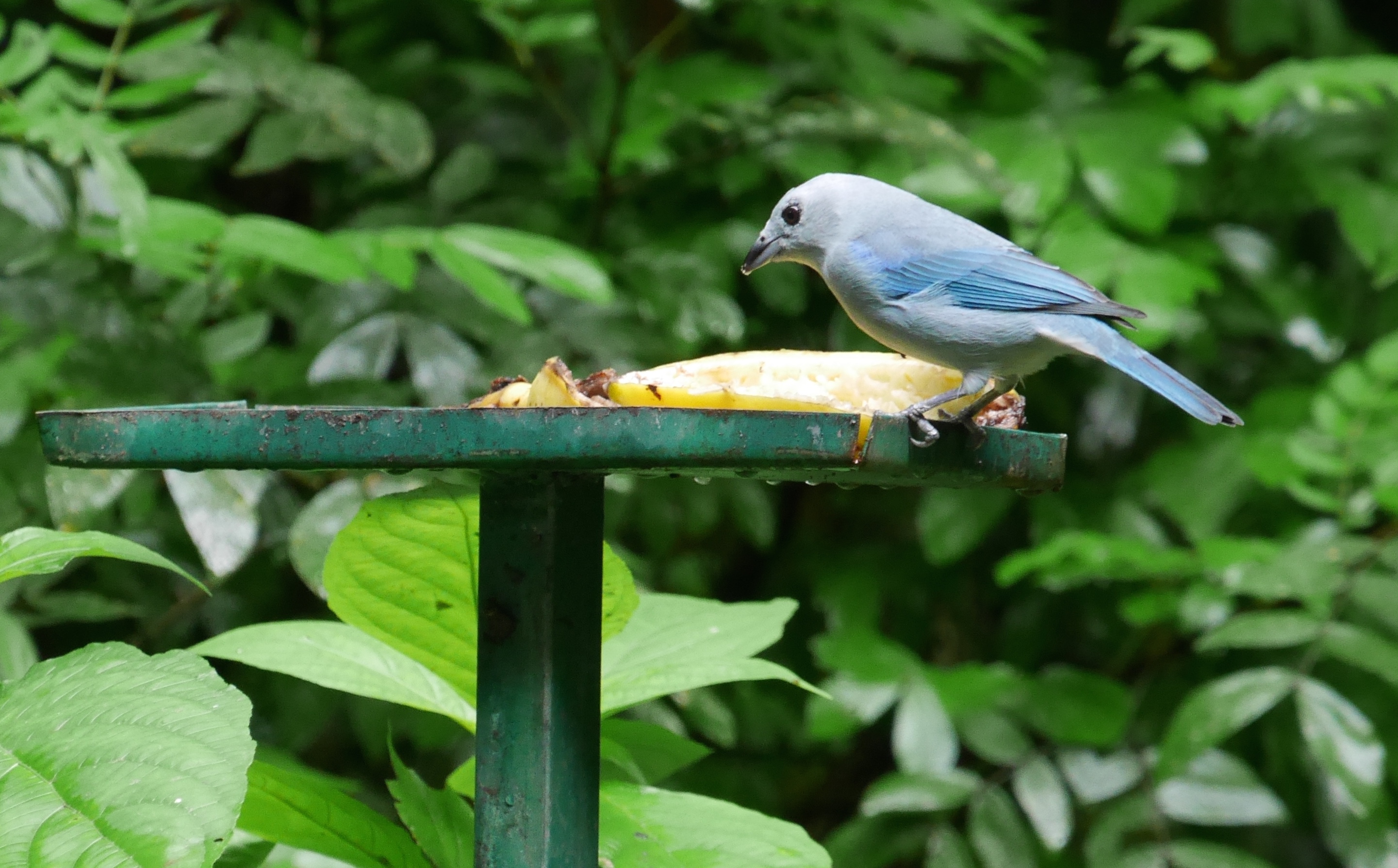
The variety of plant and animal life in the rainforest is simply astounding.  Above is a gorgeous photo of an orchid, and below is a beautiful bird who posed nicely as he stopped for a snack.

P1030089

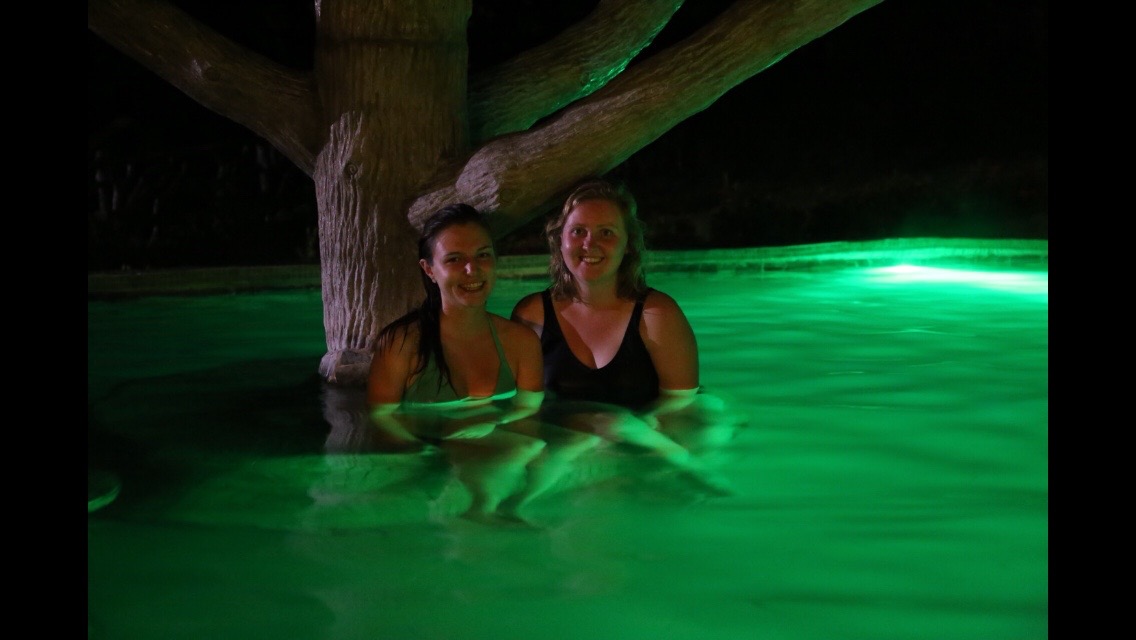
Of course, we also took some time to relax in the hot springs.  Below, Sarah and I are in a hot tub the size of a pool; it had a water slide and everything!

IMG_5249

My parents’ trip to Costa Rica was brief, but I think they enjoyed it.  Maybe when I come back to visit my host family we can get a photo of all four of my parents together!

Traveling to Nicaragua: Managua and Granada

After spending a few days on the Island of Ometepe, we took a taxi to Managua, the capital of Nicaragua.

P1020927

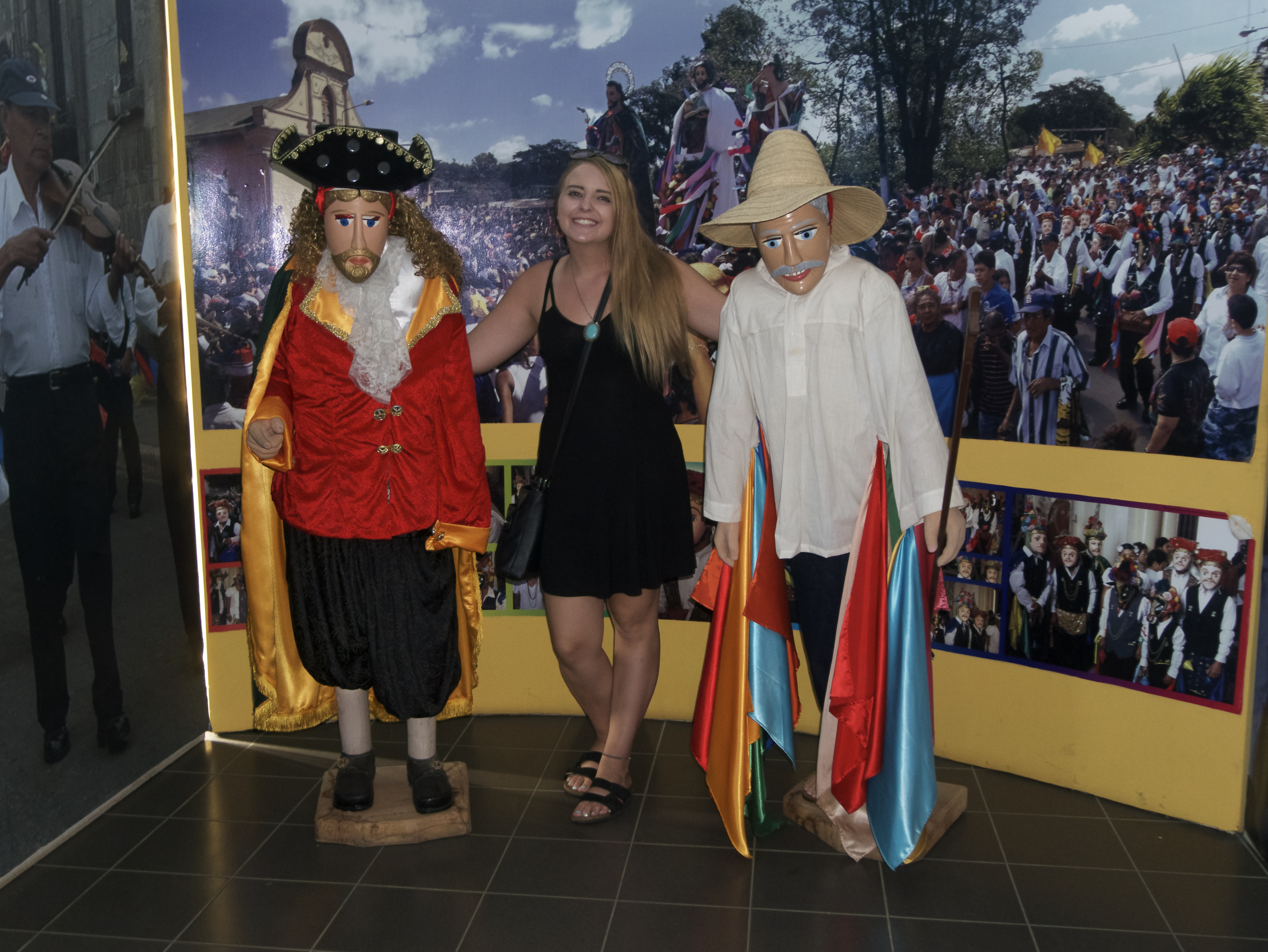
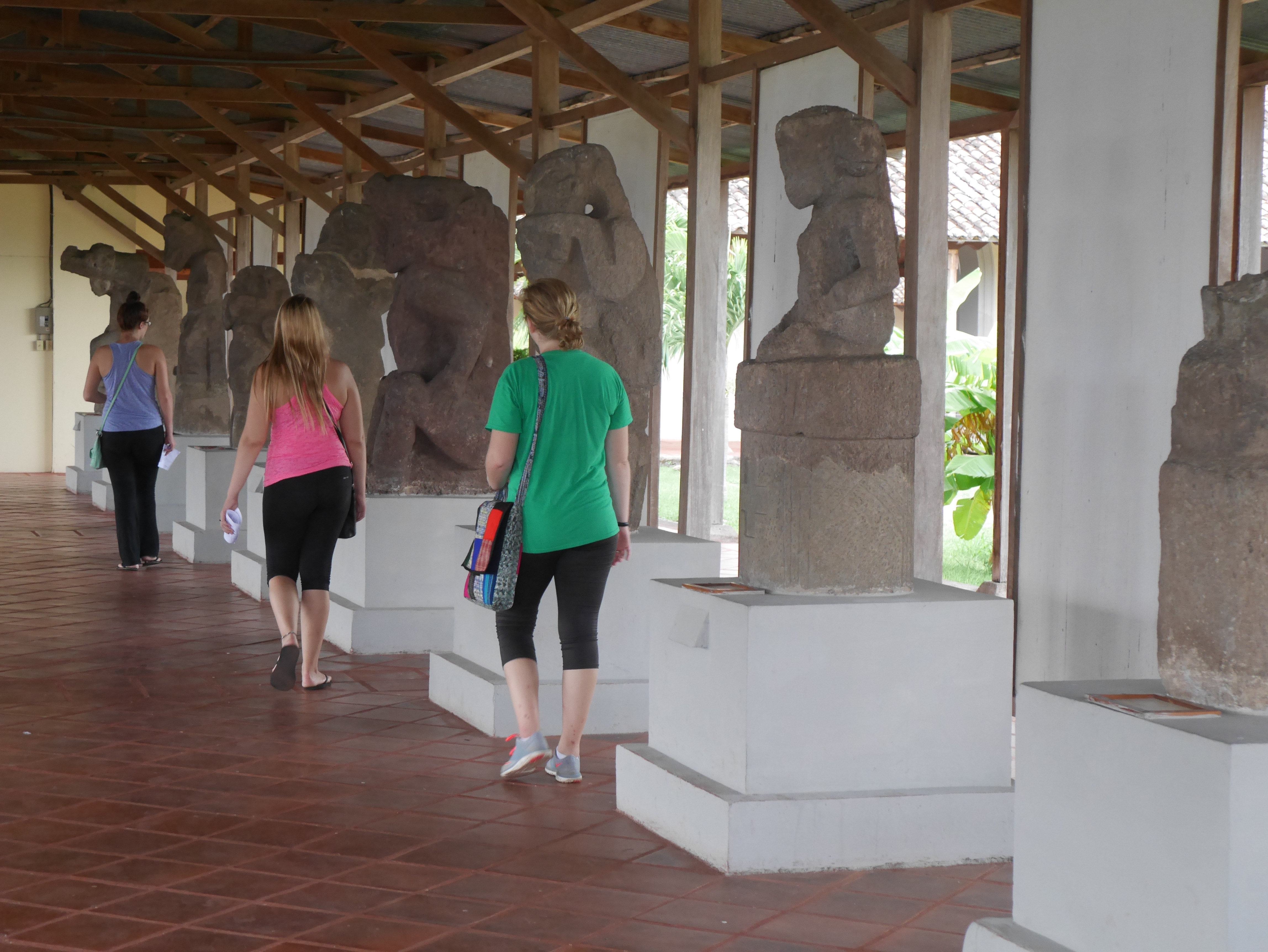
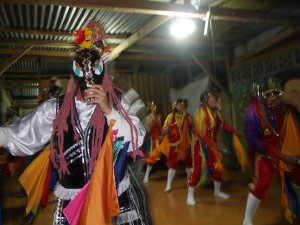
While we were there, we visited the National Museum to learn more about the history and culture of Nicaragua.  Like we learned in Ometepe, the gueguense dance is an important part of their culture.  Above, one of the Valpo students makes some new friends with traditional dancers.

P1020931

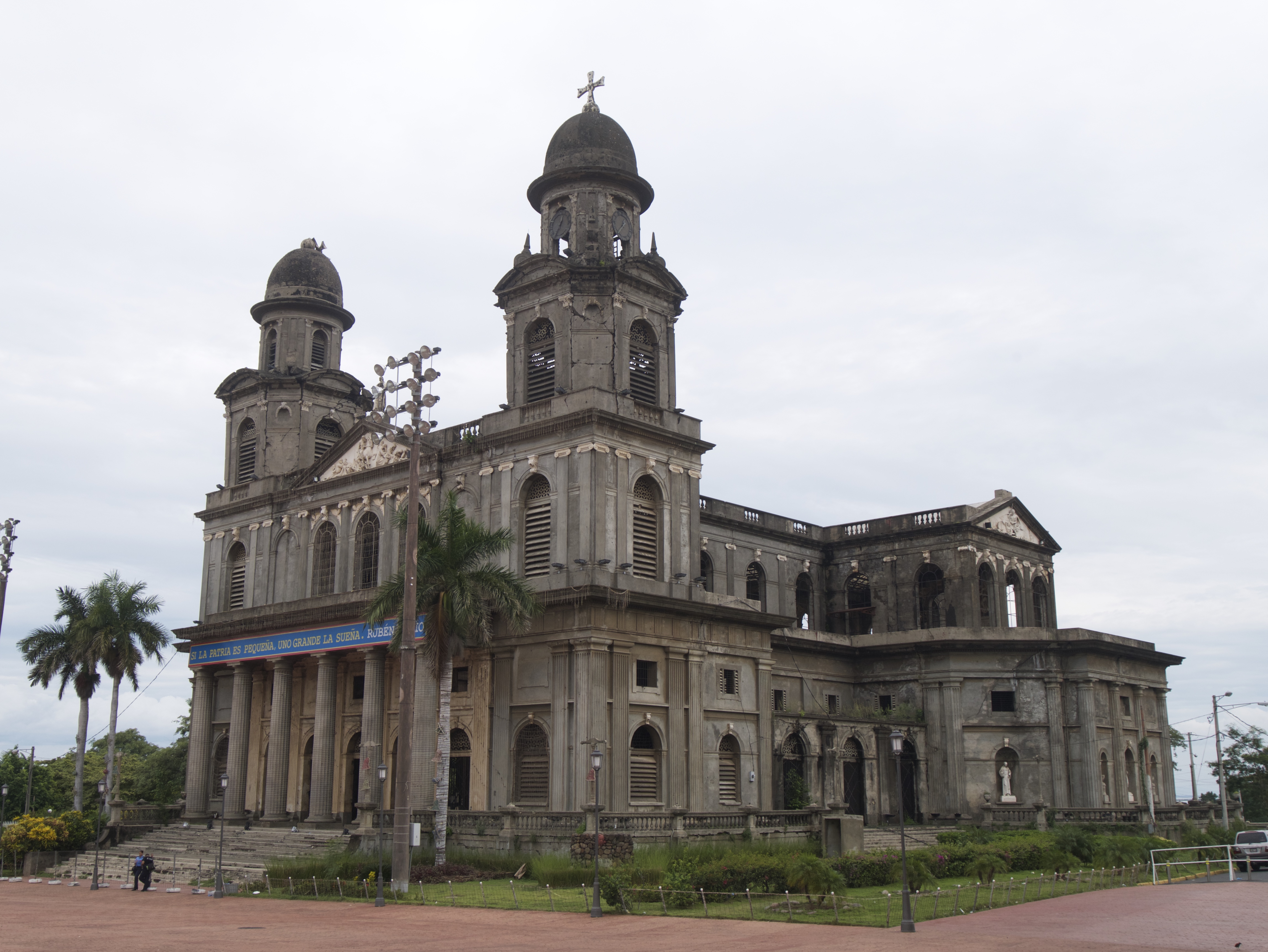
Nicaragua’s history is very different from that of Costa Rica, so it was interesting to see the differences between the two countries.  The cathedral above is no longer in use because of an earthquake that occurred in 1972.

P1020950

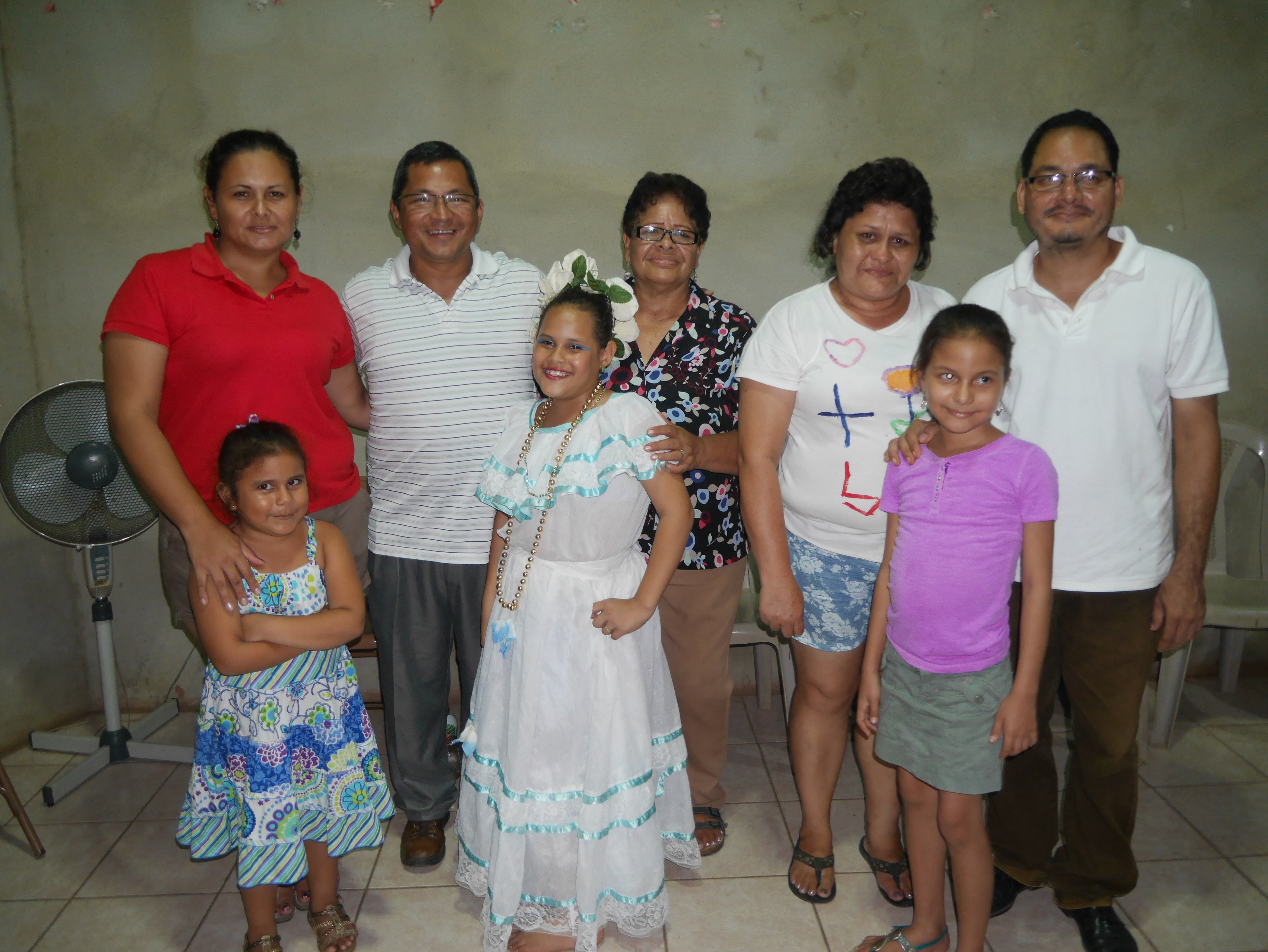
Even though Nicaragua has faced some challenges in recent decades, the people there are every bit as friendly as Costa Ricans.  Above, one of our professors (on the left) smiles with his host family in Managua.

P1020967

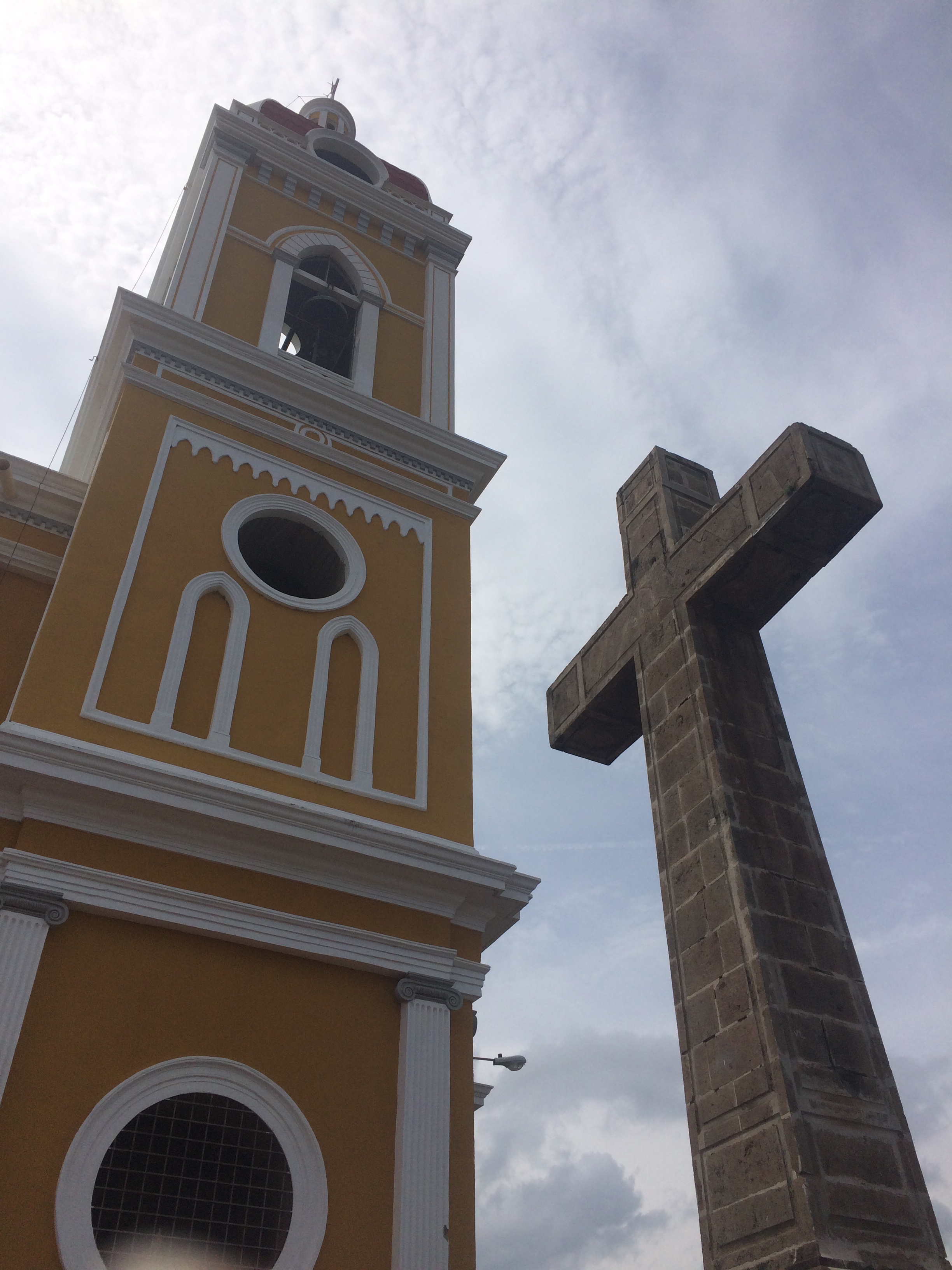
The final stop on our Nicaraguan adventure was Granada, a popular tourist sight well-known for its colonial Spanish architecture.

IMG_4894

Nicaragua is a unique country, and it would take much longer than the ten days we were there to experience everything it has to offer.  We certainly learned a lot while we were there, but it is nice to be back with our host families.  Now that we have hit the half-way point in the semester, Costa Rica feels like home.

Traveling to Nicaragua: Ometepe

To mark the halfway point of the semester, our cohort took a ten day trip to Nicaragua.  The first place we visited was an island called Ometepe, where we learned new ways to reuse bottles.

P1020833

First, we worked on a bench made from bottles, trash, rocks, and cement.  The plastic bottles were filled with trash to make them sturdier and to keep the waste material from going into a landfill.


P1020874

I know it seems like a strange idea, but it worked very well and the final product turned out great! From the outside, the bottoms of the bottles look like colorful flowers.

P1020900

We also learned how to make these containers out of all sorts of plastic bottles.  They can be used as garbage cans, recycling bins, laundry baskets, or anything else you can think of.

P1020880

It was a long day, but it was nice to be doing something with our hands after spending so much time studying and writing papers the week before.


P1020908

The island was a beautiful place, so while we were there we took the time to explore.  Our guide showed us some spectacular petroglyphs made by indigenous people before the arrival of the Spaniards.

P1020894

The youth of the island performed a traditional dance for us.  Known as the gueguense, it portrays the trickery that the indigenous people used to avoid Spanish exploitation.

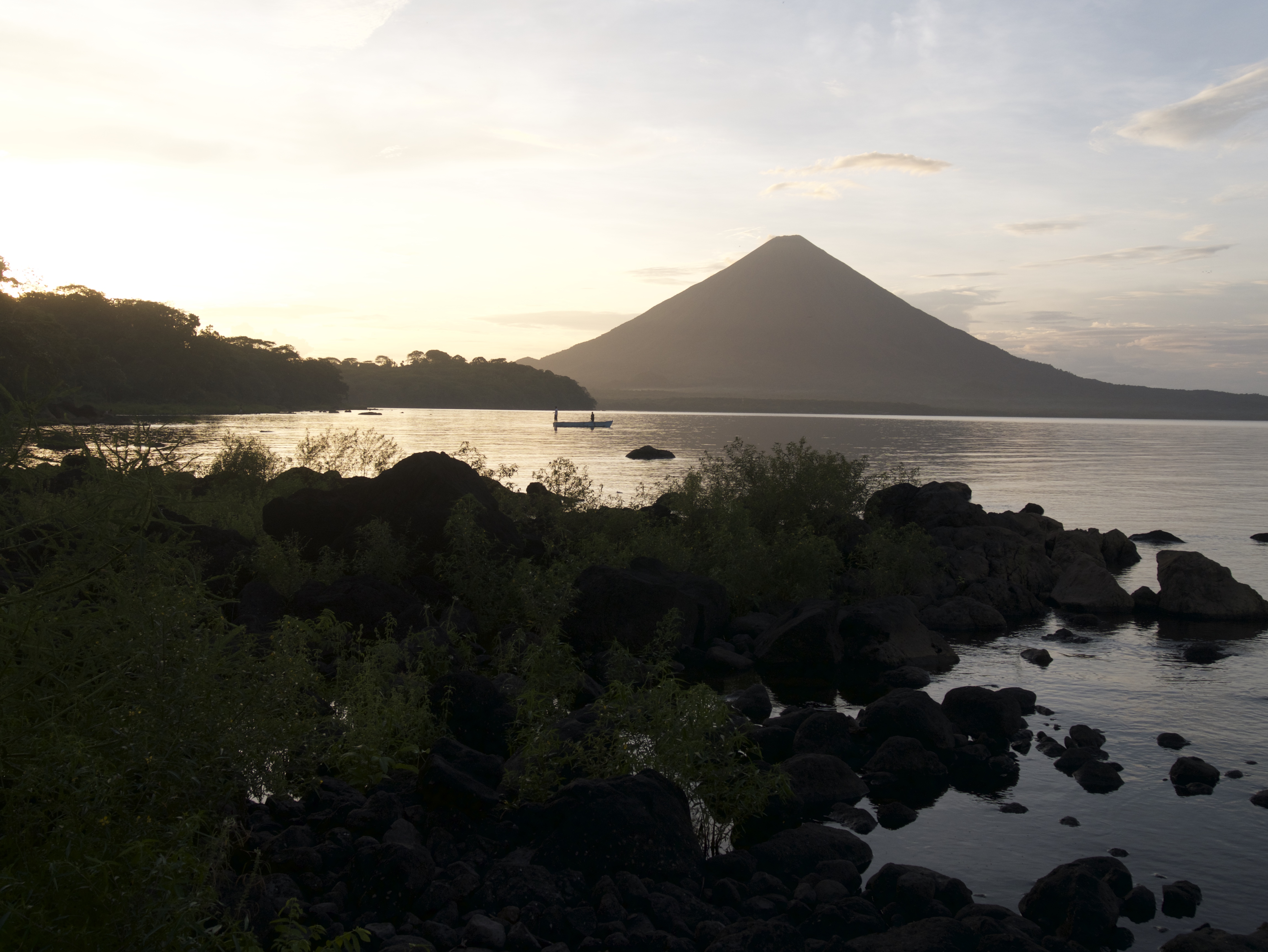
P1020886

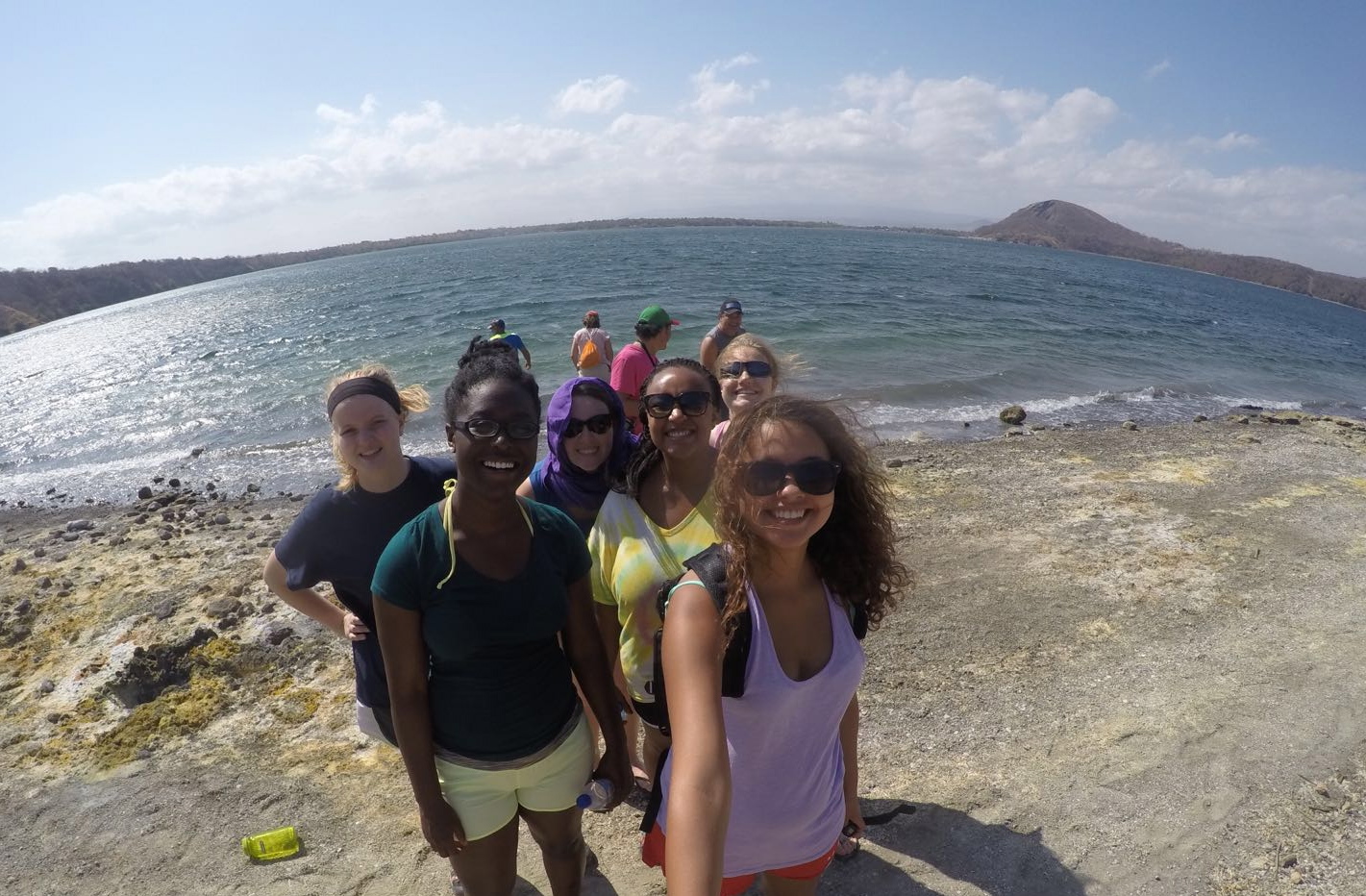
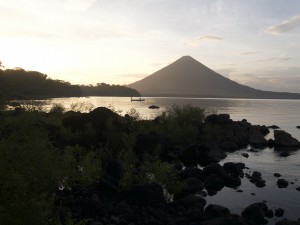
Even today, this beautiful place is threatened by foreigners.  If the Chinese plan to build a canal through this lake becomes a reality, the natural land could be turned into resorts.  Everyone we met there has mixed feelings about it, but I really hope that views like the one above will be around for generations to come.

Hiking in Longo Mai

Sorry for the delay in posts!  We have been super busy during the last couple of weeks since we finished up classes at the Universidad Nacional.  To finish up our class on the history and ethnography of Costa Rica, we took a trip to Longo Mai, an immigrant community in the southern part of the country.

P1020750

While we were there, we took a hike around the community to learn about how they live.  The individual families don’t own the land, but they have the rights to cultivate different types of agricultural goods like sugar cane, coffee, and cacao.  The photo below shows cacao, the fruit used to make chocolate.  The white part is covering the seeds that are later roasted and mixed with milk and sugar because by themselves, the seeds are quite bitter.  We even got to make some of own chocolate, and the process will be outlined in a guest post later this semester.

P1020798_2

We tried some other interesting foods while we were there as well, like fresh sugar cane and termites!

P1020780

Some of us were brave enough to eat them, and they don’t taste that bad if you can get over the fact that you’re eating a bug.  They taste sort of like wood.


P1020779

Besides being an agricultural community, the people of Longo Mai work to preserve indigenous cultures and the natural beauty of the area.  It is said that if you hug one of these giant trees, as seen below, they will take away your negative energy.   We didn’t hug them for long enough to see if it worked, but we did enjoy the time we spent there!


P1020792

Older posts Newer posts

© 2026 Valpo Voyager

Theme by Anders NorenUp ↑