Valpo Voyager

Student Stories from Around the World

Page 102 of 125

Day trip along the Neckar – Reutlingen and Rottenburg

Yesterday the five of us decided to get another group day ticket for the train, and do some more exploring of the area. We started out in nearby Reutlingen, where the majority of Germany-bound Valpo students go to study abroad. Reutlingen, only about 12 minutes away by train, has a much more commercial look and feel to it which one notices immediately upon stepping out of the train.


Tübingen, a city famous for the university which opened its doors in the mid 1500s, has many small shops and cafes, but nothing quite like the department-store-lined-streets of Reutlingen. It was in one of these large stores (Galeria Kaufhof) where I finally located and purchased a french press coffee maker – something I have been actively searching for since we arrived here.
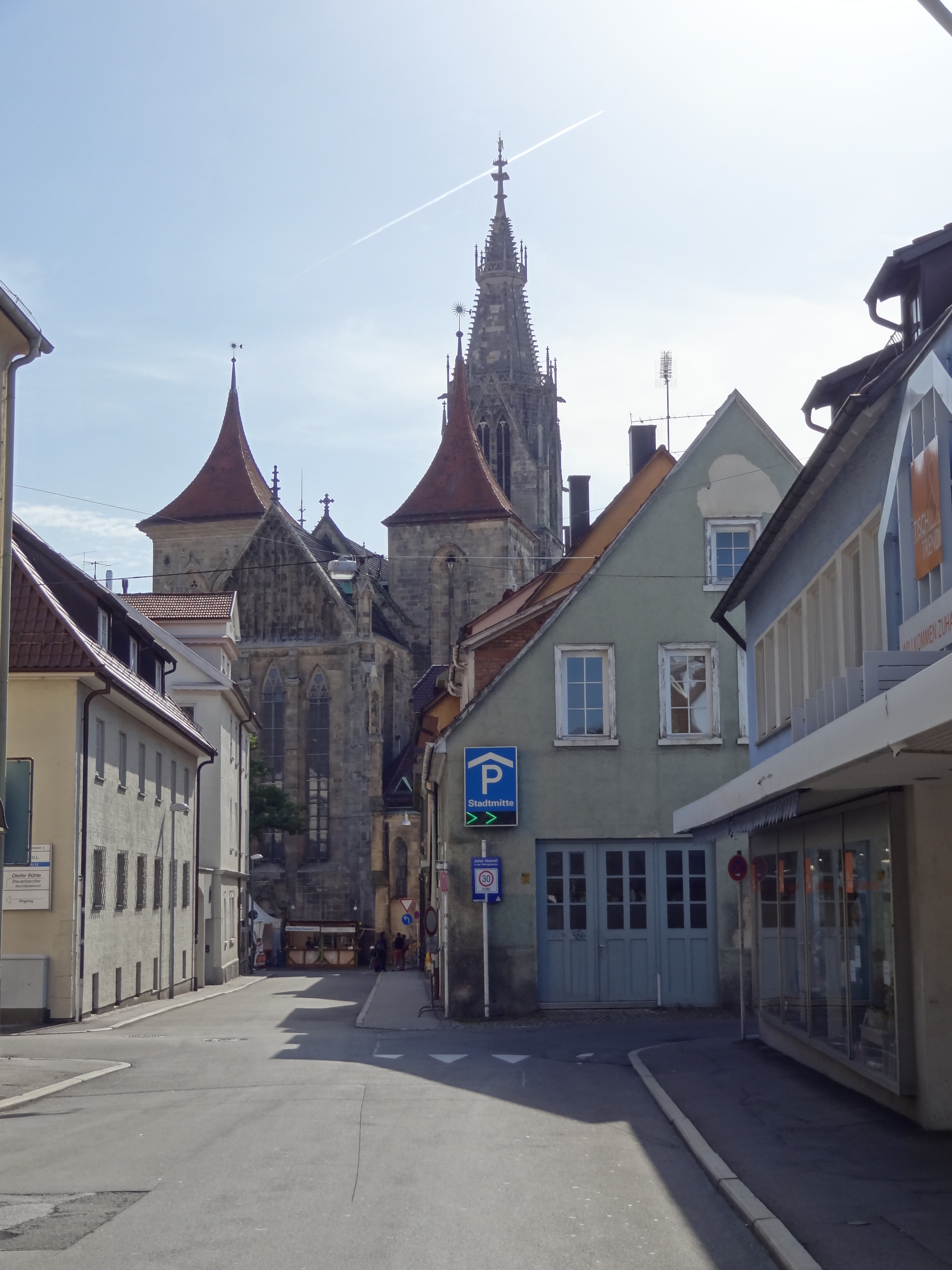
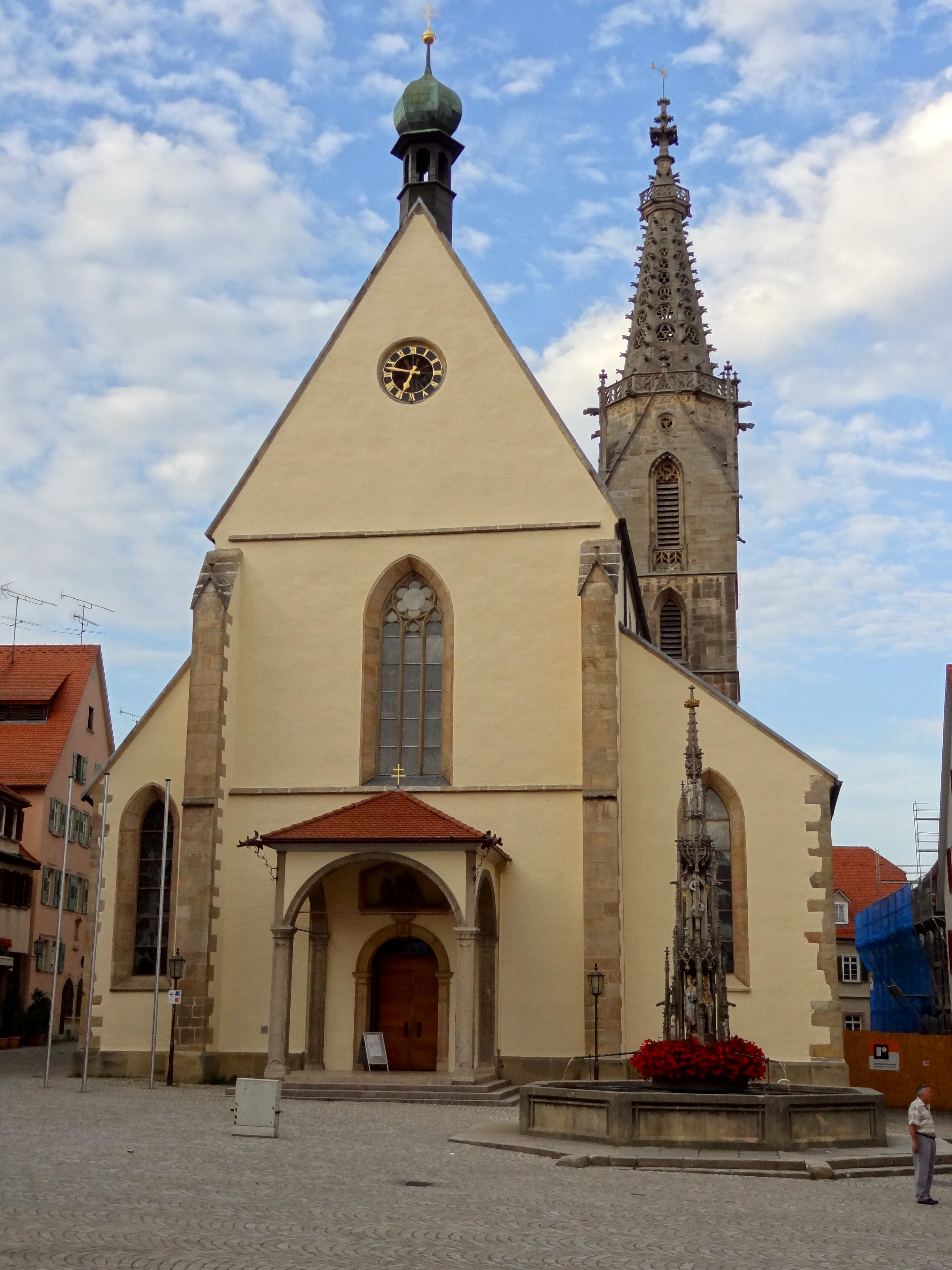
The Marienkirche in Reutlingen

The main reason we went to Reutlingen, however, was not to enable Zach’s morning cup of coffee addiction, but rather to visit the Reutlingen Weinfest (Wine Fest.) After two trips to the Stuttgart Weinfest, I was personally interested to see the one in Reutlingen, which started on Friday. (I think this must be the time of year for Weinfests, because they seem to be popping up everywhere.)


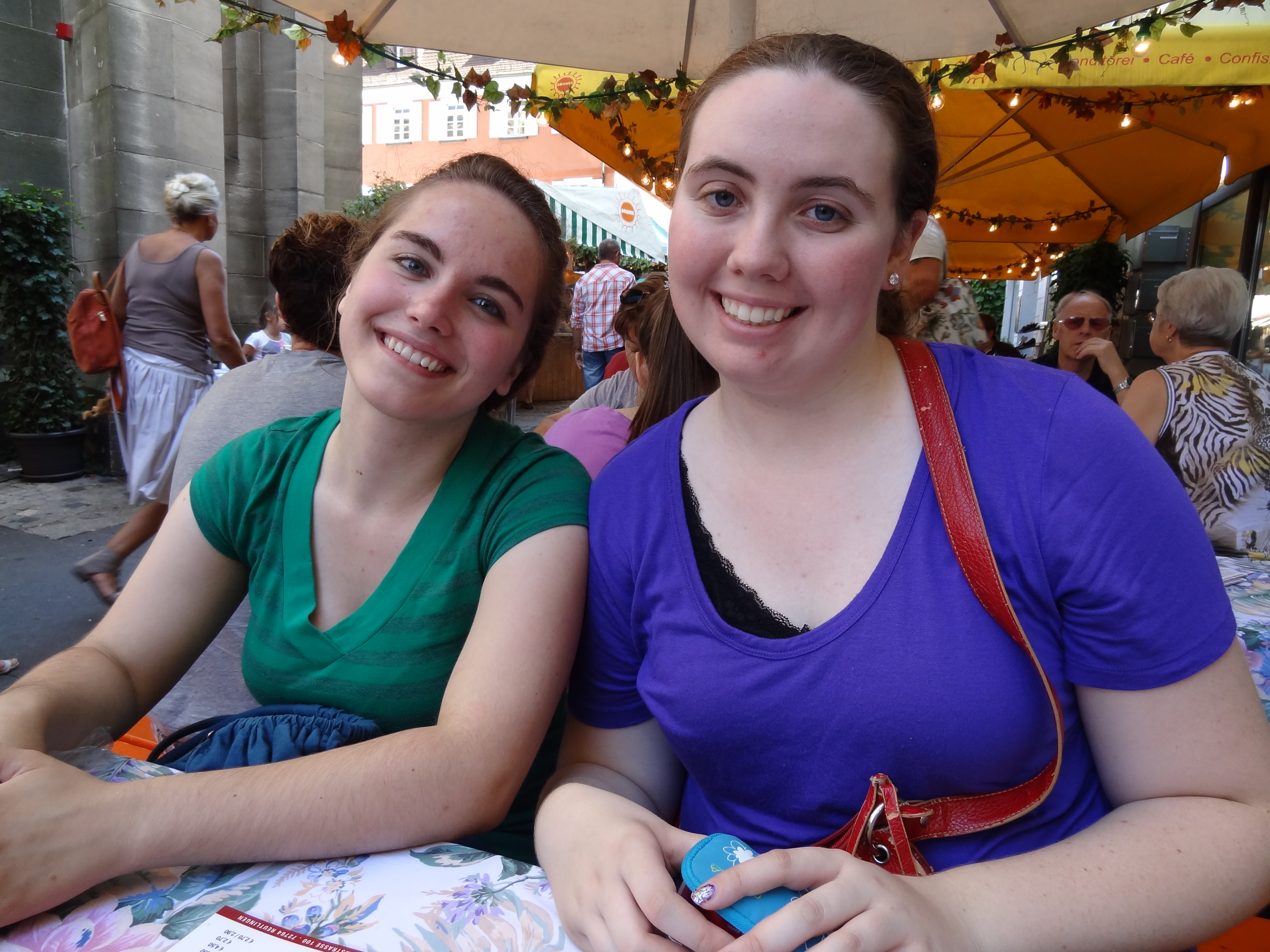
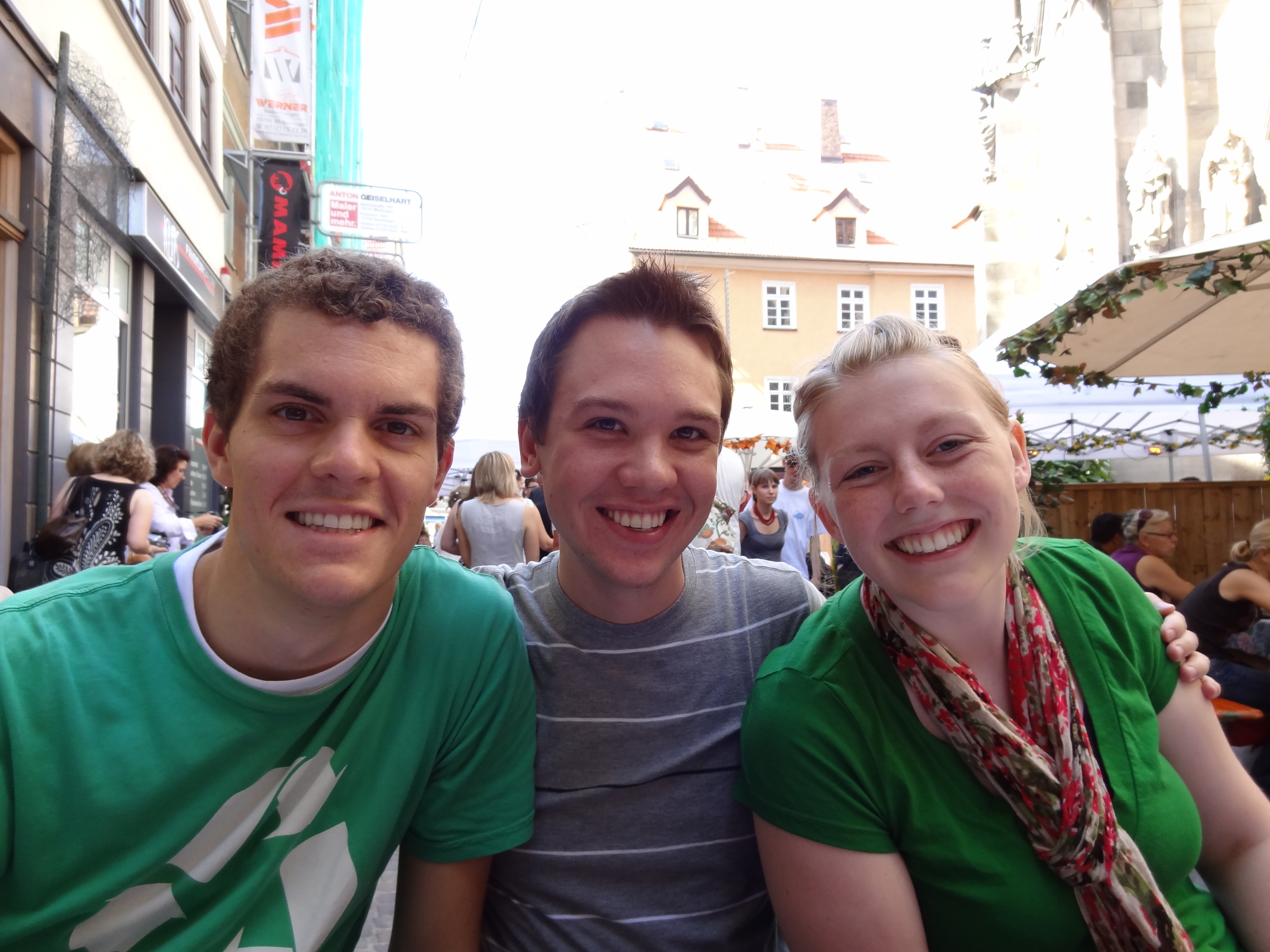
We didn’t sample any German wine this time, and although the Weinfest in Reutlingen was much smaller than in Stuttgart, I enjoyed it for all the same reasons. The atmosphere, first of all, was delightfully German – street performers playing the accordion serenade passersby, as they navigate the narrow passageways between the tents lining the narrow cobblestone streets. We tried to make reservations for dinner at a few of the restaurants which had tents there, but after learning that they were completely booked we settled for a nice big lunch instead. (How very German of us!)
Rachel and Hannah enjoying the Weinfest
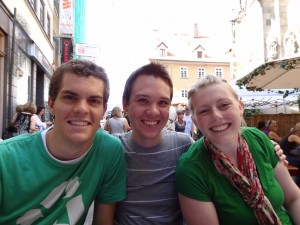
Emily, Jake, and me at the Reutlingen Weinfest
The traditional Swabian food served at these Weinfests presents a reason in itself for visiting. I think any journalist from the Travel Channel would have a field day sampling and reviewing all the different cuisine of southwest Germany. Because I’m gluten intolerant, I asked the waitress for a recommendation of something made without wheat. She recommended an excellent salad made with Turkey, which I ordered along with a side of potato salad. The potato salad here has become one of my favorite things about Germany – it definitely tops the kind I like to get at home from the Piggly Wiggly. The salad was topped with corn, like most German salads are, which I find to be pretty interesting. The Germans don’t usually eat corn (no corn on the cob, etc.) because here it’s considered to be “animal food,” yet they sprinkle some on top of just about every salad you could possibly order.


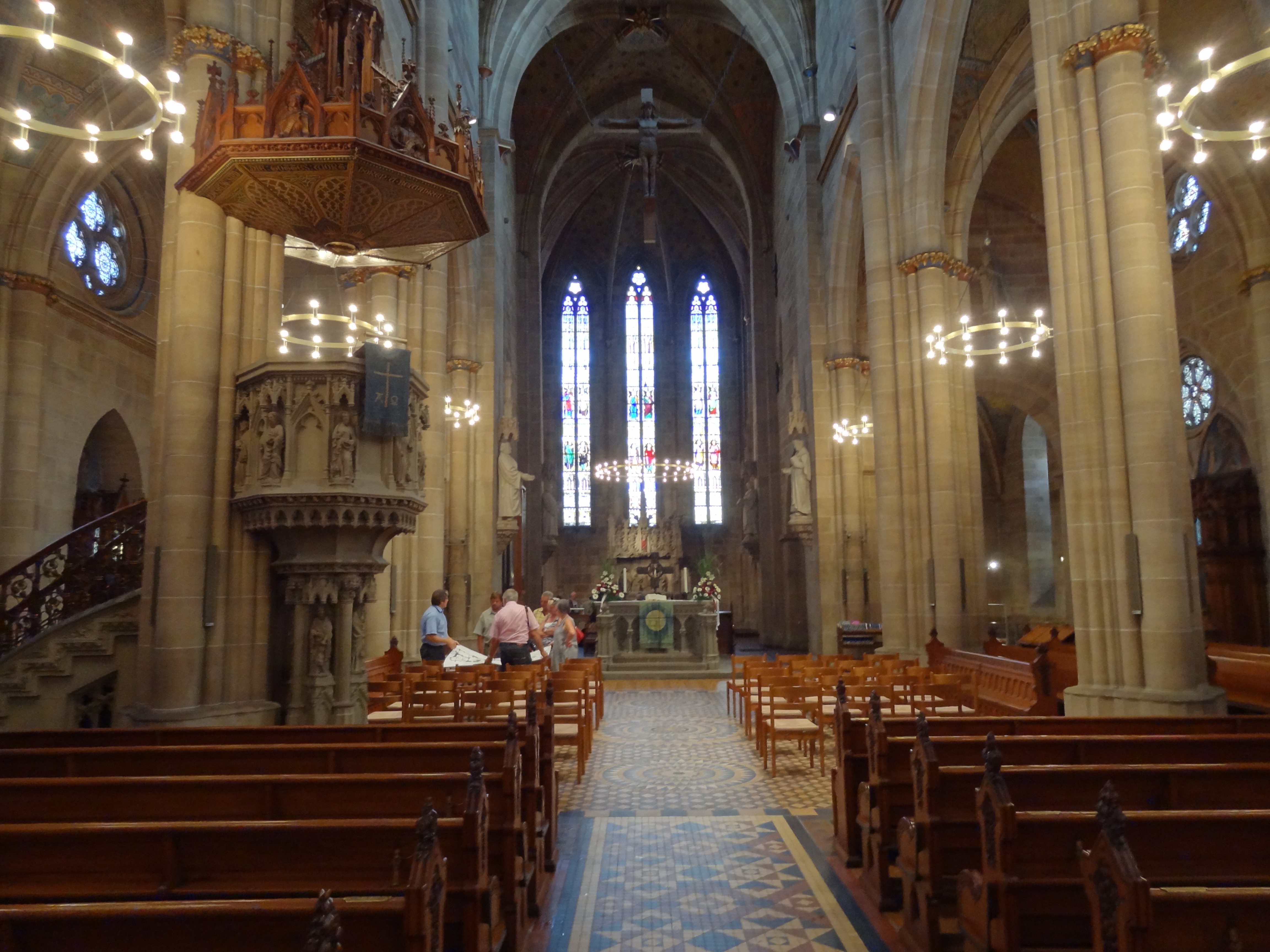
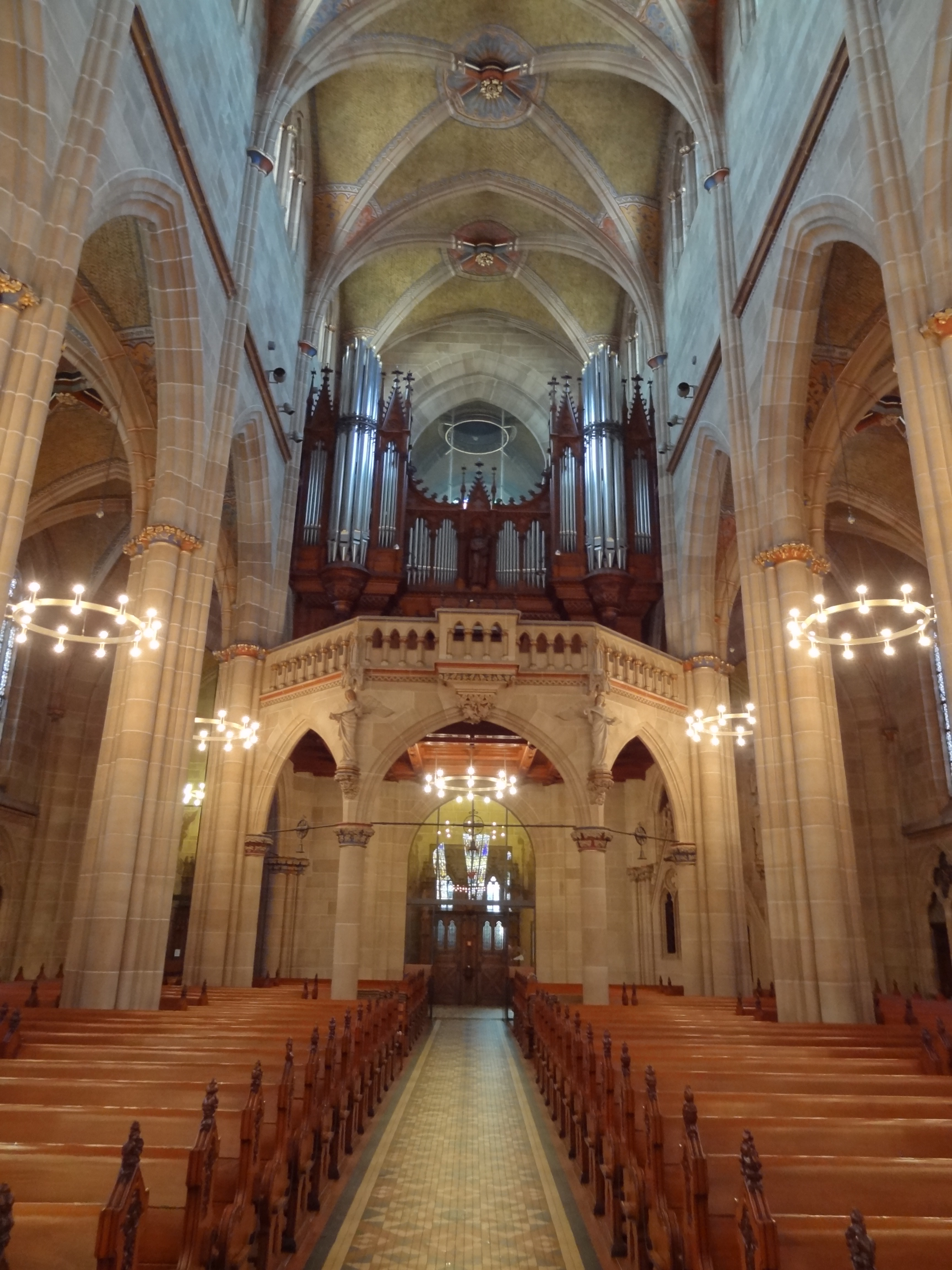
Next we visited Reutlingen’s beautiful Marienkirche, an old, beautiful protestant church. If I’m correct, I believe it was heavily damaged during World War II, as Reutlingen was frequently bombed for its industry, but don’t quote me on that one. (I know for sure that Tübingen was unaffected during the war, as its local economy is based on the university rather than industry, which is why it has retained its medieval character throughout the years.) It was hard to get a decent picture from outside the church, as the narrow streets wouldn’t allow me to back far enough away to capture the whole building in one frame, but I did manage to get quite a few shots of the beautiful architecture from inside the building.
Looking towards the altar in the Marienkirche
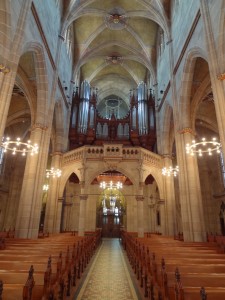
A view of the organ and beautiful Gothic-style ceiling
 

After exploring the church, walking around the city, and doing some more shopping, we caught another train and went to Rottenburg. Rottenburg is much smaller than Tübingen or Reutlingen, but it shares the connection to Valparaiso University as a study abroad destination for those studying Church Music. By the time we got there it was around 6:00 PM, and just about everything was closed. The city, although quaint and beautiful, nestled along the Neckar River, felt eerily quiet and empty. Other than a few customers eating at a couple street cafes, we were the only ones walking through many of the tiny streets.
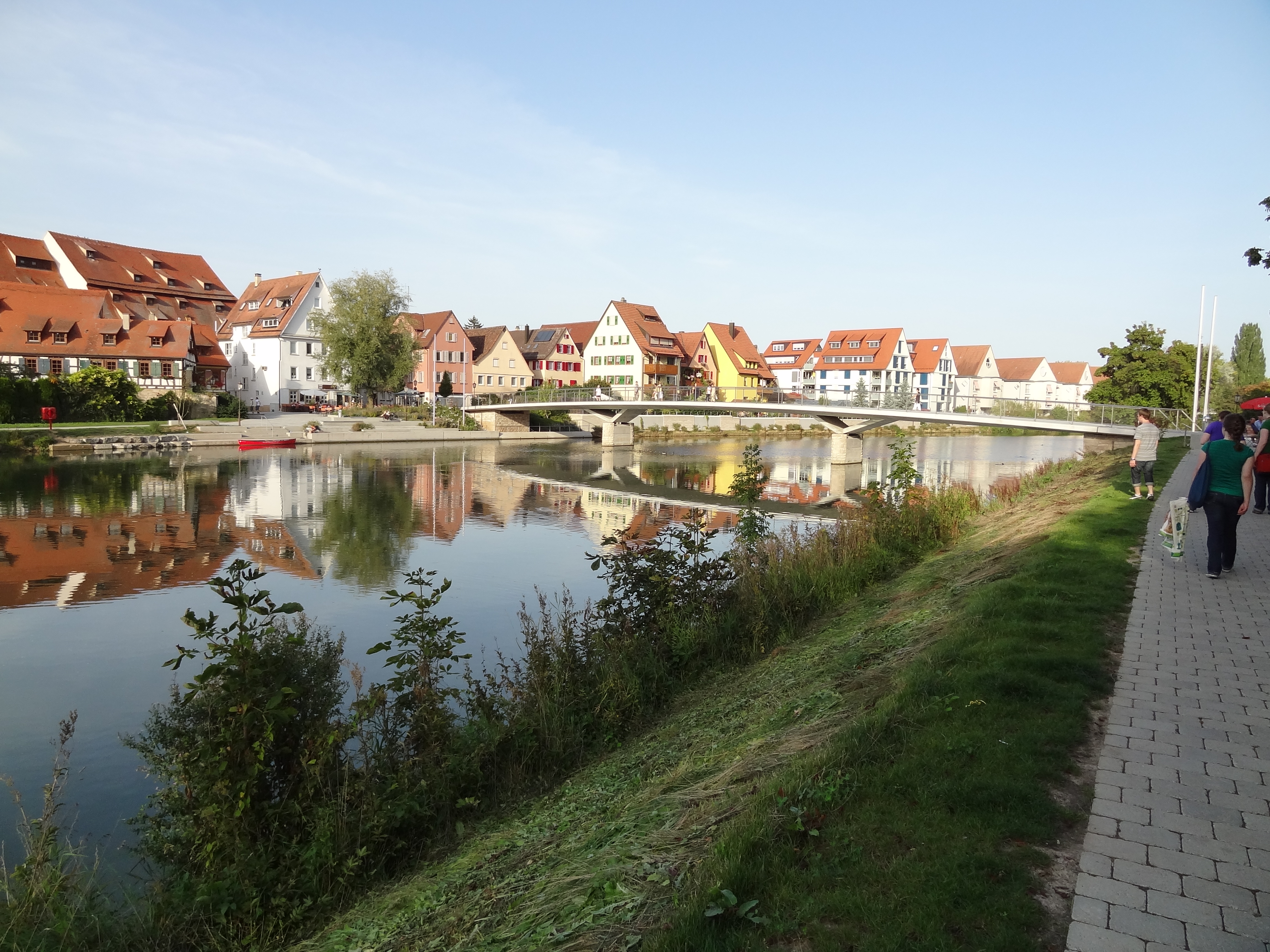
Rottenburg am Neckar (Rottenburg on the Neckar)
 

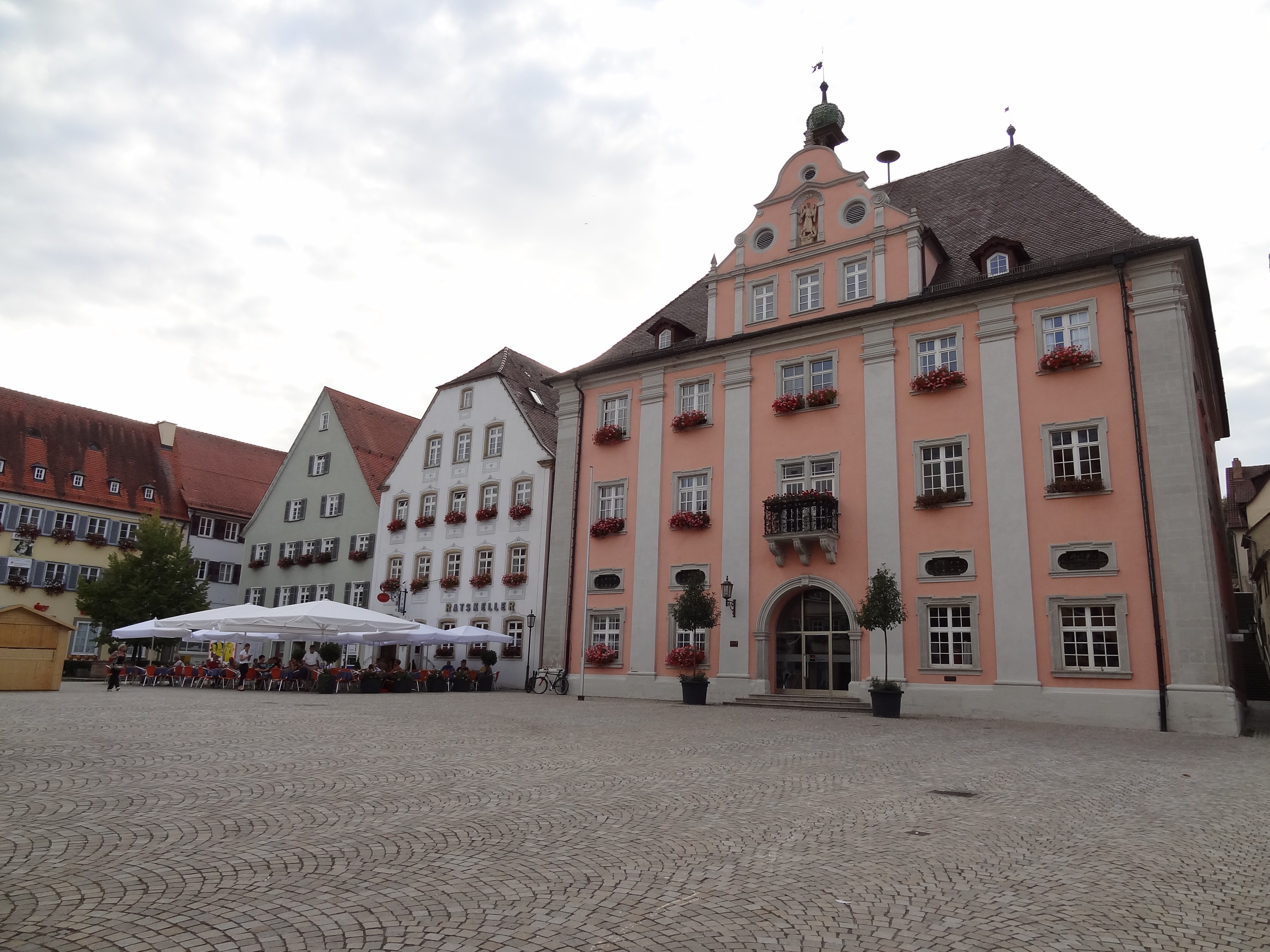
Nonetheless, we walked around until we had stumbled upon the marktplatz (marketplace), Rathaus (town hall), and St. Martin church, which we explored from the inside as well. The church’s interior felt much newer and more modern than any other European church I’ve ever visited, but it was a sight to see regardless. After we had taken a break to enjoy some watery €3 milkshakes, we headed back to the train station for the short ride back to Tübingen.
Rathaus and Marktplatz in Rottenburg
St. Martin Church


After learning so much about these cities and their connections to Valparaiso University, it was nice to see them in person and connect some images to my knowledge. Reutlingen, Tübingen, and Rottenburg are all very different and unique in their own ways, and it was fun to compare and contrast as we visited each city. I would sincerely encourage any Valpo student to come take advantage of the opportunity to study here in Germany’s southwest region of Swabia!
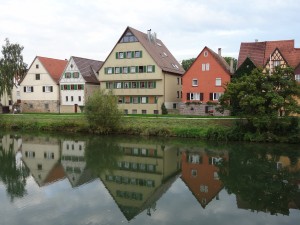
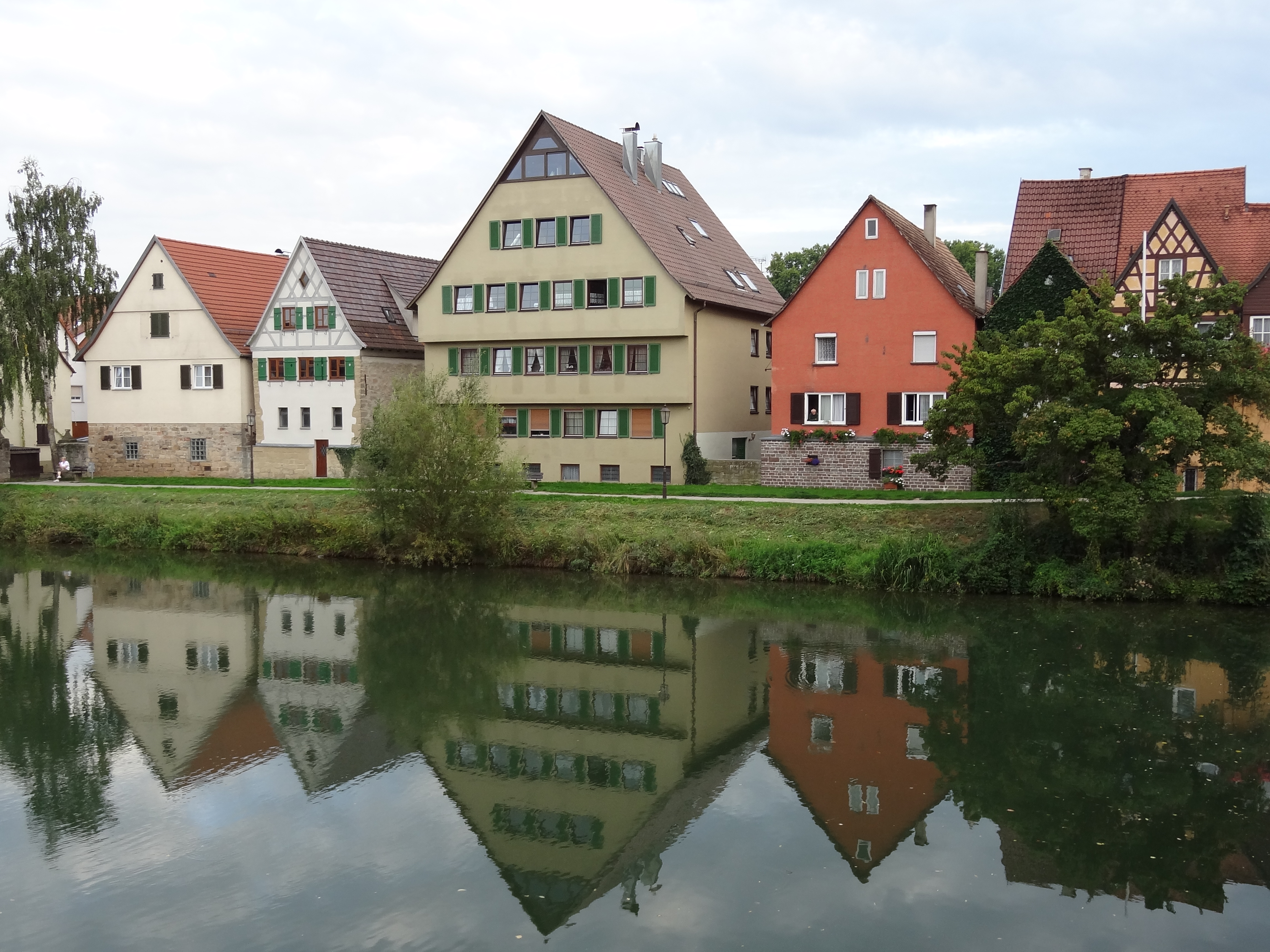
Houses along the Neckar
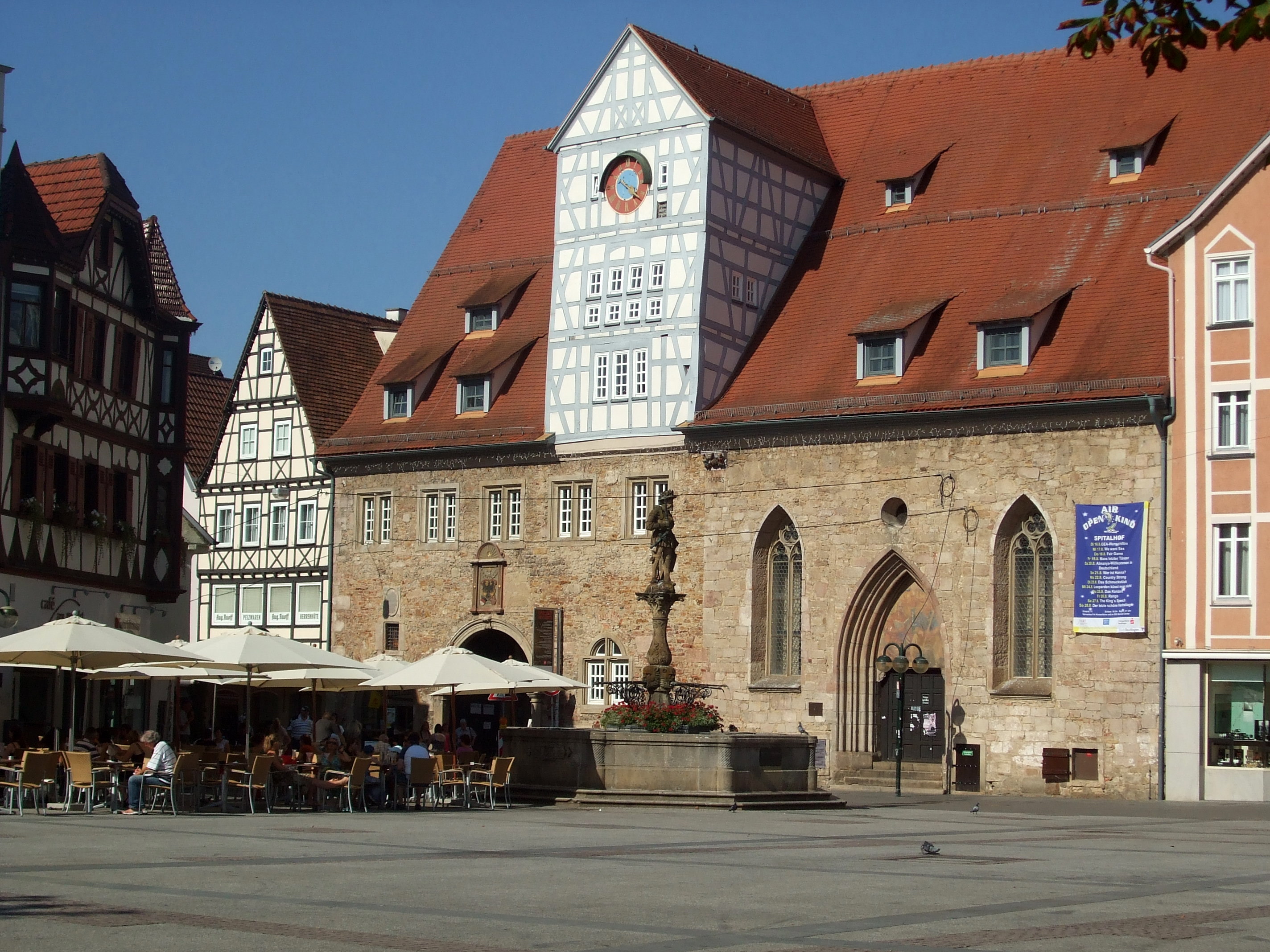
Old building in Rottenburg Marktplatz
Ambiance (and Alcohol)

Germany and America are very different in some ways, I’ve noticed. I mean, that’s probably obvious. We are across the ocean and have a different language. But even with differences like that, people are the same everywhere. We’re all humans, you know? But there are actually big cultural differences. And I think it’s really cool to learn about all this, it’ll be one of the high points of this whole experience, just talking to people from other countries and living in a non-American environment.

One of the many cafes

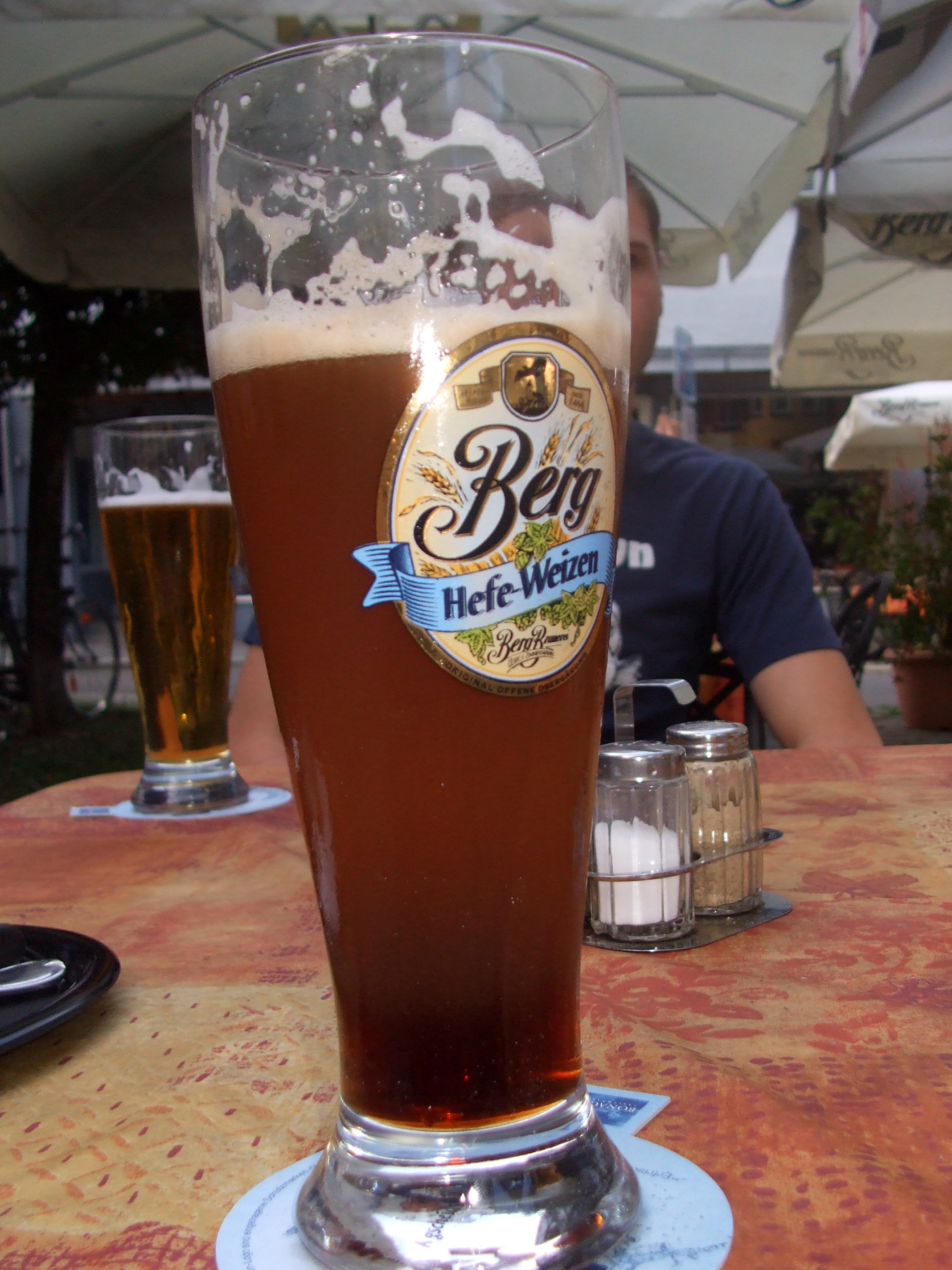
One of the big differences is the attitude towards alcohol. Germans are so incredibly relaxed about it. Instead of being confined to bars and restaurants and inside someone’s home like in America, you can pretty much get a beer and drink it wherever you want here. So you can just sit at a little outside cafe in the city center and order one or two beers during the afternoon while shopping or just wandering around. It’s just as cheap as water, after all, so why not drink beer?

They do fun stuff to their beer too! Here, beer with cola (actually really really good).

And if you’re lucky, there’s a Biergarten near you. Those things completely epitomize the German way of drinking. There’s one in Tuebingen right on the Neckar river, which is also a restaurant, and also brews its own beer. But in the Biergarten part of it, there are rows and rows of nice wooden picnic tables surrounded by trees and hanging lights and a few canopies just in case it rains. You can either bring your own beer or buy some at the counter on one side, and it can even be a family affair. Bring the kids. If they look like they’re about 14 or older, they can get some. Without being carded. Really, it’s just beer here, there’s no American uptightness about it. And there are young kids in strollers too, and some running around chasing birds or each other.  It really is amazing, and incredibly relaxing, and I vote that we bring the tradition back to America.

That’s the thing about Germany. They work hard when they work, and are very serious about it all. But they’re also very serious about their free time. Hours on businesses and restaurants and stores are very restricted. And almost nothing is open on Sundays, so you have to make sure you have enough food for the weekend by Saturday afternoon. It’s very unlike the customer-focused competitive consumer culture of America, and it’s actually very relaxing once you get used to the fact that you have to work your own schedule around the stores’ schedules.

So that’s what I’m doing this semester. Learning to relax in Germany. And learning to just sit back and enjoy the ride.

The Cities of Europe! (part 2)

1)   Munich, Germany

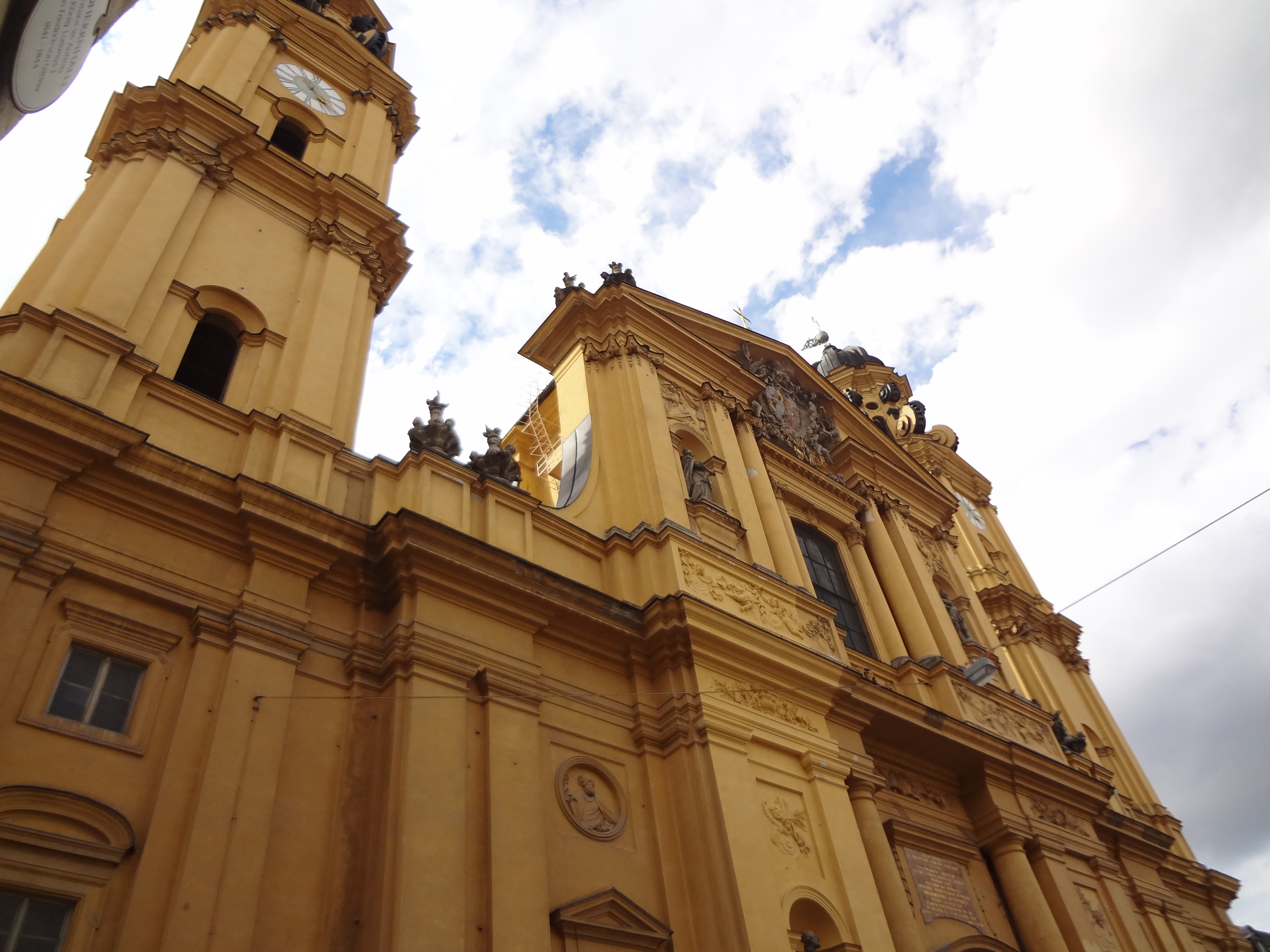
Theatinerkirche St. Kajetan

Theatinerkirche St. Kajetan

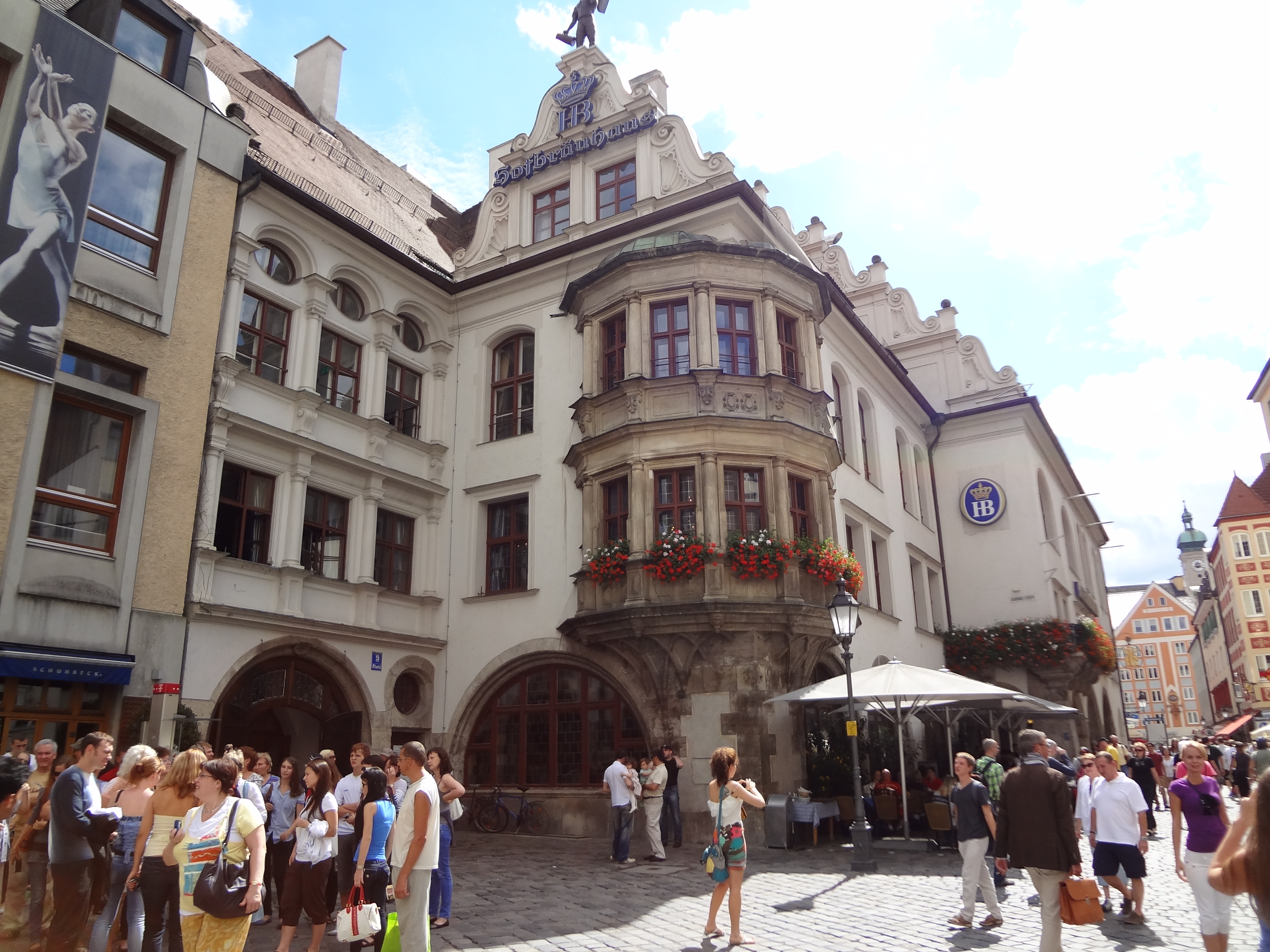
While we were staying in St. Johann, we were able to make a couple day trips to visit places like Munich and Salzburg (both within driving distance). Munich is a great city, but it is definitely touristy. But to its credit, we basically only stayed right in the middle of the city and saw all the typical things like the Hofbräuhaus; I’m sure if you wander outside the “tourist-zone” Munich has many great things that aren’t swamped with Americans. The city had a lot of character to it, and it was also home to some of the most amazing gardens and churches! There was also a big market in the Viktualienmarkt, where my brother got some fresh strawberries.

Hofbräuhaus München

Best of: Hofgarten (gardens); Theatine Church; Neues Rathaus (new city hall) Hofbräuhaus (famous restaurant/brewery)
Not so great: lots of tourists

2)   Salzburg, Austria

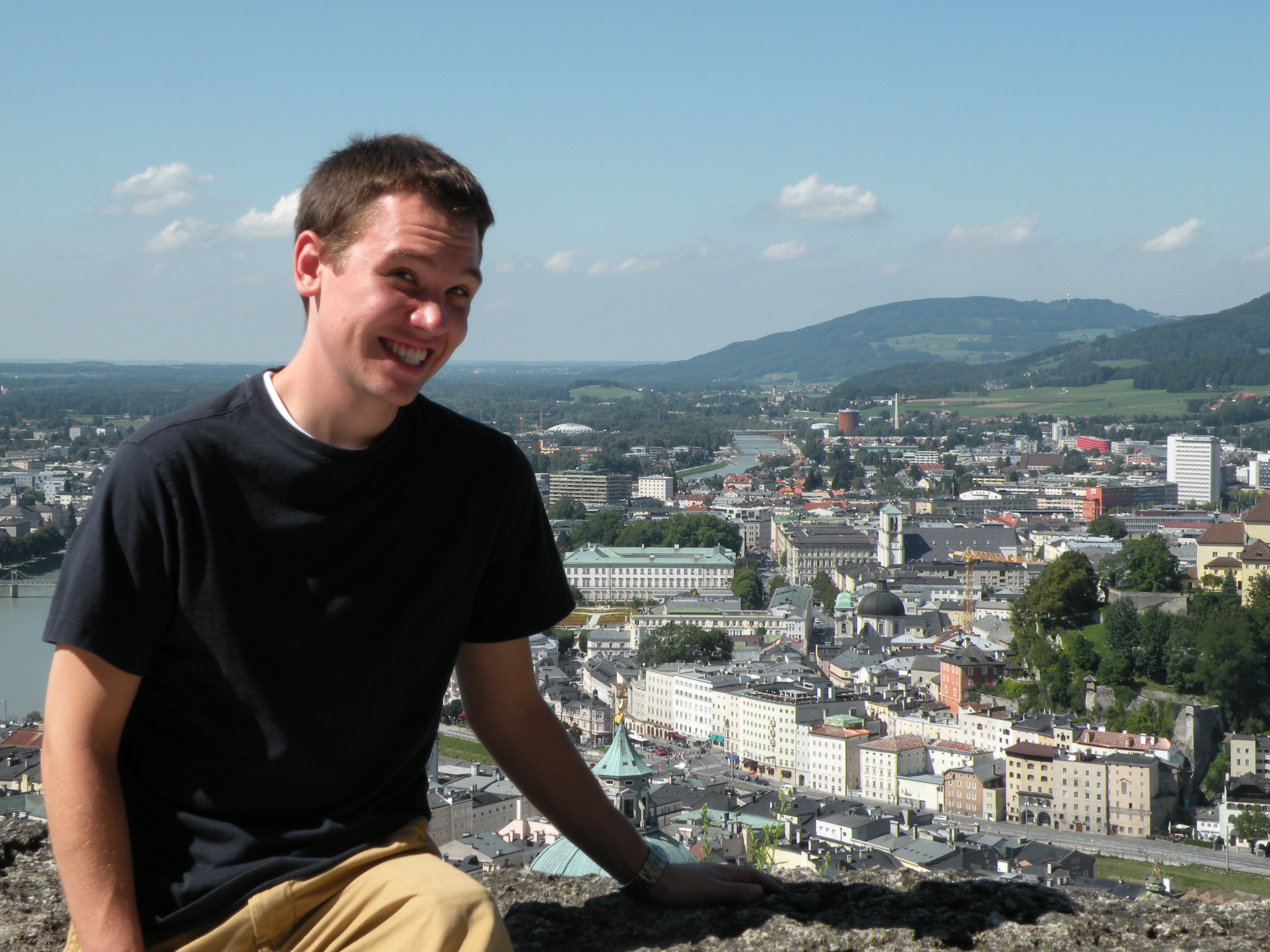
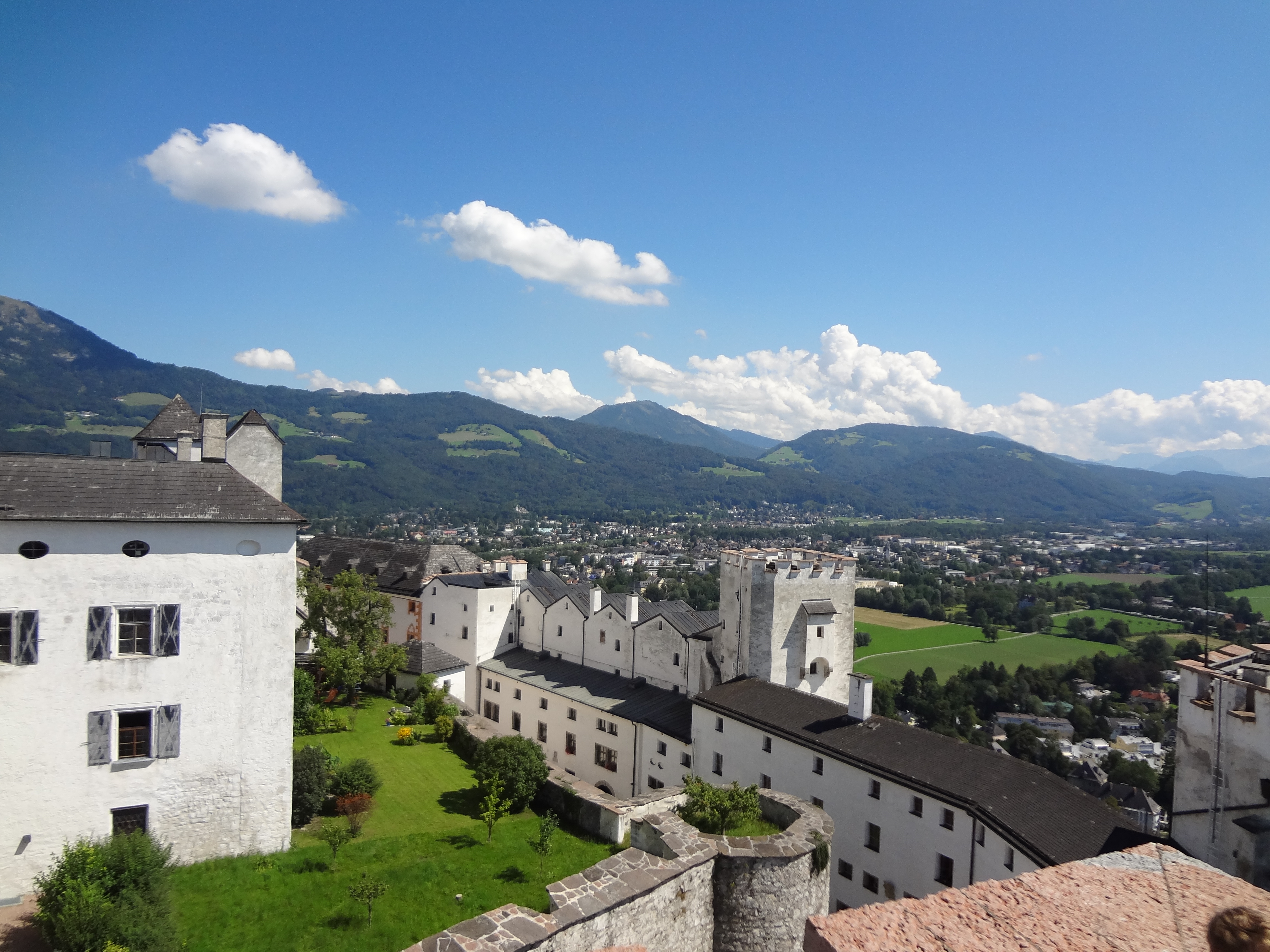
View from the Festung Hohensalzburg

The other excursion we took was to Salzburg. We woke up early and drove into Salzburg hoping to see some things before it got too busy. We started at the Mirabell palace, which has quite extensive gardens. From there we made our way over to Salzburg’s

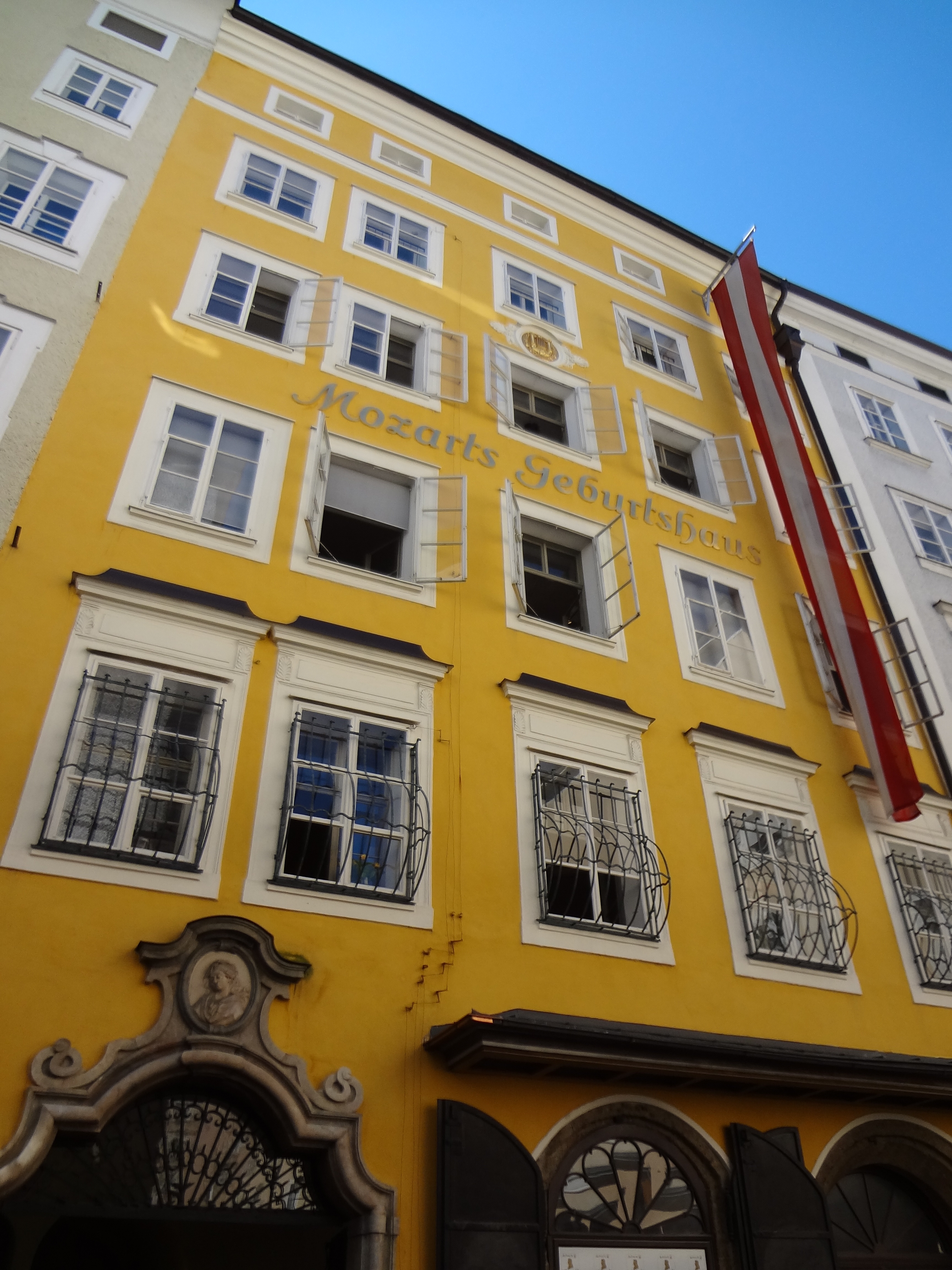
Mozart's Birthplace

most famous shopping street, Getreidegasse. They had EVERYTHING on this street. From McDonald’s to H&M to high priced jewelry, you name it they had it. The house where Mozart was born is also on Getreidegasse. We wanted to take a tour but the lines were kind of long.

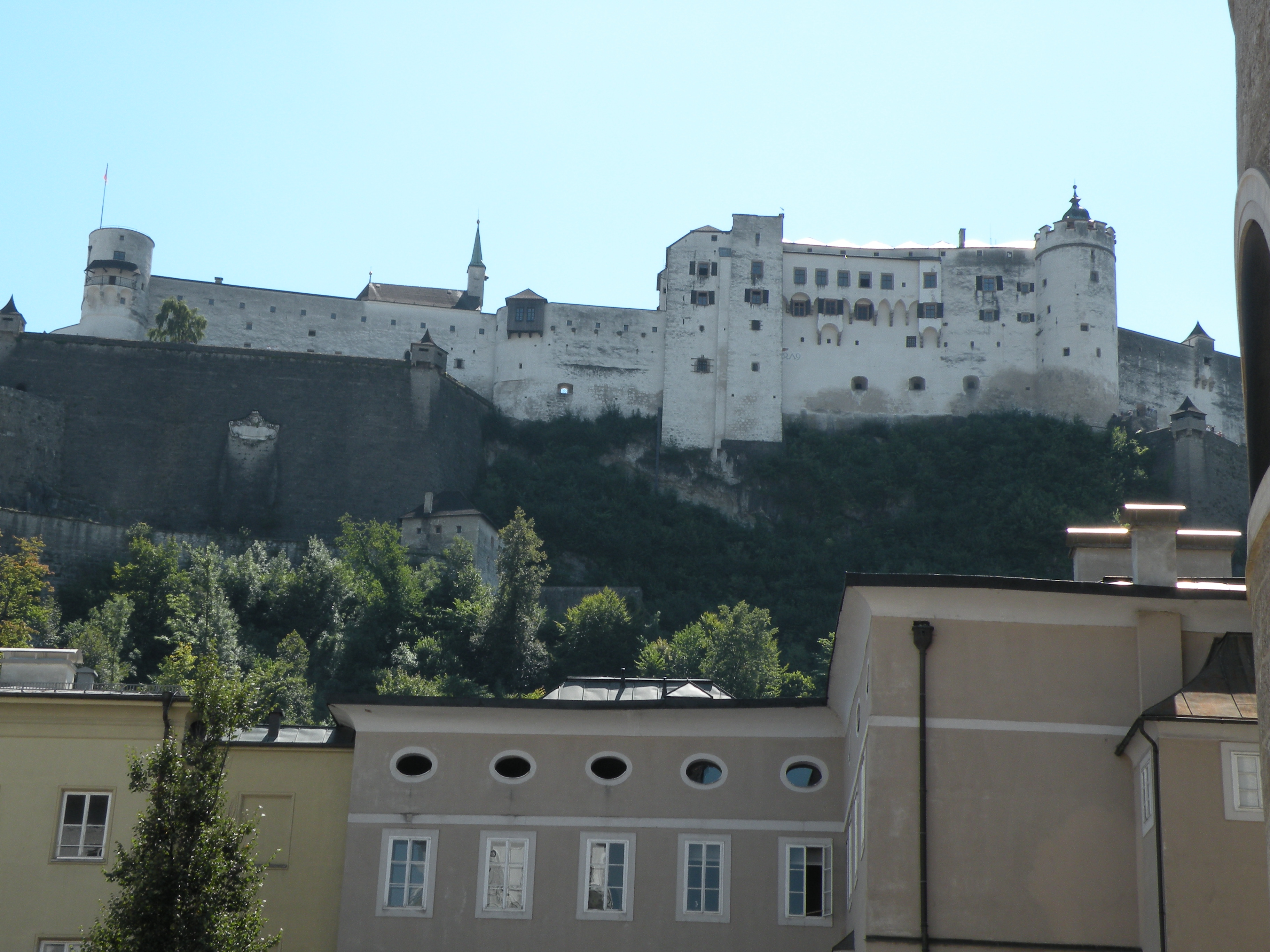
Perhaps the coolest opportunity we had was to see the Festung Hohensalzburg (translates

View from the Festung Hohensalzburg

to: high Salzburg fortress). It was amazing to see a medieval fortress, and the views from the top were spectacular. We walked up to the top (much cheaper than taking the tram), and it wasn’t as bad of a walk as it looks. The price of admission to the fortress also includes entrance to all the museums inside, so if you go it is well worth it to see the princes’ chambers, as well as the torture room/dungeon!

Salzburg also has plenty of amazing churches and lots and lots of concerts. When you walk through the streets you are bombarded with advertisements for concerts. Every night, almost every church in the inner-city has a concert. They are very proud of their connection with Mozart, so a good portion of the concerts have at least a couple works by him. While we were there, my brother and I saw a organ concert at the Franziskanerkirche. It was fantastic (and only 14 Euro a ticket!).

Festung Hohensalzburg

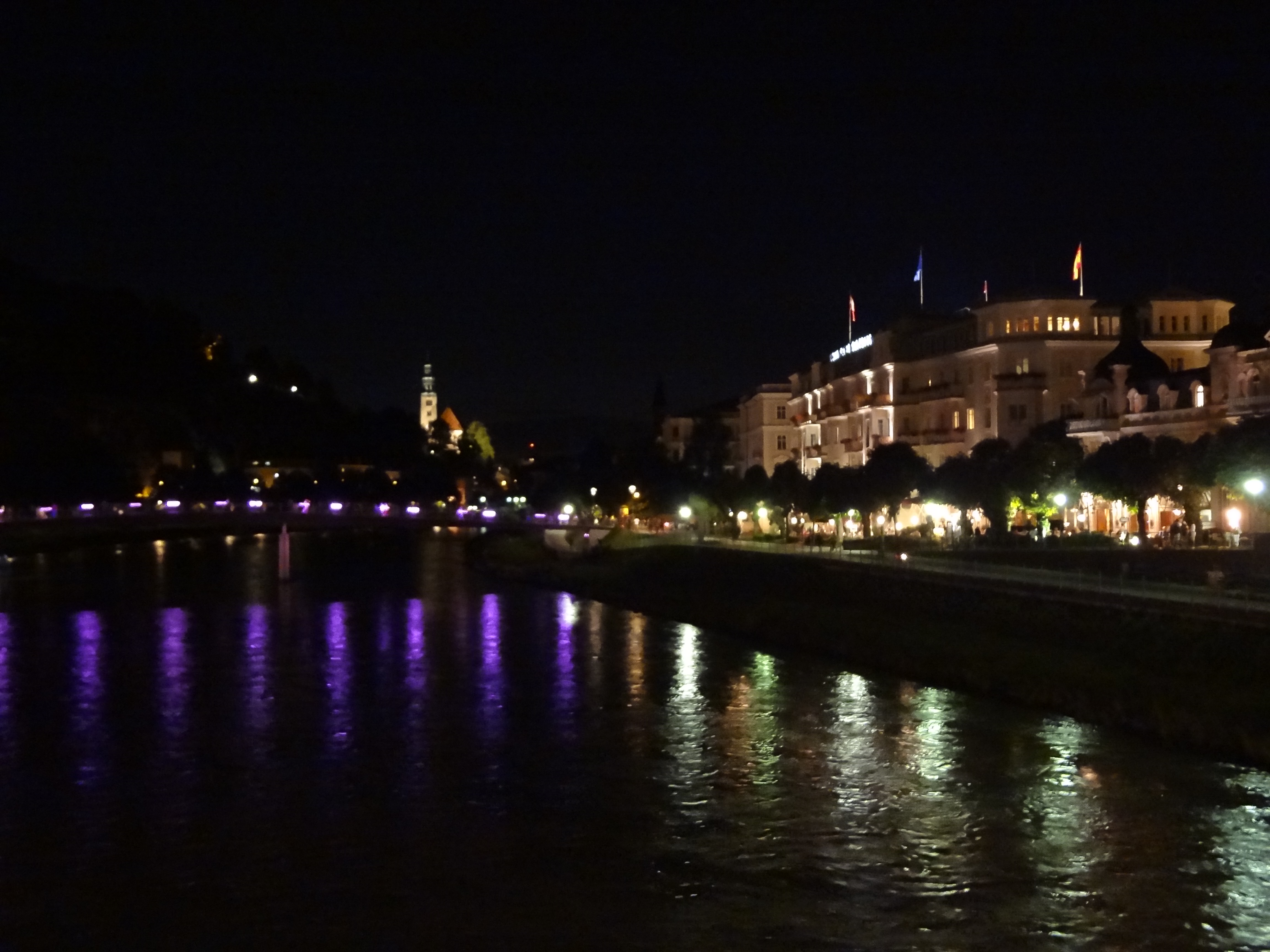
Salzburg at night


Best of: Getreidegasse; Festung Hohensalzburg (fortress); Concerts

3)   Heidelberg, Germany

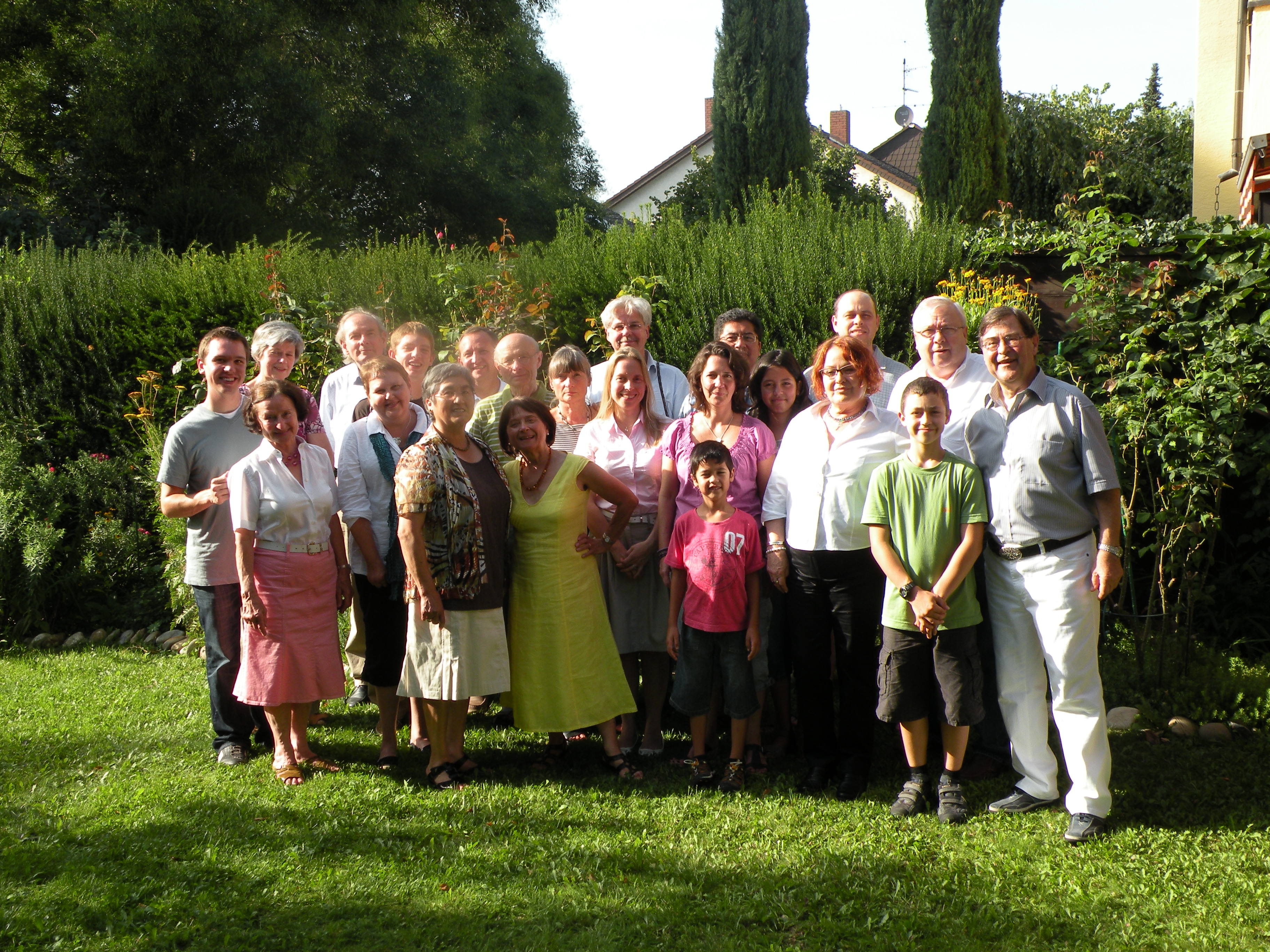
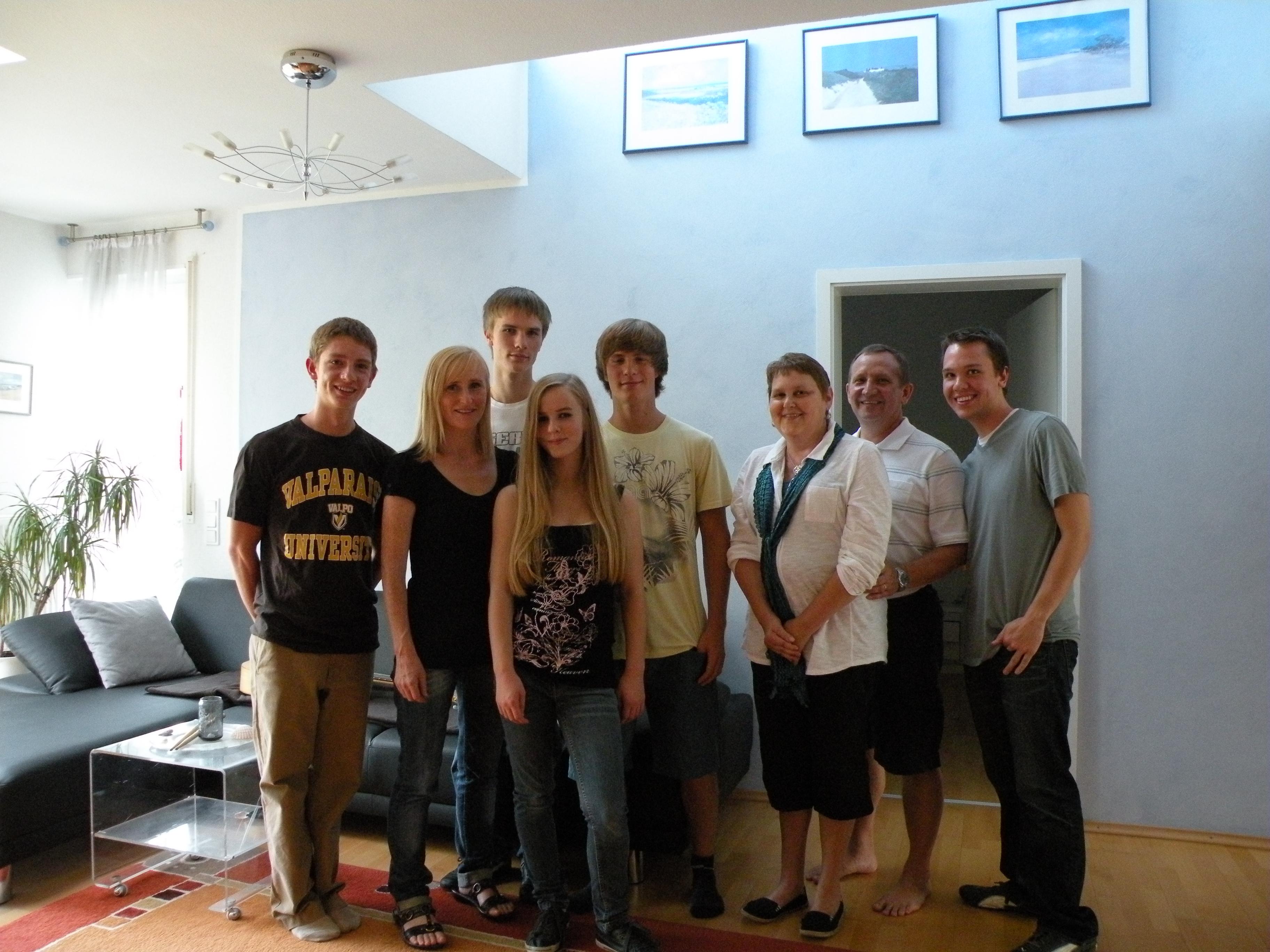
During our travels we also made it to Heidelberg, where we have a lot of relatives! We didn’t get to see much of the city, but we did get a chance to visit with family for a couple days. It was very comforting to know that I have family here in Germany, and that I’m always welcome in their homes. I know I’ll be making at least a few weekend trips out to see them!

Family from Ladenburg, Germany

Family from Mannheim, Germany

4)   Zurich, Switzerland

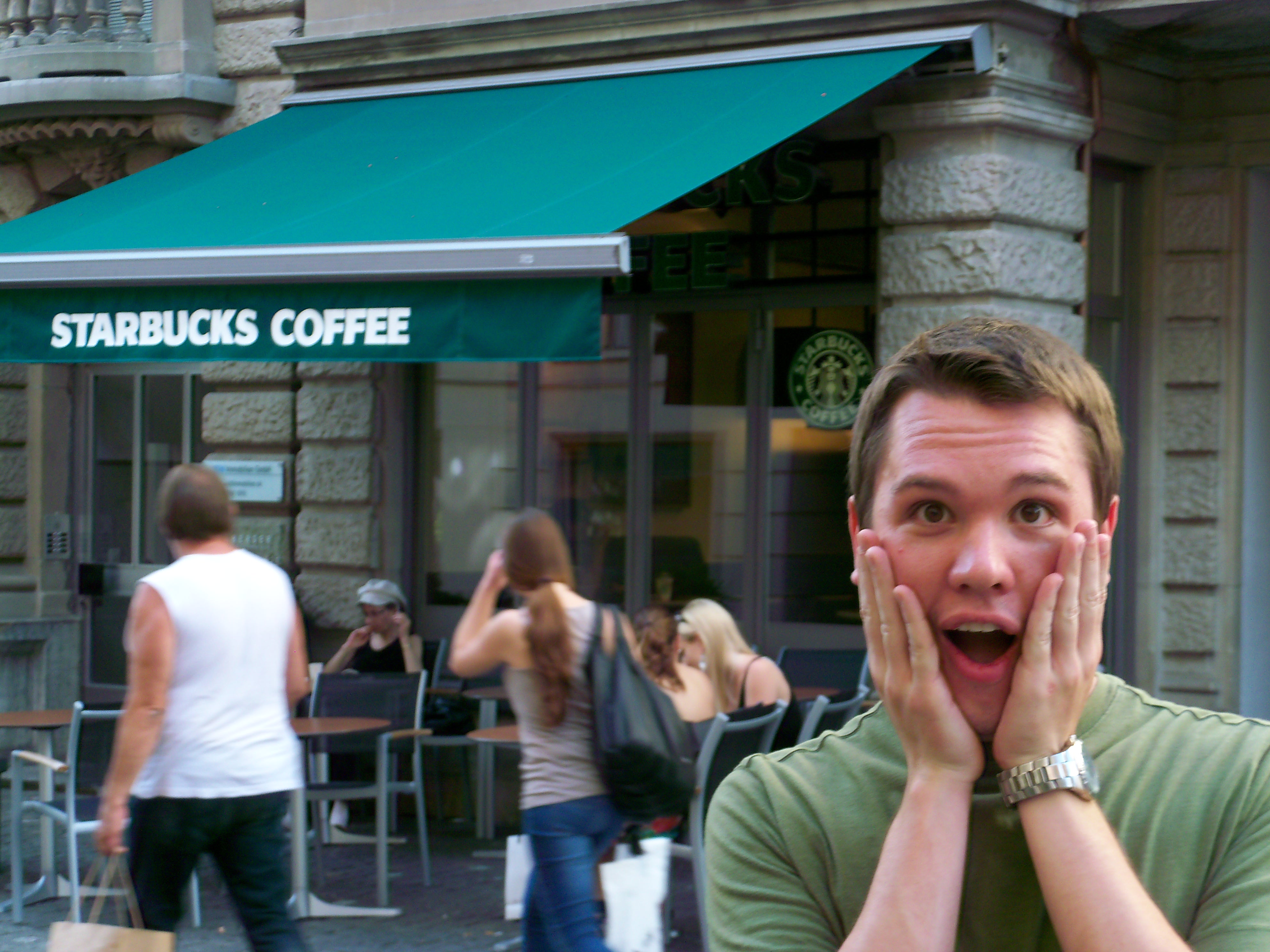
My "I can't believe my coffee was that expensive" face

I’m not sure I can afford to ever go back to Zurich. It was ungodly expensive in the city. To its credit, it was beautiful, but even the cheapest food was unreasonable. My Starbucks Chai Tea Latte (normally 3.25 USD) cost the equivalent of 8.60 USD. For lunch we found an average street café, and it was 70 USD for two beers, a Coca-Cola and a small plate of appetizers. Craziness, I tell you!

Our other mishap in Zurich was with the hotel phone system. We had dropped my brother off at the “Zurich Flughafen” earlier that morning because he had to make it home for school. We wanted to get a hold of him that evening to make sure he made it home okay, so we tried calling using a pre-paid calling card from the hotel phone. We never ended up getting through to him that night, but spent about 4 minutes total on the phone. When we checked out the next morning, the hotel had charged 230 Swiss Francs for our phone calls (about 294.00 USD). Because these charges were absolutely outrageous (not to mention that we were calling a toll-free number within Switzerland) we managed to get the charges down to 20 USD.

I think Zurich was a little pricey – beautiful but very expensive.

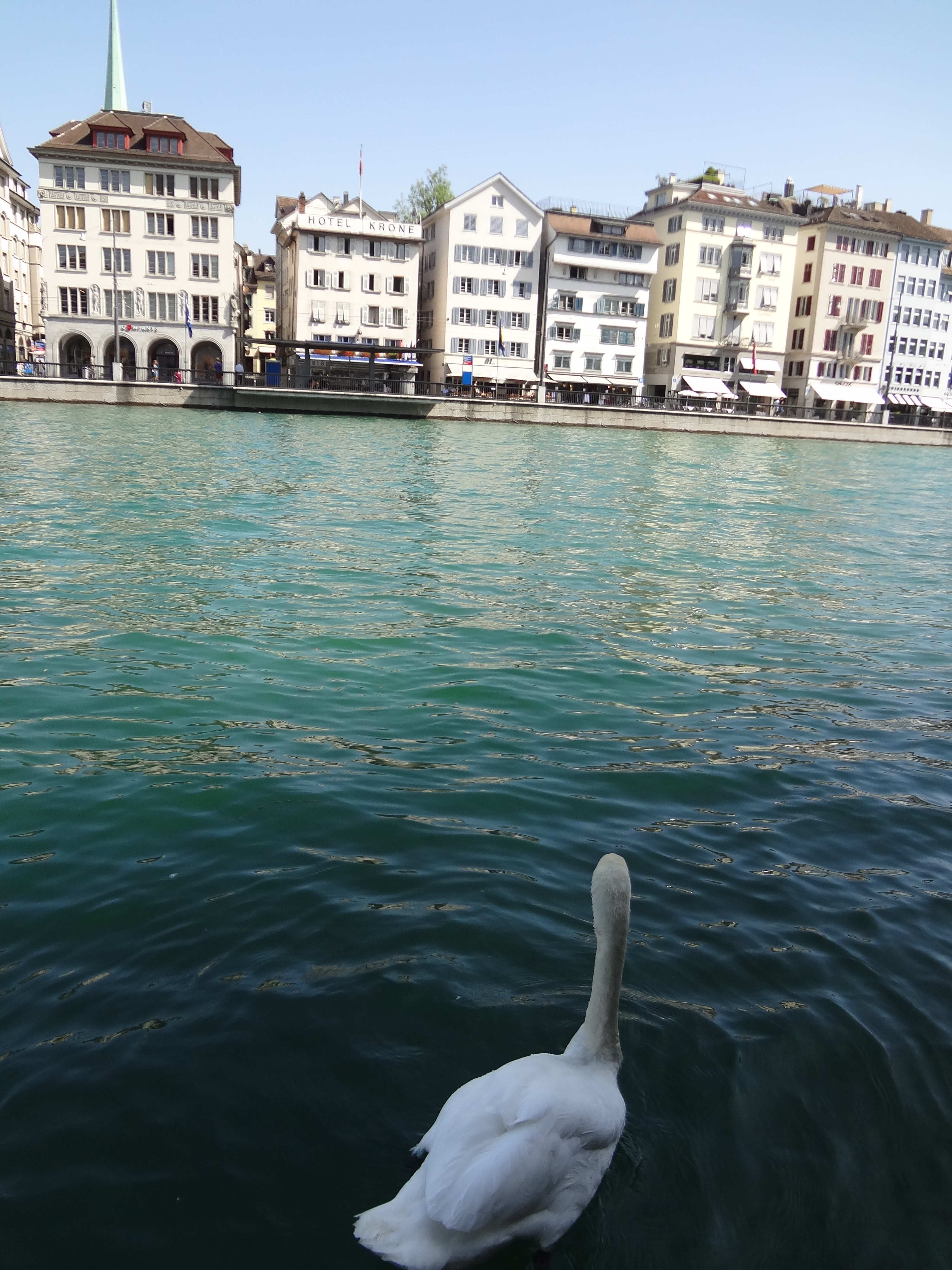
Nonetheless, Zurich was pretty

Best of: Bahnhofstrasse (famous shopping street); the lake
Not so great: Expensive

I’ll post soon about some of my adventures in Tuebingen and the local region around Stuttgart!

Bis dann! Tschüß!


The Fail Buzzer: Our Experiences Speaking German


It goes without saying that many Germans can communicate pretty well in English. Even if they don’t speak it fluently, chances are that many people you come across will know enough of the language to have a simple conversation.


Quite frequently, when a member of our Valpo group here in Tübingen tries to start a conversation with somebody else in German, he/she gets a response in English. None of us are perfect at German, but I would say that we’re all pretty competent when it comes to day-to-day conversations. Whether ordering food at a restaurant, introducing yourself to someone new, asking for directions, or silently looking at a train schedule, it isn’t at all unusual for someone to drop everything to help the apparently-confused Americans.


I’m pretty sure that because so many people here speak English, they’re always looking for people to practice it with. In America, I know I look for opportunities to speak German to people too, since there are so few people to stay in practice with. Once I read in a travel guide booklet that the reason Germans prefer to speak English with foreigners is because they are a very orderly society, and easily frustrated when people aren’t able to simply communicate (I’m not quite sold on that one, but I guess it makes sense.) Other times, I think, “Maybe everyone here is just very friendly and always willing to help out.”


Regardless of the reason, unless I am actually extremely confused or at a total loss for words, I would prefer not to hear a response in English. I don’t mean to sound rude, but I am here for the entire year with my main purpose being, to come back as fluent in German as possible – a goal that hinges on the daily immersion in the  language. Many people here know this, which is why I’m grateful that my German neighbors and friends speak almost entirely in German with me.


After choosing the words, planning the word order, and practicing the sentence structure carefully in your head many times over, the outcome of a conversation can really make or break your day. I know that my grammar and word order may not be perfect, but I feel like I am almost always understandable. When you’re learning another language there’s nothing that feels better than getting through a difficult conversation without resorting back to your native language. On the contrary, the opposite outcome can sometimes be frustrating.


So our little Valpo group in Tübingen is constantly challenged to blend in with not only the culture, but the language and the way it is spoken. We try as hard as we can to hide our American accents and to express ourselves as thoroughly as we can. We’ve made an “inside” game of getting through conversations this way. When we receive a response in English, we imagine someone pressing a giant red “FAIL” button that makes a buzzer sound. Sometimes one of us even makes the noise out loud, as we laugh quietly at our inability to play German impostor.


For example:

At Ikea last week, and I ordered Swedish meatballs with gravy on the side for Jake who was watching our stuff at the table. I thought that what I said was understandable, as the man working behind the counter scooped up some meatballs and some gravy, which he did indeed put on the side. Then he faced me again and asked, “Would you like french fries too?”


“FAIL,” I thought, as I imagined the proverbial buzzer being pressed. “What did I say? Was it wrong to ask that way? Is my accent really that strong?” I thought.


As I walked away, he turned to me again and shouted, “ENJOY YOUR MEAL!” Everyone in line turned to look at the guy who couldn’t speak German, as I walked away embarrassed. Nobody else got a similar farewell.


In situations like this, I try as hard as possible to continue in German, hoping that the other person will switch back. Sometimes they do, but sometimes they’re pretty determined to speak their nearly-flawless English with you. Continuing to speak German can be pretty difficult for a few reasons. I know that my German is probably not as good as their English, not to mention that they switched to English because of some unknown mistake I made.


Anyway, I’ll have to do another post when we make it through an entire day without anybody having any “fail buzzer” experiences. Until then, we’ll all just keep trying! For the most part, people are very understanding and want to help us learn their language. Some people are even surprised that an American is trying to learn to speak to them in German.


I still have no internet, but my communication with people back home will improve once I do! I am really trying to limit myself, however, when it comes to email, Facebook etc. so that I can have a truly immersive experience. Our “Deutsch Kompakt Kurs” (German Compact Course) starts on Monday, and I’m getting pretty excited for it. I’ve heard a lot of great things about the program, and I’m looking forward to meeting some new people, traveling around the area, improving my language skills, and becoming more familiar with life in Germany.


Bis dann!


Abroad Overload

Ok so this is my first post and I probably should have written sooner, but so much has happened since I arrived about two weeks ago. When I got onto the plane, I thought that the reality of going to Africa was bound to hit me, but it is almost 15 days later and I still don’t think it has sunk in. Coming to Africa I did not have any idea what I was getting into, but everything that I had previously thought would be in a study abroad experience has been totally blown out of the water. I don’t feel like I am a tourist, just passing through this beautiful country, but rather a concerned citizen trying to understand what is truly going on here. While I was in South Africa I heard from so many different people, ranging from political figures to people living in areas that do not have regular access to water and electricity. It was so amazing because I didn’t just get the surface view of the country but I got to hear the voices of the people that make up the heart and soul of South Africa. Every day we would hear from someone different; each having their own opinion on the country and its post-apartheid status. It was so interesting to hear how each person felt about what the country has gone through and where it is going in the future. However it also made me realize that what I may think needs to be done in the country is sometimes different than what the people want or need. I have constantly been questioning my role in this experience. Am I supposed to be a student and educate myself in order to be more informed and educate other people, or am I supposed to take action. At the end of each day in South Africa, I would lay awake in my bed thinking of everything I had seen and heard, trying in some way to formulate my opinion. I have come to this conclusion thus far, and that is “I don’t know” I have no idea where I stand, or if I will be able to pick a “side” in all of the mess that is going on in Southern Africa. But I can say this, after spending 10 days in Johannesburg, South Africa, and 5 days in Windhoek, Namibia, I have hope. Southern Africa is so beautiful and so full of life and promise, that I can’t help but to have hope for their future. I may not know if I will play a role in making it a better one, but I have hope that they will get there. Until next time 🙂

We’re in Reutlingen!

So since I haven’t actually written about what we’ve been doing the past four days, I think it’s about time. Also, as a side note, when I wrote “four days,” I had to stop and think for a while, because it seems soooo much longer than that.

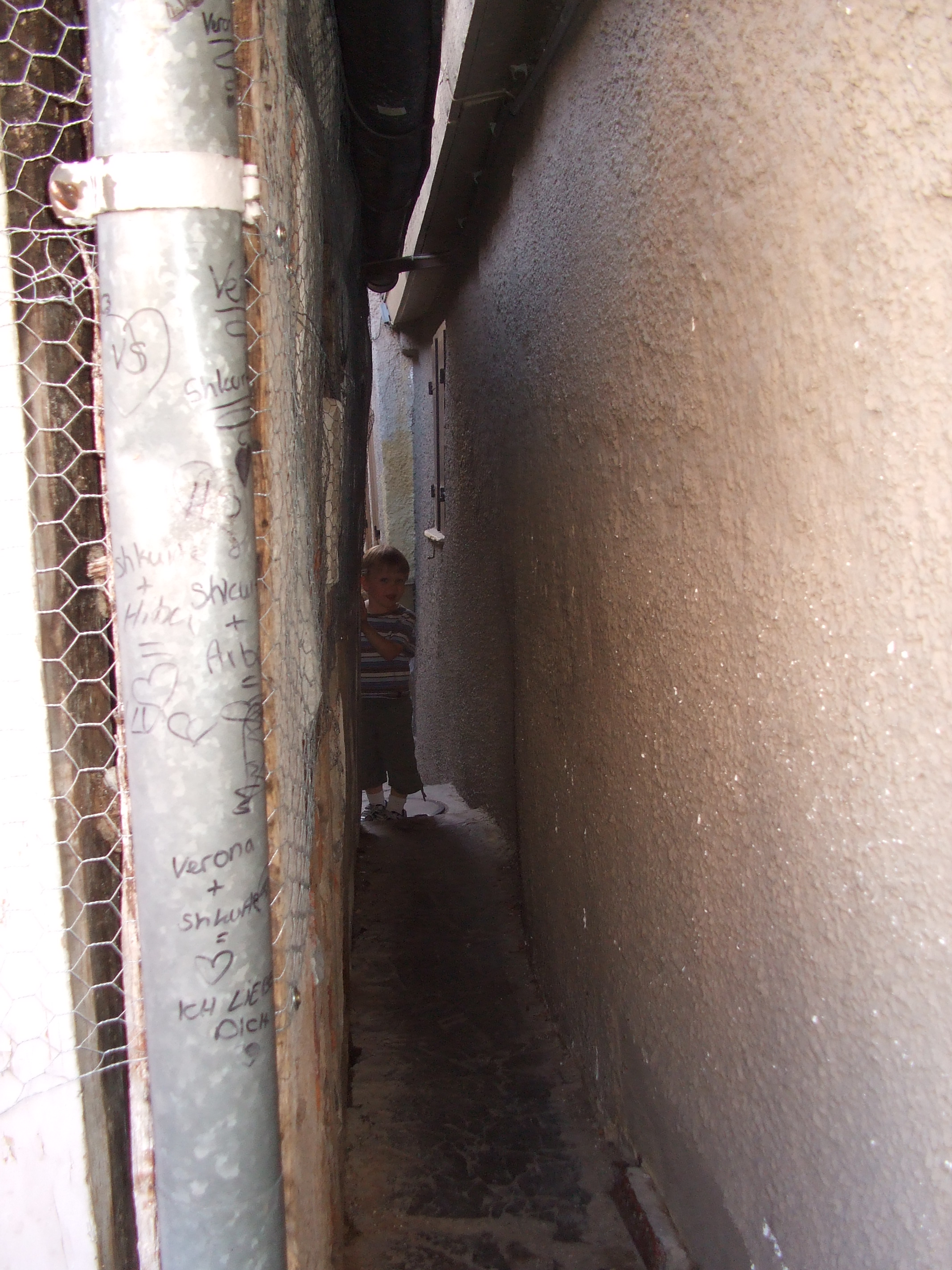
The narrowest street in the world (and one of the Professor's cute kids hiding at the end)

Anyway. These four days have been amazing. For the most part, the group and I have just been getting acquainted with the city of Reutlingen. One day, we took a tour of the Stadtmitte, which is the only-pedestrian city center where most of the social activity, restaurants, and stores are. Despite our old and soft-spoken guide who was difficult to understand, it was fascinating to see the historical and important sights in the town. Included in the tour were the Marienkirche (St. Mary’s cathedral, the huge cathedral in the city center), the Rose Garden (which was tended by monks who lived in an adjoining building, complete with flowers, benches, and a chapel), and Reutlingen’s claim to fame in the Guinness Book of World Records, the narrowest street in the world. Unfortunately, there are too many cool photos to include in this small blog, so you’ll have to visit my Picasa account at  https://picasaweb.google.com/100454144518688283131 to see the rest of them! Because this small space isn’t even close to enough room to convey the whole experience.

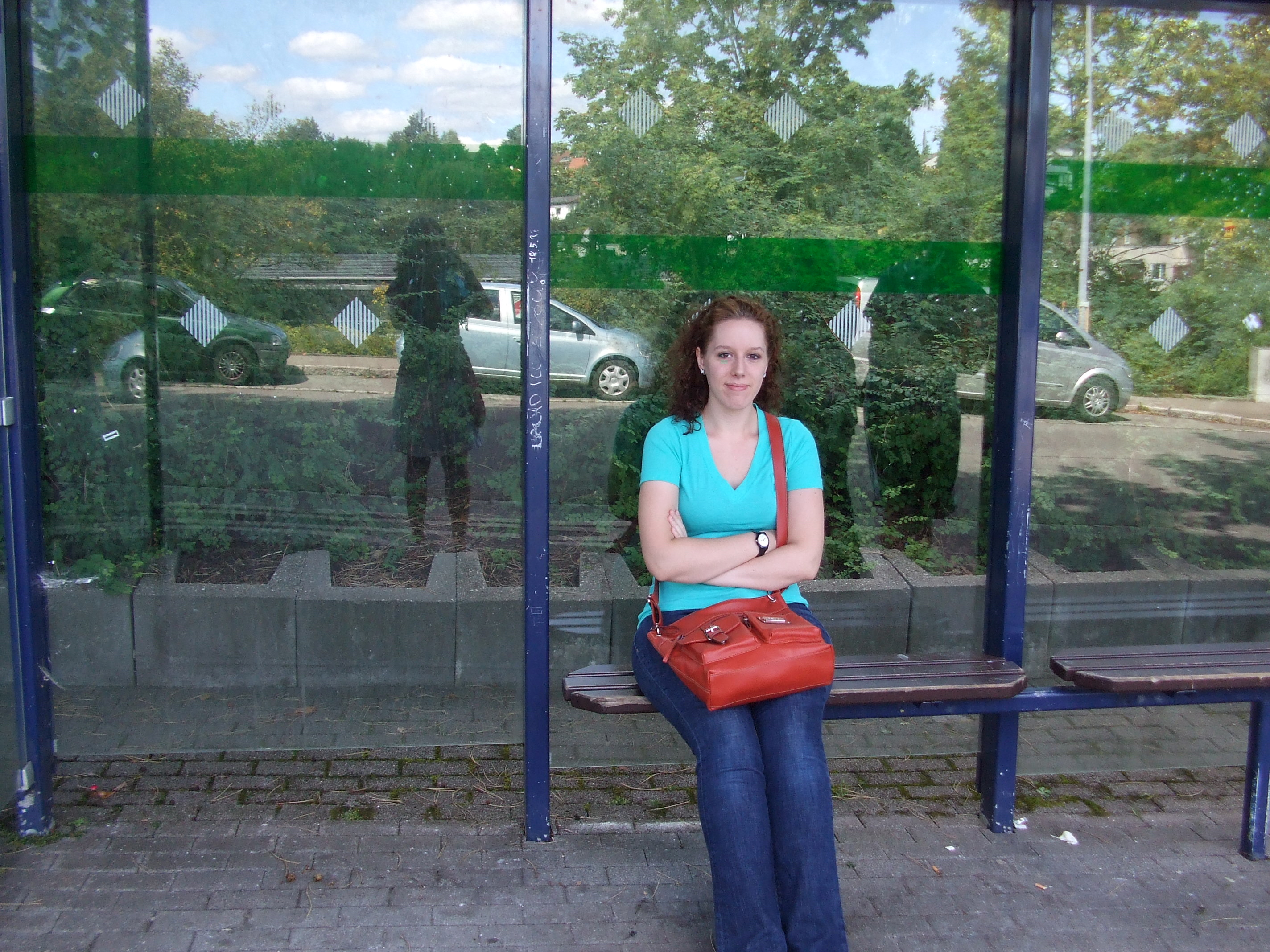
Molly just waiting for the bus.

Much of our time so far has been spent learning the bus and train system and walking around attempting to navigate the town. It’s not that complicated–buses come to our neighborhood every ten minutes, and leave the city center every ten minutes bound for our neighborhood. And there’s one easy route to walk to the city center. But the fact that everything’s in German makes it a bit more complicated. Times like this it’s nice to have our professor herding us around, since he’s fluent! But I’ve got it down now, I think. Time to be independent!


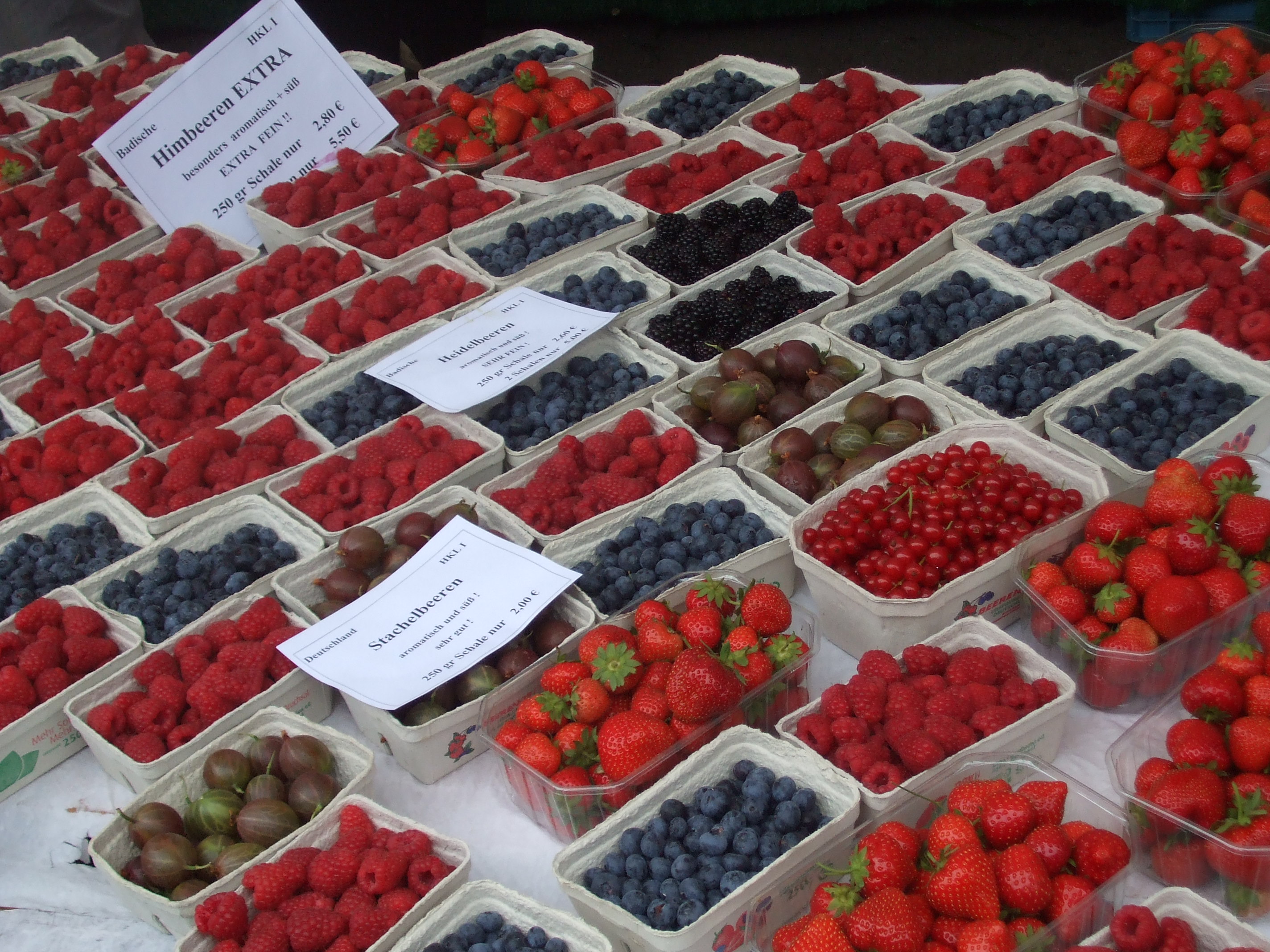
Not only are they the best-looking berries ever, they're also the best-tasting. Win-win.

One of the highlights of our time here has been market day, which is like an enormous farmer’s market. Meat vendors, fruit and veggie farmers, bakers, and cheese-makers all come to the market square in the city center every Saturday and Tuesday morning and sell their homemade or homegrown goodies. You can find basically anything you’d want–gigantic loaves of delicious breads, homemade honey and jam, so many fruits and veggies, and can even grab authentic German bratwurst-type sandwiches while you peruse. Again, look on my Picasa account (link above) to see all the delicious goodies, because there are way to many to portray here.

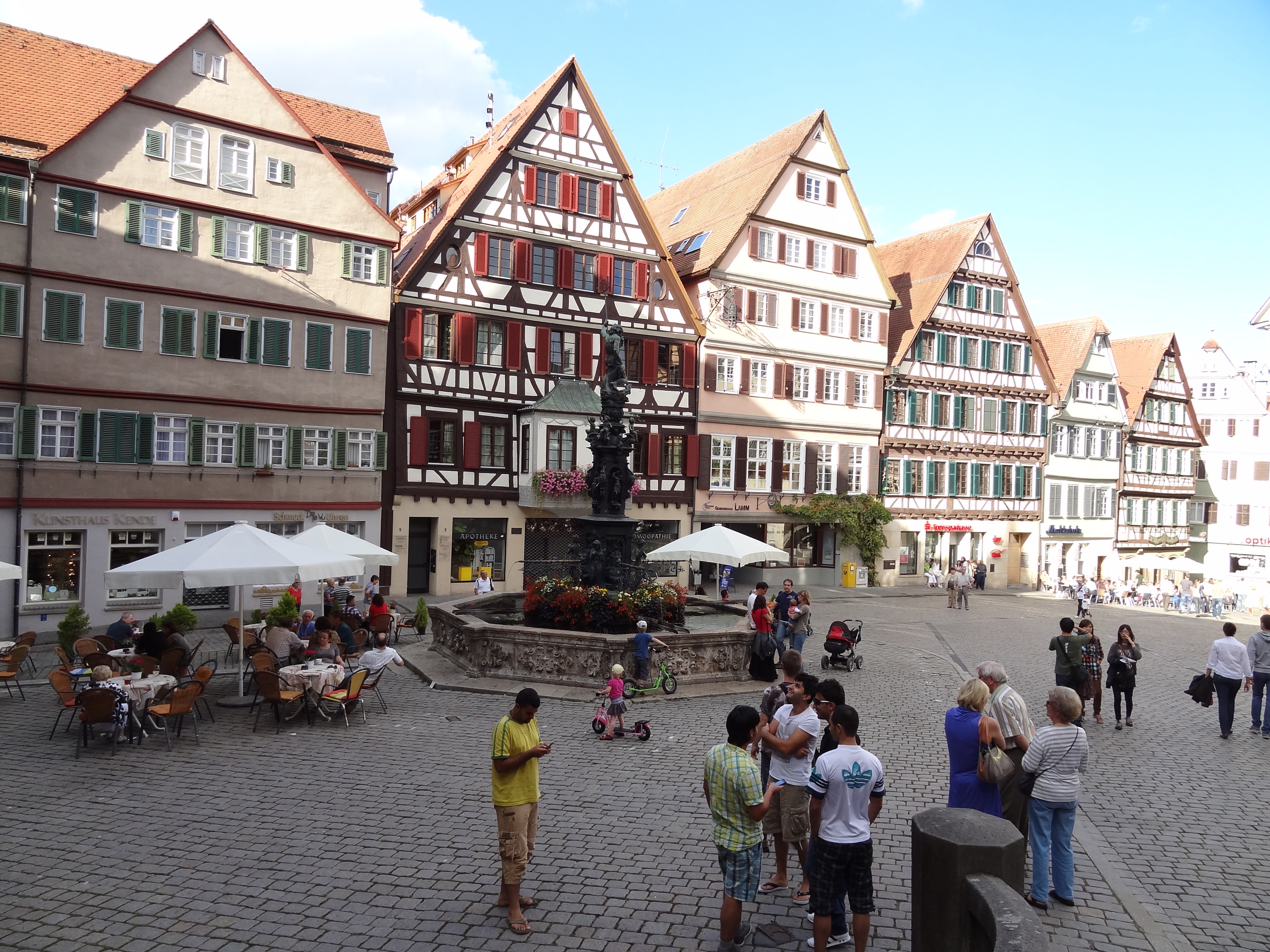
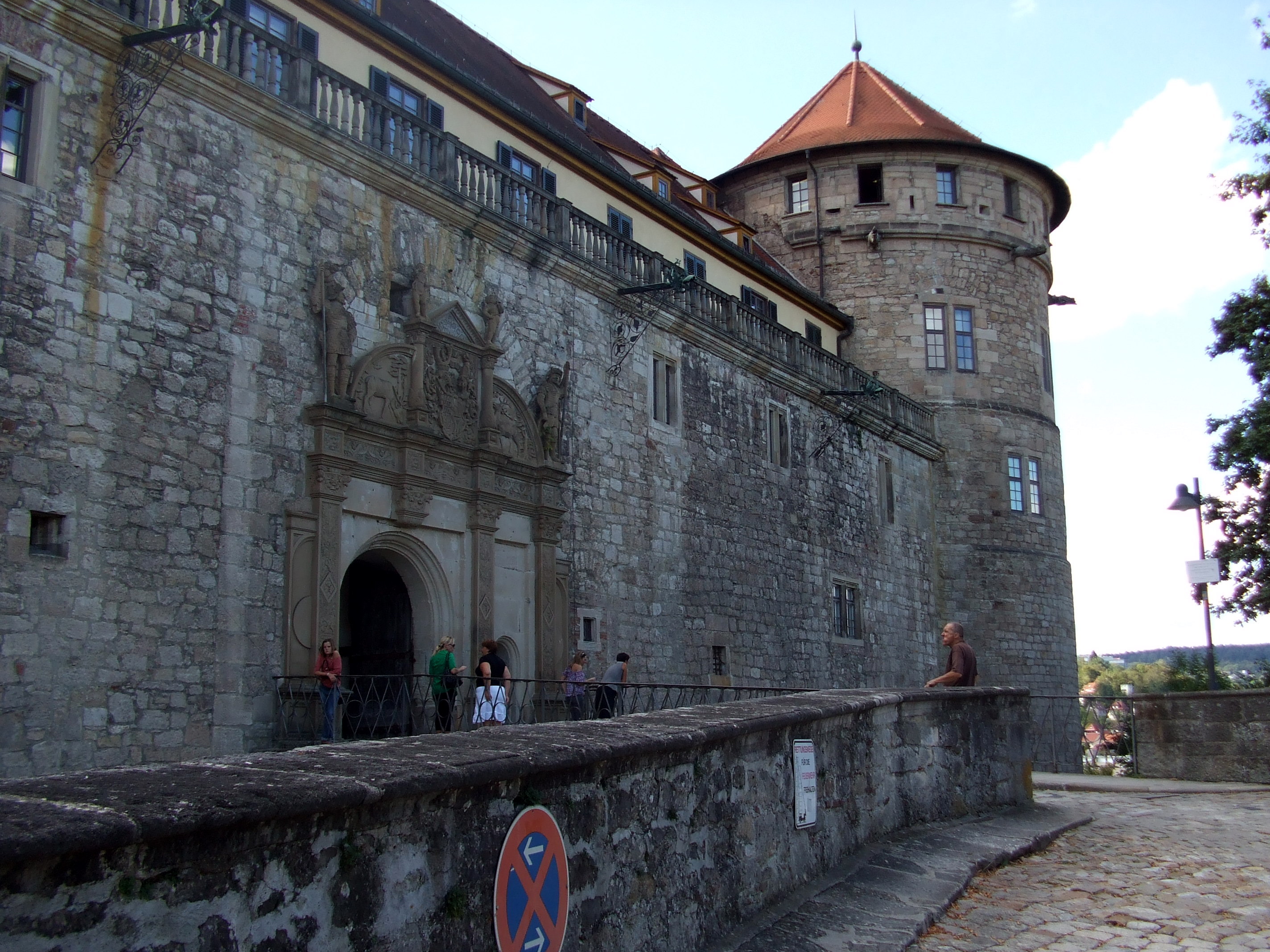
On Sunday, the Reutlingen and Tuebingen groups met up for a tour of Tuebingen given by Dr. Springer, an art history professor at the University in Tuebingen and one of the professors in the Reutlingen Valpo program. It’s a fascinating city. Unlike Reutlingen, it wasn’t destroyed in war, and so all of the buildings are extremely old, especially by American standards. The coolest part, of course, was the castle. It’d be strange if the castle wasn’t the coolest part of any tour. I mean, they’re pretty awesome. And then we got to eat at a restaurant right on the river, which has its own brewery as well as fabulous food. A great day, all in all.

CASTLE.

That’s an overview of life the past few days! Until class on Monday. But even that, too, will be incredibly interesting. After all, we’re in Europe! What isn’t interesting over here?


First few days in Tübingen!

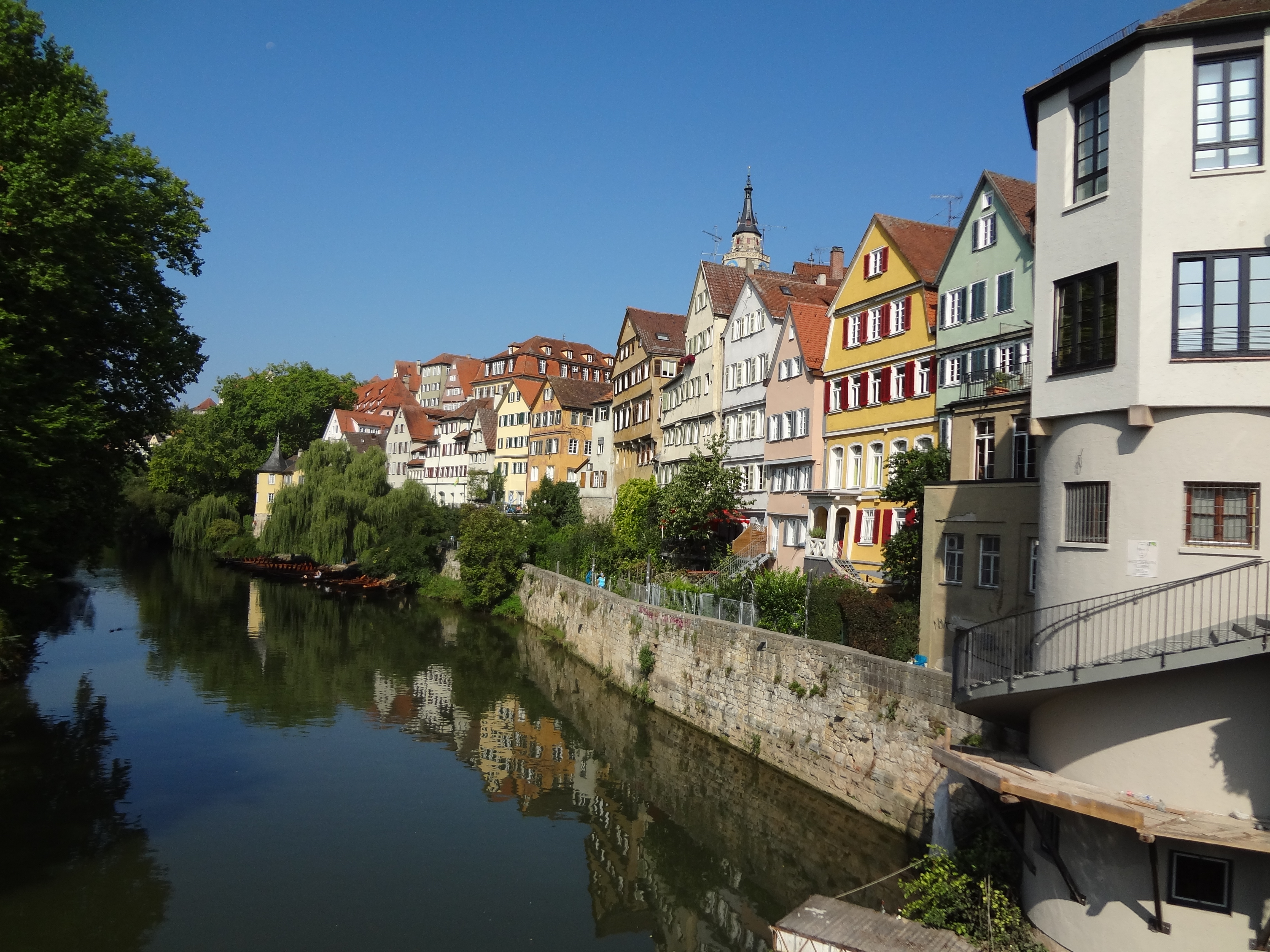
Famous view of Tübingen with the Neckar River in the foreground


Hallo aus Deutschland! It’s Sunday the 28th of August and after being here for three days, I can finally say I’m all finished unpacking, organizing, and moving into my little room here in Tübingen. It’s a little smaller than a freshman dorm at Valpo, but I get it all to myself and the entire building has been newly renovated. I’ll post some pictures as soon as I take some – knowing that I’ll be here for the entire year takes away the urgency I typically feel while traveling to capture every potentially-memorable photo, so I haven’t really taken any pictures yet.


I was hoping to do a blog post a little earlier, but I am still without my own username and  password to access the internet. With this blog post I’ll do a little bit of catching up of everything that’s happened over the past few days. It’s been pretty busy, and my jet lag still isn’t completely gone, so I’ll do my best to remember it! It will probably be another week or so before I’ll have internet in my room, but Jake, Hannah, and Emily have all found ways to get online, so I’ll at least be able to borrow their computers for the short term. (By the way, there are five us altogether from Valpo who are studying here in Tübingen – I’ll refer to them often throughout this next year of blogging, I’m sure!)


Both flights here went very smoothly and without problems. For the music people who may be reading this, the band My Chemical Romance was on our flight from Chicago to London! I had no idea of this, but Rachel stood in line next to them while boarding and was excited to tell all of us after we had landed at Heathrow.


When we arrived in Stuttgart I was tired and very hungry – being gluten intolerant, I could only eat about half of the surprisingly good looking food on the plane. Professor Malchow, the resident director for the Reutlingen program (and also the de-facto go-to person for the Tübingen program), met us as soon as we had collected our luggage. While we rested and ate some lunch, he filled us in on a lot of really helpful information while we waited for the Reutlingen students’ plane to arrive. I was so jet lagged and sleepy, so hopefully I’ll be able to remember all of the important points, anyway…


A big coach bus brought all of us Valpo students to our respective buildings in either Tübingen or Reutlingen. I was the first one dropped off, so I didn’t get to see where anyone else was living right away. As the bus pulled away, I was left standing on the sidewalk with three heavy suitcases and a backpack staring up the two flights of stairs leading into my building. At this moment, I was feeling pretty lonely and in shock about being dropped off in a completely foreign city that I knew next to nothing about. Luckily, that wore off soon enough.


All of us were very lucky to have Clara Ullrich and Stefanie Merk (two German students who lived in the German House and studied at Valpo last year) to help us move in and acclimate to our new rooms. Having also lived in the German House last year, Jake and I know them very well. This was especially helpful because they offered to drive us to go shopping for food and other necessities for our rooms, which I was extremely appreciative of.


On Friday, Jake, Hannah, Emily, Rachel and myself spent the day exploring the city, buying cheap cell phones, and visiting/comparing each others’ rooms. With the way the student housing agency is set up here in Tübingen, none of us knew very much about where we would be living until we actually got here. Hannah, Emily, and Rachel have a much more “urban” living experience than do Jake and myself. Their rooms are located right in the middle of Tübingen’s “Altstadt,” (historic, old part of the city) and very close to everything. Their buildings are older, but they are in easy walking distance of all the famous sights downtown, the university buildings, and many stores, restaurants, bars, ice cream shops, etc.


Jake and I live in an eight-story building that is much more similar to an American-style dorm building than to the house-type buildings where the girls live. It is about a half-hour walk to the city center and university buildings, but the building itself and rooms are pretty nice. I was surprised at how extremely messy all of our buildings are. Because of the way the German semesters are set up, many of the students who lived here prior to us just moved out at the end of July. I think move-out must work differently here, because all of our four buildings are full of junk in the hallways that old students apparently didn’t want to take with them. Pulling a suitcase down the hall was a bit of a challenge in some areas on Thursday… We have been told that a “deep-cleaning” of the buildings will occur sometime in September before all of the German students move back in, which I’m really hoping is true. Out of my 5-room wing, there are only three of us here, which is much more full than other parts of the building. On every floor or the “Neuhalde,” (the name of my building) there are five locked wings, with five rooms in each. Every wing shares one kitchen, two showers, and two bathrooms, so it feels much homier and more interconnected than the freshman dorms at Valpo.


On Saturday, the five of us had quite an eventful, adventure-filled day. We all split the cost of a “Baden-Württemberg Ticket,” which allowed us to travel anywhere in the state of Baden-Württemberg by bus, train, or tram all day long, as long as we were together. It is much cheaper than all buying individual tickets, and every German state has tickets like this. I am pretty familiar with “Deutsche Bahn” (“German Rail,” the national train system here) because I traveled by train very often as an exchange student here in High School.


In the morning we took the train to nearby Böblingen, where the closest Ikea is located. We all found some pretty neat things for our rooms, whether plates and silverware, bedding, or decorations. Ikea in Europe is almost exactly like Ikea in the U.S. I recognized many of the items from having seen them in Chicago, and it is still cheap, amazing, blue, yellow, and giant even by American standards – just like at home.


We all had a good laugh at ourselves after lunch. After we had checked out and bought everything, we decided to go back into the store (with our purchased merchandise) to eat lunch at the cafe. The lines were extremely long, but well worth the wait. After eating and visiting in the cafe for a few hours (to avoid the heavy rain outside) we were faced with the question of, “What is the best way to leave the store carrying bags of things we have already bought?”


Looking like the stupid and confused foreign kids, we all walked around for awhile thinking about how to leave and not make a scene. The Germans are very orderly people – the store had stairs marked “Up only” into the store and restaurant, and “Down only” back to the warehouse and checkout section. Even the hallways through the upstairs and downstairs were one-way-only loops, clearly marked with giant arrows.


After going down the upstairs, and up the downstairs, Jake decided that we should take the elevator marked, “KEIN FAHRT,” (NO ENTRY or literally, NO RIDE.) He was convinced that the elevator would take us down to the first floor, and open up right by the entrance where we could simply walk out of the store the way we came in. It did go down a floor, but instead of opening towards the entrance, the doors opened towards the warehouse and checkout area. Some other shoppers stepped out, probably wondering why weren’t doing the same. Jake was convinced the elevator would open on the other side if we just waited.


We did wait, and after a couple minutes, we all burst out laughing. Nothing happened. We were trapped in the elevator. It must have been an automatic elevator, because there were no buttons to control which floor it was going to next. We looked over to to the controls, and there were two buttons: an emergency call/alarm button, and another logo we did not recognize. I pressed the second one.


The doors to the warehouse opened back up, and we walked back into the store with our blue Ikea bags, trying as hard as possible not to laugh and cause a scene. We ended up just walking through the store to the checkout area. Once we got there, the group elected me to explain our situation to a checkout employee. After explaining that everything we had was already purchased, the story of us being hungry and going back upstairs to eat, getting lost, being confused, not knowing where to exit, and eventually ending up at the checkout, she nodded understandingly. Then we got scolded. “Normally, you are not allowed to go back into the store after leaving the checkout,” she said. “I will need to see your receipts.” This wasn’t a foreign concept to us at all – every store in the United States would say the same thing… We should have just eaten before we shopped, so we all felt pretty stupid.


Luckily, I already had my receipt ready to show her, and after looking it over she let us leave. And with a long walk back to the train station, our Böblingen adventure was over. That evening, we were back on the train to Stuttgart. There is a big, well-known “Weinfest” (Wine Fest) going on there right now, and we decided to go. A whole part of the city was designated as the “Weindorf” or, “Wine Village,” which I found to be a pretty accurate title. There were tents sponsored by restaurants serving food and delicious wine everywhere, and accordion players in the streets. The atmosphere was stereotypically and unmistakably German, and absolutely wonderful. It was extremely crowded and it took us forever to find a free table. Once we found a place to sit down and take in the atmosphere, it ended up being a very great and memorable night. More to come about the Weinfest on Jake’s blog, if he hasn’t already posted!


This has gotten to be a pretty long entry – I’ll have to stop being so long-winded…


Bis dann!


Links:

Hannah’s blog: http://www.travelwithsimba.blogspot.com

Emily’s blog: http://www.germanymeetsemily.blogspot.com

The Cities of Europe!

These past three weeks I’ve been traveling with my family around Europe: seeing castles, churches, family and taking lots and lots of pictures!

On our adventures we visited four countries and stayed in about 7 different hotels! Because there is so much information to cover, I’m going to write a little bit about each place we visited and maybe tell you all about some things I liked (or didn’t like!) about each city.

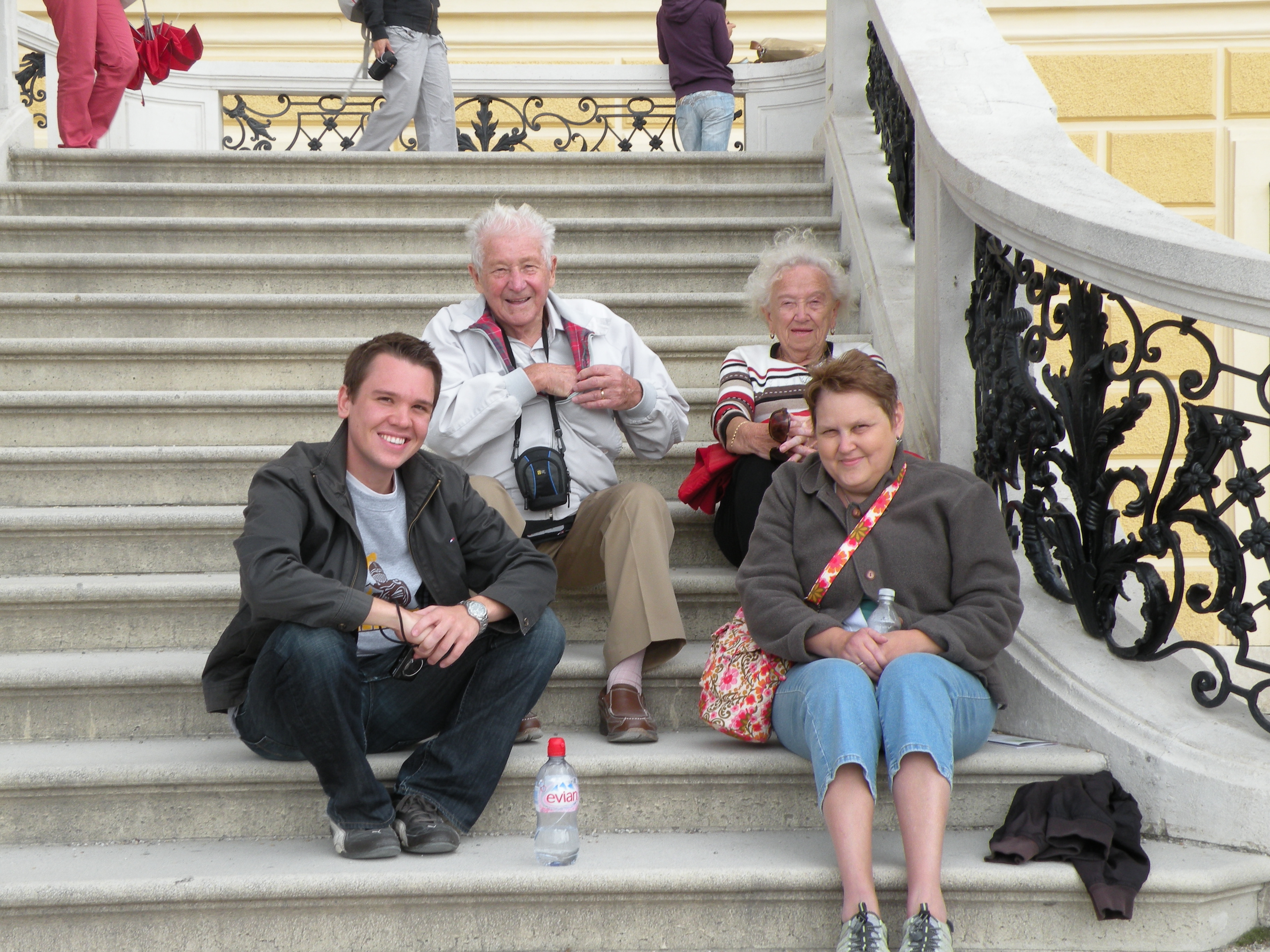
Me, my grandfather, grandmother, and mom on the steps of Schönbrunn

1)   Vienna, Austria

Vienna was probably one of my favorite cities, but just happened to be the first we visited. It was fantastic to be there with my grandfather who had learned his trade in Vienna, and was there when war broke out in 1939. He showed us the street he used to work on, the places he remembers and the best of the city. As an 88-year-old man, it was really impressive that he could make such a big trip to Europe, much less walk all over the city! Hearing his stories made me proud of all he accomplished in this city. During the war he and his family lost everything and afterwards came to America with a debt of over $1,000 dollars. In the US he made a living, starting from scratch. It’s an amazing story, and inexorably intertwined with the great city of Vienna.

Best of: Schönbrunn (the palace); Staatsoper (State Opera); Stephansdom (cathedral)

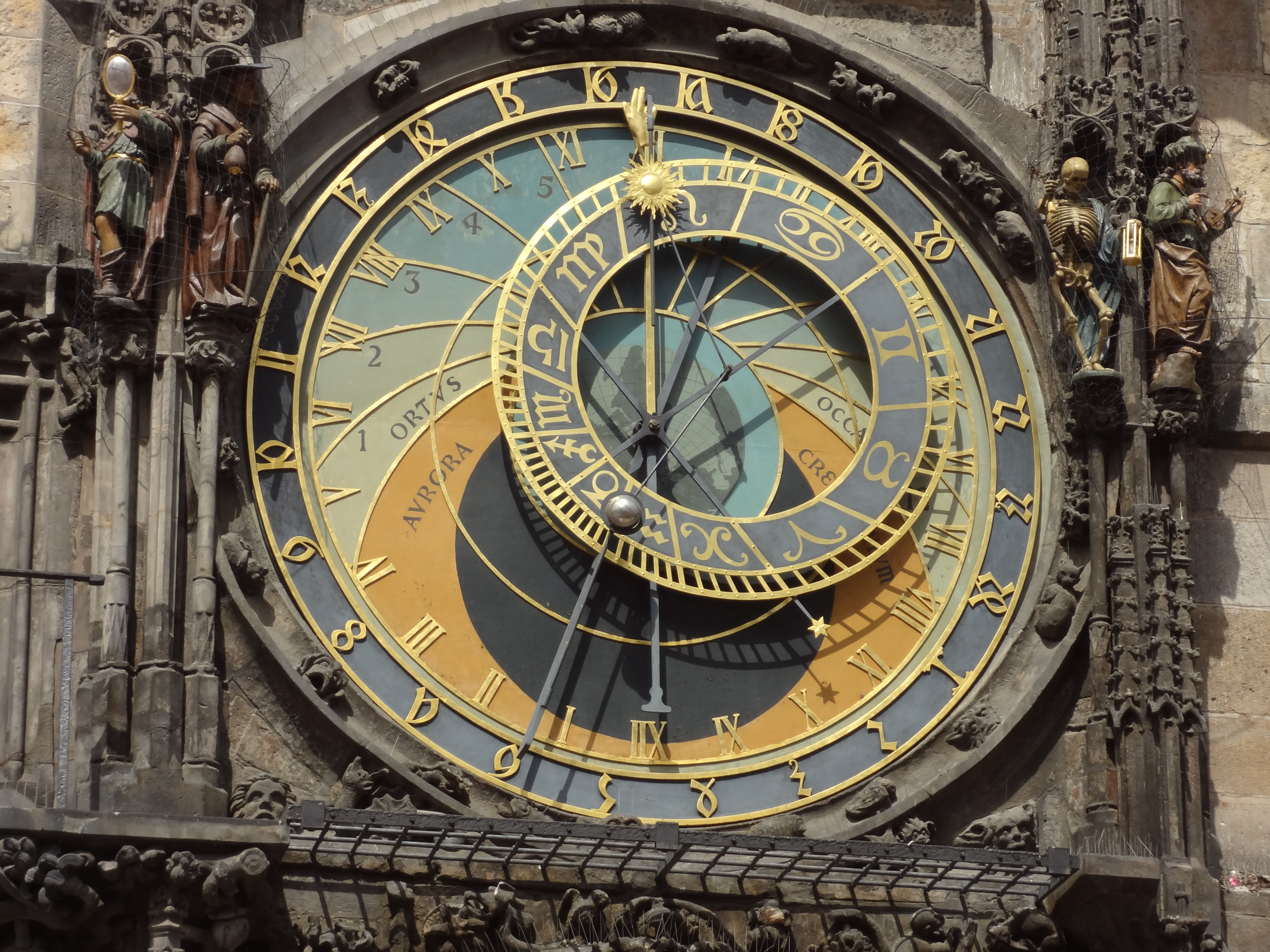
Astronomical Clock

2) Prague, Czech Republic

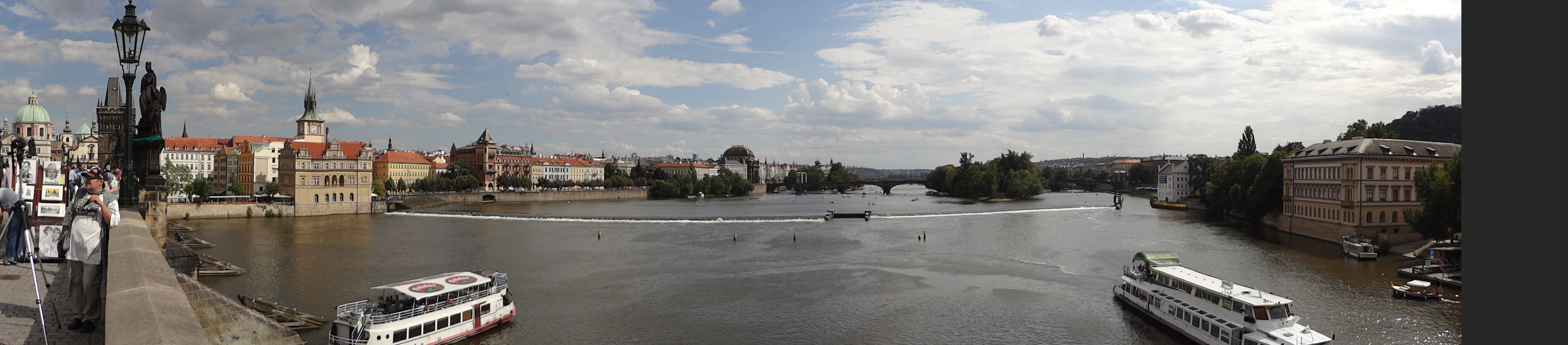
Before I left, people often told me that Prague was the most beautiful city in the world. To this I’d say – yes and no. In the tourist district that is made up of the Astronomical Clock, the expensive shopping zones, the Charles Bridge, as well as the castle, everything is almost surreal! All the buildings are so incredibly beautiful, and the views are amazing. However, much of Prague (and the Czech Republic) was scary at points. You can really tell that communism did quite a number of the country. We drove from Vienna to Prague, and driving through the Czech Republic was significantly different than driving through Austria. If you stay in the nice areas of Prague, there’s really nothing to be worried about – just be careful, would be my advice.

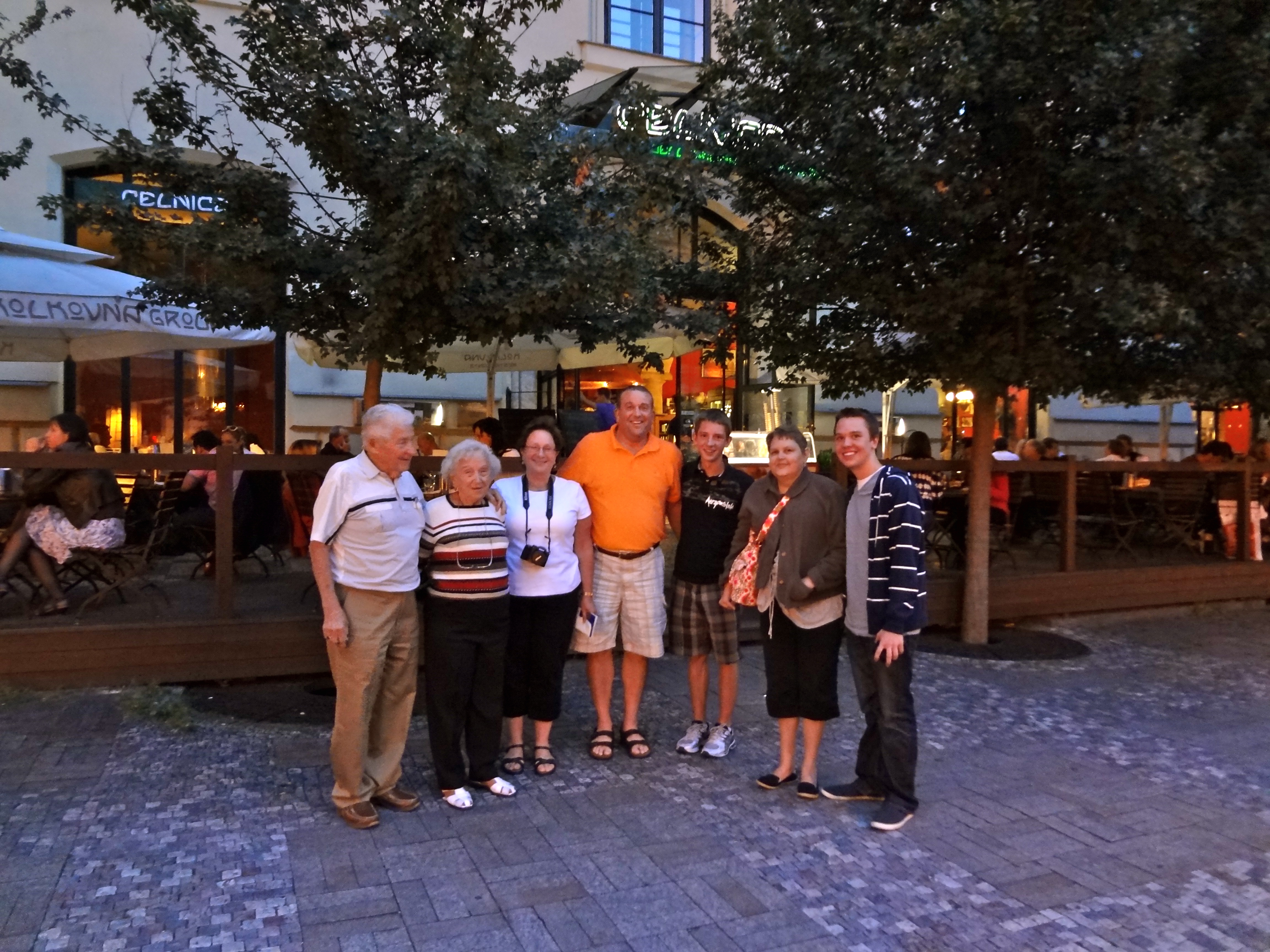
My family after dinner!

The food here was hit or miss. A lot of the food is very dense, and we did have a few mediocre meals. However, there was one restaurant, where we had a fantastic meal! The name of the restaurant escapes me, but it was good enough to warrant a trip back to Prague just for that dinner!

We also met up with my aunt and uncle in Prague, so even though it wasn’t my favorite place, it was really nice to see them!

Best of: Astronomical Clock; Charles Bridge; Castle

Not so great: Sketchy areas; Haggling for everything; Lots of tourist traps

Panoramic of Prague


3)   St. Johann im Pongau, Austria

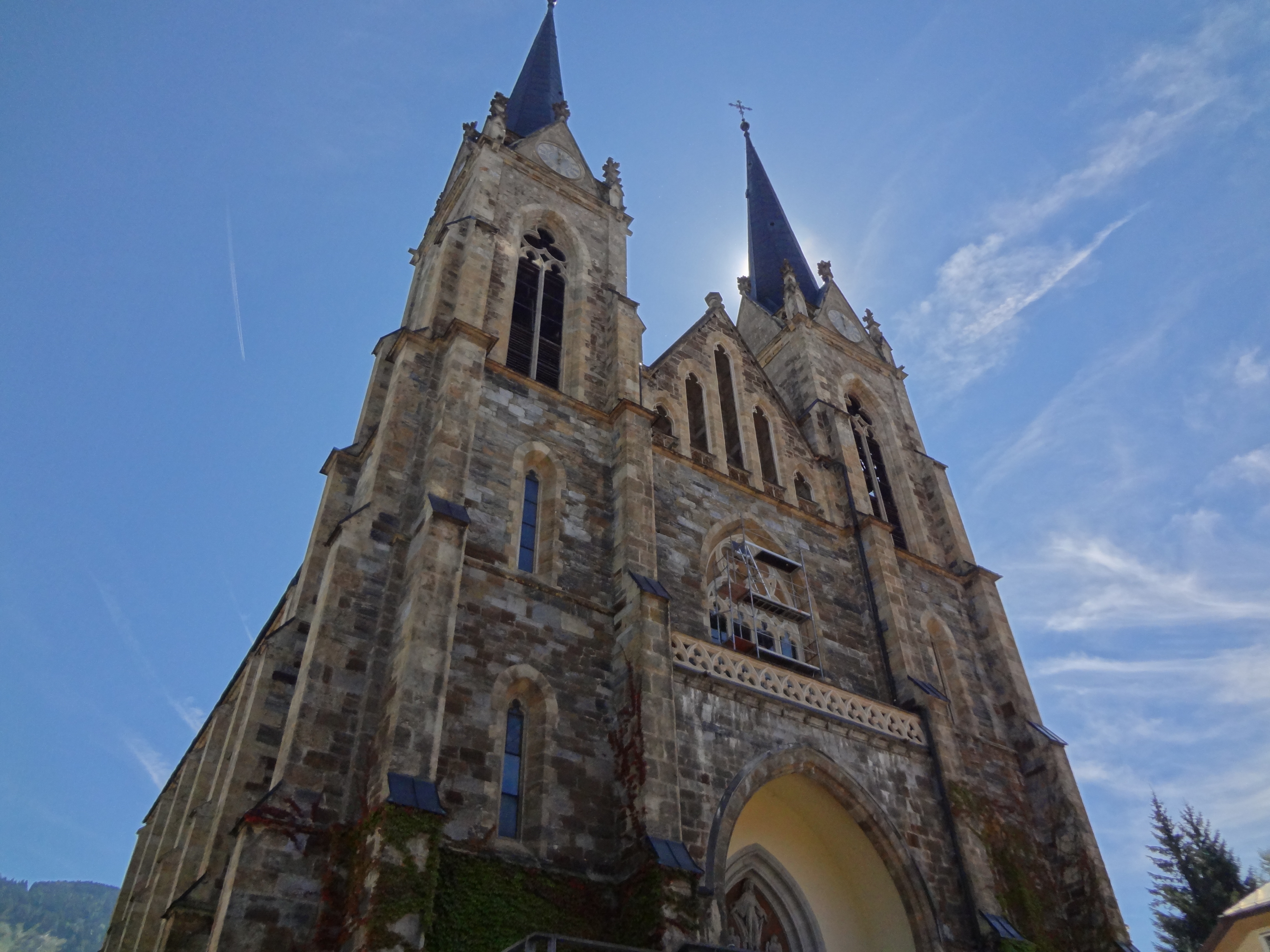
Pongauer Dom

My family and I stayed in St. Johann for a week during our trip. And as opposed to the big cities, I have to say that staying in a small town in the Austrian Alps was one of the best experiences we had! St. Johann is a big vacation spot for Germans and Italians, but we didn’t see any other Americans around. The views in the mountains were so incredible, and the shopping / dining was awesome (mainly because we were getting sick of doing touristy things). My brother and my dad ended up buying some Lederhosen and “traditional” clothes. It was a lot of fun! We also took a few days to go visit Munich and Salzburg, which weren’t too far, but those stories will have to wait for the next post!

Best of: Dom (cathedral); Shopping; Food; Family!; Hiking

In the next post I’ll tell you all a little more about our time in:

4)   Munich, Germany

5)   Salzburg, Austria

6)   Heidelberg, Germany

7)   Zurich, Switzerland

8)   Tuebingen, Germany!


Until then! Tschüß!


The Beginning

Hier bin ich! (Here I am!)


After a nerve-wracking, scary, exciting, and stressful emotional roller coaster ride that was the days prior to departure, I am finally in Germany and somewhat settled in. How I got here though, that’s interesting. Unfortunately, I’m not exactly the plan-ahead type of person, so most of my packing was done the day before I left my house in Alabama. Which meant a bit more stress than if I had started earlier, but like they say, nothing would ever get done if it wasn’t for the last minute! Fortunately, I can’t think of anything important that I forgot. Yet, at least. So it seems that my packing tips might actually be useful (and if it turns out they aren’t, I’ll let you know later when I kick myself for forgetting something). Here goes:

Getting ready to leave

1.   Pack lightly. That’s the first thing anyone will tell you, and it’s true. For our group’s tickets, we only were allowed to bring one bag for free. The second one was $50 (ouch). But most of us brought a second one. After all, it’s almost four months abroad, and drastic season changes occur during the fall semester. Point is, you will need a lot of stuff while abroad, but it’s expensive to bring a lot, so keep it to a minimum.

2.   Leave room for items bought abroad. Not only do you have to pack lightly, but you also want some free room so you can bring more back with you. Christmas presents, for example. Who wouldn’t want a Christmas present from Germany after all? I cheated the system by packing toiletries in mine that I will use up. Shampoo, body wash, that kind of thing. As long as your suitcase is under the weight limit when you leave, it’s fine. But even with the space that will be made by those things, you still want to leave a little extra room, because you will always, always have too much stuff.

3.   Plug adapters. Sometimes the program will have extras that somebody left from a previous year, but it’s better safe than sorry. Know what kind of outlets your country will use, and make sure you have an adapter that will work. And it’s easier to find them in the U.S. than trying to find the right one abroad.

4.   Shoes. You really don’t need many. Just make sure they are good for walking, because that’s the primary mode of transportation for students abroad. You’ll need a pair of shower shoes too if you’re in dorms. Remember tip number one, pack lightly! Four pairs is probably all you really need.

5.   Don’t bring money. It’s a lot easier and cheaper to get money with a debit card from an ATM than it is to try and change American dollars to Euros. Cheap is, of course, a relative term, because you’ll still have to pay a fee to transfer the money, and the exchange rate right now is terrible, about 1.4 dollars to the Euro. Ouch.

6.   Medications. Make sure you bring all the prescription medications you’ll need for your entire time abroad. It’s illegal to ship prescription medicine to Europe. And medicine in Germany like Advil is much more expensive than in the U.S., so it is definitely worth it to pack what you think you’ll need. Before you leave, make sure you find out what the country’s policy and price is for medications.

7.   Water bottle! It’s incredibly useful, especially since water in Germany has to be bought. If you aren’t opposed to tap water, you can always refill it from the sink in your room or dorm and in the bathrooms of restaurants. It will save lots of money in the long run.

8.  Finally, Find out what your program will provide. In Reutlingen, bedding and cooking utensils, among many other things, are provided for the students by the Valpo program. There are also many other items, like desk lamps, shower caddies, and hangers that other students have left behind that are up for grabs by the new students. Talk with your program’s director or a contact at your place of study to see what they can provide for you before you pack.

After I used up all of my brainpower in packing, I left for Valpo for a few days to catch up with my friends and see those I would miss most before leaving for four months. Needless to say, it didn’t help slow down my emotional roller coaster ride thinking that this would be the last time I’d see them for a long time. There were times I didn’t want to leave, and times I was so excited that I just couldn’t sit still. But the time came to leave, and since there really was no turning back after buying a $1500 plane ticket and an $800 Eurail pass, I left for the airport. And after all of the goodbyes, we turned the corner with a last glance back and were ready for our flight!

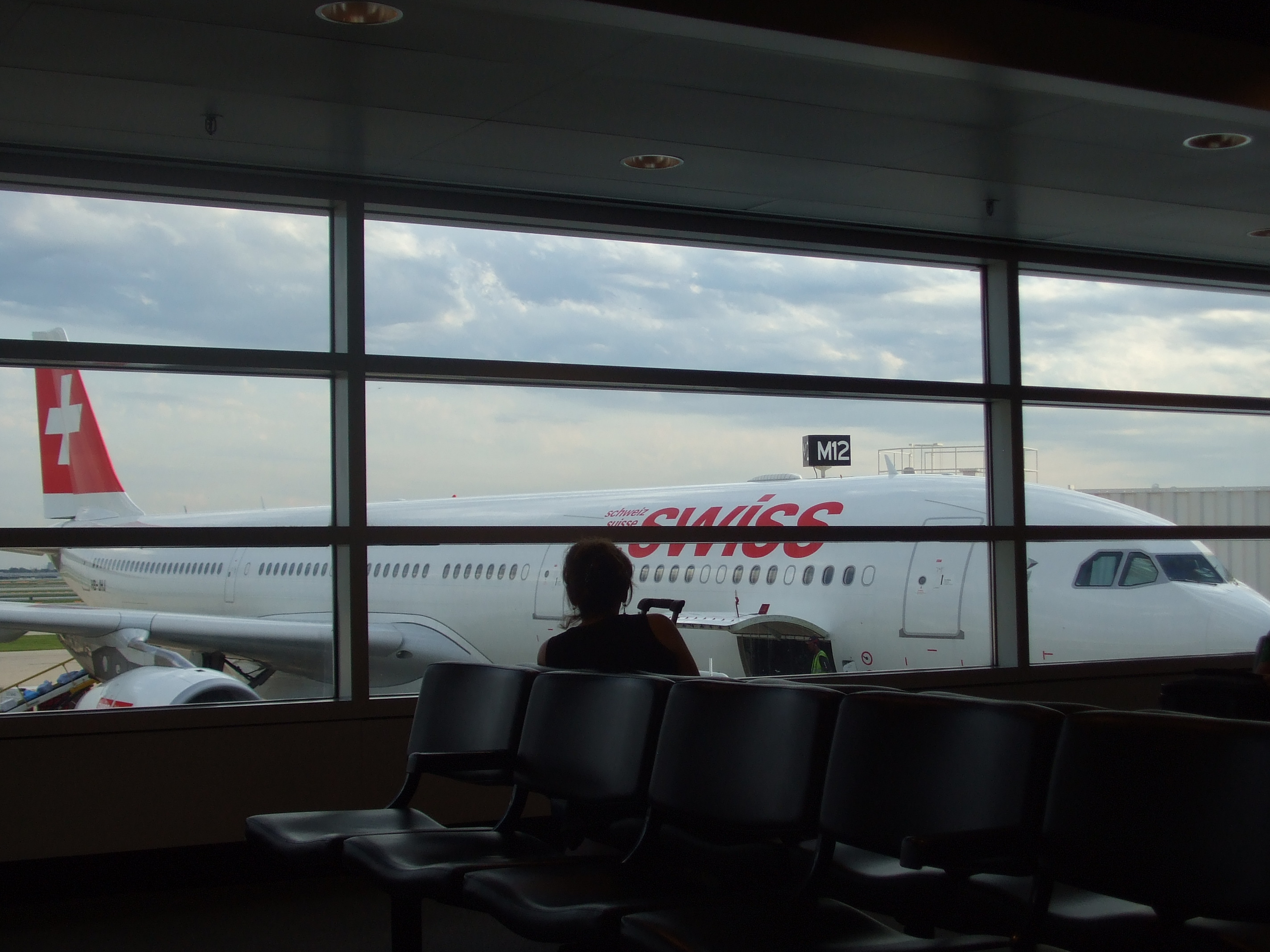
Our home for 9 long hours

After, of course, spending time getting through security with their fancy new machines… And spending way too much money on Reese’s Pieces because it would be the last peanut butter I’d be able to eat for a while… And sitting for way too many hours waiting for the flight… But then we finally got on board, and after a long, fairly restless, very uneventful flight we made it to Germany and to our dorm safe and sound!

48 hours into our semester, and there are already so many experiences to talk about, but those will have to wait until next time.

Bis später! (Til later!)

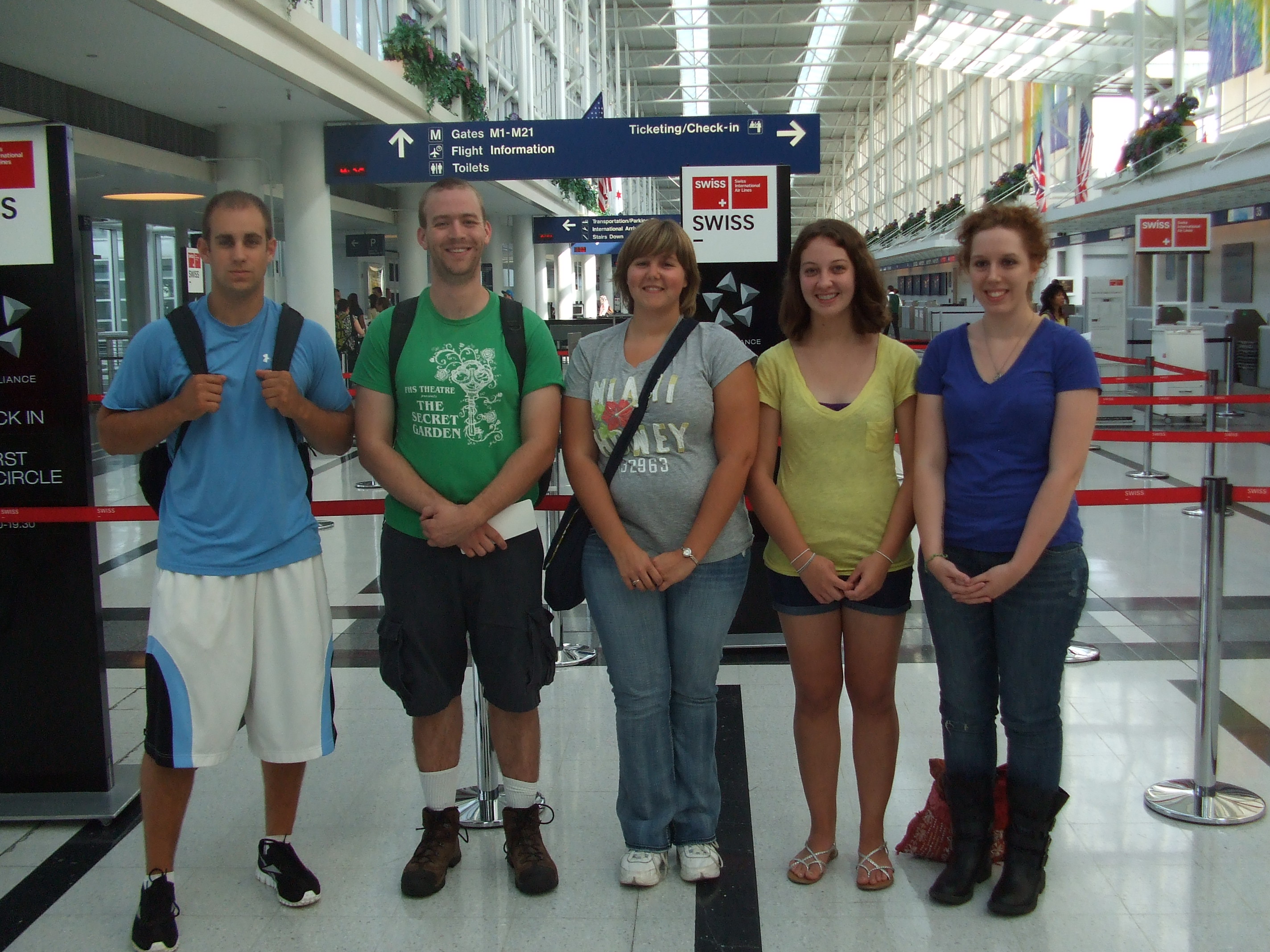
Departure for Germany!

It’s hard to believe that it’s already August 24th, and that in 12 hours I’ll be on the way to Chicago to catch my flight to Germany! For the past year-and-a-half I’ve planned on spending this year in Tübingen. “A year’s not that long, it’ll go by quickly” and “The classes will be in German, but I’ll catch on,” I would explain nonchalantly when people asked me about my trip. Now that I’m leaving so soon, it’s really starting to hit me how long it will be before I’m back visiting my favorite places, and how much of a challenge university-level courses in German might be.

Underneath the pre-departure nervousness, however, I’m actually very excited. I have both my bags packed (and under the weight limit!), I’ve checked into my flight online, selected my seats, and I’ve enjoyed many goodbye lunches, dinners, coffee dates, and visits with friends and family. I’ve done all I could to gear up for my year abroad, and I’m looking forward to the experiences to come.

Here are some of my packing tips for anyone interested in traveling abroad:


1) Start preparing early. I started to slowly add things to my packing list about two months ago. This gave me plenty of time to think everything through, and avoid the last-minute stress of trying to figure out whether I had everything I needed.

2) Leave space for items you will bring home! Many people say, “If you forget anything, you can buy it over there!” I find it helpful to bring as many disposable and toiletry items with you instead of buying them there. That way, you can save money with the bad dollar-to-euro exchange rate, and ensure that you’ll have some space on the way back.

3) Space -saver bags work miracles! For bulky clothing items, such as winter coats, I would highly recommend purchasing some of these. I fit two winter coats into one bag and after squeezing all the air out, my coats took up only a fraction of the space they would have normally needed. Beware: even though objects take up less space, they still weigh the same!

4) Weigh your bags at home, and leave a couple pounds of leeway for scale inaccuracies! A few years ago, I spent a semester in Frankfurt and made the mistake of overpacking. Both of my bags were overweight, which led to a pretty stressful shuffling of items into my carry-on luggage. My scale at home said both suitcases were exactly 50 pounds, but the airport scale said otherwise. This time, I bought a luggage scale, and didn’t fill my suitcases past 47 pounds.


That’s all for this post! I’ll post an update from Germany in a couple days once I’m all settled in.

Bis Dann!

(Until then!)

« Older posts Newer posts »

© 2026 Valpo Voyager

Theme by Anders NorenUp ↑