Vlogger: Nicholas Kwiecinski
Location: Reutlingen, Germany
Vlogger: Nicholas Kwiecinski
Location: Reutlingen, Germany
Author: Gabi Neuman
Location: Granada, Spain
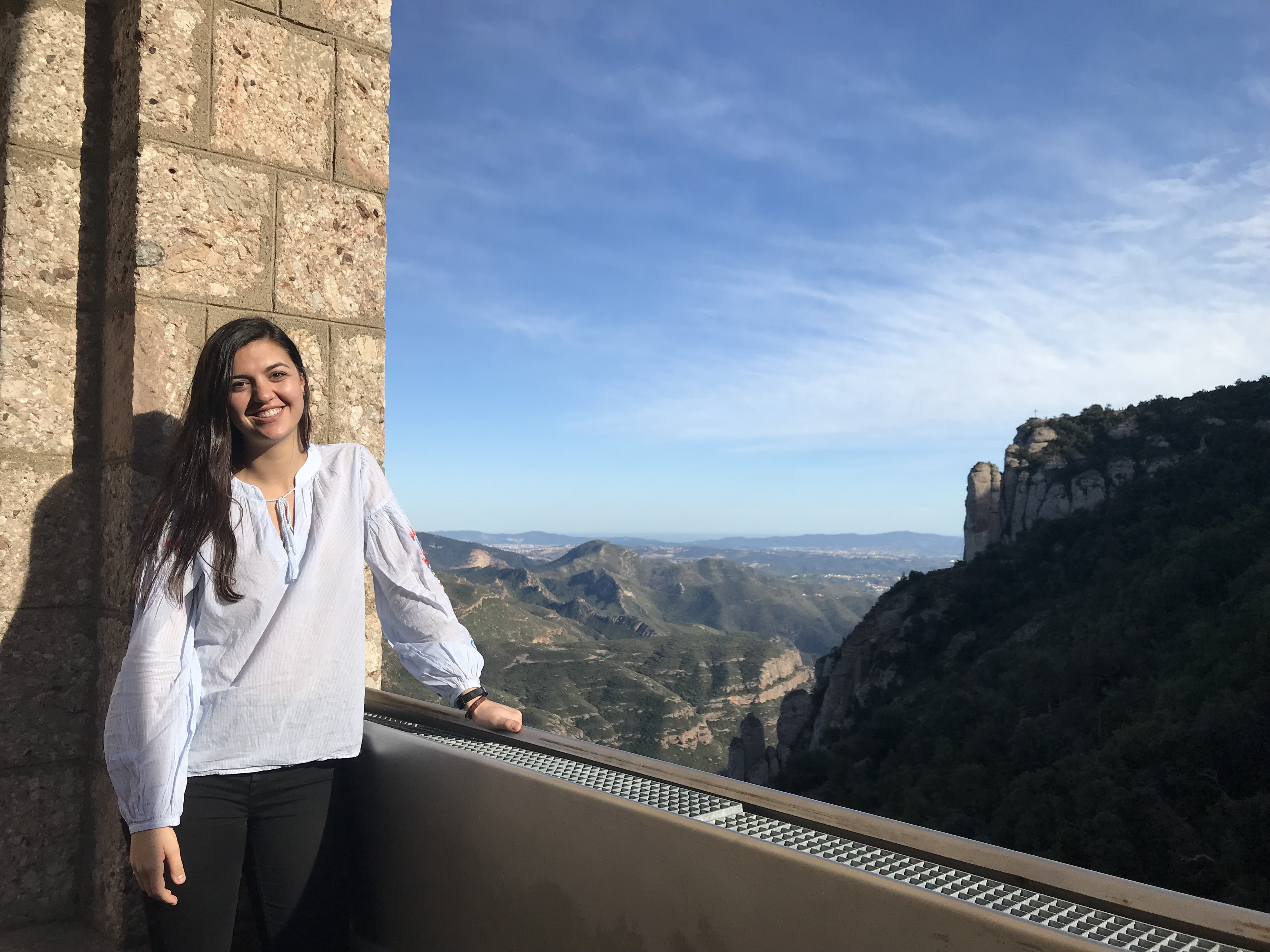
If you read my last two blog posts you might remember me discussing the more “negative” aspects of studying abroad. However, after this past weekend I’ve realized how good I actually have it here in Granada. In a week my parents come for Semana Santa or Holy Week here in Spain. I’m still learning all sorts of things from this culture and the people. I spent last weekend in Barcelona which was a nice escape from the 4 weeks of continuous rain we’ve had here in Granada (this much rain is a rarity but extremely helpful since southern Spain is currently experiencing a drought).
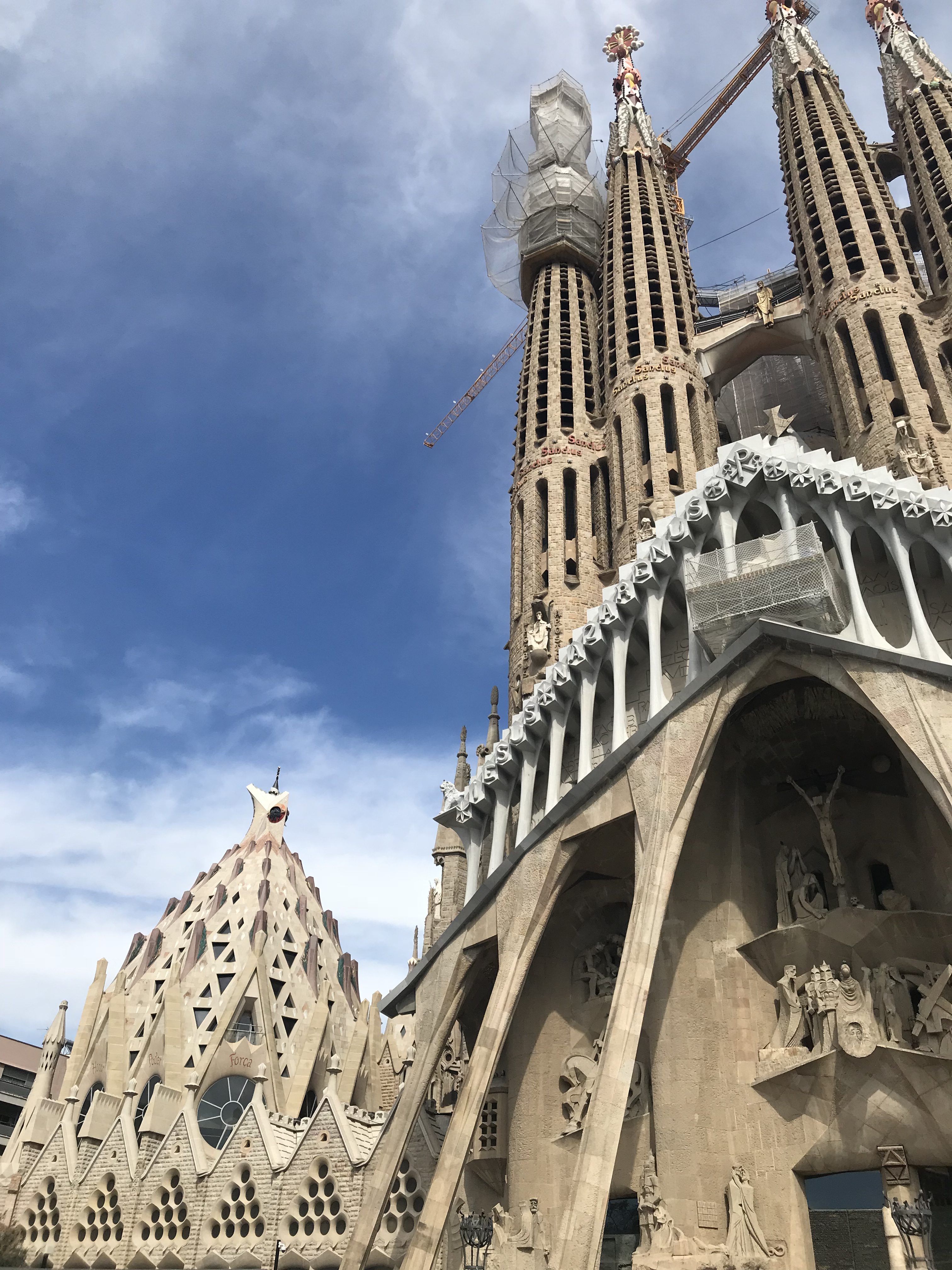
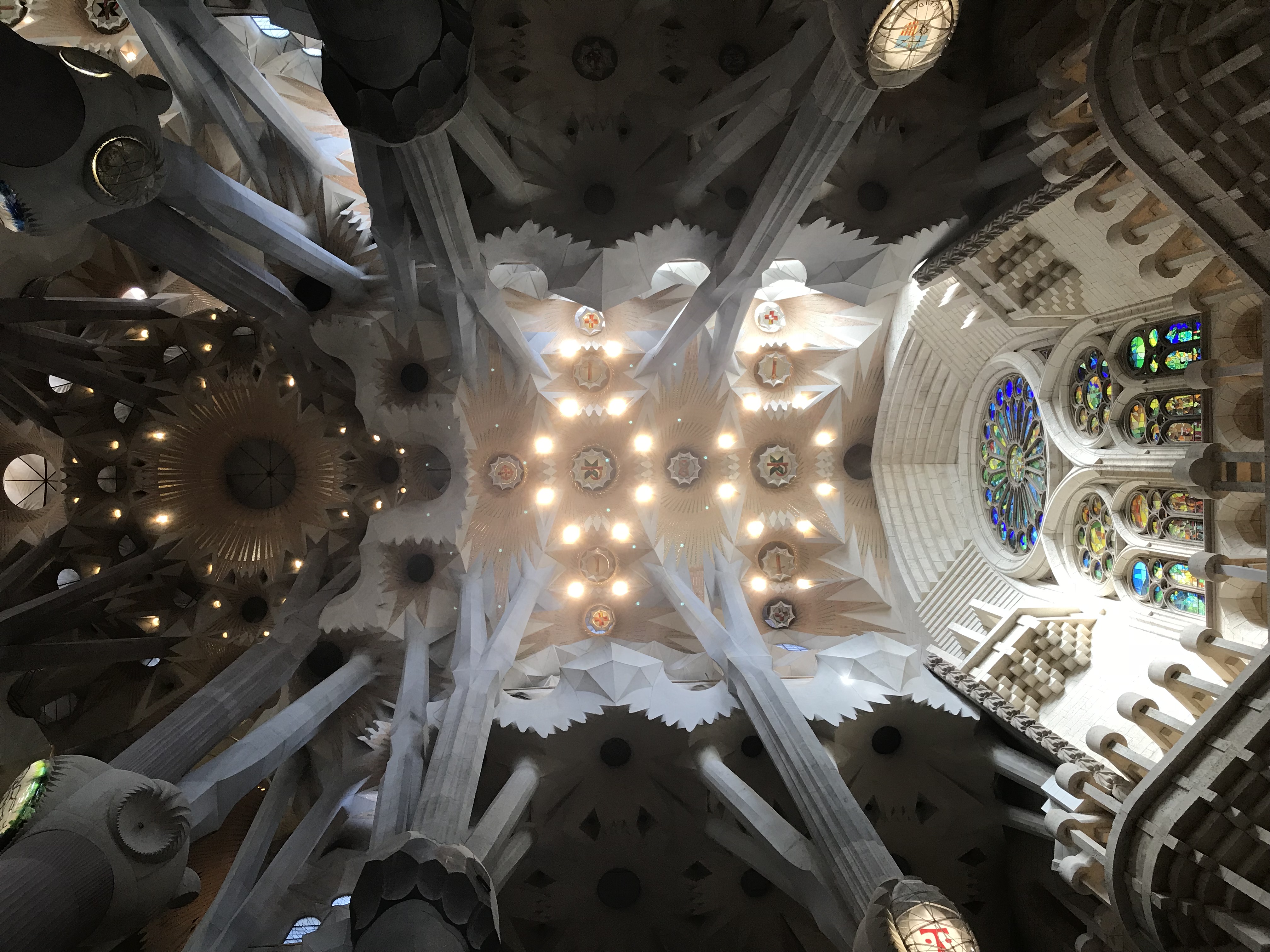
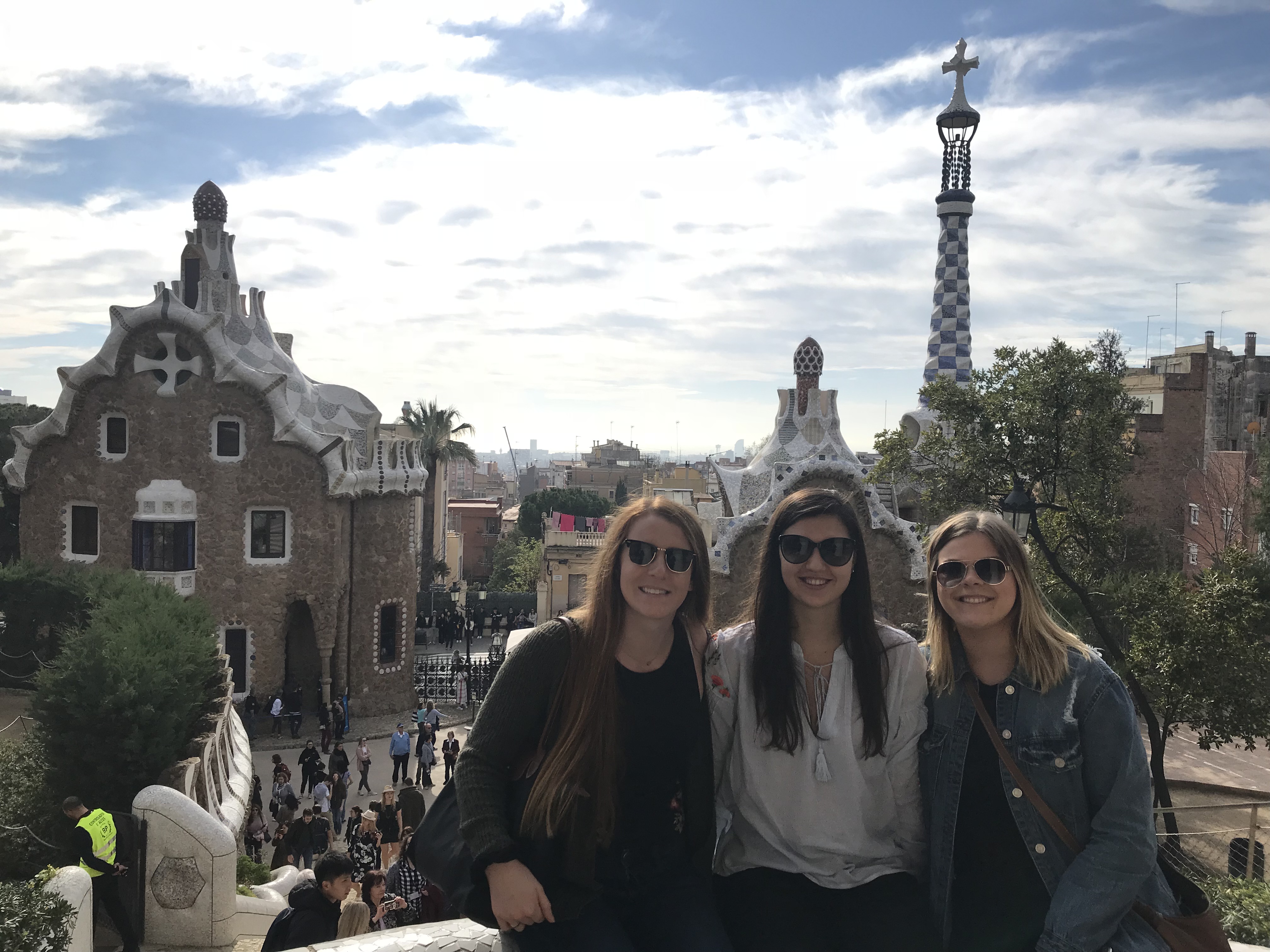
To give you a little background information on the city of Granada compared to Barcelona, Granada is home to about 235,000 people whereas the population of Barcelona is close to 4.6 million. Just a tad bit bigger if you ask me. While in Barcelona we visited La Sagrada Familia, a largely famous cathedral which Gaudi began in the 1800s and is still being constructed today. The estimated year of completion is 2026 (supposedly), and it’s one of the most stunning pieces of architecture I’ve ever seen—the photos don’t do it justice. Another of Gaudi’s famous works is Park Güell which we also were also lucky enough to visit. If you’ve ever seen some of Gaudi’s architecture it has a very modern look, especially considering it was created by a man who was born in the 1800s (as you can see in the pictures). We also were able to travel to Montserrat, a suburb of Barcelona where a monastery is built into the side of a mountain and can only be traveled to by cable car or mountain train. All in all the views and architecture of the city are incredible.
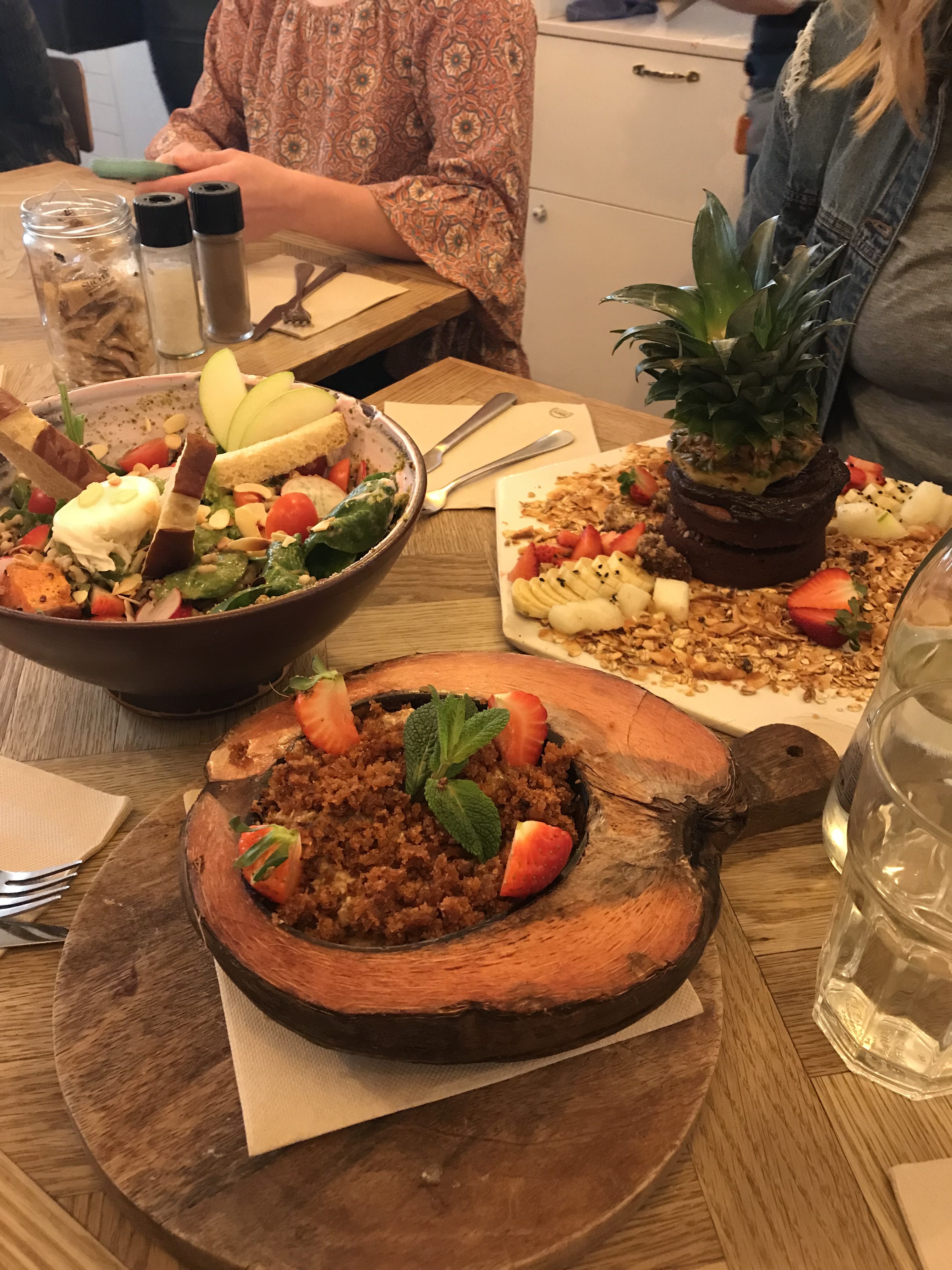
Even though the city of Barcelona is absolutely breathtaking, the weather was perfect, there was great food (we even got a taste of American), and I enjoyed myself in every sense of the word, I know now that I wouldn’t trade living in Granada for any other city. Because Barcelona is so big we took between 10 to 15 taxis, walked about an hour and a half back to our hostel on the outskirts of the city, took a very confusing metro/train ride to Montserrat, spent a decent sum of money on food because as a popular tourist city prices are automatically increased, and were spoken English to about everywhere we went (also due to the tourist aspect of the city). You could also spend a whole semester in Barcelona and still not see everything. These aren’t necessarily negative aspects about Barcelona, but it is very different from Granada.
Not to say that Granada is better than Barcelona by any means because it’s not, but I know that Granada is the perfect fit for me. I can walk to class in 10 minutes or walk anywhere in the city in under 30 minutes without having to use taxis, I don’t have to spend an astronomical amount on food, clothes, or much of anything for that matter, Granada still has a very rich history and many places to discover, and the locals generally speak Spanish to me. Not everything is perfect in Granada, but it’s pretty great and maybe it just took me leaving the city for a few days to realize that.
Author: Emily Nelson
Location: Hirakata, Osaka, Japan
*Trigger warning: Eating disorder references*
Today, I visited my Japanese grandmother for the first time in about two years. My aunt and I met her at her retirement community, and we commenced to intermittently chatter about life, my study abroad experience, etc. She offered to reimburse me for the (bullet) train ride to the area, which I attempted to refuse. Then, the conversation took an all-too-familiar turn, one focusing on my appearance. My grandmother asked if I had money for new clothes, which I answered in the affirmative. This was exciting, because I’ve been looking forward to revamping my style.
However, she then proceeded to speak to my aunt in Japanese, as if I was not present, saying that I was so big that I must be a large in every store. This is not the first time she has said such things-last time she called me fat, and I thought it was because she thought I didn’t understand. Yet the more Japanese I comprehend, the more I think that she simply doesn’t care or understand the magnitude of such language.
This time, however, the shame didn’t end there. My grandmother then proceeded to use the blood pressure reader on me-three times on the same arm. All of the readings came up high-the peak systolic being 152. This immediately caused her to suspect that I have hypertension, which I refuted. (I’m normally around 120/80 or 110/70). I had to have my aunt tell her that consuming caffeine and food can raise the reading significantly.
I like being a proactive individual. I prefer to tackle most issues directly rather than letting them fester. However, I’ve become so acutely aware of my physical deficiencies that body positivity continues to be a challenge. I have a larger frame than most women here, being around 150 pounds and 5 feet 8 inches. I definitely could have a healthier diet(carbs are delicious nom nom) and I still sometimes struggle to have a healthy relationship with food. (The shadows of eating disorders are slow to dissipate.) However, one of my favorite activities is exercise. As of recently, I’ve been going to the gym 5-6 days a week. Thanks to a fellow workout buddy, my new bench record is 120 pounds. I used to hate working out because I made it a chore-and now it’s a release I can’t live without. Unfortunately, now it’s contributing to a perceptual problem.
My American grandmother, on the other hand, will constantly feed me the “You don’t need to change; You’re perfect as is” message. While I am very appreciative of the love and support I receive from her, I can’t help but notice that this is also accompanied by subtle underlying messages that I should dress better, look better, wear more makeup, etc. Although times are changing, it seems like regardless of culture, women are still expected to be physically attractive over physically strong.
So what have I learned from this? I would argue that the message “You don’t need to change; You’re perfect as is” isn’t ideal. Why is that? For one thing, it suggests that change is negative, hindering the possibilities of positive growth. I argue that if one’s life is being hindered by negative body image, especially one that warrants the concern of a physician, change is needed. However, that does not mean that they are any less of a person. They are a capable individual who is taking a step in the right direction to improve their quality of life, whether through losing or gaining weight. Improve, not perfect. Furthermore, happiness is key. I would argue that I’ve never been more at peace at the weight I am now-my heaviest. I do things for myself and for my own well-being. This is so so important, regardless of the “fitness goal”. In the end, one should be doing it for themselves. If friends and family are bringing legitimate health and safety concerns to the table, they should be considered and addressed. But shaming is not the way to go. It often feeds the cycle of self-resentment and unhealthy habits further. So when shaming events like this happen, I suggest that one take it with a grain of salt, once they are ready to. First, are these tangible issues, or simply the result biased perceptions? Is an exercise and (balanced) diet prevalent? Is the person a sumo wrestler? (Shortly after this conversation my grandmother watched sumo matches, very ironic). We don’t shame muscular athletes for being fat because there’s context, so why do it for active women?
Although I feel annoyed and hurt by today’s events, I still plan on being as positive as I can. After analyzing the situation, I am able to look at it more objectively. I look forward to working out, finding a fashionable wardrobe suited to my tastes, and tackling new problems on the horizon. I hope that this may also help someone look at such issues objectively and thoughtfully. Stay strong, be mindful, keep moving forward.
Author: Devin Powell
Location: Reutlingen, Germany
After we finished exploring Berlin and all of its historical context, we decided to make use of our German Rail Flexipass—this pass allowed us 10 days of free travel anywhere in Germany and select cities outside of the country—and head on over to Köln to see the largest cathedral in Germany. We booked an AirBnB for two nights and explored the city with no set plans.
The morning of our third day in Cologne, we made our way to the train station to see what adventures awaited us in Brussels, Belgium. I’m not sure how many of you know, but Brussels is actually the “capital” of the European Union (I’ll explain my use of quotation marks later on, don’t worry). Belgium has three official languages—French, Dutch, and German—so everywhere you turned a new culture was washing over you.
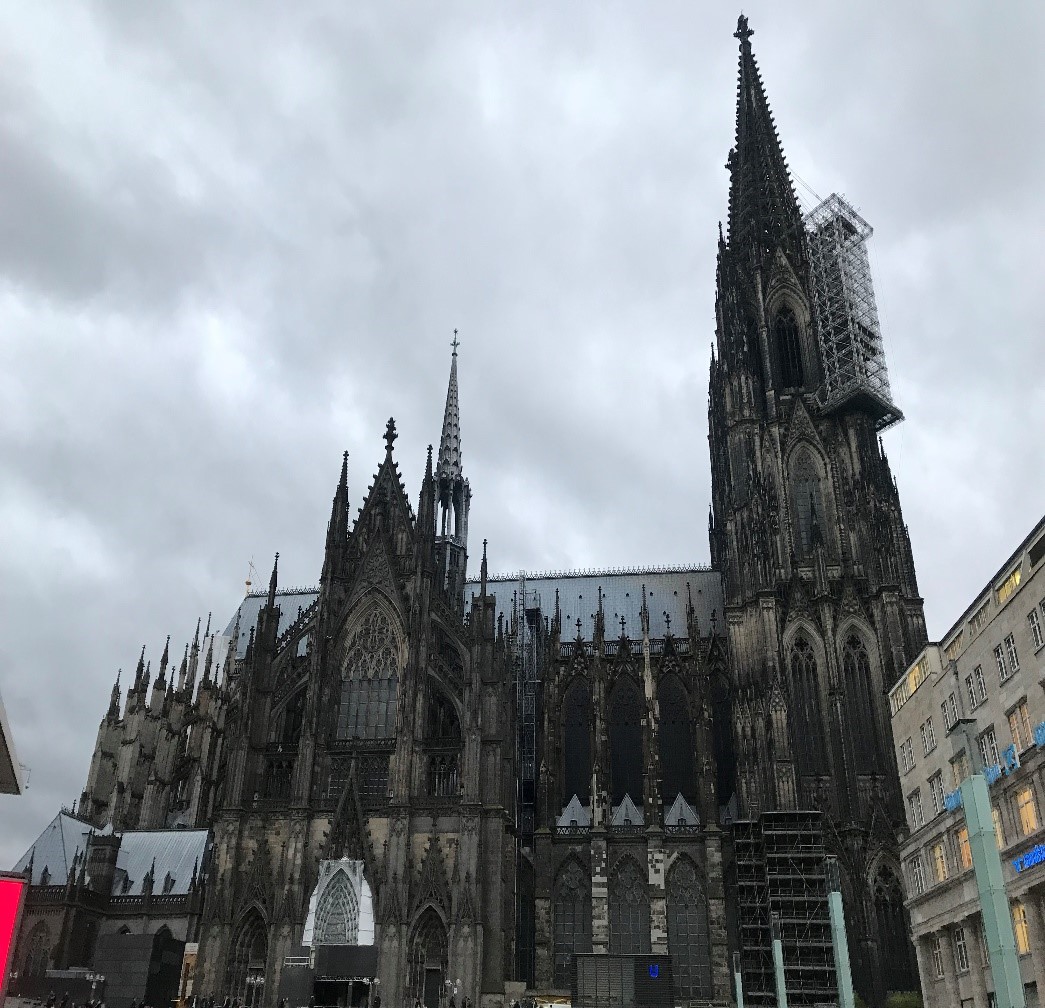
Köln Cathedral (Cologne Cathedral): This massive structure was first constructed in the year 1248 after the “Old Cathedral” was burned down on April 30 of the same year. A little over two centuries later, the cathedral remained unfinished and the project was halted in 1473 due to the lack of monetary funds and support from the people. Gradually, the construction resumed throughout the years but is still receiving repairs to this day due to the 14 hits it took during the Second World War. None of these bombs collapsed the building, but damage was certainly done. UNESCO (United Nations Educational, Scientific, and Cultural Organization) added it to the World Heritage List of important sites in 1996, making this building a protected historical monument.
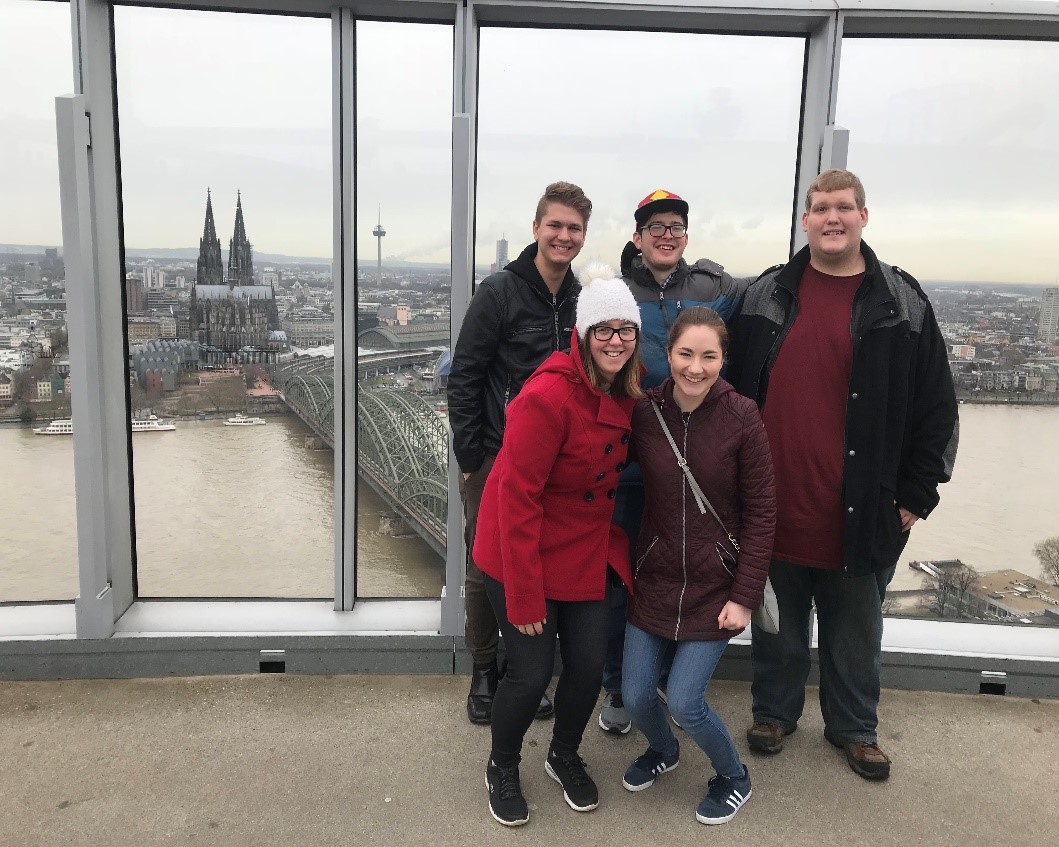
Köln Triangle: Imagine a platform that is so high above the rest of the city that you can see 360 degrees of Cologne. Well, that’s exactly what we did. For only 3 Euros we were able to go to the top of this sky deck to see the city. The glass had etchings that you could align with the real monuments with small facts about what you were viewing giving a bit of history and thrill to the experience.
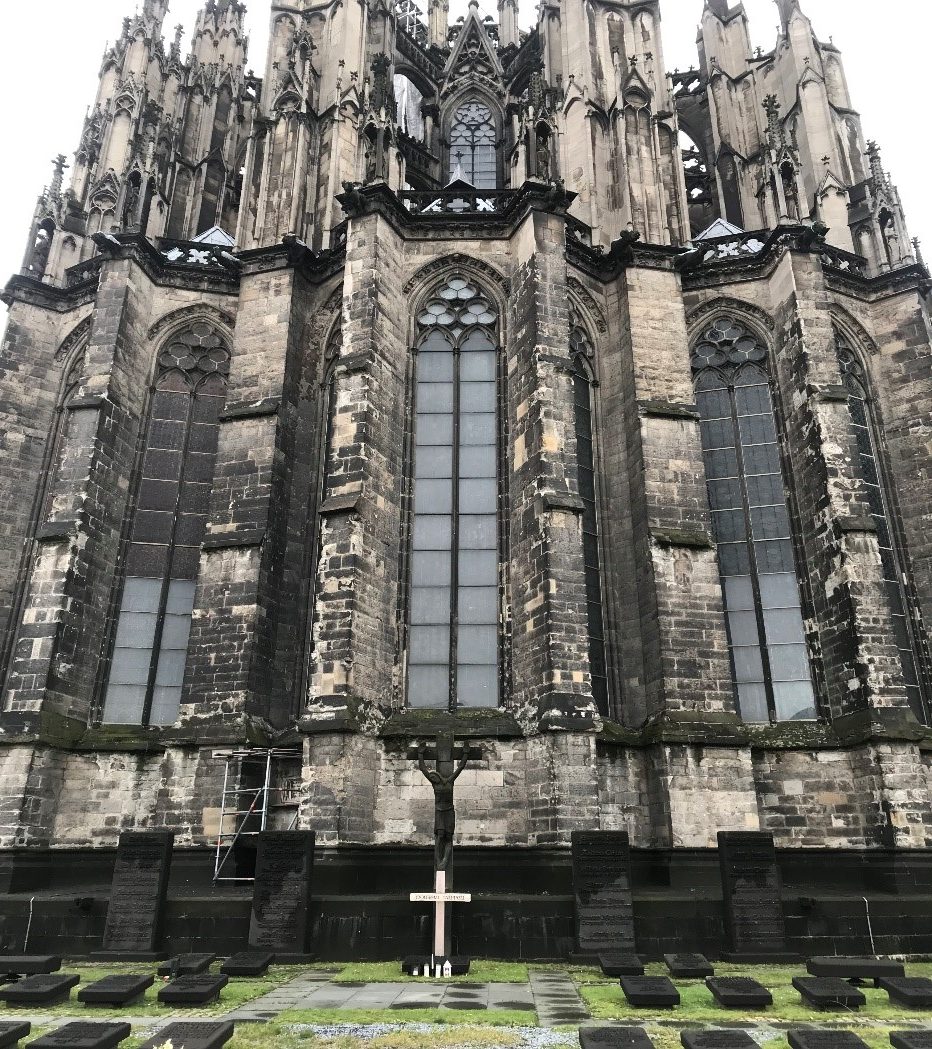
Köln Cathedral (A Closer Look): Here lie those who once preached at this very cathedral or who were nobility of the town during the old ages. This is a small cemetery on one side of the Cathedral that faces the Lower Rhine River.
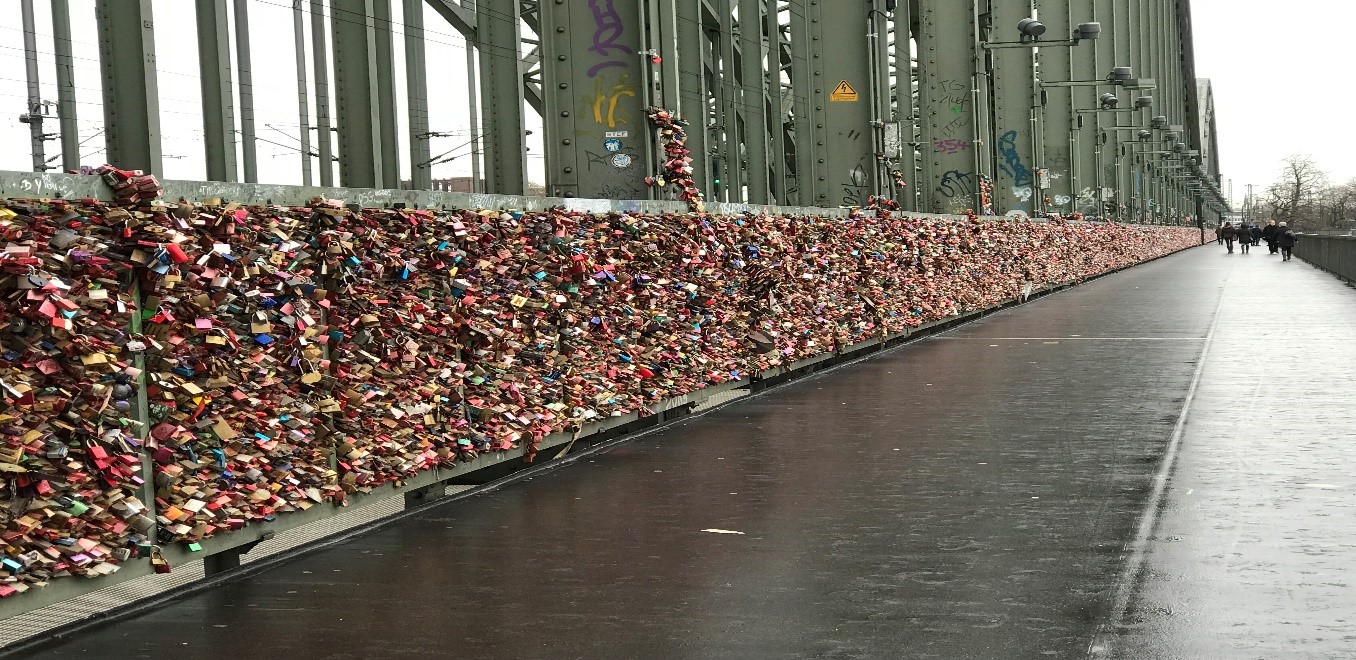
Köln Lovelocks Bridge (Hohenzollern Bridge): This bridge has become notorious (much like the Lovelock Bridge in France) for people hanging locks on the bridge that symbolize their love. Some of the locks were even dated back to the 60s or early 70s! Some of the locks weren’t your regular locks either. There were owl locks, camel locks, locks the size of someone’s head, car locks—you name it, they were there. The bridge was constructed in 1907 and finished in 1911 and has been standing ever since. Out of the seven bridges that cross the Rhine, Cologne’s bridge is the most famous.
Now let’s head on over to Brussels, Belgium!
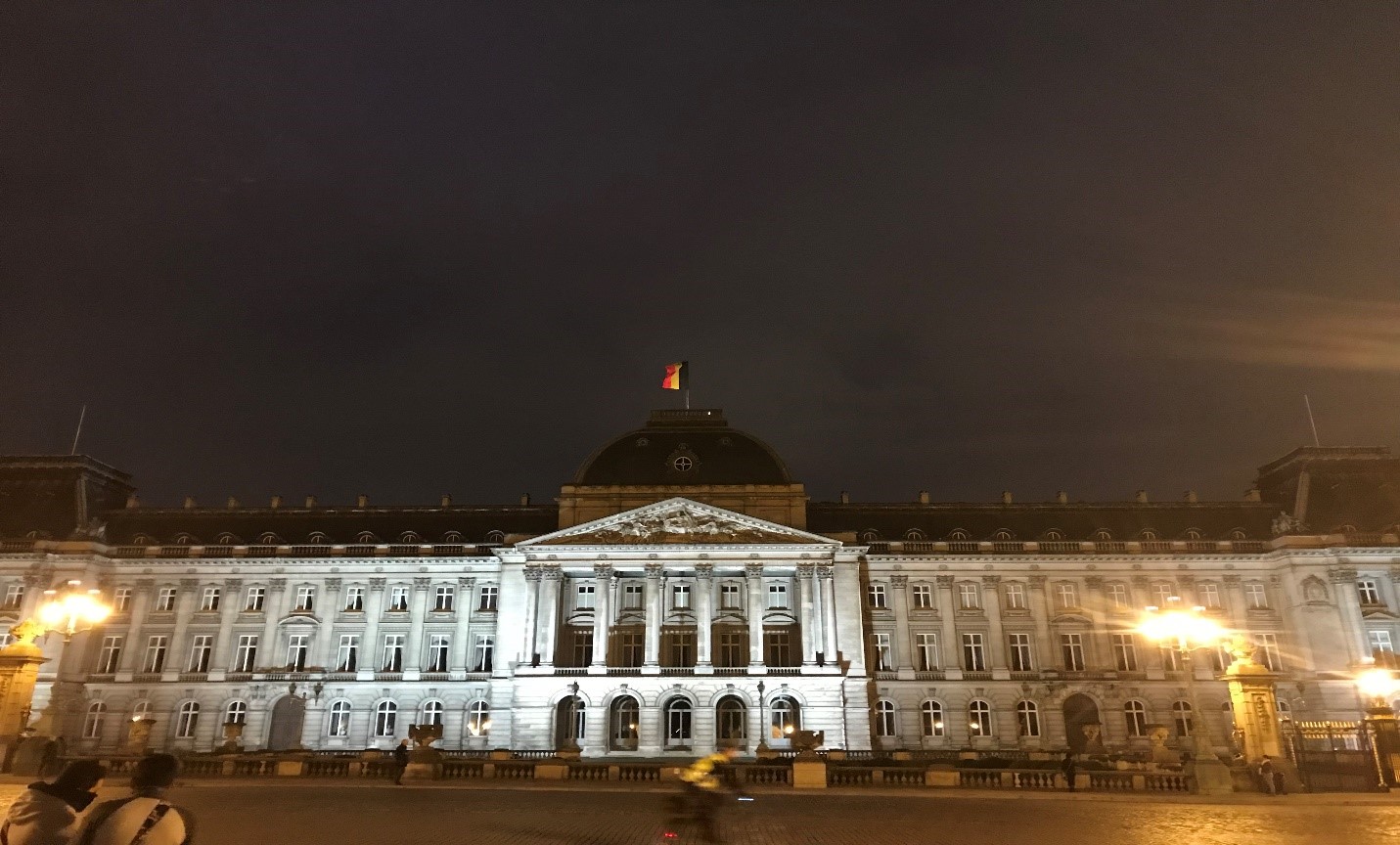
Royal Palace of Brussels (Palais Royal de Bruxelles): In case you were wondering, we got to Brussels rather late, so some of the pictures will be a little darker than others for our first day exploring the city. This was one of the first sites that caught our attention. This right here is the Royal Palace of Brussels of the King and Queen of Belgium. Now the King and Queen don’t actually reside here but live in another palace on the outskirts of Brussels instead. The palace here is smaller in floor space than the Buckingham Palace, but it is 50% longer.
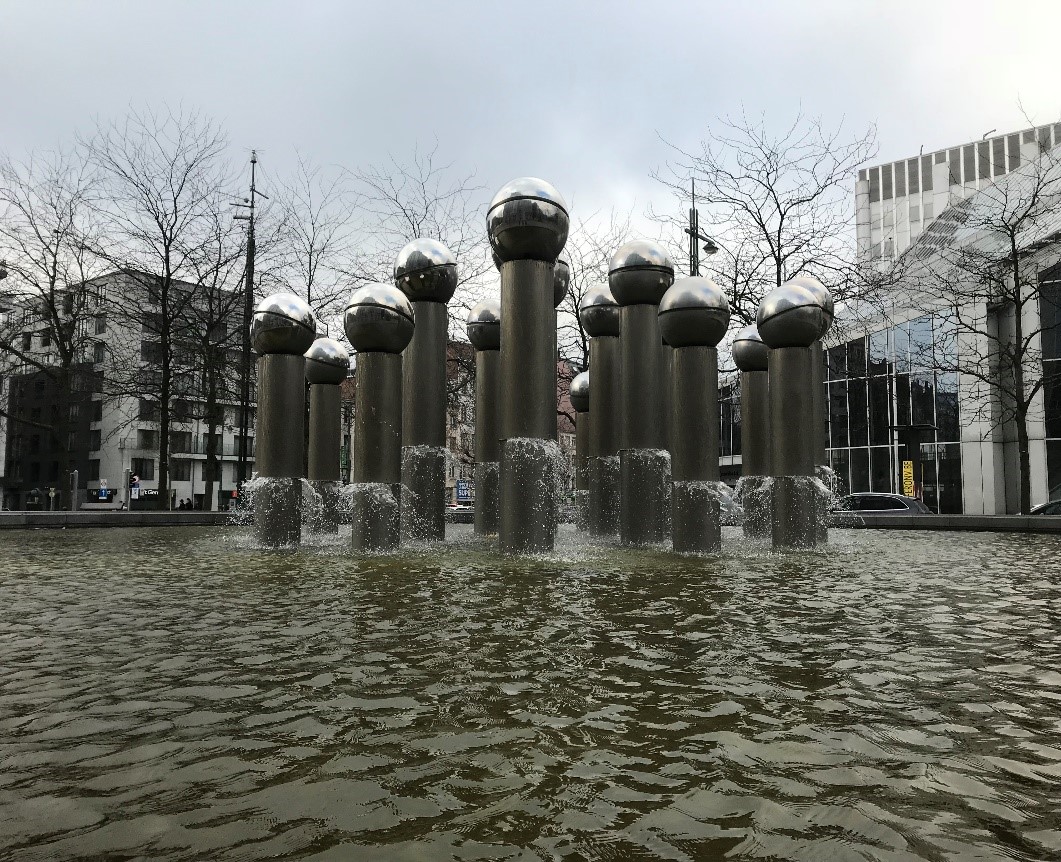
Metal Ball Fountain (La Fontaine de Pol Bury): Since Belgium does not have any lakes, rivers, or beaches, they supplement with fountains that litter the country. Brussels alone has 20 or so fountains throughout the city. Pol Bury was a Belgian architect who designed this 21 steel cylinders based fountain in downtown Brussels in 1995.
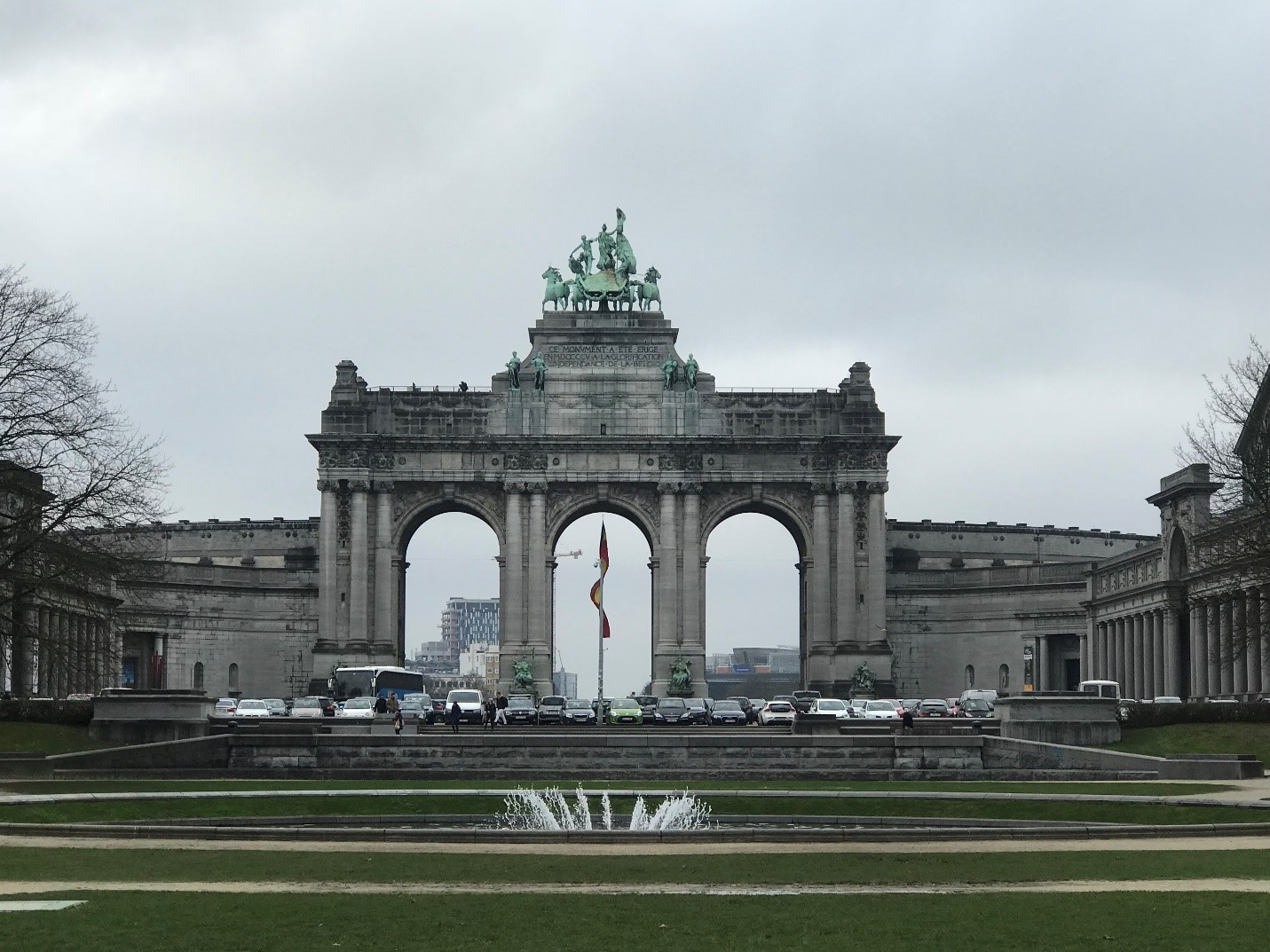
Parc du Cinquantenaire (Park of the Fiftieth Anniversary): This is the main park in downtown Brussels which was created in 1880 in order to commemorate Belgian’s independence. The centerpiece (pictured above), was created in 1905. The piece shows a woman charioteer who is raising the national flag of Belgium.
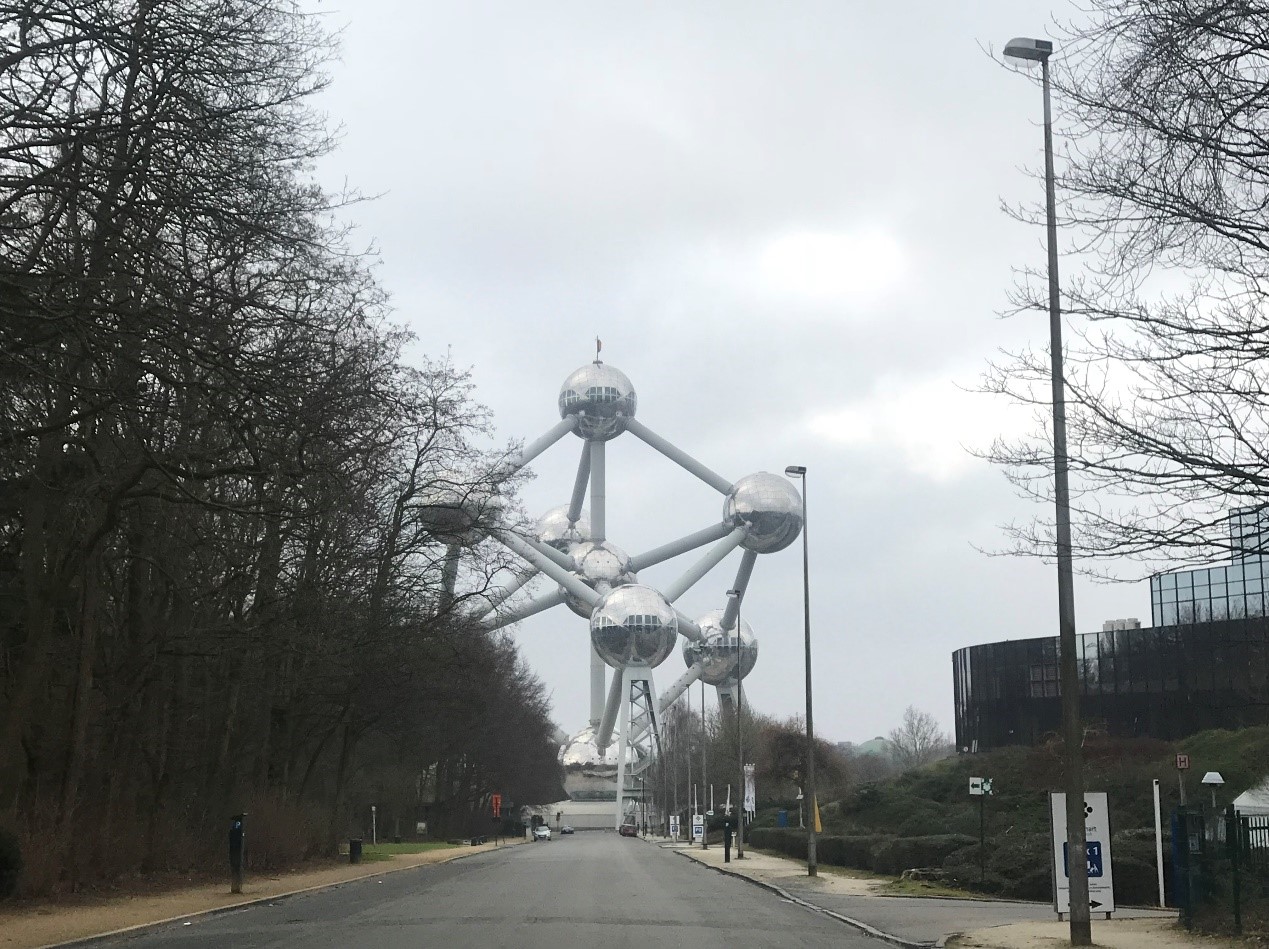
Atomium: This is the Atomium. It was originally created in 1958 for the Brussel World’s Fair. The inside is a sort of retro designed museum telling the history of the structure and also giving a 360 degree view of Brussels from the top sphere. Only 6 of the 9 spheres are accessible to the public, but the top sphere was actually closed off when we went.
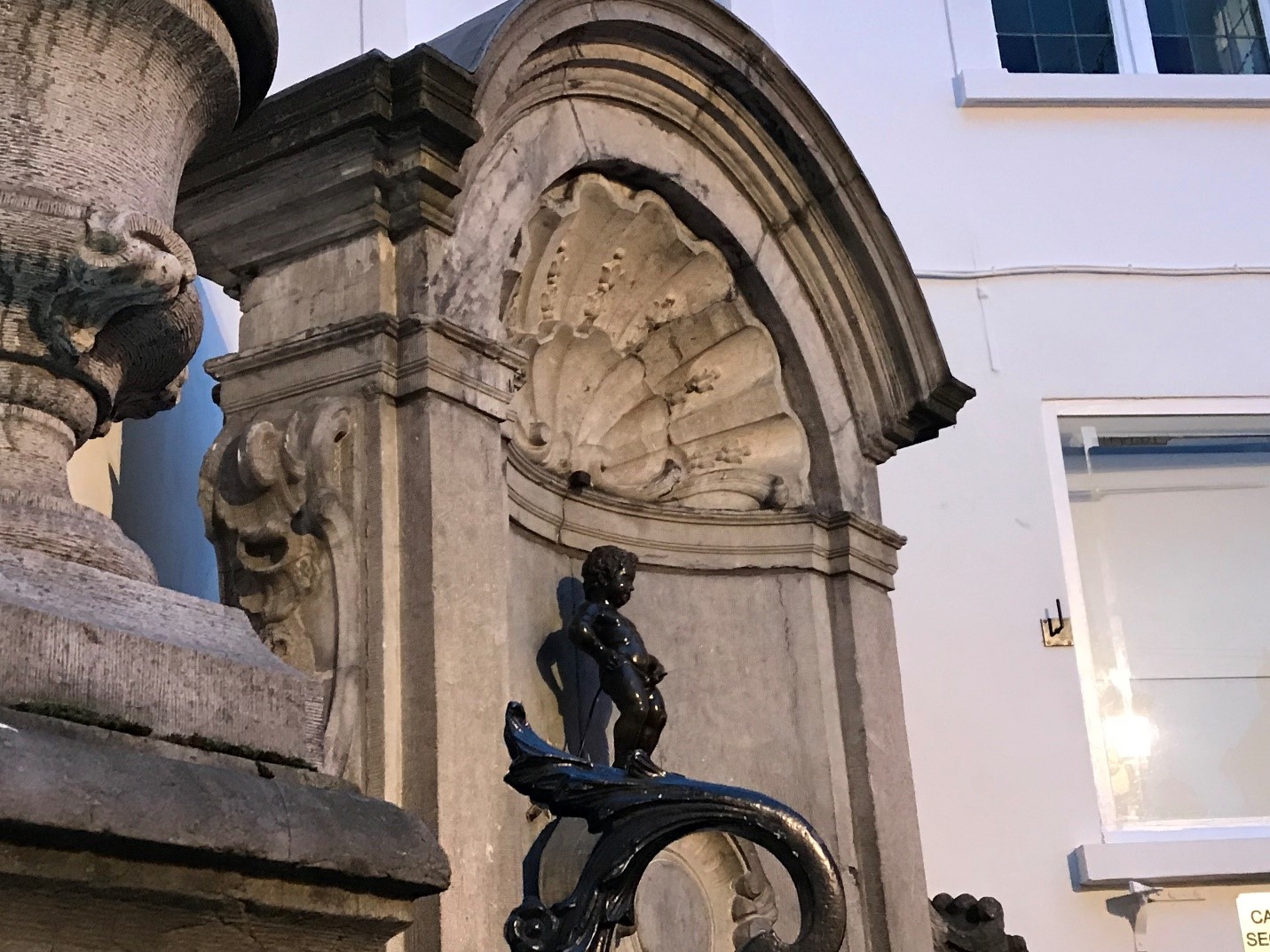
Manneken Pis (The Peeing Boy): This is one of Brussels most famous fountains and is what they’re actually pretty notorious for. Statues depicting the boy and sculptures made out of chocolate lined the streets leading up to the renowned statue. The original was erected in either 1619 and has now been replaced by a copy in 1965. The original still exists, however. You can find it in the Museum of the City of Brussels. The statue is meant to symbolize the humor and independence of the people of Brussels. It only stands at a height of 2 feet making some of the chocolate statues bigger than the actual piece!
Author: Maria Clemens
Location: Newcastle, Australia
My first week in Newcastle was overwhelming at first, but I quickly began to absorb the culture and feel at home. I arrived at the university after dark and was greeted by the friendly residential staff, and unfortunately a fire alarm. At first, I struggled to figure out how to make my way around this new campus which was a huge culture shock, but as I began to get to know the other students and my floormates, I began to feel a lot more comfortable and eventually reached a level of tranquility captured in the photo below.
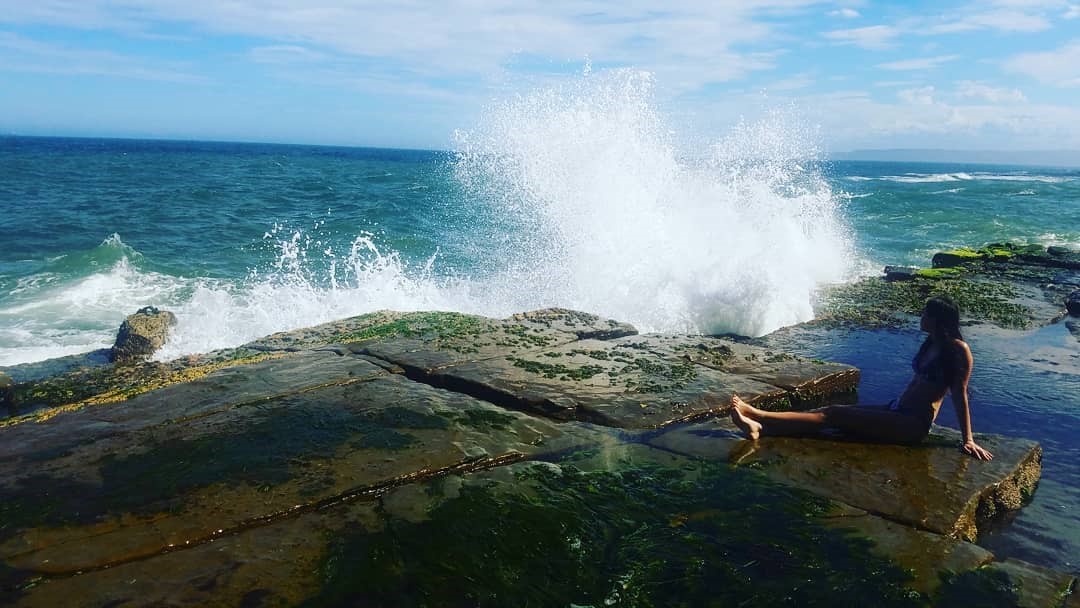
Since classes haven’t gotten into full swing yet, I have had plenty of time to explore and get to know Newcastle. I have gone to all of the beaches here in Newcastle as well as the Bogey Hole and Sea baths. For those who do not know, a sea bath is a pool that is located next to the ocean and if currents are strong enough, waves can lap up over the edge and into the pool. These were created for children, weak swimmers, and days where the ocean is too rough to swim in. The Bogey Hole is a very old sea bath that has been overtaken by the natural elements and has transformed into a beautiful spot to enjoy a swim.
In addition to the beaches, I have gone to a few markets. At the markets, there are loads of local vendors selling art, food, and clothing. These markets are a great way to spend an afternoon. The food is amazing and there’s plenty of opportunity to sit down with a smoothie and enjoy live music and the surrounding art.
As for the food in Newcastle, it is phenomenal. Down pretty much every street are lovely restaurants and cafés where you can enjoy a delicious meal. One of my favorites so far is Antojito’s. It is one of the few places in Newcastle with an all Mexican menu. The outdoor seating there is a bit shabby, but overall quaint and sets an amazing mood for a quality meal.

I’ve only spent a few weeks in this wonderful city, but I can’t wait to spend more time here and share more of my adventures.
Author: Emily Nelson
Location: Hirakata, Osaka, Japan
Since arriving in Japan, I’ve made some exciting strides that are often achieved while studying abroad, including grasping the language, completing complex paperwork, solving unanticipated problems, and navigating social circles. However, what’s surprised me most is my ability to adapt to living on the opposite side of the planet. Granted, some of that was achieved prior to coming through numerous visits to family. I truly didn’t realize the magnitude of this move until a few people complimented me as brave. Actually, it puzzled me. I wrote it off as something miniscule, that I had simply planned on going to Japan for numerous years and it was destined to happen.
I perceived this sense of awe, and may I say respect without being too condescending, when discussing my athletic activities with others as well. I seem to have a reputation for being “cool” as a weightlifter and ballroom dancer(and nerd, although I think that’s a stretch!) At this point in my life, I’ve begun to realize just how courageous I’ve become. I do not like risks, and therefore I’ve always erred towards the conservative side. Yet over the past few years, I’ve branched out more and more: Socially, physically, etc. I discovered that my life is so much more colorful when learning to accept the possibility of loss. Studying abroad has helped me graciously lose and gratefully gain, from the best of friends and the hardest of days.
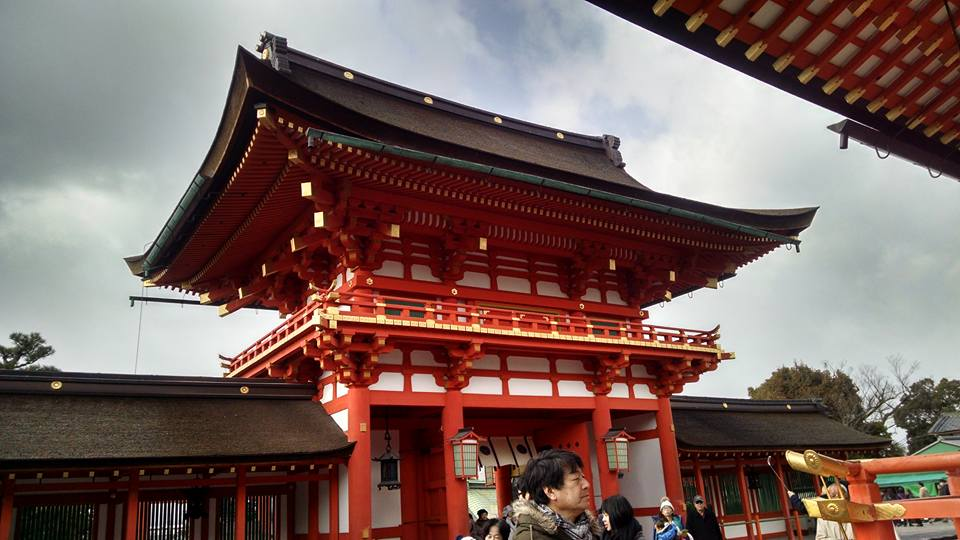
A shrine in Kyoto
We often become trapped in a web of routine, and studying abroad challenges this head-on. While I do have a schedule here, I often find myself getting lost or digressing, creating plenty of new adventures. Sometimes I wish I could say that I was even more intrepid, but I take this day by day and accept the person I am now while looking forward to the person I’m becoming. It is so important to accept the fact that changing yourself is okay, especially if you want to and with the right reasons. So for now, as I’m soaking in Japanese culture and understanding what my role is in a cultural context, I’m content with not having my life completely figured out.
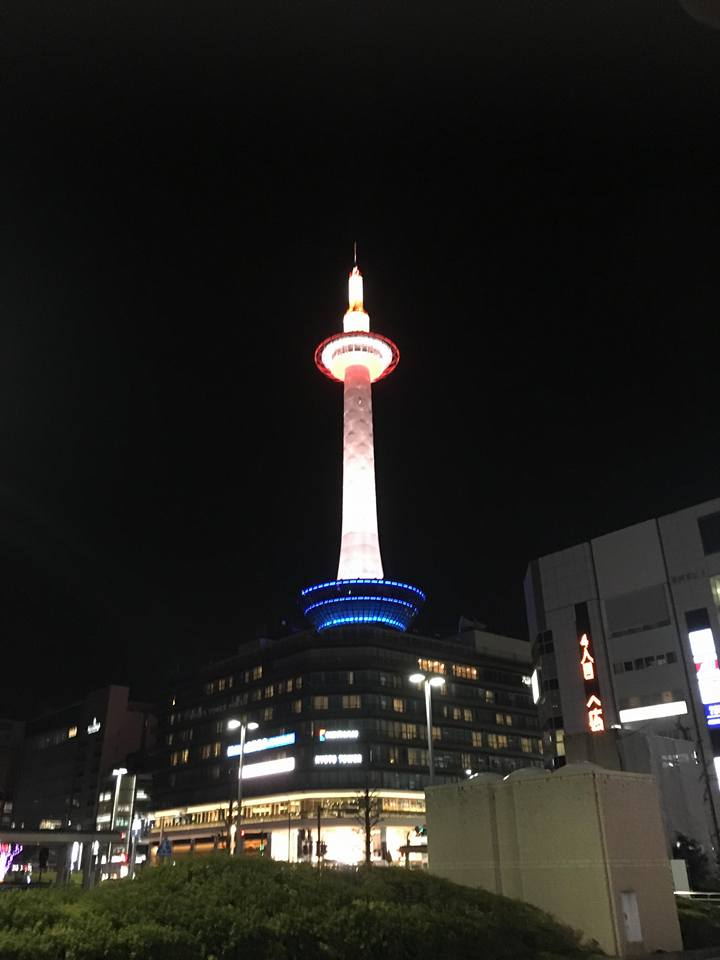
Kyoto Tower
The last statement would have frightened me as a teenager. Actually, I am still 19, but that’s besides the point. As someone with most of their ducks in a row, I still prefer comfort and stability. As I’ve become older, however, I’ve let my experiences and individuals around me shape who I am, while still keeping my values in mind. I never understood why my mother always told me not to take things so personally, but now I believe I do. The world can crush you if you analyze it too much. Studying abroad is horribly stressful if one thinks they have to do everything perfectly, and it simply isn’t realistic. Your perception is the one thing that can be used to set yourself free. Mistakes are where the greatest learning occurs, and persistent work is propelling me in the right direction. I’m not exactly sure what direction that is, but for now, I will steer myself where my heart sees fit.
Author: Katherine Germann
Location: San Jose, Costa Rica
Your first impression when you walk through the barrio (neighborhood) of Santa Rosa might be that people don’t like talking to their neighbors: they prefer to stay shut in their houses and close themselves off to the world outside. This is because almost every house on the street displays bars in the front. The first impression may strike visitors as hostile, but I soon realized that my host family’s house is actually quite open to the outside air. I can feel wind coming in through the garden and the garage when I am sitting in the kitchen, because the house is not fully closed to the outside. Furthermore, the door leading into the living room is never locked. The front gate on the house, then, functions like the front door of a typical house in the States, which is naturally locked most of the time so that people can feel secure inside.
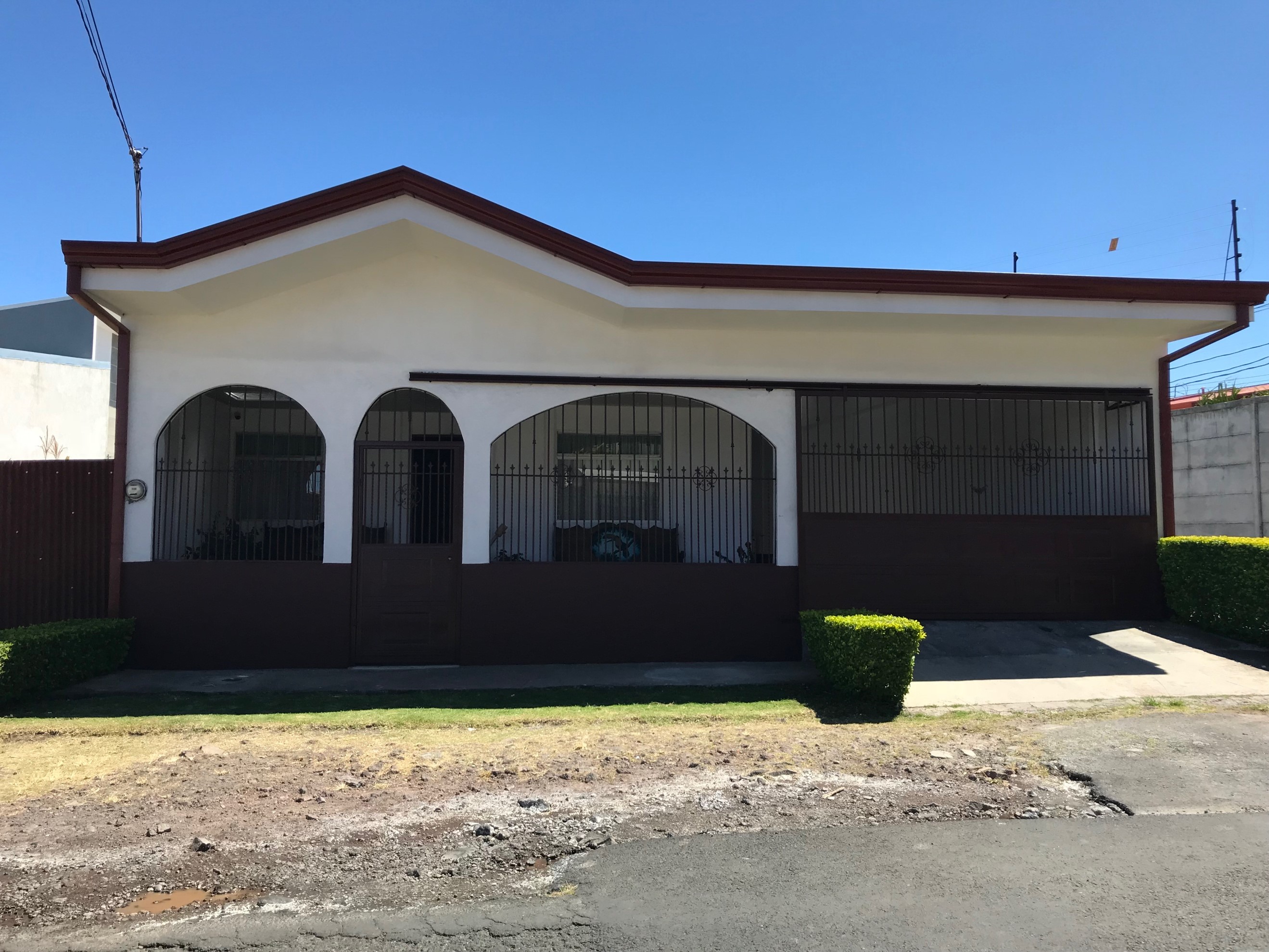
This is a photo of the front of my house. Most houses on the street have bars on the front and a gate.
Just like the houses is Santa Rosa are open to the outside air, the neighbors are open to unexpected conversation. My host mom sells merchandise, such as perfumes and cosmetic goods, to people in our neighborhood. Her job takes her everywhere in Santa Rosa, as she visits clients at their houses to sell. By accompanying her on several trips around the neighborhood, I have been able to see the way that our neighbors tend to interact. I think that the openness that I have observed in this community is beautiful.
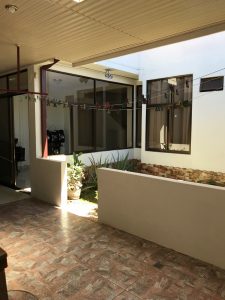
The kitchen
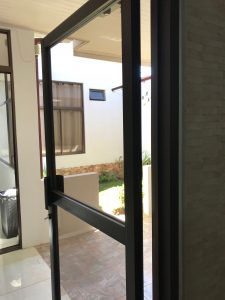
Another photo of the kitchen
When we arrive at a client’s house, they sometimes invite us inside, and we can chat for a fair amount of time. My host mom and the client catch up on things that are happening in their lives, taking their time to talk and listen to each other. This aspect of my host mom’s job takes time. But despite the fact that she has about 100 clients to visit each week, she is never rushed. This affirms something that Heidi, our director, told me about Costa Rican culture. The emphasis of daily life is not to get tasks completed, but to have relationships with people. Two specific instances of relationship building really stand out to me.
The first was when I was visiting clients with my host mom, one of the women who invited us inside and invited us to sit down. We stayed there for about 20 minutes, or maybe a little more. The conversation went pretty deep into the women’s lives. They shared personal experiences, encouraged each other, and laughed together. This woman is my mother’s friend, so perhaps the occurrence was not too abnormal. However, I am still impressed that they took time for each other right on the spot. They did not have to schedule a time in advance to talk to each other. Both were open to stop what they were doing and build the relationship.
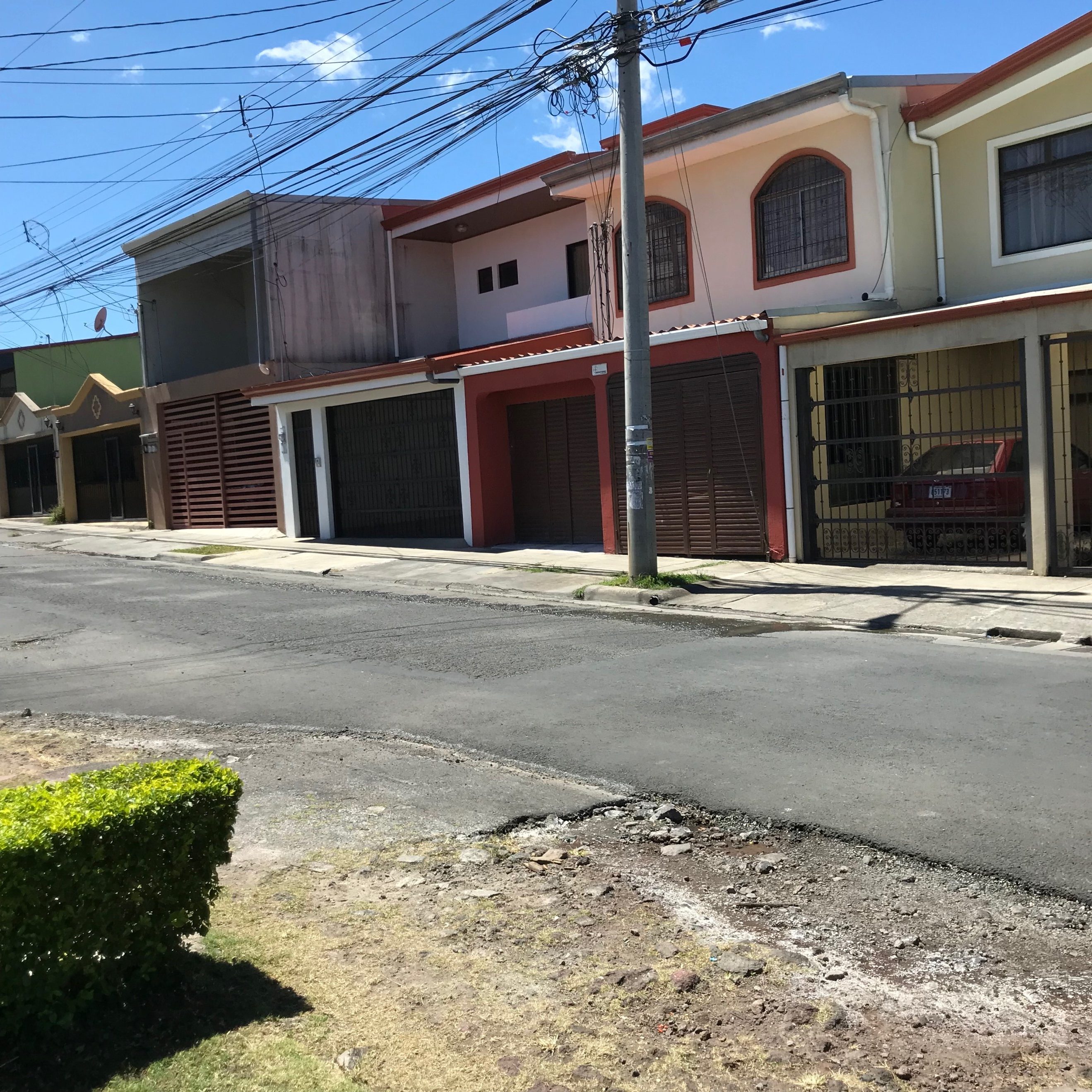
This is a picture looking down the street from in front of my house.
Other neighbors were open to long conversation with me, as well. Another time there were three gentlemen. I was pleasantly surprised by their openness toward me and their genuine desire to get to know where I am from and to teach me a little bit about Costa Rica. I commented on how colorful Costa Rican currency is, beginning a conversation about the artistic colones. The bills have historical people on them as well as animal and plant species that are important to Costa Rica. The gentleman went inside to get a wide variety of bills to show me. He taught me what he knew about the historical people and the species of plants and animals. In this way, I learned a lot about Costa Rican history and biodiversity.
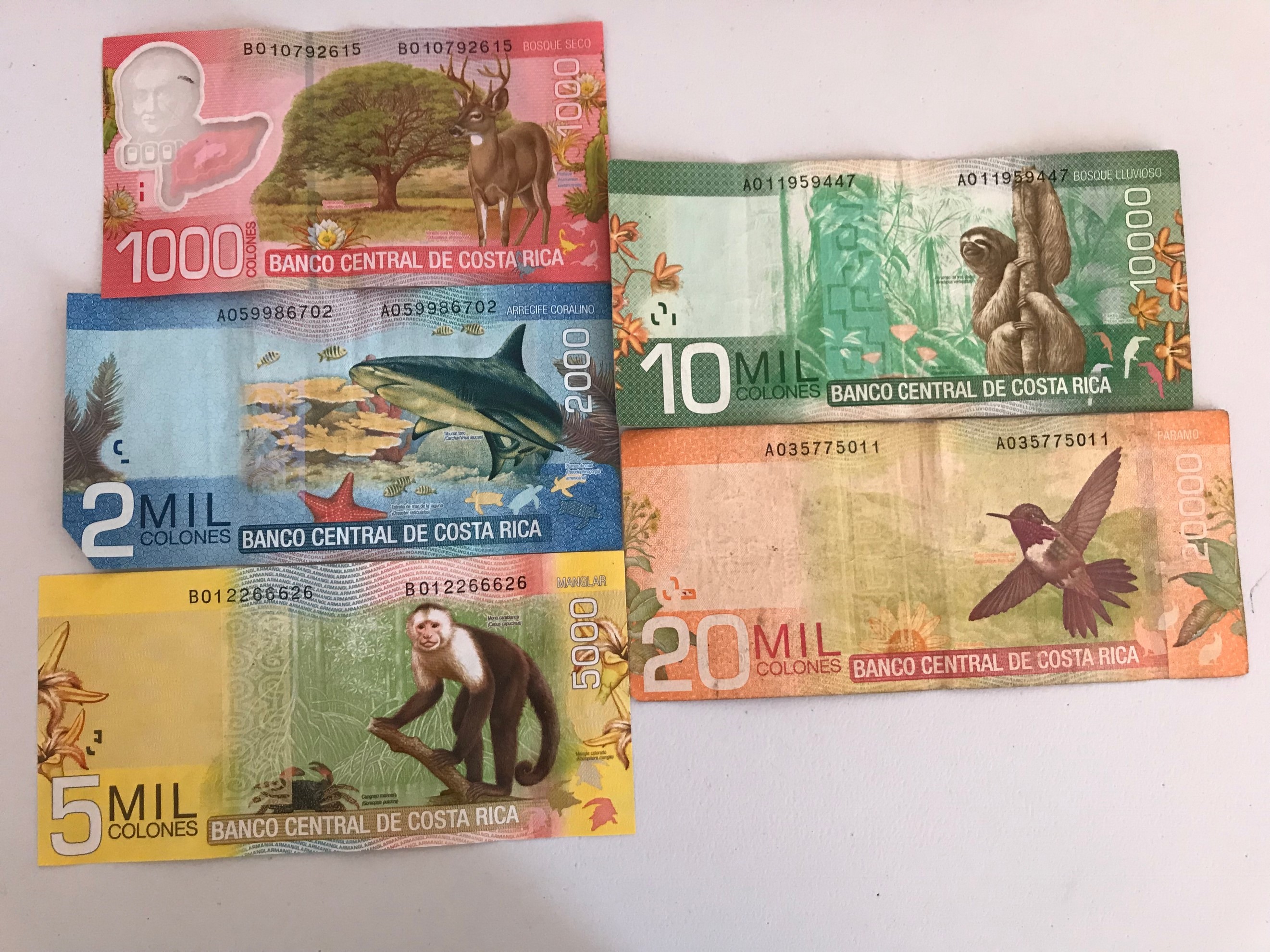
Colones: Costa Rican Currency
Finally, he showed me a 5 colones bill (which are no longer used in Costa Rica). The bill displays a copy of a mural, and he explained the mural to me and the history behind it. Finally, he gave me a 5 colones bill as a gift! This amount of kindness took me by surprised and made me feel welcome in this community. In short, I have been extremely pleased by the openness of the people that I have met in Santa Rosa and the willingness to share in each other’s lives.
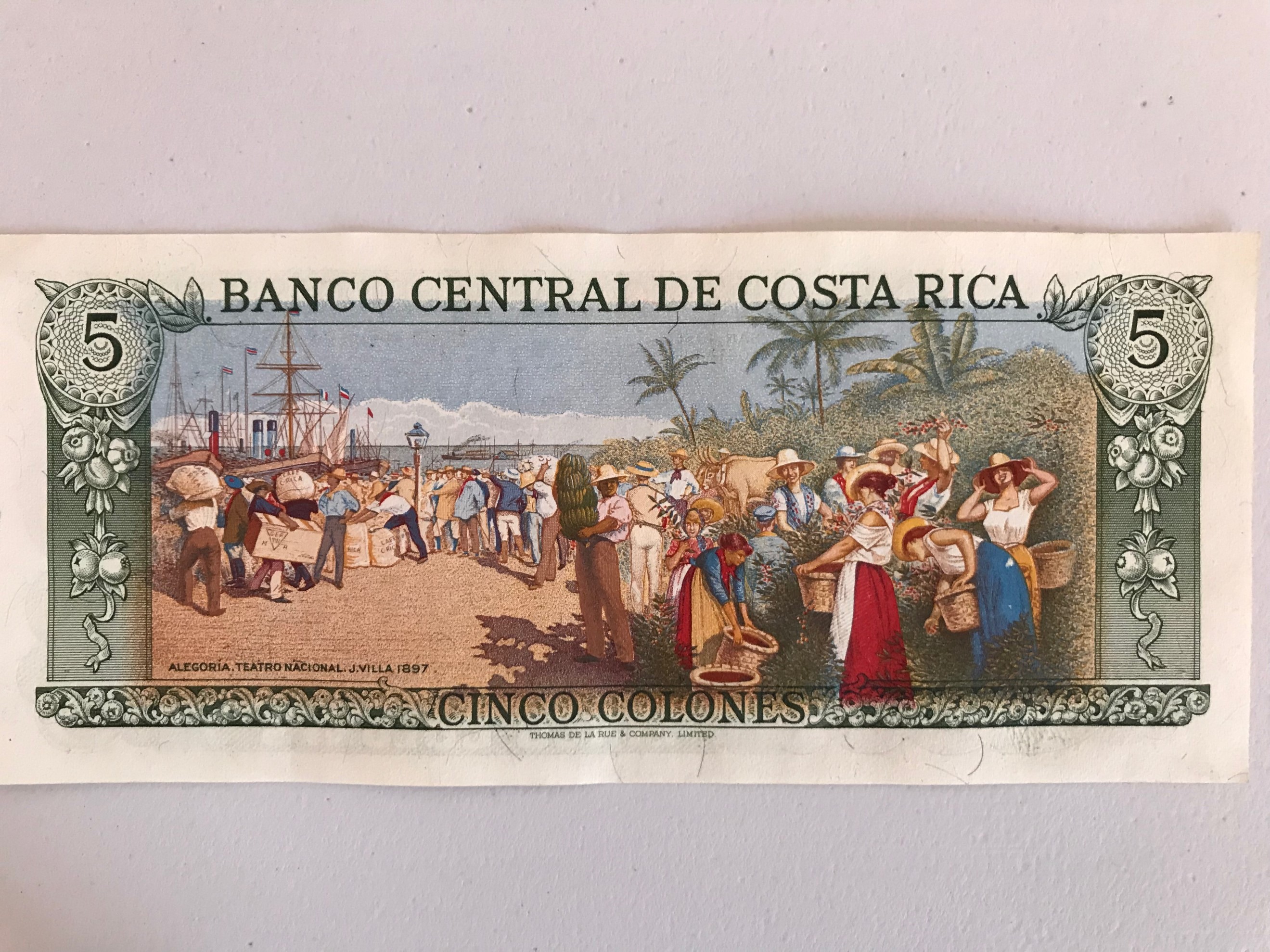
5 colones billete
I am finding that the culture in Santa Rosa is also open to spontaneous interruptions in everyday life. Or, perhaps more accurately, taking time to talk to other people in the neighborhood is just a part of everyday life. People will stop what they are doing to engage in relationships and conversation. Sometimes as we are walking through the neighborhood, my host mom stops at someone’s house just to say hello and chat for a bit. The first time that she did this, I asked her if it was rude to just stop by someone else’s house in the middle of the evening. They could be in the middle of doing something, I thought, maybe they have other things to do. In my past experiences, I usually don’t go to someone else’s house without planning to do so ahead of time. She assured me that it isn’t rude at all. She walks up to the front of the house and calls “Upe,” which is a greeting commonly used in Costa Rica to call on someone at their house. If the neighbor is home, they usually invite us inside and we talk for a while. The same process goes the other way around – sometimes neighbors call on my host family and we invite them inside. It is also very common to simply stop and talk to people that we meet in the street. In general, I think that the people of Santa Rosa are beautifully open to share their lives with their neighbors and to build community. I love the experiences that I have had in this way.
Author: Maria Clemens
Location: Newcastle, Australia
My study abroad travels began with a CISabroad orientation in Cairns, Australia. This is a city much farther north than my current home of Newcastle. Cairns is a beautiful city is nestled on the coast between rainforests and the Great Barrier Reef. Of course this was an amazing place to start my Australian journey.
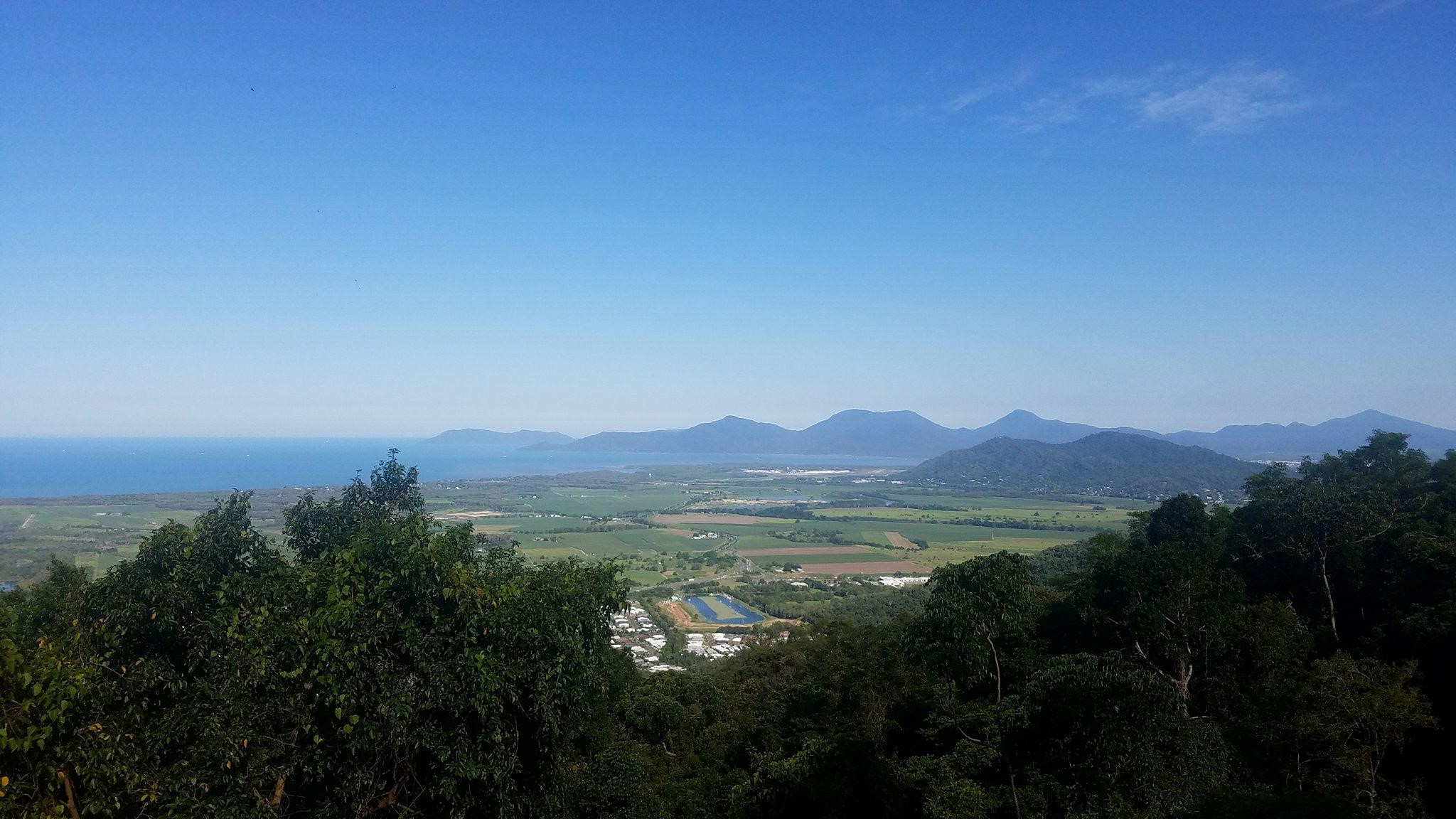
An overview of the City of Cairns and the Pacific Ocean.
My first full day in this country was spent snorkeling and scuba diving in the Great Barrier Reef. Being an environmental science major, I was living out my dream of seeing one of the great wonders of the world. There was a great deal of noticeable damage done to the reef, which was unfortunate to see, but it was reassuring to know that efforts are being made to rehabilitate this natural phenomenon.
After a long day spent rocking away on the deck of the boat and gazing through goggles at anemones and sea cucumbers, my fellow world travelers and I retired to an evening of relaxation and kebabs. For those who do not know, kebabs are about as common in Australia as a burrito bowl from Chipotle in America. A kebab is essentially a tortilla with chicken or pork with other toppings like lettuce and sauces. Like pretty much every meal I’ve had here so far, the kebab is delicious.
Forwarding to the next day, we took a bus up into the mountains and spent the afternoon in the rainforest. The other CIS students and I were given the opportunity to try kangaroo meat. Not having the strength myself to try the meat since I would be petting and feeding the cute little creatures later that day, I heard that the kangaroo tasted similarly to steak. That being said, the day was filled with fun activities such as throwing boomerangs, listening to the tunes of the digeridoo, and taking tours into the rainforest itself.
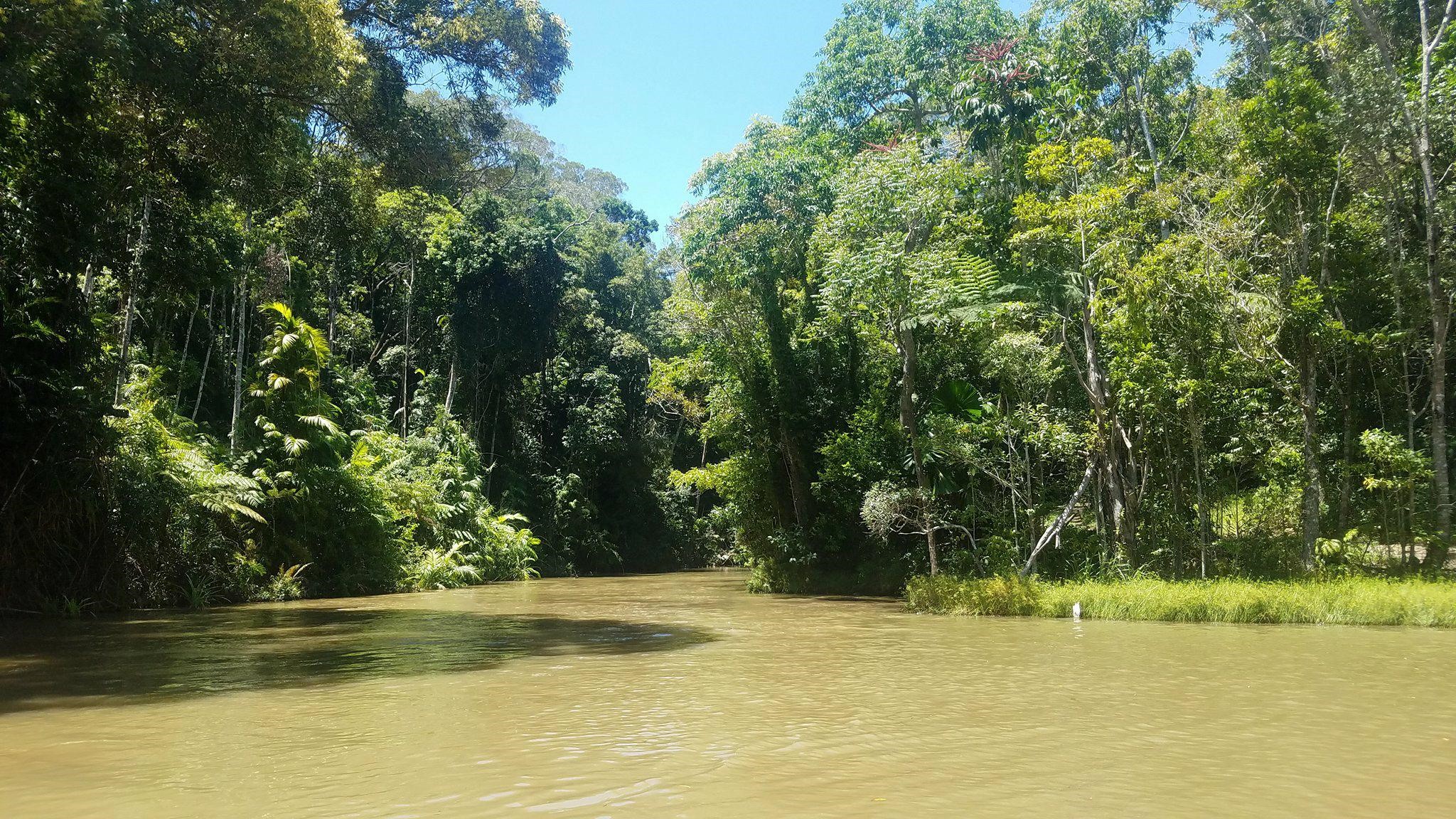
A picture taken in the Rainforest inland of Cairns.
The following day I headed back to the airport for my flight down to Newcastle where I will be doing my studies for the semester. My time spent in Cairns was brief, but incredibly memorable and a great way to be introduced to this country’s wonderful nature and history.
Vlogger: Nicholas Kwiecinski
Location: Reutlingen, Germany
Photographer: Devin Powell
Location: Reutlingen, Germany
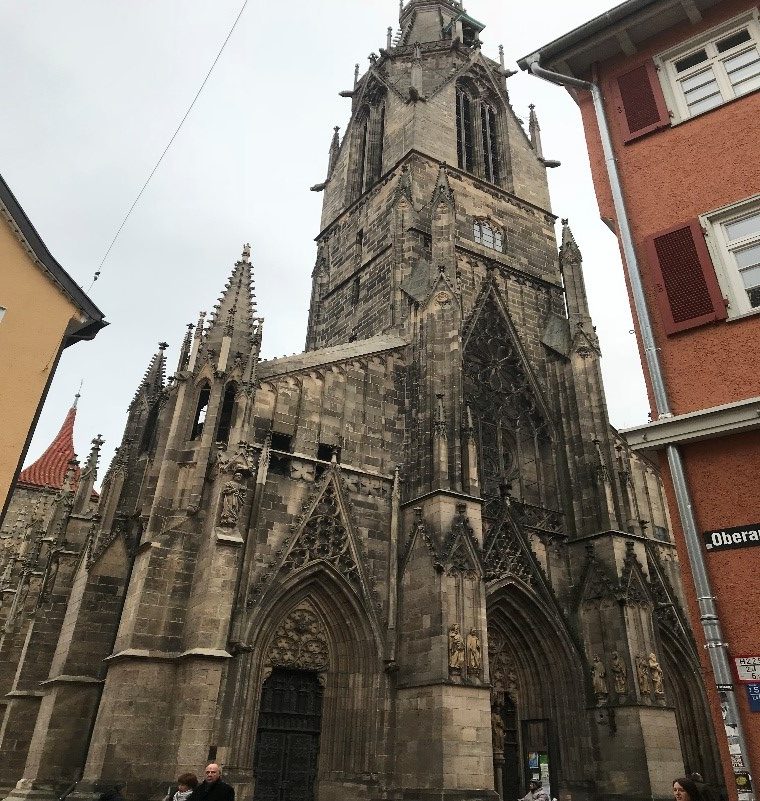
Marienkirche (St. Mary’s Church): This is the main church of Reutlingen which is centered in the middle of the marketplace downtown. Here, Matthäus Alber spread the word of the reformer, Martin Luther, to the small town of Reutlingen during the early 1500s. Lutheranism now has a large religious presence in Reutlingen as well as the state of Baden-Württemberg, and a majority of Germany.
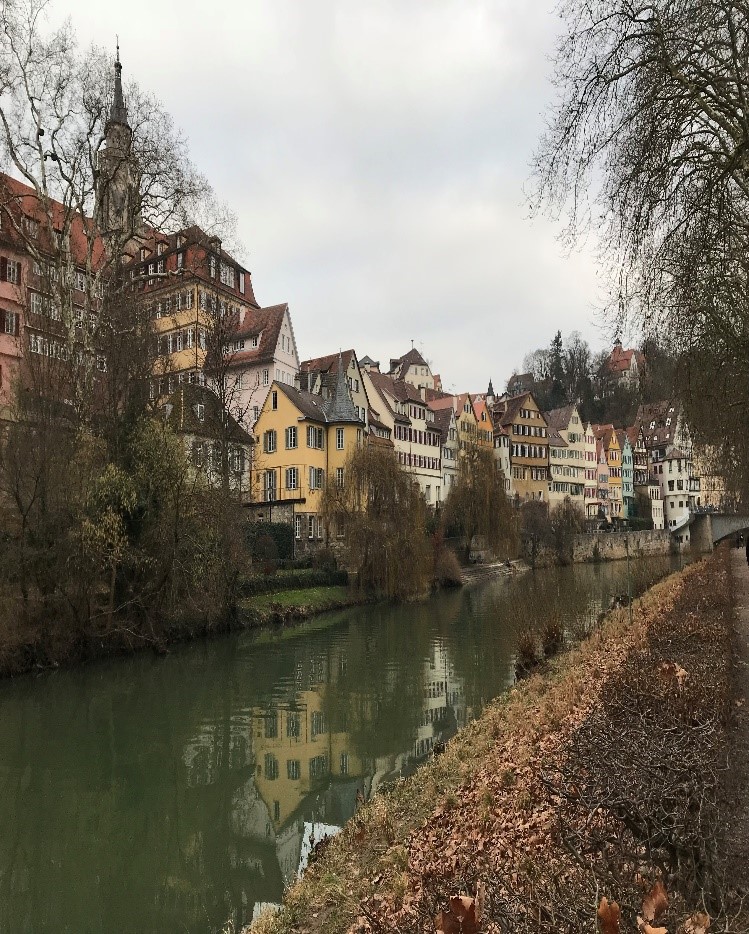
Tübingen Universität: The University of Tübingen is a mere 10 minute train ride from Reutlingen and is full of historical context. One thing to note in particular is that Tübingen was one of the few towns not completely destroyed during World War II, so most of the buildings are as old as they look! Only a small portion of the town was destroyed due to a bomb that was actually meant for Reutlingen. Other than that, there was no need to bomb the town due to the high number of students living there and no factories or production being exported from it.
Tübingen University is one of the oldest universities in Germany, established in 1477, and has remained one of Germany’s top universities throughout the years. Many of the studies include theology, philosophy, medicine, and law.
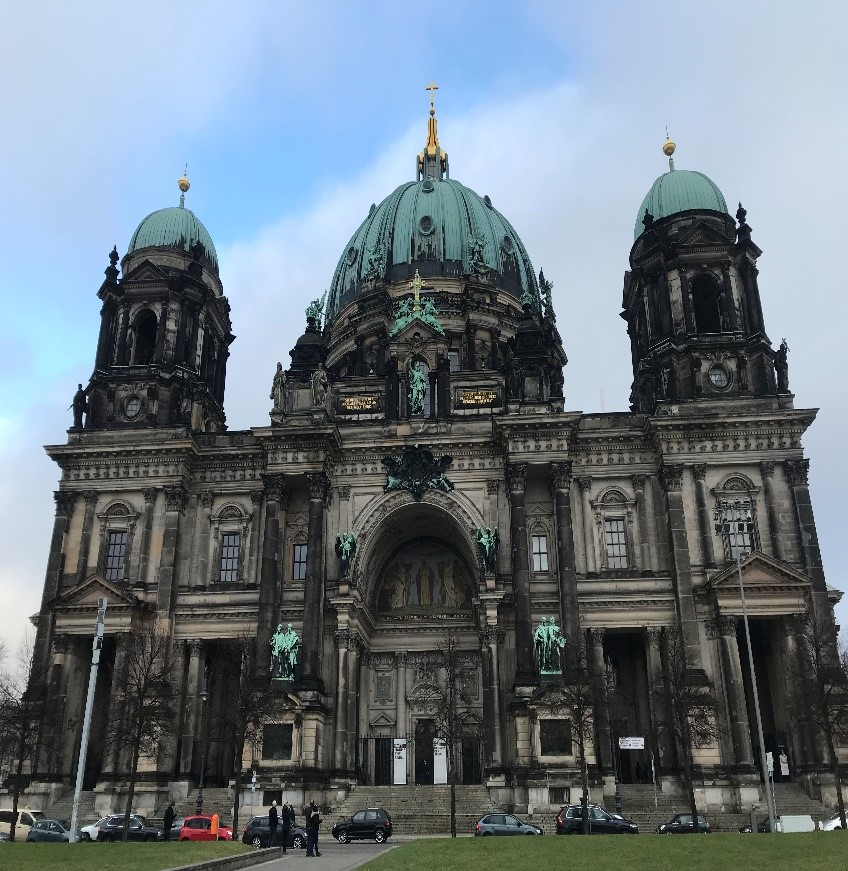
Berliner Dom: Our first trip consisted of traveling 8 hours via train to reach Berlin and further explore an area that was of great interest during war times. This “cathedral” was built in order for the Protestants to have something of equal stature to that of the Catholic Cathedrals often found throughout continental Europe. I use the term “cathedral” loosely because the Berliner Dom is not deemed a cathedral due to it being a place for the Protestant faith, not Catholic. However, the Germans often overstep this trivial difference and refer to it as a German cathedral.
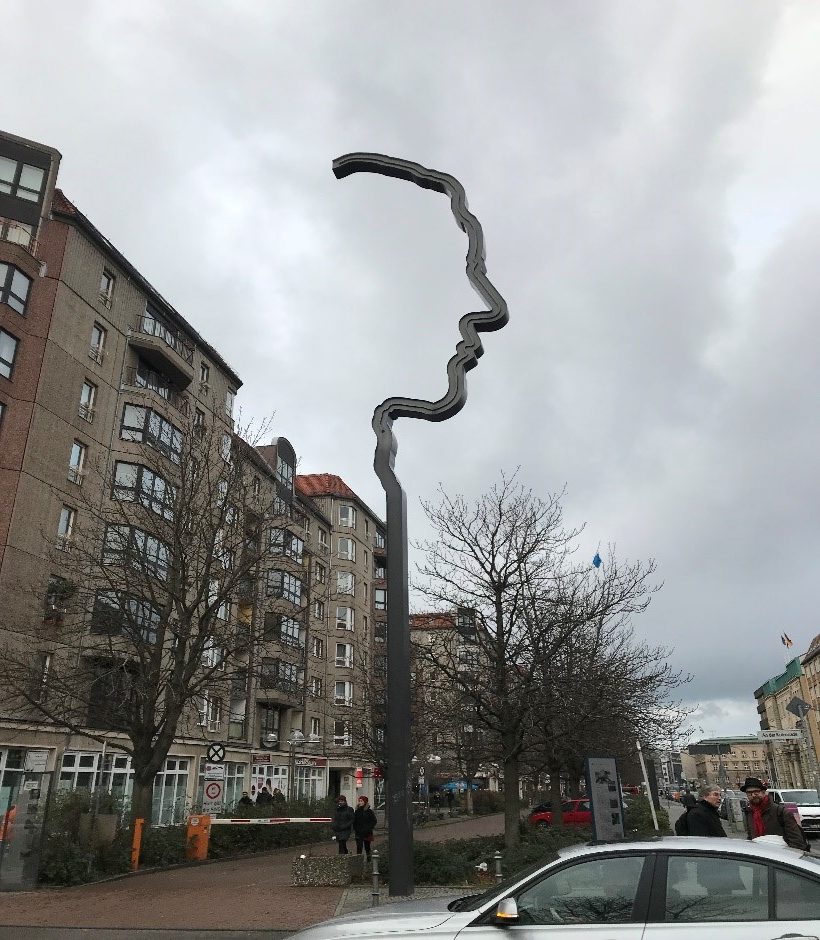
Johann Georg Elser: However odd this may sound, Hitler often gave speeches in public pubs and/or bars in the evenings due to the presence of alcohol and being able to keep people in one place in order to listen to his speeches. One evening in particular, a man named Johann Georg Elser decided to kill Hitler and all of the top Nazi officials that had followed him to a particular bar in Berlin. He created a bomb and set it below the stage, but Hitler had taken the train into Berlin this night in particular due to the weather and had to leave early in order to make his train back. As is such, the bomb exploded minutes after Hitler and his officials had left killing 12 people instead of the men he was initially after.
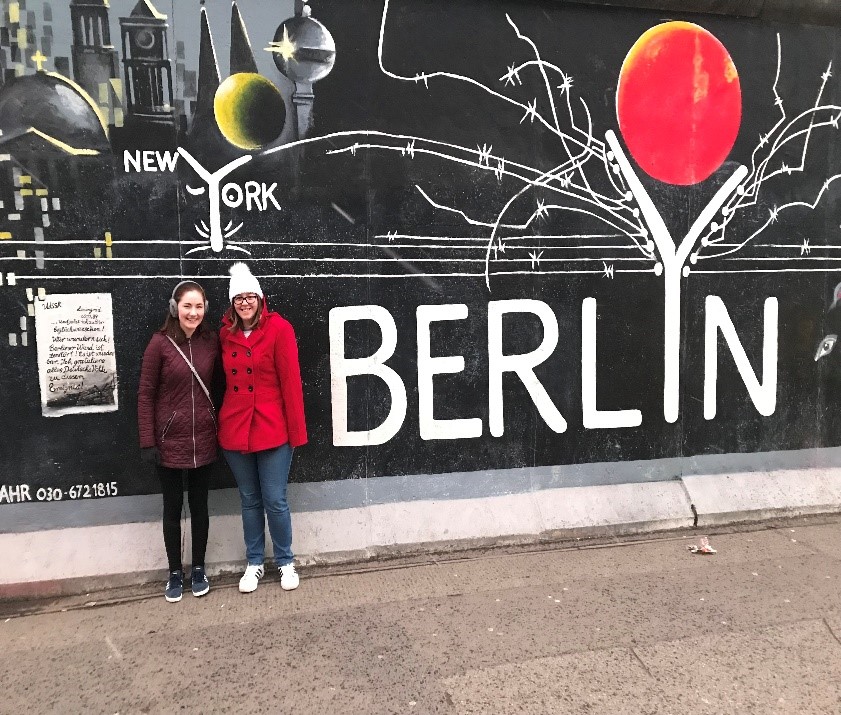
East Side Gallery: A quick train ride to the east side of Berlin allowed us to explore the remnants of the Berlin Wall that were still standing. Here, 118 artists had decorated each paneling of the Wall with various images, each representing their own unique artistry. The Wall spans 1.3 km and officially became the world’s longest open-air gallery in 1990.
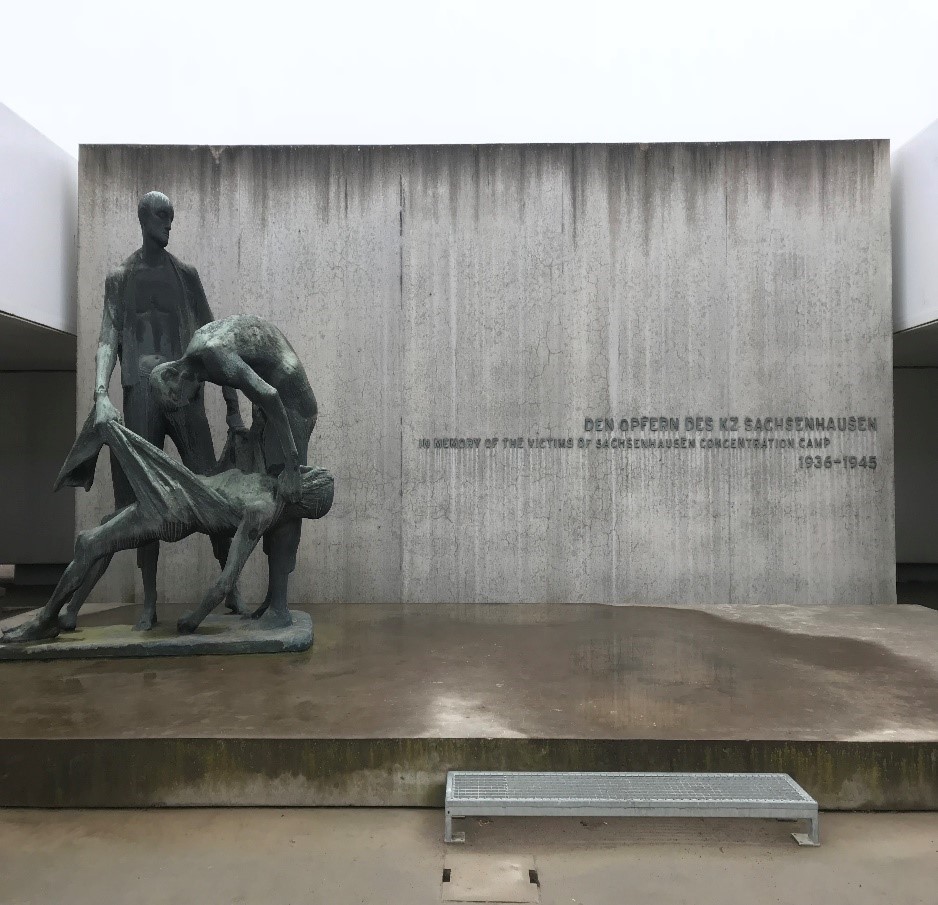
Sachsenhausen Concentration Camp: This was single-handedly one of the most sobering and eye-opening experiences on this trip. Every step puts you into the shoes of those who found themselves prisoners of the Germans under Hitler’s rule. The heavy feeling that surrounded the camp made you stop and really take into account the fact that these atrocities actually happened and were no longer words on paper that you read for history class but rather a reality that caused the suffering of millions of people.
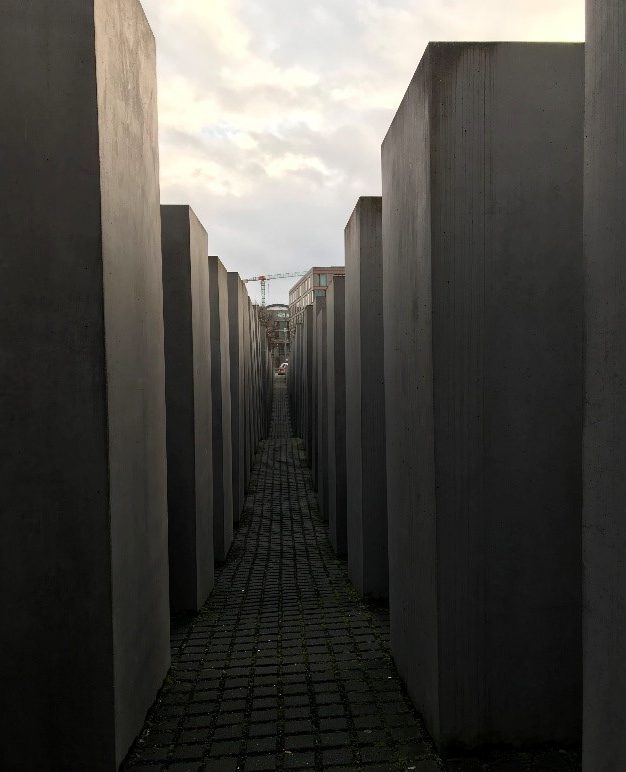
Memorial to the Murdered Jews of Europe/Holocaust Museum: Rows upon rows of either thin cement blocks or short concrete slabs lined up in front of you create an almost eerie scene of getting lost in a maze. There are 2,711 of these concrete slabs, each one attempting to capture the atrocity that swept through Europe. Architect Peter Eisenman and Buro Happold, an engineer, designed this field of cement in order to give those who were massacred a place to rest and be remembered.
Filmmuseum Potsdam: Fun fact number 1—most film industries in the US have used the set in Babelsberg to shoot very popular and successful movies such as: Valkyrie with Tom Cruise, V for Vendetta, and Captain America Civil War. So if you’d like to catch a sneak peek at someone famous perhaps walking down the street, make your way over to Babelsberg instead of Hollywood!
© 2026 Valpo Voyager
Theme by Anders Noren — Up ↑