Valpo Voyager

Student Stories from Around the World

Page 28 of 124

Hidden Gems

Author: Emma Chelsvig

Location: Chennai, India

Perhaps this has been the most striking facet of India for me. During the final two weeks of my time in India, I traveled to the north with my parents.  New cities brought plenty of new challenges—challenges which would first lead me to search for a sense of normalcy.  But just as I did in Chennai, I found myself sinking into each city that we toured.  With an open mind and help from local guides, my habit of judging things at face value subsided.  New dimensions of the cities were revealed, and I witnessed a portion of the depth that is found in India.

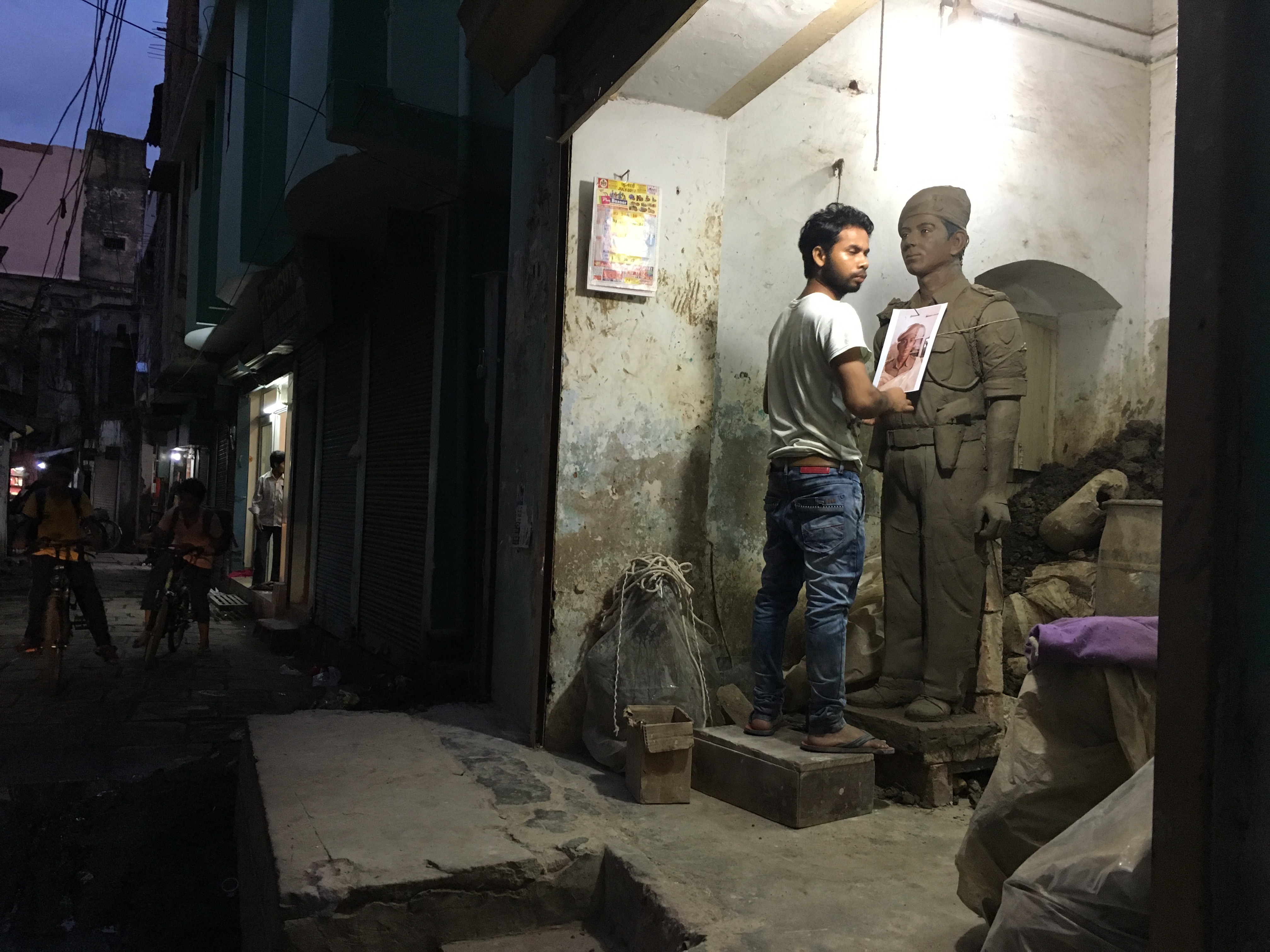
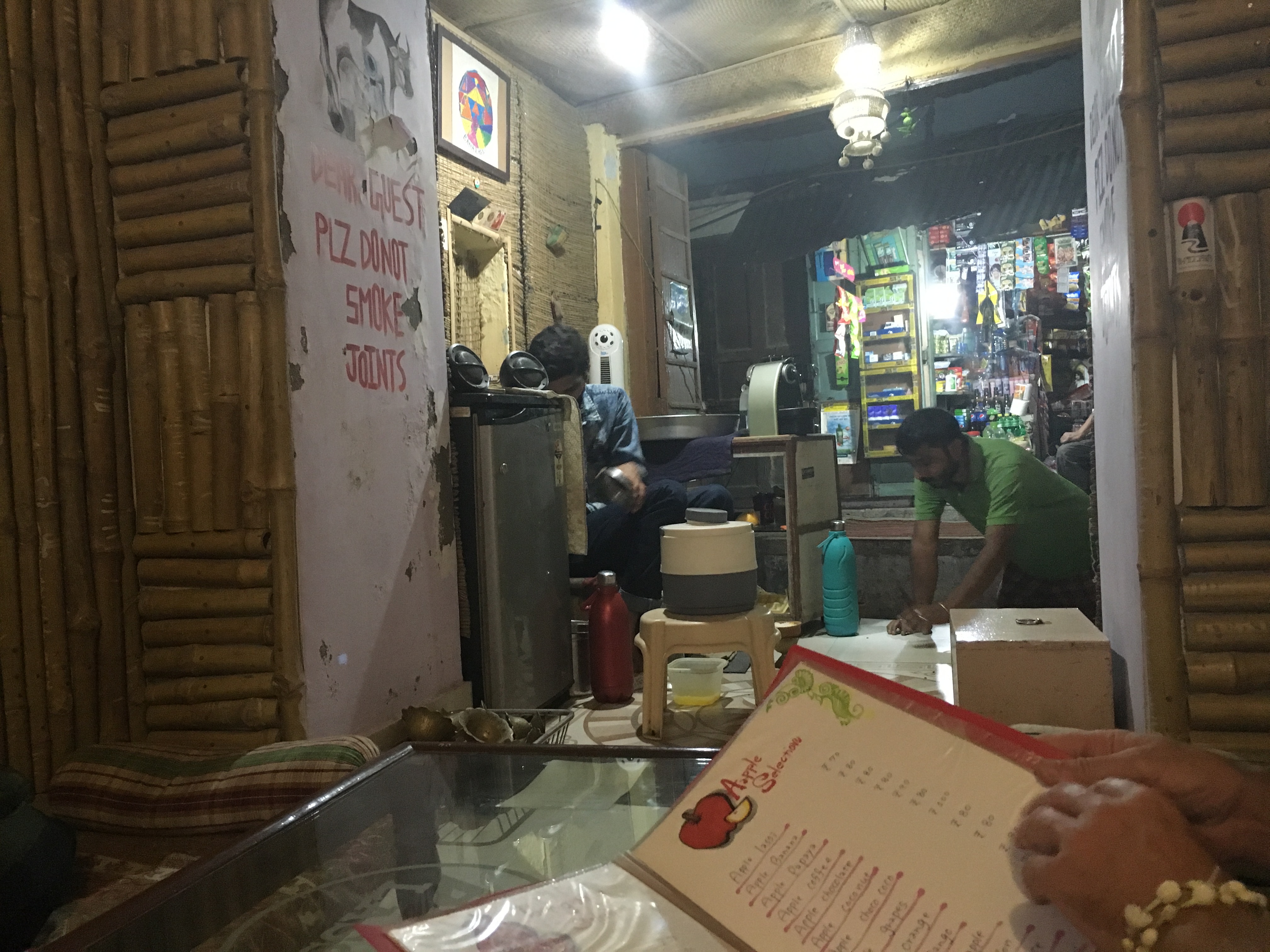
On our first day in Varanasi, my family and I blindly walked through the alleyways that run along the Ganges River.  The narrow and dark alleyways twisted and turned like a labyrinth, only to display a new set of shop keepers, residences, and cows that looked identical to the ones around the previous corner.  The alleyways were incredibly disorienting.  Furthermore, they buzzed with blankets of flies and reeked from cow patties that lay scattered along the cobblestone pathway.  However, within 24 hours, Varanasi had me hooked.  In the dingy alleyways were these nooks that were bustling with life and notable activity.  If you were to turn the correct corner and peer past a rickety wooden shutter, you would see a man weaving a sparkling silk sari on a hand loom.  Around the next dark corner might be a man sitting cross-legged on a ledge with a large metal cauldron before him.  Peek inside the doorway beside him, and you would enter into this man’s quaint café that sells the city’s tastiest handmade lassi.  While the alleyways initially overwhelmed my family and I and provided us with uncertainty, they soon exposed the wealth of incredible life that exists within India.

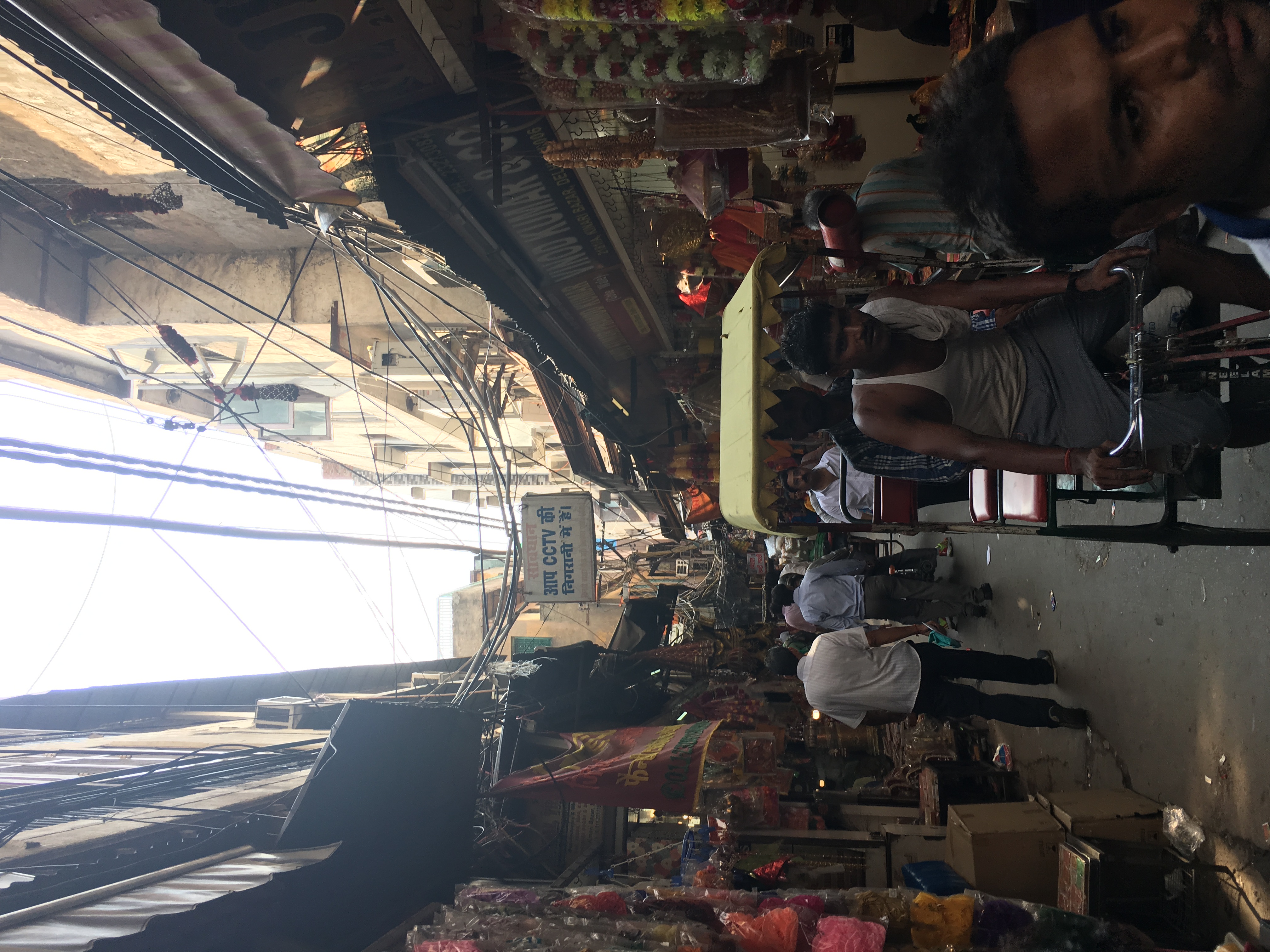
A similar experience occurred in Delhi.  My parents and I walked through the hectic and tangled mess of Old Delhi.  The narrow streets were crammed with parked scooters, vendors frying up samosas, rickshaws holding their snoozing drivers, and pedestrians navigating around the traffic.  But tucked away in a deserted corner was an underpass.  A guide led us through this pitch-black passageway—one that only locals would be able to find—and after walking through, it we emerged onto a series of thriving alleyways.  The alleyway that we entered onto held shops that were selling intricately adorned fabrics to eager women.  Here in these alleyways, we arrived at yet another dimension that existed.  Who would have thought that another layer of life was thriving within the hectic roads of Old Delhi?

In India, there have been constant surprises—it never ceases to amaze.  When I first arrived I was bombarded with noises, odors, and colors whirling around me.  Now that I have journeyed to multiple cities in India, I have learned that the country is even more intricate and multi-layered than it presents itself to be.  Hidden in dark and forbidding corners lay passageways that open onto bustling lives.

Introducing the Bloggers: Cody

Blogger: Cody McWhirter

Location: Sydney, Australia

Major: Business Analytics

I chose to study abroad to experience a different way of teaching. I believe it will further help me understand my major. I also want to see the world, and this is a great opportunity to do so. I am most excited about the internship that I will be doing while I am studying. I do not know much about it, but I know that I will love it!

Be on the lookout for Cody on our Instagram and Snapchat accounts!!

Instagram: valpo_abroad

Snapchat: Valpo Abroad

Am I the Same Person in Barcelona as I was in Valpo?

Author: Angelys Torres

Location: Barcelona, Spain

Cross-cultural identities are often difficult to understand. Cultures have different ways of expressing identity and value various characteristics. How does a cross-cultural experience like study abroad contribute to, change, or even help realize your inner identity? Are you the same person abroad as you were at home? Will you be the same person when you return as when you left? My experience abroad has played a major role in helping me realize my identity, and hopefully, I have observed some changes that I can continue to adopt upon returning to the United States.

What has it meant to be cross-cultural in Barcelona? In the United States, often I find myself referring to my culture as the Puerto Rican traditions, language, rituals and values by which I was raised. I identify with other Spanish-speaking individuals who share similar backgrounds and lifestyles; the people often grouped together as “Latinos.” Part of my original reason for wanting to study abroad, specifically in Spain, was to learn about the culture of the conquistadores or the Spanish conquerors that colonized many countries in Latin America including Puerto Rico. I expected to find some cultural similarities, to blend in, and to discover something about myself that I didn’t even know. In many ways, this was and was not the case.

In Barcelona, the majority of locals speak both Castellan (Spanish) and Catalan, the language of Catalonia. At first, I found myself at an advantage by being able to communicate fairly well with locals. Not having a major language barrier helped me feel comfortable and like I shared a similar culture. However, to many locals, my accent sticks out as clearly different. Often one of the first questions I am asked is,” Where did you learn to speak Spanish?” In this way, I find myself to be very different from natives to Barcelona. As time passed, one of the only similarities I have been able to appreciate between Puerto Rico and Barcelona is the architecture. This shouldn’t be surprising considering the historical context. However, I was looking for something more.

Who am I in Barcelona?  Since I quickly realized I couldn’t blend in, I began to explore what it is about my identity that makes me, me. In the United States, we often focus on things like race and ethnicity when we describe who we are. In Barcelona, my identity is almost wholly rooted in the fact that I am from the United States. My American culture is the biggest difference between me and other students from around the world. The students from the U.S. come from states all over the country. Sometimes I can find more similarities with an Australian than with another American. Regardless, locals group all Americans together and thus we share a common identity when we are in a different cultural context.

So who am I? I am both. I am a proud Puerto Rican woman from Chicago who has a passion for social justice and I am a stereotypical international student from the United States studying culture in Barcelona. Because of this beautiful blend, I won’t be the same person as I was when I left but, hopefully I will be a better version of myself.

Farewell America!

Author: Jessica Hanson

Location: Newcastle, Australia

G’day Mates!

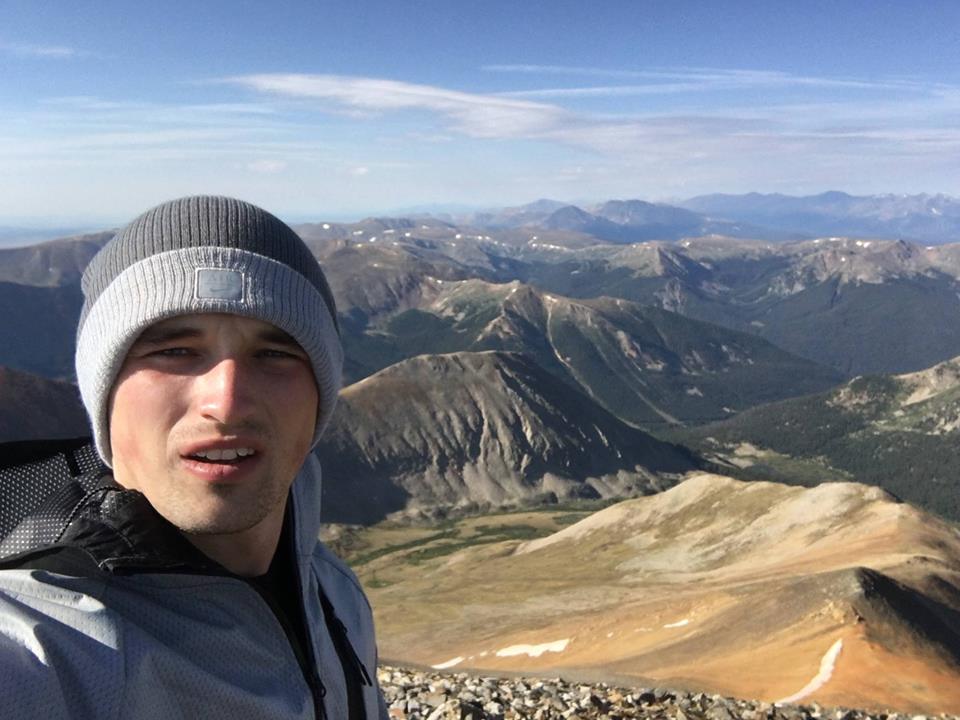
This is me checking in from my last full day in Wisconsin before I jump on a plane and start my journey studying abroad 9,000 miles away. Even though I knew I only had two months of summer from ending my sophomore year at Valparaiso University, IN, and leaving for my semester abroad, I can’t believe how fast it disappeared! Between working full-time hours at Kwik Trip, going on a 9-day vacation with my family to The Rocky Mountains & Yellowstone National Park, and figuring out flights, classes, packing, layovers, and all the other countless details and information about my new home for the next four months, I still can’t believe it’s already here.

To fill everyone in, I will be studying at the University of Newcastle (UoN) in Callaghan, New South Wales, Australia (!), about two hours north of Sydney by bus. Luckily, Newcastle is the seventh largest city in Australia and only a half hour from the beach, so I should be able to find plenty to keep me busy! This “Uni,” as they call it Aussie-style, has an enrollment of 26,000 on my campus, quite a big difference from the 6,000 total enrollment I know from Valpo. I will be a “Wombat” for the semester, although the school symbol is a horse head, and the coat of arms features an odd-looking horse/seahorse hybrid….Nonetheless, the school motto of “I look ahead” represents exactly the experience I hope studying abroad will provide – answering many questions about what I want to do after Valpo and looking forward into a career!

The past few weeks getting ready for this trip has been such a roller coaster of emotions for me. The hardest part for me is saying “see you later!” (NOT goodbye) to all my loved ones. As my brother and my best friend can attest (Sup Zach. Hey Jennifer!), I get super sentimental knowing that this is the last time that I will get to see my family and friends for four months. Sure, four months isn’t any different than being away from my Valpo friends for a whole summer, but knowing that I’m a whole world away and completely on my own in a foreign country makes it all the more difficult.

Aside from my sentimentality and excess of hugs as I leave my friends and family at the door, I have gone back and forth between being extremely excited or utterly terrified. Right now, knowing that I will be in a new country less than 72 hours from now, is exciting (well, to be honest, rather terrifying too.) It is also terrifying that I will have to figure out the airports all by myself- I’ve traveled before, but when you’re following a herd of 300 people during group travel, navigating the airport seems to be a breeze! I am terrified that I will be living in a studio apartment all by myself and have to learn how to cook and fend for myself (I know, real adulting, I guess I should probably get used to that by now!). I am terrified that I have to figure out a different classroom learning style and culture all at the same time.

But I am excited to explore Los Angeles for the very first time during my 10-hour layover. I am excited to meet new people and learn, and try new things (Vegemite, anyone?). I am excited that I am going to a country that is a lot more environmentally conscientious than the United States (on the whole) and that I have the opportunity to learn all about it and live this new culture. I am excited to see koalas and kangaroos, go snorkeling in the Great Barrier Reef, and learn how to surf. I am excited to be fully immersed in a new culture for four months. And I am excited to see how this experience changes me and inspires me to do great things.

I have a lot of personal goals and ideas for what I hope my study abroad semester will turn out to be- but I also know that I shouldn’t go in with too many expectations. And I know the biggest asset I can have is an open mind- and an open heart. However, my biggest goal is simply that I don’t let myself be afraid to try new things. I would hate to miss out on experiences because I’m scared, or nervous, or tired. I want to explore and take risks (safe ones, of course). I want to be intentional about the experiences I have and the limited time I will be abroad. I want my trip to matter, whether that simply means having the time of my life or it means finding tools and connections to change the world. I hope this trip brings me insight and knowledge and curiosity and courage and love. And above all else, I am looking forward to growing as a student, as a person, as a traveler, as a woman, and most importantly, as a world citizen- in whichever direction the Australian wind blows.

So farewell, my friends, or as the Aussies say, “Cheerio!” I will write again in a few weeks!

Introducing the Bloggers: Jessica

Blogger: Jessica Hanson

Location: Newcastle, Australia

Major: Chemistry and Environmental Science

I chose to study abroad because I wanted to get the full college experience and experience something that I might not otherwise get the opportunity to do. I am most excited about snorkeling in the Great Barrier Reef!!!

When Everything Seems So Different… Ask Why?

Author: Angelys Torres

Location: Barcelona

Four and a half million people. Narrow streets. Tall buildings. Cars, trains, buses, motorbikes, and thousands of pedestrians who don’t obey traffic signs. Young, old, students, store owners, and street vendors. Homeless people, animals, and construction around every corner. Now pause. I’ll guess that you are imagining a fast paced metropolitan area. What if I told you that is not the scene I am describing? Try this. Slow down the pace to that of a three-year-old on a tricycle. Can you imagine it? Great. Welcome to Barcelona, Spain. With so much going on, it is hard to picture such a slow moving scene. Coming from Chicago, where people walk as fast as the wind, it was undeniably hard to find similarities in a city where the value of time is not money. What do you do in times of difference? In just a short week, I learned that one of the most important steps in overcoming difference is to ask yourself, ‘Why?’

On my very first day in Barcelona, I attended a walking tour of the neighborhood surrounding the school I would attend for the next month. My tour guide did not hesitate to fill us with information about both the history and current culture of Barcelona. As we walked, we passed hundreds of cafes and restaurants filled with people chatting, relaxing, and enjoying drinks or a meal. I decided to use food and dining in order to better understand why time did not seem to flow in the way that I would expect in such a large city. I would come to find out that Barcelona, and actually much of Spain, has a different conception of dining than the United States, much of which is related to their value of time and money.

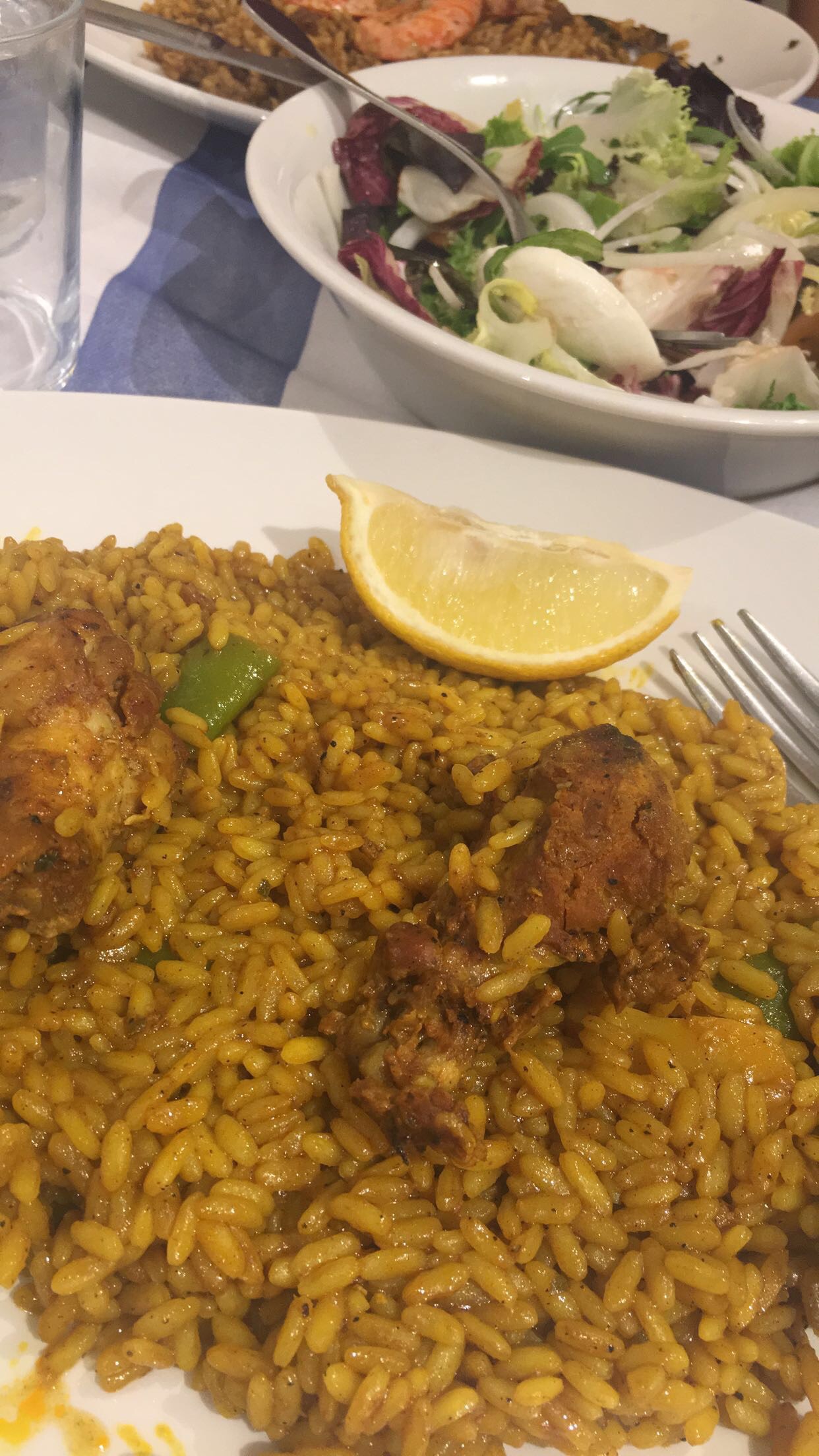
Paella

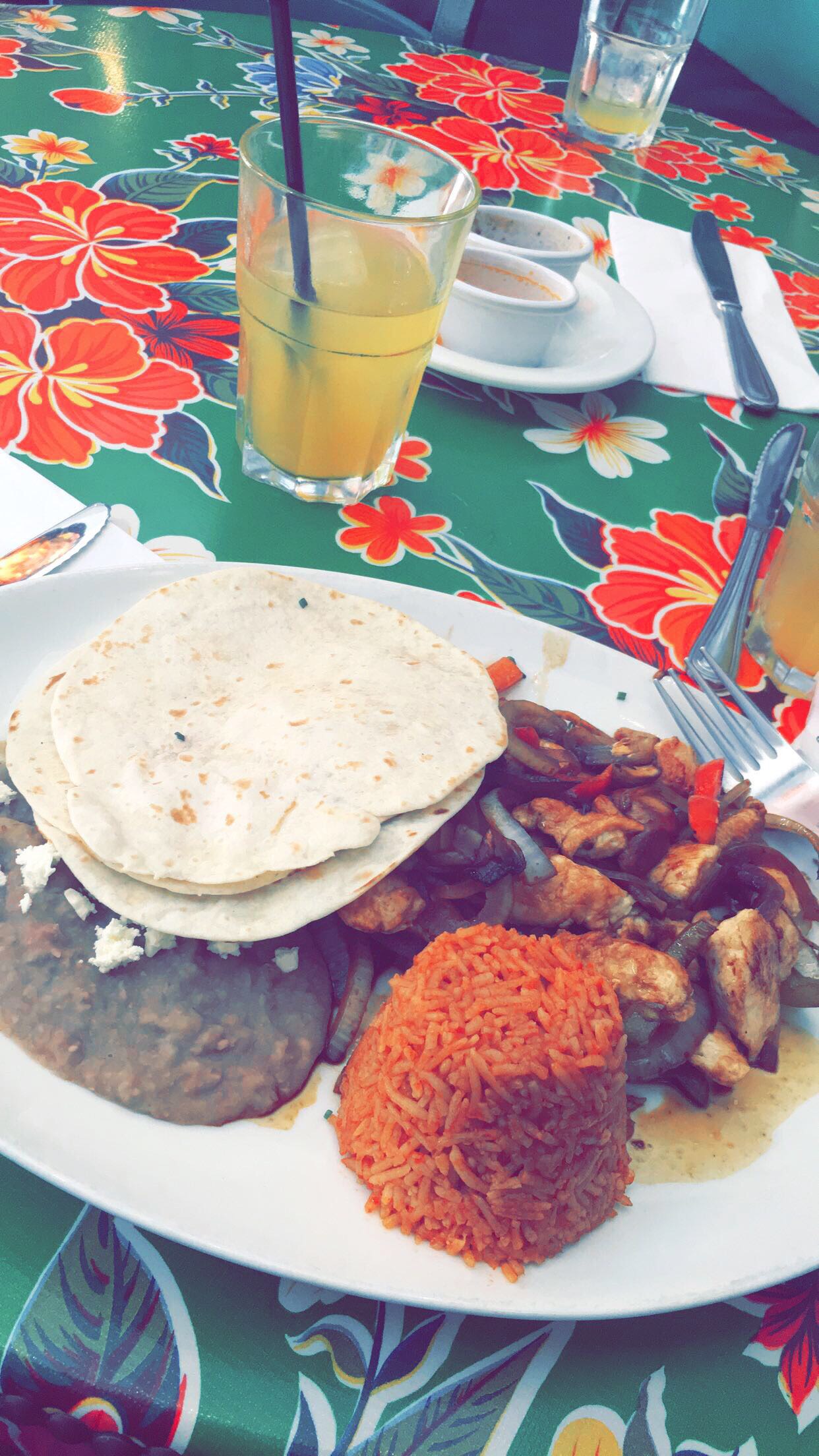
In Barcelona, it is customary to eat many small snacks or meals throughout the day. This can be a small coffee, pastry, croissant, or bocadillo, a small sandwich with tomato spread on it and sometimes meats or cheeses. The main event is lunch which is typically a heavy, three-course meal eaten between the hours two and four in the afternoon. Many locals do not eat dinner but rather have tapas or small snacks later in the evening around nine or ten that can be patatas bravas (boiled potatoes with creamy cheese on top) or pinchos (pieces of bread with a variety of toppings that are differentiated by mini sticks). The reason for this is that the body has more time to digest more food earlier in the day than late at night right before it is time to sleep.

Lucky for my housemates and I, our host mom recognizes that it is customary for people from the United States to eat dinner, so she cooks for us in the evenings. At this point you are probably thinking that it is not too unusual to eat more meals of smaller portions since this system is commonly what is recommended for a healthy diet. However, the experience of dining outside of the home changes the entire picture.

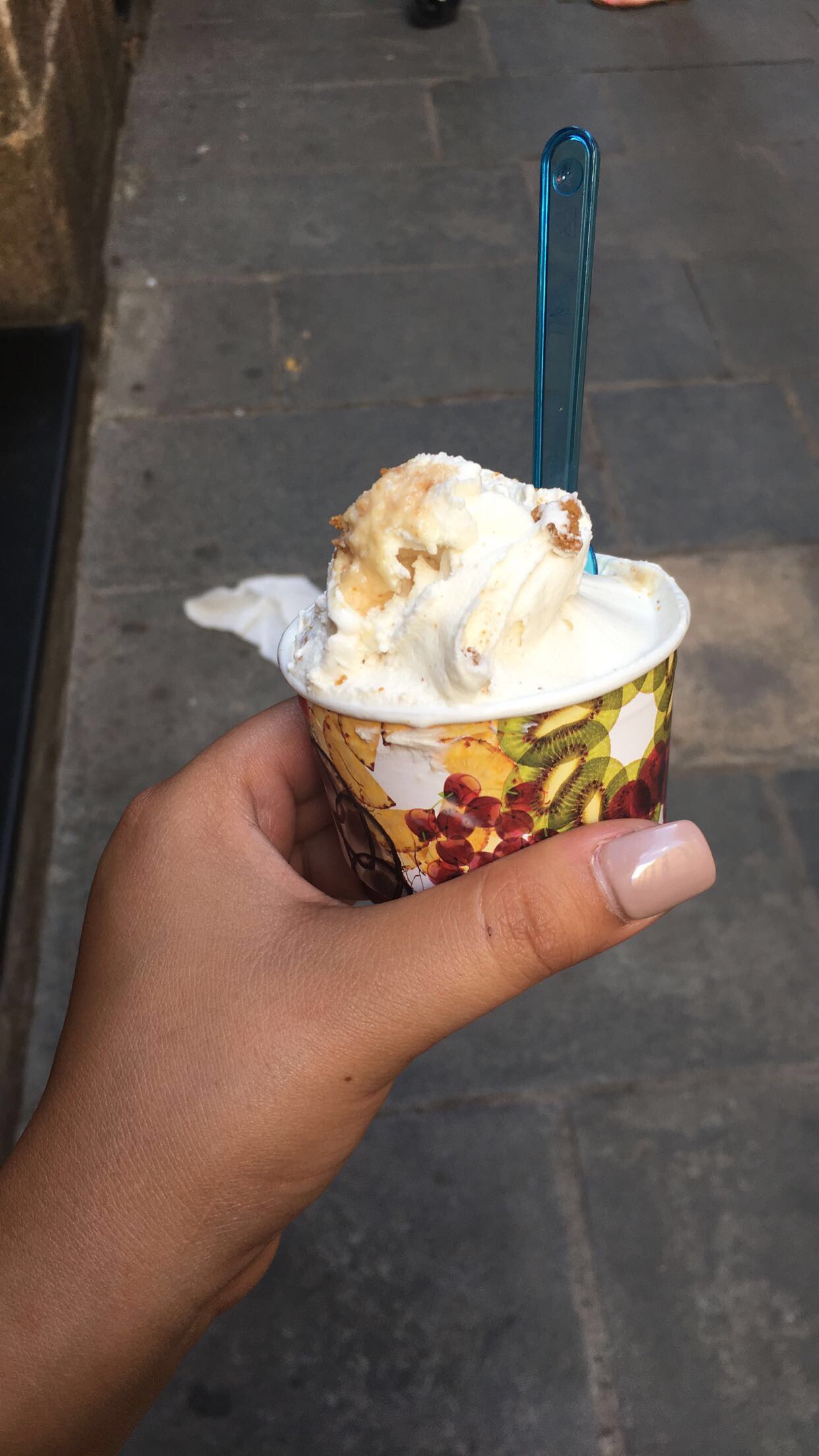
Gelato

It is customary in the United States to expect speed. When we are running late, we ask for our items to-go so we can eat and drink them while we walk to the train. In Barcelona, most people who have somewhere to go are tourists. Some restaurants are not even equipped to package items to-go because it is so uncommon and not customary. In Barcelona, it is expected that one is looking for an experience when they sit down to eat at a restaurant or café, one that will take lots of time. For this reason, it should not be expected that wait staff will be quick or ask you for anything. It is upon the customer him or herself to ask for what they would like when they would like it. After waiting for a bill for more than forty minutes, I realized that they would not bring it to the table until we asked. This is seemingly the case in all of Barcelona. It is a full experience, more than just going through motions. Even though it is so different from what I know, I love dining in Barcelona. I have learned how to take my time and really enjoy the atmosphere, people, and food in that moment. Others have not found it so easy to adjust but reminding myself why things like time and dining may be different from what I know, helps me to overcome those differences and appreciate them more.

Curious Eyes

Author: Emma Chelsvig

Location: Chennai, India

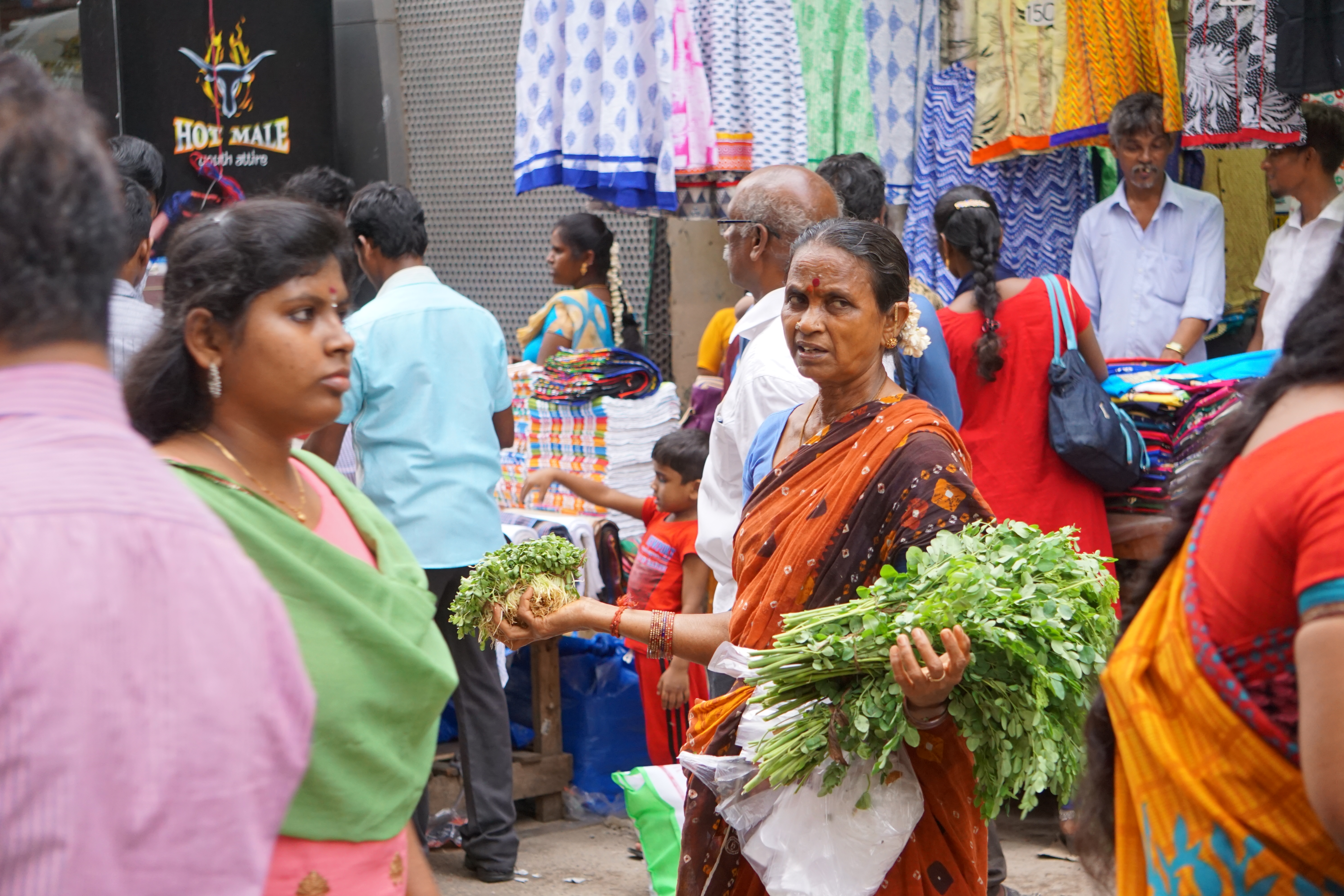
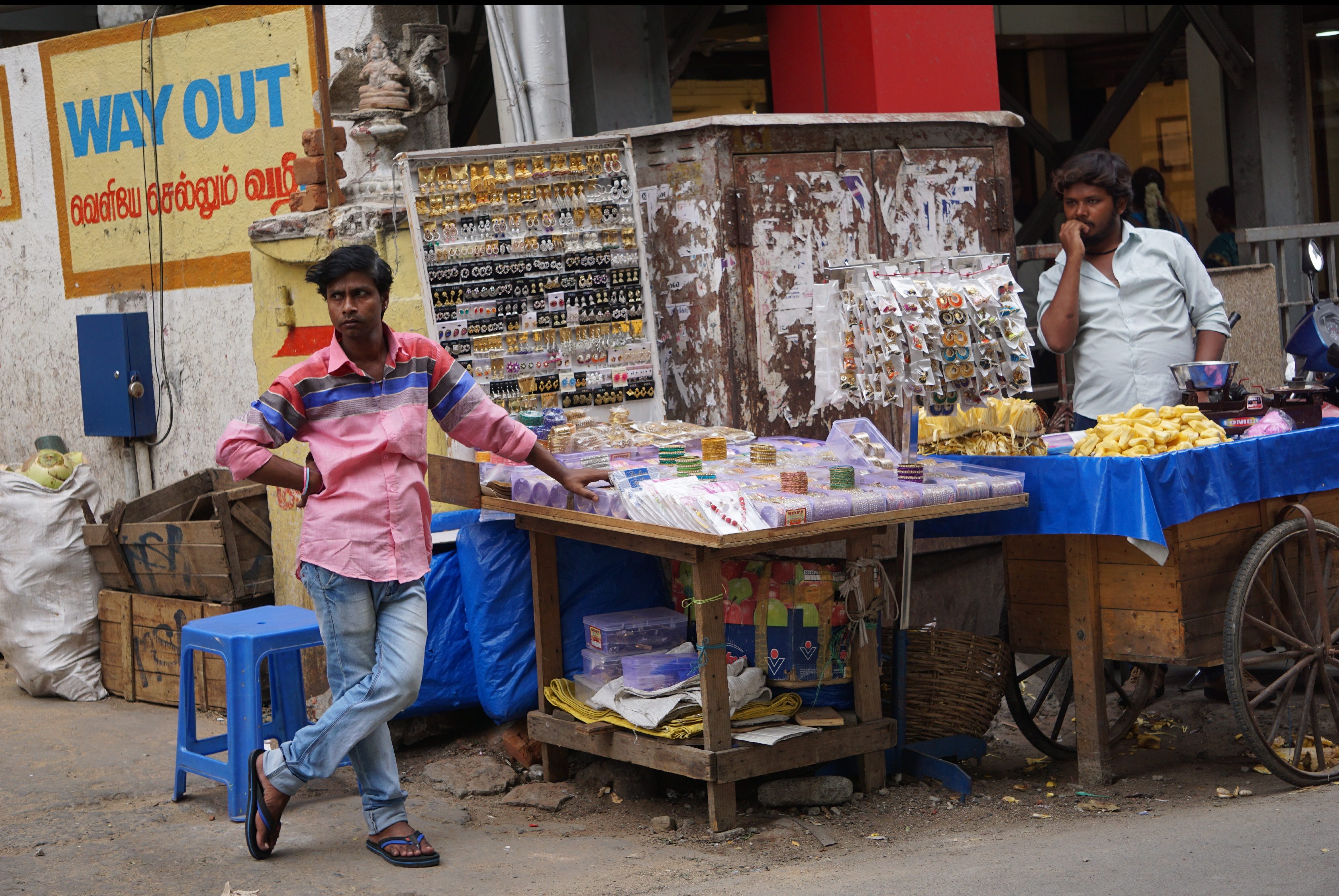
In order to complete field research for my internship here in Chennai, I took to the pavement of a bustling commercial neighborhood to map and record 6 different attributes for the area’s street vendors. Witnessing the vibrancy of Chennai’s streets is one thing…being engulfed in it is an entirely different experience.

With the clipboard cradled in my arm, I walked down one of the neighborhood’s streets to map its 270 street vendors. However, every few steps that I took I had several sets of eyes peering over my shoulder. The people were not shy about their curiosity—they literally placed their heads upon my shoulder and would even tilt my clipboard so they could see what I was writing. I would walk further on, trying to break my way through the pounding stares, inquisitive minds, and prying questions. Street vendors would then congregate around me, only to throw words around in their native Tamil language and provide me with more looks of concern. I tried settling their unease. I repeated to them, “school project, school project.” I received head bobbles of content, after which I then continued on my way for the next set of curious eyes.

I do realize that I gave the people plenty to stare at. I was, after all, a solo white female holding a clipboard and pen. But despite this, I have found the people to be quite curious and inquisitive of their surroundings. It is common for people to take account of their peer’s purchases at the store or to analyze the latest math test score of their child’s top classmate. And I see this same curious attitude in the nation as a whole. As India looks to traverse their pathway towards progression and development, they look outwards to developed nations. However, in doing so, their eyes can become focused and latched on the Western way of life…seeing the world as it has been crafted—a Eurocentric world.

But be mindful, beautiful India. You are dazzling as you are, with your never-ending surprises of activity. Your infrastructure does not mirror that of Europe’s finest crafted plazas. Your stores and shops are not clean cut. But there is value in that…your differences are to relish. Be mindful, beautiful India. Incorporate modes of development where it can benefit your people, but remember to hold fast to the charm that sets you apart.

Yes? No? Maybe-So?

Author: Emma Chelsvig

Location: Chennai, India


After being in Chennai for 3 weeks, I have come to better understand the people and the culture with each passing day.  I can cross the street through the weaving traffic without getting hit, I can decipher about 6 items on the menus at restaurants, and I can shuffle and nudge my way to the front of the line at the produce store as to not let every single customer cut me.  However, there is still one aspect of Indian culture that continues to bring me uncertainty…the head bobble.

The head bobble is reproduced by Indians with almost every human encounter.  When someone does the head bobble, the head lightly and loosely floats from side to side with the ears dipping down towards each shoulder.  It is a bobble of the head rather than a strict nod or “no” gesture.  As for the facial expression, there is little change in the person’s displayed emotions.  The head bobbler retains an expressionless front.

So, what does such an inherently vague gesture mean, exactly?  Well, I’m still not entirely sure.

As an outsider to Indian culture, I try to observe and understand my surroundings as much as I can.  I search for patterns and continuity, and then correlate the actions with a certain meaning.  But after 3 weeks, the head bobble still stumps me.  I ask the auto driver if he has change, and his head bobbles.  I discuss my goals for my project at work to my boss, and her head bobbles during the entire conversation.  I order food at a restaurant, and the waiter’s head bobbles.  During lunch, I sit across from a co-worker whose head bobbles as she chews each bite of her mother’s home-cooked meal.  I ask the hotel receptionist if my room can be cleaned, and his head bobbles.  I search for jack fruit at the produce store and cannot find any; I ask the cashier if there is any in stock, and her head bobbles.

Um…okay….so, is that a yes?  A no?  Maybe-so?

Sometimes I can decipher whether the head bobble means “yes,” or “I understand,” or “no,” or even when it just portrays contentment.  But quite often the head bobble still throws me off.  Resorting to my own culture’s human dynamics, the head bobble appears to display feelings of discontent or the act of settling.  This is not at all what it means, and thus I am left with a misunderstanding                                                                                                            of my peer’s response.

Nine thousand miles from home, India sometimes feels like a separate world.  It is so easy to hold tight to my own perceptions on life and use these to define everything that I see here.  But in doing so, I will misinterpret all that there is to learn from India.  So, I have 5 more weeks of my Indian adventure…let’s see if I master the head bobble.  And just maybe by the end of my time here, I’ll be bobbling with every person that I meet.  


Part 3: Love Casts Out Fear

Author: Kortney Cena

Location: San Jose, Costa Rica

Once we made it aboard the plane, Granny took a picture of me, saying she wanted to send “a picture of the girl who took me under her wing” to her daughter. As I took the window seat and Granny sat near the aisle, she gestured towards the empty center seat saying, “Do you think we’ll get away with this?”

“What, having an empty seat here?” I asked.

She nodded and I said “Probably not, they said this would be an almost full flight.”

She sat for a second, then turned to me and said “I could lay in both seats and act like I’m ill.”

We laughed, but in the end, another nice old lady ended up sitting between us. As people passed by and put their luggage in the overhead bins, she tapped me on the arm and said, “They can’t put their luggage like that! It won’t fit. It says so in this manual” as she pulled the plane manual out from the backseat pocket. “The proper procedure is in here,” she said. She added, almost as an afterthought, “I should be a flight attendant.”

I laughed and told her she’d probably be great at that. And she said “Yeah, I would tell people: ‘I don’t know what you are saying, I have hearing aids, just do what I tell you to’.”

There were some serious culture shock moments on the way back to Colorado. The biggest shock I faced that day was to see such a confrontational attitude after so many months with polite and calm Ticos. But before I could associate the loud and complaining and crazy with “the United States culture,” this Granny came up and showed a completely different attitude. This Granny knew Pura Vida. Though I have been hearing the phrase for months, it was her who taught me how to really live a pure life. When trouble comes, don’t stress out and run around like everyone else. Take it peacefully. Even when Granny heard we might have to stay the night, she didn’t panic but treated everyone with respect and was cracking jokes. She was never afraid to ask for help, and actually, it was by asking that she made some friends, including me. She taught me to, in the worst of times, be relatable with people and be nice. If this is not the message of Pura Vida that the Ticos have been trying to drill into me, then I don’t know what is. Patience. We are all people and it will all work out in the end. It is not the United States culture that was repulsing me, but rude people. Just like there are nice and rude people in Costa Rica, the same is true here, and anywhere else. And I began to think, maybe home won’t be quite so different after all.

Once I made it off the last plane and helped the guy in orange find the baggage claim in DIA (all in Spanish of course!), my family finally got to me. I realized that all those fears I had in the beginning were silly. After only a couple minutes with them, I realized that no matter how much I have changed or no matter the amount of stories I had to tell, they wanted to love me, and they wanted to listen.

Now, I am still adjusting here. The other day I went to the grocery store by myself and accidentally reverted to Spanish when I had to interact with some strangers. In some ways, the hardest part of being home is the normality of it all. It feels like I have reverted back to life before Costa Rica. But inside, I know that I really am not the same. Though it may not yet be obvious how these changes are going to manifest themselves into my life, I do know that I will never forget the people I met and the experiences I had. I know that these things have changed where I am going in the future because I have a wider view about who “people” are—not just United States people, but all people of the world.

Part 2: Pura Vida – Be Nice, Folks

Author: Kortney Cena

Location: San Jose, Costa Rica

I was still thinking about the beautiful mother/daughter moment and looking at the pictures I had captured of the precious moment when I heard over the speakers, “Kortney R Cena. Last call for gate 47.” I had forgotten about the time change, and my gate had switched. A couple panicky moments later, I made it onto the second plane of the day, sitting in middle seat of the very last row – probably the least coveted seat of the airplane. But I had no problem with it as it allowed me to get to know this nice kid from Kansas City who wants to be a dental hygienist. A couple hours later, we landed in Kansas City, and everyone who was staying on the plane for its next stop in Denver moved up to get better seats. I didn’t know it at the time, but these people would be the starring characters in my next adventure.

The pilots found a maintenance problem with the plane, so we were asked to get off while they procured another plane for us. Once off and in the gate, we were told over the intercom to sit tight and wait for information. Some people, who were too impatient to do that, asked for information and were turned to the customer service desk. As I sat, waited, and listened to angry voices all around me as they complained about the situation, my ear picked out some soft and less angry Spanish being spoken by 2 of the other passengers – a guy in bright orange and his companion in white. I immediately felt a gush of relief– either because their voices were calm or because Spanish feels like home to me now after 4 months of immersion. And this is when I met Granny. She is a delightful elderly woman, perhaps in her 80’s, but still with plenty of spirit. She wears a flowery dress and a light pink cardigan and is the picture of a cute old woman. Because she has hearing aids, she could not understand the intercom voices and was very confused about the whole situation. She asked me if I was going to Denver, and when I replied yes, she said “Then I am sticking with you!”.

Nearby there was a security officer who was telling people that if our flight had been canceled, we would have to be fit onto other flights to Colorado for that day, and if there were none, we could have to wait until tomorrow for a flight. One lady, wearing all dark black clothes and a darker attitude, hurried off to where the security officer suggested– which was out to the main check-in booth of southwest, outside of security. As Granny stepped up to the officer and started to ask questions of her own, I heard over the speakers someone saying “Denver, line up at gate 39,”so I began to lead Granny in that direction. Eventually we made it to the front where all other passengers who had no boarding passes (because we were already on the plane) were congregating. Southwest had got us a new plane, and we were all ready to get on– except for the lady in black who ran off. As we waited for the new plane to be prepared, I talked to the guy in orange. Turns out he is from El Salvador, a land plagued with gang wars and violence, but he personally was a successful businessman in Houston and was going to Denver to visit family. He was interested to hear that I was traveling from Costa Rica “a land of peace, thanks to God.” Then Granny showed me a picture of her great-grandson. A stressed-out mother tried to placate her fussy two-year-old and complained about her traveling woes, insisting “They had better let us on first. We were supposed to be on the plane first.”

As the plane finally began to load, we were not let on first, but were instead to go after the pre-boarders. Stressed-out mom was furious, and questioned the attendant. Despite her frustration, the attendant still decided to let the wheelchaired and disabled on the plane first. As one pre-boarder, an older man, went through to the plane, Granny turned to me and said, “I should say I’m with him!” Then with a smile, she mock cried out “Oh honey, wait for me!”

In response I answered, “Oh yeah, grandpa, wait for us!”

As we were snickering to ourselves, the other ‘through-travelers’ formed a line and began to get on the plane. Luckily, Granny was an old lady who knew how to use her old-lady-status to her advantage. She got herself in the front of the line and then asked if I, her daughter, could come with her. And that’s how I boarded the flight as the 3rd person and got a second-row window seat.

But just before we could get on, the lady in black appeared. She had a ticket for the flight in her hand. I gathered that she had traipsed around the entire airport, gone through security again, and probably met a lot of resistance to show up at the correct gate (which was in reality only 10 meters from the gate she left earlier) with this ticket. She was frustrated and at her wits end, so she cut to the front of the line, gave the attendant her ticket and asked to board. The attendant, who didn’t know her story, looked and saw in her ticket a boarding number A27, assumed she was just an impatient guest, and he told her to go wait in line. Furious, the lady in black said, “No! No, no, look again, it’s highlighted just for you.”

He let her pass with a begrudging nod, but she turned back, stopped the flow of traffic, and made a scene asking, “What’s your name? Write down your name here.” I assume she wanted to go online and complain about this particular attendant’s service. The other passengers behind me were upset she was making a racket and causing the obstruction in traffic. The Salvadoran in orange shook his head, ashamed for her. He said, “Earlier, she said she was just going home,” implying that there really was no good reason for her to be so worked up about the delay. Though I know she has a backstory that can probably explain all of her feelings and behaviors, I responded, “The people of Costa Rica are so tranquilo, so chill, and I miss that already.”

“Yes”, he responded. Paciencia.

« Older posts Newer posts »

© 2026 Valpo Voyager

Theme by Anders NorenUp ↑