Valpo Voyager

Student Stories from Around the World

Page 60 of 124

Is this a Dream, or is this just Fantasy? About my Perceived Reality of Intercultural Relations in a Multi-Cultural World

One of the things that has most occupied my time since arriving in Germany is the question of assimilation or “Anpassung” as it is called in German. As I spend more time in a country that has grown to be my second home, I ask myself how central this part of my life has become to my identity. On the one hand, it feels like being here is a wonderful dream. I have a scholarship, so I don’t have to work. I have my own apartment, so it feels like I’m living on my own. I have classes, so I’m really studying. But on the other hand, it seems very separate from the reality that I have come to know whilst living in another country.

When I first lived here, it was my first time away from home, my first time away from the U.S. and my first time away from my family. I thought that because I was having an experience that was so vastly different from anything that I’d done so far in my life, that I had to change a lot throughout it. I thought that it was going to be the defining aspect in my life more so than anything else that I’d experienced. That thought process stayed with me for quite some time, actually. Even when I started at Valpo, I thought that the experience of having been abroad somehow defined me, somehow made me something totally different than I had been before. But now, living in Germany a second time, I am starting to realize that although studying abroad has helped to change many of my perspectives in life, many of the ways I look at things, many of the ways that I make decisions, it is perhaps not the end all, be all of my life. I know that sounds somehow strange to say, but I know that although I am here, I can somehow make an identity  for myself independent of what my own expectations for the other country are.

For instance, in my intercultural competence class, we did a simulation about how people react differently when they come in contact with a different culture. Half of the class was assigned to be part of a home culture and half of the class was assigned to be the visitors in the culture. One of the rules in order to make friends with the visitors was that they were supposed to tell something about themselves before the home culture would accept conversation with them. One of the most surprising things that we noticed at the end was that the visitors, upon talking with the home culture for the first time didn’t even introduce themselves when they first met. It seems like the perfectly logical thing to do when you first meet someone new. You introduce yourself to the others and let them know who you are, but for nearly every visitor that interacted with the home culture, a simple introduction was lacking. The expectation of the visitor was that they were supposed to become a part of the home culture  and learn about it and that their own culture, their own way of approaching the situation was somehow independent of the entire exchange.
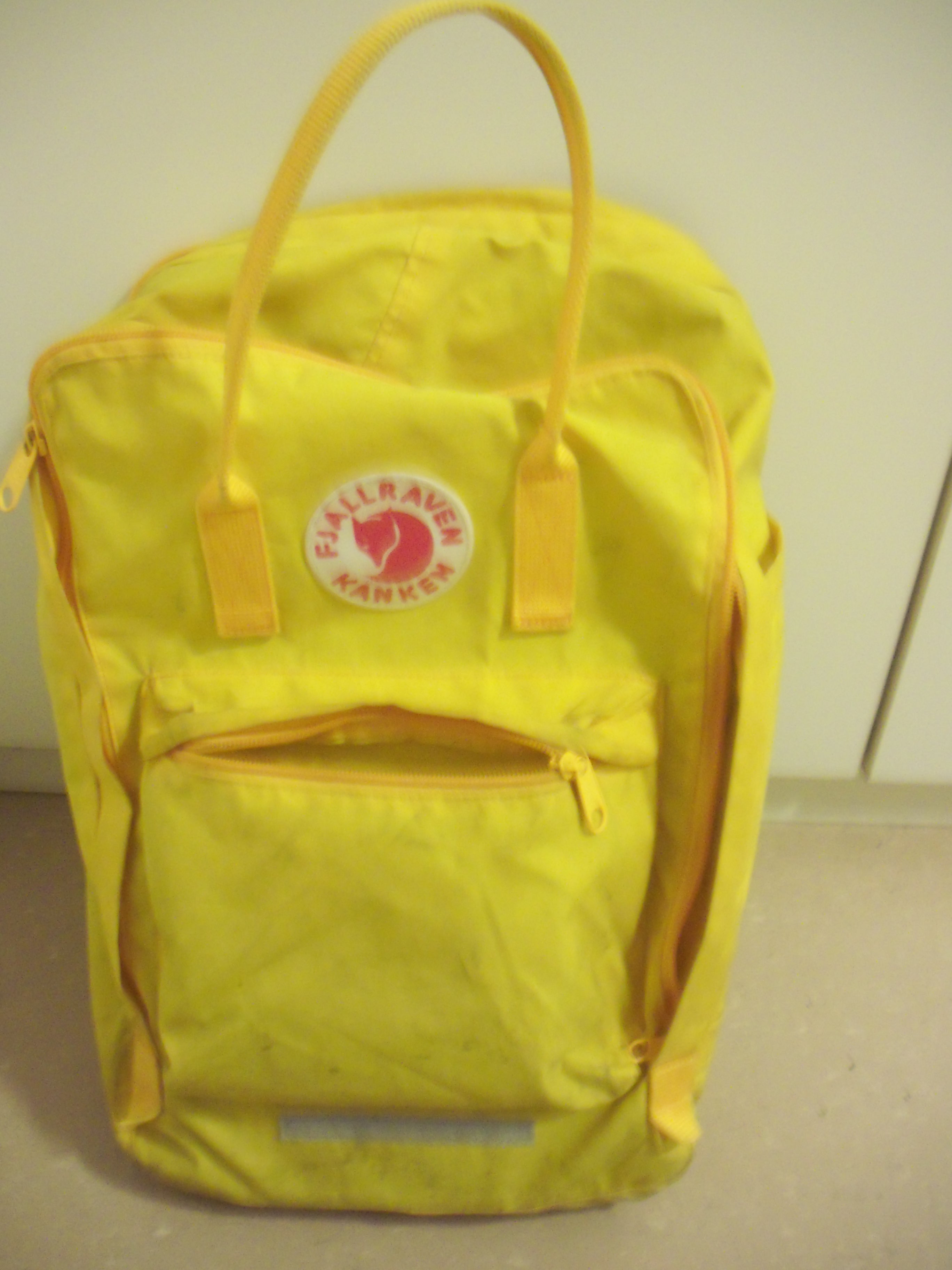
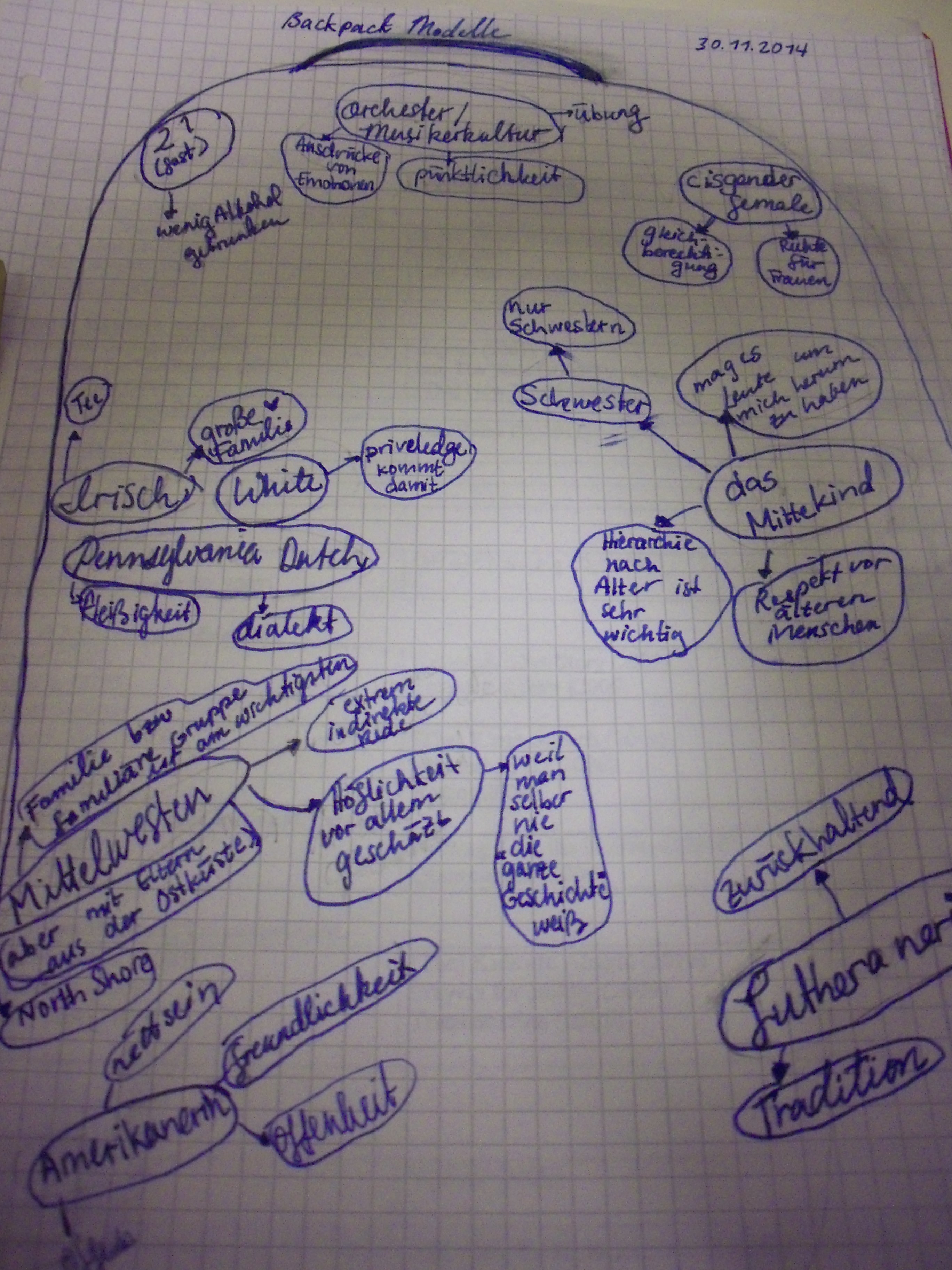
Just like my real backpack, culture comes with me and has tools that help me to process the world around me.

Just like my real backpack, culture comes with me and has tools that help me to process the world around me.

And so for me this lead to a lot of thought about how I interact as a visitor in German culture. How do I ignore or overlook parts of my own culture in an attempt to look for the parts of German culture to which I should react. I have to admit, sometimes I am a bit embarrassed to admit that I am American. In part this has to do with the fact that my culture is one that is easily identifiable in the media and therefore something that many people automatically associate with a different picture in their heads than I. To be perfectly clear, it’s the media’s projection of American culture, rather than the culture itself that I find embarrassing. It makes me feel sometimes that I’m disappointing people by not living up to their expectations or having to explain that this is an image that people falsely have in their minds.  Sometimes I think that this media-based image makes me worry overreact in anticipation of being categorized by the preconceived notions of others.  It makes me too eager to assume that my identity as an American is more important than my identity as an individual. And even that is highly confusing territory. As soon as I say my name, which sounds utterly foreign to German ears, people already ask about my nationality. And so already, it seems like this is something that somehow defines me. As soon as it comes out that I’m American, it feels like everything I say is a type of comparison from things in my home country or questions about  the US or questions about “How Things Are” in German or American culture. “How Things Are” questions seem to me to be some of the dumbest questions out there  in terms of getting to know a person, because it is so intrinsically difficult to separate the individual perspective from How Things Are without misconstruing  what may just be an individual experience as a cultural norm. It also makes the individual seem less important, and although we can learn a lot about a culture by talking to the individual, it is difficult to learn a lot about the culture when talking solely to the individual or about the individual when talking about the culture at large.

One of the things that I have realized to be a difficulty insofar as being able to communicate at a deeper cultural level is my personal inability to define my own preconceived notions about German culture. On the one hand, I know the stereotype about German punctuality, but on the other hand, I also lived with a family for a year that ran on a schedule that was much more fluid than I had initially expected. I will admit, that to some extent some of the expectations that I carried with me were that Germans would automatically accept me as one of their own simply on the grounds that I was interested in their culture and wanted to learn about it. Thus far, I have found that a lot more work has got to be put into “becoming a part” of a foreign culture, if something like that even exists at all. No matter how much one changes oneself, the home culture remains looming in the background, it the way that you approach something, in gut reaction to something that you see for the first time, in a way that cannot be shed by simply the will to try something new.

And so this balancing act between my own culture and the culture around me remains. How to authentically experience a culture without simply ignoring the reality of self at hand and how to try to put aside that self without simply playing the part of something one is not.  What are the real factors that affect the nature of culture and self?

I’m off to keep looking.

Bis bald!
Sapporo, a Place Something Like Home

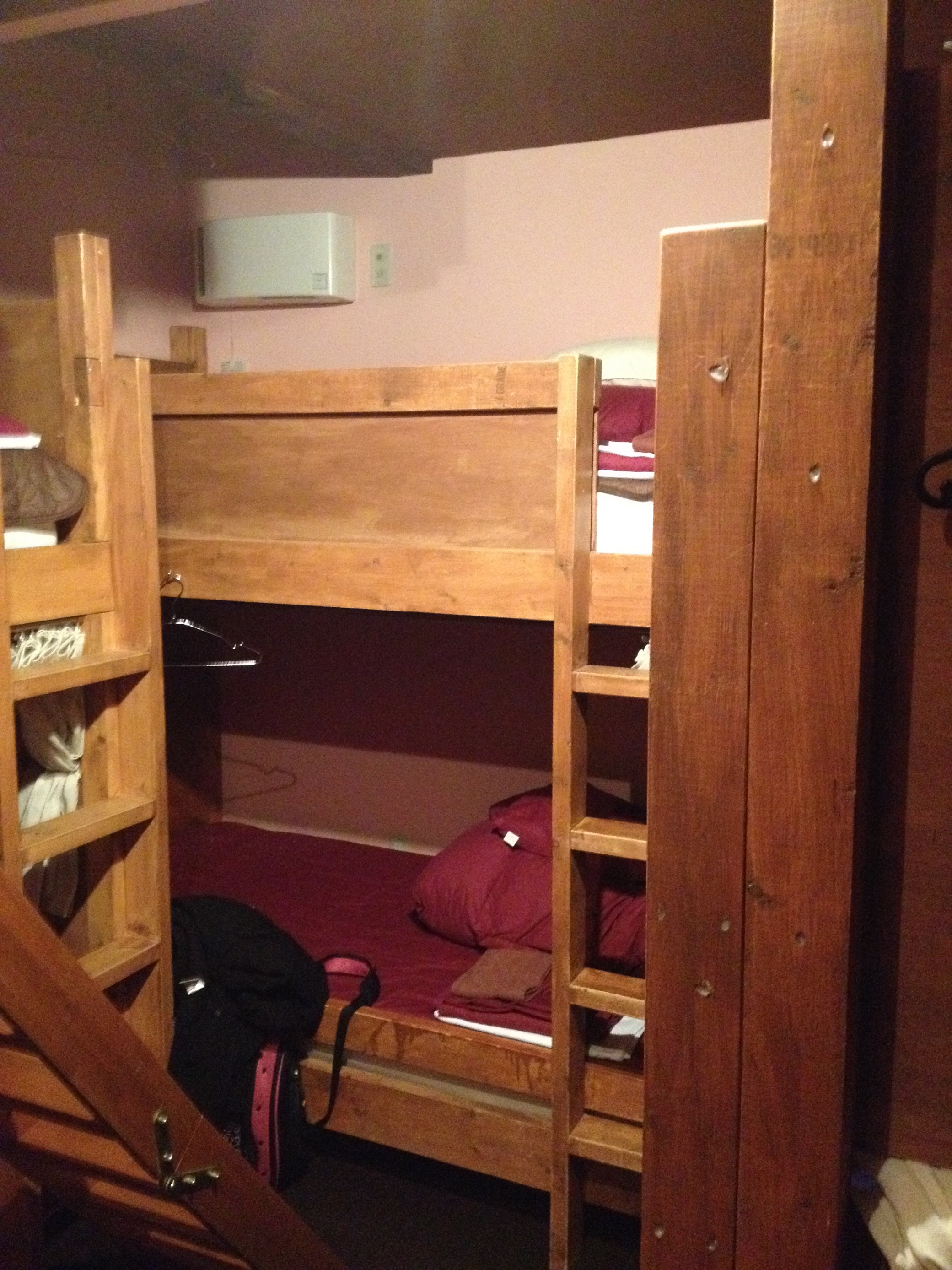
This weekend Sabena and I took a long trip all the way up to Sapporo in Hokkaido.  We flew out on Friday night with just enough time to find the guest house we booked and go to bed.  It was a tiny little place, but cozy.  The owners chatted with us in Japanese, which was really cool.  One of the other guests was from Osaka city, so we heard the distinctive and now familiar Osaka dialect even way up in Hokkaido, which I thought was amusing.

All the beds crammed in a small area made putting the sheets on difficult, but it was a great little guest house!

All the beds crammed in a small area made putting the sheets on difficult, but it was a great little guest house!

On Saturday we had a reservation at the Toyako Manseikaku Hotel quite a trek away from Sapporo, but we had enough time to wander Sapporo on Saturday morning and early afternoon.  Sapporo is, of course, much farther north than Osaka and so it was much colder up there.  It was actually nice, though, since Osaka was about seventy degrees (though admittedly unusually warm that day), which is unheard of back near Chicago.  I hadn’t realized how much I missed the seasonal rhythm that I was used to back home until I spent time in Hokkaido.  It was cold, but  not too cold, so I didn’t need more than my jacket.

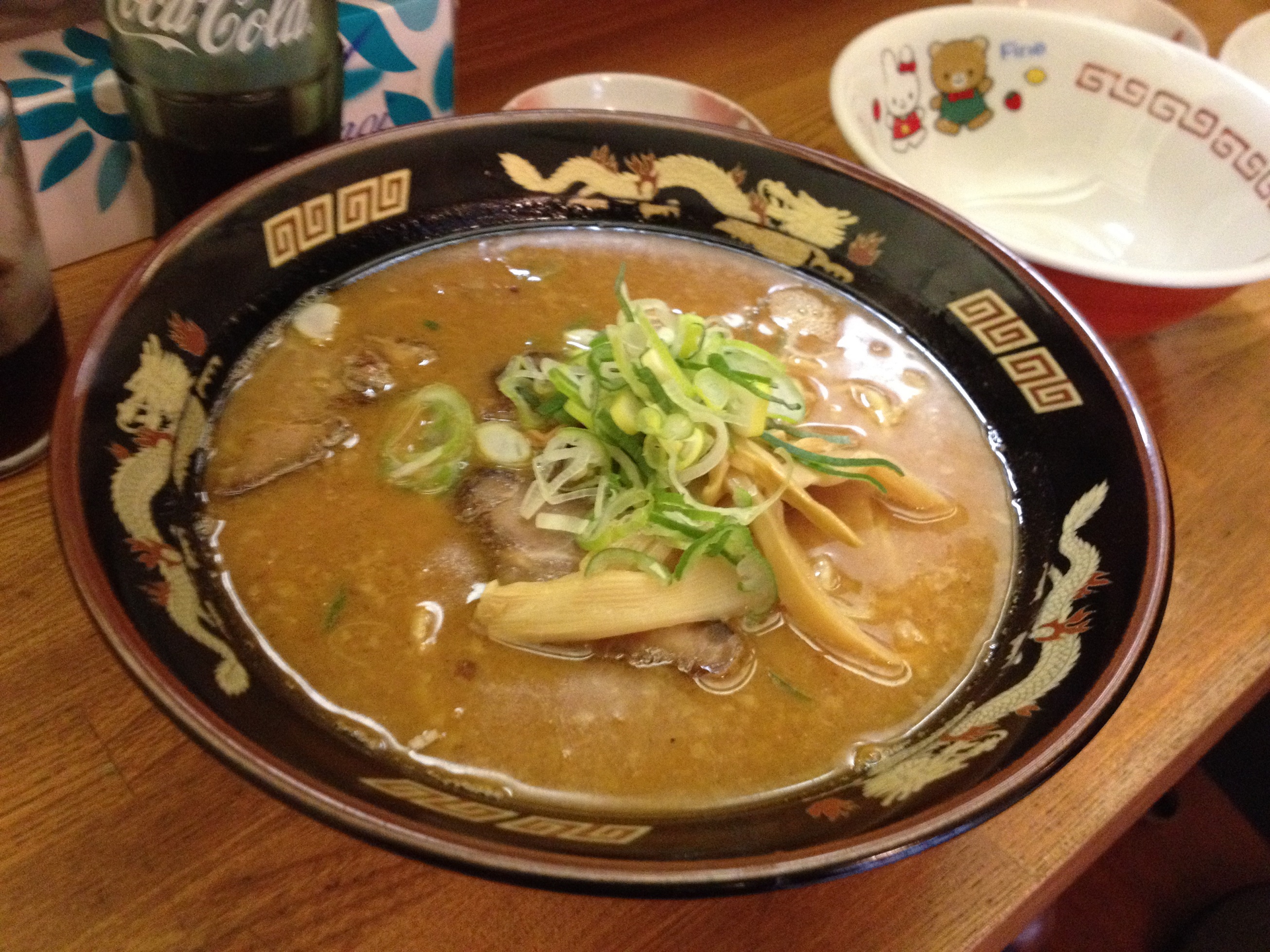
While in Sapporo, we stopped at a ramen shop for some Sapporo style ramen on my Japanese speaking class teacher’s recommendation- though he currently lives in Osaka and teaches at Kansai Gaidai, he’s originally from Sapporo, so I asked before going what he recommended we do.  He said since it’s the off-season for tourism in Sapporo, one thing we should definitely do was try Sapporo style ramen, which uses a miso base as opposed to the salt base they use in Tokyo.  It was fantastic!

4

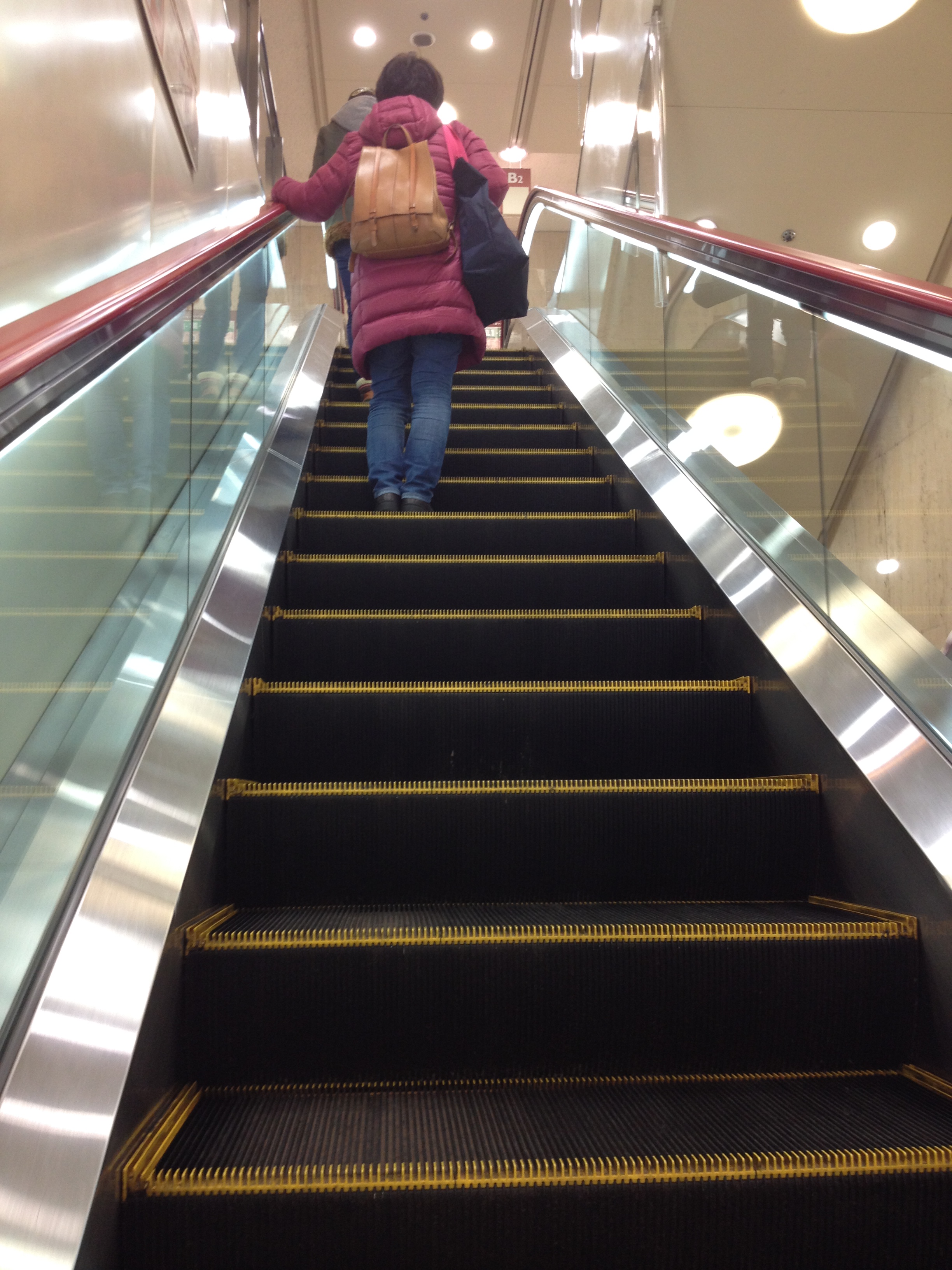
Sapporo definitely felt a bit different than Osaka.  Though I couldn’t quite explain how, they spoke differently than in Osaka besides just not using Osaka dialect.  They also didn’t seem to be bothered by light rain as much as those in Osaka and Tokyo.  In Osaka and when I was in Tokyo, it rained just a little for a half hour or so but even though it was just a drizzle, everyone put their umbrellas up.  I even felt a little weird not bothering with my umbrella because everyone else had theirs.  But when it drizzled in Sapporo, I didn’t see any umbrellas.  Lastly, one of the most telling signals that we weren’t in Osaka was the side of the escalators and the stairs people used.  In Osaka, if you don’t want to walk up the elevator, you stand to the right so people can pass you on the left.  Everywhere else it’s the opposite.

Sometimes I forgot to stand on the correct side of the escalator, but this time I remembered!

Sometimes I forgot to stand on the correct side of the escalator, but this time I remembered!  Even while uploading this picture, I second guessed myself on whether or not I took the picture while standing on the correct side!

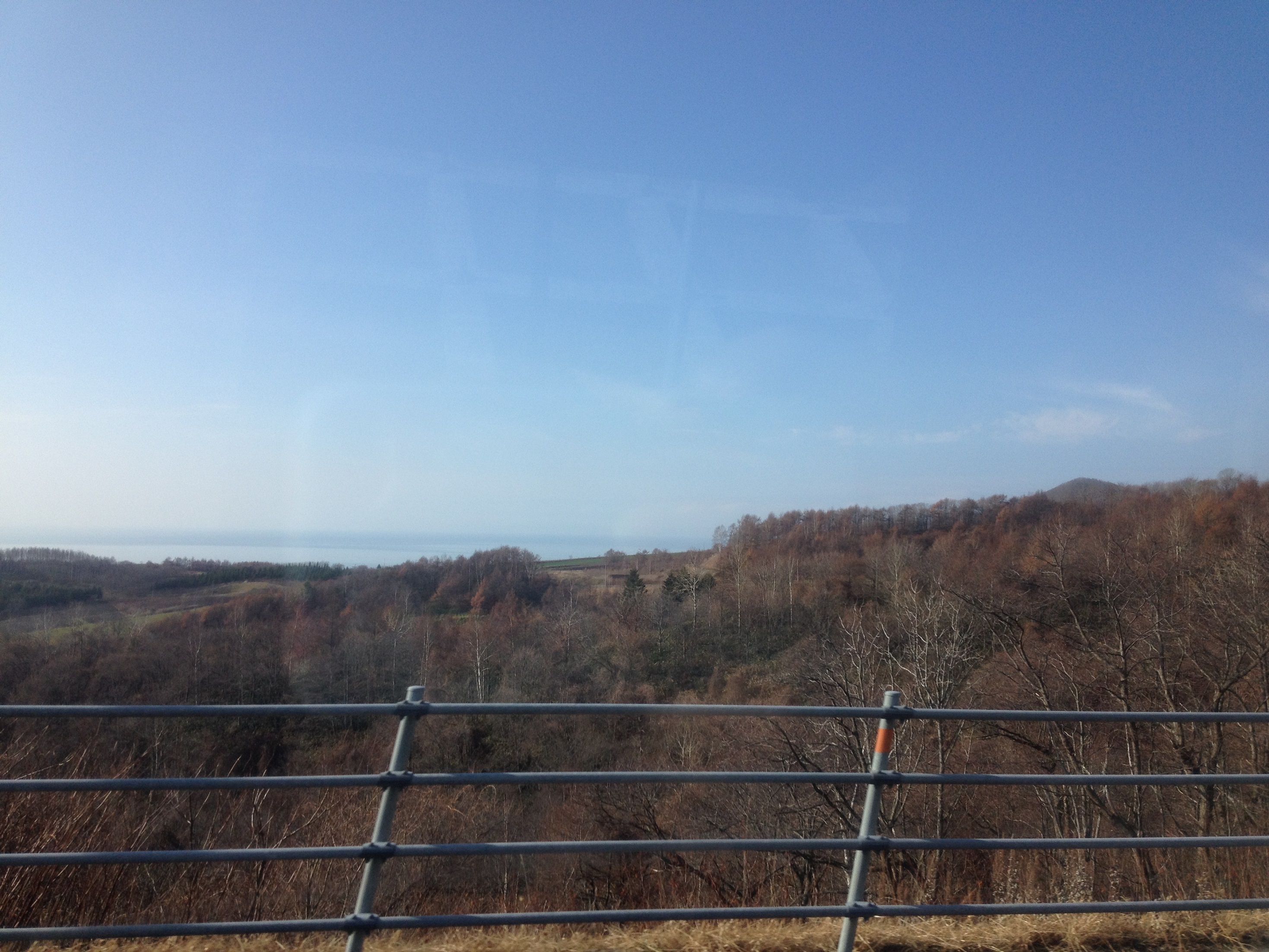
After exploring Sapporo a little, we took a two hour express train ride out to Lake Toya, famous for being an onsen town.  I took a Japanese public bus for the first time there since the Manseikaku was kind of far from Toya Station.  Unlike the Kansai region, the trees in Hokkaido have completely dropped their leaves.  That, too, felt more natural to me.  Though I like that Osaka is warmer than home, it still feels really weird!!  As far as everywhere I’ve seen in Japan so far, Hokkaido looked the most like home, but instead of hills like we have back in the countryside of Indiana, they have actual mountains in Japan.

Taken on the bus ride from the hotel back to the station.

Taken on the bus ride from the hotel back to the station.

Christmas isn’t really a big holiday in Japan.  Couples go on dates on Christmas and maybe a few people exchange gifts but Christmas just isn’t a big deal in Japan.  However, Hokkaido is also apparently much more into the Christmas spirit that the south.  Maybe it’s because it’s actually cold at Christmas with the potential for snow up in Hokkaido, but for whatever reason, there were so many decorations and trees in malls, stores, and stations in Sapporo in addition to nice Christmas instrumentals playing in all of those places.  Even though we had to wait over an hour in the JR station for our train from Lake Toya to Sapporo, the constant Christmas music was really nice.  I’ve been missing that!

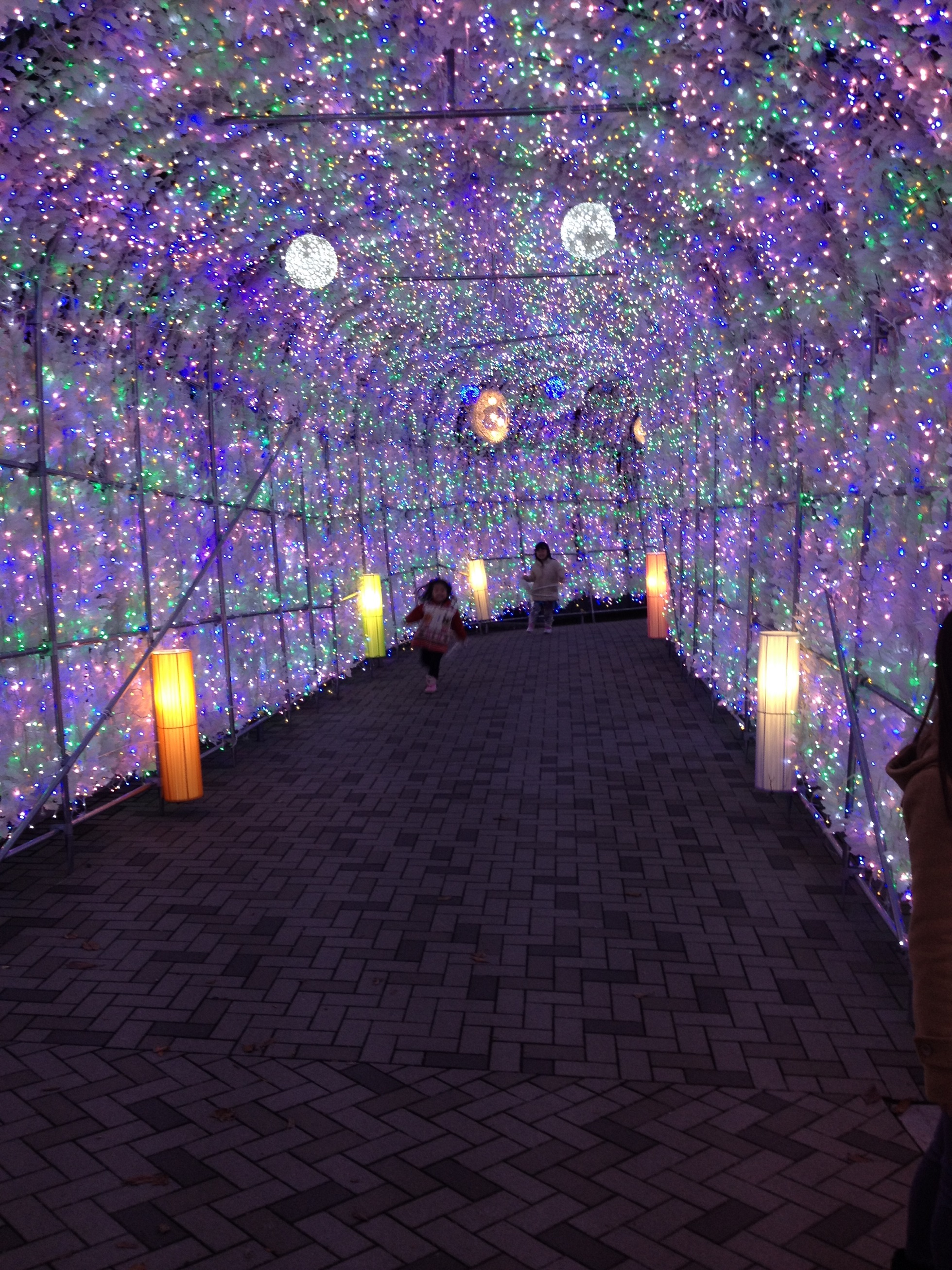
A cool little lit pathway across the street from our hotel at Lake Toya.

A cool little lit pathway across the street from our hotel at Lake Toya.

The Manseikaku was a really nice hotel, with a nice dinner and onsen included in our stay.  It was my first time to an onsen, and I really enjoyed it- it really is very relaxing, though almost too hot.

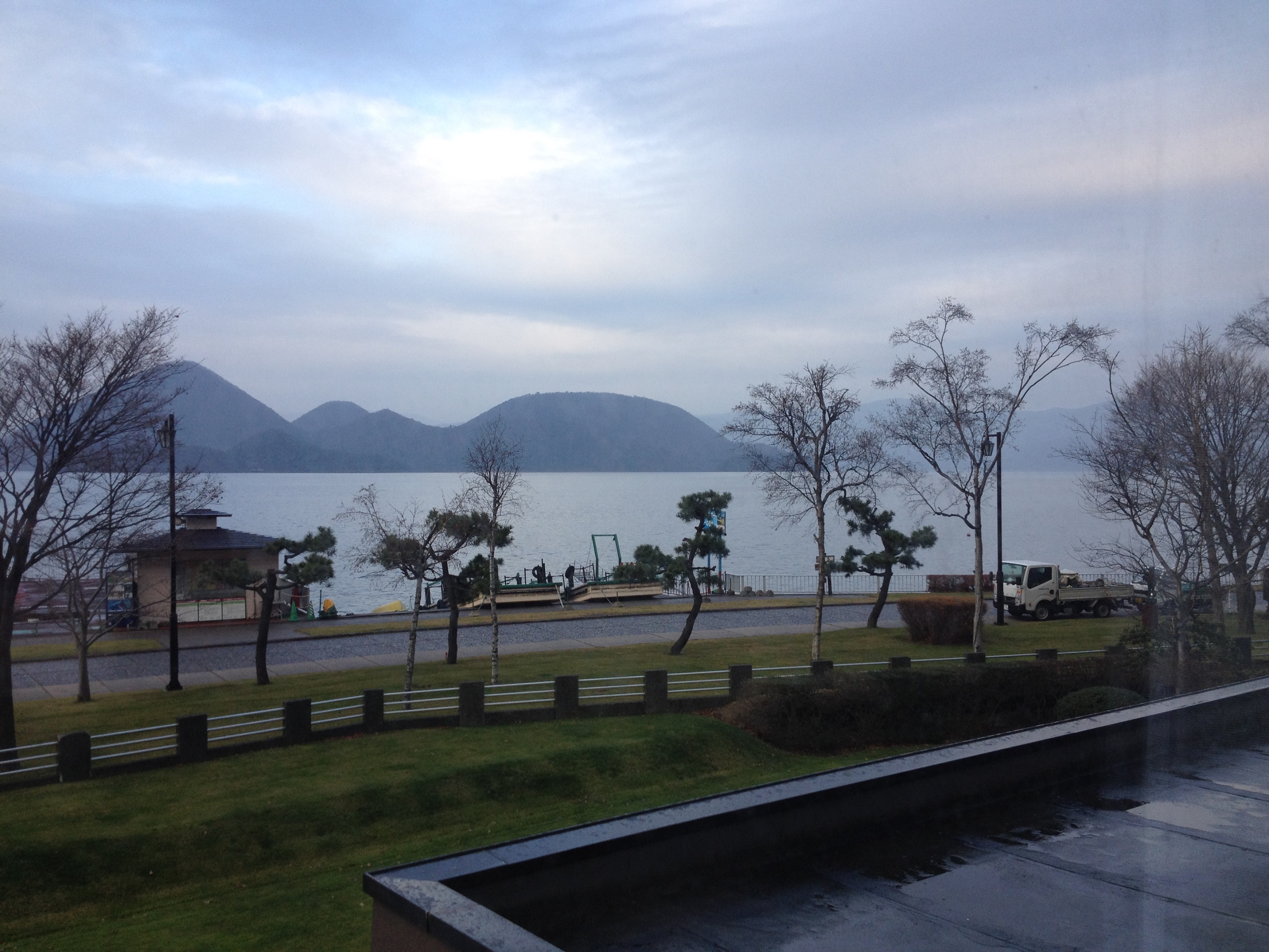
The view from our hotel room.  Lake Toya, a volcanic caldera lake.

The view from our hotel room. Lake Toya, a volcanic caldera lake.

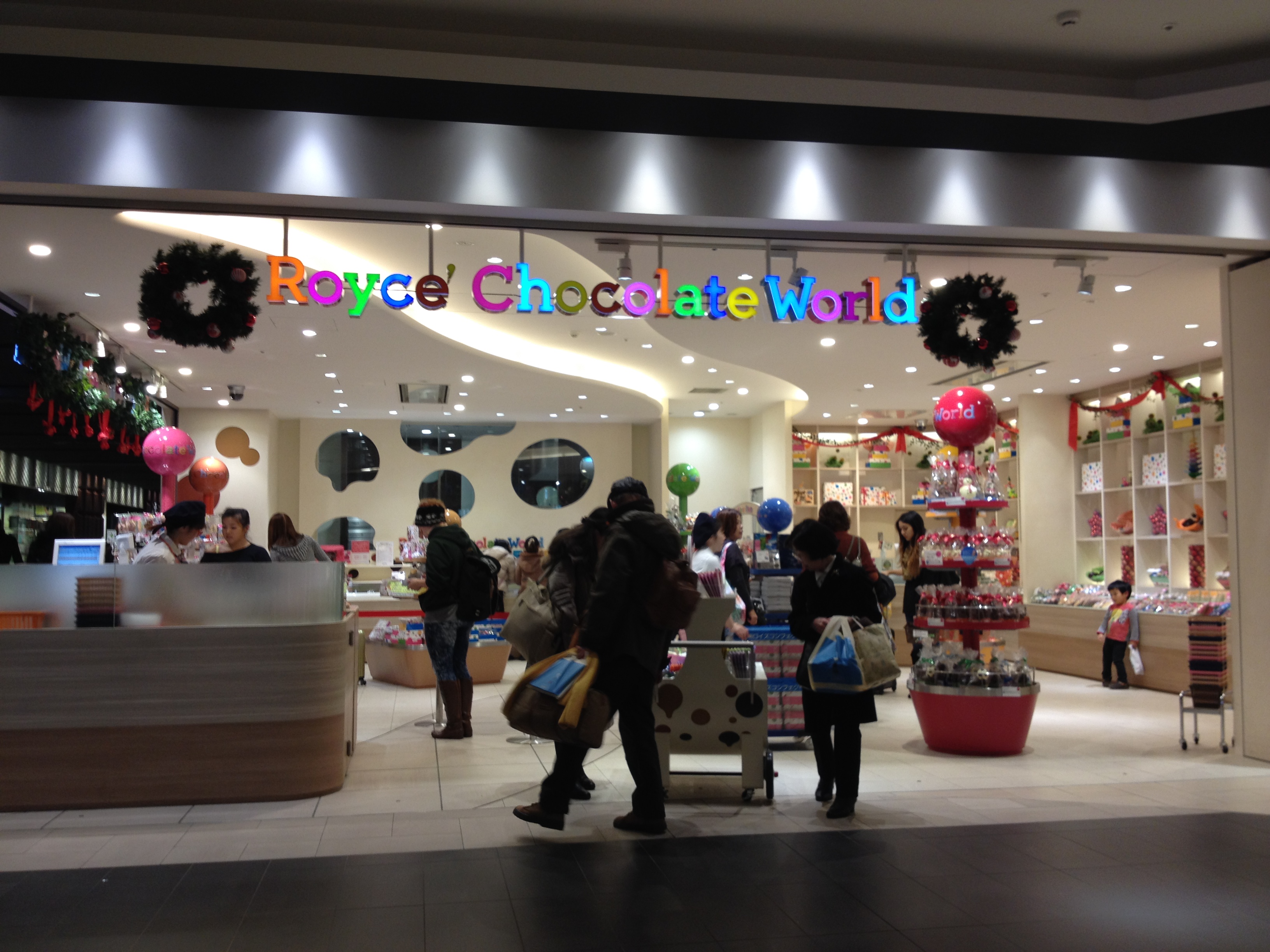
Sunday morning we headed back to Sapporo (after having to ask a local when the bus would come since I couldn’t make heads or tails of the schedule at the bus stop), where we had a couple hours to shop at the airport, which pretty much doubled as a mall.  There was even a chocolate factory!  -Royce chocolate, a high-quality chocolate company based in Sapporo had a factory and shop there.

1

Unfortunately, our plane back to Kansai International Airport in Osaka on Sunday ended up landing a half hour late, causing us to be unable to make it home that night.  We hopped the very last train from the airport to Tennoji in central Osaka at 11:30pm, but shortly after we arrived the trains shut down for the night.  We used the little remaining battery on our pocket wifi and phones to book a cheap hotel about a kilometer walk from Tennoji station, checked in at 1am and left at 6:15 so Sabena could make it to her 9am class that day.  Luckily my only class on Mondays is at noon.  But it was still hard to get up and travel over an hour by train back to Hirakata during the Monday morning rush hour.  But to be honest, it was an interesting experience.  Japanese company workers have something of a reputation even abroad for working overtime so long that they miss their trains home and have to stay at a hotel like we did.  Since that’s part of the culture, it was actually very easy to find a cheap place to stay for the night, which made our lives easier.  All in all, a wonderful weekend!

Totebags and other Souvenirs

So, upon settling into university life for real, my life has come with a lot of first in the last week. Here are a few:

1. First German Doctors Visit

Although Germany is famous for its nationalized healthcare system, I did not get to experience it firsthand until this week. I had been feeling sick for a while, but until last Friday, I didn’t actually feel sick enough to do anything about it. So once I woke up with no voice, I decided it was time to visit the apothecary. In Germany, the pharmacy is called the apothecary and it is kind of like an in between place for small ailments like colds and the flu that do not require a prescription, but could still use some homeopathic remedies or a bit of medicine. However, once I got to the apothecary, I was quickly advised that I would need to go see a doctor. Within the next 10 minutes, I was on my way to a  nearby doctor’s office and in less than ten minutes I was back on my way to the apothecary to get antibiotics. I was incredibly surprised how quickly it took for  me to go to the doctor. It was easy, since all I had to do was show my insurance card and give my address and phone number and since I only had a small ailment the doctor looked at my symptoms and then told me what needed to be done about them. This may have been an exception since I came kind of close to closing time and the practice was small, but I have never experienced a doctor’s visit that has taken less than a half hour’s wait and I was shocked by how efficiently my visit was handled.

2. Feijoada

Some of my friends are other exchange students and amongst these one of the largest nationalities are Brazilians. I was lucky enough to be invited over to one of my friends houses to try the national dish of Brazil, feijoada. It is a delicious dish of black beans served with rice. Although this has nothing to do with German culture, I really enjoyed getting to know something about the home country of many of my friends and it was great to try a delicious home-cooked meal from another country as well.

3. Visiting with Eva

I went on my first visit to a German friend this week. My friend Eva lives in a nearby town where she has lived since graduating from Uni Tübingen. We worked together 2 summers ago at a language immersion camp, so when I got to Germany, I was sure to get in touch with her to arrange a visit. I got a lovely tour of her town called Esslingen, which has retained a lot of the architecture of the middle ages like Tübingen, but also a lot of the architecture of the Industrial Revolution which is different, but equally beautiful. I also realized how fortunate I am to have friends nearby. It occurred to me suddenly that the best part of this trip was seeing Eva because she is a good friend and that she is the first person who I have seen in the past two months, that I have known for more than two months. It was really great to hang out with someone who I know and love for a change of pace, rather than someone who I am getting to know.

4. Improv Group

When I got to Germany, I received an e-mail from the international student group at the university asking if I would like to sign up to have a German mentor. I immediately said yes and was quickly paired up with someone. I was happy to find that my mentor, Maike, was absolutely fabulous. We hit it off right away and she invited me to join her improv theater group in Tübingen. This experience was really wonderful. It was great to have a situation in which it was acceptable to just talk to Germans, but less formal than most of the classroom settings in which I had previously experienced. And hopefully the practice of having to speak without too much prompting will help me to improve my language skills even more.

A map of Köln, because I have been collecting maps lately.

A map of Köln, because I have been collecting maps lately.

5. Köln

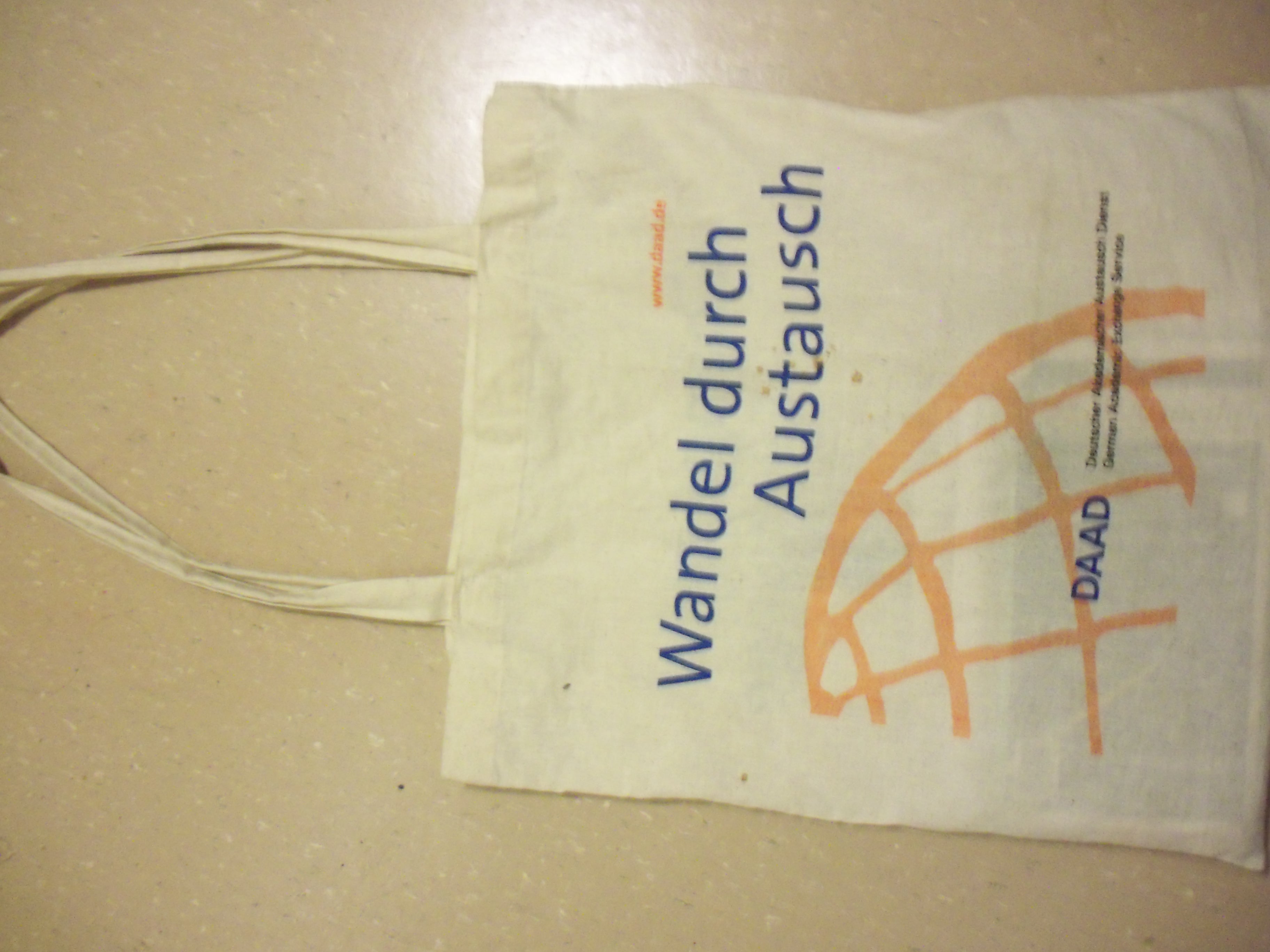
I went to Köln this weekend for a conference for my scholarship this weekend. Basically, this trip was whirlwind 24 Hours heading up north on the train and listening to two whole presentations and getting to hang out with some very interesting people. I really enjoyed being in Köln because it is near where I lived during my exchange year and it was nice to see some of the culture differences between the Northwest and the Southwest of Germany. The main difference was the beer, which in the south is usually as heavier Hefeweizen and in the north a lighter Kölsch, which is a much more bitter beer. It was overall a great trip, but by far the highlight was the totebag that received as part of my scholarship. Totebags are surprisingly popular here in Germany and I must say I have been eyeing them with envy since arriving here. Needless to say, I was perhaps embarrassingly overjoyed once I arrived and was immediately handed a totebag, which I proceeded to carry around with me for the rest of the day. Sometimes it is the little things in life that count the most.


6. A Valpo Visit

On Monday a few weeks ago, Professor DeMaris from the German department was asked to be a keynote speaker at the opening for an art exhibit in Rottenberg about the Indiana Dunes. She was nice enough to show me the city and teach me a bit about Josef Eberle, the former owner of the Stuttgarter Zeitung and a donor to Valpo. It was a lovely tour and I really enjoyed reconnecting with Valpo in the process. Rottenburg is a lovely, beautifully preserved city much like Tübingen except with one big difference: it is not a university town. Although much of the architecture was similar, it gave the town a much different feel to see it brimming with people of all ages as opposed to mainly twenty and thirtysomethings.

Bis bald!
Stratford, Bath, and Stonehenge

Last weekend, the entire group embarked on our last trip together to see all sorts of castles around England. We also made stops at other places of historical significance. It was a great last trip for everyone to take together, and we had a lot of fun.

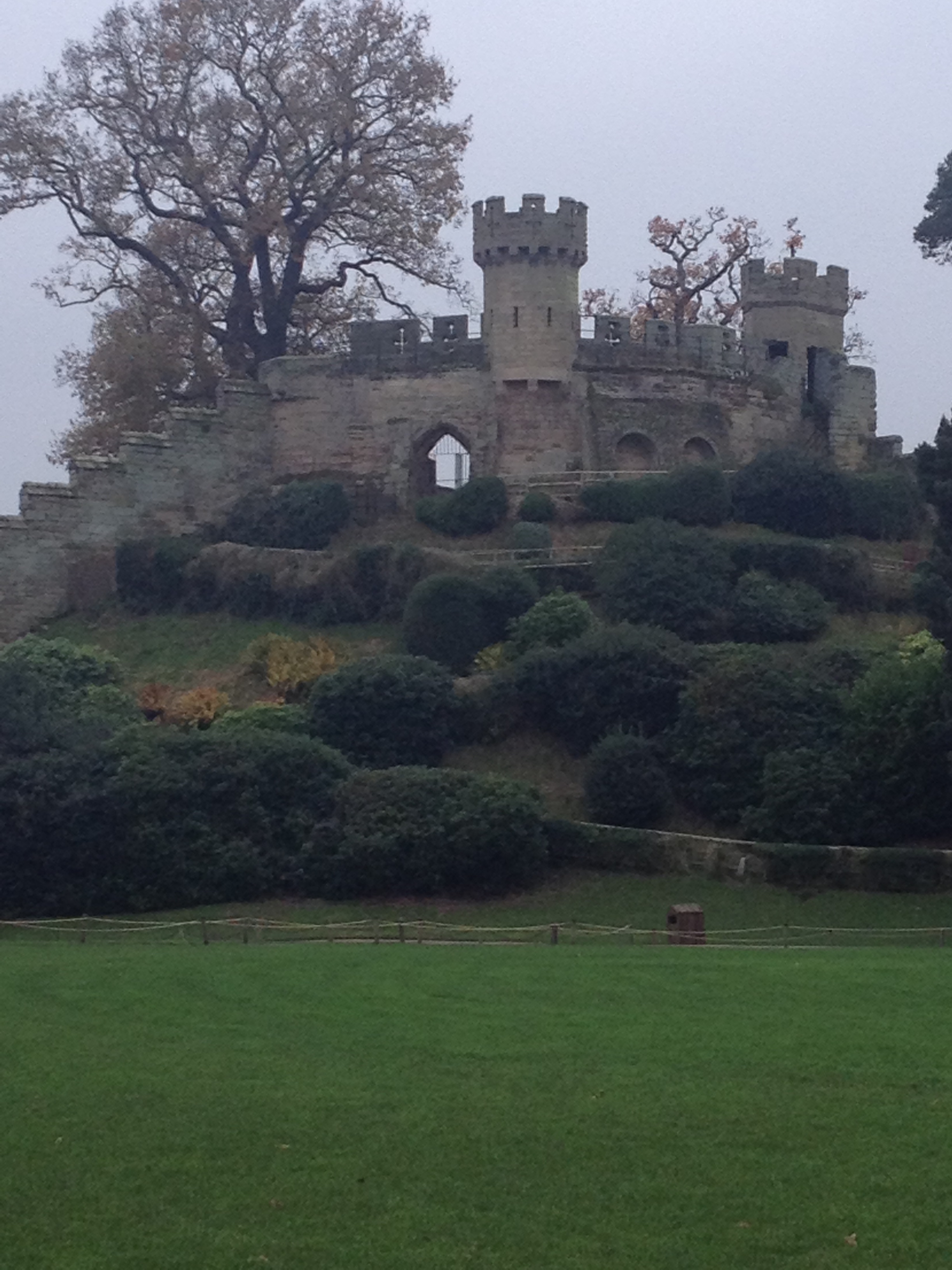
First, we stopped and visited Warwick castle. There are many different parts of the castle that were built and rebuilt over the years, some by the Normans, some during the Tudor reign, some much more recent. The oldest part of the castle, however, dates all the way back to the Anglo-Saxons, who lived in England before William the Conqueror and the Normans invaded. It was fun to climb the towers and walk around the outside of the castle.

Warwick Castle

Warwick Castle

Our next stop was in Stratford-upon-Avon. This was where William Shakespeare was born and lived with his family. We went through the house where he was born, and visited other houses of various family members, such as his daughter Susannah. He was probably one of the most wealthy in the town, because the rooms in the houses were huge (for that time) and had real glass windows. Most people would not have been able to afford glass, so that just showed how wealthy he and his family were.

Shakespeare's Birthplace

Shakespeare’s Birthplace

The best part of the day was when we saw the Royal Shakespeare Company perform “Love’s Labour’s Lost.” This play is not nearly as well known as many of Shakespeare’s other plays, and was only recorded to have been performed in England three times during the 1800s. They set the story during the early 1900s in England, and had amazing sets and costumes that resembled those of Downton Abbey.

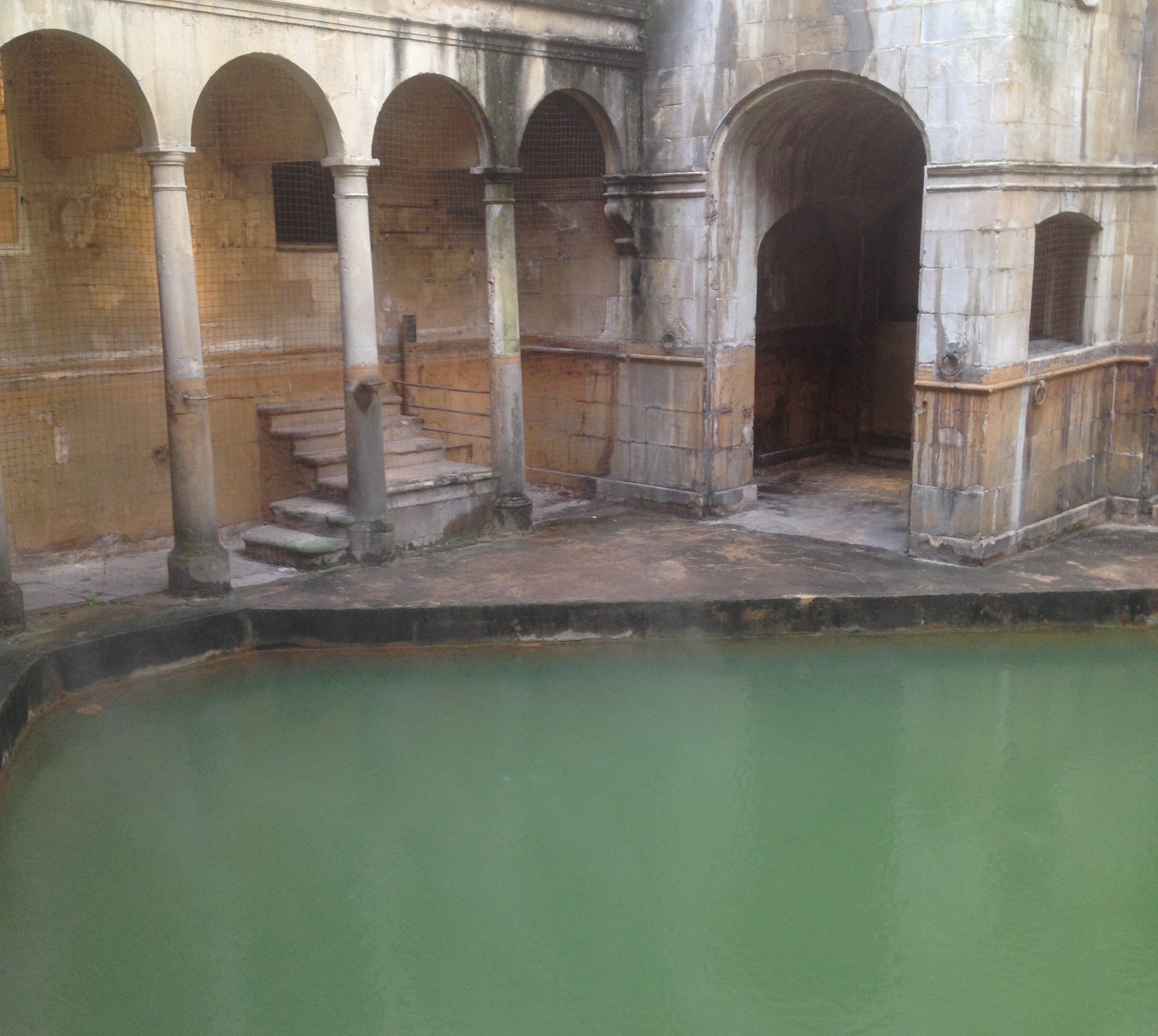
In Bath, we visited the Roman Baths. Bath was a very different kind of English town, because it really didn’t feel English at all. I felt like I was back in Italy, which makes sense, since this was an old Roman city. It’s amazing that the baths are still in such good condition for being as old as they are. They still had the natural hot spring running nicely, and it was cool to get to see something that old and that historical.

Roman Bath House

Roman Bath House

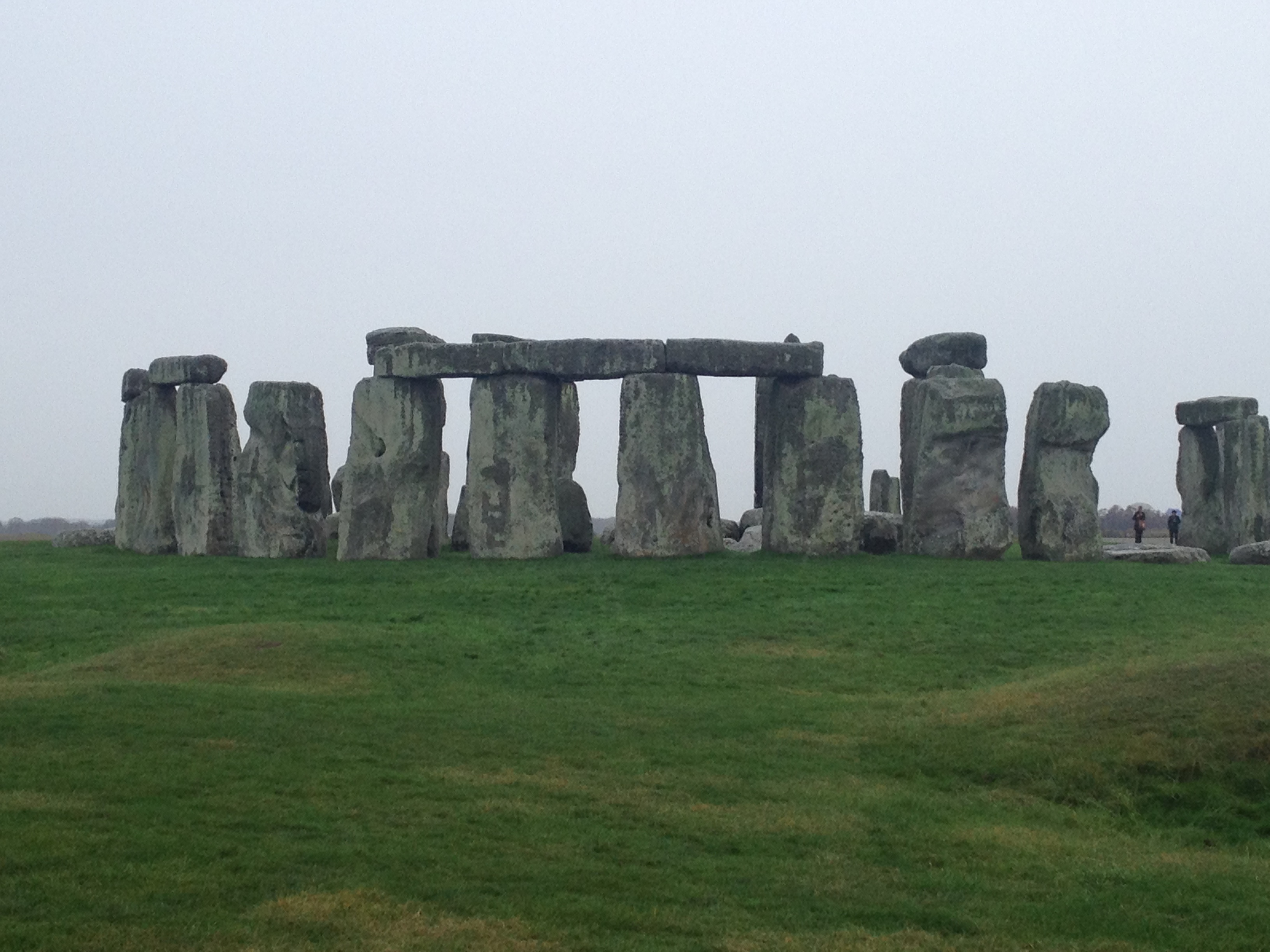
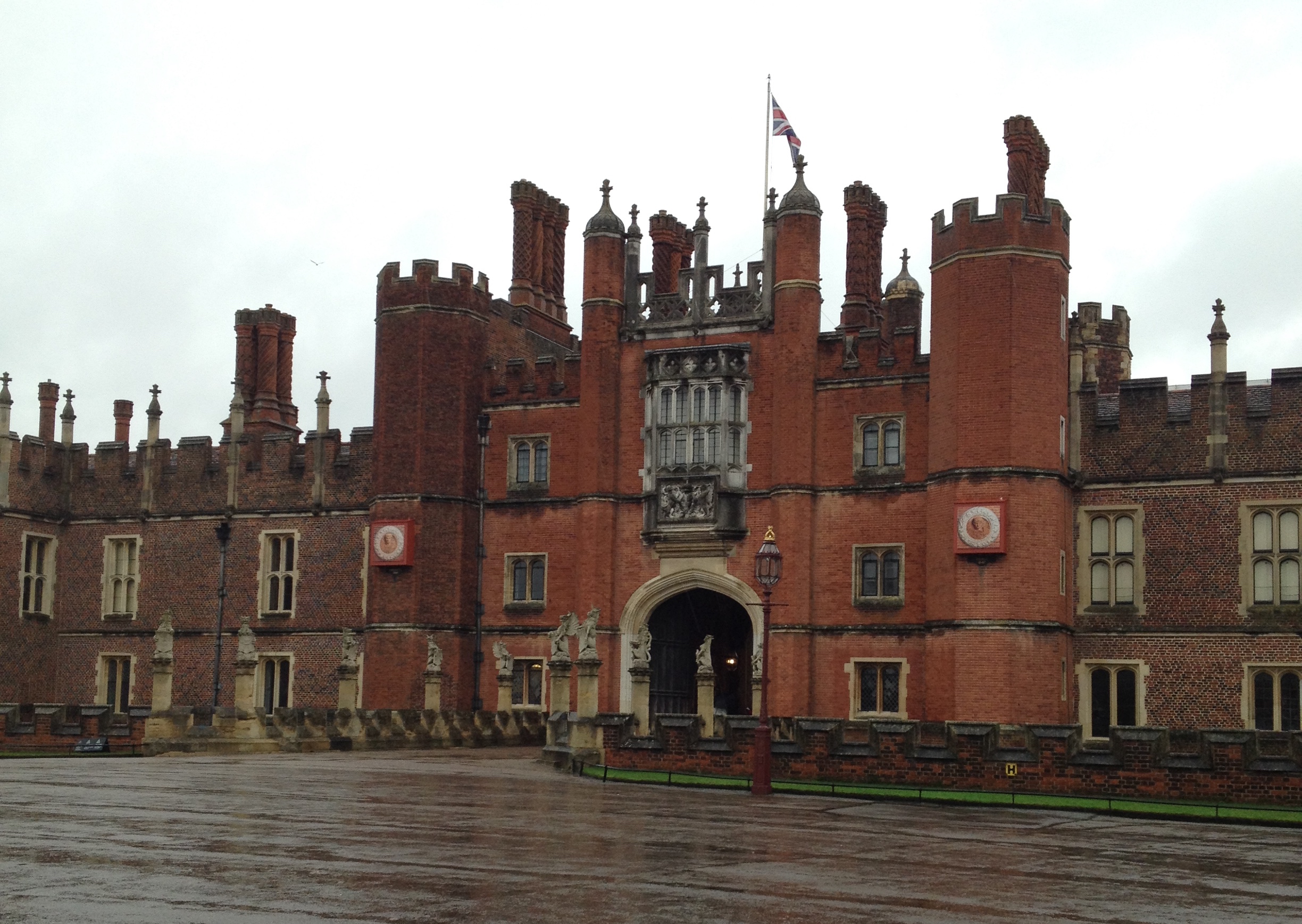
On our last day, we stopped for a cold and rainy hour to see Stonehenge. After that, we travelled to Surrey, right outside of London, and visited Hampton Court Palace. This was by far my favorite thing that we did. I am especially interested in history surrounding the Tudor monarchs, and was ecstatic that I got to see Henry VIII’s rooms. One of the hallways is said to be haunted by the ghost of Henry VIII’s fifth wife, Katherine Howard, and people have reported seeing her ghost running toward the chapel to beg for her life from King Henry, and hearing her screams as she’s dragged away.

Stonehenge

Stonehenge

Hampton Court Palace

Hampton Court Palace

It is getting right down to the end of the semester, and I think everyone is excited to go home, but sad to be leaving Cambridge. We have done so many things and experienced so much that our perspectives have changed, and we have truly made Cambridge our home. It’s been a thrill so far, and I can’t wait to see what these last few weeks have in store for us!

Thanksgiving

On Thursday our group walked down to West Lake into the gathering dark. Our three months of Hangzhou “experience” was obvious as we sauntered between the once terrifying flurry of mopeds, bikes and pedestrians. We conversed in groups of two or three. Along the north edge of West Lake we came to our destination, the Shangri La Hotel. The imposing entrance and facade would have been suitable to greet a foreign dignitary, but we walked around the side to a nondescript entrance where we were ushered into an expansive dining room.

It was Thanksgiving, although it hardly felt like it: the leaves around had just started turning color, the crush of Christmas & Black Friday ads were absence, and we had just taken midterm exams the week prior.

The meal was satisfying and unanimously declared a success—many of my classmates were particularly appreciative of the “authentic” American dishes—the turkey, gravy and mashed potatoes. Yet pursuing the expansive buffet provided reminders that we weren’t Stateside—particularly the seafood: clams, muscles, oysters, and snails. (None of which I tried.)

And amazingly, (I’m an engineer, but) I’m learning Chinese. I can’t claim to speak or understand conversations yet, but I can form sentences, (abet with a lot of thought) and read over 200 characters. I no longer feel that if I got lost in Hangzhou I’d end up having to do an interpretive dance to communicate. My Chinese class is a blast, we are constantly cracking jokes and laughing at (and with) one another’s mistakes, from the German student who always incorporates baozi (a type of food) into his sentences to the time I misheard a question and responded in Chinese with “America is not beautiful.”

Although my days still hold enough variation to avoid monotony it is rather odd to realize that I have settled into life here, “just in time” to return home in a little over two weeks.

My room faces east, so I enjoy a few hours of sunlight to disperse morning chill. I have noodles and two fried eggs from the cafeteria downstairs every morning. On colder days I get a hot soymilk in between morning classes. Almost everyday I visit a small Halal shop just down the road from north gate for one of my meals. The food is tasty and cheap, with a variety of veggie options while an adorable toddler providing constant entertainment as she dances between the tables. Desert is either ice cream, or a Nutella ‘wrap’ (sorta like a fried crepe). I’ve also gotten in the habit of buying three oranges (although more like tangerines in taste and peel quality) a day and eating them one after another. Long walks have become my go-to activity when I don’t feel like studying or when I need a change of pace. I try to go running/walking on the hill behind campus or shoot some hoops at least every other day. Thursday evenings I got to the ‘Big Bang English Club’ which is often a highlight of the week as I learn lots about Chinese culture and am often asked to reflect even more critically on my own “American” assumptions. And so goes my life in China…

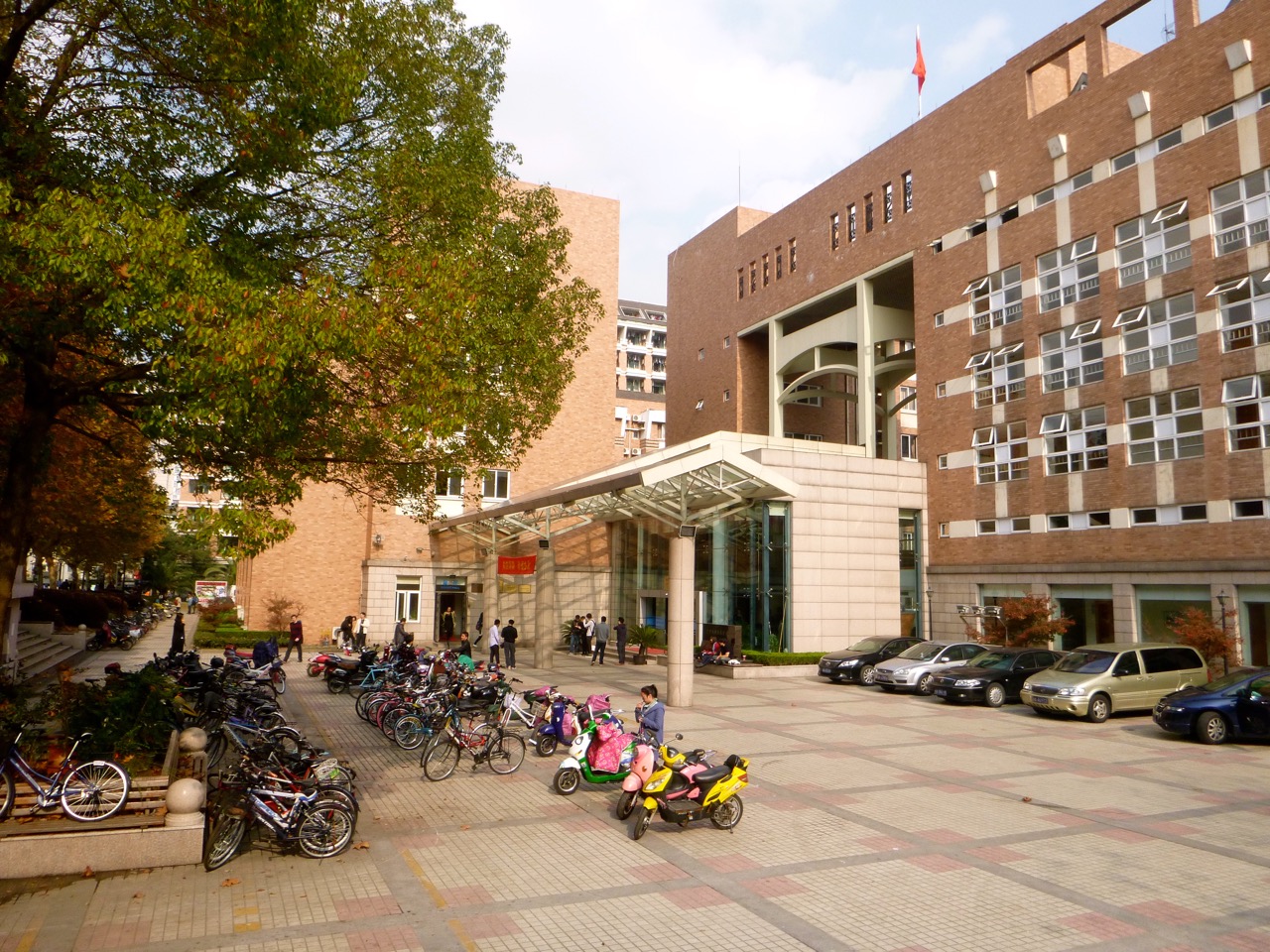
Home for now: The International Student Building

Home for now: The International Student Building

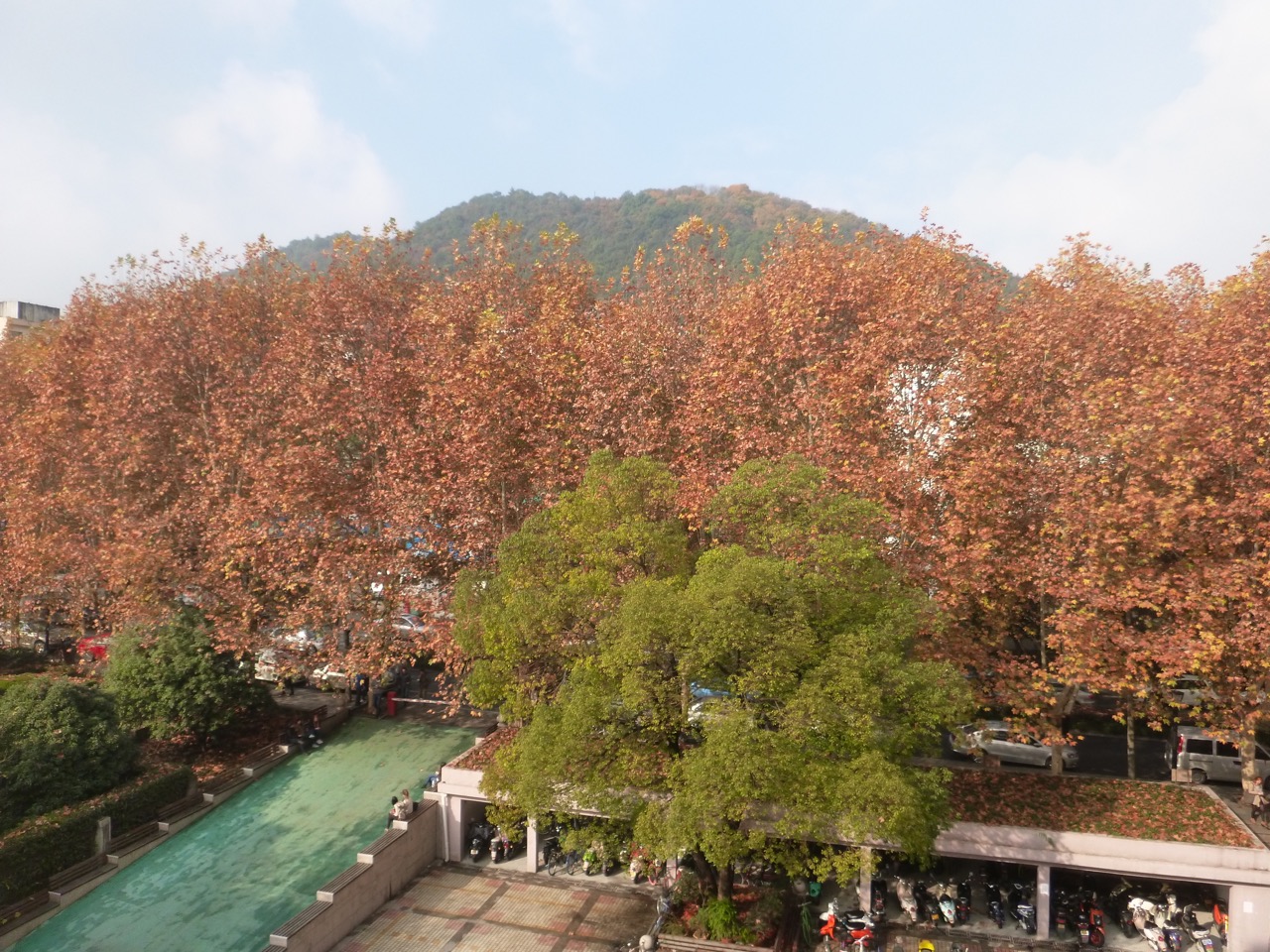
The fall leaves outside my dorm.

The fall leaves outside my dorm.

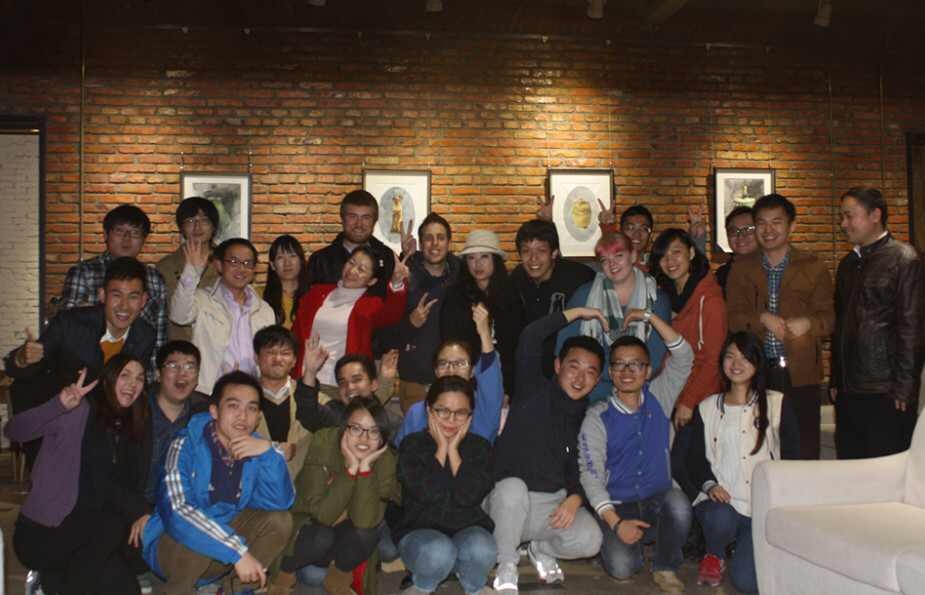
Big Bang English Club (I’m the tallest one.)

Big Bang English Club (I’m the tallest one.)

Checking In and Catching Up

Okay, I realize it’s been a while. I just got so caught up in traveling that I forgot to document the traveling. And general life experiences. We’ve traveled a lot. Since I’ve written last, we’ve been through the lands where Luther and Bach walked. We’ve seen Amsterdam, Copenhagen, Budapest, Prague, Munich, and Paris. At points, we also attended class and slept.

IMG_3600

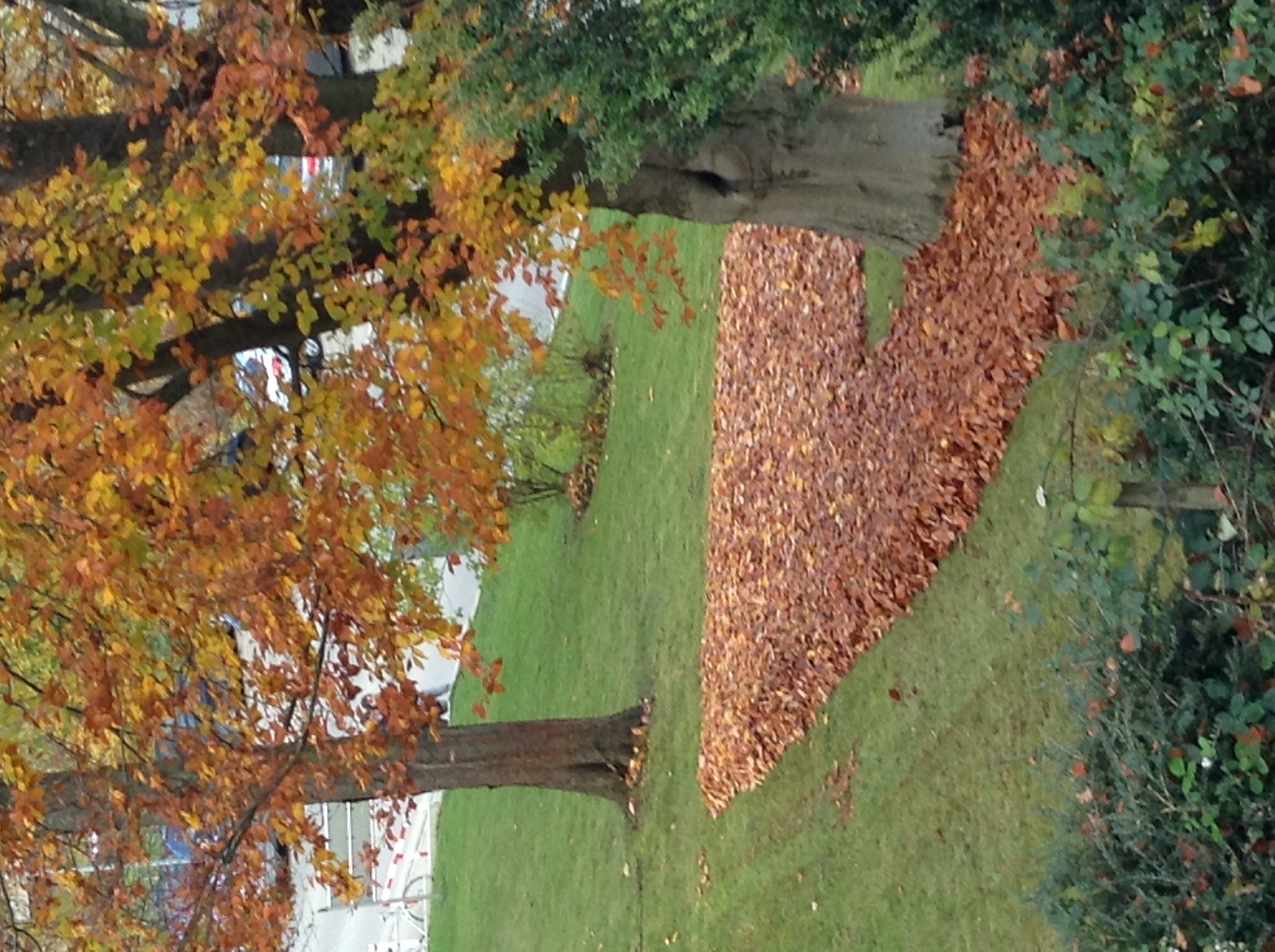
Brittany and I were amazed at the precision of our neighbor’s leaf raking.

I have just looked at when I last posted. September. Sorry, guys. I’m going to try and catch you up with the last month or so in my next few posts, but to keep the ball rolling forward, let’s start with the last weekend: Paris.

IMG_3655

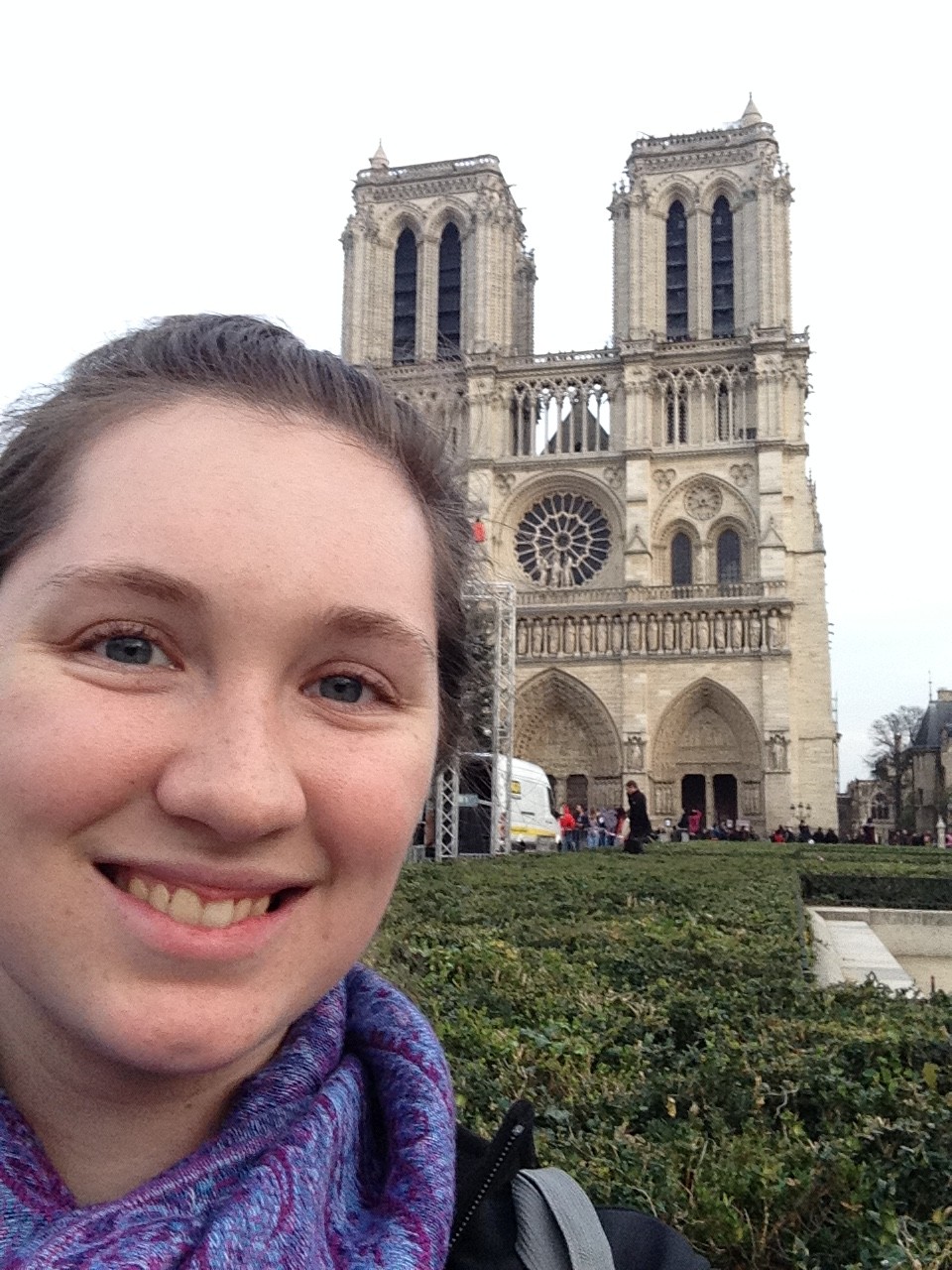
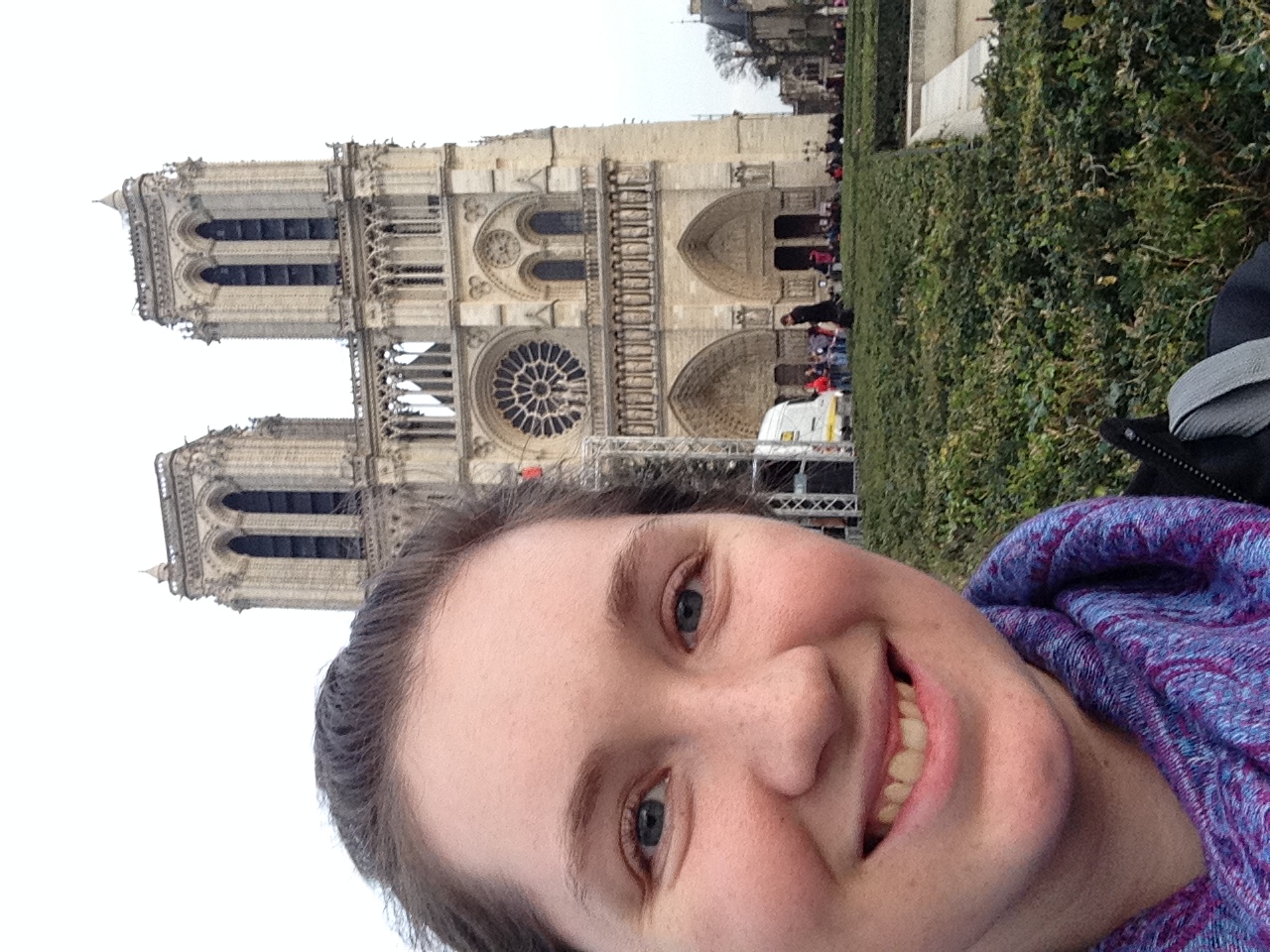
Me! In front of the Notre Dame.

Paris was not originally on my must see list. It seemed to be such a cliché- See Paris! See the World! The city of lights was more beautiful than I expected it to be. It is also way too crowded a place for me to ever live in. Parisians are strangely bad at English, considering that it is basically the language of international tourism (i.e. how to make money off of all the culture they’re so proud of.) The first day in Paris, we took the metro to a stop near the right bank of the Seine River. From there we walked across the Ile de’ Cite, which is the island home to the Notre Dame Cathedral and the Palace of Justice. The latter is known primarily for something involving the revolution (as well as being a beautiful old building). Notre Dame means the Church of Our Lady in English, and it is quite impressive in person, although there were too many people there, a general theme for famous tourist spots in Paris.
IMG_3920

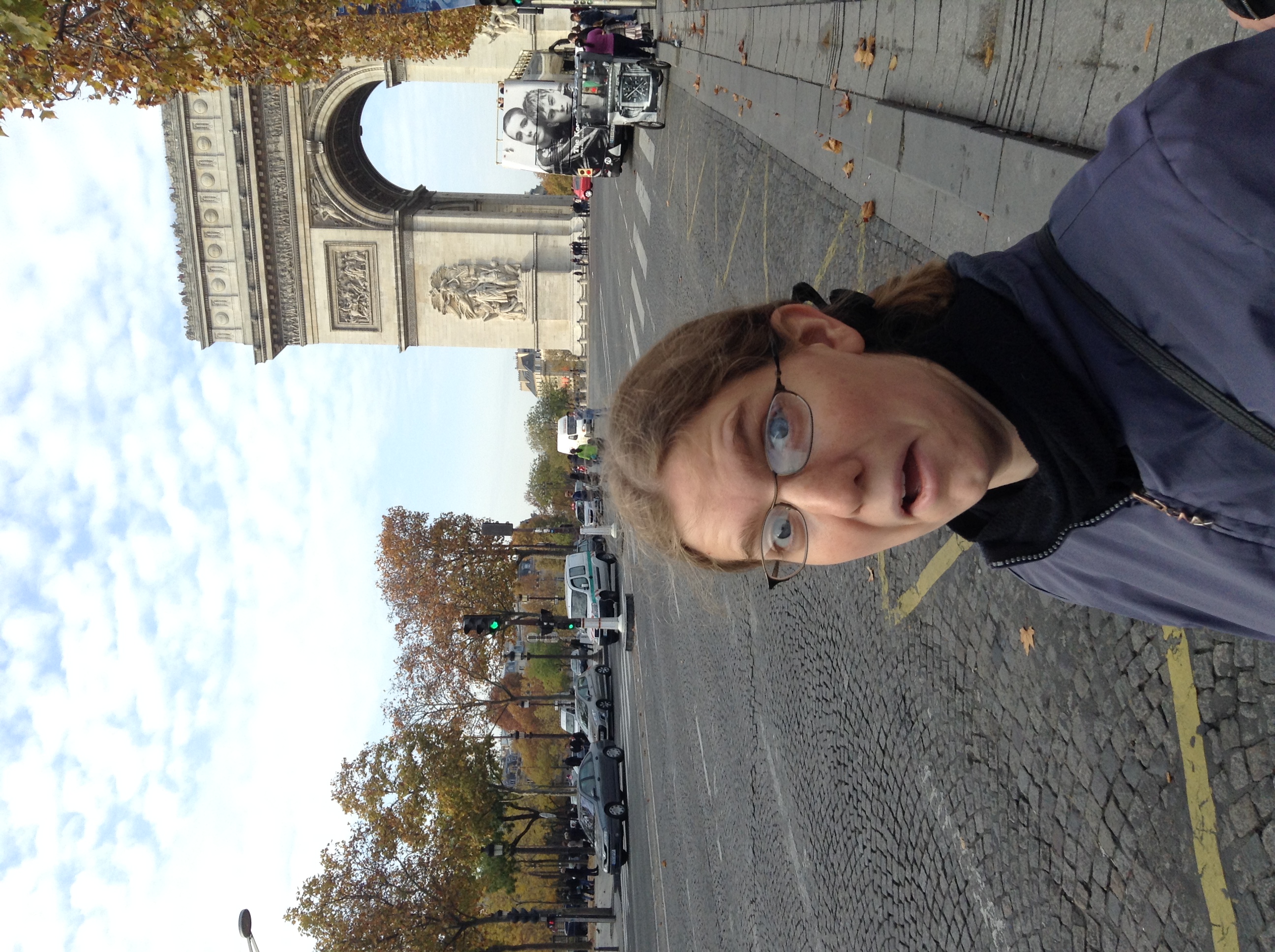
There were a lot of cars, and a roundabout with no lanes, which to me seems like death.

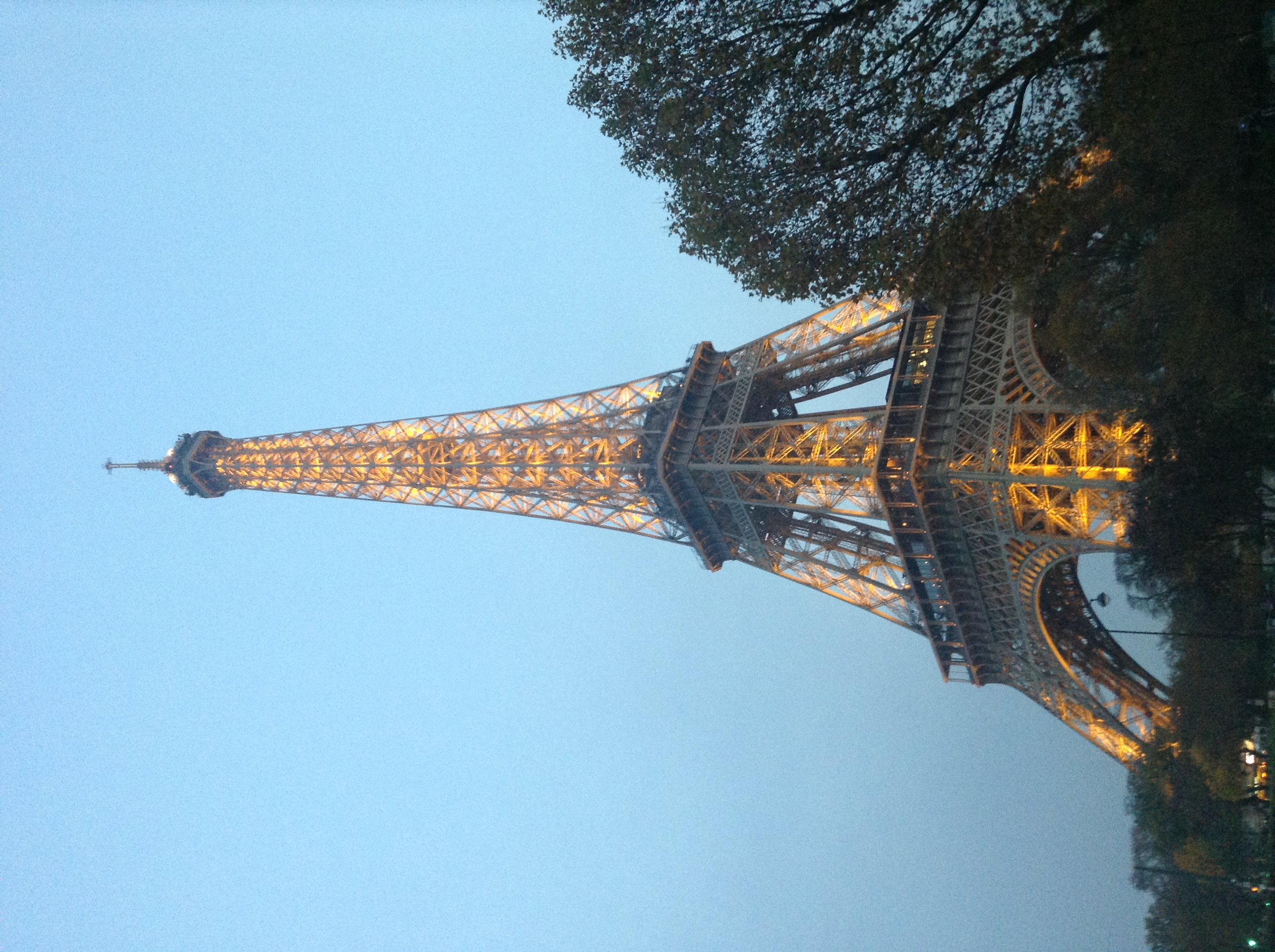
We then crossed over the Seine and took the RER suburban metro train to the Eiffel Tower, which is much larger than it seems in pictures. It’s massive. 986 feet, according to my Art History professor. (He actually gave it to me in meters, but I thought you would all appreciate the imperial system. I definitely miss it.) It is also gorgeous at sunset. I took approximately a million photos, one of which I shall share with you now.

IMG_3734

Sunset at the Eiffel Tower, just as the lights were being turned on. 

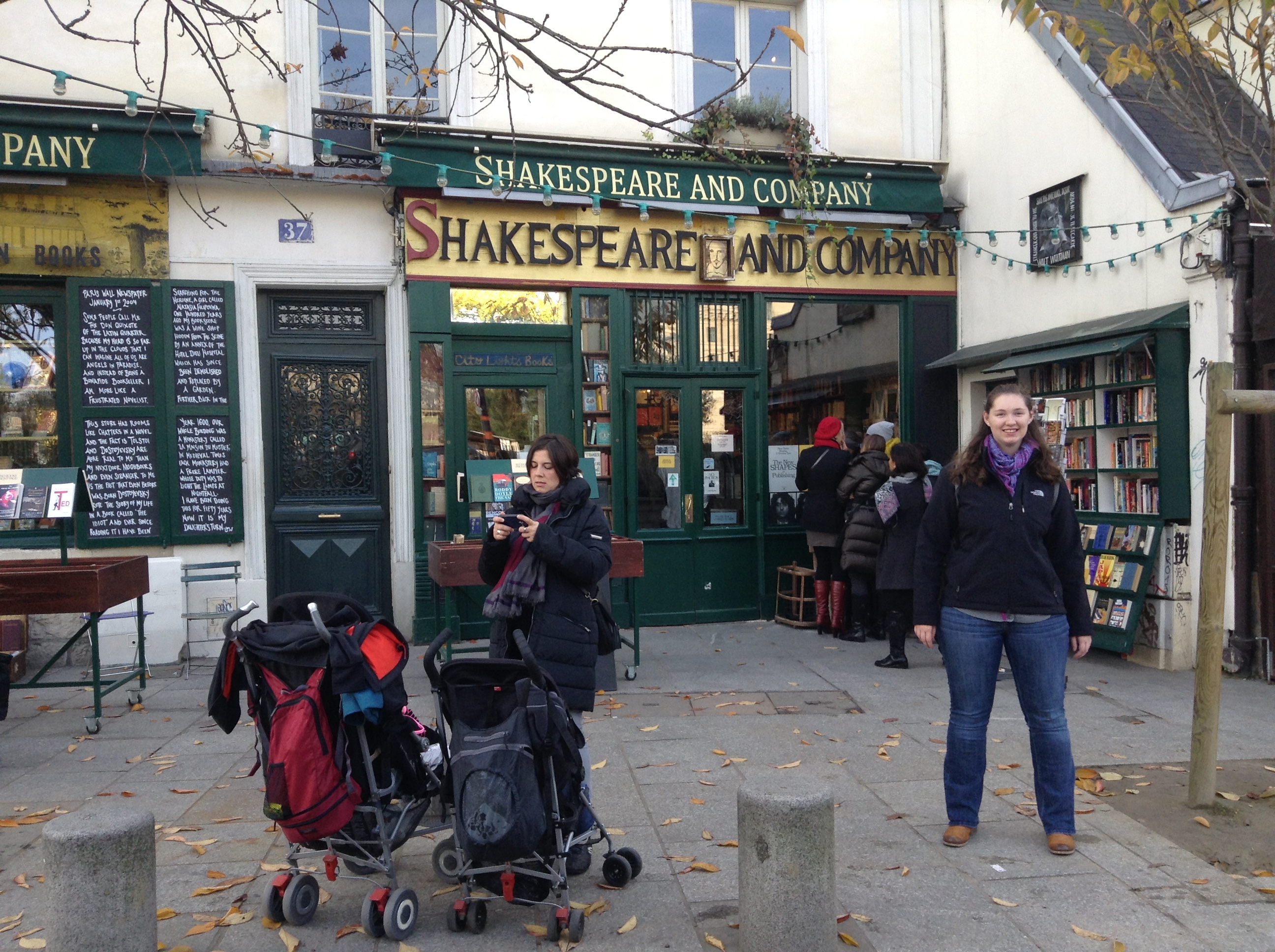
Perhaps most importantly, across the Seine from the Notre Dame is a little bookstore, one may safely say is the best in the world. It is known as Shakespeare and Company, and coming to Paris, it was the only thing I needed to see. It did not disappoint. It was, in fact, the most magical place of selling books that I could have ever envisaged. Outside, there are carts of secondhand books for sale, spanning everything from the most generic children’s book about football to obscure short story writers from the 1930’s. The ground floor is overrun with bookshelves, new stories from the US and the UK. The second floor has a collection of children’s books in the landing and two perfect reading rooms filled with books. There is even a cat, who only sleeps in the best of the reading room chairs.

IMG_3805

Here I am, in front of my favorite bookstore in the world.

So, Paris was a beautiful and hectic city. Coming back to classes and responsibilities in Reutlingen was a little painful, but such is life. I will begin catching you up on the rest of my adventures soon!
IMG_3592

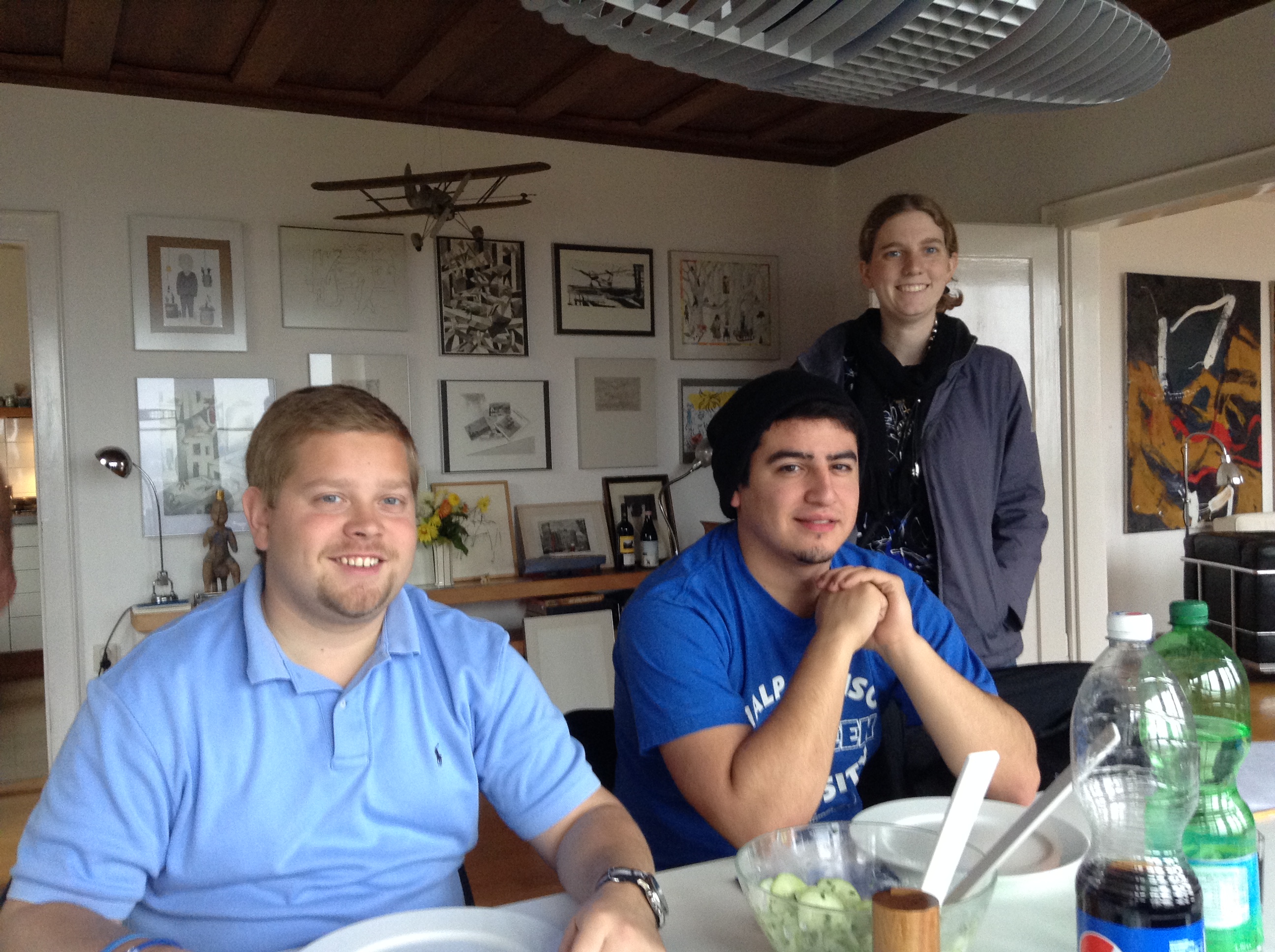
The study abroad kids at Professor Springer’s house for lunch- but more about that later.

Closing Time

The weeks are flying by here in Namibia. I cannot believe that this Friday will be my last night here in Windhoek. In the blink of an eye, we wll be boarding a plane and heading to Cape Town, but before that happens, we will be having integrative projects, which is a creative presentation of everything we learned. We make one project that embodies every class we have taken. My group decided to make a children’s book that brushes on Namibia’s history, the role religion played during apartheid/segregation, and the nation’s development. I feel confident that everyone’s project will be unique and I look forward to the presentations.

On Thursday, we will making a Thanksgiving dinner for all the students and staff. It will be the last time we will all be together as a community. In the past, students have enjoyed this event and cooking together all day. We’re making food by the masses and I’m thrilled to have a little taste of home. From what I understand, Thanksgiving at CGE can be a bittersweet event because we say goodbye to most of the staff that night, but it’s good company and delicious food. This year, we decided to make superlatives for all the students and staff to show our appreciation for one another (and for entertainment’s purposes).

Later this week, I’m also going to a farewell party at my internship. The students will be singing Christmas carols in their choir and refreshments will follow. I’ll be sad that day because interning was a wonderful experience. I’ll miss the students I worked with and their lightheartedness. I was guaranteed a laugh everyday I spent there and I became pretty close with a few of the kids. It’s been a lot of fun and they made everyday worth coming in for.

All in all, this week has some bittersweet moments that lie ahead. There will definitely be a lot to miss about being in Windhoek from the people I’ve met to the staff to my afternoons spent interning. Being in Namibia has certainly been rewarding and I will absolutely miss it. On the other hand, I have been very excited to visit Cape Town for some time now. We get the schedule later this week, but I know we have big plans. For now, I will be soaking in my last days in Windhoek and cherishing the opportunities I have taken here.

IMG_2726
T
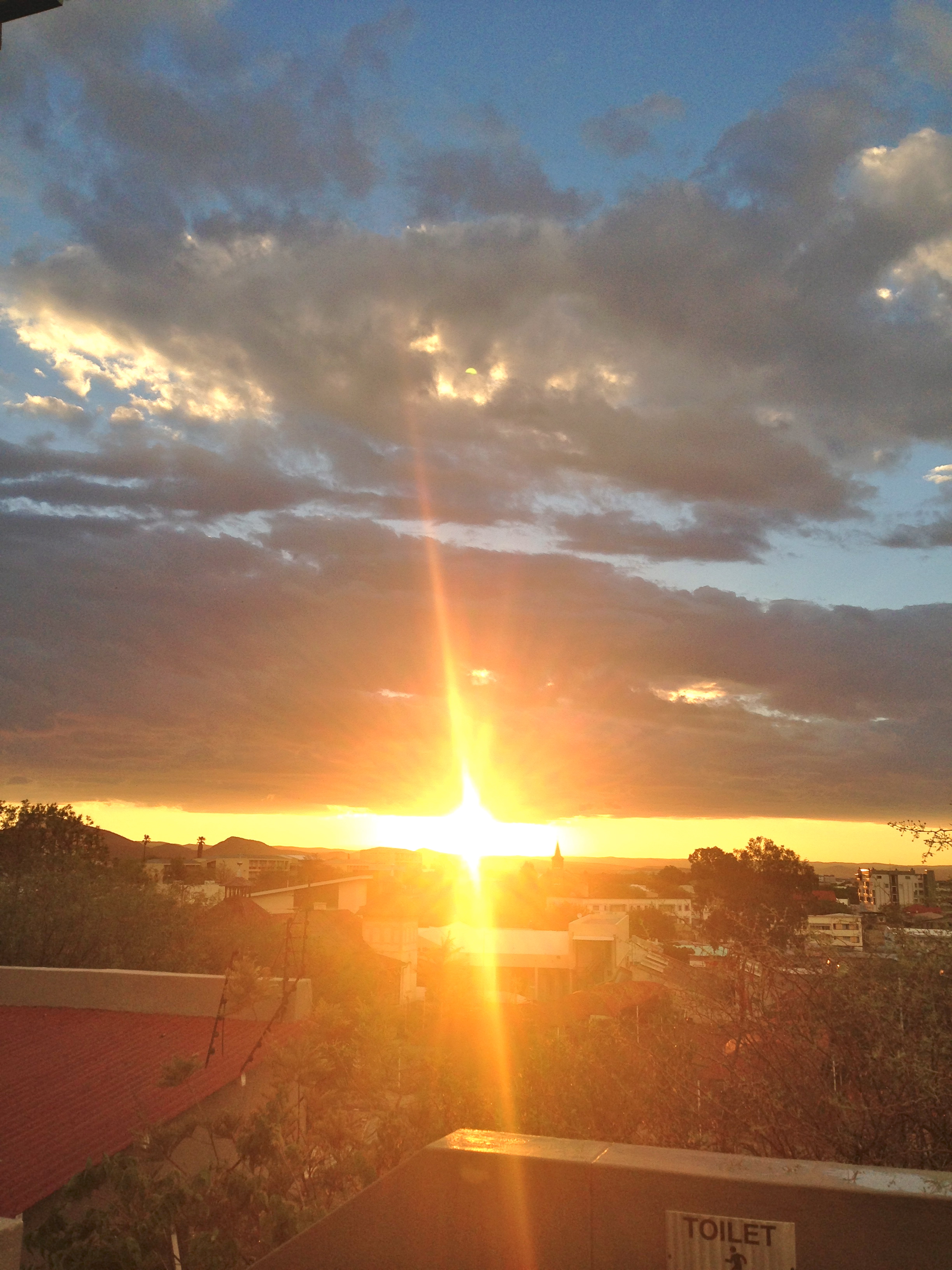
he Namibian sunset

IMG_2583
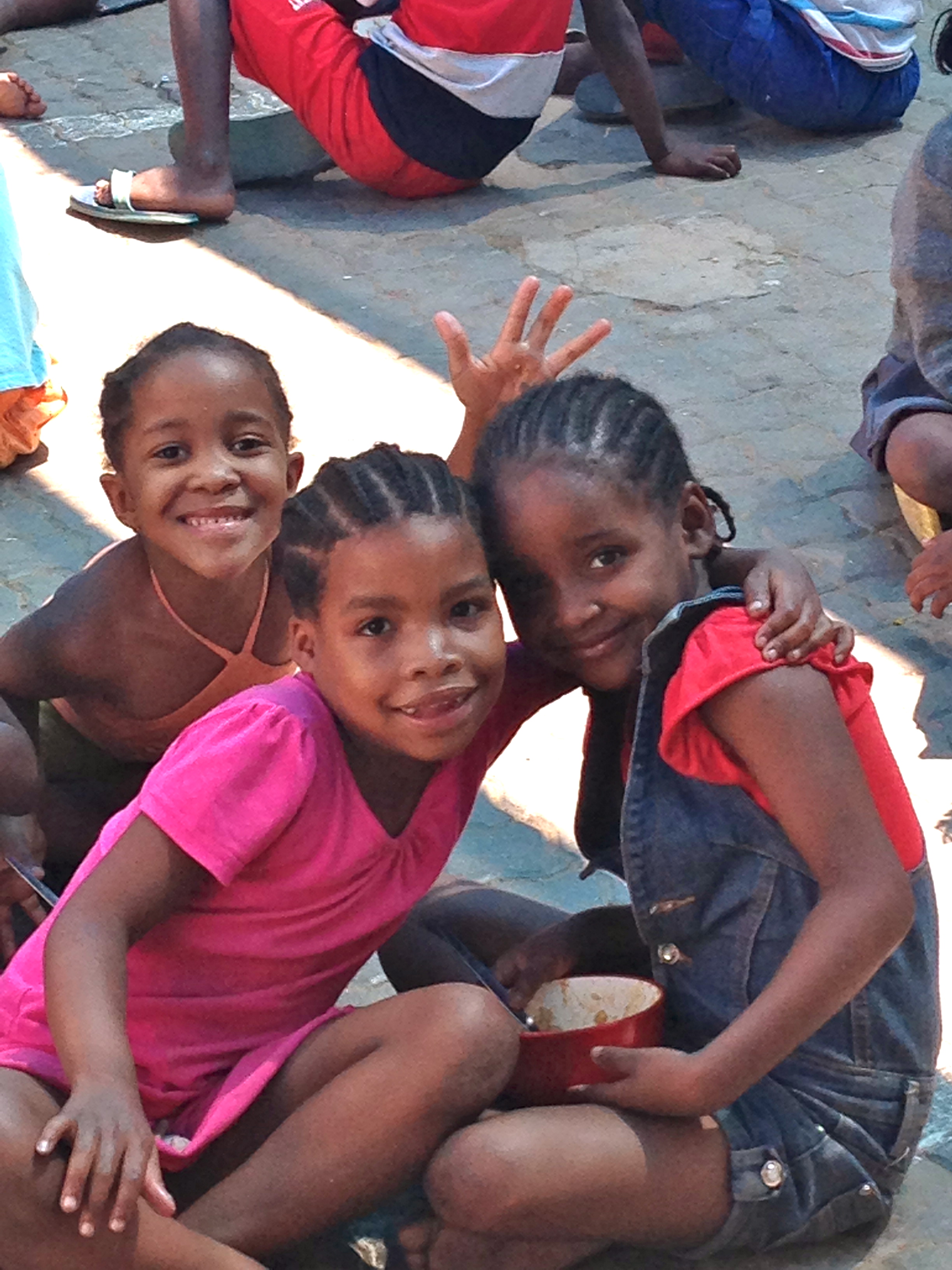
Fun at the BNC (my internship)

IMG_2604
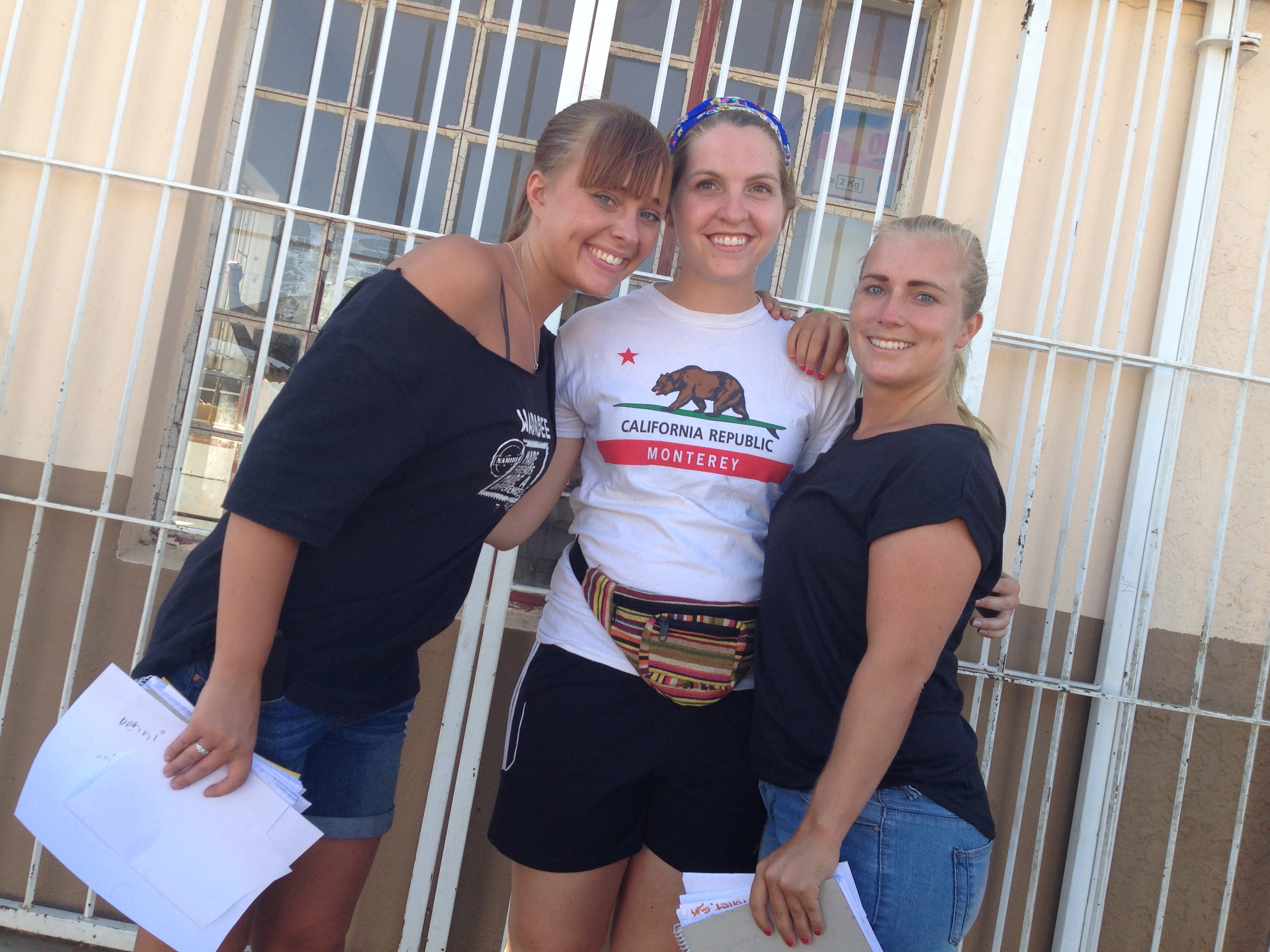
Emily and Sarah… my Swedish friends that I met interning

Arashiyama at the Peak of Autumn Colors

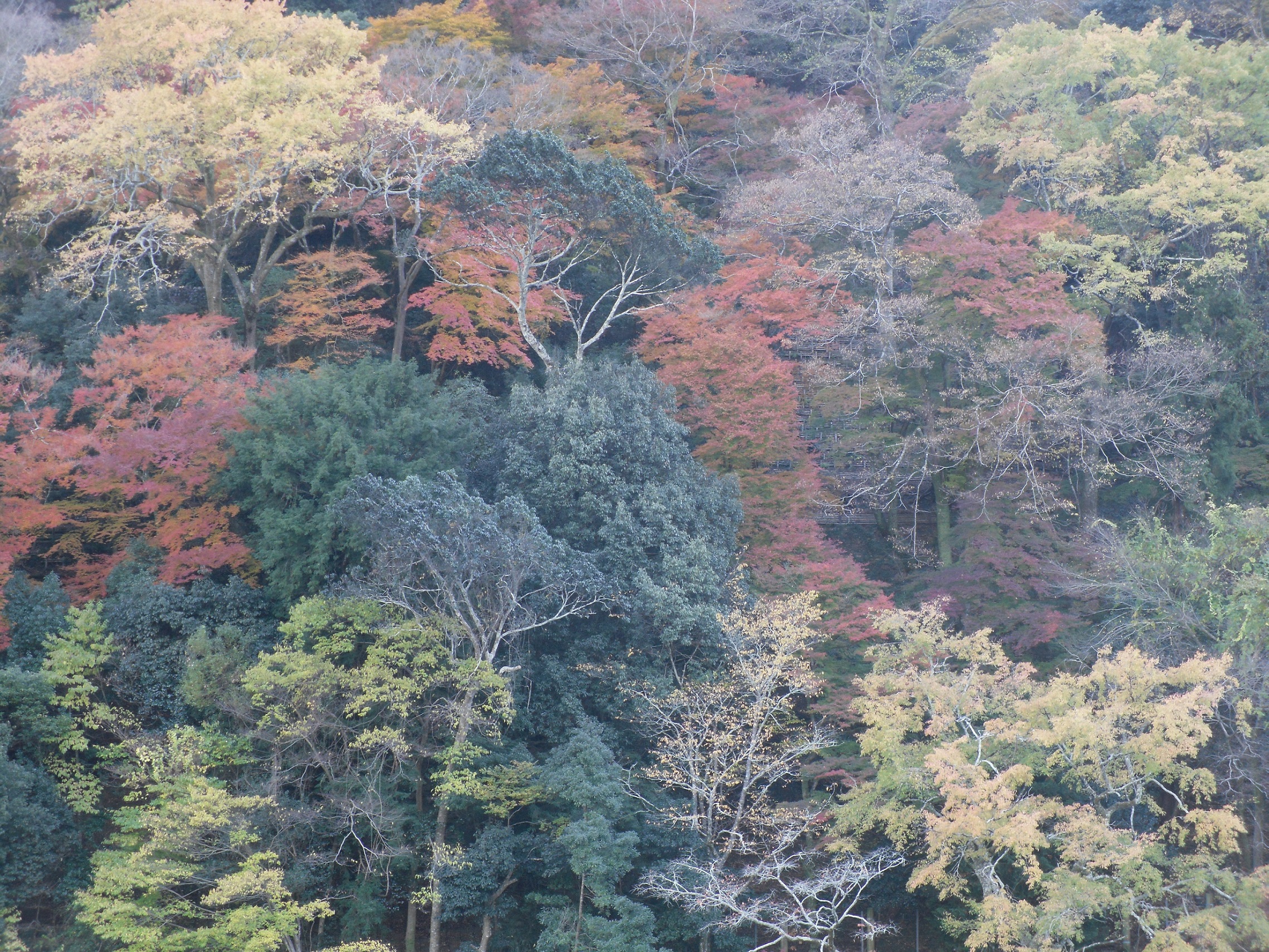
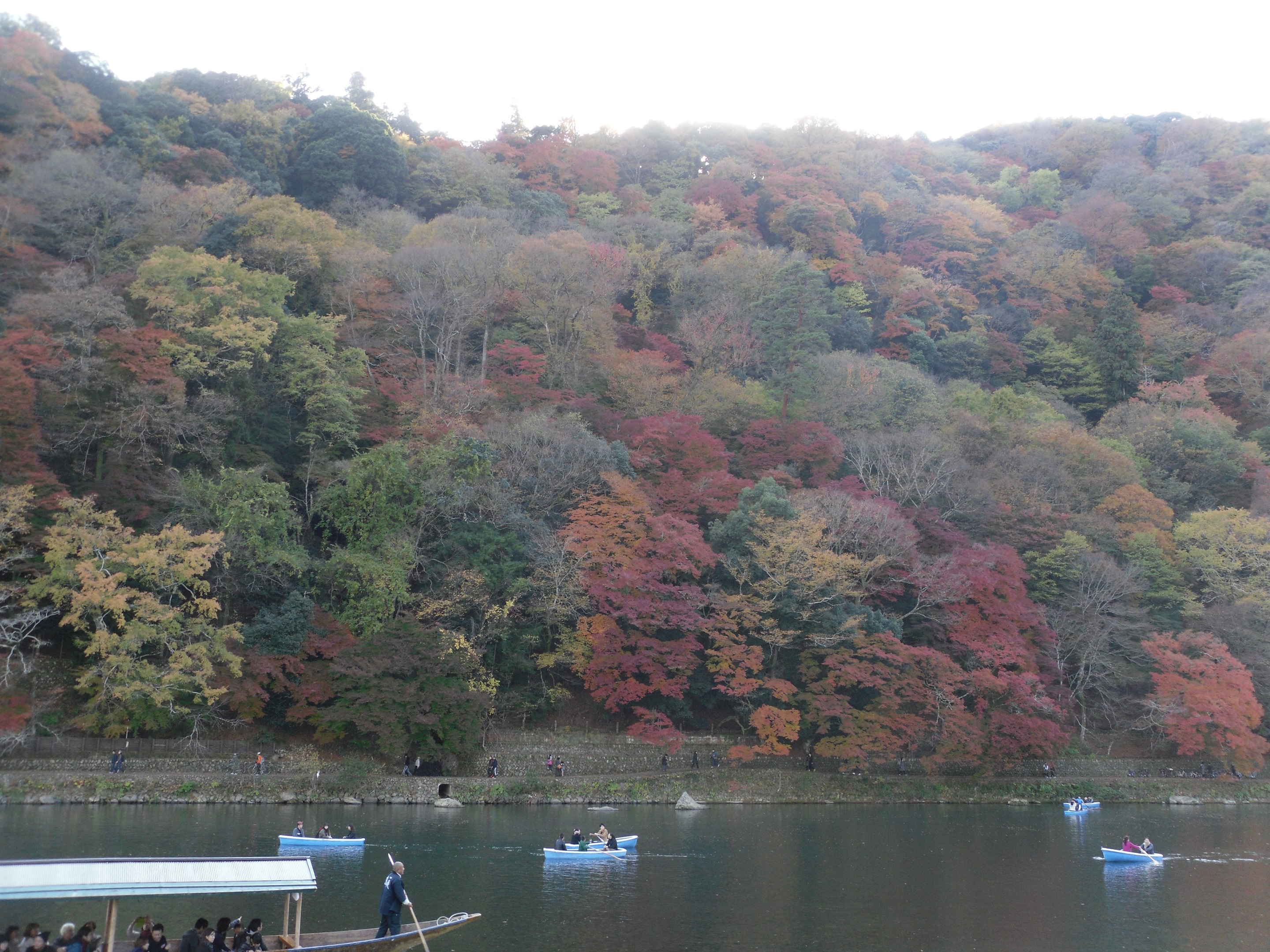
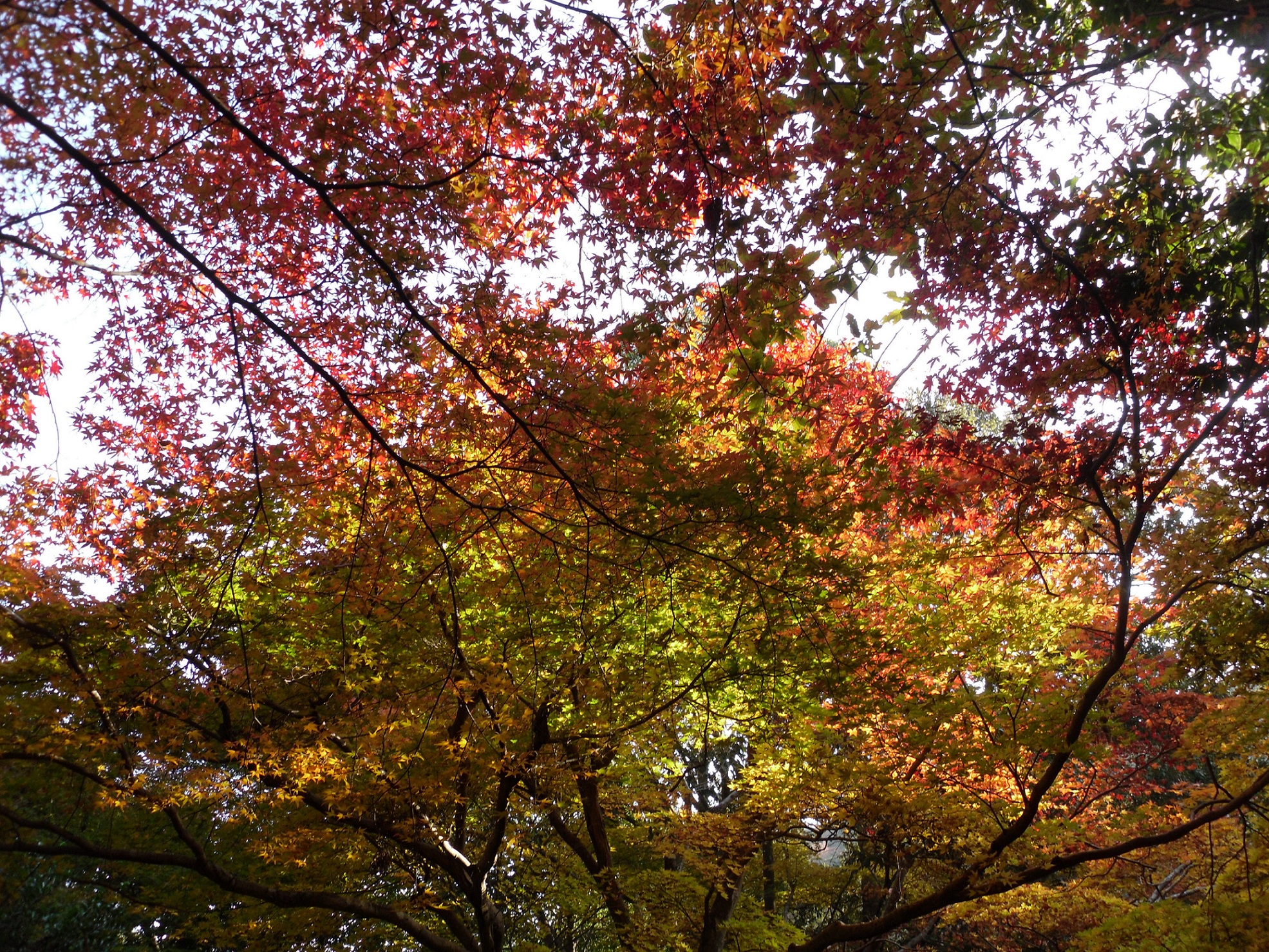
I’ve actually been meaning to go to Arashiyama for about a month now but kept getting delayed.  Earlier in November the forecast showed rain on the days I had intended to go two weeks in a row.  Another time I had to prepare for my first speech in Japanese class.  But everything worked out; the trees change colors much later here because it’s warmer here than at home.  There are still lots of threes that are completely green in our city.

If there was one drawback to going this weekend, it was the unbelievable number of people.  Arashiyama draws crowds  year round, but autumn colors season is second only to spring sakura season in Kyoto.  The trains from Makino, my home station, to the JR station in Arashiyama were incredibly packed.  I transferred four times and even the subways were more populated than usual.  I spent my entire limited express ride from home to Sanjo station squished like a sardine and I stood on the subway because there were absolutely no seats, which is unusual as far as my experiences go.  The trains from Nijo station to the station in Arashiyama were just as packed and sardine-tin like as my first ride.  It doesn’t really bother me, but it’s always interesting when I’m the only obvious foreigner packed in and as nonplussed as the locals because sometimes I catch people looking at me to see if I’m used to the trains.  Three months, a trip to Tokyo, and hours on other trains into my life in Japan, I don’t feel much about trains will surprise me anymore.  Unless they start running more than two minutes late.

SDC14751-2

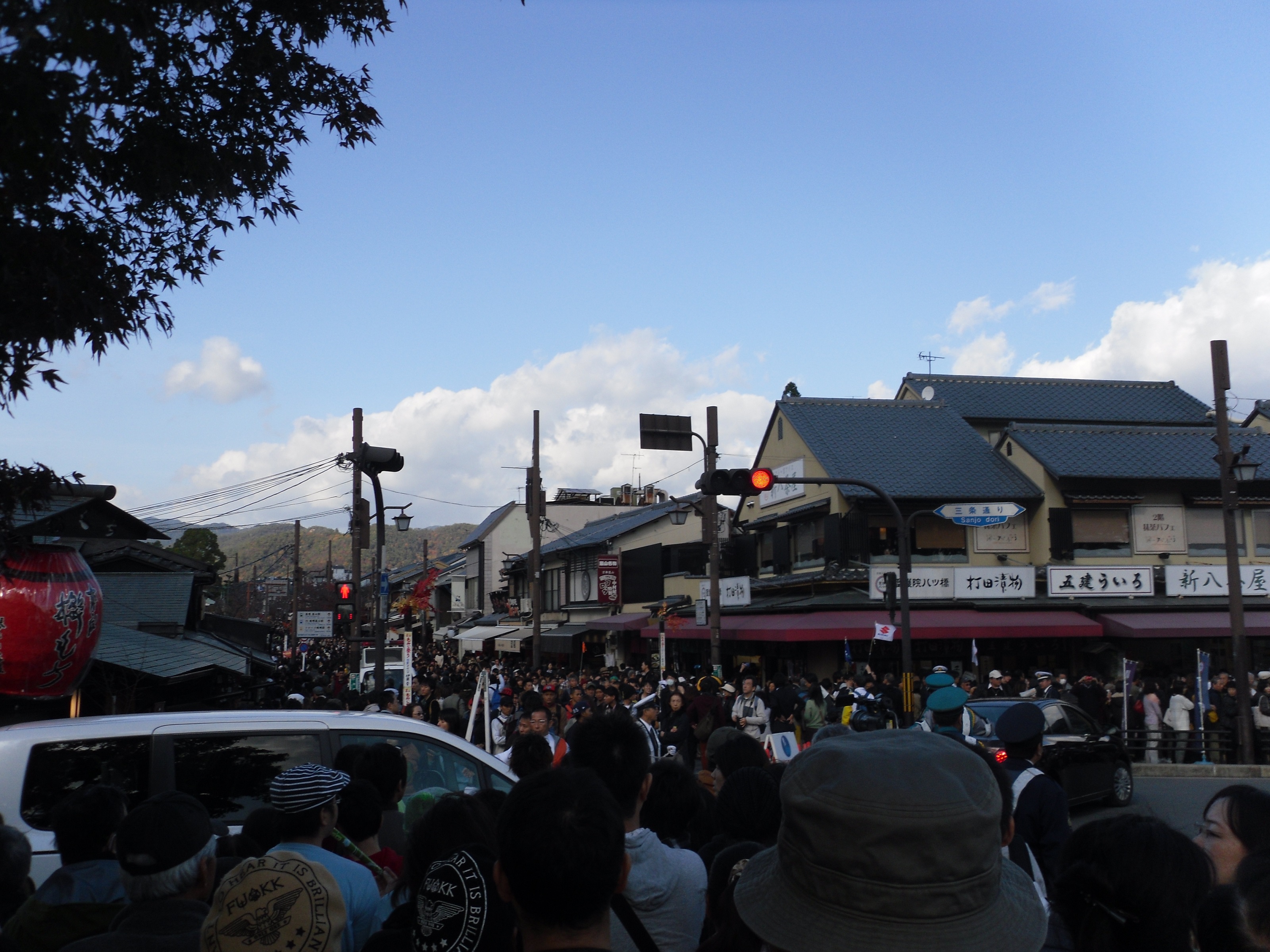
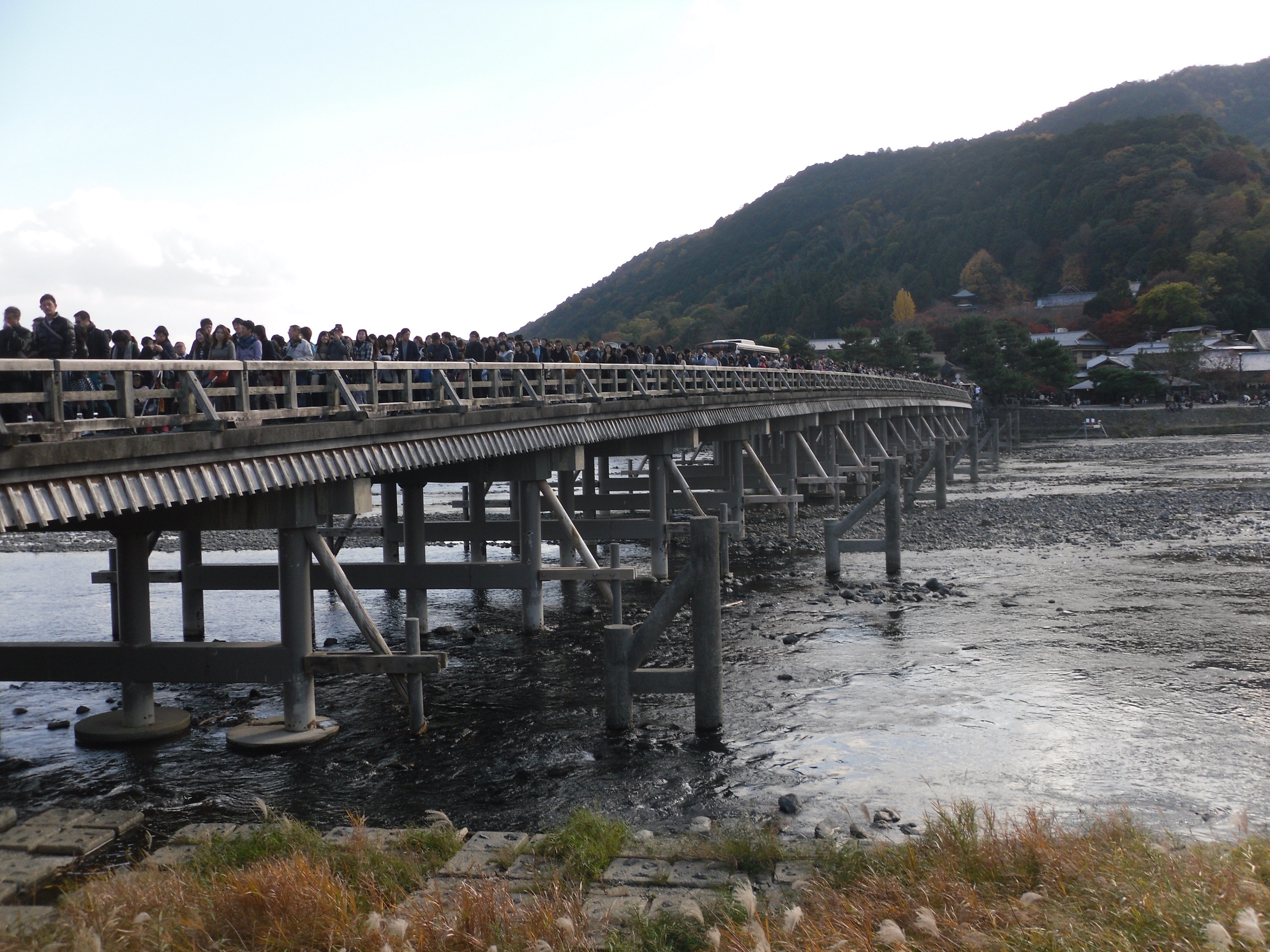
At the intersection right across the famous Togetsukyo Bridge. There were so many people that there was a three or four block line to cross the bridge to get to Arashiyama.

Throngs of people crossing Togetsukyo.  On the left side, of course.

People crossing Togetsukyo. On the left side, of course.

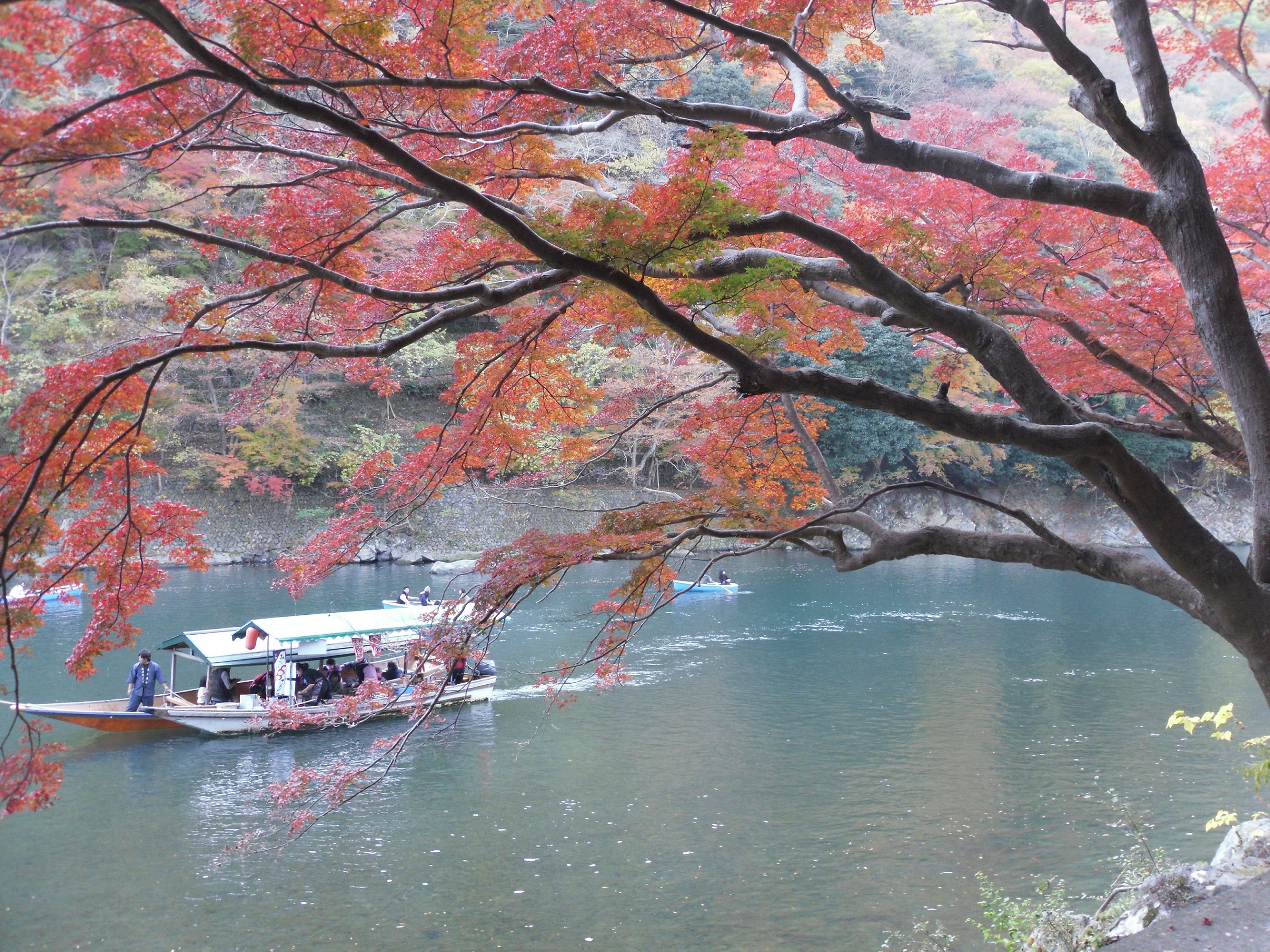
It was a bit cloudy at times, making it a bit chilly with the breeze off of the water, but it was still warm for what I consider to be normal end-of-November weather.

SDC14759-2

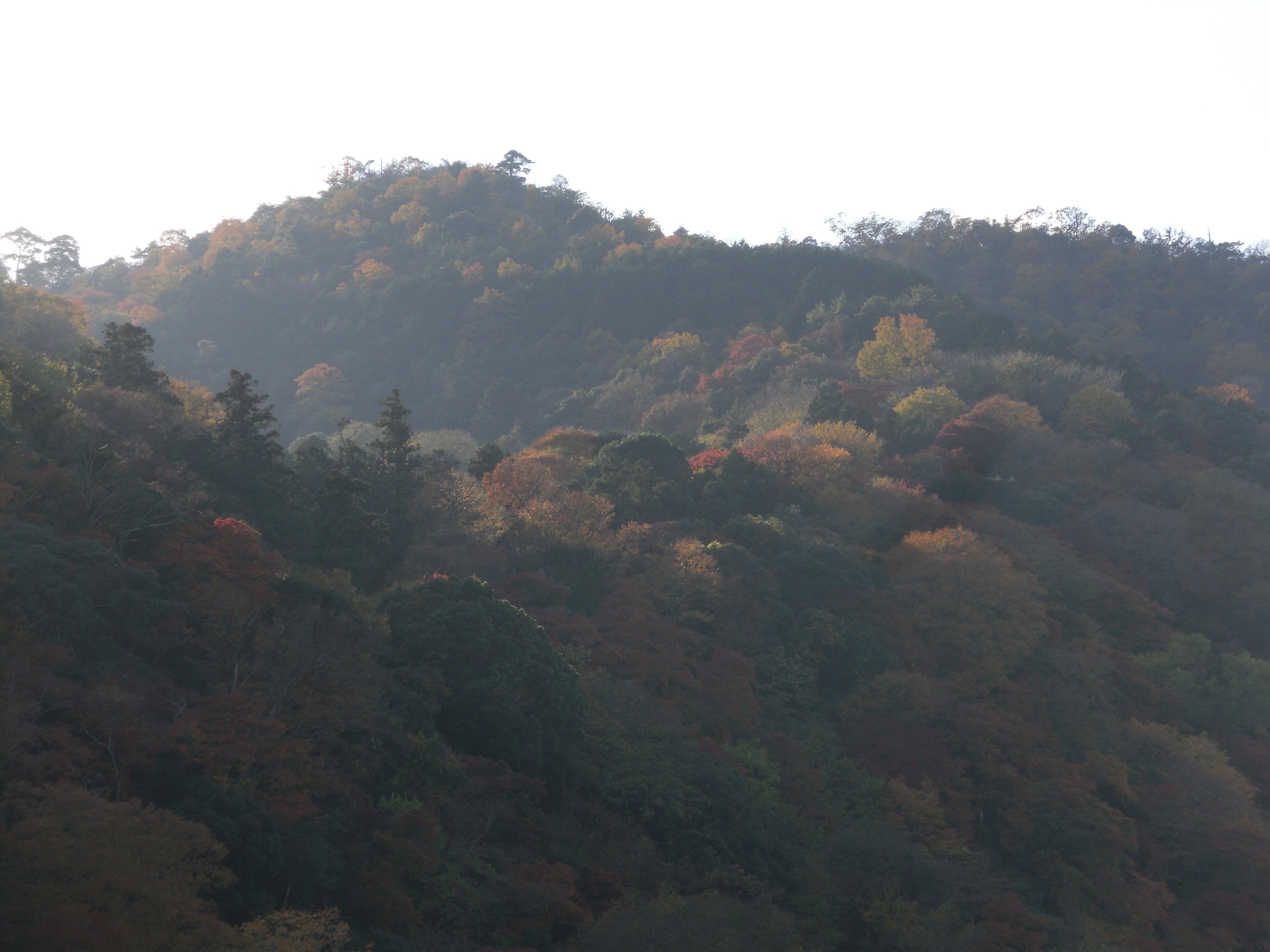
To be honest, none of my photography (or the professional souvenir prints you can buy in the area, for that matter) truly do the sight justice, but I feel that this one is one of the closest:

SDC14761-2

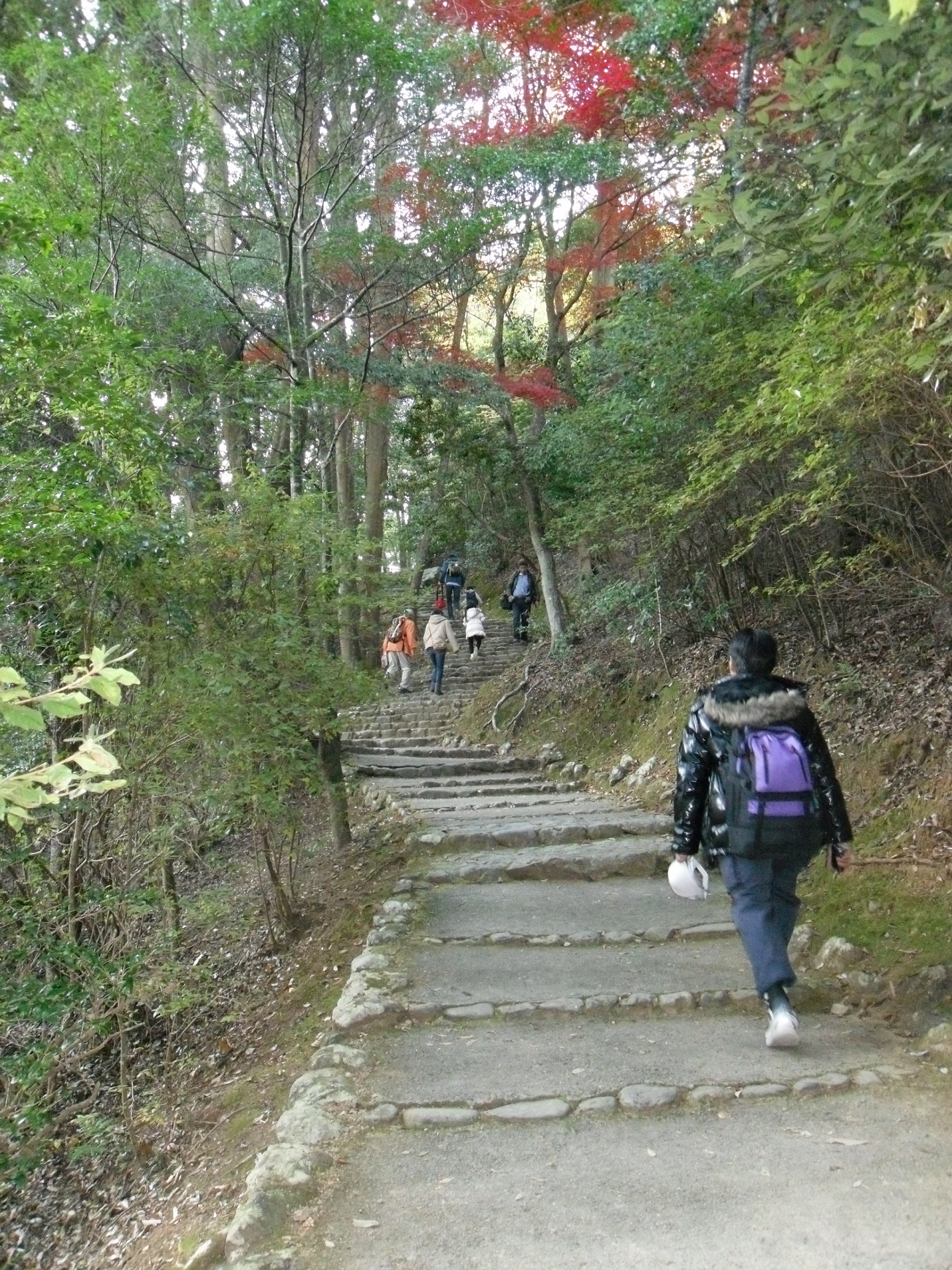
I spent several hours just walking the area.  There are several temples and a monkey park I didn’t get around to visiting, but walking even some of the trails was more than enough for one afternoon.

SDC14762-2

SDC14769-2

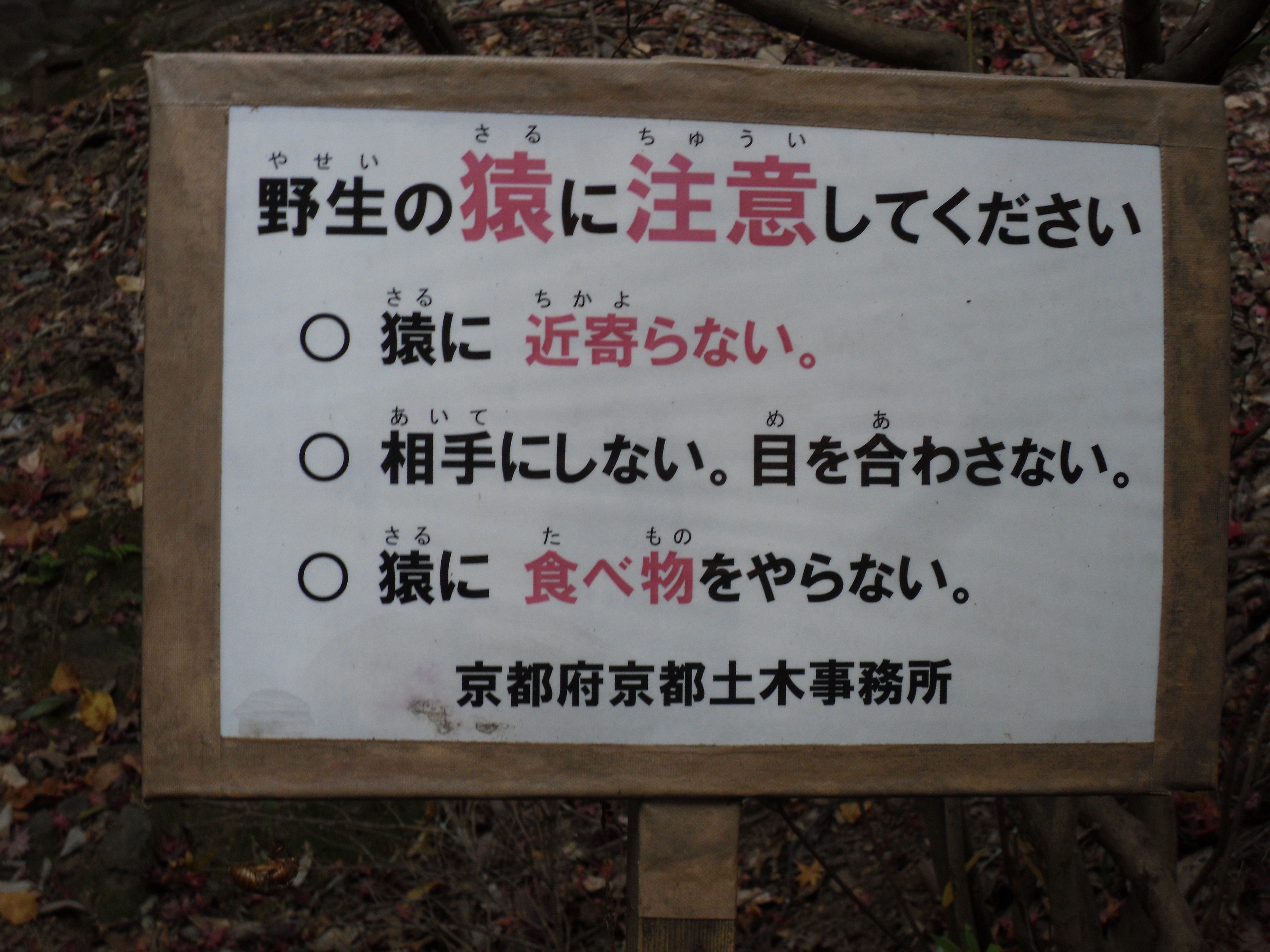
Though I wasn’t in the monkey park, there were still signs on the mountain warning tourists about the monkeys, as they can be dangerous:

SDC14771-2

“Please be careful of the wild monkeys. -Do not approach the monkeys -Do not interact with the monkeys and do not meet their eyes. -Do not give food to the monkeys.”

SDC14773-2

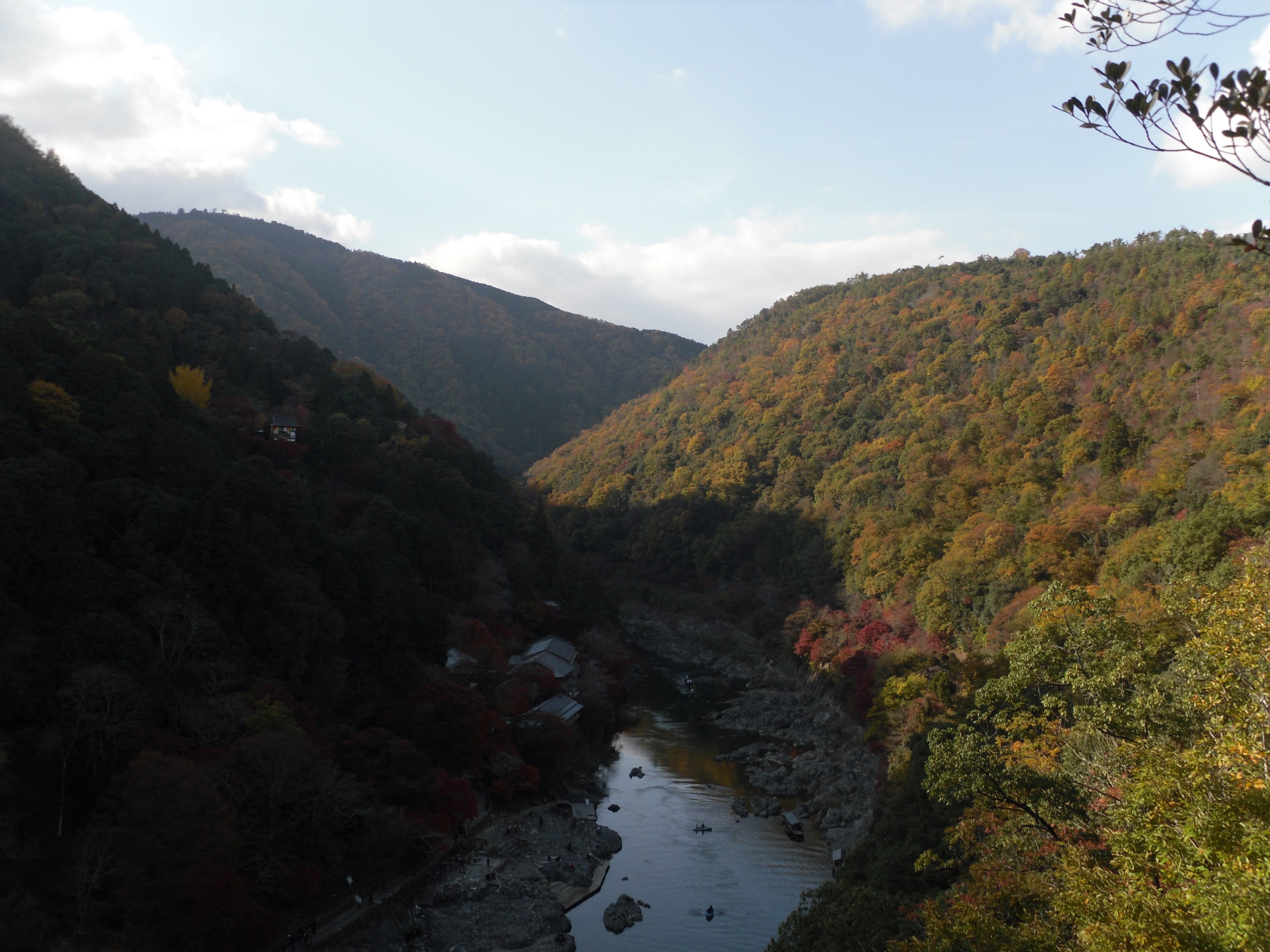
It’s hard for me to describe how vast this looked in real life.  Especially for someone who has always lived in the flatlands of the Midwest, mountains feel so incredibly and incomprehensibly large.

SDC14776-2

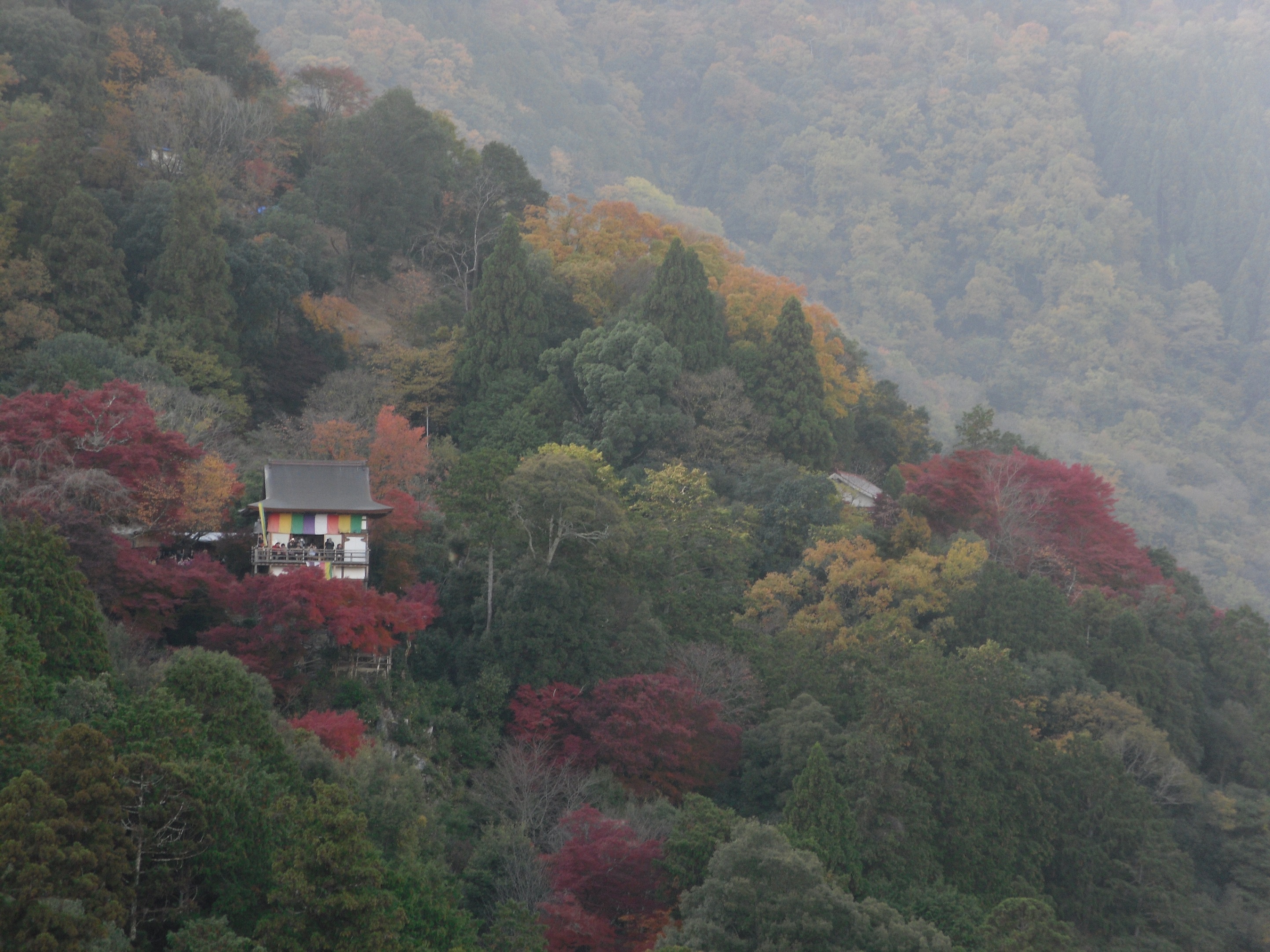
One of the temples in the Arashiyama area, far away, across the river, and halfway up the mountain.

One of the temples in the Arashiyama area, far away, across the river, and halfway up the mountain.

As the afternoon pressed on, the light started to filter through the leaves, creating a stunning canopy.

SDC14780-2

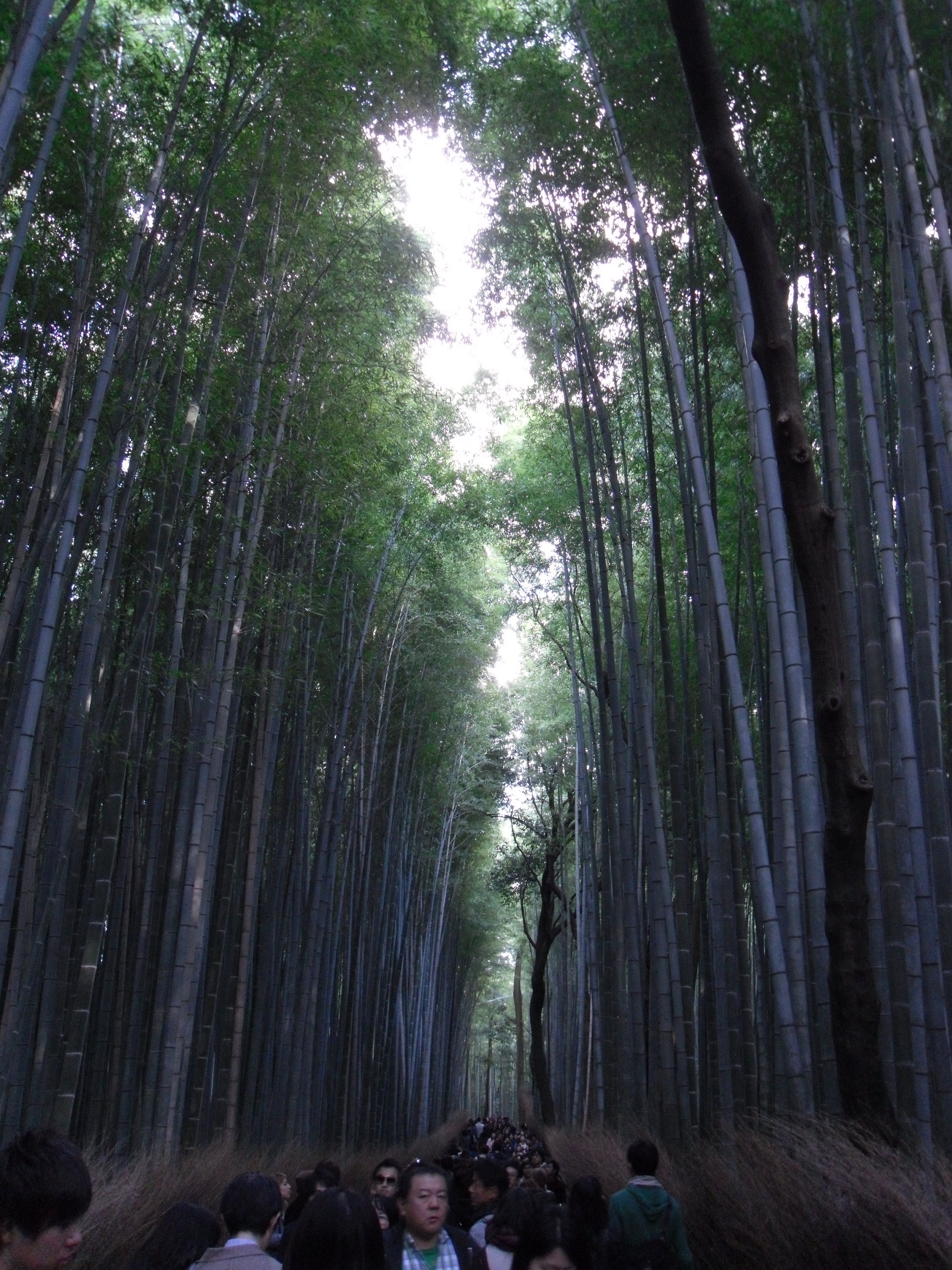
I actually got a little lost trying to find the train station, but I ended up finding the bamboo forest I wanted to walk through anyway, so it turned out alright.  Especially since I remembered the train station being very close to the entrance of the forest.  Unfortunately, I missed a turn somewhere and ended up walking twenty minutes past the station, ended up on some side streets outside the Arashiyama area.  But I had a map and my Japanese, so I found the station pretty quickly, which was just as packed as it had been when I had arrived in the morning.

The bamboo forest honestly looked exactly like bamboo forests I've seen in movies, games, and anime.  It was honesly kind of surprising.

The bamboo forest honestly looked exactly like bamboo forests I’ve seen in movies, games, and anime. It was kind of surprising.

Torii as far as the eye can see- Fushimi Inari

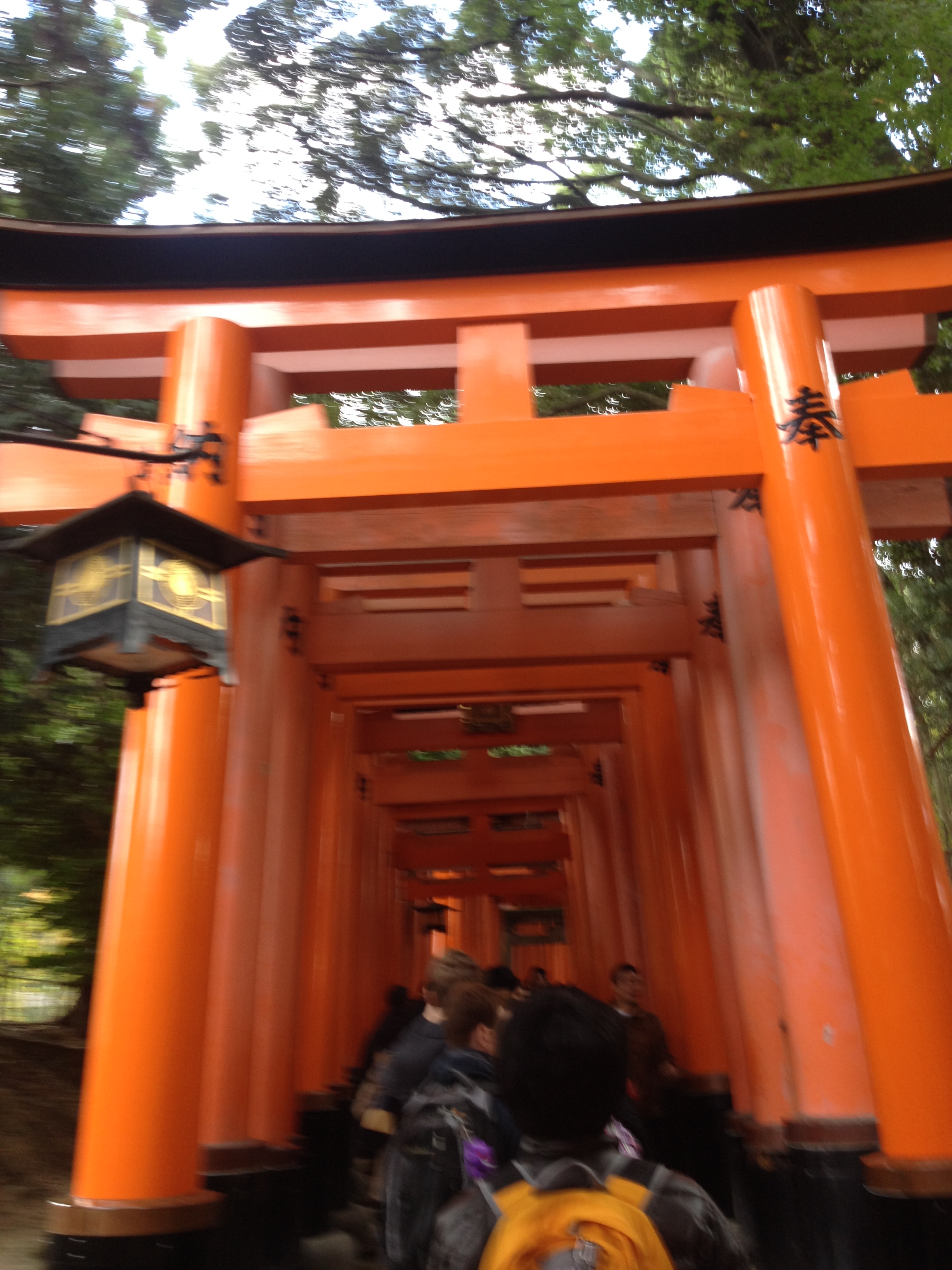
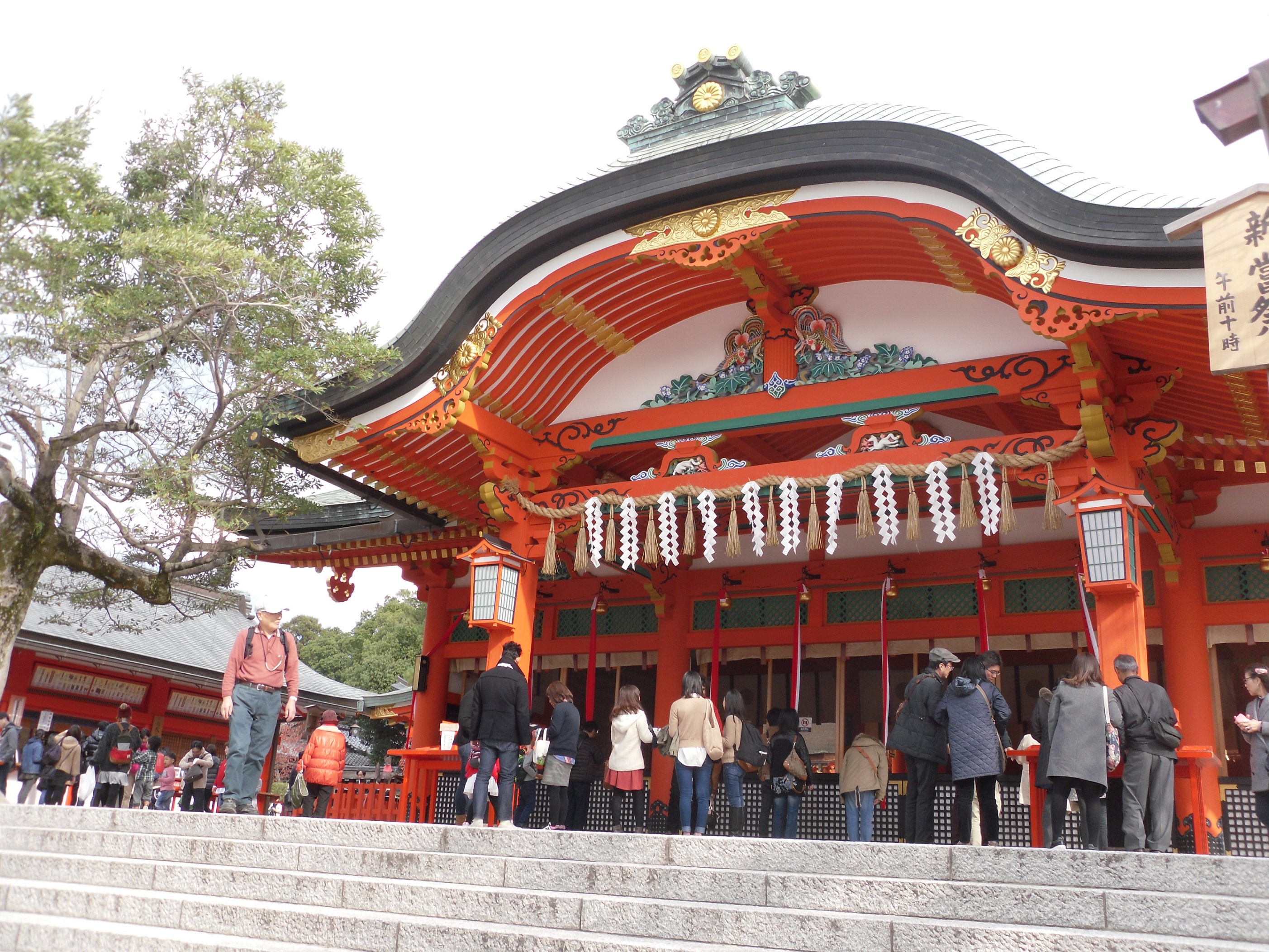
On Saturday some friends and I went to Fushimi Inari Shrine in Kyoto.  It’s one of the most famous in the area, well-known for its abundance of torii.  The larger torii are typically bought by companies, as they typically cost many thousand dollars.  They are then erected across the mountain paths, often so close together that the paths become more like hallways.  It makes for an incredible walk.

IMG_1178

SDC14731-2

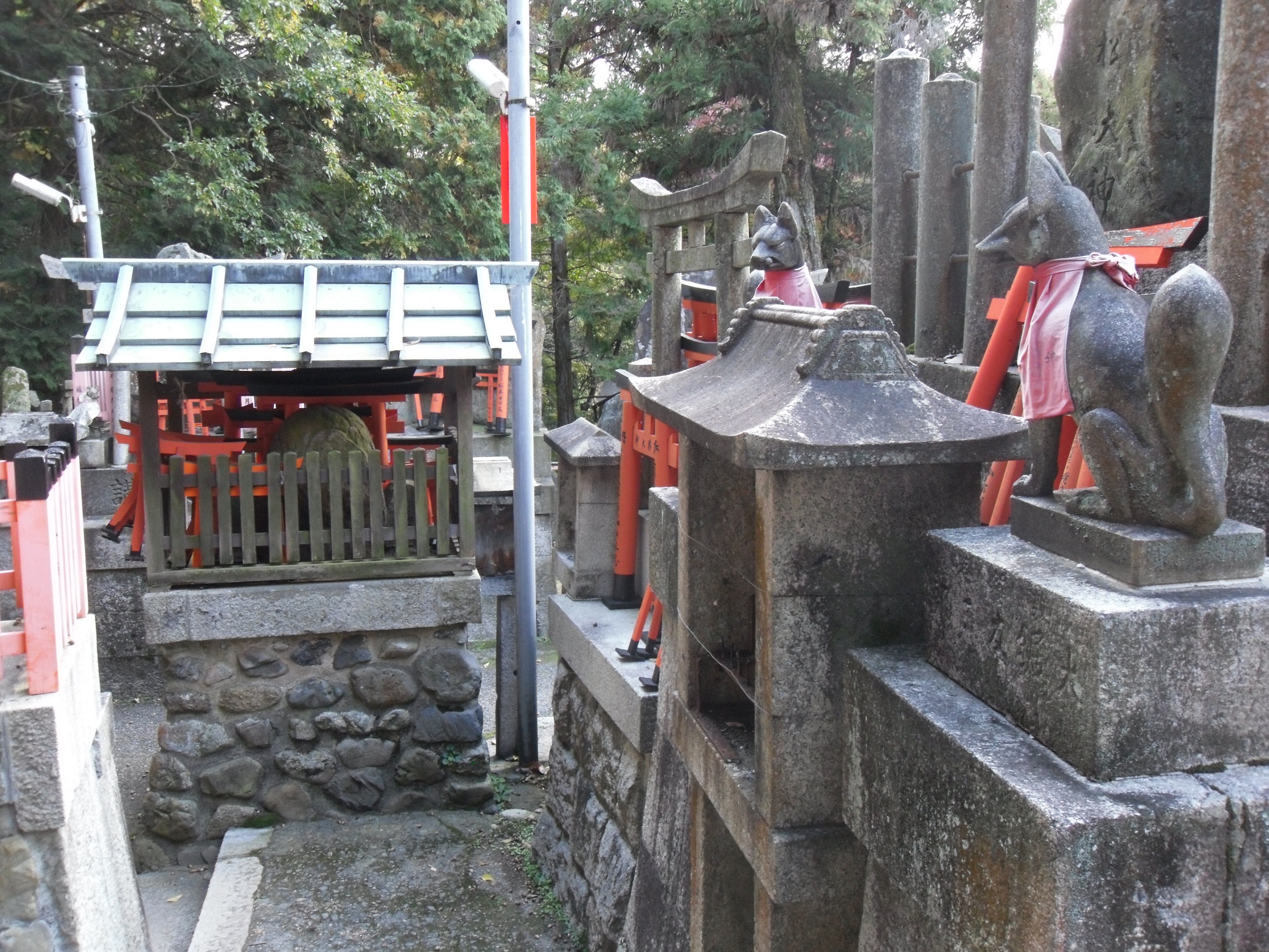
However, families and individuals can buy smaller torii, also in varying sizes, that they place on the many smaller altars on the mountain.

SDC14737-2

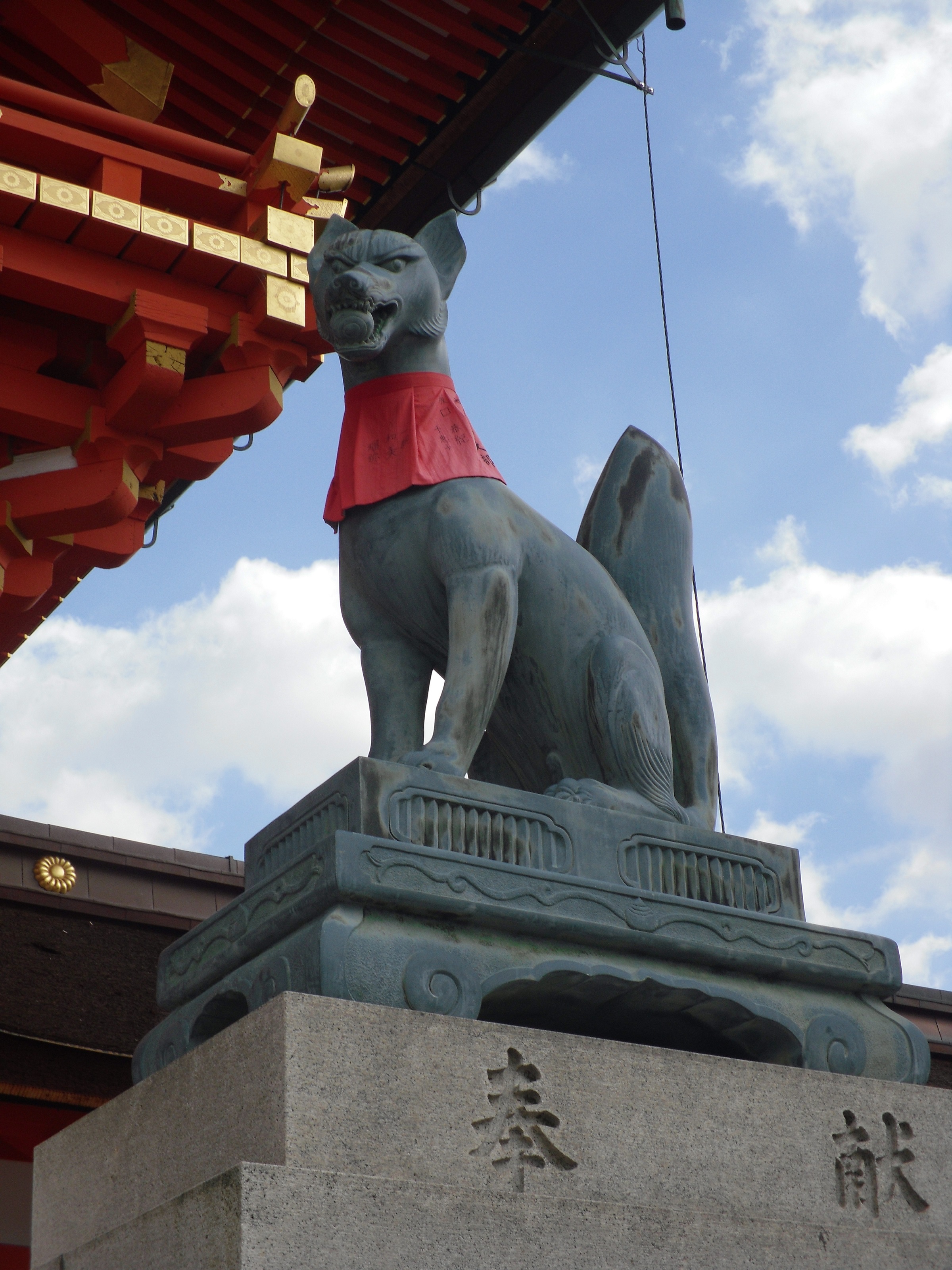
Inari is the kami of rice, agriculture, and prosperity among other things.  Statues of Inari’s messenger, the fox, are all over the mountain.

The front of the main part of the shrine.

The front of the main part of the shrine.

SDC14707-2

A fox at the entrance to the main part of the shrine, holding the wish-granting jewel in its mouth.

It was a long hike to the top of the mountain.  From the time we exited the nearest train station to the time we left the shrine, it probably took us over two hours, and we didn’t explore every path.  The paths aren’t exactly hiking paths, though.  Some are several hundred years old and wind through the mountain.  None are direct.  But it didn’t matter, as the scenery, torii, and smaller shrines were beautiful, especially as the fall foliage added dashes of color here and there.  (Though November is almost over, it’s the height of fall colors here.)

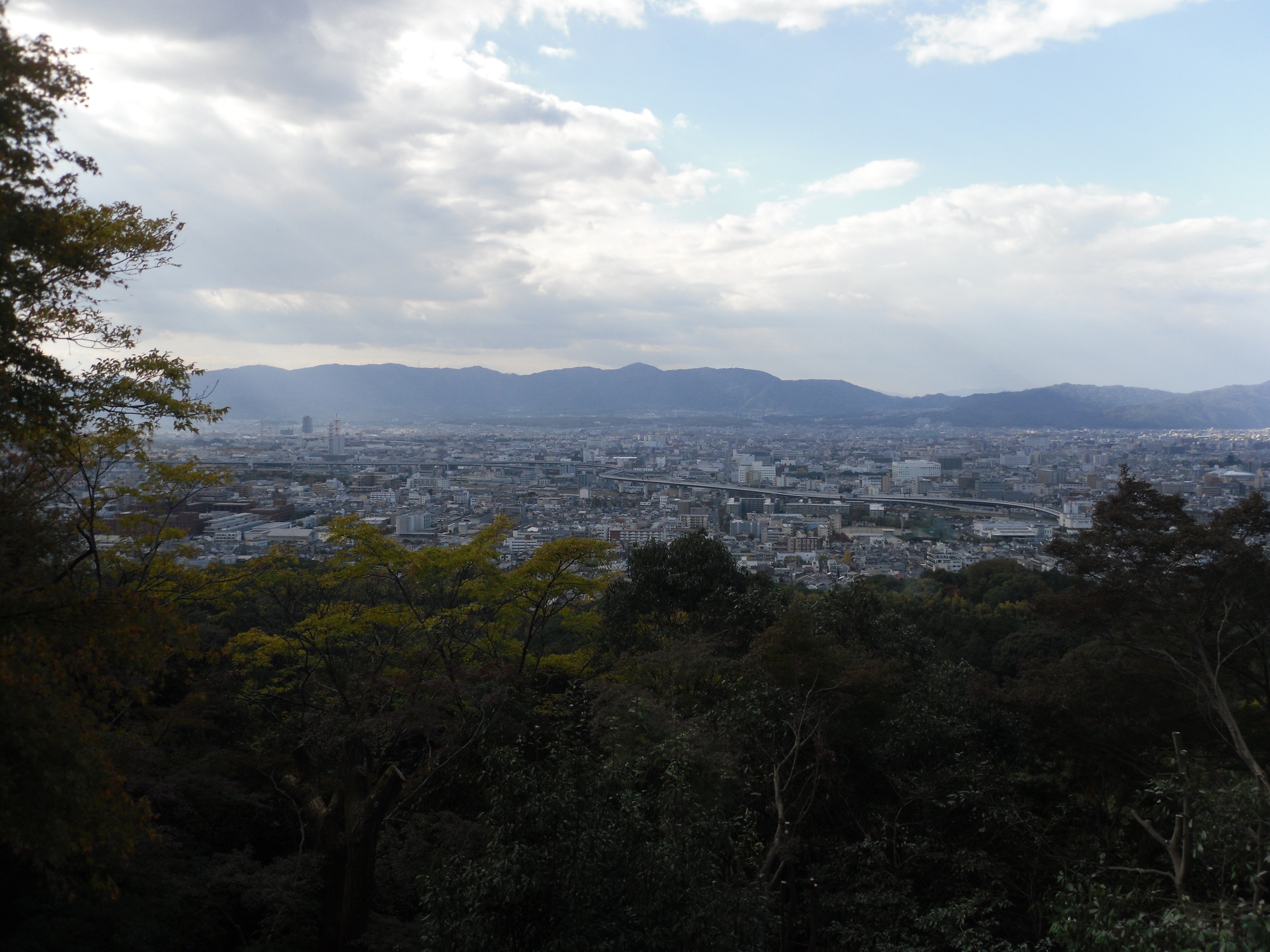
The view over Kyoto from roughly halfway up.

The view over Kyoto from roughly halfway up.

Additionally, that Saturday was Shichi-Go-San, a rite of passage festival day for young boys and girls ages seven, five, and three.  Pictures were, of course, not allowed of the inner shrine where the rites were taking place, but it was a beautiful but quiet festival, noticeable only by the conspicuous young children in tiny kimono.  They were adorable!  It was really cool to again see how ancient traditions are alive and well here.

Looking for Nessie (or, Our Weekend in Scotland)

It was a nice change of pace from our big trip to Spain and Italy, because instead of there being ten of twelve of us all traveling and trying to go places at once, there were just a few of us. We got to spend a lot of time leisurely walking around and seeing whatever we came across.

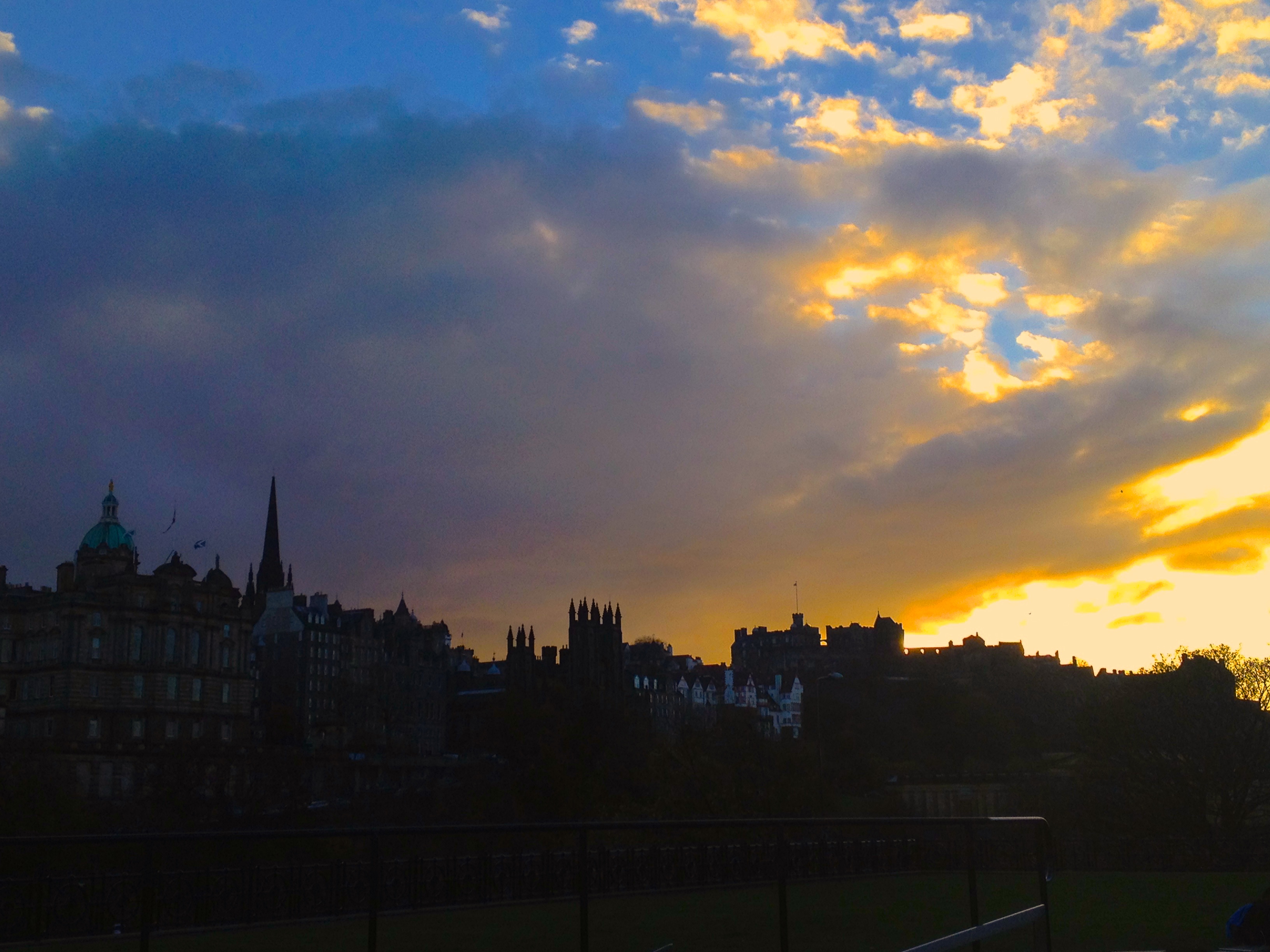
We trained up to Edinburgh on Thursday night, which, with all of the train changes, is nearly a five hour journey. We made it in the middle of the evening and had a chance to walk around and look at all of the Christmas lights. Because it was the weekend before Veteran’s Day (or Armistice Day, as it is officially called in England), all of the gravestones at the churches and cathedrals had poppies on them in honor of those who were killed during World War I. It was very pretty and also very moving to see that sort of large scale memorial.

IMG_3201

One of the things that Scotland is most known for, besides bagpipes and kilt, is Scotch Whiskey. There are so many distilleries all over the country that brew different kinds of scotch. While we were in the city, we took a tour of a distillery in Edinburgh and got to try scotch from different regions of Edinburgh. We also got to stand in a room that houses the world’s largest scotch whiskey collection. All in all, a fun afternoon.

On Saturday, we trained up to Inverness, Scotland, the city that is closest to Loch Ness. In the afternoon, we took a boat tour of Loch Ness. Our boat’s captain was a very nice old man who let us each take turns driving the boat. He was a member of the Loch Ness Investigation team back in the 1960s, and recorded one of the first camera sightings of the supposed Loch Ness Monster. He showed us a video about all of the work he did, and gave us some explantations for what Nessie could be. It was a very interesting tour, to say the least.

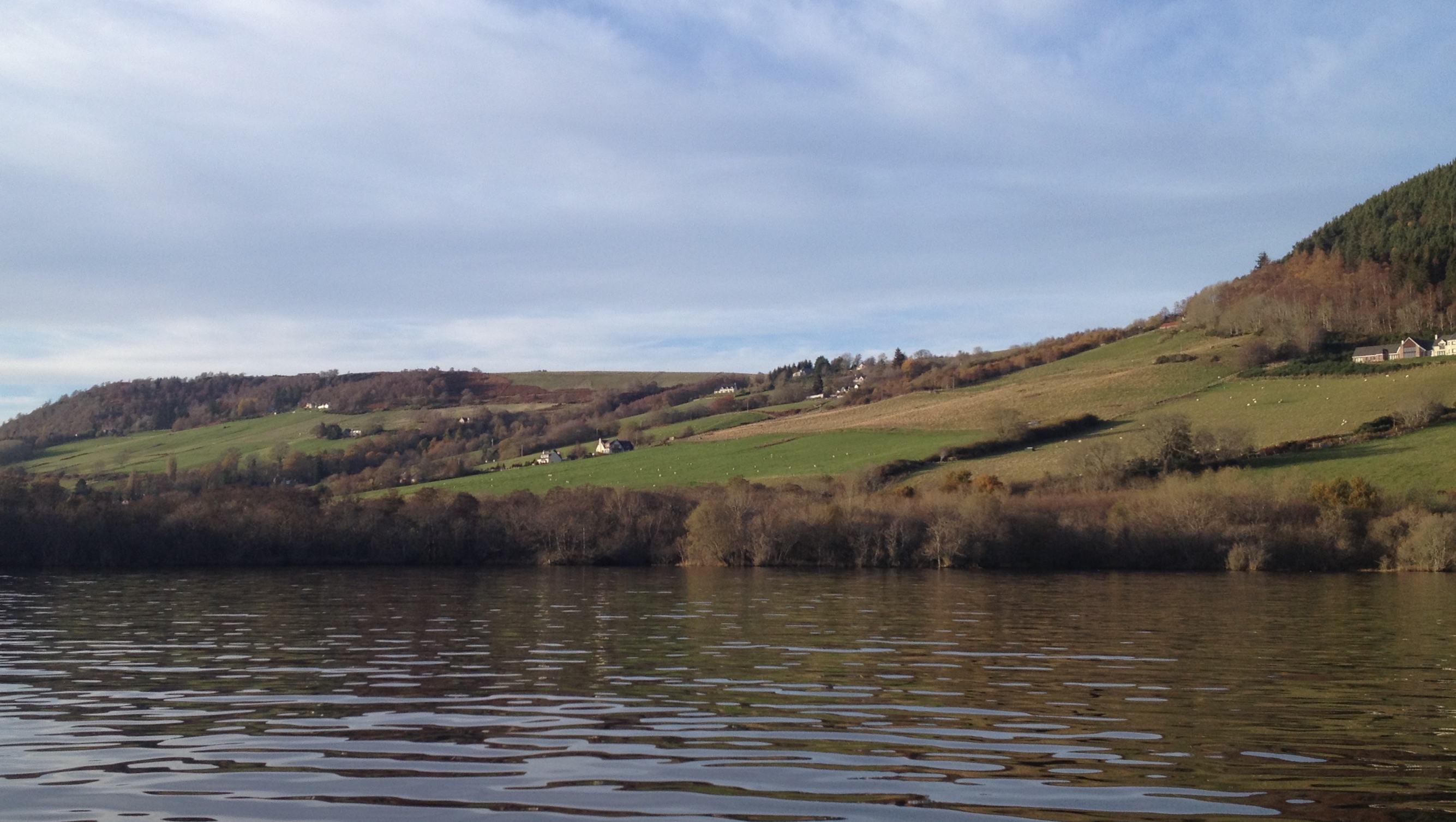
View from Loch Ness

View from Loch Ness

That evening, we went to a pub called Hootenanny’s. This was my favorite part of the entire trip because we got to sit and listen to (or dance to) traditional Scottish music for three hours. The live band consisted of an accordion player and a guitar player. The accordion player is actually pretty well known, because not only is he a musician, but he has his own band and is also a professional athlete in a sport called shinty. The guitar player was one of the most talented musicians I have ever heard in my life, so it was a great night to get to sit and listen to the two of them.

This weekend, we’re traveling as a group to several castles, Shakespeare’s birthplace, and Stonehenge. Hopefully it’ll be a fun way to wrap up our time abroad, which for most, is quickly drawing to a close. We’ll all be back in Valpo before we know it!


« Older posts Newer posts »

© 2026 Valpo Voyager

Theme by Anders NorenUp ↑