Valpo Voyager

Student Stories from Around the World

Page 65 of 124

Reutlingen

Because I was not able to move into my Stuendentwohnheim until September, I was able to spend a weekend at the Valpo center in Reutlingen. It was lovely to get to see another city and just do some exploring during the first few days.

The first day I was pretty jetlagged, but I did manage to say up until 10:00,  which helped immensely in getting used to the time change. The director of the Valpo center also invited me to join the group for lunch and dinner which was very lovely. I was surprised to be able to stay up until a normal hour (ten), which greatly diminished the effects of jetlag the next couple of days.

The second day was the Stadtrundgang (tour) of Reutlingen. Reutlingen is home to almost all major german manufacturing companies that have headquarters in nearby Stuttgart, notably a large Bosch plant. It has 100,000 residents spread out between the Stadtmitte (city center) and the surrounding areas that actually used to be indepedent Dörfer (villages). This makes it a Großstadt (large city), which is the largest municipal division that German has. It actually makes sense, but it seems to be a little small to me considering that that is the population of Naperville, IL, but in Germany the proportions for large cities are a bit smaller than back home.  The tour ended in lunch at a traditional German Kneipe (a mix between a restaurant and a pub) where we had traditonal Spätzle, a dumpling made with flour and water that is usually served with cheese and browned onions. A few of the other students and I also went to the wine festival that was going on downtown, which was very charming and provided me with my first piece of kitchenware. German festivals like to sell cheap souvenir glasses, something that will help in eventually filling out my dishware collection.

On Saturday, I went with the Valpo Intern Kaitlyn to the Markt, a giant farmer’s market in the townsquare of Reutlingen. It was great to see a lot of the vegetables that I hadn’t eaten in a while like Wirsing (Savoy cabbage), Kohlrabi (another type of cabbage), and Pfifferlinge, a type of woodland mushroom that is a sign of the impending autumn. I didn’t end up buying anything because I didn’t want it to go bad before I get to my WG (how I shall henceforth refer to my dwelling it stands for Wohngemeinschaft, or living community). In the afternoon, I joined the Valpo group to go to a game of the local football team SSV Reutlingen. I know that I am not British, but I personally prefer the term football to soccer not only because of its more accurate descriptive qualities, but also because it is the term that is used by the rest of the world to describe a sport that is of much higher importance to many other countries that it is in the U.S. The game ended in a tie with the other team scoring a goal in the final minute. It was a lovely day for a game and to sit outside. Later, I had the first of what I predict will be many bakery sandwiches. Germany has a great tradition of bread which (to me) can only be topped by its great tradition of putting things on bread. I had a tomato and cheese sandwich, but because of the high quality ingredients on it, it was honestly the best meal I’ve eaten so far in Germany.

And finally came my favorite day of the week in Germany: Sunday. Sunday in Germany is great because they are truly a day for resting.  Most shops are closed and because of this, there is an attitude of relaxation on Sundays that just is not possible on any other day of the week. I know people who do not like this aspect of German culture, but I really enjoy having a single day of the week in which I cannot be running around all of the time. I think that it is good to have a day to rest and recharge before continuing on with the rest of the week. For dinner, I had a veggie Döner. Döner are the quintessential German fast food. They are essentially like a gyro (although, debatably much better)  and the veggie Döner are basically a large flatbread stuffed with vegetables, a large slice of sheep’s cheese, cucumber sauce, and hot chili flakes. You can also order a Turkisch tea alongside them and it makes a great meal.

As for now, I am headed off to Tübingen to move into my WG and register for the intensive German class that I will be taking  for the next month. I can not wait to see what Tübingen has in store.

Bis Bald!
A Grand China Tour

Two days ago the Valpo group returned to Hangzhou after a weeklong whirlwind trip through Chinese religious, cultural and political history. We visited three cities: Qufu, Beijing, and Xi’an. In those cities we toured the following sites (listed in chronological order): The Temple of Confucius, Confucius’ Grave, The Temple (Altar) of Heaven, The Hongqiao Pearl Market, The Great Wall, The Beijing Olympic Park, Tiananmen Square, The Forbidden City, The Wild Goose Pagoda, The Terra Cotta Warriors, Xi’an’s Muslim Quarter (including The Great Mosque), and the Shaanxi History Museum.

Now I’ll see if I can compress the highlights of those places into a reasonable length post.

The high speed rail system in China shares more similarities with the American airline industry than our Amtrak. The Hangzhou East Railway station is a huge high-ceilinged building with numerous security check points, fast food joints, and nearly a dozen gates/escalators leading down to the train platforms below. In the train huge windows and ample leg room treated us nicely on our three hour ride to Qufu. The quietness of the train and the smoothness of the ride did much to hide the fact that we cruised at 300km/hr (or ~180mph).

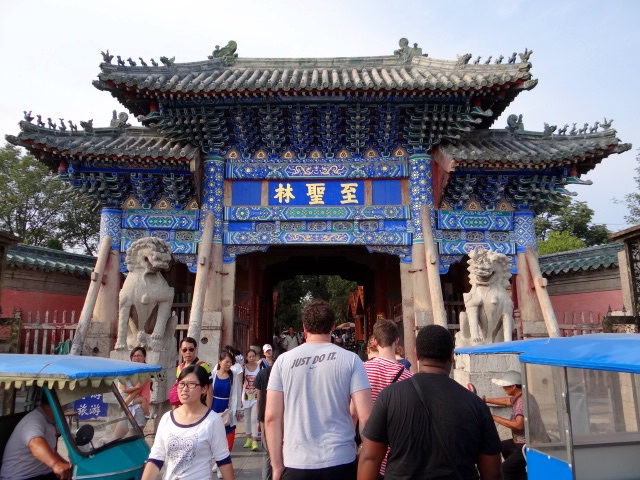
Qufu is a small town (~200,000 pop.) and most notably home to Confucius. As we drove to the walled-in old city we pasted dozens of high-rise apartments in various stages of completions which our guide informed us were part of the “new Qufu.” In Qufu (and likewise in most of China) many historical structures have undergone continual restoration or rebuilds since their original conception centuries ago. The Temple of Confucius is set in a forest with a central corridor which has numerous “gates.” These gates, pavilions, and stone tablets were erected by various dynasties after Confucius as ways to honor him and provide a place to “worship” Confucius. The roofs and eves of the gates and pavilions are massive, repetitive and intricate structures combining brightly painted symbols, patterns, and often dragons. (As an engineer the quantity of rafters looks like overkill.) Stone lions, dragons, and turtles were also common along our path (a few unicorns too)! After the temple we visited Confucius’ simple grave—a giant mound of earth a forest. Smaller mounds at the entrance of the forest were the graves of commoners, and the mounds grew in size with the importance of the thinker they contained.

The next day we took the high speed rail to Beijing. In Beijing we visited the Temple of Heaven (technically it is more like the Altar of Heaven) where the emperor would make biannual prayers and sacrifices to Heaven. Much of the architecture was similar to Qufu, but here the importance of colors (blue roof tiles) and shapes (circular buildings for Heaven and rectangular walls to symbolize Earth) stood out.

We then visited the Hangqiao Pearl Market who’s fourth floor has been visited by numerous foreign dignitaries to shop for jewelry. Meanwhile the bottom three floors are crammed with stalls selling counterfeit design handbags, silk scarves, fake-iPhones, loads of Beats products and other miscellaneous electronics of dubious authenticity. I had fun bartering for fake iPhones and found a few real Galaxy S5s. For dinner the non-vegetarians in the group had Peking duck (a Beijing speciality).

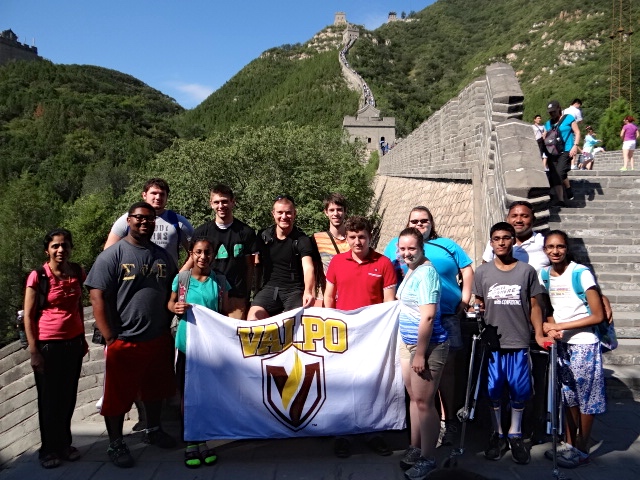
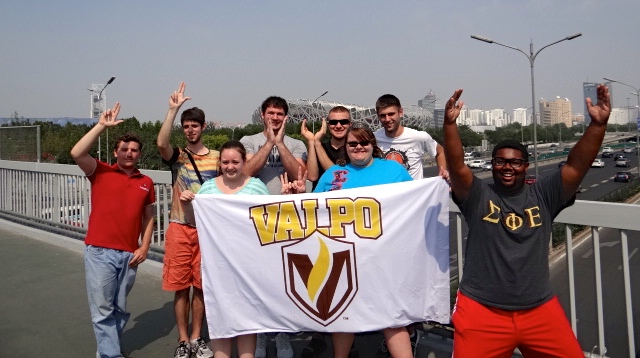
The following day we visited the Great Wall outside of Beijing. The highway weaving up a mountain valley reminded me of Colorado and I had fun climbing and descending the Great Wall——it is the closest I’ve been to hiking a mountain in a long time. After a couple hundred vertical feet the number of folks thins out dramatically and I could more easily ponder the massive effort to both build the wall and run an army up and down the variable height and often far too steep steps. In the afternoon we drove by the Olympic Park, walked through Tiananmen Square and the Forbidden City, and climbed a hill in a local park to get a 360˚ view of Beijing. Unlike the many cold monolithic monuments of Washington D.C., the Forbidden City is filled with color and extravagant detail, all the while great attention is given to overall symmetry and mathematical relations between walls and buildings.

On Thursday we took the high speed train to Xi’an where we visited the Wild Goose Pagoda—a nearly millennia old Buddhist library and meditation center. Xi’an was a very neat city—it had a newer feeling than both Beijing and Hangzhou, although it is famous for being the ancient capitol city of China. We drove past Aston Martin and Lamborghini dealerships and Gucci and Prada stores. For dinner we found a bustling street near our hotel with numerous locals frying and cooking in little stands where we got some delicious and cheap noodles.

On our second day in Xi’an we visited the Terra Cotta warriors. The vast scale of thousands life-size clay soldiers each unique and detailed make it a well-deserving contender to be the 8th Wonder of the World. In the afternoon we walked through the Muslim Quarter of Xi’an which contained the Great Mosque (one of the first mosques in China)—yet with a small single minaret and Chinese style architecture only the Arabic inscriptions gave away its religious affiliation.

On our final day of traveling with visited the Shaanzi History Museum in Xi’an which contained numerous artifacts and replicas (often undistinguished from the “real” items) from ancient China. The handiwork of their jewelers and stone carvers was quiet impressive though I felt as id most of the exhibits didn’t provide enough historical context to accompany the numerous artifacts.

We then flew back to Hangzhou on a new A321. From jade to jet it was one amazing trip!


DSC03186

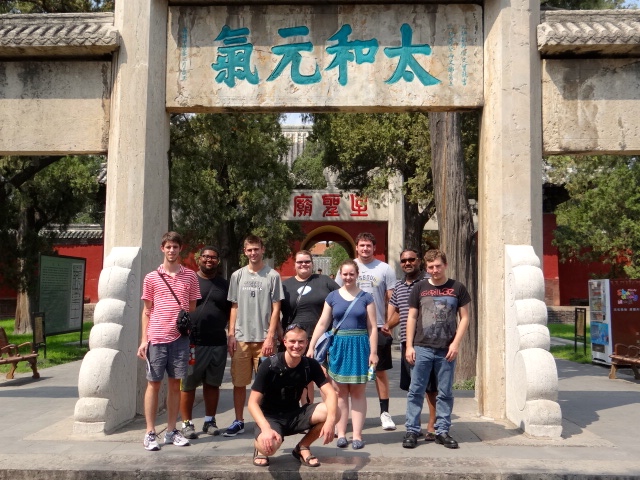
Outside the Temple of Confucius


DSC03269

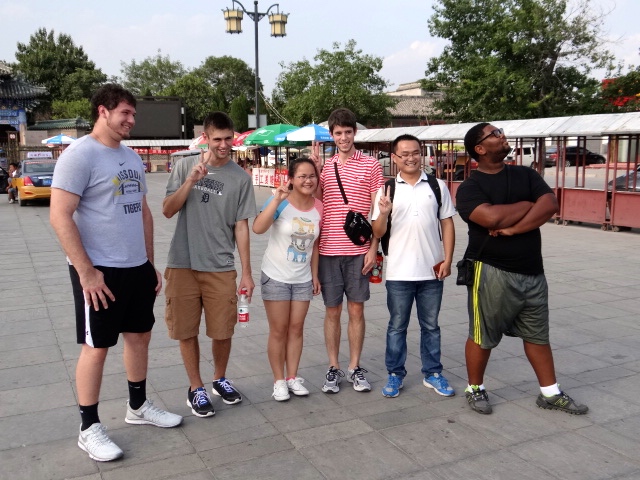
A common occurrence: impromptu photos with locals

DSC03271

A traditional Chinese gate in Qufu

DSC03395

The Great Wall!

DSC03467

#Pride – Luther & Valpo

Ready, Set, Go

So much has happened between when we left Chicago and now that I can hardly believe it’s only been a few days. I set foot off the plane and I was going full speed ahead into the new school year.

The first night we were here, we all went out to Baron of Beef for dinner and got our first taste of pub life in Cambridge. Granted, it’s not nearly as busy since students aren’t back in school yet at Cambridge University, but it was an interesting experience. They played  American music in the pub that dates back a few years, which was kind of funny. A helpful hint: if you don’t know what to order, ask the bartender for a suggestion. They know what kinds of things they have and can usually give you some good choices.

Today was the first day of classes and now everything is getting into full swing. We had our first round of house chores today (ugh) and I think we’ve all got a better idea of what living in the house is going to be like for the next four months.

What has struck me the most in the past few days is the amount of history that there is overseas. In America, our history, while wildly fascinating, is pretty short. In England, there’s over a thousand years of history. The town of Cambridge is home to a hill created by the Normans in 1066, and an Apple store in the mall. You can visit a hundred-year-old chapel, or go out to the club. It’s amazing how much history is in one place, and how everything just coexists with one another.

The past few days have felt like such a whirlwind of activity that I haven’t truly had time to sit down and comprehend the fact that I am so far away from home, and living in another country. It doesn’t seem possible. Since the moment we set foot in England, we seamlessly moved into the new routines and way of life in the city. We hit the ground running from the very beginning. And that’s a good thing. It made me feel much more at home, and ready to explore the new place I live in.

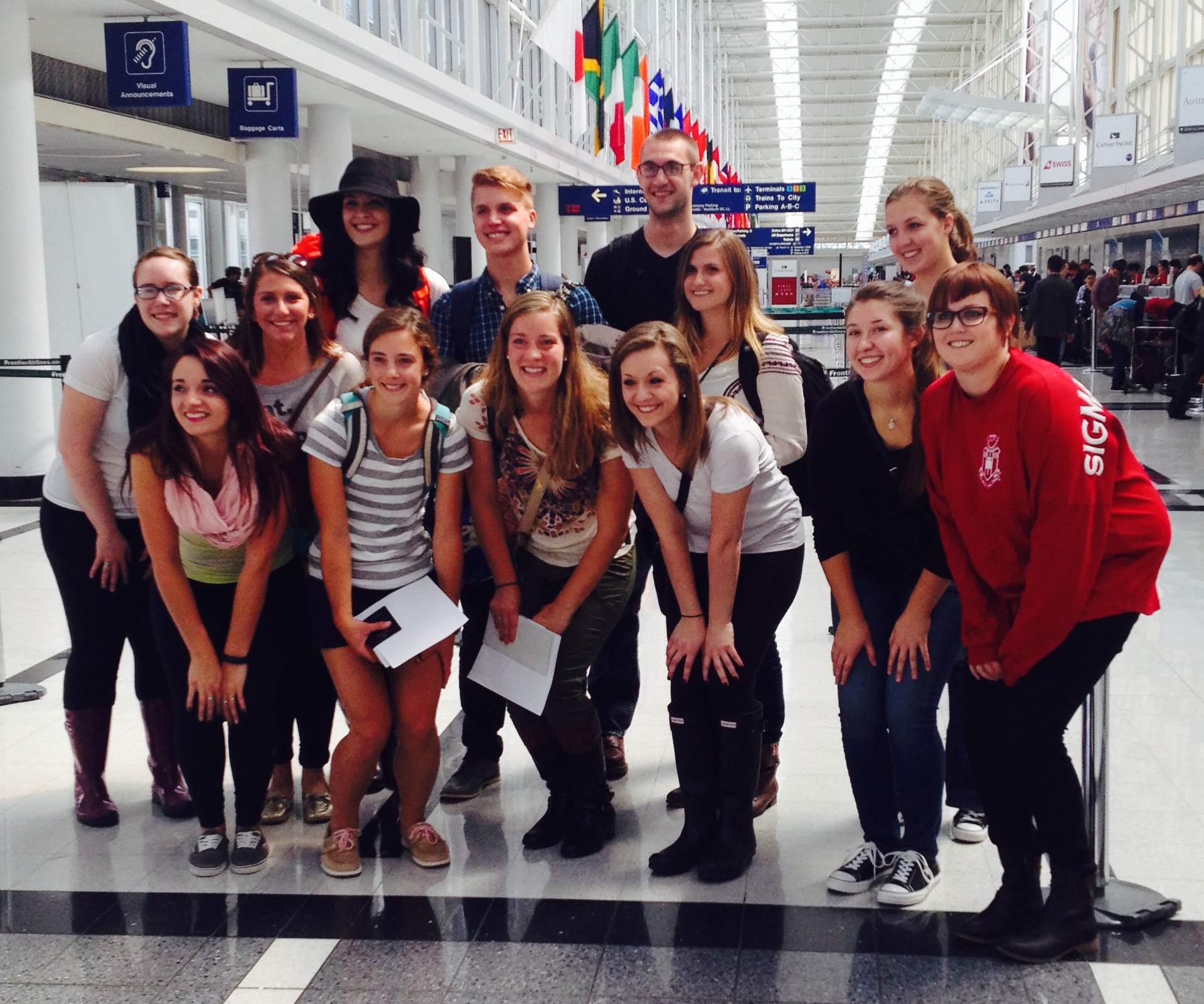
Group (minus 2) at Chicago O'Hare

Group (minus 2) at Chicago O’Hare

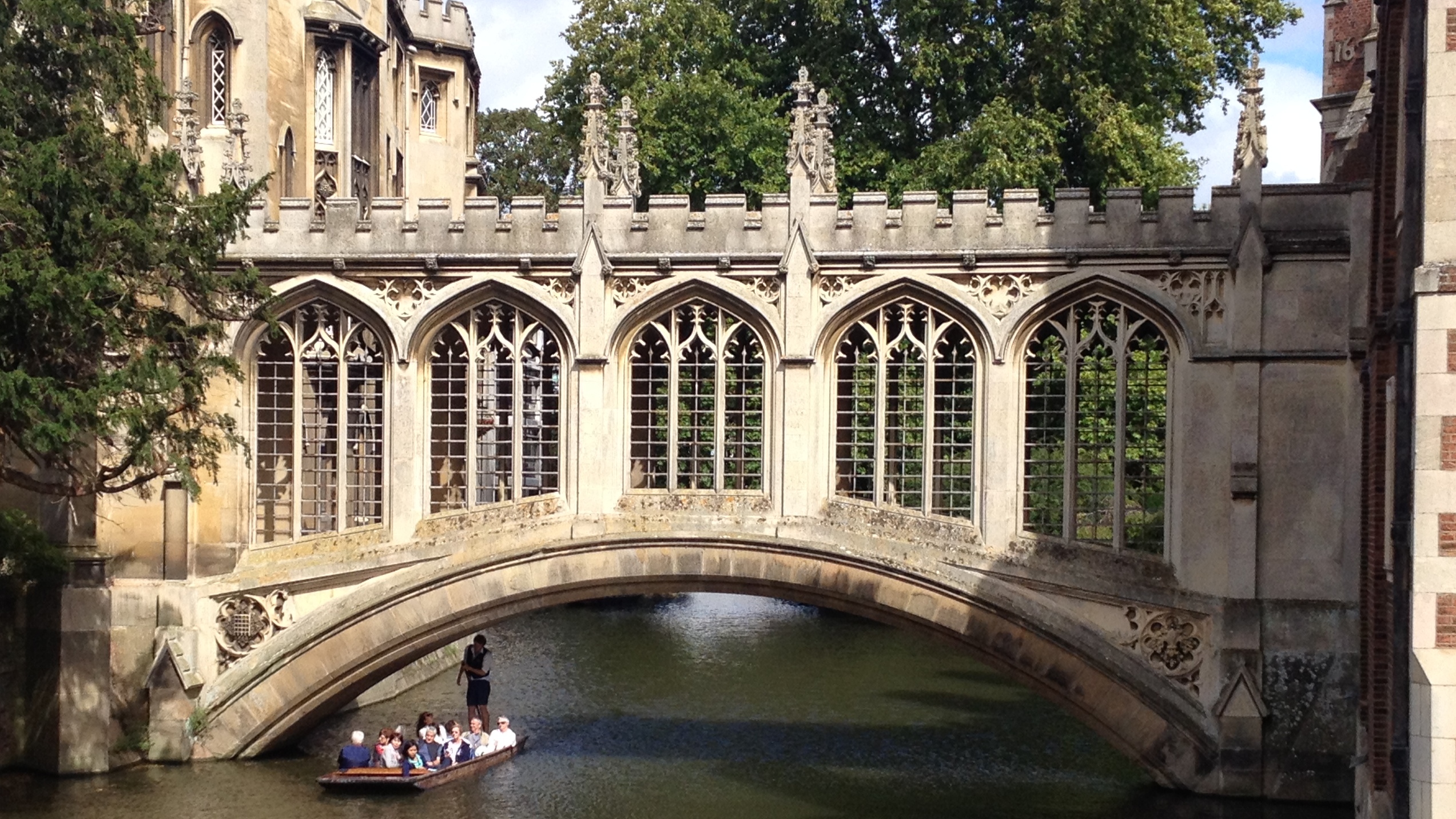
Bridge over the River Cam

Bridge over the River Cam


Every Day I Shall Have a Chocolate Croissant

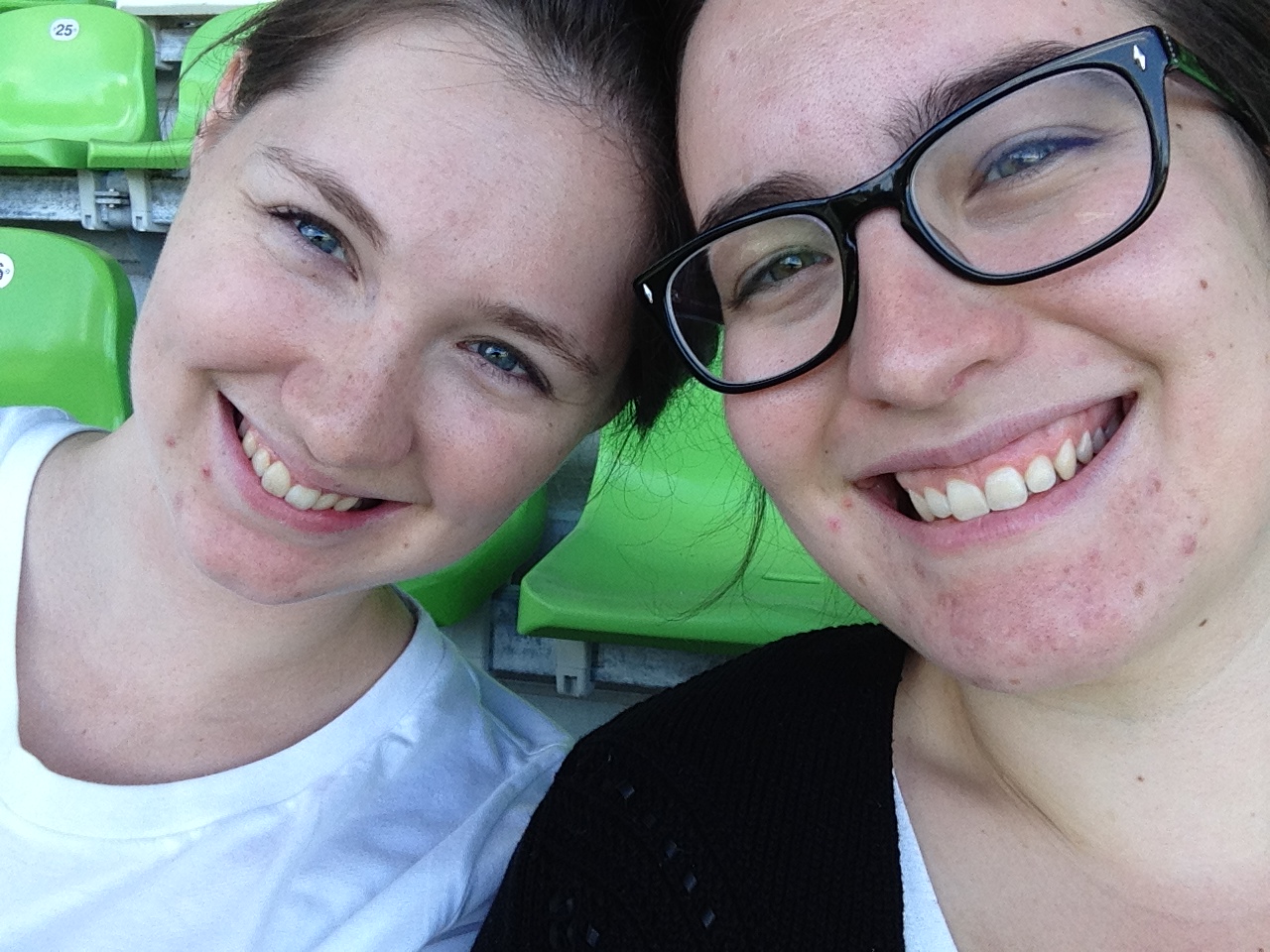
Katie Ackerman (Right) and I at the Reutlingen SSV match on Saturday

Week One in Reutlingen

Five Valpo students arrived at the Stuttgart airport Thursday noon, hauling our lives around in suitcases, energy sapped, but enthusiasm mostly intact. Four of us: Brittany, Alan, P.J., and I, were bound for Reutlingen and the Valpo Study Center there. The fifth, Katie Ackerman was tagging along until she could move into her apartment in Tübingen. Of the five, I think I’m the only one to have never visited Europe before. I apparently was not as nervous about this as I could have been.

The Reutlingen students and I are all living in Wurmhaus, a mostly international student dormitory with a longer name which I currently cannot recall. Theophil-Wurmhaus perhaps? It’s on the edge of campus, and a short walk from the city soccer stadium, where we went to watch the Reutlingen SSV get Portugaled yesterday. (For those who don’t recall, this is where a scoreless game is finally broken by your team, only to be crushed by the other team a few moments before the game ends. See also: USA v. Portual, 2014 FIFA World Cup.)

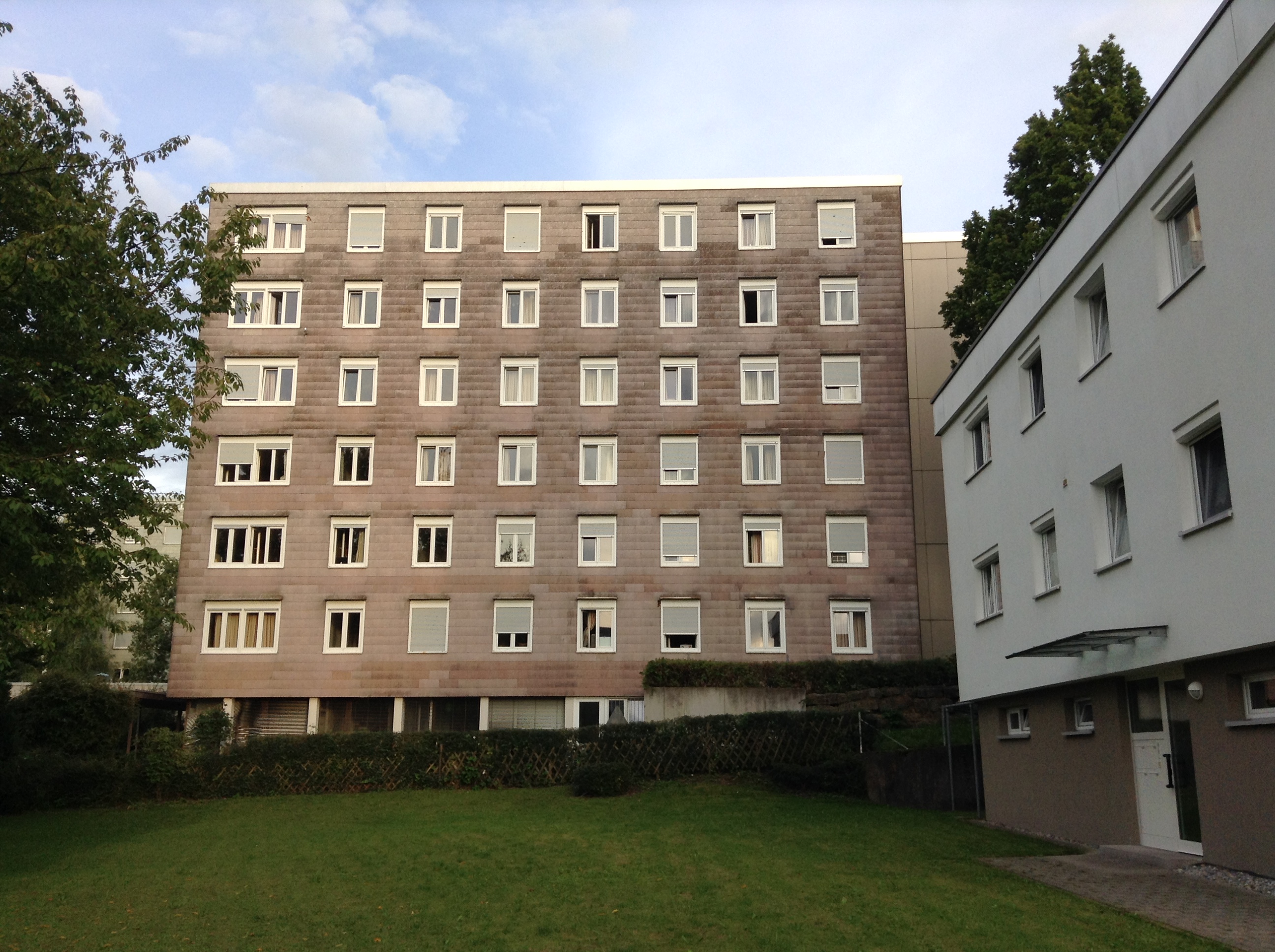
Wurmhaus, Home Sweet Home

Wurmhaus, Home Sweet Home

It’s a longer walk to downtown- about 25 minutes- but the bus runs pretty frequently. Like many cities that are hundreds and hundreds of years old, Reutlingen’s center is filled with historic and beautiful buildings. The Tübinger Tur and Garden Tur are gates from the original castle walls that are still standing imposingly around the city center, or Stadtmitte.

We’ve been exploring our new home the past few days, learning mostly the practical things like where the grocery and train and buses are, but also getting into the beat of the rhythm of life here. We wandered through the Reutlingen Wine Festival Friday. The vendors’ tents were circled all around the Marienkirche, Reutlingen’s cathedral, completed in the 15th century. By nighttime the tables and the paths were full. We stood and chatted over glasses of local Riesling, along with about everybody else in the city. Today we walked through the massive park next to the soccer stadium. The morning rain had pushed slugs and snails onto the asphalt path, which grossed me out. (Brittany found them quite adorable, and asked that I tell you so.)

But perhaps the most important place we have been introduced to is the bakery down the hill from Wurmhaus. It’s open every day. It serves delicious coffee and baked goods. It’s less than a minute walk from our dorm. The best part, however, would have to be the Nutella filled croissants they make EVERY DAY. This is possibly the greatest thing mankind has ever invented. I now have breakfast plans for the entire semester. Done.

Home for the Weekend

After a 17 hour flight, we arrived safe and sound in Johannesburg, South Africa. Very quickly, we were immersed in a new and exciting culture through visits to museums and time spent with representatives of political parties. The most insightful experience for me, however, was the weekend we spent in Soweto, a township in Johannesburg. During that time, a fellow student and I lived with a family of four. We enjoyed spending time with the family and getting to know their cultures, Sutho and Zulu. The mother of the household was quite knowledgable, as she grew up Zulu and became Sutho when she married. She had a lot to say about different customs and rituals they celebrate, especially marriage and funerals. She told us about how South Africans have two wedding ceremonies: one “western,” much like what we see in the US. The other is traditional and, arguably, the more important of the two. Before this ceremony, the groom makes a payment to the family and if they accept, the couple can marry. At the ceremony a goat is sacrificed in honor of the couple and the love they share. Without the traditional ceremony, the couple is not considered married in their culture, therefore couples will often marry traditionally before having a western wedding.
Although I learned a lot during the weekend with my host family, I was surprised about how similar things were to families in the United States. I expected life on the other side of the world to be opposite of what I know so well when we it was quite the same, essentially. It was engrossing to see how parents still want the same things for their children and children are still silly and innocent. They go to school and are in activities and family values still matter. Realizing this was the most impactful aspect of the weekend because regardless of location, ethnicity, and culture, we have similarities and there is always a common ground.

Homestay this weekend with a pretty great family

A photo posted by @margaretprunty on

Almost There

Have you ever felt so excited for something in the future that you want to skip everything that comes before it just so you can do it? That’s how I feel about today. Today is the day we leave the United States to travel to Cambridge, England. I’m so close to being there that I can almost feel it, but I have to go through all of the traveling to get there first. I’ve got my bags packed, my e-ticket ready, but I can’t quite get to England yet. So I get to look forward to what’s to come for just one more day.

Here are some things that I am most looking forward to during my time abroad:

1. Traveling. I love seeing new places and visiting cultural and historical landmarks. It really puts into perspective the history of a place when you’ve seen it firsthand. I love taking pictures, and I’m excited to see what beautiful places I can visit and capture. Plus, there’s the added bonus of trying new foods. Who doesn’t love food?

2. Meeting new people. It’s been said that a good motto for life is to do one things every day that scares you, because it broadens your horizons and you may learn to like something that you never thought you’d like. I am not the most outgoing person, but I specifically chose to go to England with a group of people I’ve either never met, or don’t know very well. Meeting new people scares me, but I think that it will enhance my abroad experience that much more if I grow alongside people who are experiencing the same things I am.

3. Making a new home. College is a great time for reinvention. Every year we move into different places with a different group of people. We change so much year to year, and make our own homes with the people around us we love and the environment we’re in. I’m excited to making my home in Cambridge for the year with the people around me.

In just a few short hours, we’ll all be on a plane to Cambridge, and that’s when the fun starts. I can’t wait to start the journey, and I’m looking forward to the memories I’ll make living abroad.

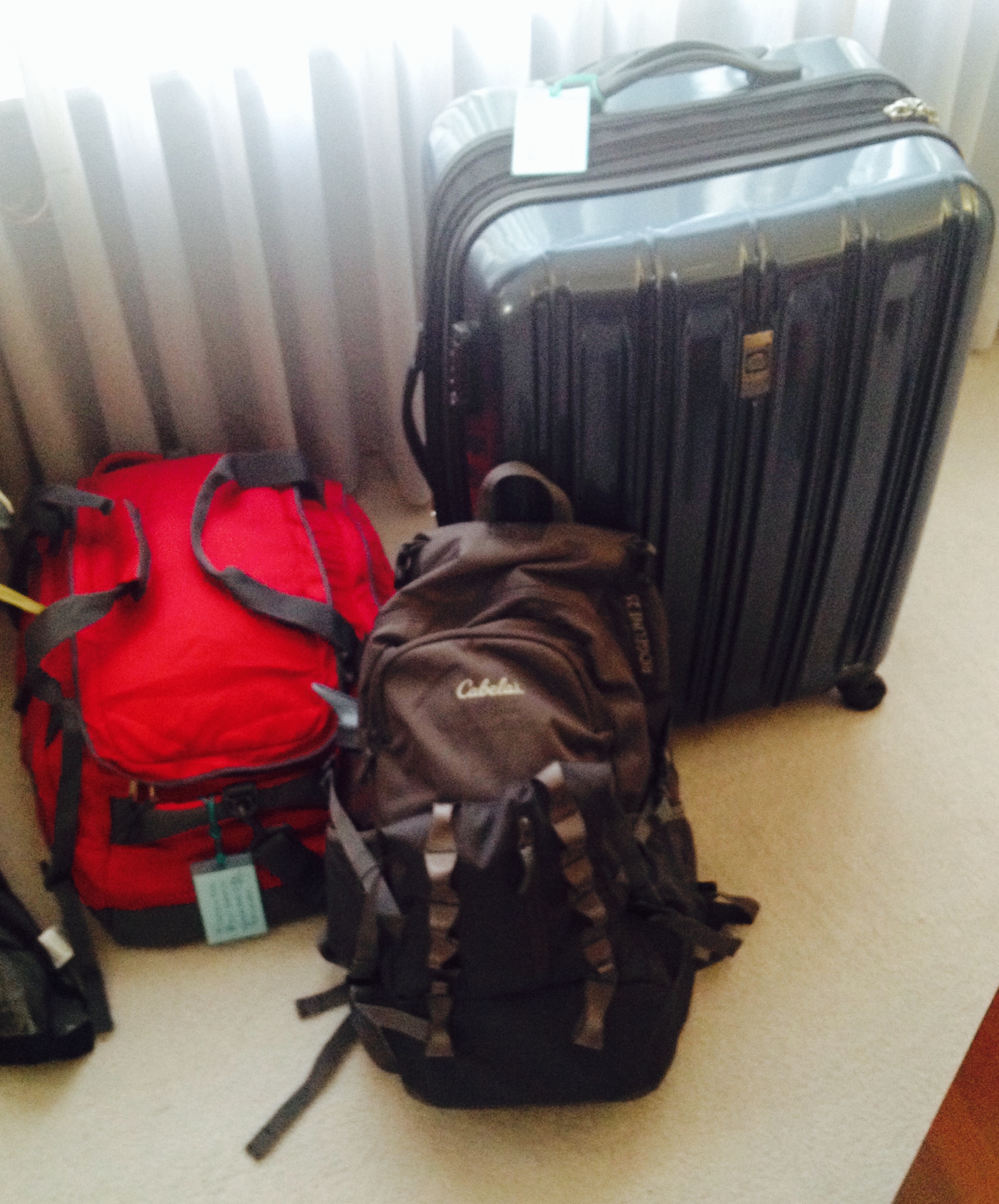
All my bags, ready to go

All my bags, ready to go

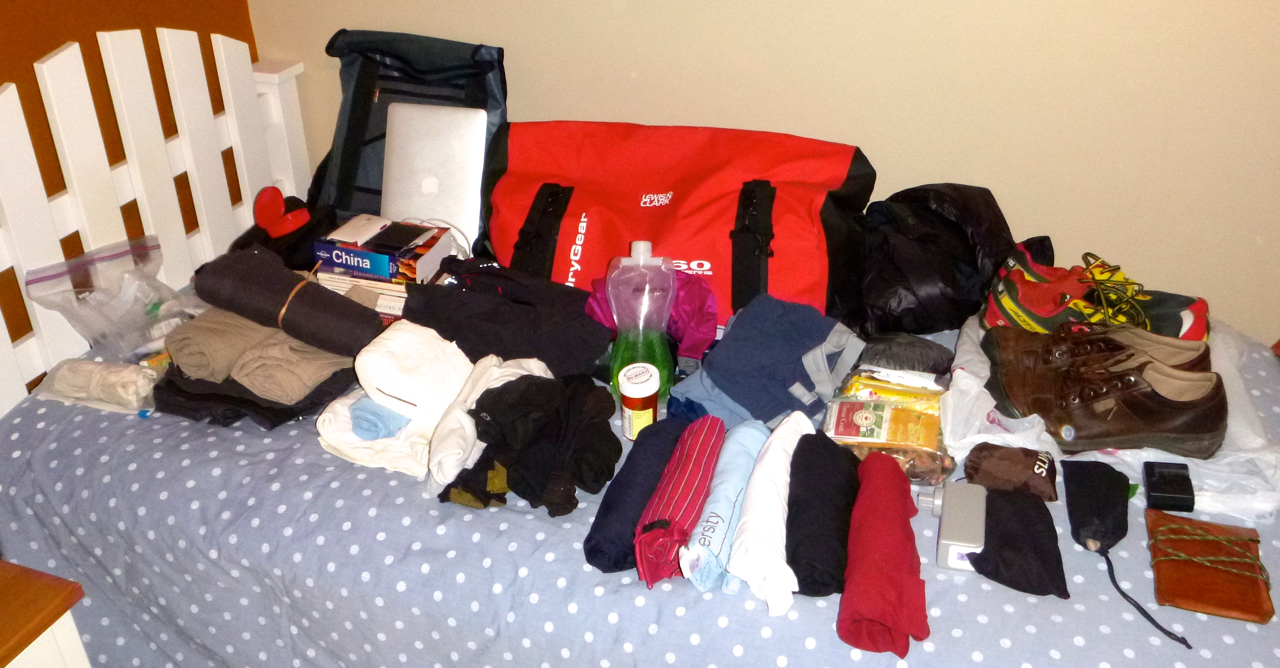
Packing Light?

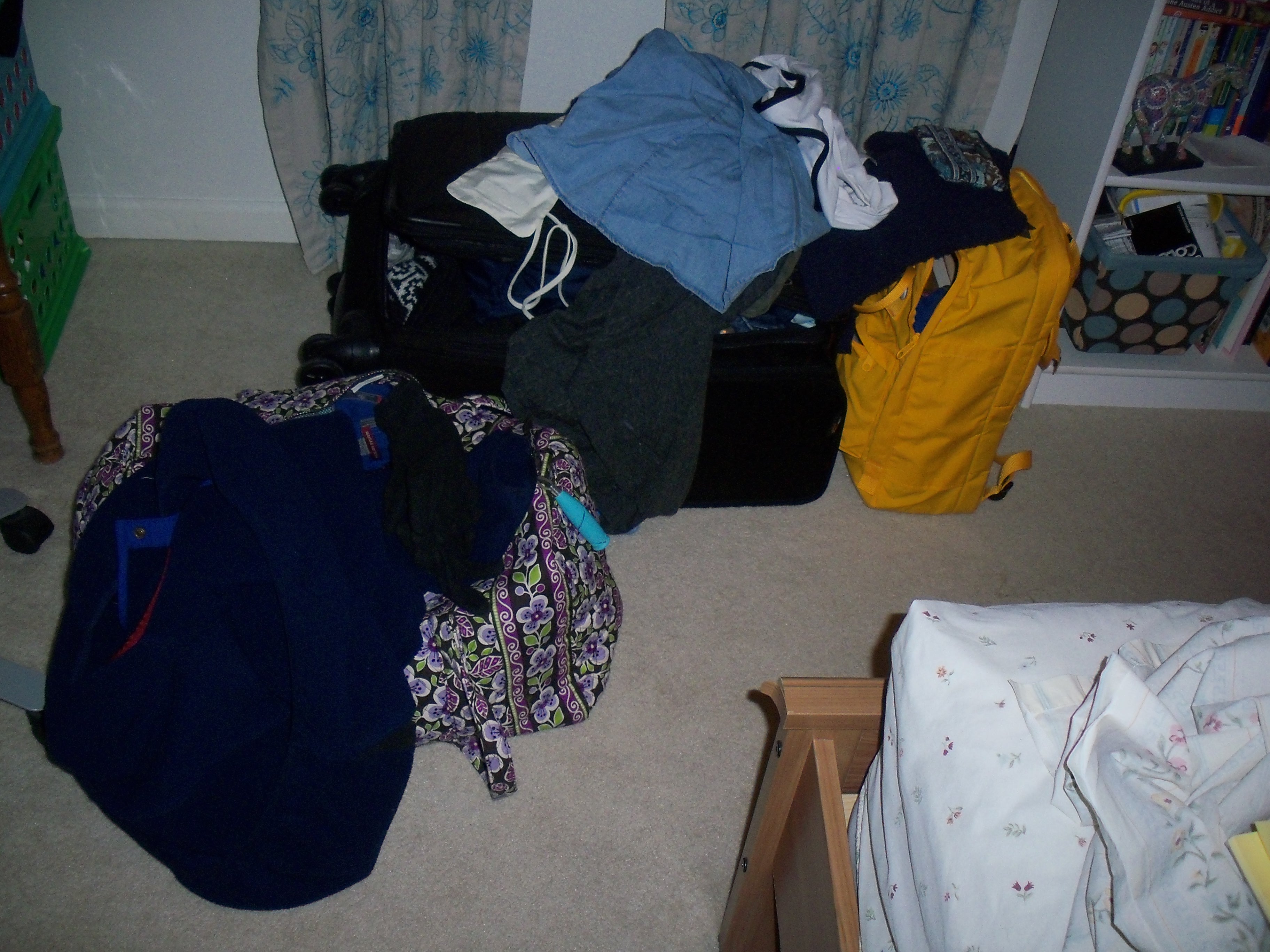
So in my preparations so far for heading to Germany, I have discovered one thing: I am not a light packer. It seems like the last time I had to pack up all of my things for a year away, it was a bit easier.

In the process of trying to pack things for every circumstance, I think that I’ve forgotten my own best advice: I will inevitably forget something and that, in and of itself is part of the process. Forgetting and not being prepared and learning from the things that you forget are not a downfall, but an opportunity to learn something more. And that brings in a myriad of examples of things that I learned whilst I was previously studying abroad and things that I hope to continue to learn when I arrive in Germany.

I like to think of a quote from Rainer Maria Rilke’s novel The Notebooks of Malte Laurids Brigge:

To what end should I say that I am changing? If I change, I do not stay the person that I was, and am something different than I have ever been. It is clear that I don’t have any acquaintances. And I can not possibly write to strangers.

What I like about this quote is although the character sees himself as a something that is constantly changing and how the changes in himself  relate to other people. He still refers to himself as the abstract “I” and, although this is the grammatically correct way of referring to oneself, the linguistic consistency that it provides asserts a continuity between the present narrator and the person that he expects to become. And it is that consistency is why it is important to be reflective when studying abroad. Not because you will change, but because these changes interact with the people and places that you already know and have helped to shape the perspective through which you see the new ones.

So as I am preparing to make a major change in my life, I think of not only the changes that I want to see in myself, but the connections of past influences have had on my life and how they have shaped my decisions up to this point.  This is basically a long-winded way of saying that I know that this year, although in a country that I have previously lived in, is still going to be a challenge, but perhaps in ways that I cannot predict or know.

And I’m most definitely looking forward to learning everything I can- regardless of what ends up in my suitcase.

Hangzhou: First Impressions

It is hard to believe I’ve only been in China for a week. With the exception of the language barrier I feel that I’ve acclimated very quickly to my new life in Hangzhou.

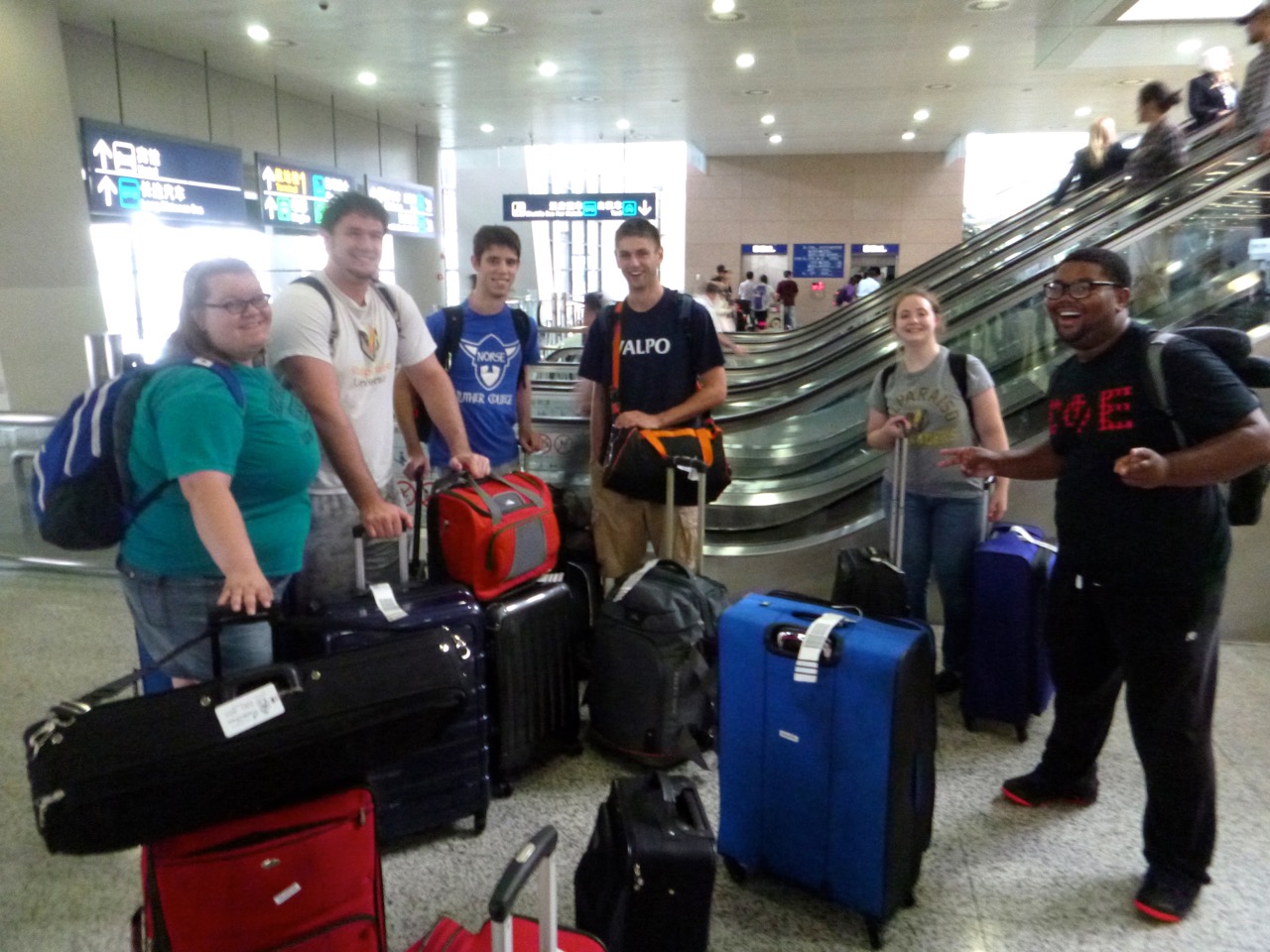
Our group had safe and smooth flight from O’Hare to Shanghai where we met Professor Pati. Even though the flight was 14 hours long we chased the sun westward so the window shades in our 747 were the only respite from continually bright clouds and sky all the way from Chicago to China as we flew over Canada, Alaska, the Bering Sea, South Korea and finally the East China Sea.

We took a bus from Shanghai to Hangzhou, about a two hour trip. It may sound cliche, but as our bus weaved towards Hangzhou I felt as though I had been dropped into a Soviet-era James Bond movie set—the monstrous scale of unfinished apartment complexes, verdant fields and farm houses abutting sprawling power plants, a concrete suspension bridge rising as a sword into the hazy sky, and most of all reddish sunlight filtering through the thick smog.

We spent the next three days exploring Hangzhou. Sometimes as a whole group with Professor Pati and his family, or in small groups or solo. Our wandering walks were thoroughly enjoyable.

Hangzhou truly has a mixed-use transportation grid. Taxis and buses practically clog the streets while bicycles and electric mopeds scurry in and out of traffic, often in dedicated lanes at the edge of the street while pedestrians stroll past various shops and stalls on wide sidewalks. Traffic at first looks to be a recipe for disaster as lanes vanished in intersections—but after further observation it looks as though the Chinese has a much more fluid approach to driving—constantly speeding up, slowing down, weaving around parked cars and mopeds—versus the rigid, aggressive and territorial driving of American cities like Chicago.

Three aspects of Hangzhou though have stood out to me:

First is the widespread aim at electricity and water conservation. Our dorm rations electricity and reduces water pressure to a functional minimum—living at Holden I completely understand the importance of these measures. Recycling receptacles are common sites along city streets and nearly all the apartment buildings surrounding campus have laundry hanging out the window. While the signage and small steps won’t completely satiate China’s consumption it is very heartening to see a government taking conservation seriously.

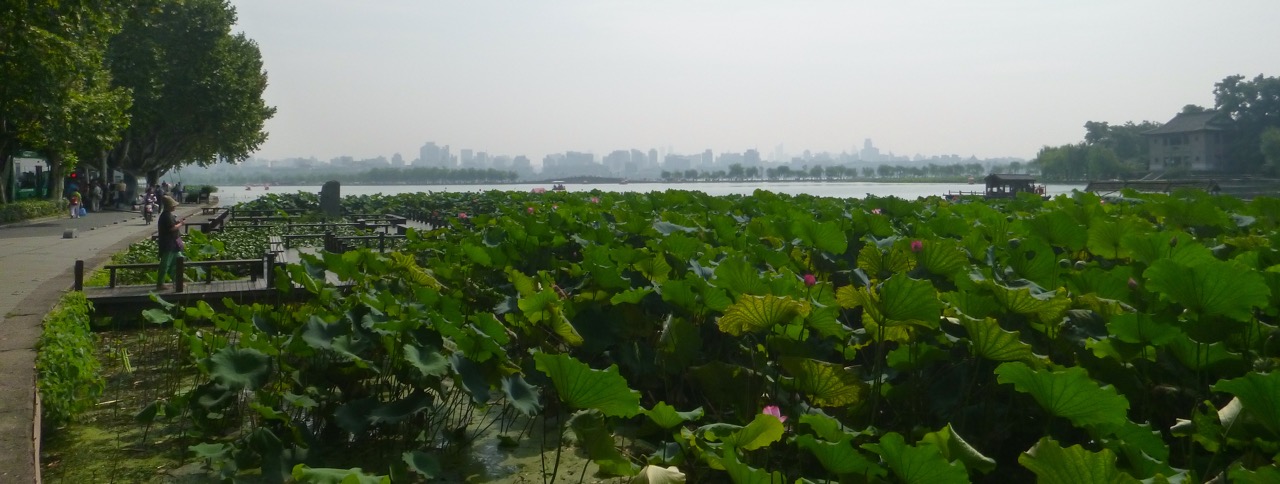
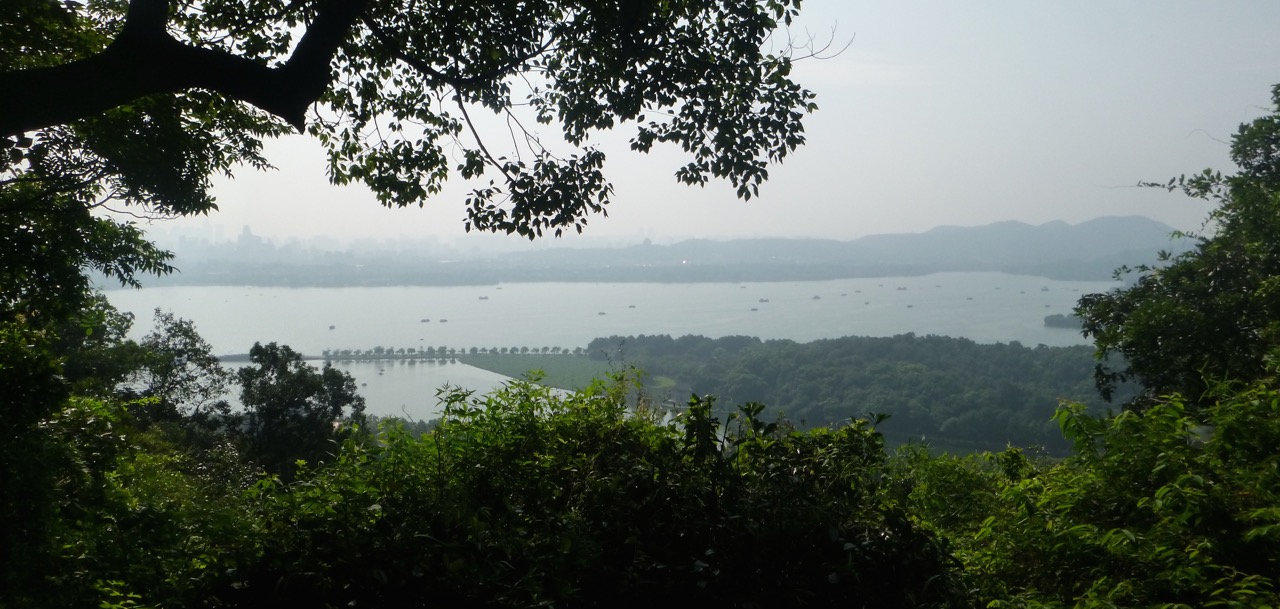
Second, is the absolute abundance of greenery. When the sun is not blocked by smog or tall buildings I often find myself under a roof of leaves—the street just outside my dorm is a verdant tunnel. Shrubs and trees hug the sidewalks and squeeze between buildings. The Zhejiang University campus where I’m living abuts a ribbon of forested hills which contains numerous trails—the ridge trail probably runs at least a dozen miles to the south. Only a mile or so from campus is West Lake (think China’s equivalent of Central Park). I spent on free day walking around the Lake (about 10 miles)—the park space was well maintained and lovely. The use of well-marked paths cordoned off green areas allows lush vegetation to thrive among the throngs of locals and tourists.

Third, the Chinese people are incredibly friendly. Growing up in Eugene I was used to making eye-contact with strangers in passing and saying ‘hello.’ The shear volume of people make that difficult in Hangzhou, but whenever I (or our group) stumbled through a food menu or asked for directions or found a local English speaker they were always more than happy to help. When walking around West Lake I was invited by an elderly gentleman to visit the “English Corner” where every Sunday locals gather to practice their Chinese. Never in the US could I imagine myself (or anyone else) spontaneously spending twenty minutes of my day telling total strangers in a city park about my life, but there I found myself in front of a score of inquisitive Chinese.

Currently I’m sitting in a Beijing hotel room, tomorrow we climb the Great Wall—so more stories and pictures will be coming soon!

P1060221

Shanghai Airport: Still smiling 15 hours later!

P1060260

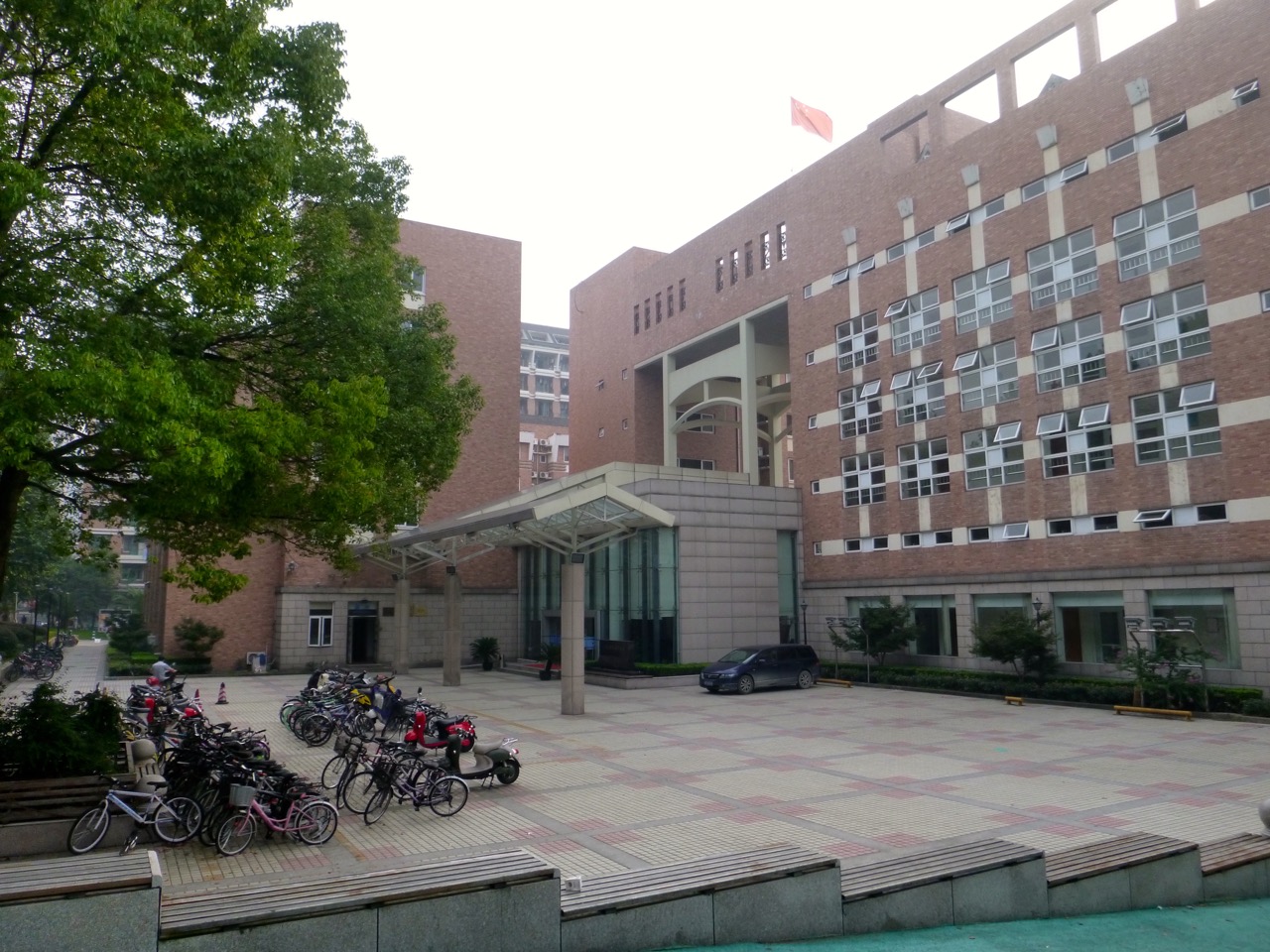
The International Dorm

P1060305

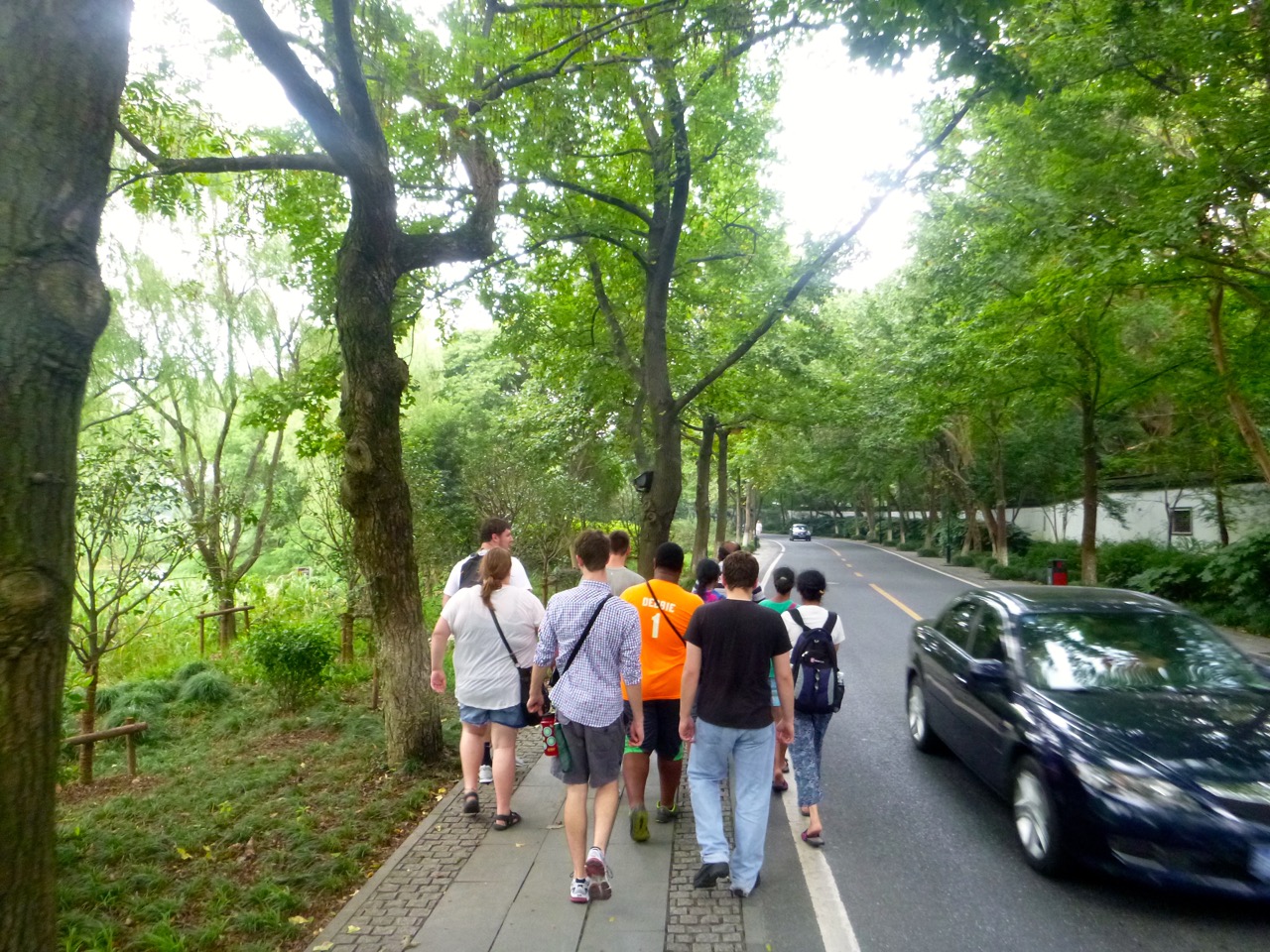
Walking Near West Lake

P1060315

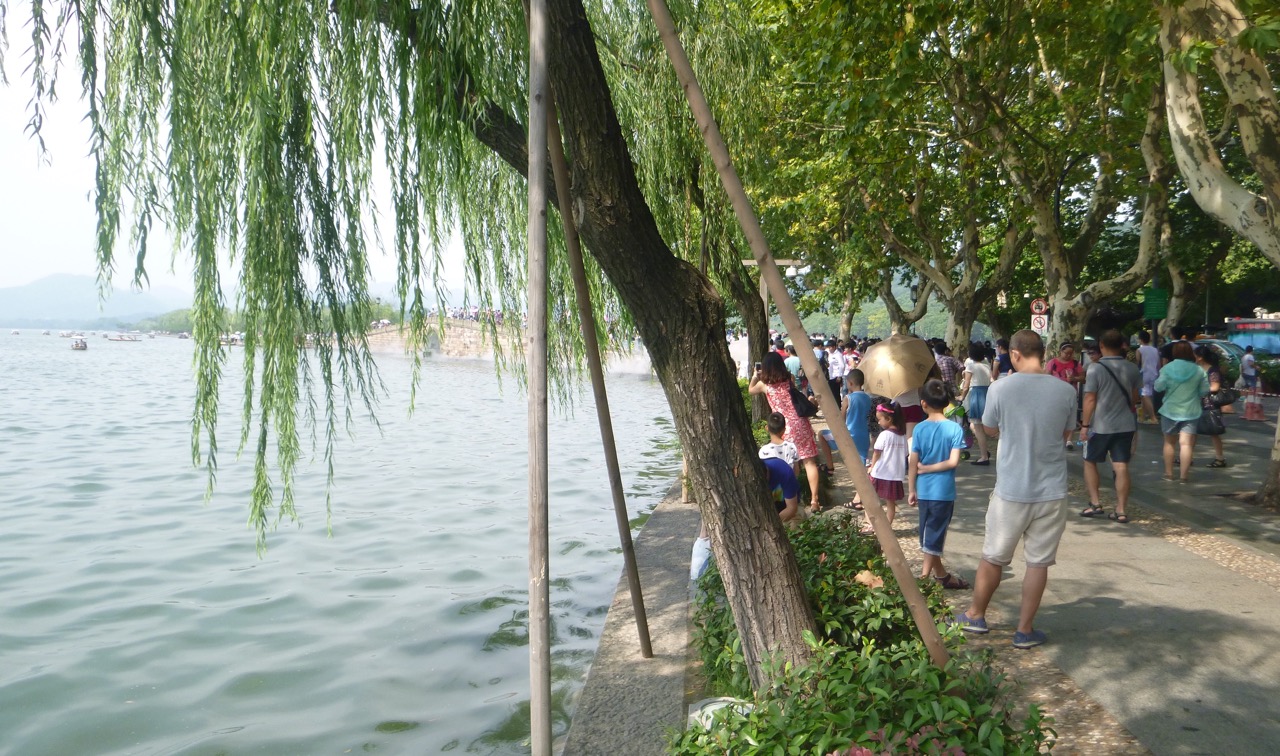
West Lake

P1060317 P1060324

One Hour Until Departure- Kansai Gaidai University, Japan

In a few short hours I’ll be heading for the airport.  In just about twenty four hours, I’ll fly from Chicago to Hong Kong to Osaka.  It’s hard to believe that it’s already time to leave; the summer has really flown by.  After packing, repacking, and shoving my clothes here and there, my belongings are finally ready to go.  I am somewhat anxious, in both the good way and the bad way.

On one hand, I have travelled internationally a few times in the past, including a long flight to China when I was very young.  I’m fairly confident in my Japanese and the staff from Kansai Gaidai will even meet us at the airport to help us get from Osaka to Hirakata, where the university is located.  On the other hand, this is the first time I’m completely responsible for my own travel and the first time I’m travelling internationally without a parent or guardian.  Most troubling for me is that my family will be more than the usual two hours away.  If I run into a problem, I’m mostly on my own to deal with it.  But that’s what being an adult is about, and while I’m worried, I’m also excited to see what I can do.  I’ve been wanting to test my Japanese language skills for some time and sometimes problems are a good (if stressful) test.

My lovely family!  It's hard to believe that I won't seem them again until Christmas time!

My lovely family! It’s hard to believe that I won’t seem them again until Christmas time!

All things considered, I’m extremely excited to be studying in Japan this semester.  I have wanted to go to Japan since I was a child eating sushi and teriyaki.  I’ve studied Japan’s history and culture in class and now I will experience it firsthand.  My language partner at the university and I have been messaging for a couple of weeks now and we’ve already made plans to go places and do things together.  I absolutely can’t wait!  If only the travel time was shorter…

Hangzhou, China: Tomorrow*!

With the exception of a few hours in Canada I have never been out of the United States, now I’m less than 48 hours away from beginning four months living on the opposite side of the globe. Wow.

At this time tomorrow I’ll be boarding a Boeing 747 at Chicago’s O’Hare Airport with half a dozen of my Valpo peers and a couple students from Luther College in Iowa for a direct flight to Shanghai. At the Shanghai Pudong International Airport we will meet our Valpo advisor for our semester China, Professor Pati who holds the Surjit S. Patheja Chair in World Religions and Ethics at Valparaiso University.

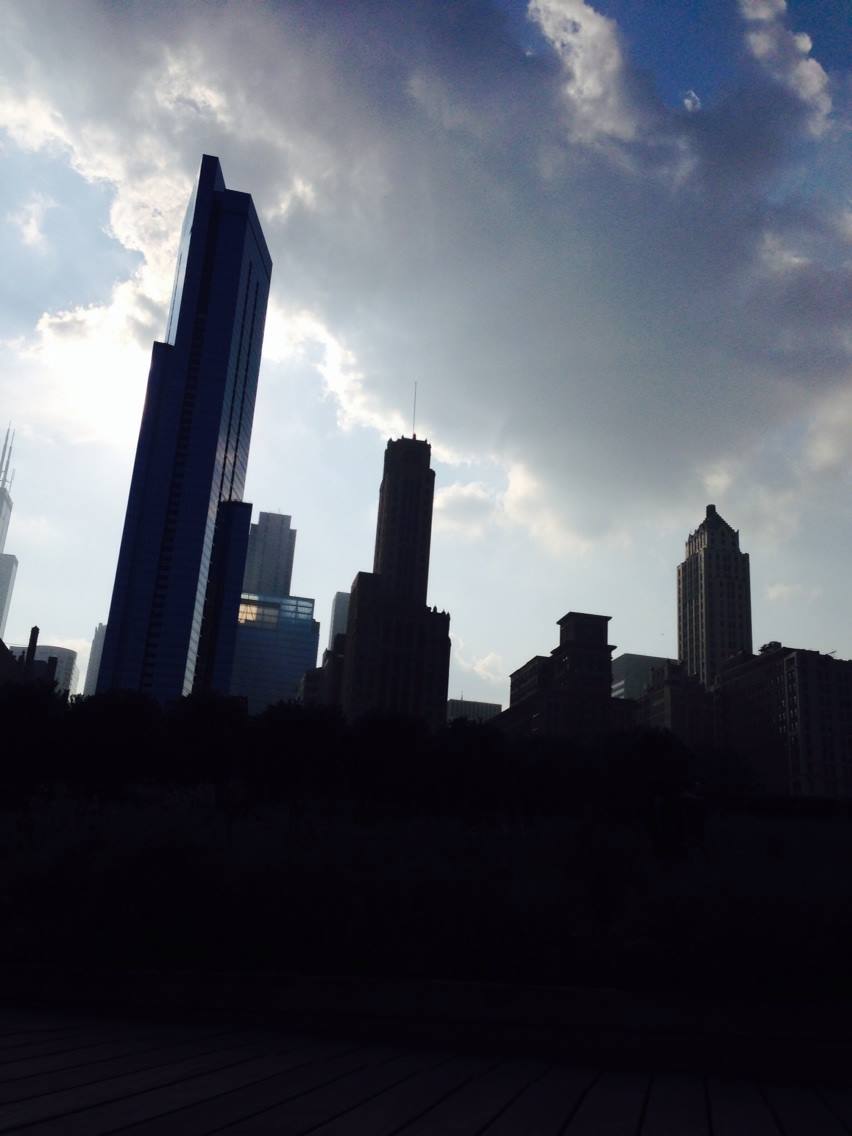
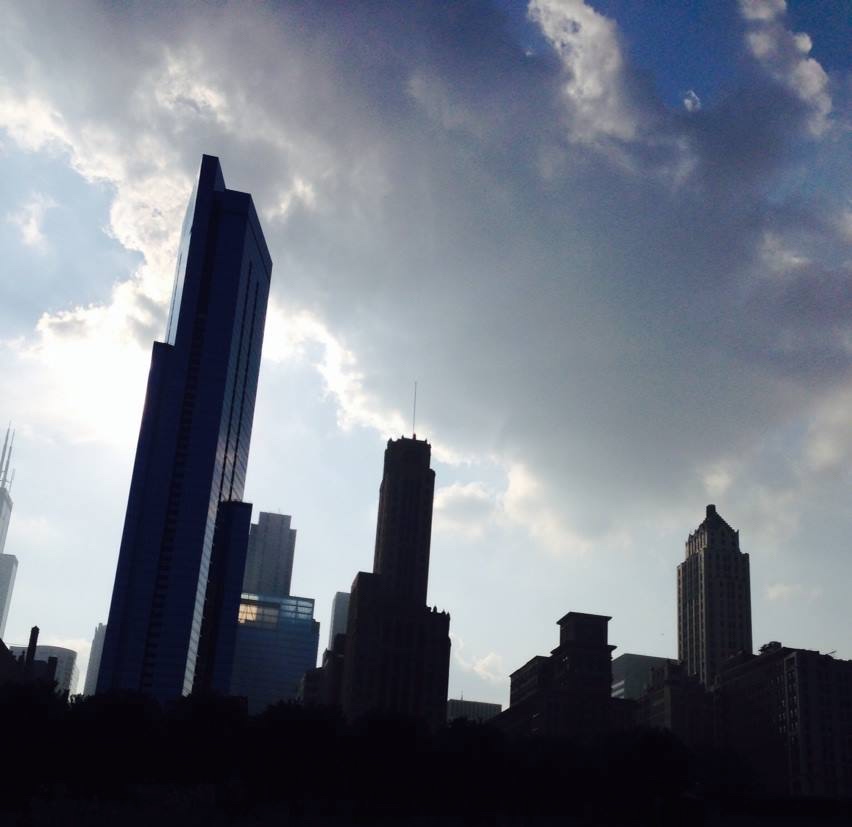
The Chicago Skyline from Millennium Park

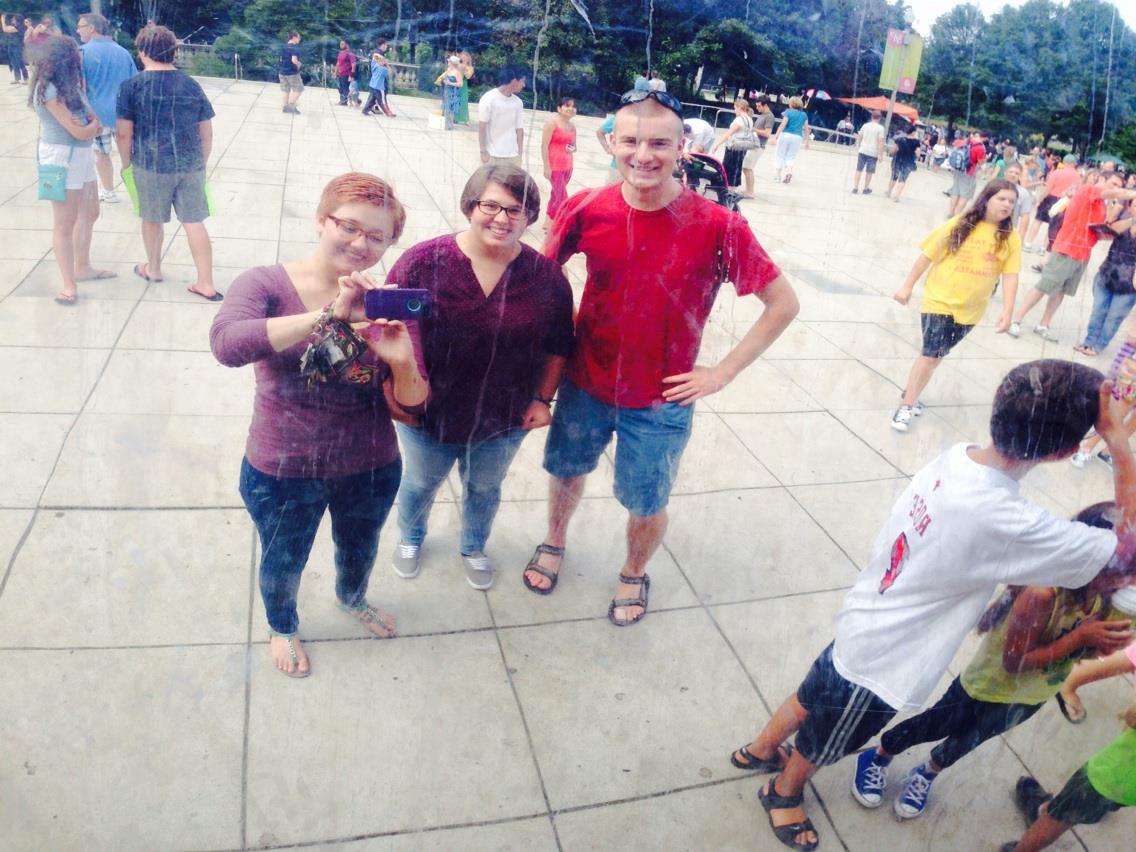
Hanging out with Valpo friends at the Bean yesterday.


I arrived in Chicago yesterday after spending a short month at home in Eugene, Oregon filled with camping and hiking adventures. Going to school at Valpo and spending my summers working in Alaska I’ve become a fairly decent domestic traveller and I hope my compact packing and public transit experience will translate to an smooth time across the Pacific.

Packing almost done!

My knowledge of Mandarin is nill, as an engineering major the semester in China for me is purely for the experience. I’m especially glad that most of my peers know some Chinese and have travelled to China before. We will be living in an international dorm building on one of Zhejiang University’s campuses in Hangzhou, China. Besides taking Mandarin we will also have classes on Chinese History and East Asian religions.

Given that this is my first time overseas I’m not at all sure what to expect and have thus tried to keep my assumptions to a bare minimum. I expect my biggest difficulty will be the language barrier—I’m not good at language to begin with, especially distinguishing subtle tonal differences in words. (How did I make it in choir? Good question, I still don’t know myself.) Therefore I’m going to have to try extra hard to be outgoing and form connections with my Chinese peers. Hopefully the linguistic hurdles I will undoubtably encounter are more often humorous than frustrating.

Although I will be far more informed about my new city in a few weeks I also realize that the “small” (6 million) city of Hangzhou will be a new type environment as well. The ‘big Alaskan town’ I worked in has hardly two thousands residents and barely 50 miles of roads total, Eugene qualifies as a city with a big university and approximately 200,000 people and Valpo is distinctly small town at 30,000. So my brief visits to Chicago are the closest I’ve come to somewhere like Hangzhou. Luckily Hangzhou has generous green space around West Lake which is located near the city center which I look forward to exploring. And explore I shall!


*It might be Thursday by the time we actually get to Hangzhou, not sure how it all shakes out with the International Date Line and time zones.

« Older posts Newer posts »

© 2026 Valpo Voyager

Theme by Anders NorenUp ↑