Valpo Voyager

Student Stories from Around the World

Page 90 of 124

North and Etosha

I just got back from “the north” and I’ve posted some pictures from our time in Etosha so I won’t say a lot, but want to tell you guys about some of the cool things we got to see.

One of the CGE professor’s got married this past weekend, which was our main purpose for traveling to the city of Ongwediva.  It’s about 10 hours north of Windhoek and we stayed at the Rural Development Centre where we got to see some of the new technologies they’re working on to help farmers and improve sanitation.  The ceremony and wedding receptions were in Okatana and Onampira the home towns of the bride and groom.  And yes, wedding receptions, there are two!  It was a traditional catholic service with hints of tribal rituals.  The bride wore the big white dress and veil, there were bridesmaids and groomsmen, and they went through a typical Christian ceremony with church service following.  The exciting part was that you got to relive the reception the very next night, which is always the most fun part of the wedding.  We had lots of food, even cow intestine, and on the second night had a blast dancing with a group of kids.  (It was strange to us that not many people danced at these receptions and the DJ ended soon after dinner).
We spent time at the local trade fair, which was a lot like many of the local fairs we students are used to.  There were vendors from all over Namibia selling tractors, handmade goods, and other accessories, lots of food, booths for government departments and also university advertisers.  So we bought a few of our favorite pieces and had lunch.  “Black and Yellow” came on while we were eating and this had me pretty excited.

I noticed here and in many parts of the north that people are curious about our being here and often stare.  For the most part if you smile and wave it’s received fairly well, but a few times people just continued to stare and I had to brush it off.  I also had to realize that white people were really uncommon in this area and I can imagine that people who are “different” in the United States are also stared at—it’s humbling to be on the other side some times and I think throughout this trip I am going to need to get used to it.

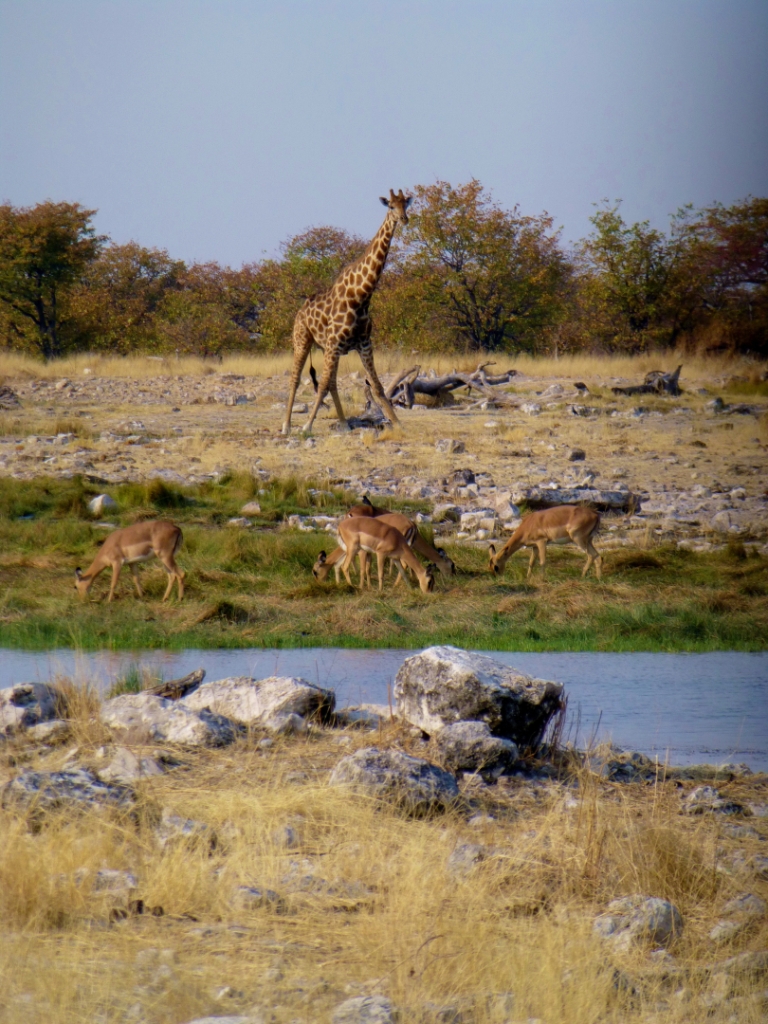
Finally, we headed to Etosha National Park!  It’s a fenced in park where animals roam and within it there are places where people can camp.  The park is almost 9,000 square miles and includes elephants, rhinos, giraffes, zebras, lions, springbok, kudus, so many types of birds, and many other animals.  The first evening we arrived in a camping ground called Halali and had a braai (barbecue).  There was something really homey about a being with the group, taking the time to prepare the food and then roasting marshmallows for smores (using the can opener as your stick).  Overall being at the park was comforting.

We slept at another park called Okaukeujo the second night.  A few of us went swimming and in the evening relaxed by a waterhole where you could watch the animals.  This was definitely my favorite part and I think the pictures will do a much better job of describing how amazing this place is.  This park had a nice restaurant where we tried some Kudu and lamb, which some of us were a little turned off by after having watched Kudu a few hours before.

After one last game drive and some final views of the animals, we headed back to Windhoek to start our classes for the semester.


By Samantha Frisk, more blogs to come soon!

A day in Hangzhou

Hi everyone! Today is another busy day in Hangzhou, as this morning we had our official Opening Ceremony for the international students at Zhejiang University. It is amazing to see so many different people from all over the world in one room sharing a similar goal: to learn more about the Chinese language and culture. Everyone here comes from different backgrounds and unique cultures. It really reminds you just how large the world is, and the endless variations of people you still have yet to meet. And while this idea may excite some people, it might be intimidating to others. That is why I believe it is important to be very mindful of  cultural differences that you may encounter when studying abroad.
During our time here in China, there have been many occasions in which every member of the group (excluding myself) has been stopped in the middle of the street by a local asking for them a picture. While this would be considered not only rude, but extremely strange in America, the Chinese who do this act like it is completely normal. And if there are none who are bold enough to ask for a picture, there are definitely a good amount of Chinese who blatantly stare at anyone who has different physical features than what they are used to seeing. At first, all the attention was sort of intimidating to the group, but now it has almost become second nature to our group.


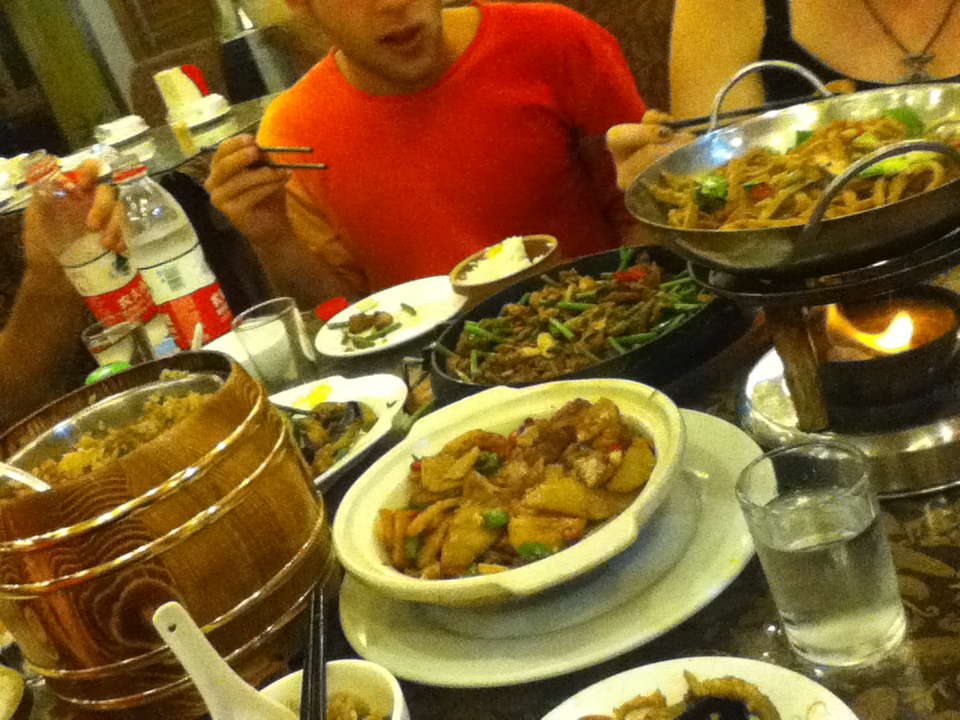
Likewise, some things that we as Americans do are confusing to the Chinese. In China, there is no tipping. You can try to tip, but it is most likely that whoever you are tipping will reject your money, or even chase back after you to return the money. Don’t tip at restaurants, don’t tip the cab driver, etc. Speaking of restaurants, there quite a few items on the menu that may startle a Westerner’s appetite. Don’t be surprised if you see a chicken served with its head still on, or if you are served a fish whose eyeballs haven’t been removed from the face. While it might seem grotesque to some of us, to many Chinese, those are the most delicious and vital parts of the meal! (there is superstition that eating eyeball can improve your eyesight, eating brain can make you smarter, etc.) To those of you who are adventurous enough to try such cuisine, do so! (with care) For the rest of us who aren’t quite ready to take that step, I would just order anything else that looks delicious to you. (trust me, it is definitely possible—China has some delicious food!)


These are just a few of the cultural differences I have noticed so far. Some are greatly different than American practices, but as long as you keep a positive attitude and open mind, you will find yourself easing into your surroundings. If you are planning to study abroad, I would suggest attending some of VU’s cultural events that  they hold right here on campus. For example, if you are interested in studying abroad in China, attend the local Chinese New Year celebration in VU.  It is a great way to slowly integrate into the culture, step by step. This way, you won’t be as flustered once you arrive in a country that are you not yet familiar with.

By: Gloria Llenos, more blogs to come soon!

Where are you from?

Where are you from?

So a couple weeks have passed by, and I’ve gotten that question a lot. I hate that question. It’s frustrating because physically, I appear Latinoamericana, but as soon as I open my mouth, it all disappears. I want to completely integrate myself into this culture, into this society, but I can’t when it’s so obvious that I’m not from here. I do have an advantage over other Americans, however, with my seemingly Latina appearance; I don’t get any prejudice that way. They don’t immediately approach me with a more simplistic approach, speaking slower and carefully as though they might have to repeat themselves. I came here to be challenged, to integrate myself, to be fluent. I want to be treated as though my native language is Spanish, but of course that will take time. Ah, my perfectionistic nature: a blessing and a curse.

I’ve experienced a lot over the past couple weeks. I’ll go more in detail in the pages, but here are a few things so far:

The greetings here are awesome; everyone greets each other with a kiss on the cheek, even if you’re just meeting someone. I even got to greet the Mayor of Valparaiso like this (yes, I met the Mayor of Viña del Mar; you can be jealous). It’s very common and creates a warm environment (but not too warm of course). I was used to this already though because of my international friends at VU; they did this all the time.

There’s a lot of English music here. I thought I would be able to escape from the mainstreams of American pop and such, but it still exists over here. I’ve heard my fair share of Adele, One Direction, and Carly Rae Jepsen over here (still can’t escape “Call Me Maybe”…), but of course, they have plenty of Bachata and Reggaeton to compliment it. In the clubs, primarily, is techno-based music but of course, that is entirely dependent on the club you go to.

The Chilean eating schedule is different, and I actually prefer it to the American. They have a normal sized breakfast and later, there’s the almuerzo. Lunch here is the biggest meal and it’s usually a bit later in the day, about 2pm or 3pm. They usually consist of a simple salad (usually not of mainly lettuce but maybe some raw cabbage, celery, or carrots, and it’s generally salty), the main course (varies), and of course, dessert (usually fruit, but occasionally cake). Then much later in the evening, around 8pm or 9pm, they do something they like to call “tomar la once”. This is their version of dinner, but it’s really not dinner at all; it’s much more of a late night coffee or tea with maybe some bread or something light. Typically it’s time to sit and relax and converse with the family.

There are tons of dogs here…tons. They are roaming around the streets, sleeping in gardens, begging for food; it’s an epidemic and a major issue not only here but all over the country. Some have fleas, but most here are pretty safe to pet. In Valparaiso (the city next door), that’s a different story. They’re a bit more gritty over there, and if one starts to become aggressive with you, reach to the ground and act like you’re about to throw a rock at it (it works; I had to do this on one of my jogs). Generally however, as long as you pay them no mind, they won’t do anything to you. In fact, a lot of them have walked me home before as a bit of protection; they just want love…but you can’t give them all love. So, you learn to deal with it and ignore them a majority of the time.

I’m currently enrolled in 4 courses, 3 at the main campus (Rodelillo) and one at the international center (Montaña).

The way their “Carreras” (Major programs) are different than what I’m used to. When they choose a carrera, it’s a set schedule for all your years of school, which here is 5. There are usually around 15 students per year per carrera, so you’re with these students for every class every year, unless someone decides to change or someone from a new university comes.

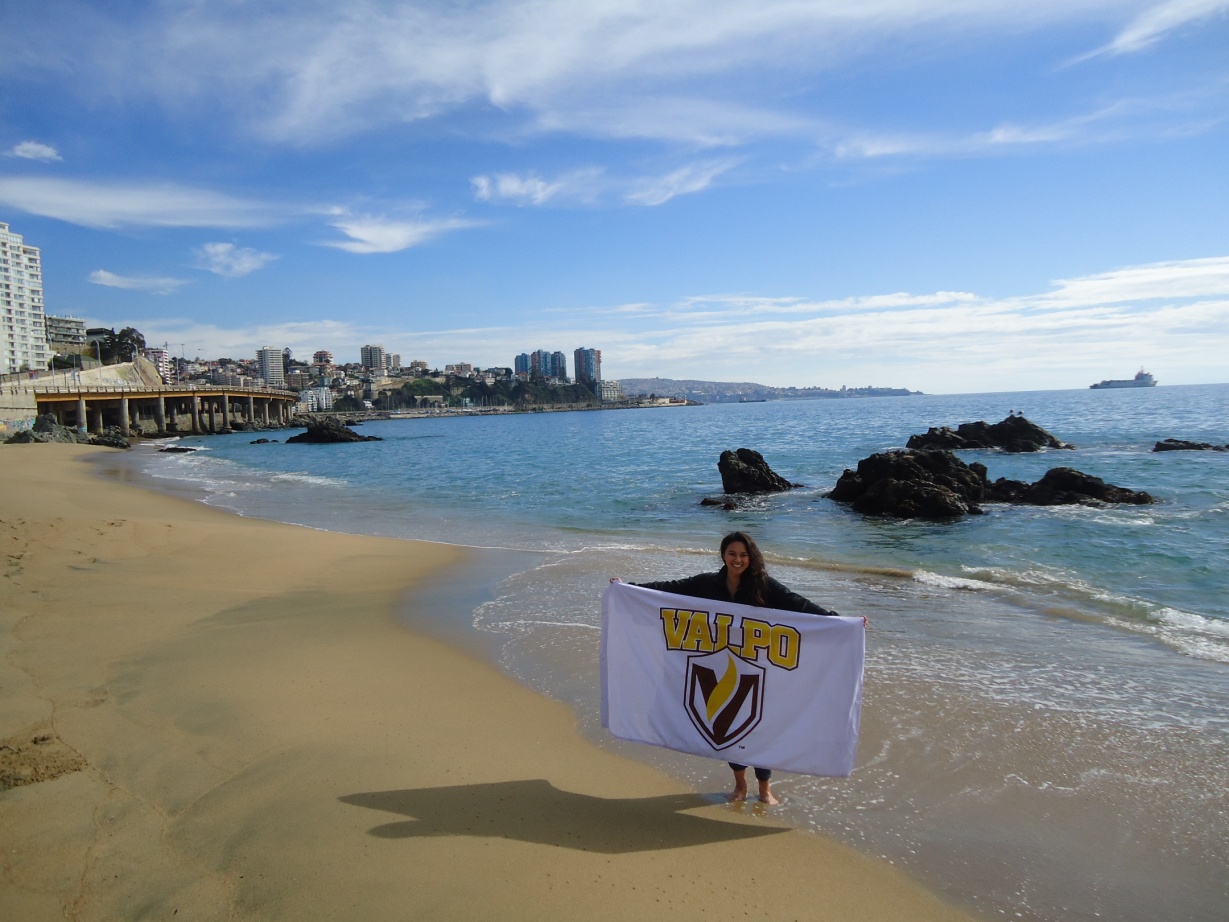
Basically I love everything here. I live within walking distance to the beach, good shopping, and friends from all over the world. Life is good.

[The beach closest to my house]

Oh, and APOLOGIES FOR NOT WRITING IN A WHILE; I’ve been immersing myself 🙂 I’ll do my best to update you more on a regular basis.

Chao chao

By Micaela Johnston, more blogs to  come soon!

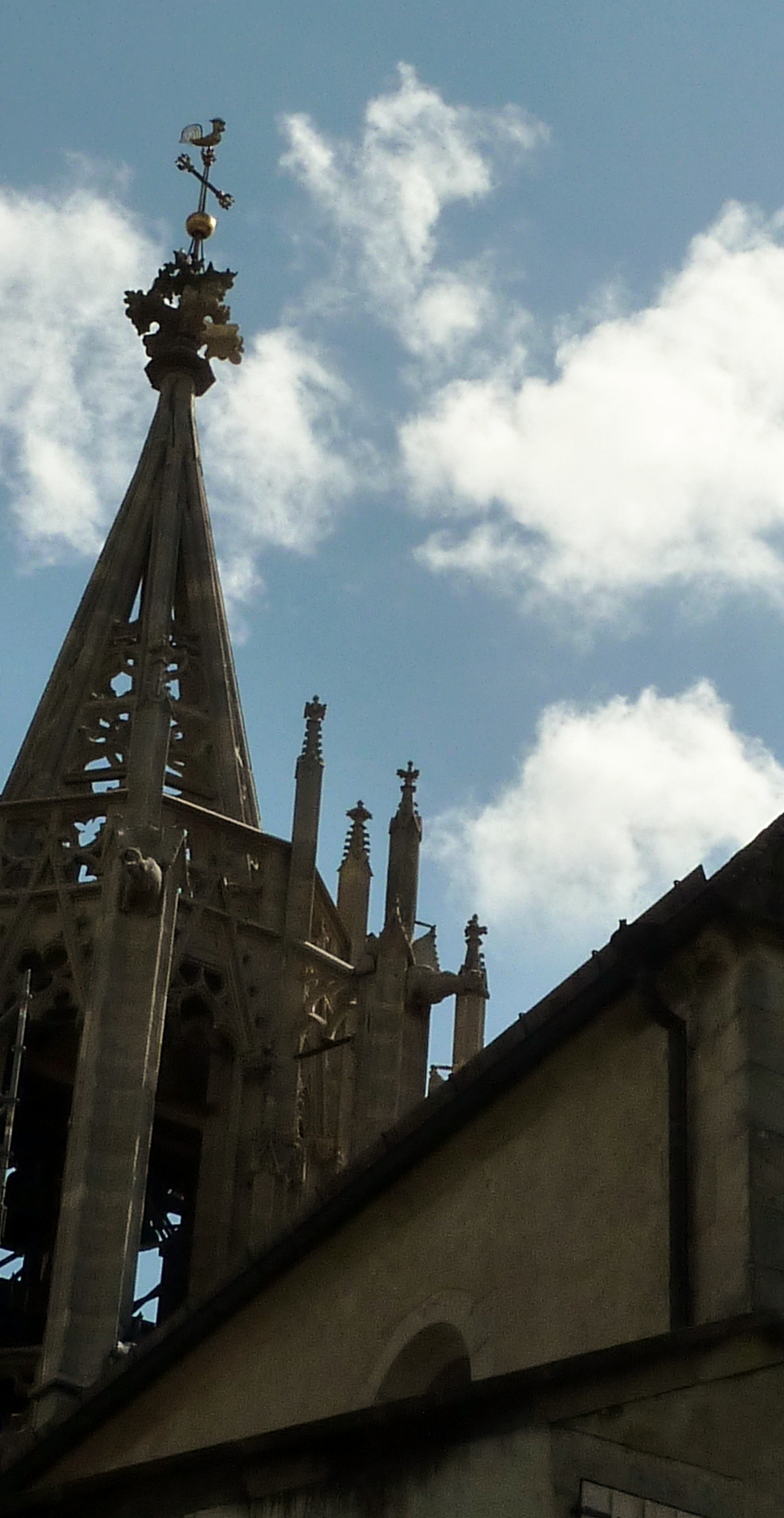
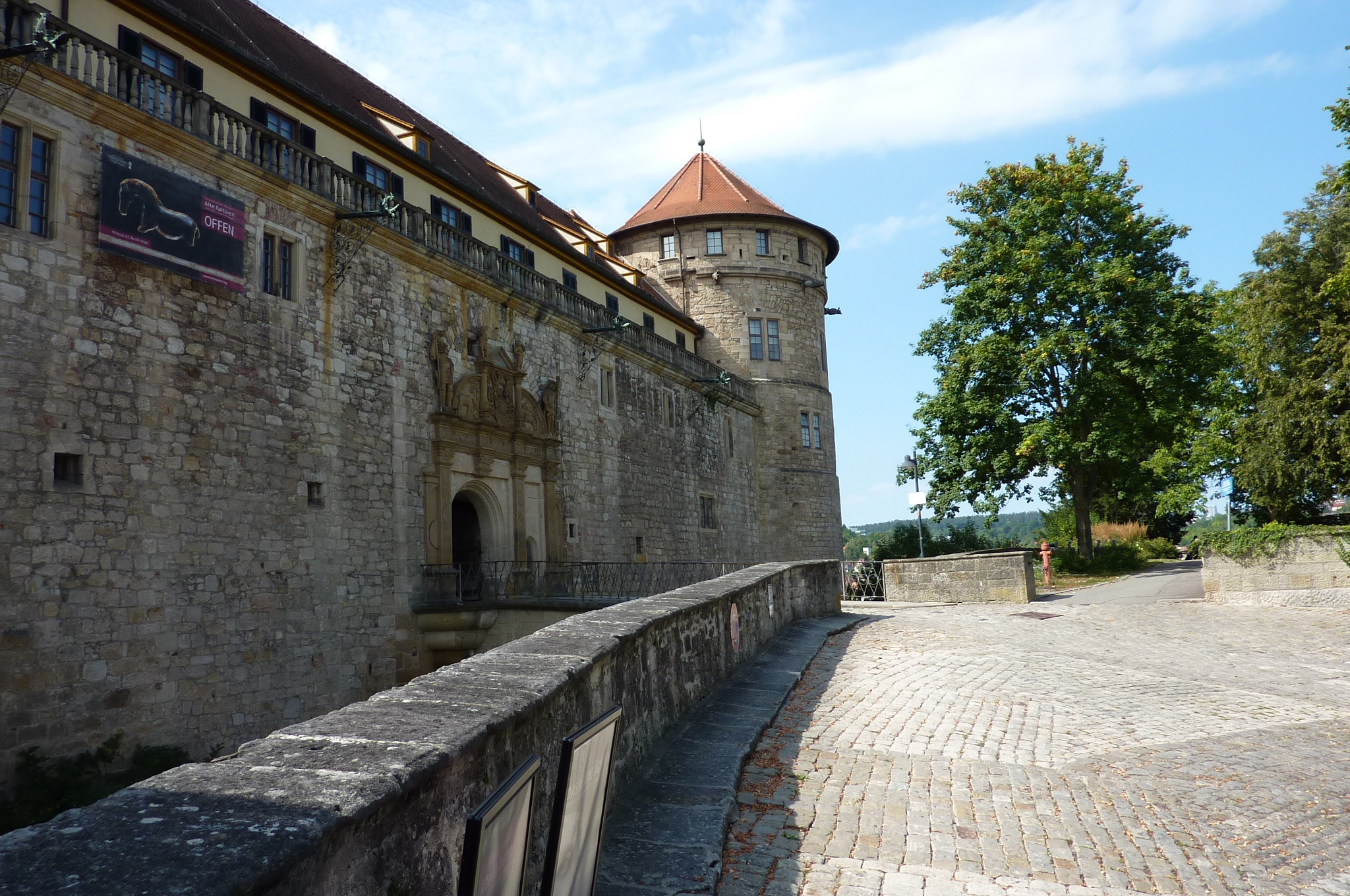
Germany!


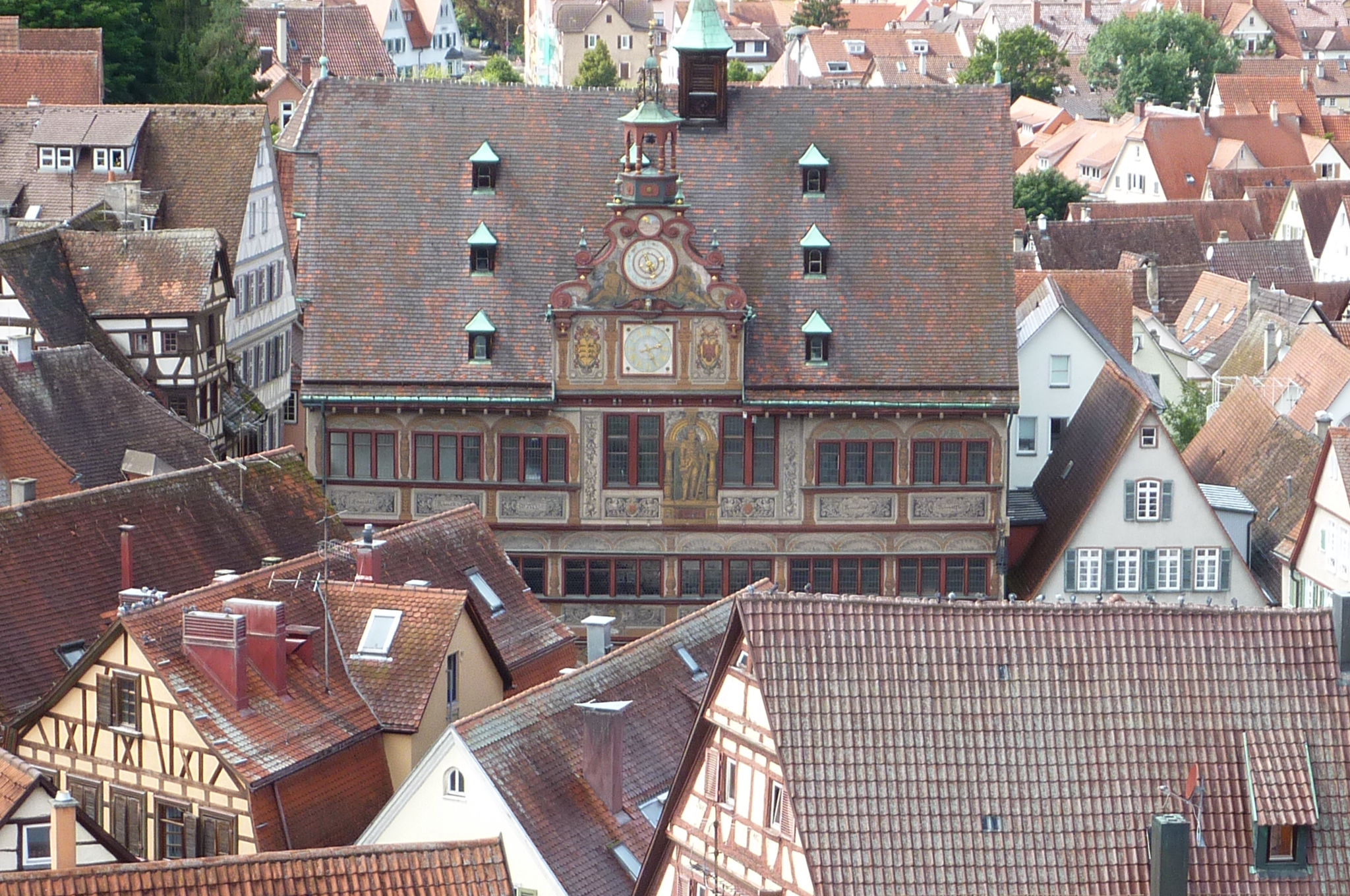
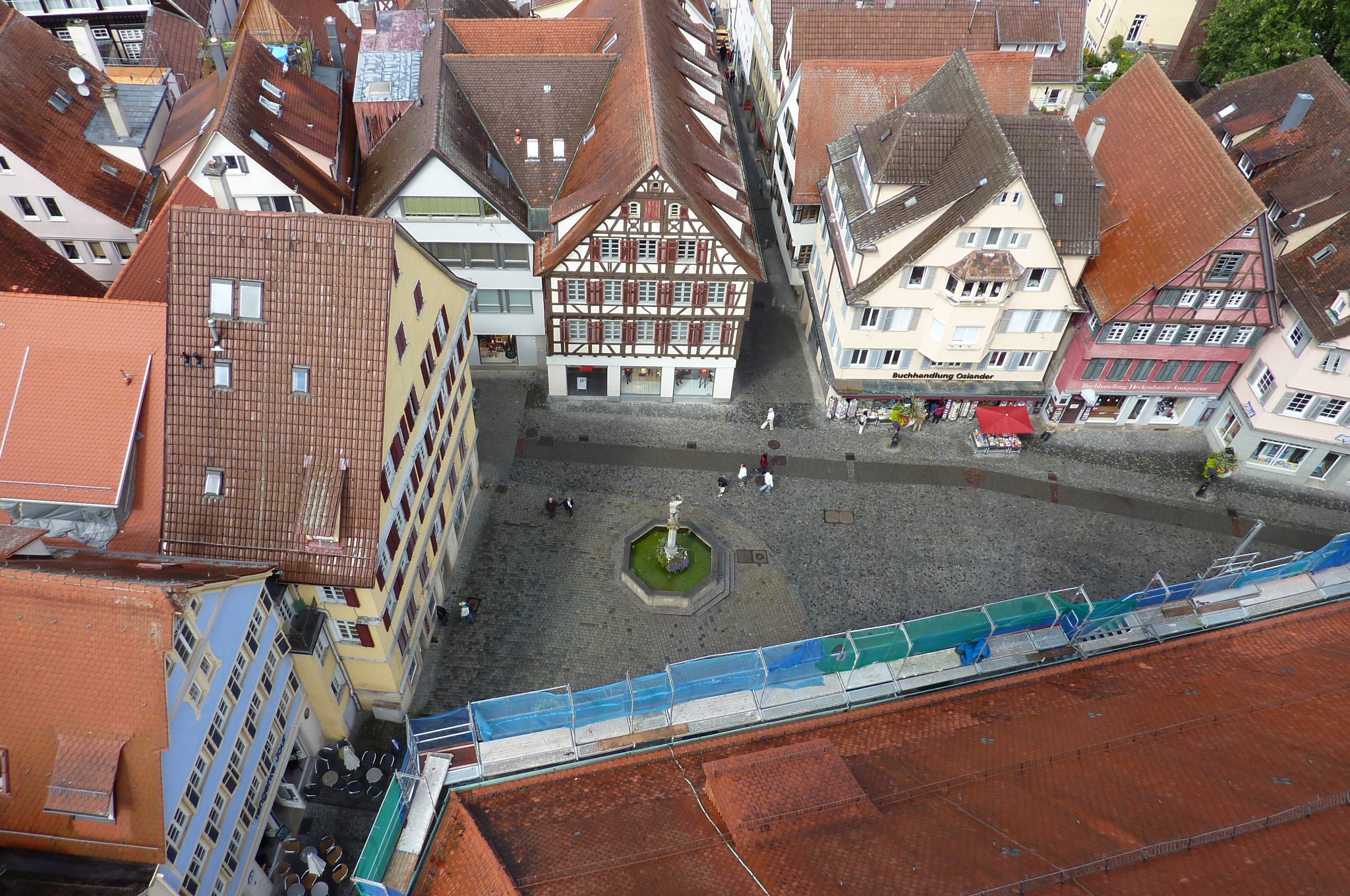
I have been looking forward to going to Germany for a very long time, basically ever since I started taking German as a freshman in high school. Well, now that I have the opportunity to be here, it is basically a dream come true. However, there are some things that one notices as an American that either take a while to get used to, or to acknowledge as normal for Europeans. I expected this before my airplane even landed in Europe, though, because I know that most of what Europe has in common with the United States can be counted on one hand (maybe two). The differences can be put into general categories, such as culture, architecture, and language. These differences are probably what will make up the most exciting parts of my time here. For example, most Europeans speak three languages (including their native language, and probably English) if not more. But it’s ok if they don’t speak English, because why else would I take German for six years and study abroad in Germany for a year if I didn’t want to speak a lot of German while I am here?! Of course I do not plan on spending the whole year in Germany, so culture and architecture will have more of a prominent role during my travels through countries like Italy, Spain, France, England, et cetera.


From country to country, cultures may not differ so much, but compared to the United States there is a pretty big difference. Americans are primarily all about Thanksgiving, Christmas, and (for some) St. Patrick’s Day. Europeans, however, have a lot of different festivals, traditions, and important seasonal times like Spargelzeit (asparagus season) in Germany, and the running of the bulls, which is most famously held in Spain. Differences in architectural style are quite apparent from country to country, though, especially when traveling from North to South.


In cities like Florence, one sees Renaissance architecture literally towering over the city with buildings like the Basilica di Santa Maria del Fiore (commonly referred to as “the Duomo”), one of my favorite buildings in Europe. However, if one goes to London, then Neo-Gothic architecture is seen in buildings like the Palace of Westminster. Different architectural styles can convey completely different feelings and time periods. For example, if one looks at Neuschwanstein Castle in Bavaria, even though it was built in the late nineteenth century, one typically associates a fairytale with its appearance, so it is very much fantastical creation. The Duomo causes me to think about Leonardo da Vinci and humanism coming into existence in art. However, when one sees the Palace at Westminster one is almost overwhelmed with the amount of detail, and is almost forced to think of a monarchy and ornate crowns.


Even with giving just a few examples, one can see how there is so much to experience by traveling just a couple hundred miles in any direction. In Europe, having a building that is three-hundred years old is completely ordinary, and citizens care a lot about their traditions and culture. Experiencing all of these things might be overwhelming for most Americans, but even if it is a lot to handle it will still be worth the while to be submerged up to my neck in a new environment that “spoiled” Americans can’t really experience anywhere in the United States. I guess what I am really looking forward to is having a new experience every day, while being placed in the middle of a real-life history book. The best part is that I don’t have to read hundreds of pages to know different time periods, because I can simply travel to different locations to experience them.


By John Ertel, more blogs to come soon!

Into the Foray

Little questions strike me, for instance; Paisley? Knit? Polka-dot? How many of my dozens of ties will I NEED? Well, really the answer is likely one or two, but this little dilemma is representative of the  wider debacle that presents itself in preparing for 4 months studying abroad.

My name is Gregory Maher, and I will soon depart for the city of lights, oui, c’est Paris! Yes, France shall be my home for a semester, and my program, Paris Internship, is coordinated through Boston University. In France I will take classes with professors from local universities for the first half of the semester to prepare me for the second half, ze internship. My placement I know not, BUT I’m interning in Paris, so how could I lose? Well, back to the present . . .

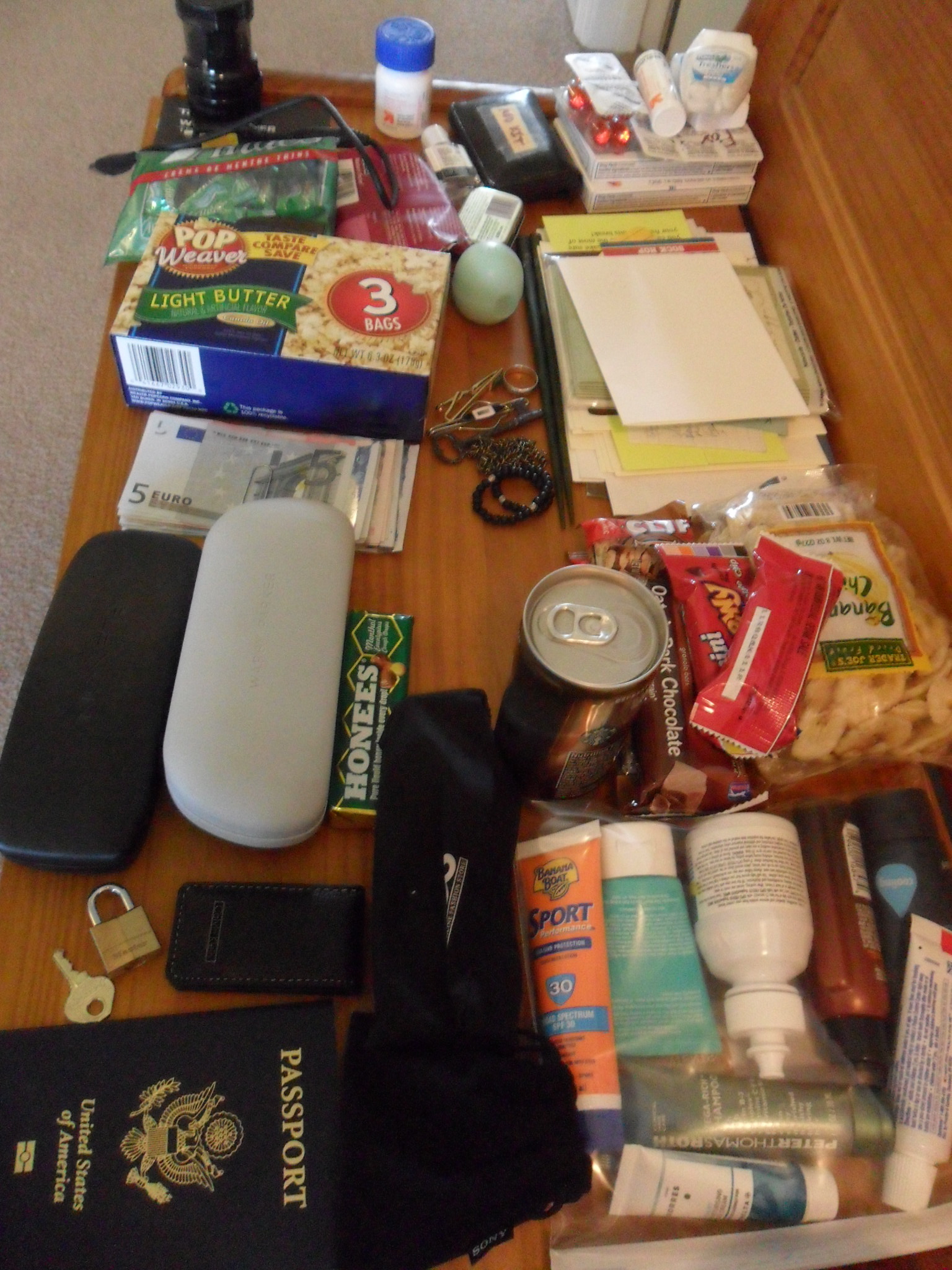
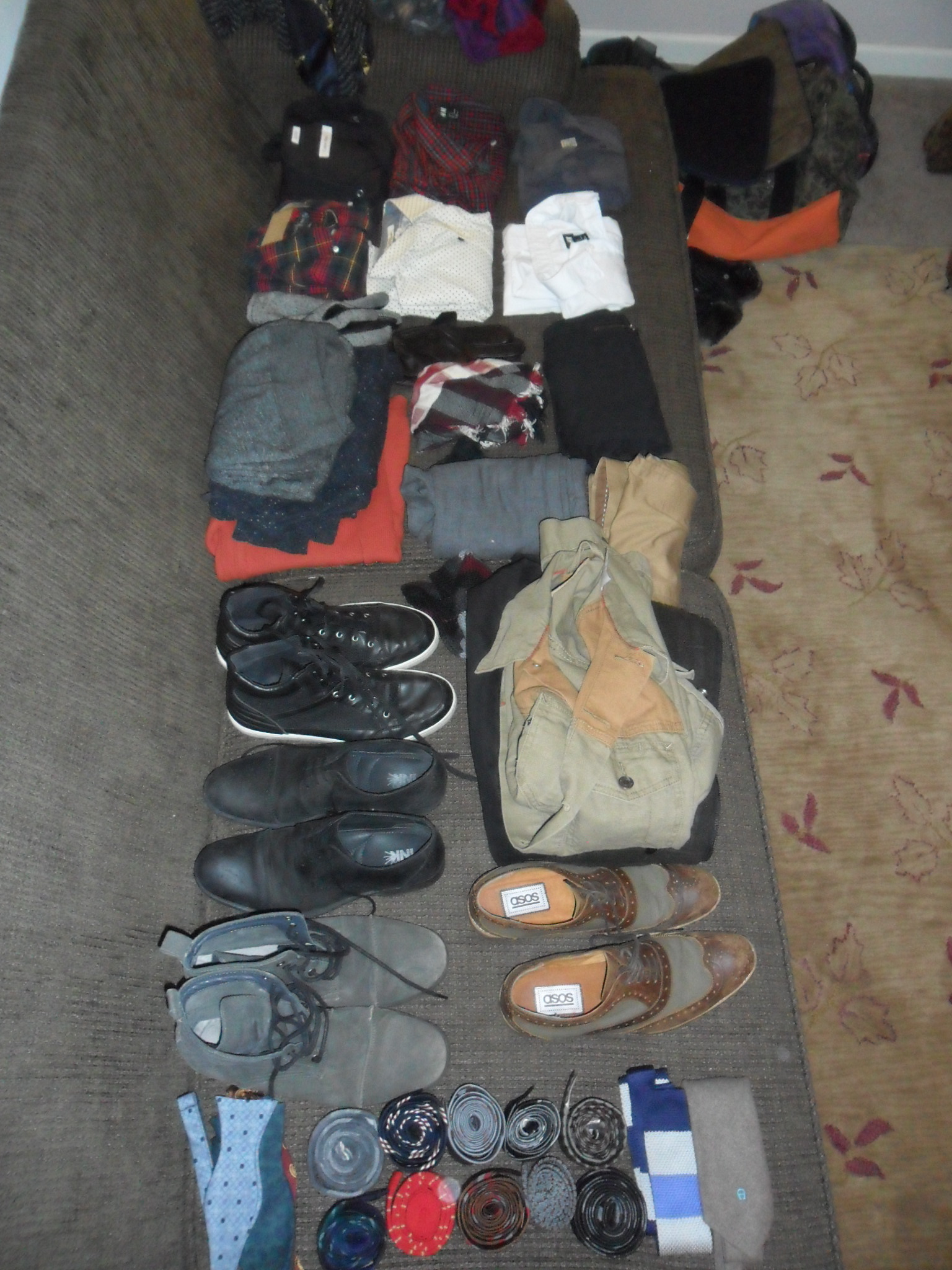
. . .  I am in the midst of preparing my bags for departure, which means I’m making numerous piles of stuff that I “need,” only a portion of which I can actually take. Oh lordy, how’m I to fit my life in these few bags for a whole semester??

As I’m attempting to reserve a shuttle from the airport to my host family’s apartment, my mother tries to convince me I need a passport wallet to wear around my neck at ALL times, while I’m still pondering that eternal question . . . what could Indiana offer that my host family could ever desire as a welcoming gift? Oh well, amidst the tying up of all my loose ends in America, I’ve surely knotted a few in the chaos of preparation. Among the lessons I learned through this process is this:

Truly, it is so easy to get lost in the momentary stresses of packing and preparation- to worry over my ability to revive French vocab long-buried in the recesses of my mind, to wonder if I’ll really be glad I’ve gone when all of my friends and those I hold dear to me are miles and miles away, across the ocean and horizon. I really just have to slow myself down and truly realize the incredible opportunity I’ve been afforded. I smile as I pack away the last of my things, thinking of the new experiences and people I will encounter, and the chance to truly come face-to-face with zis place called Paris. Au Revoir les États-Unis! À Paris!

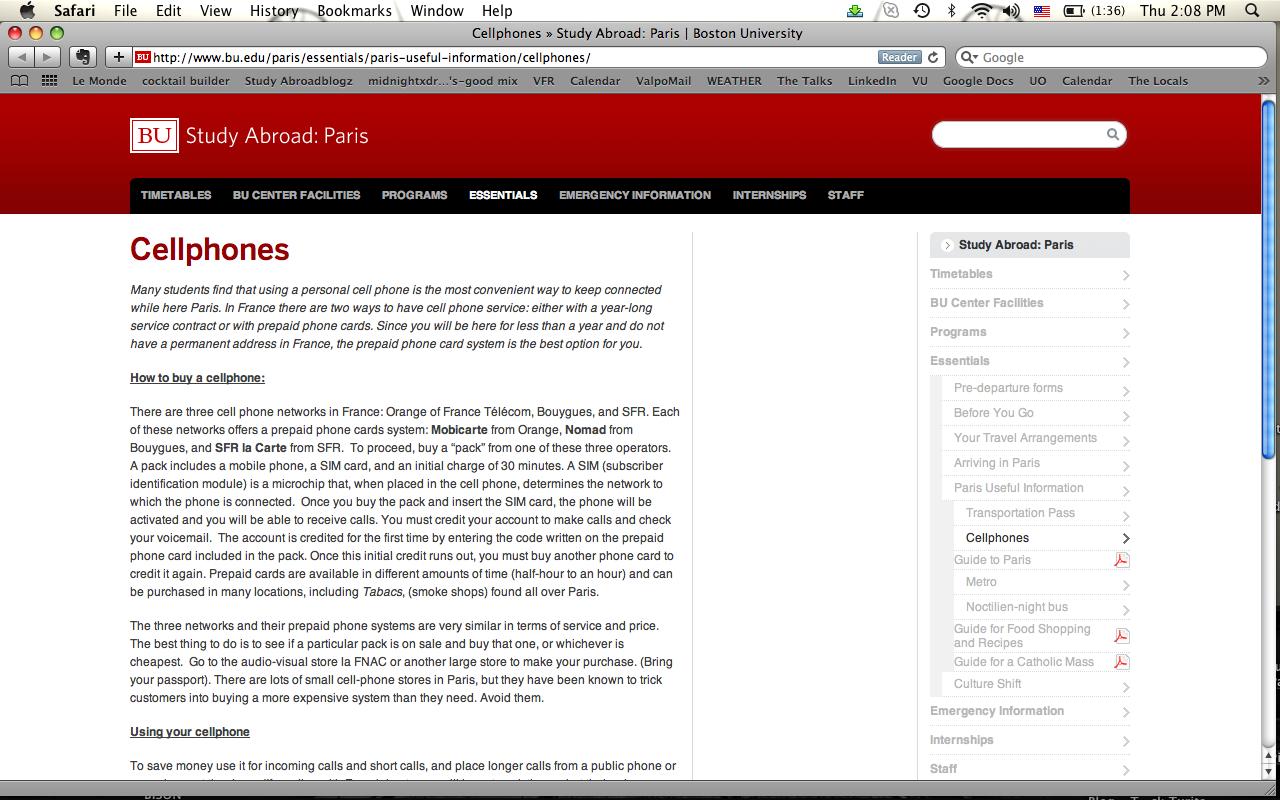
Do your research: the Boston University website for the Paris Internship program actually contains practical day-to-day info (seems obvious after the fact) from obtaining cell phones in Paris to the location of the closest chocolate shops. And yet I did not discover this until perusing the site a week before my departure. Know that there are resources available to you for every question your (at this point, probably neurotic) mind can come up with. How else might I learn that public restrooms may in fact contain a doorman to assist me in my toileting process!

By: Greg Maher, more blogs to come soon!

Culture Shock about the streets

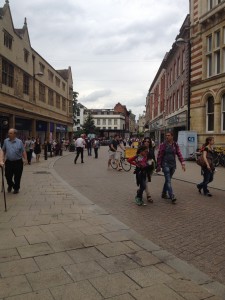
One of the biggest cultural shocks that I have experienced so far would be the life of people on the streets. The very first day that I walked through the streets, my impression was somewhere along the lines of, “this is so adorable!”. The streets are narrow but the buildings are cute, and there was much life on the streets.
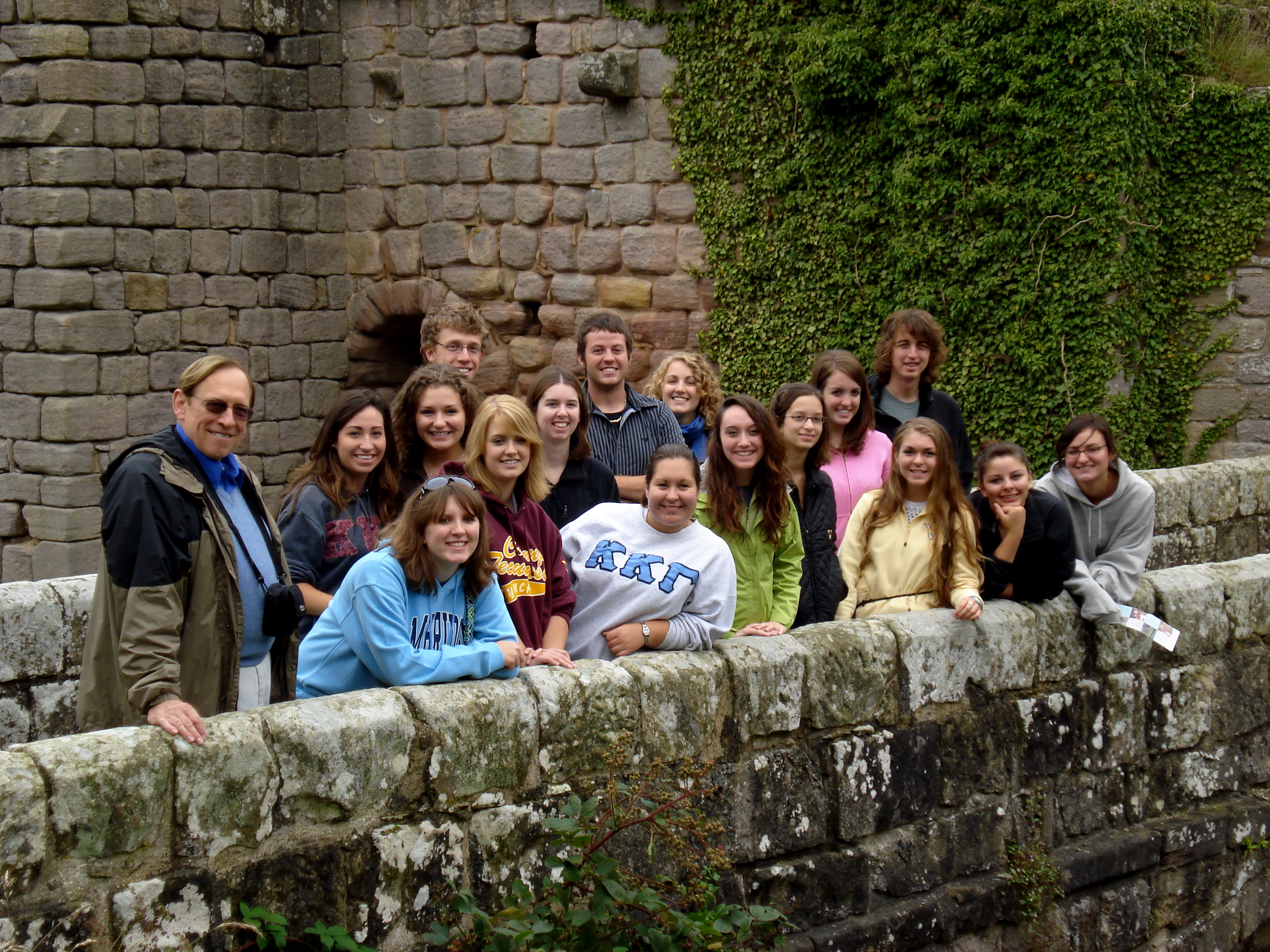
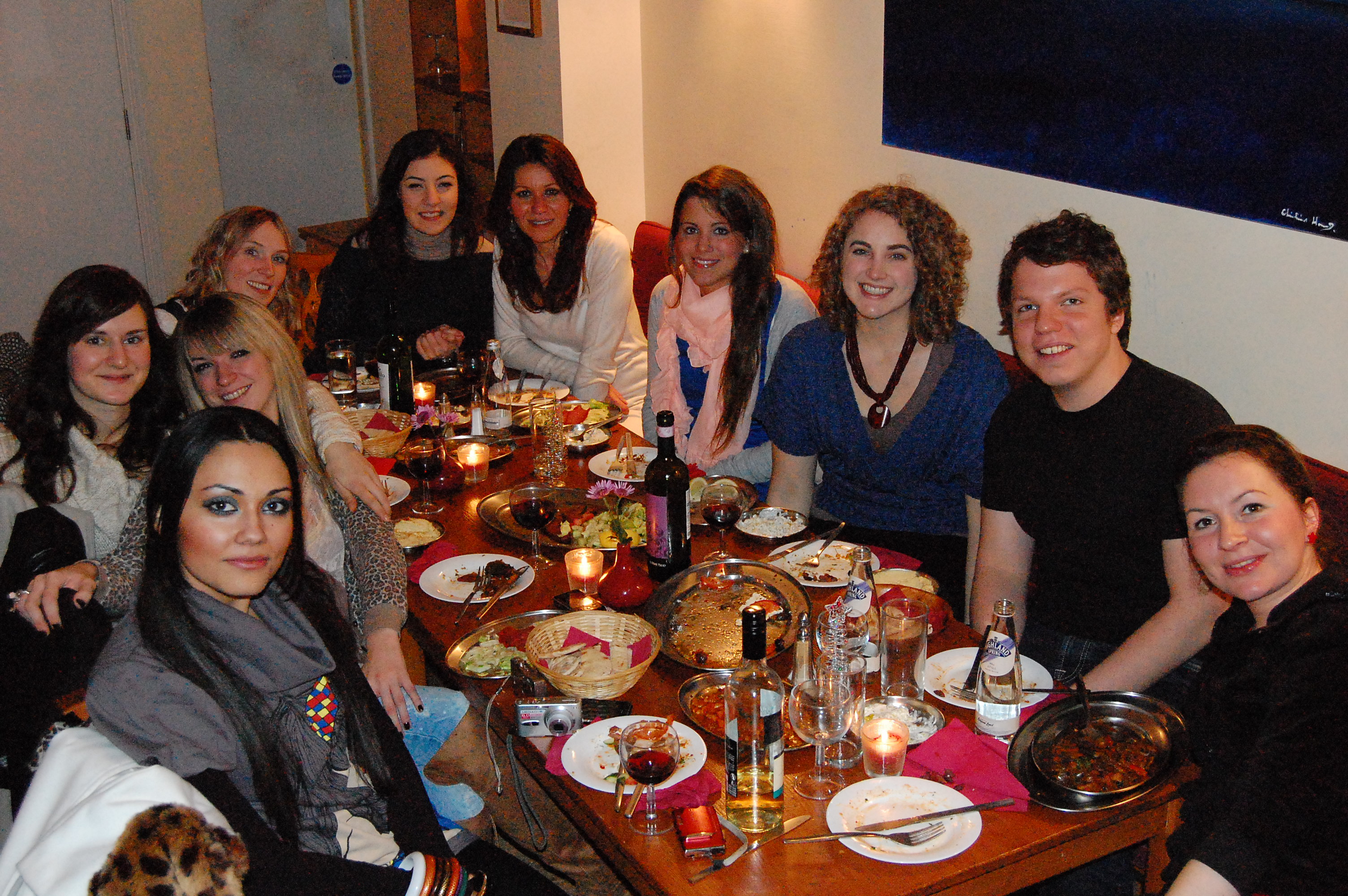
At first I was mesmerized by how different a typical “street” was. Considering that Cambridge is a pretty big city I expected it to be somewhat similar to Chicago which I am fairly familiar with – lots of cars, tall buildings, a lot of people walking, homeless people, and mostly: many honking cars. However, Cambridge was pretty much the opposite of everything that I listed above. Everything, thats is, besides a lot of people walking.

I realized that the people of Cambridge get to point A from point B, primarily by walking. You see many people walking down the streets in suits and business attires which is quite similar to Chicago. This part I was familiar with. The thing that I wasn’t familiar with though, was how many people used biking as their method of transportation. I’m used to seeing a few people here and there riding bikes, but here, there are quite a few. And they like to ride their bikes pretty darn fast. I have learned that in England, the drivers have the primary right of way, then bikers, then pedestrians. This is very different from the US system of pedestrians always having the right of way. This means that bikes and cars can go pretty speedy even in areas of people walking and they aren’t too afraid to knock you over. This was a surprise to me since growing up in the US, I assumed that it was natural for me to always be the priority on the streets if I was walking. This is definitely something that I need to become accustomed to.


Another different aspect of the streets at Cambridge is the buildings. In Chicago I always have to crane my neck to see the top of the buildings and most of them are all new and shiny. The buildings on the streets in Cambridge are fairly short and definitely not new and shiny. Most of these buildings have been around for hundreds of years. I especially love this because although I’m not such a history whiz, I very much enjoy seeing old buildings that are filled with history. The thought of people living here and having such different lives here many, many years ago is so thrilling to me. It’s hard to describe in words though. But I am sure these buildings have seen so many people come and go and every person having their own stories. Sometimes I wish I could invent a time machine and go back in different times and observe people and their lives then…although that sounds a little creepy. But overall, the buildings are the symbols of the deep and long history that Cambridge holds.

Something that was similar but different are the homeless people of Cambridge. There are a few homeless people on the streets begging for money just like Chicago. However the difference is that none of these homeless people have signs explaining why they are homeless and need the money. But the bigger surprise to me was that almost every single homeless person I saw in Cambridge had a dog with them. This was something that broke my heart. I have a soft spot in my heart for dogs (especially because I own an adorable dog that I miss very much!) and seeing the dogs looking sad and poor made me feel worse for them than for the people, to be quite honest. I’m not sure if that is their technique to make money but it is possibly something that I will find out during my stay here.

The last difference I noticed (but there are probably many more out there), is how less noisy the city is. The one thing I dislike about Chicago is how noisy it is with people honking their cars ALL the time. In Cambridge though, and English people in general, I have noticed that they are somewhat more patient and tolerant. I hear hardly any cars honking at each other and typically the English don’t have conversations with each other in a very loud tone. That is probably why the Americans are knowns as being very loud. Typically, the city seems to be a peaceful place.

Street life is something that is right outside the door of our centre and it is amazing to see how much it’s different. Of course there are similar things like the language we speak, what kind of music they listen to, but when it comes to culture, something can be so different – even if we are all living on the same planet. This leads me to expand my thoughts on the differences of culture. If I am surprised at how the English street system is compared to the US one, how different is it going to be in other countries such as Russia, or India, or South Africa? It is just endless thinking about it but it also brings awareness to myself and how many different cultures are out there. Hopefully one day I will be able to expose myself to many other cultures and countries. But for now, I am looking forward to be able to travel to see the nearby European countries!

By Aya Takahashi, more blogs to come soon!

One of the best decisions I have ever made.

Alumni Guest Blog.

Kelsey Howard, Valpo alum, studied abroad in Cambridge, England in 2008 (C-82) and writes about how her experience impacted her career plans.  Valpo alumni are invited to email study.abroad@valpo.edu to share their story on how studying abroad impacted their lives.  


It has been four years since I took the plunge as a Valpo Study Abroad student in Cambridge, England.  Since then I have travelled to a dozen countries in Europe, completed my Bachelor’s degree at Valpo (Political Science and Humanities at Christ College), earned a Master’s degree from Anglia Ruskin University in Cambridge (Intercultural Communication) and now work at an amazing international college where I interact every day with students from all over the world. None of this would have happened if I hadn’t had the opportunity to study abroad.

Fall 2008 Cambridge co-hort

The Fall 2008 Cambridge Co-hort, C-82

I’ll admit it wasn’t an instantaneous, divine revelation for me to choose to move overseas. I came as an undergraduate for a semester and that was all I expected it to be. I wanted to travel, to eat, drink and be merry—all whilst getting to meet new people and experience cultures different than my own. I did all of these things in three short months, but after awhile of being back in the States I knew that I wanted more. When I saw the MA program at ARU entitled ‘Intercultural Communication’ I immediately felt like I had struck gold. I thought to myself, ‘that is exactly what I want to do’.


After putting in my application and waiting for a few nervous weeks, I got an offer to return to what had become my second home in 2008 to study once again. I can’t even begin to describe the richness this course offered, but suffice it to say that the students and lecturers I met taught me more in one year than any book could teach me in a lifetime.

my ARU coursemates and I dining at a family-owned Turkish restaurant in Cambridge

Once finishing my Master’s degree, I landed a job at Cambridge Ruskin International College in academic and student support. This post was originally supposed to last only one year (to cover maternity leave), but I have recently been offered a permanent position. I could not be happier to be where I am, doing what I do. I love the students I work with every day—they have already taught me so much!  I couldn’t have asked for a better first real job.

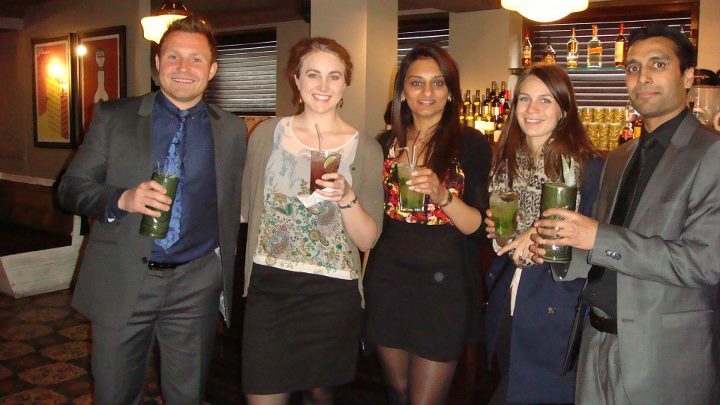
Workmates and I at a social event I planned for my students- CRIC's Got Talent!

Lots of people say that studying abroad changed their life—I am a living testament to that. If it had not been for my decision to study abroad while I was at Valpo, I wouldn’t be where I am today. It was one of the best decisions I have ever made.  

Oslo and Norwegian Constitution Day

I recently took my last trip in Europe and I couldn’t have picked a better time to do so!

I went to Oslo, Norway for 5 days to visit a few friends I met in Zaragoza and while I was there, I got to see the Norwegian Constitution Day. Oslo’s a little city (a little smaller than Indianapolis) and is quiet and easy-going. Coming from a bustling Madrid, it was quite the comparison. Nonetheless, Oslo is a great city and I think it’s mistakenly overlooked as a great travel destination.

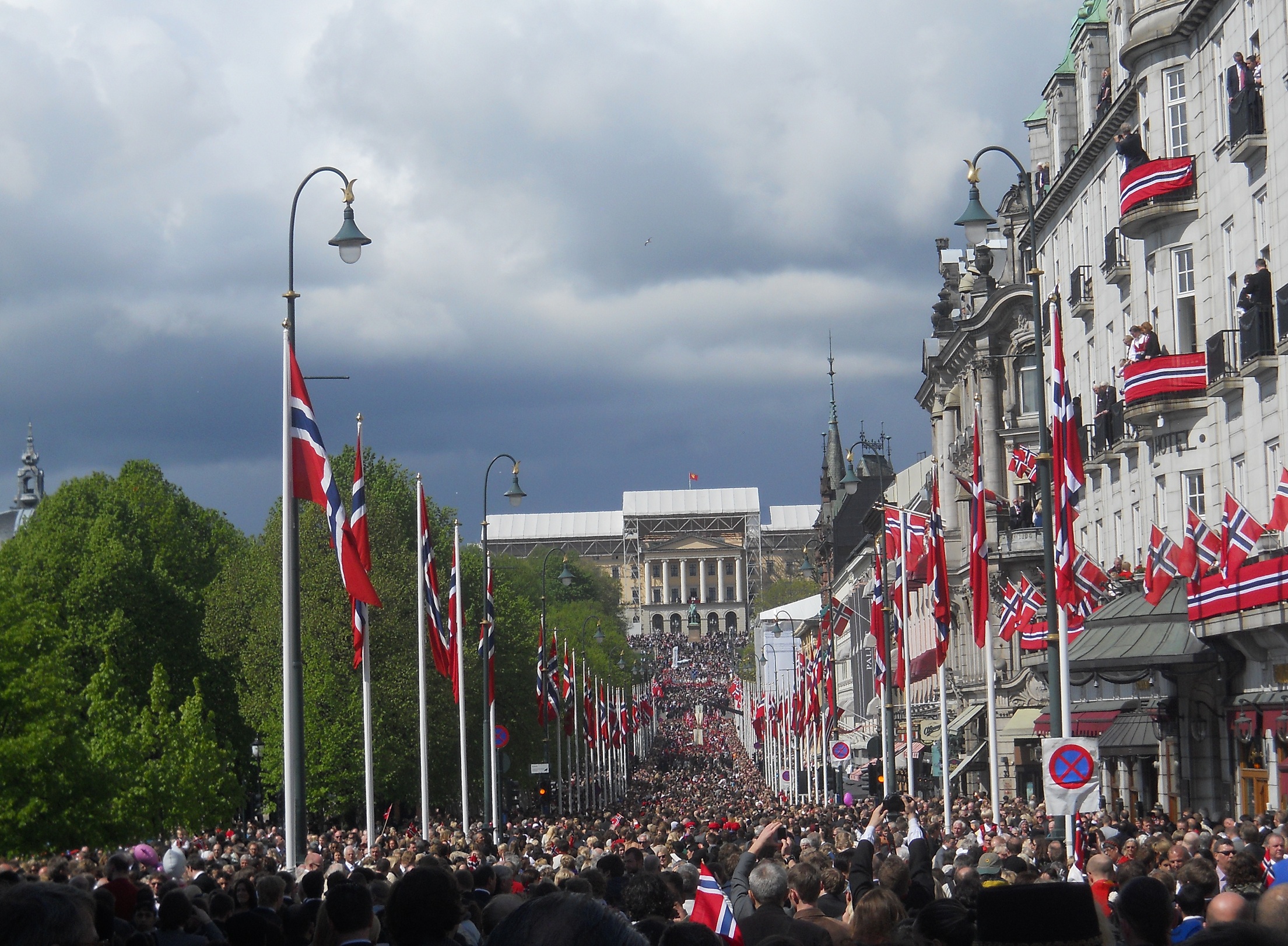
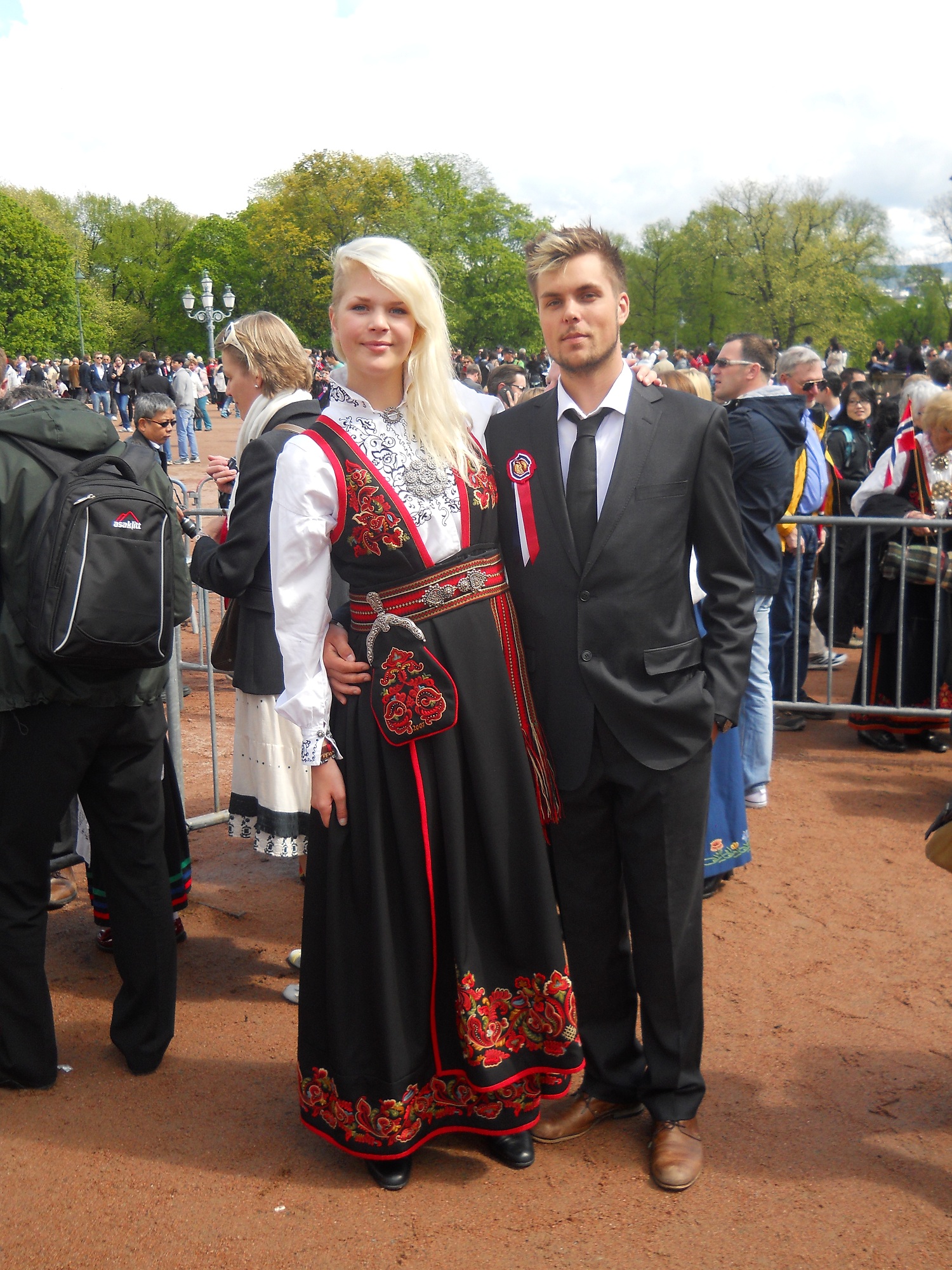
Getting to experience their Constitution Day was something I’ll never forget. There are hundreds of street vendors selling everything from traditional Norwegian food to Arabic food and thousands of people in the streets in traditional clothes (called a bunad). There are also a number of younger people in red overall-type get ups. They’re referred to as russ which is a part of their graduation tradition there. The picture to the right is of my Norwegian friend Christina in her bunad with my other friend and her boyfriend Jørgen. Some men also wear traditional-style clothes but many nowadays just wear a suit like Jørgen. The traditional dress also depends on what area of Norway you’re from so Christina’s dress is different from a typical dress from another region of Norway. In addition, I got a quick glimpse of the king of Norway and the royal family of Norway as they were waving to the crowds from the balcony of the palace.

One of the things that surprised me about Norway was the prices. Everything is extremely expensive. Going to a normal cafe to buy a caramel macchiato and a muffin cost me around $11. It’s not just the restaurants either. Everything in the grocery store is more expensive as well and in some instances, the clothes in an H&M, for instance, were about twice the price as in Spain. Something else that surprised me (but in a good way) was that because Norway is so far north, the sun began to rise around 3 a.m. when I was there. I suppose I should have realized this before going but it was so cool looking outside at 3 in the morning and actually being able to see the streets lit up but empty. During the summer, there is very little darkness and in the winter, there’s not much light at all. This was just one of the few oddities that made Oslo even more interesting for me.

In all, I had a great time there and I’m so glad I got to visit my friends Christina, Jørgen, and Sandra. It’s a really beautiful place to visit and I can’t speak highly enough about it!

Thanks for reading and if you’d like to follow me more closely, I have a Twitter account. If you’d like to see ALL of my photos, I also have a Picasa account.

Madrid Part 2 – Prado, Reina Sofia, Palacio Real

I thought the best way to cover what I actually did in Madrid would be to make a short list and include some basic information since I did so much there.

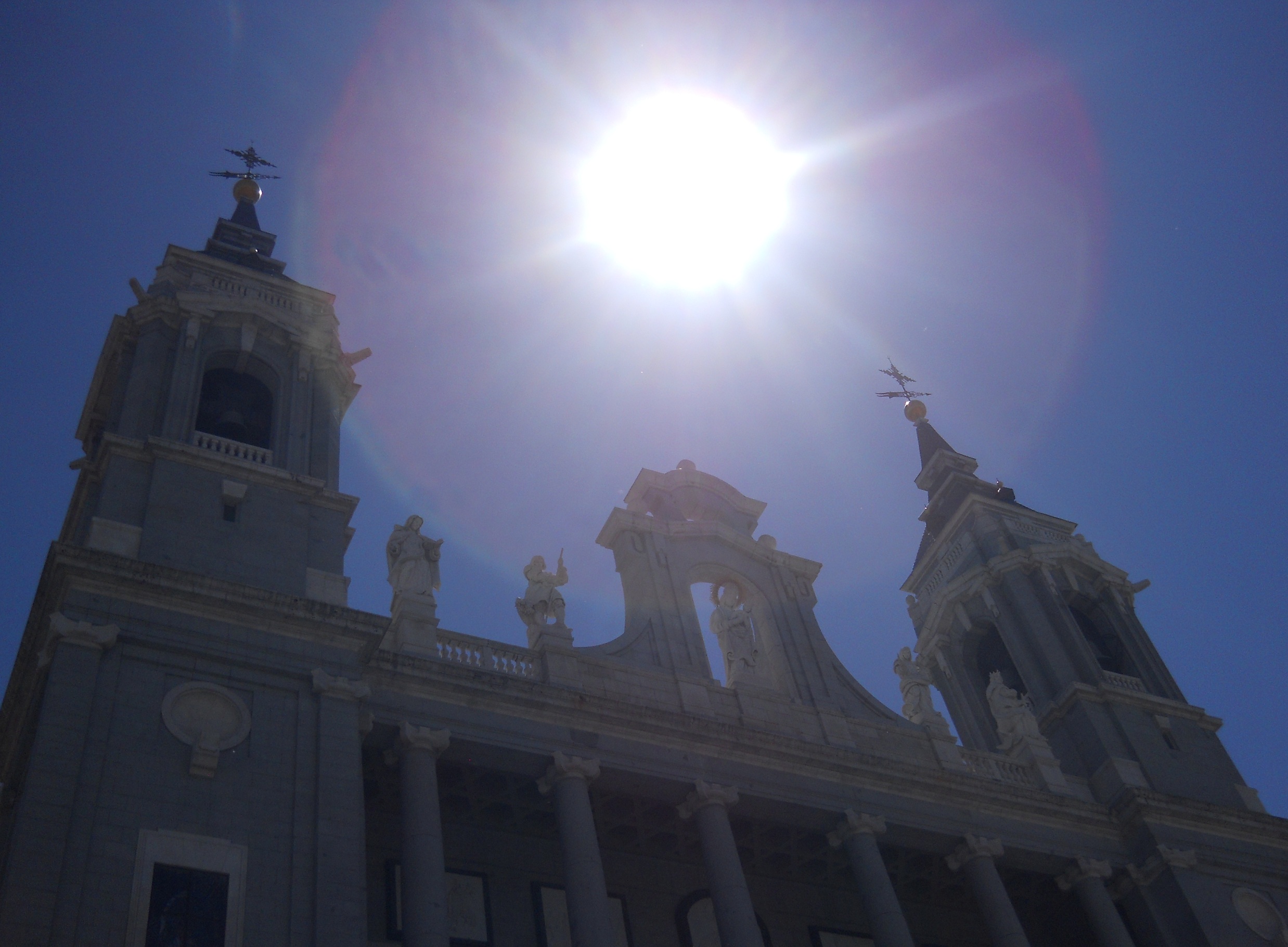
The Cathedral located at the far end of the Royal Palace.

Reina Sofia

This is a fairly standard museum and one of the 2 major museums in Madrid. There’s a variety of paintings with a considerable amount of works from both Dalí and Picasso. They were both Spanish painters so naturally the Sofia has several of their respectable masterpieces. By far, the most famous painting in the museum is probably Picasso’s Guernica. This particular painting is famous not just because of who painted it but also because of its subject matter depicting the bombing of the city of Guernica during the Spanish Civil War. In any case, the museum is fairly straightforward, free for students, and you could expect to spend maybe 4 to 5 hours there.

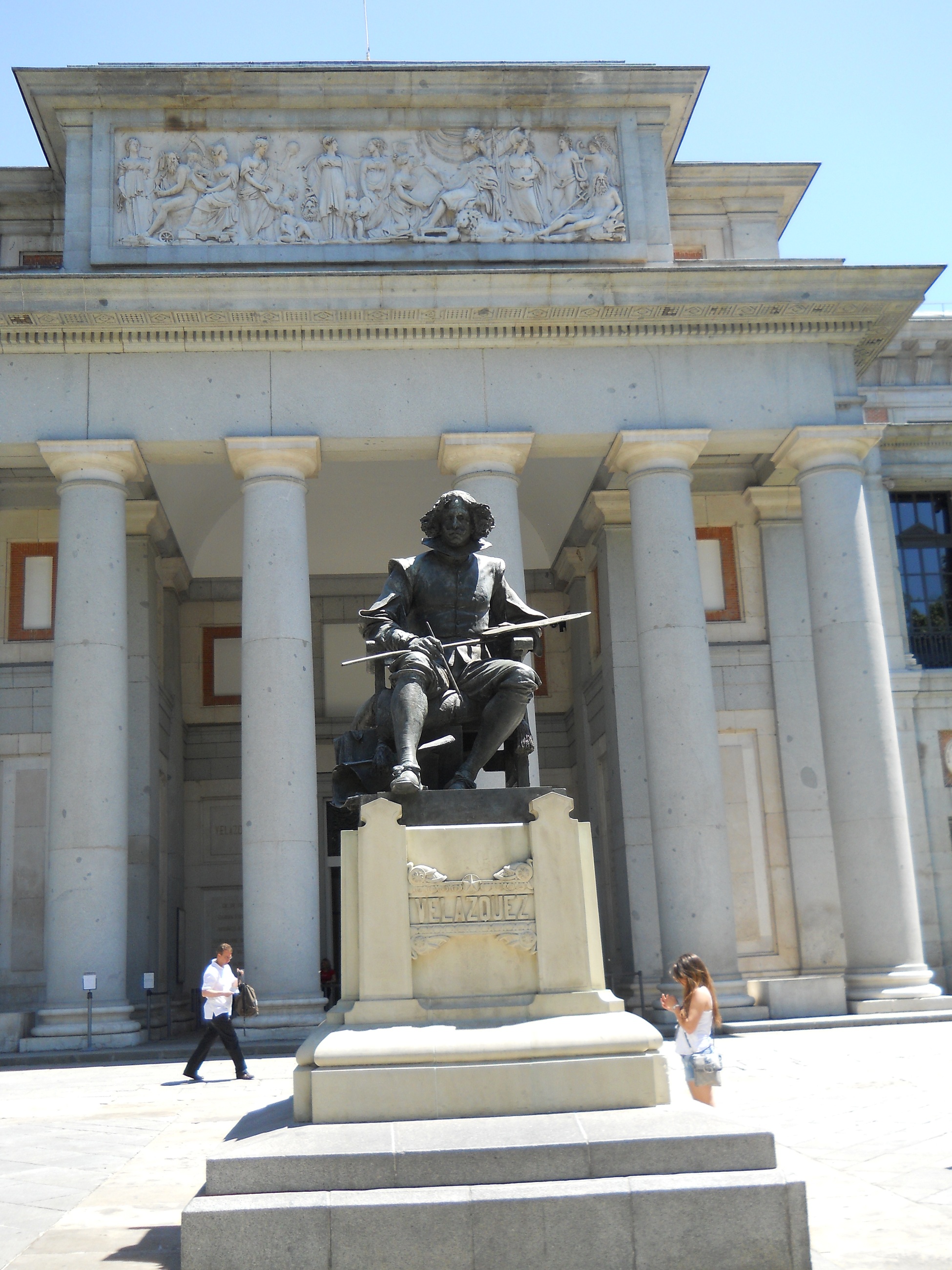
Outside the front of the Prado.

The Prado

The Prado is the top-rated museum in Spain and one of the most famous in the world. I enjoyed it but having already went to the Reina Sofia the day before, I was honestly a  little tired of museums at that point so my opinion of it might be a little biased. The two major collections here are from Velázquez and Francisco de Goya. I enjoyed both of those exhibits but I thought the film section was a bit boring. Some people might take a liking to the short, artsy films but I honestly was bored after about 20 minutes. I much prefer the paintings there. Like the Reina Sofia, it’s free for students and just a few euros for everyone else. You could spend a few hours there as well depending on how much of a museum person you are. Even if you never go to the museum, the area surrounding it is definitely worth seeing.

El Palacio Real (The Royal Palace)

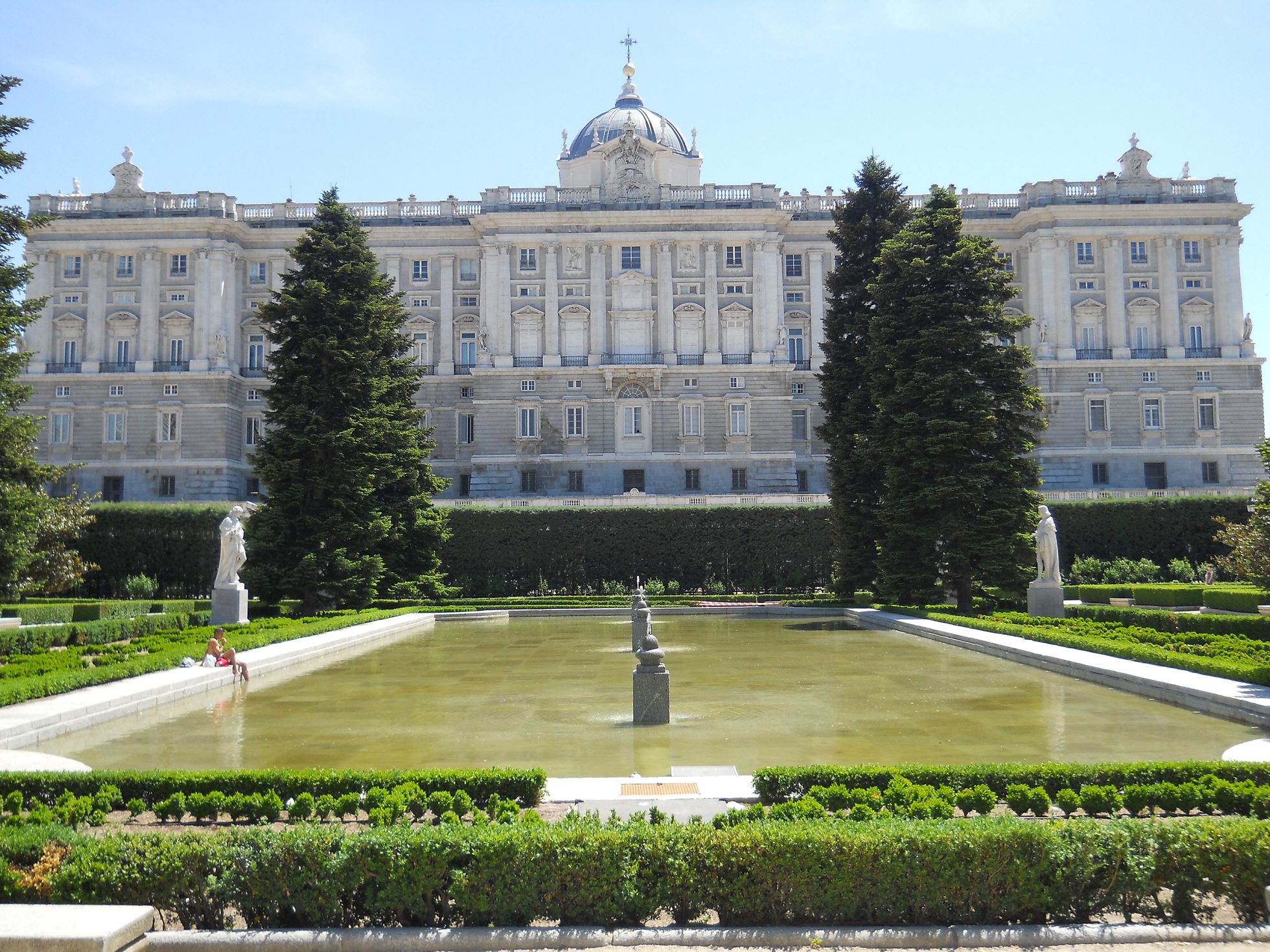
The Spanish Royal Palace is absolutely stunning and it’s one of the must-see things in Madrid. I’ve heard people say it’s one of the greatest palaces in Europe and I can’t argue with that. In my previous blog post, I posted a picture of the side of the palace as seen from the royal gardens. On the opposite side is a big church of which I’ll also add a photo somewhere in this post. Unfortunately, I didn’t get to go inside because it’s randomly closed certain days of the year but I think it costs around 6 or 7 euros to enter and I’ve heard it’s extremely luxurious so it’s probably worth it.

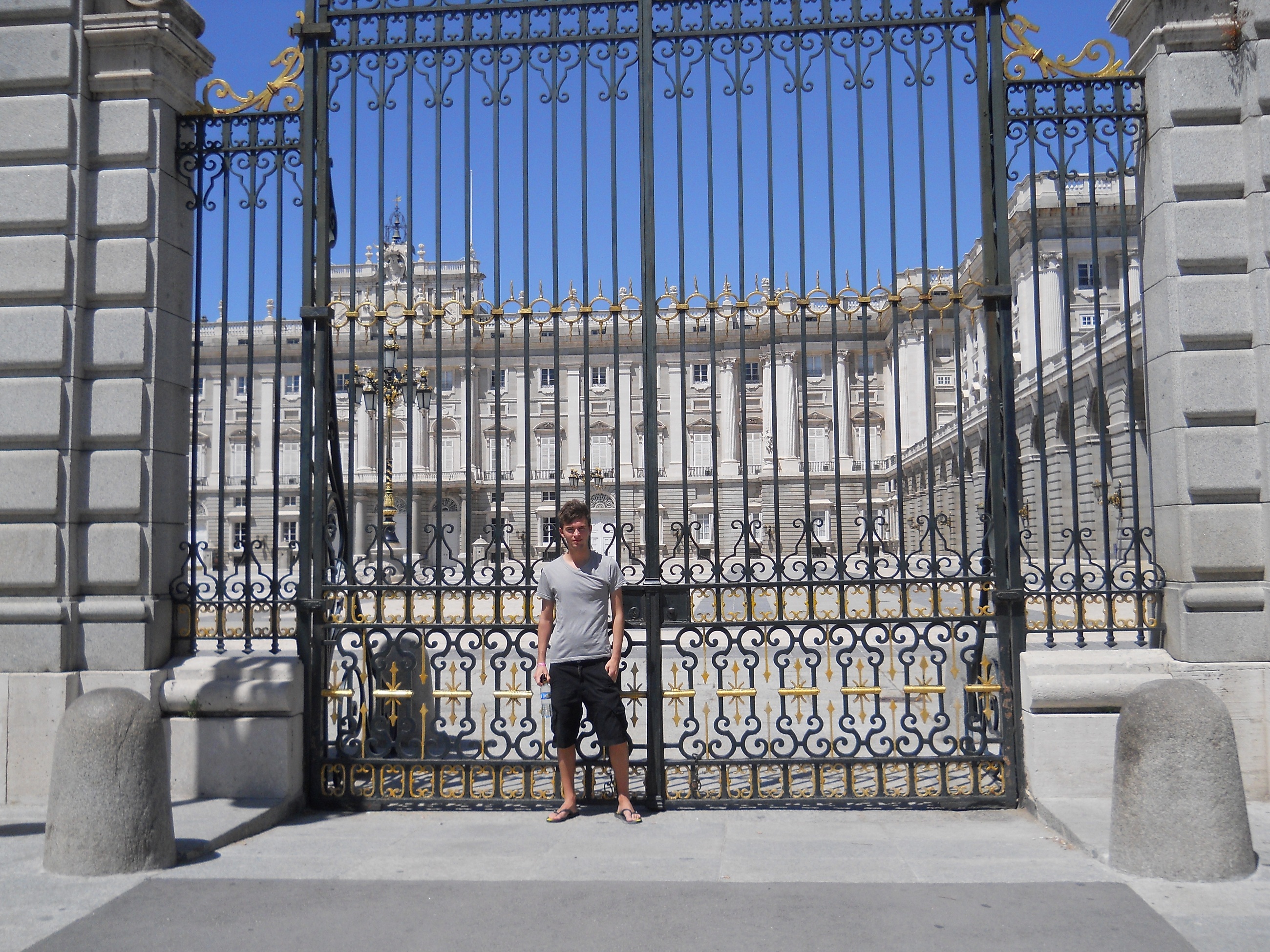
Me, outside the gates of Palacio Real (Royal Palace).

Other Areas

Two other areas that are must-sees in Madrid (and that I frequently traveled to) are Puerta del Sol and Plaza Mayor. They’re both very close to each other and basically constitute the center of Madrid. The area is very touristy and there are several restaurants and tapas bars so if you’re planning to eat there like I did, you’ll probably have to search a bit to find a less expensive place. They’re not too difficult to find it’s just a matter of finding something different from everything else. Most of the tapas places and restaurants serve very similar food so they’re almost all indistinguishable from one another next to their respective names. The only real things to see in Puerta del Sol (other than any protests that are going on which are frequent) is the fish-shaped metro station and the famous bear/tree statue. This is the statue that is on the city seal and is most associated with Madrid. One last place that I went to kill some time was the Royal Botanical Gardens. It’s next to the Prado so if you’re into flowers and such, I highly recommend it. They have an extensive garden and it costs around 2 euros to enter. If for nothing else, it’s good to just relax and smell the roses.

That’s it for my blog on Madrid. I hope it didn’t feel too rushed because of my blog limitations so if anyone ever has a question, send me a message or something. I’m always happy to help!

Thanks for reading and if you’d like to follow me more closely, I have a Twitter account. If you’d like to see ALL of my photos, I also have a Picasa account.

Madrid Part 1 – Demonstrations & Protests

The last week has been a bit hectic so I apologize for having such a large gap in between my posts. I’ll also be posting quite a few this next week.

Spanish Royal Palace in Madrid as seen from the Royal Gardens

As you might know from my Twitter updates, 2 Saturdays ago I finally had the opportunity to do the “touristy thing” in Madrid rather than just going to the airport or Atocha Station like I normally do there. The other Americans from Valpo flew back to Chicago last Monday but I opted to stay longer so I stayed in Madrid until Wednesday when I went directly to Norway to visit a few friends. A Norway blog is forthcoming as well but I thought it would be better to start from the beginning of this extended trip.

Central Madrid

We all stayed in a hostel fairly close to the city center which many consider to be Puerta del Sol which is also fairly close to Plaza Mayor. The first night we were there we noticed that the area surrounding Puerta del Sol wasn’t exactly normal. We learned over the next few days that because of the education cuts ordered by the Spanish government, there have been almost constant protests and demonstrations in the area over the last few days/weeks.

There were a few thousand people there at sporadic periods during the day and since I’m not really informed of their agenda or demonstration times, many times we were forced to cut through the crowd to get where we wanted to go. Even though it was a little intimidating at first, we didn’t have any problems and everything seemed very peaceful for the most part. There were a number of police officers on hand to keep everything under control and even they seemed to be quite relaxed. In addition, this area was crawling with foreign tourists so we never felt alone. In any case I had a great time there and I’m glad I finally got to experience Madrid since, you know, it is the Spanish capitol and all.

Some of the places I visited include the Royal Palace, Royal Gardens, Puerta del Sol, Plaza Mayor, Reina Sofia, the Prado, and several other locations. In my next blog, I’m hoping to detail some of the more touristy things I experienced in Madrid followed by a post on Norway and a farewell blog. Check back soon for that!

Thanks for reading and if you’d like to follow me more closely, I have a Twitter account. If you’d like to see ALL of my photos, I also have a Picasa account.


« Older posts Newer posts »

© 2026 Valpo Voyager

Theme by Anders NorenUp ↑