Valpo Voyager

Student Stories from Around the World

Page 79 of 124

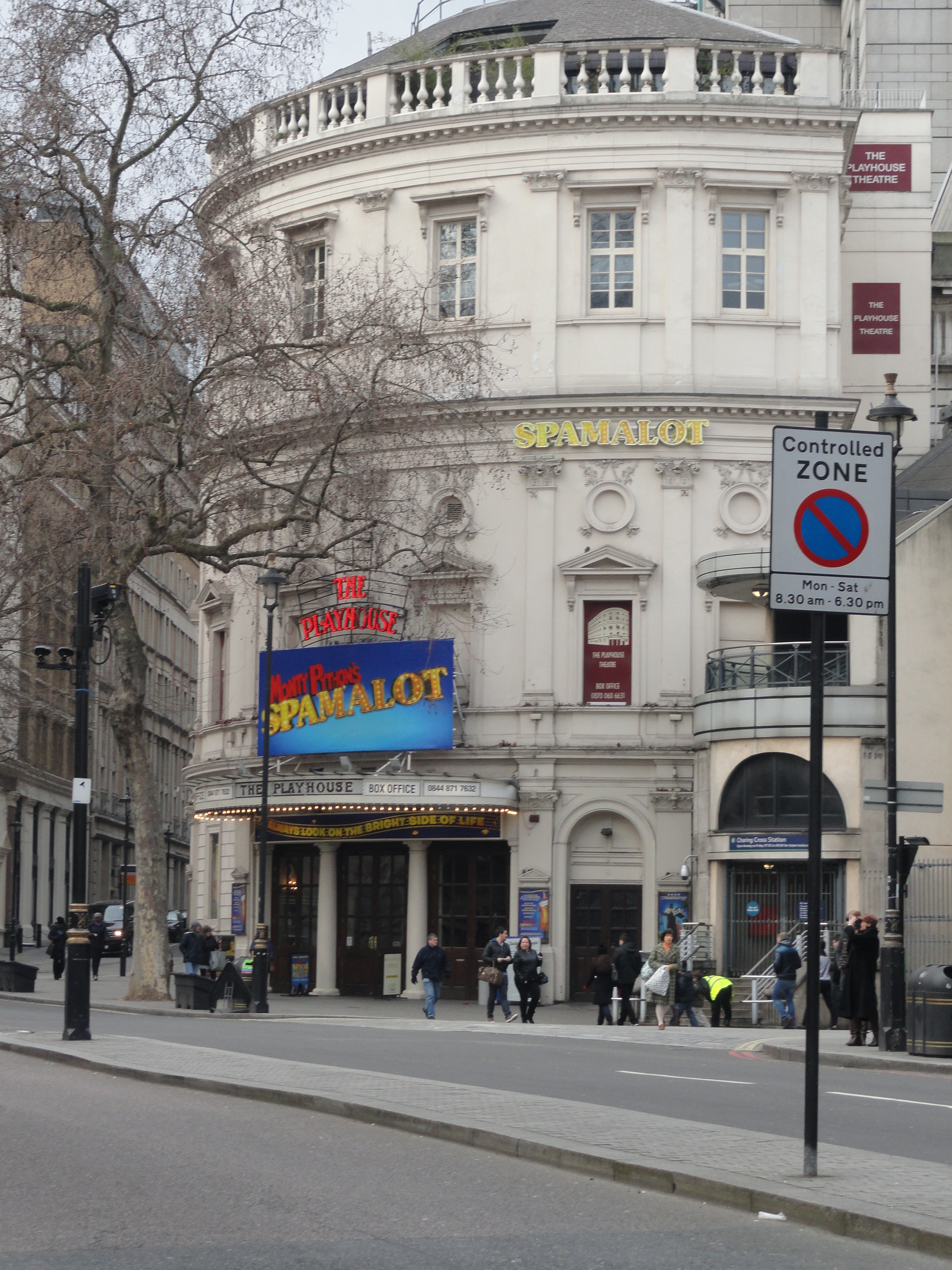
SPAMALOT!

Upon arrival in London, it took us a total of three hours to find our hostel. Afterward I was soooo exhausted that I fell asleep. I woke up about an hour later and we decided that we wanted to go see a musical that night. The musical we decided on going to see was “Spamalot.” Now this was not my first choice for a musical, but I’m so glad that we went. We got amazing seats, so amazing that I believe when the man told us where we would be sitting if we bought the tickets, I immediately said “We’ll take them,” without even thinking about it. I am glad I decided to go, seeing as this was my first musical and all, it was a fantastic one to choose! I know, I know. It’s surprising I haven’t gone to other musicals yet, but at least I started with one that I deem A-M-A-Z-I-N-G!

During the musical I was laughing so hard because of the jokes that were being made and the way they portrayed the movie onto the stage. It was so cool, because the cast only had like twelve people in it, and so some people played multiple parts. I personally like smaller casts so this was enjoyable for me. It also didn’t hurt that the actors had accents which made the musical seem a little more authentic to the whole Monty Python theme. Some of the parts were different from the “Monty Python and the Holy Grail” movie, but I think it made it that much funnier because we didn’t exactly know what to expect.

There were times when events or people from the present would be put into the musical. I believe Susan Boyle was mentioned. There were some parts that I didn’t understand just because it had to do with words that the English use that we don’t. After the musical it was pretty late, so we didn’t really do anything else afterward. I did feel accomplished, though, because I was not expecting on really doing anything, and instead we went to go see a musical that I really thoroughly enjoyed. If you’re ever in London, check out “Spamalot!”

Leipzig and Wittenberg

Our first class trip was great! I was a bit worried about how it would work out, thinking that maybe it would end up being hectic. But I enjoyed it a lot more than I expected! This trip specifically was designed for our Theology/History course that focuses on Martin Luther and Johann Sebastian Bach (I know, a strange combination). It was a lot of fun. A lot of walking, but still fun!

Our week started off in Leipzig in eastern German state Sachsen. Meaning on the other side of the country… meaning a long train ride, a long train ride that started off with Mary-Ann and I running to the bus stop to catch the bus so we could catch that train. All that matters though is that we made it! And I was able to sleep the entire way there, so that’s good too.

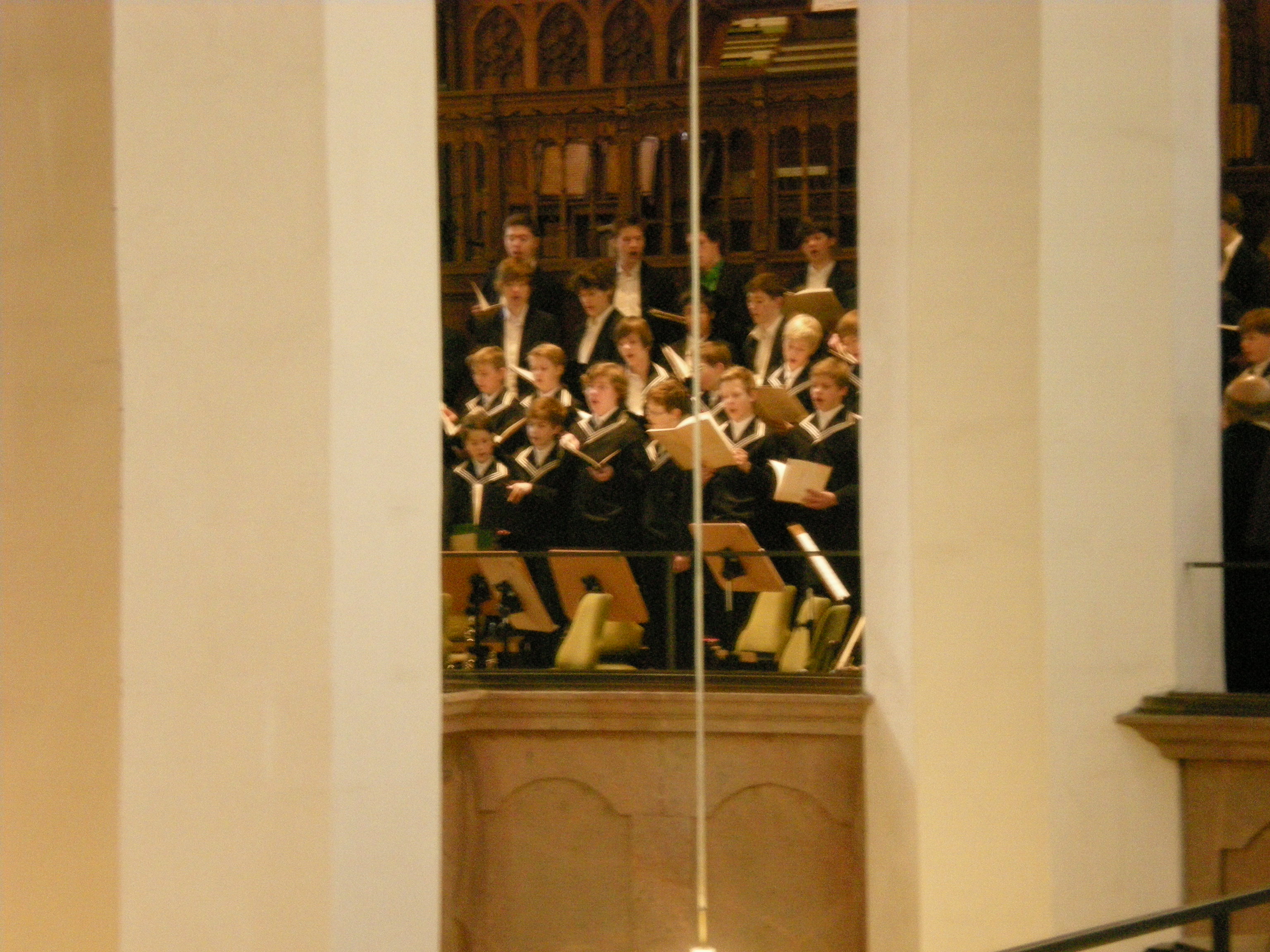
This is the boys choir that preforms for the Thomaskirche. This would be the kind of choir the Bach was incharge of during his employment!

By the time we arrive to Leipzig the sun has already set. And we’re greeted with the lovely spray-painted sign of “SWABIANS GO HOME” (Reutlingen = The middle of Swabia). But that’s alright! Good thing we aren’t actual Swabians! And our hotel/pension is only a short walk away from the train station so we start our way over. To get there we cross over a popular street car stop, in which Dr. Jennings alerts us to watch out for said street cars before crossing. And what do I do? Walk in front of a street car. (It was not my day as you could tell…) Luckily I just needed to quicken my pace to get by.

But to any of you who doubt my competence, I’ll have you know that everything went great afterwards. Our main reason for visiting Leipzig was the Thomaskirche, the church that Bach use to be employed at. It’s a beautiful gothic church and has a huge statue of Bach by the side of it! Lucky for us we were even able to listen to the boy choir while we were there. After spending the whole day exploring Leipzig, it was nice to sit down and relax.

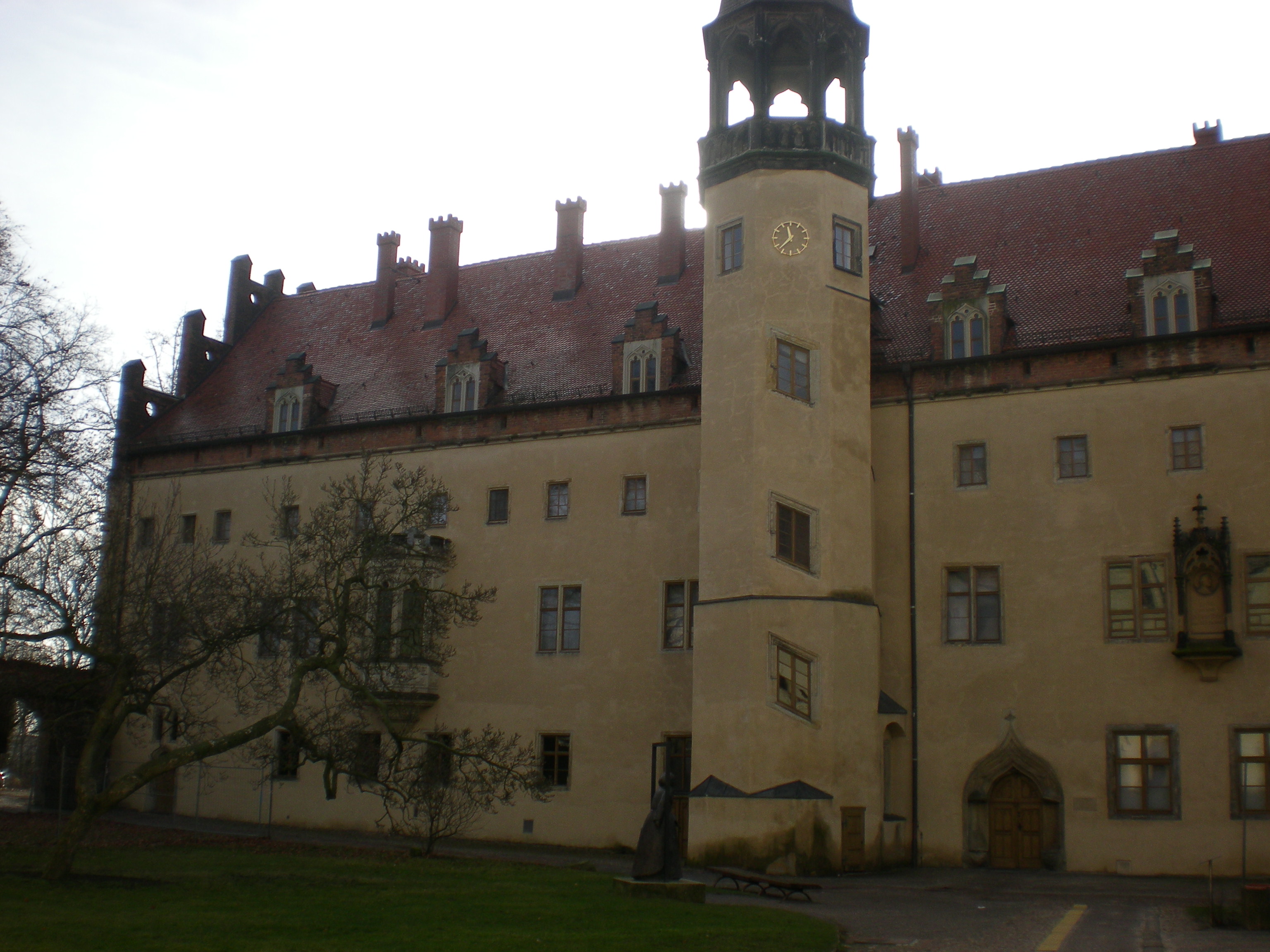
This is where Luther lived in Wittenberg!

The next day we took a day trip to Wittenberg. As many of you should know, this is where Martin Luther used to live, teach at, and most of all, this is where he posted his 95 Theses, starting the Protestant Reformation. Everything in this town was very old and quaint. It was so cool to be able to see everything that we learned in class! We visited his old house and the Schlosskirche where he posted the 95 Theses. The church was under construction, but luckily we visited at the right time to see the church mid-renovation! It was really cool to see the church empty, and we were even able to go into places we normally wouldn’t be allowed to.

So basically, the first half of our trip went great! I had a lot of fun and I would love to visit Leipzig and Wittenberg again!

From past to present: Edinburgh

Our first full day in Edinburgh was awesome! The hostel that we were staying at gives free walking tours everyday at eleven, so we decided to go on it. After traveling a while, you realize you should do all of the things that are free because a) they are fun and b) they’re FREE! This tour was not a normal tour, at least for us anyways. This tour was very laid back. We weren’t struggling to keep up with the tour guide and we had all the time in the world to do things (kinda). On this tour we went to the same cemetery that my friends and I had gone to the night before when we went on that grave tour. We learned some of the same stuff, but we also learned a little bit about J.K. Rowling.

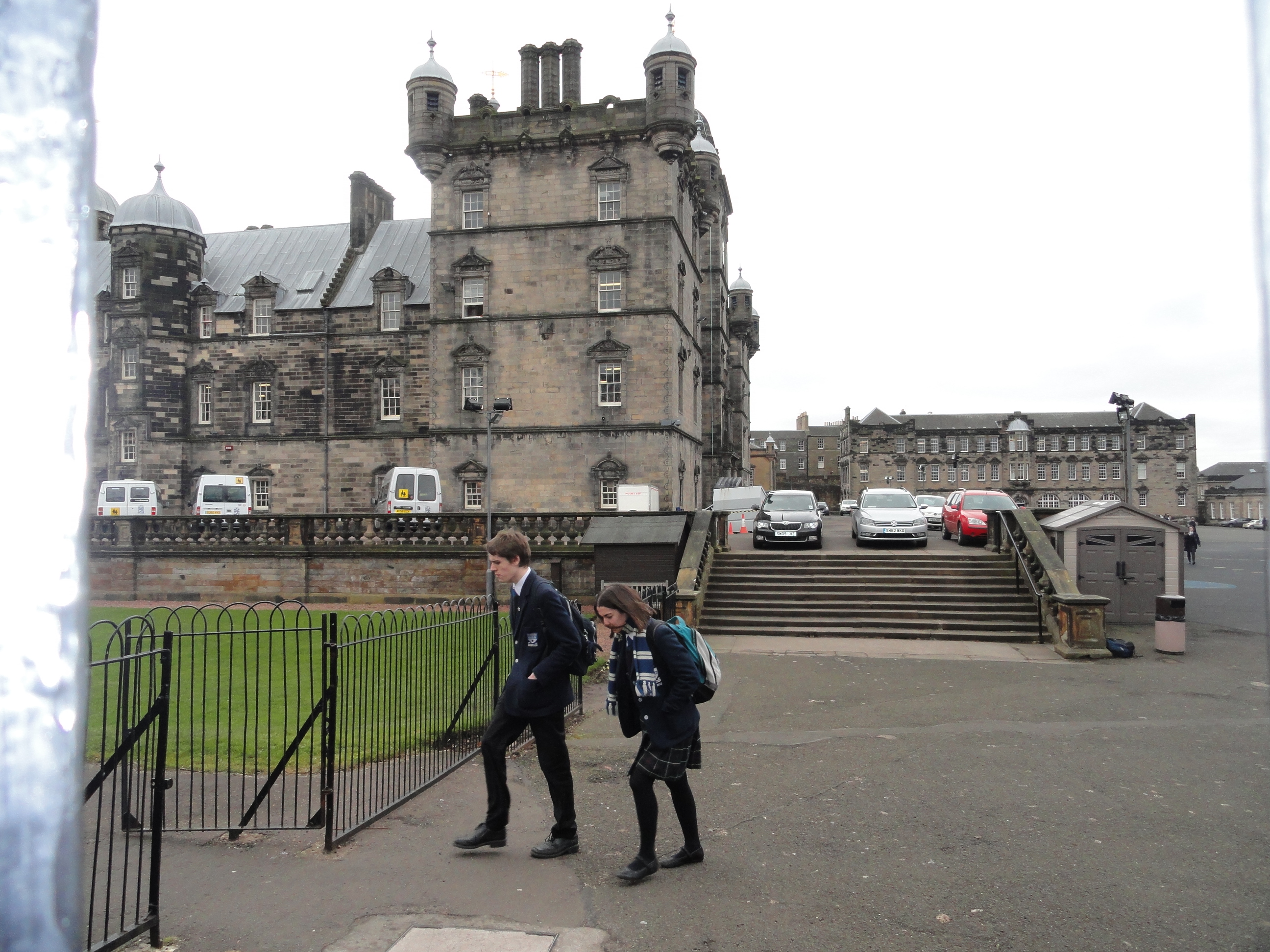
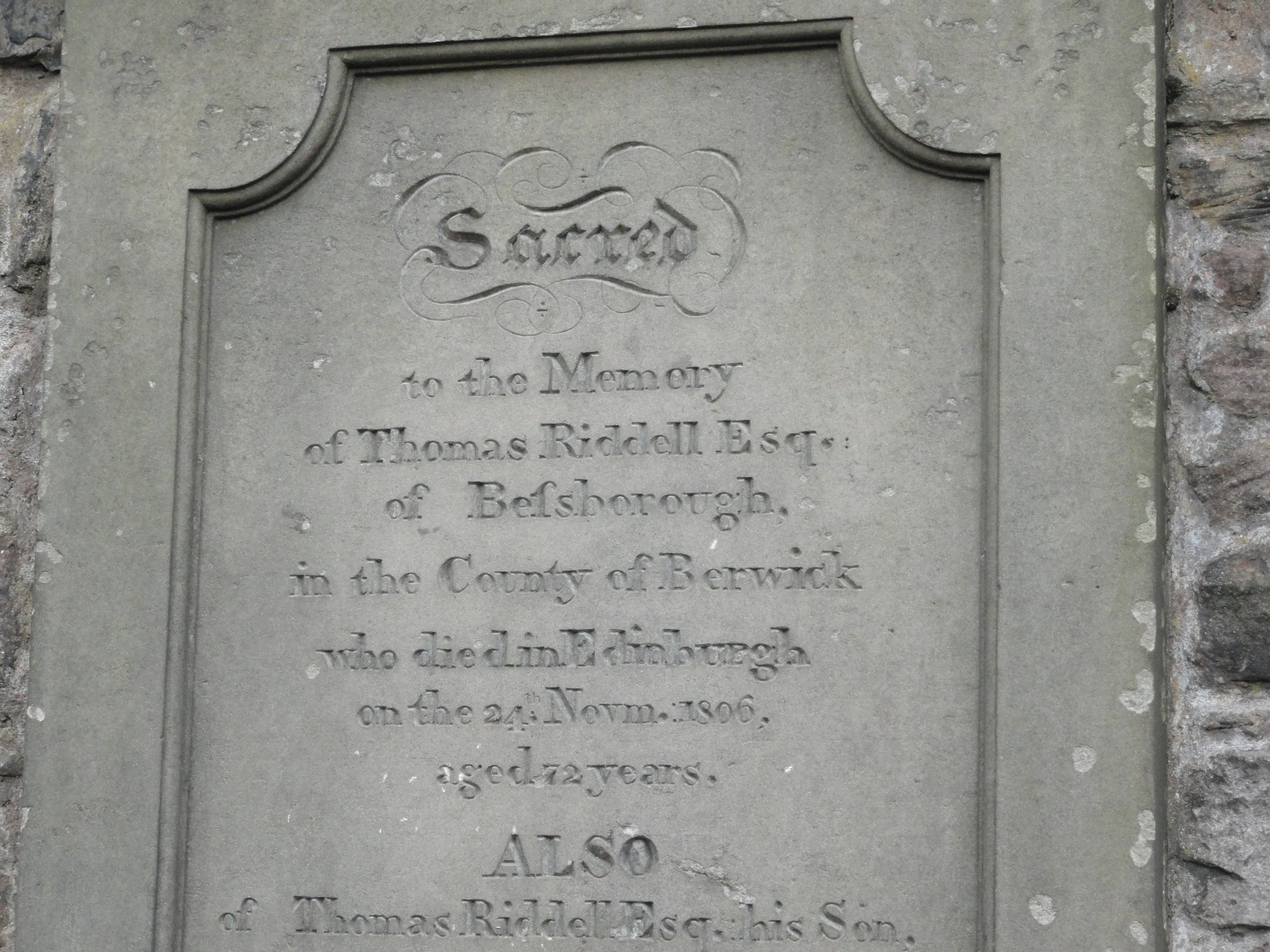
J.K. Rowling is known for having sat at a cafe near the cemetery while writing her first Harry Potter book. From some gravestones in the cemetery, she got the names McGonagall and Tom Riddle (he who must not be named!). Also, there’s a school named Harriet’s next to the cemetery where she got the idea of Hogwart’s from. It even looks castle like!

There were also so many pubs in Edinburgh, all named after people that had done something in the town. I don’t remember the name of one, but I do remember the story behind it. Apparently, this woman’s husband died and she started having a thing for another guy in the town. After she got pregnant, she was hung for adultery. On the way to the cemetery, the people traveling with the casket heard a knocking come from inside. The woman didn’t die! Because you could not be tried for the same thing she was allowed to walk. She got her own pub and gave the other prisoners who were to be hung their last whiskey (it’s a big deal in Edinburgh).

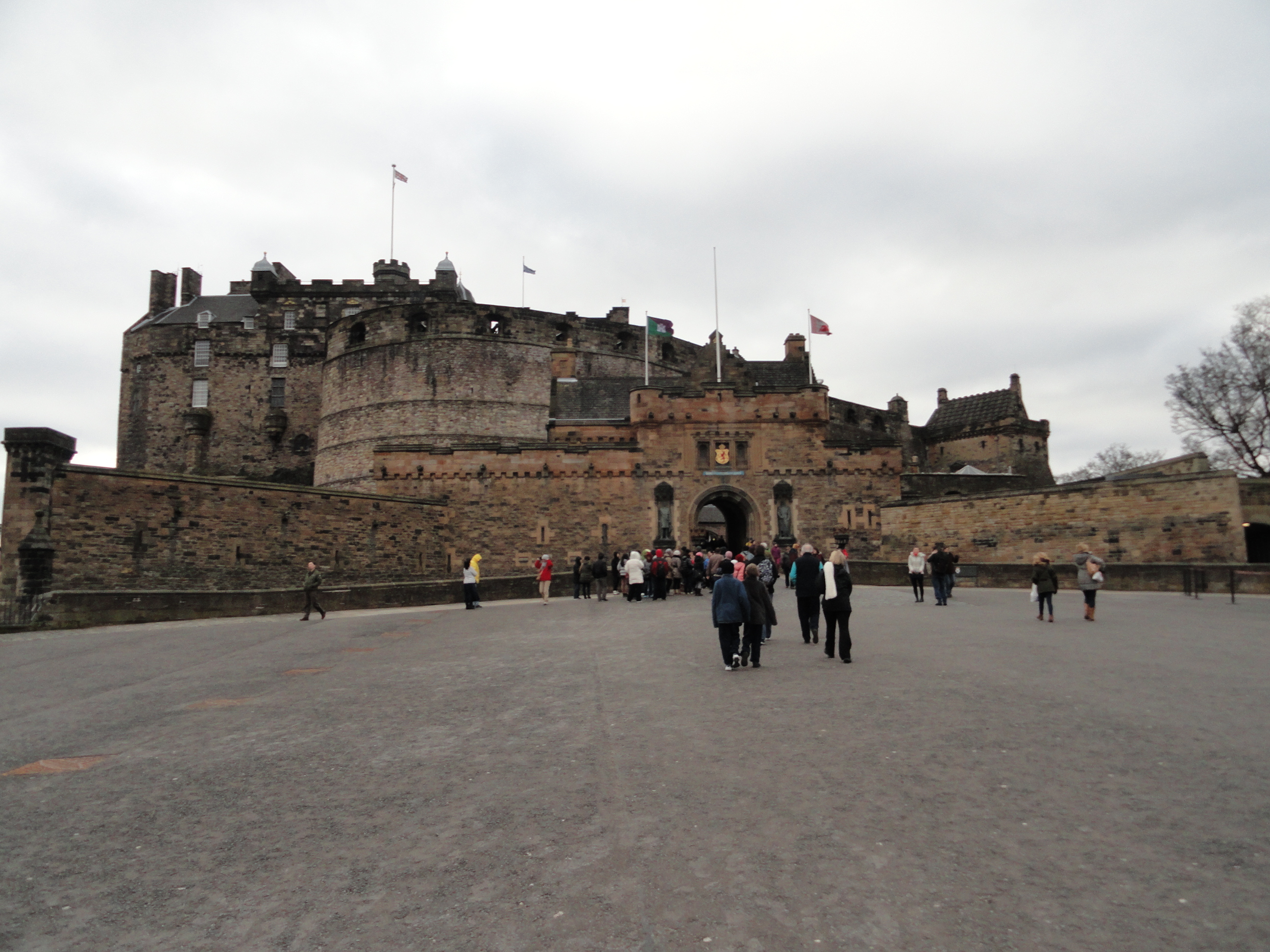
We went to the castle after the tour. This castle was HUGE! I’ve been to many castles—you, know studying in Germany and all—but this one was different. It was like one of the castles that we had learned about in social studies (yeah, like sixth grade). The castle was actually a building in the middle of this massive structure. The rest of it was like a church and land. When the castle was built, they were self sufficient because of the land they had. They grew their own crops and had farm animals, so starving them out would have been a no-go. It was basically a tiny community inside of the castle.

At the castle I got to see the crown jewels! Sadly, I could not take any pictures of them. I also got to see the sandstone. This may not sound exciting, but apparently this is the sandstone that the English kings and queens get coronated on. In the past the stone was taken from Scotland by the English. As an affront to the Scottish, the stone was put in the coronation chair in England so that the kings would be sitting on it. Queen Elizabeth II gave it back to Scotland, but if there’s a coronation the stone needs to travel back to England for the coronation.

“Bloody” Mackenzie and the history of Edinburgh

So, again, sorry for posting soooo many blogs this week. Our Reutlingen group went to Berlin (as I’m sure most of you have read about!) and afterward we had five days to travel around on our own. The group that I went with flew to Edinburgh, Scotland and London, England.

After landing in Edinburgh we needed to find our hostel, which didn’t take long at all. The cool thing about our hostel was that it was really close to everything. We were only like two blocks from the castle. When we got settled into the hostel we started trying to plan when we were going to do the things we wanted to do. We noticed that there were a lot of tour companies that gave graveyard tours at night. We went out to go and find one of the meeting places so that we could buy tickets for the next day.

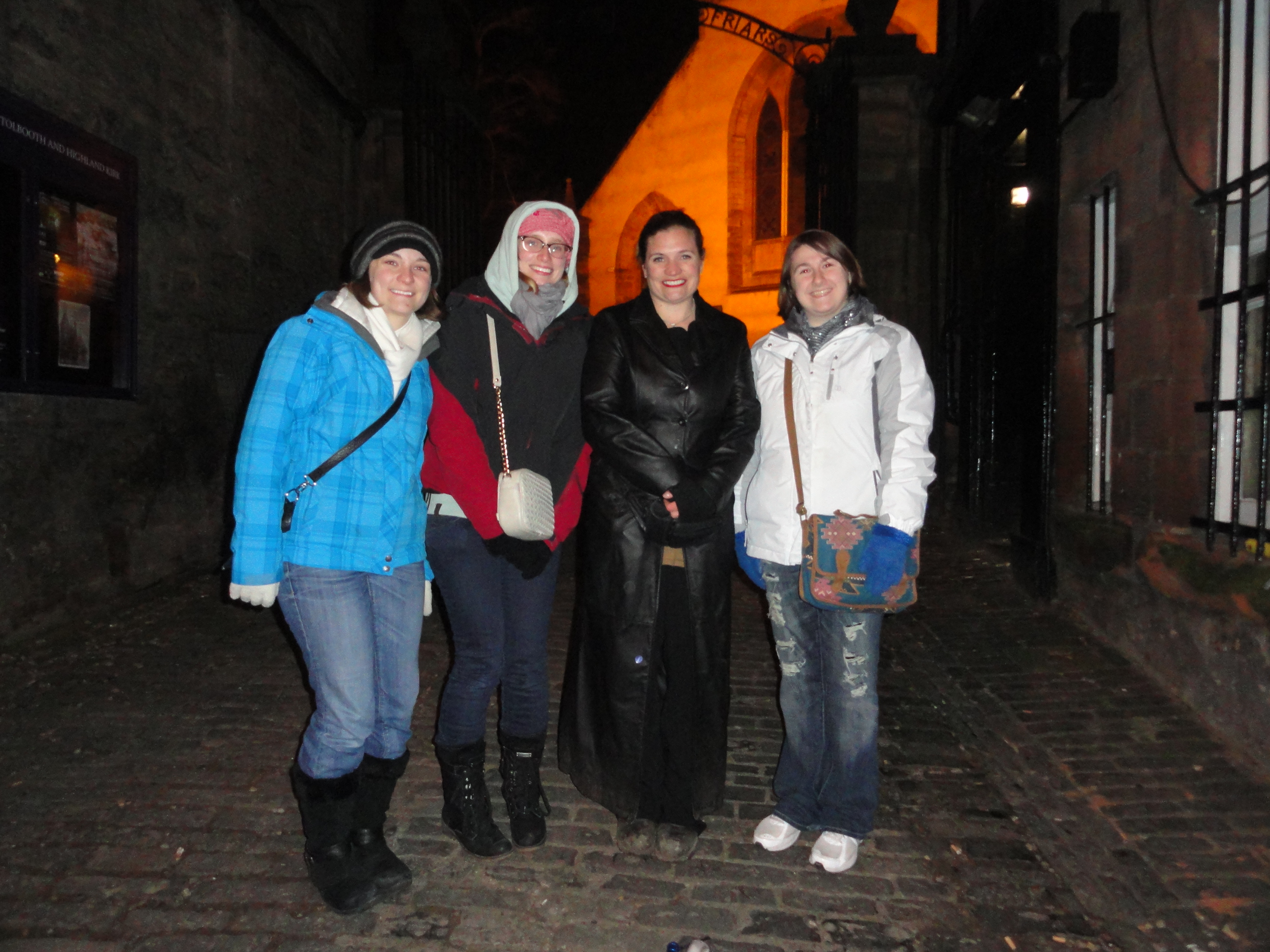
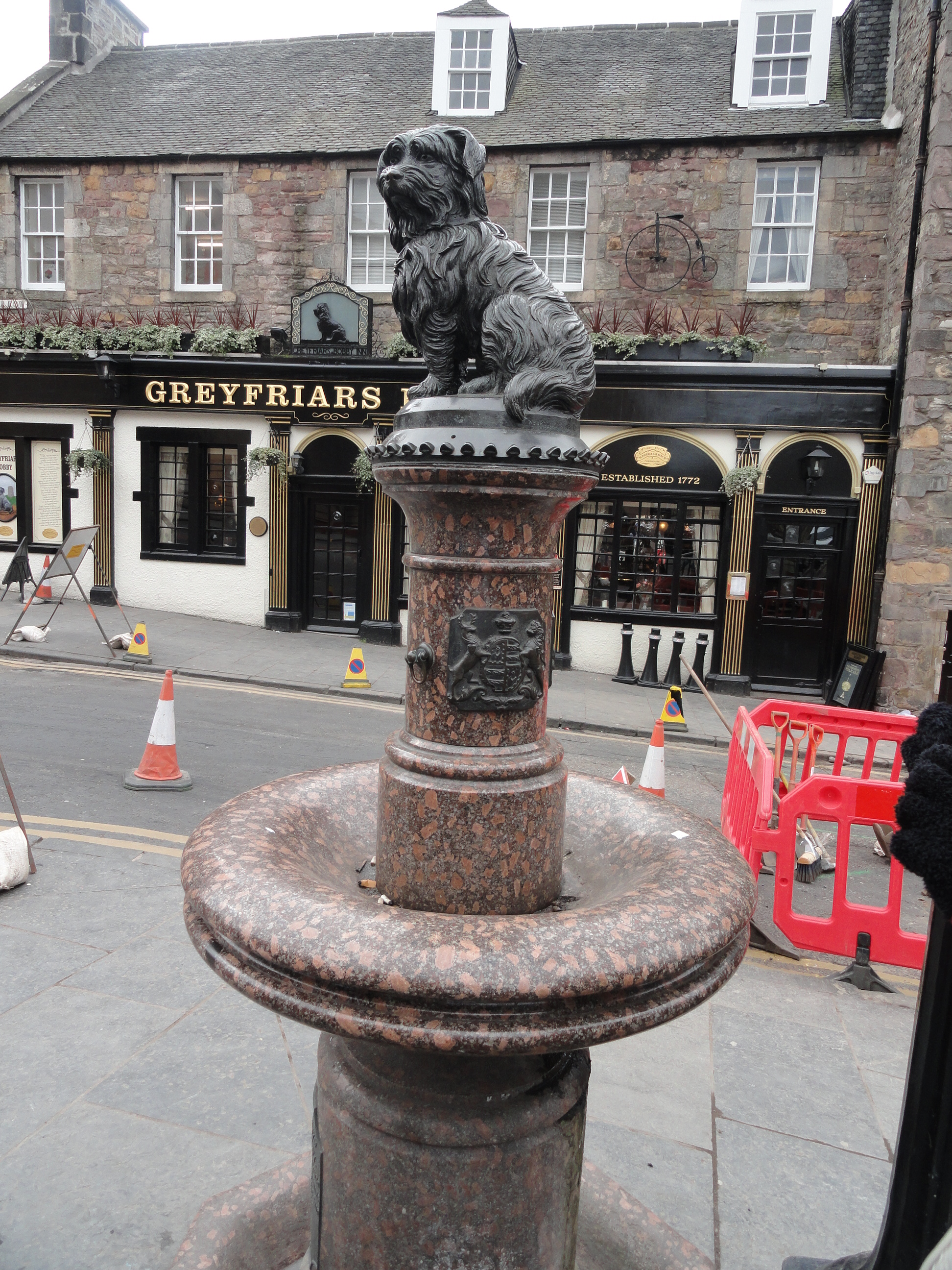
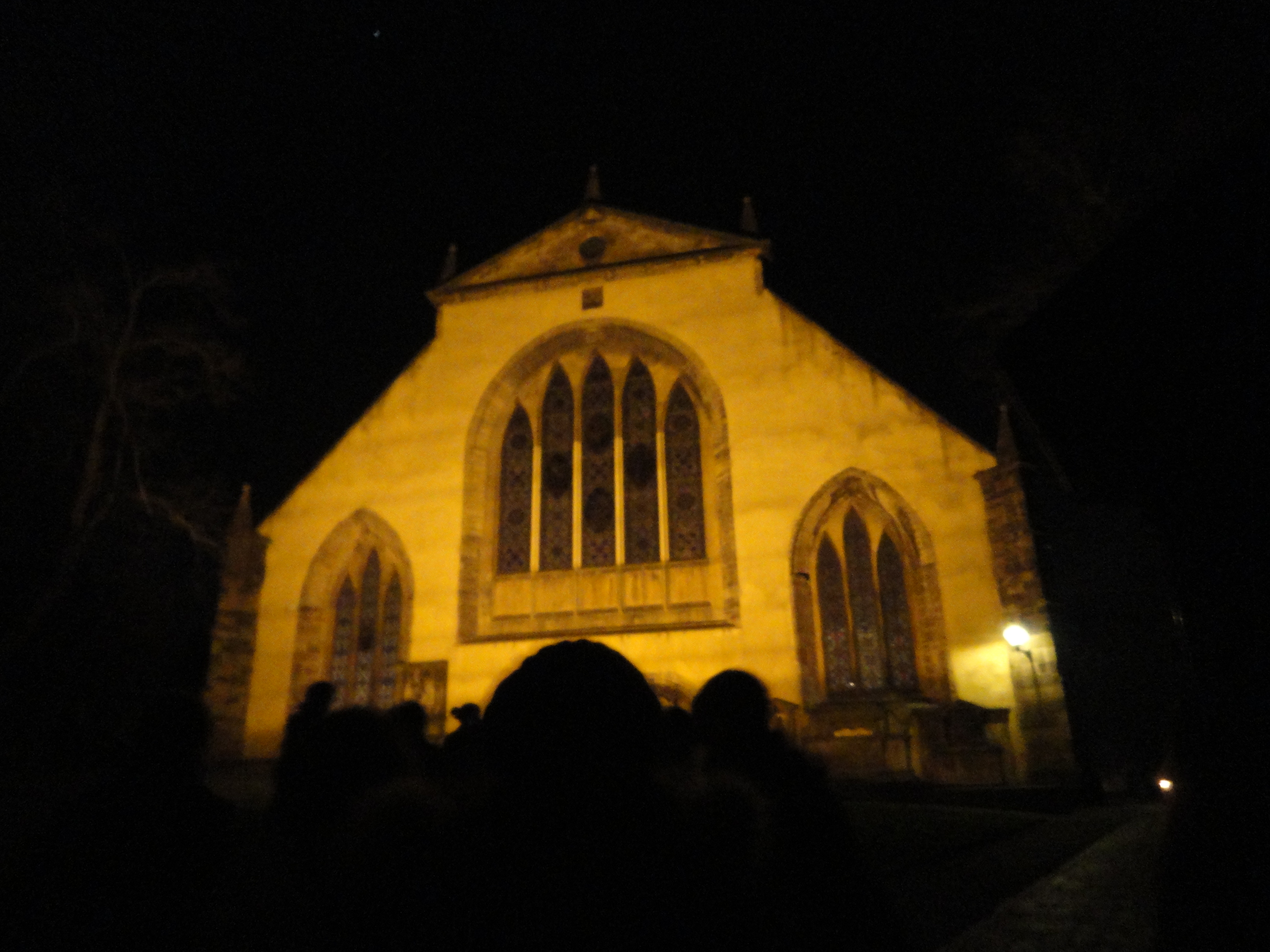
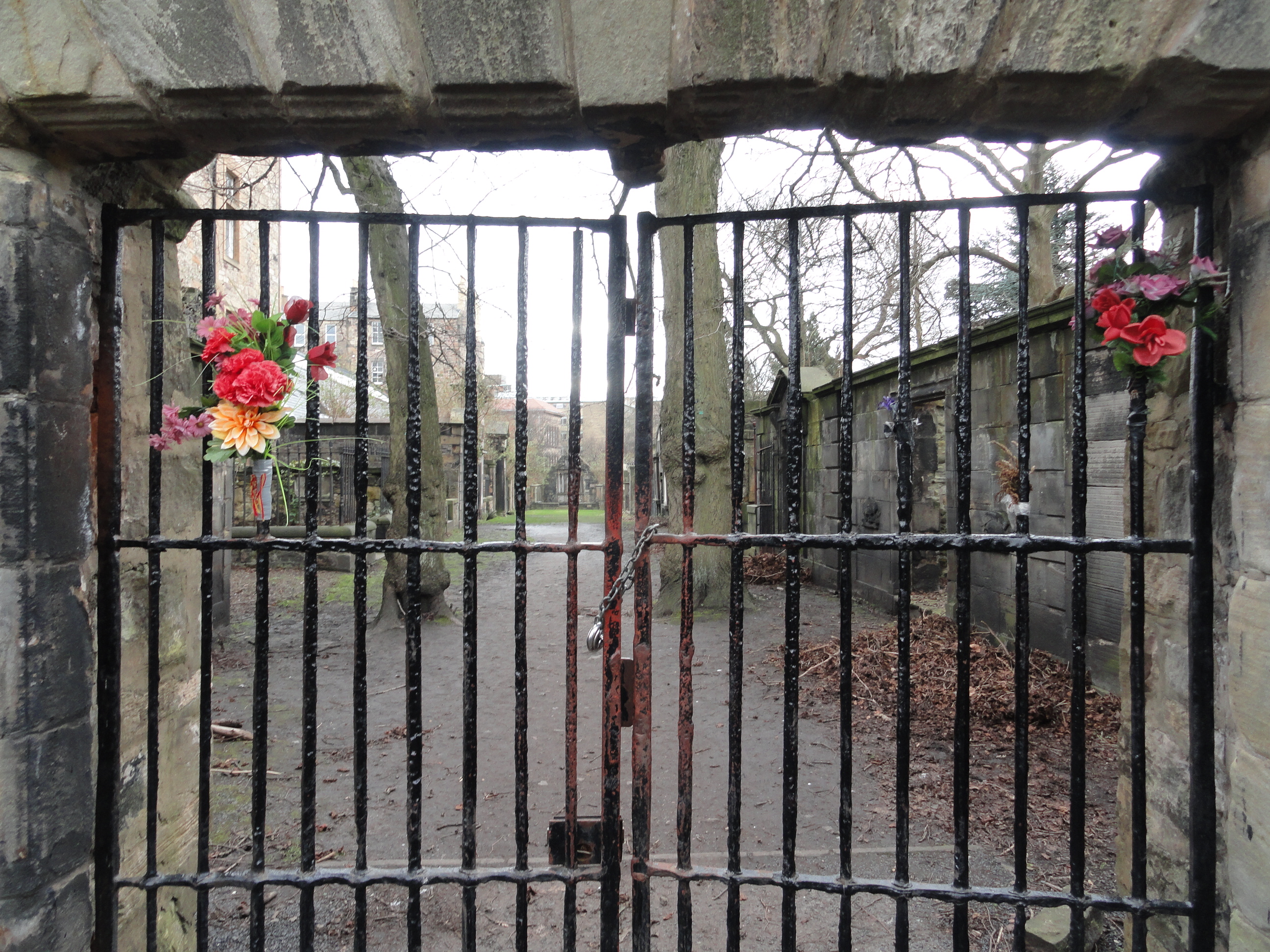
As we arrived at the meeting place we realized that we had arrived just in time to go on the tour. So we joined the graveyard tour! Our guide told us some stories about witchcraft and hangings that had taken place in the town. We slowly made our way toward the graveyard. At the graveyard we learned about Greyfriar’s Bobby, a dog that most believed had sat on his master’s grave for fourteen years. It turns out that he had sat on the wrong grave the entire time (sorry to ruin the story for you). We also learned that there are only a couple of hundred gravestones in the cemetery, but there are over 1200 bodies because during the time of the black plague the bodies were being dumped into the cemetery. There were so many bodies that where we stood was a hill but in earlier times it had been a valley!

The next part of the tour was probably the scariest bit. The company that we chose to go on the tour with is the only company in  Edinburgh that has a key to the blocked off part of the cemetery. The part that was blocked off was known as Covenanters’ prison and had been the sight of brutality. Here’s a little bit of the history—the Scottish had written a paper agains the King and the ones who signed it were known as covenanters. The Scotts and Brits had a war and when the Scotts lost, the covenanters were put into an outdoor prison during the winter months. The tops of the prisons were off and so they could get snowed and rained on. The prisoners had to lie down the entire time and if they moved they would be shot. The man that ran the prison was named “Bloody” Mackenzie.

Apparently, there is now the Mackenzie poltergeist and he is in the part of the cemetery that is blocked to the public. This area was only blocked off recently when people started coming out of there with bruises and scratches that were unexplainable. There have also been people who on tours have fainted in the area. The guide told us that she had a person in one of her groups who had kind of walked away from the group and when the guide turned and looked at her, the lady looked like she had been pushed. When they checked on the woman, she had a bruise on her stomache and a slap mark on her face. The lady described it as having been attacked! You can bet that I was a little frightened before walking into the closed off area. In the end, nothing really happened to me, but the tour was really fun and educational at the same time. Who doesn’t like that?

Museums Galore!!!!

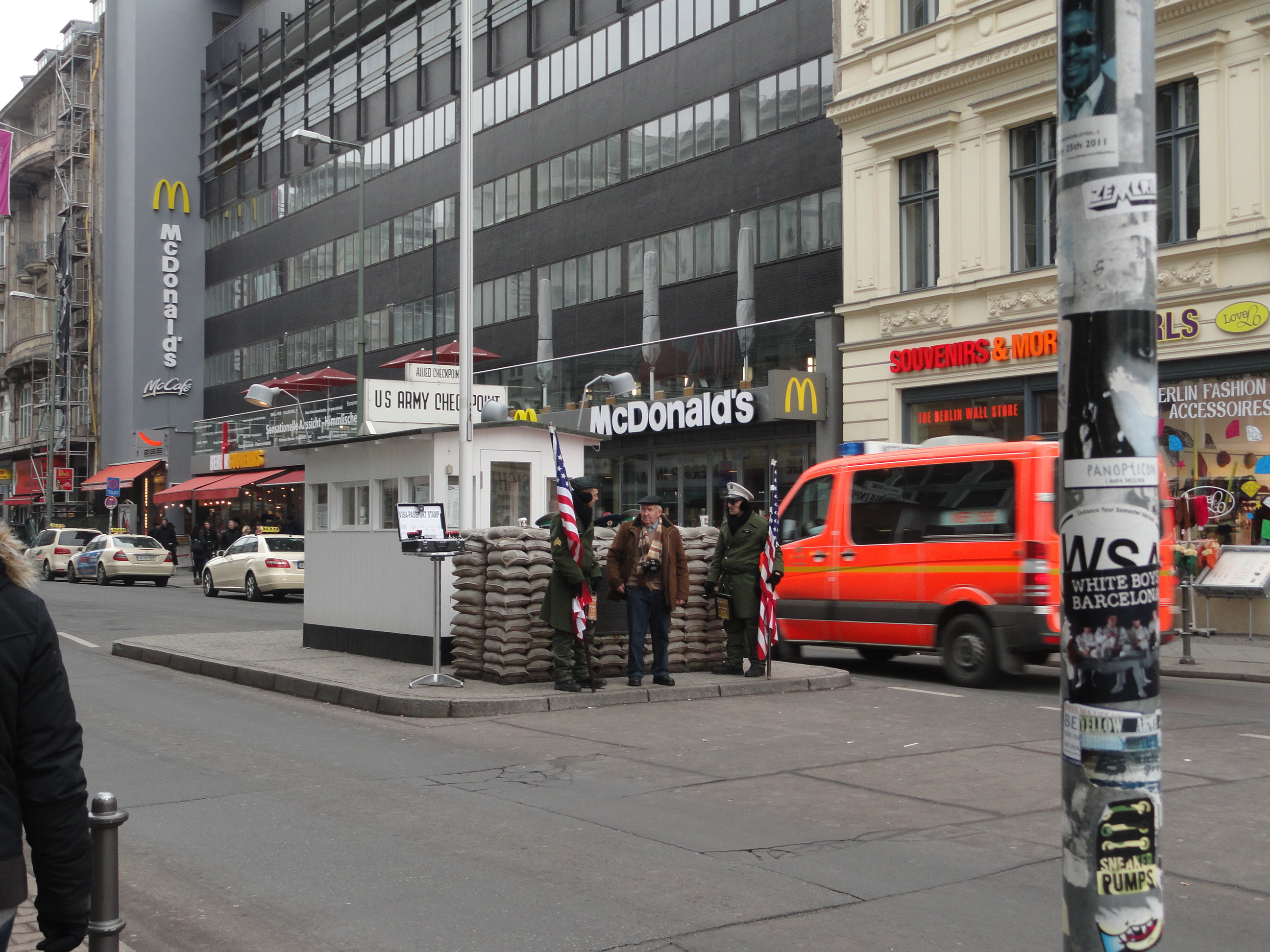
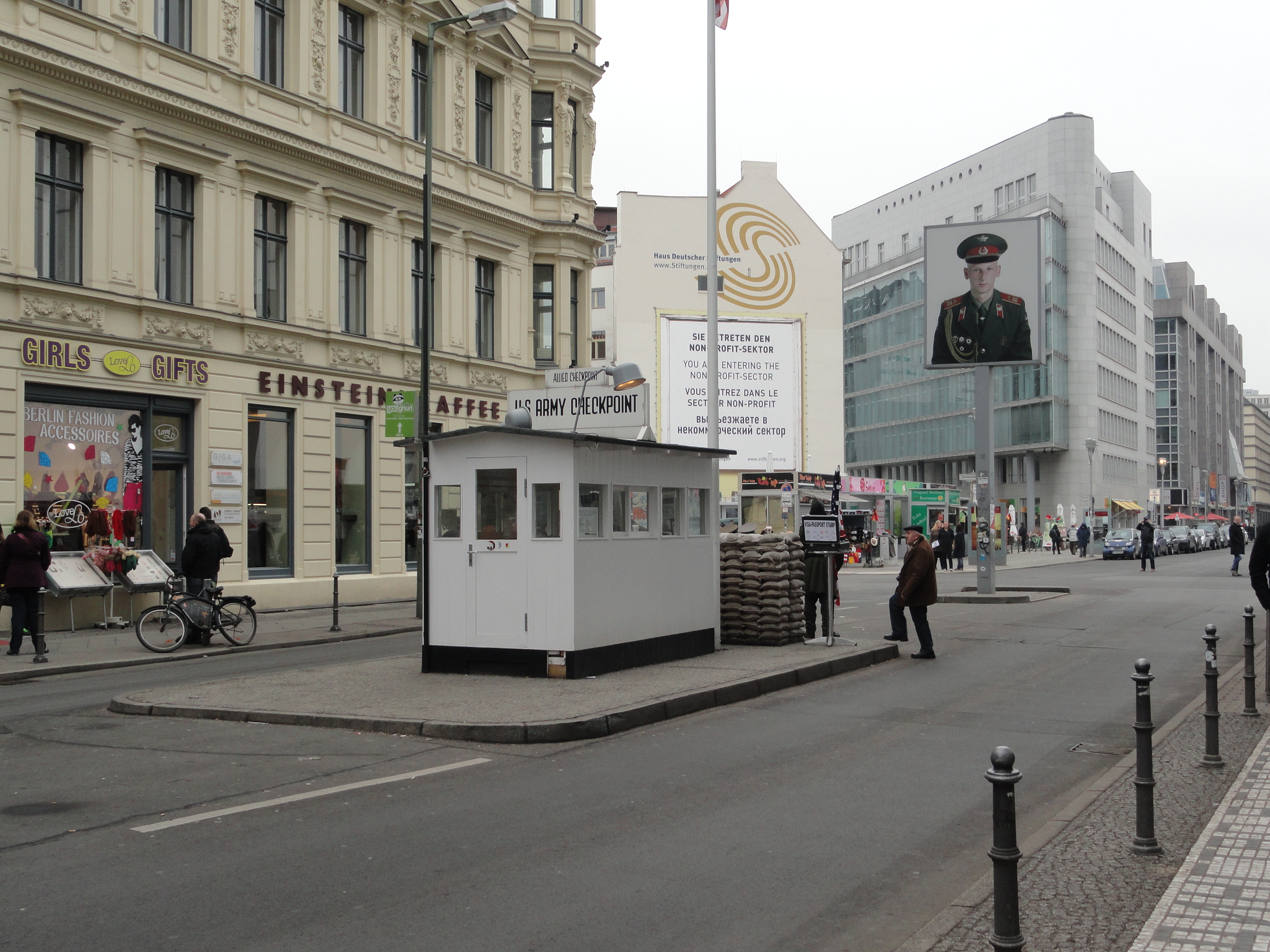
Last Monday we went to check out Checkpoint Charlie 😉 For those of you who don’t know what Checkpoint Charlie was, during the war it was the crossing point between East and West Germany for the allies. This was the only way they could move between the two sides. The name Charlie comes from the NATO phonetic alphabet (Alpha for A, Bravo for B…). Anyways, there’s not much to Checkpoint Charlie now. There is, though, a pretty awesome museum there.

I really enjoyed this museum because it taught me things that I had not already learned from our history classes here and all the other tours of Germany that we had received as a class. For example (and this shocked me) if families tried escaping to the West and they were caught, the parents were forced to put their children up for adoption. How horrendous would it be to get taken away from your parents for trying to get a better life for yourselves? The sad part was that the people that were adopting them didn’t even know where the children had come from. They were only given to them so that they would learn the communist ideals and grow up with them so they could be outstanding citizens.

There was a section of the museum that had nothing to do with World War II. It was a section that focused more on political activism from around the world. This part of the museum was very interesting because it told stories of people who had stood up for what they believed in, no matter the consequences.

There was another museum that I went to that day that I really enjoyed as well. It was the Jewish Museum of Berlin. Ok, so I know that museums can get pretty boring. Believe me, just in the past couple of weeks I have seen my fair share of museums. Our group has started using the term ‘museumed out’ to refer to the fact that we can’t go to anymore museums because we’ve already been to so many. But let me tell you. This museum was fun because it was interactive. Call me a kid, but sometimes I like a museum to have a little more than just facts on a wall to read. Another cool thing about the museum was that it didn’t just talk about the Jewish community during WWII. It talked about their entire history, as well as their religion, which was also really neat to learn about.

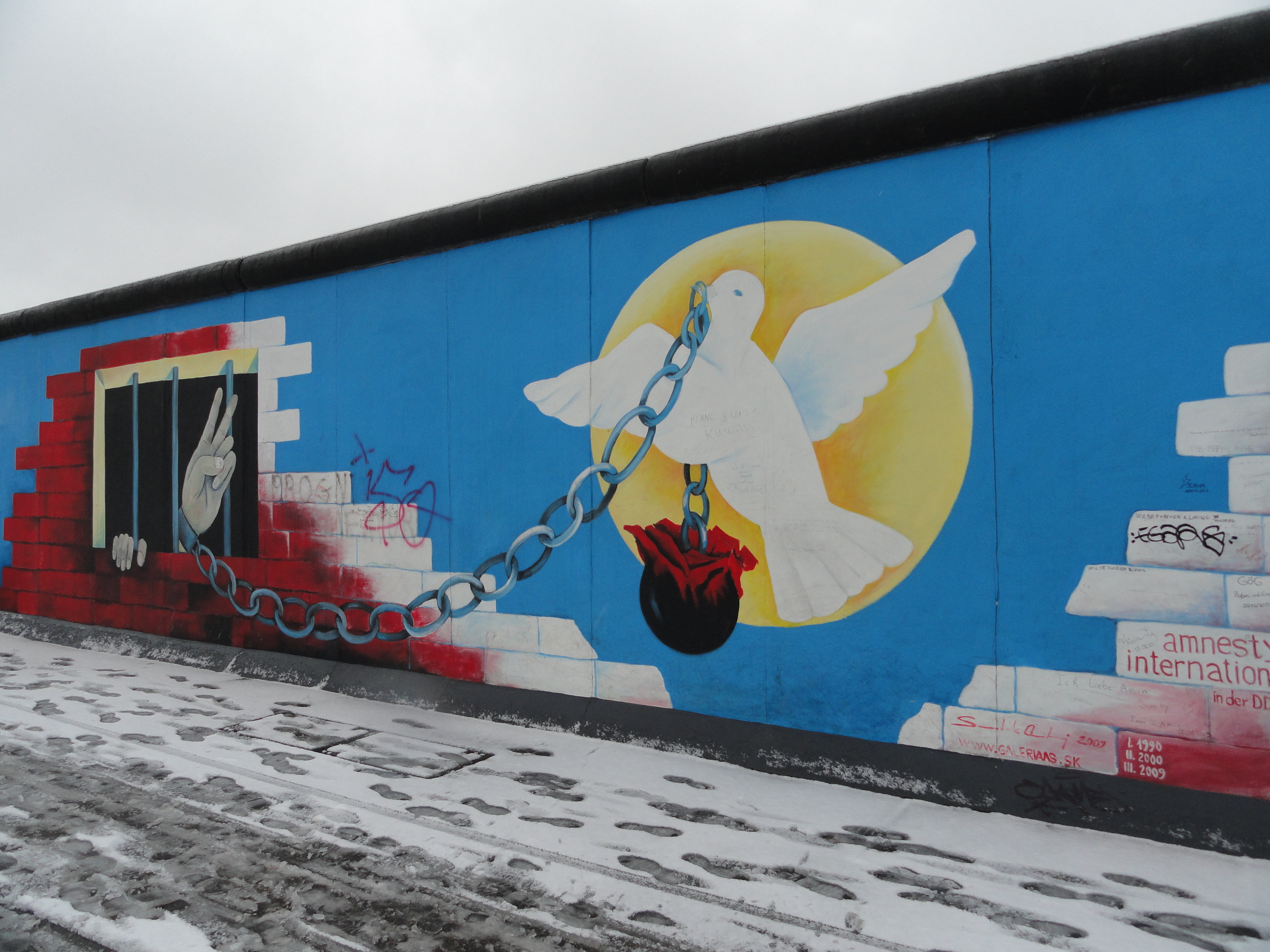
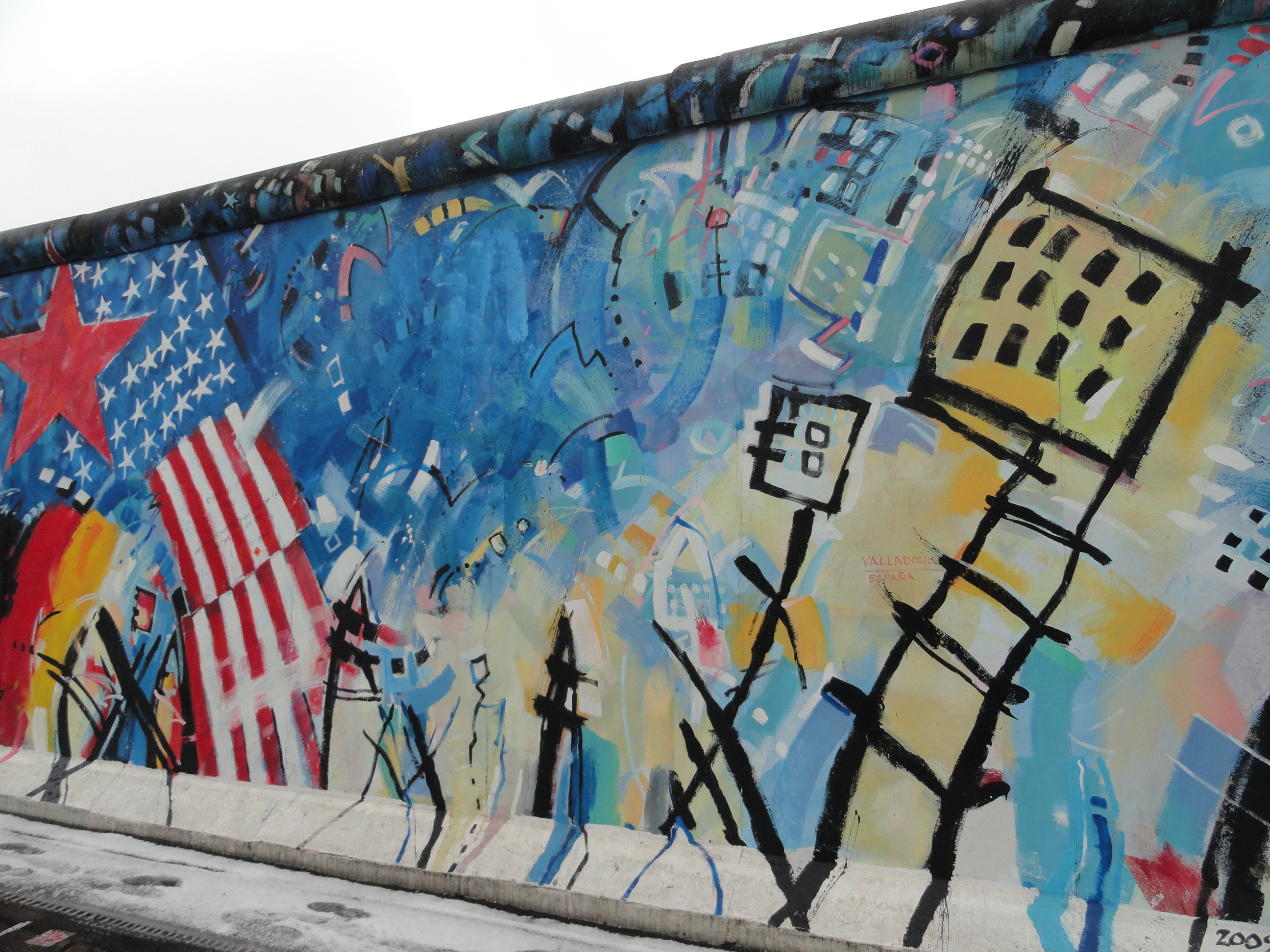
The next day we went to multiple museums again (there really is more to do in Berlin, but you can find a museum for everything in Berlin). We went to the Eastside Wall Gallery. This is the part of the Berlin Wall that was not torn down after the war. Instead, they invited artists and other people to come and paint on the side that faced the east, because they had not been allowed to draw on the wall, unlike the west. The artwork on the wall was amazing! It ranged from really serious pieces to very abstract ones. Afterward, we went to a nature museum that is basically like the Field Museum in Chicago, but it was still really neat to go to.

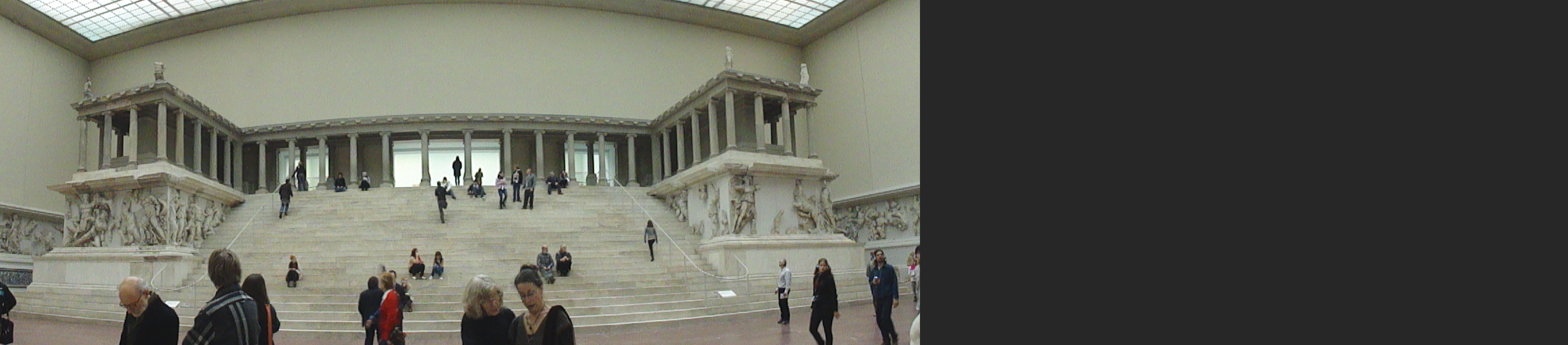
We then went to an area in Berlin called Museum Island. This is where most museums are. There we saw the Pergamon museum, which is one of those museums where you go in take pictures and leave. It’s not really one where I would spend too much time in. The place is really  big in order to fit larger sculptures such as a large set of stairs.

That night we were all really tired (as you would assume after all of the time we spent in museums over the past two days!) so we had group movie night. It was actually really fun. Somehow, and I wouldn’t be able to explain how anymore, all eleven of us fit on two small couches, a small bed, and two chairs. It sounds like a lot but all together it was not a whole lot of space. I guess you could say the movie really brought us closer together 😉

Family Matters

Being abroad is, in concrete terms, a complete whirlwind of experiences and emotions. One minute, you’re unstoppable – the sun is shining and the world is at your feet, tempting you with promises of adventures not yet had. The next minute, you want nothing more than a Chicago-style pizza, a plate of your grandma’s chocolate chip cookies, and a lazy afternoon at home watching movies with your parents and siblings. Nostalgia happens differently for everyone, and especially for someone like me who has a tendency to get homesick, I have no greater gift out here than that of my Spanish host family.

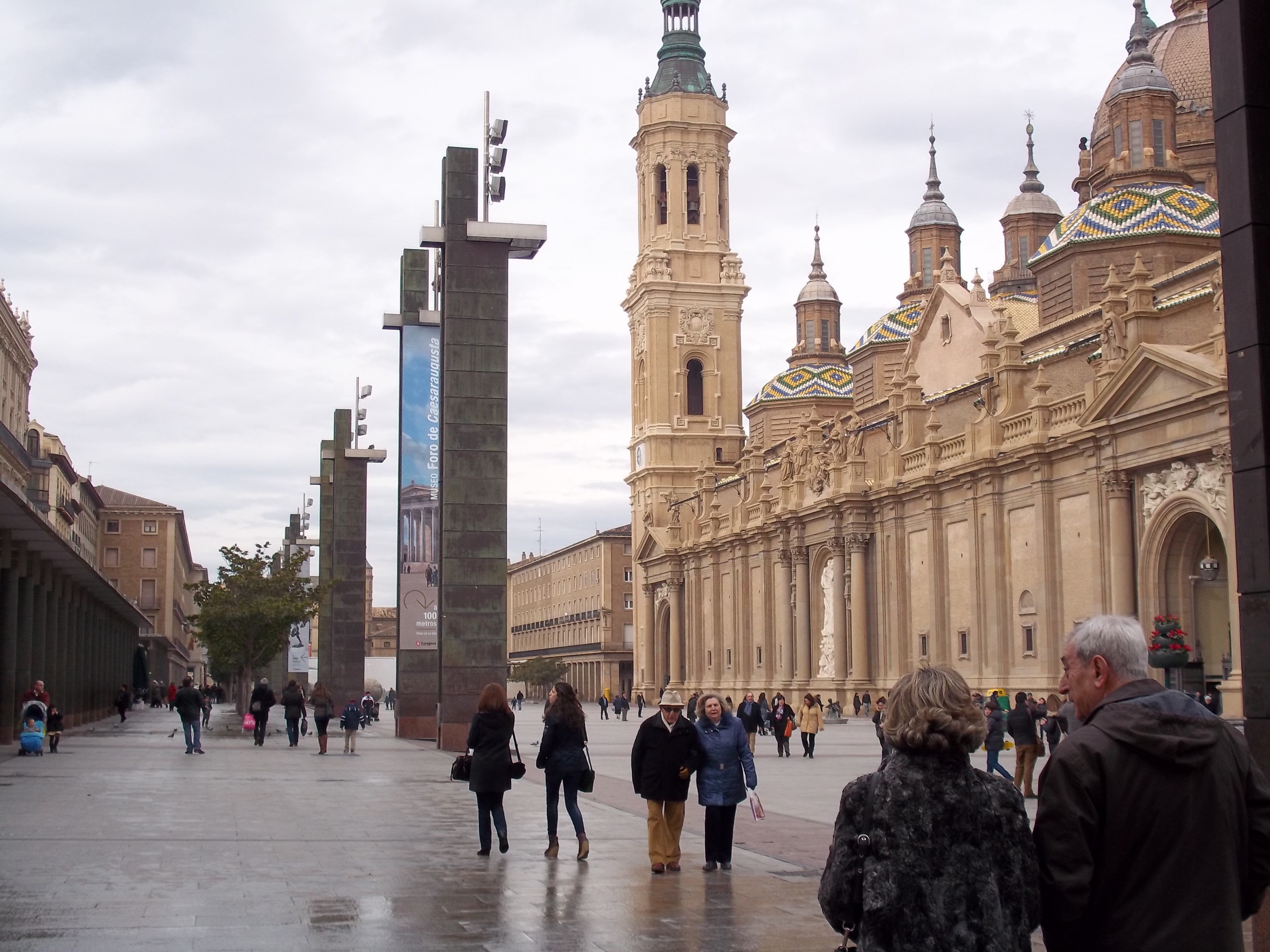
Families walking hand in hand around Zaragoza

Families walking hand in hand around Zaragoza

The host family experience is a very unique thing. It takes a certain specific personality type to be able to welcome a complete stranger into your home, to share your life/lives with that stranger, and to say from the start with real meaning, “You’re a member of our family now.” It’s very humbling, and has given me the opportunity to have a different kind of familiar bond/living situation than I’ve ever had before. I’ve heard both horror stories and success stories about host families, and I couldn’t be more grateful to be able to brag about what a wonderful fit I have in mine.

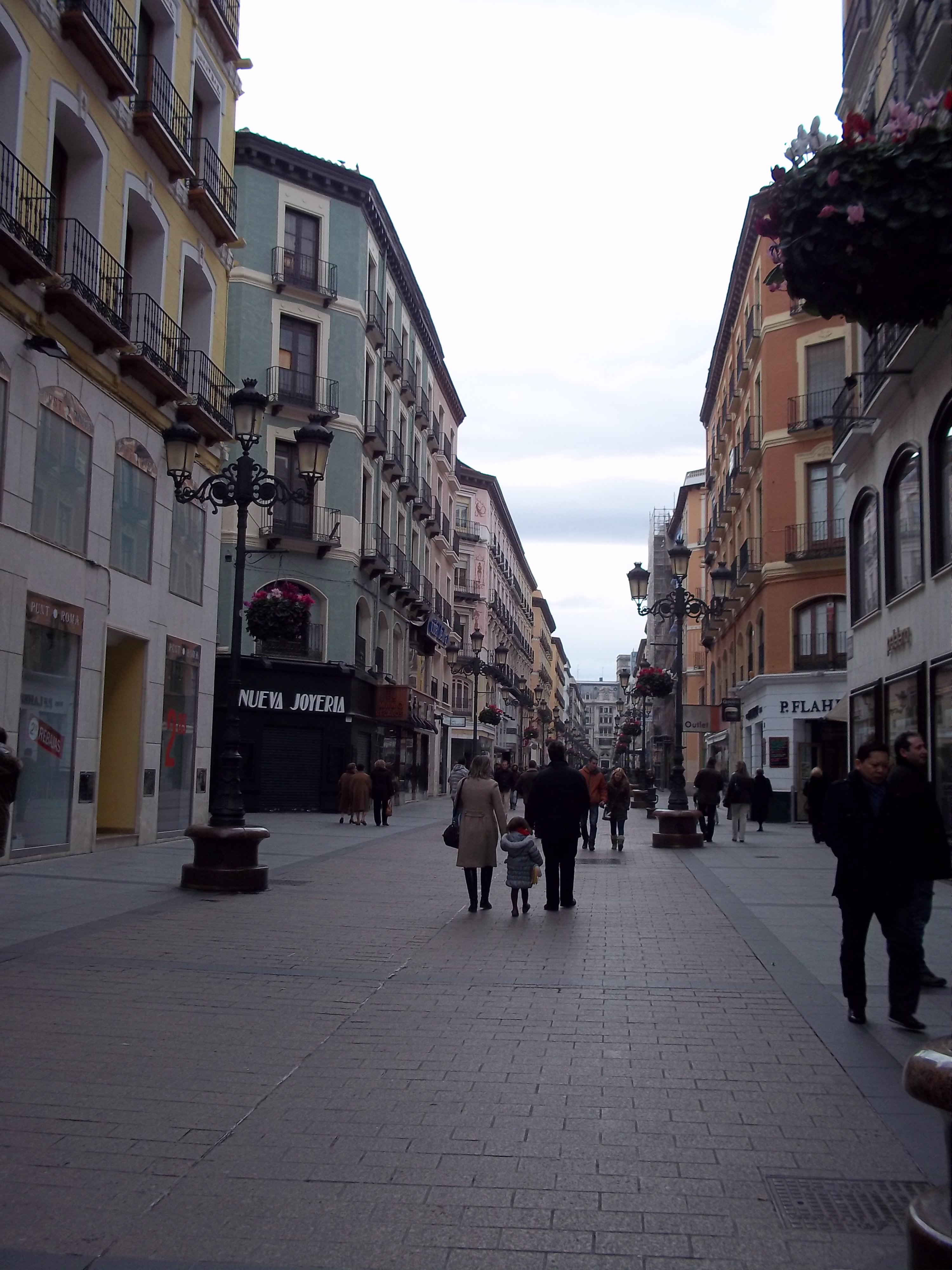
The Spanish are known to be very warm, hospitable, and family-oriented people. Things like eating daily meals around the table together or living within the same vicinity as grandparents and other extended relations are of high importance in Spanish civilization, and evidence of the strong family bonds that exist within this society are visible everywhere you go. It’s not unusual to see daughters or granddaughters guiding their mothers down the street arm in arm, or to see sons, fathers, and grandfathers gathered together over a table at the bar. Couples are very affectionate (sometimes shamelessly so!) and children are often doted upon by their parents. In fact, it isn’t uncommon for children to live with their parents until they marry (and according to the Census Bureau, the average age for marriage in Spain among men is 31 and among women is 27.)

Couples, sons and daughters, brothers and sisters, mothers and fathers, all ages...

Couples, sons and daughters, brothers and sisters, mothers and fathers, all ages...

Family is king here, and especially in a time where the government and the economy are laden with more corruption and bad news than I ever would have anticipated, it’s those bonds within families that hold Spain together as a primarily optimistic nation full of friendly faces and genuine kindness. Being submerged in such a close-knit culture, I’ve felt both humbled and honored to be welcomed so fully into my host family’s home. It’s the little things that make the apartment a cozy and welcoming place to live. Mini vocabulary/history lessons or talking sports with my host dad, daily tongue twisters and jokes with my host brother, the constant actions of motherly kindness and care that my wonderful host mom demonstrates – (she makes me coffee in the mornings, chases me out the door with a scarf when it’s cold, has the patience of a saint with my Spanish speaking abilities, scolds me when my room is messy, lets me pick what to have for dinner some days… you know, mom-type stuff.)

None of these daily occurrences are really out of the ordinary, but day by day, they change the environment from being a strange place to an adopted home away from home. And as time has passed, I’ve been able to make my own little place within the family, bringing simple elements of my home in the States to my Spanish family. For example, I made banana bread for them the other day, and I’ve never seen three people so excited to try a cake that took less than ten minutes to assemble. It’s those simple, culture-merging household memories that set the host family experience apart from all the other living environments I’ve ever (and probably will ever) experience – bridging gaps through the most basic and familiar daily occurrences and experiencing a friendship that’s cemented while chatting around the kitchen table or while watching a movie together in the living room.

Little by little, I’ve felt myself change from a stranger to an adopted part of the family, and it’s a wonderful feeling to have, especially on days when I’m feeling blue and am missing the people I love back home. When my host mom called me “mija” yesterday (a Spanish term of affection that means “my daughter”), my heart melted. I am so blessed to be experiencing firsthand what it means to really be a part of a family here in Spain.

Also. I tried taking a picture with my host family tonight, but they were camera-shy. I’ll be sure to get at least a few by the end of my semester!

Being entertained in Berlin

Now, we went on a tour of the city but that only lasted until around lunch time so afterward some of us went to the DDR Museum. The DDR, known as the GDR in English, was the east side when Germany was divided. This museum was awesome! It was probably one of the top museums that I went to in Berlin. The entire museum was very interactive. There were drawers that you could pull out and play with whatever was inside of them. Sometimes they also had just information in them.

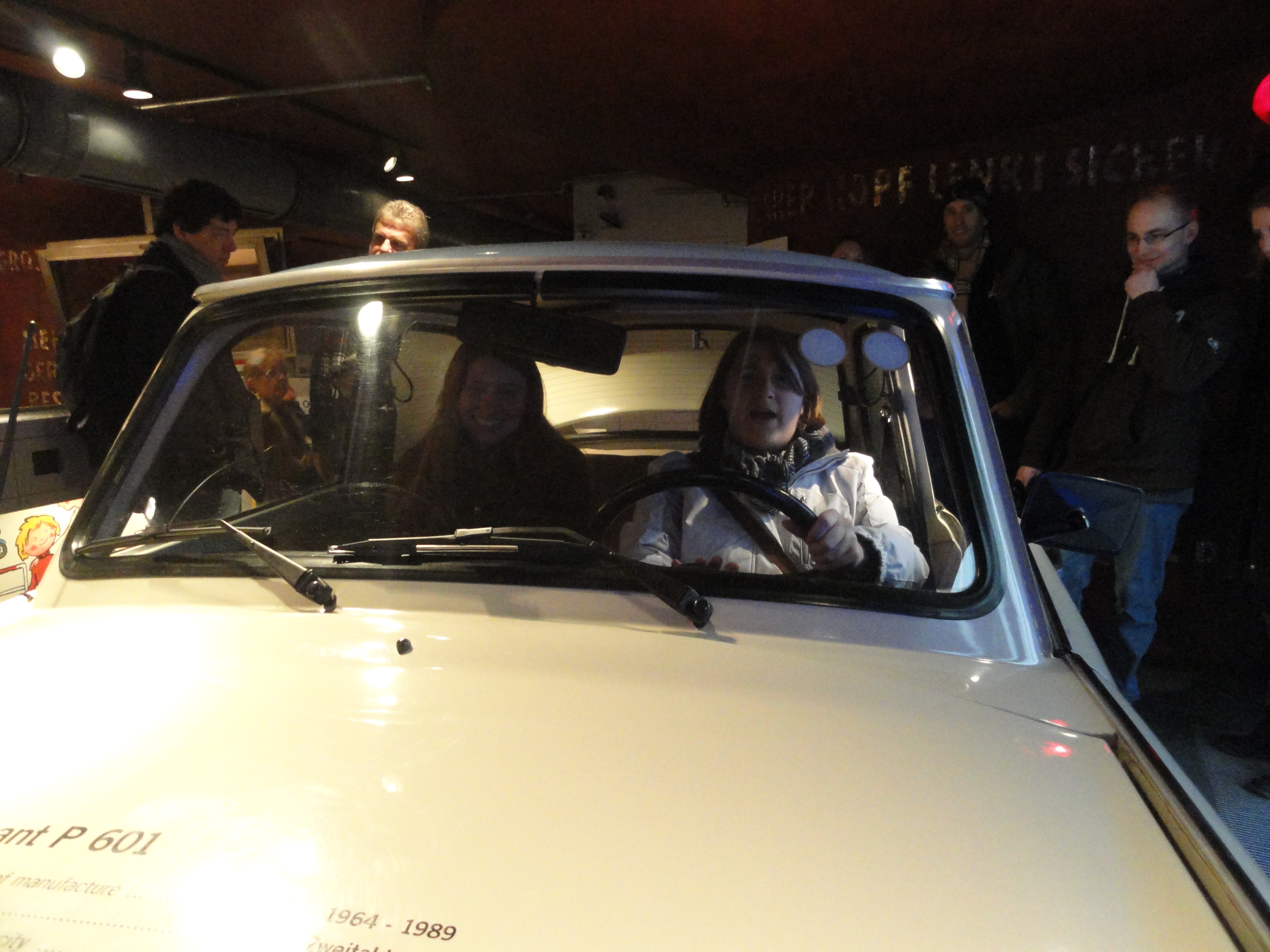
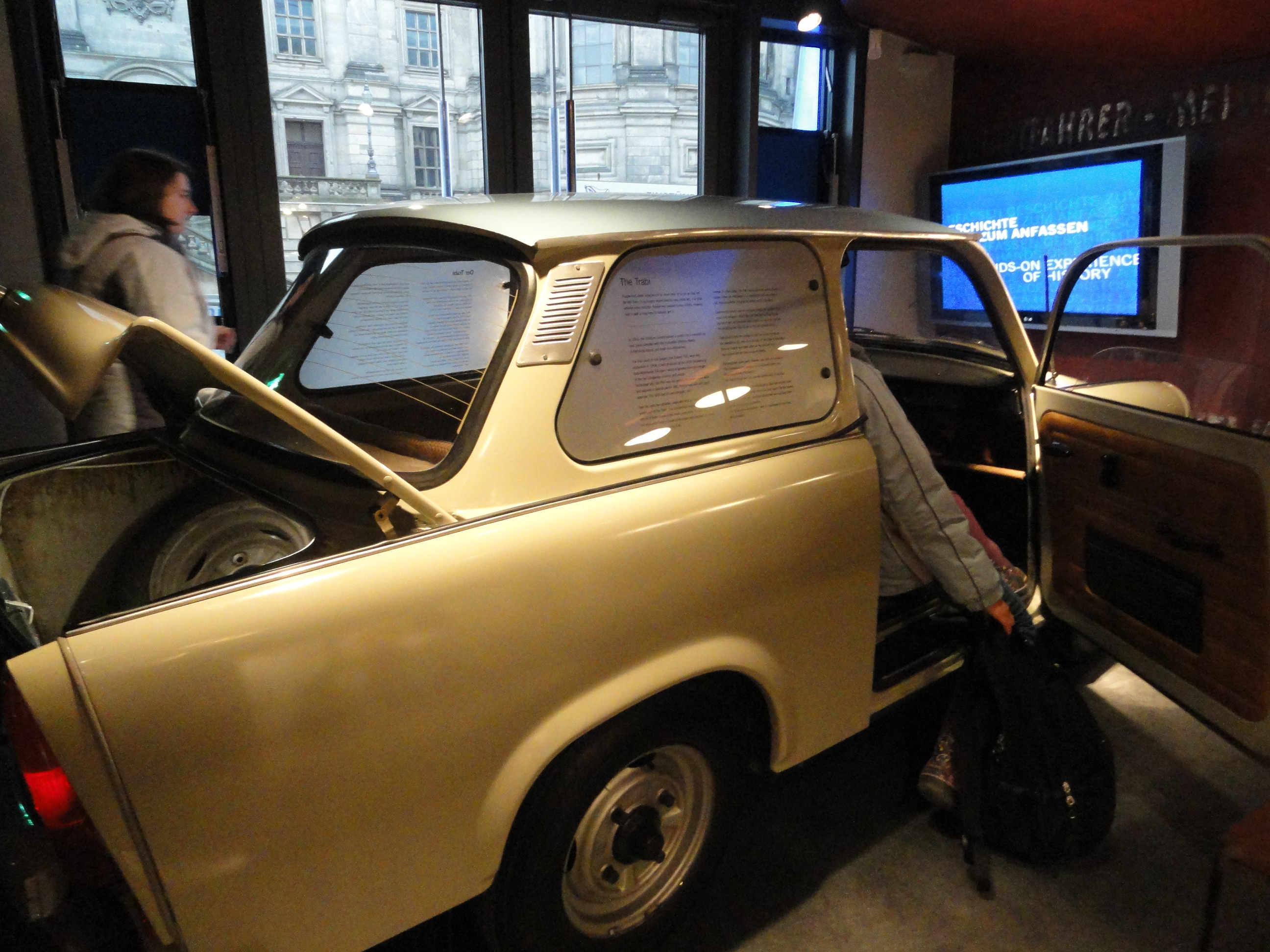
They even had the cars that were only produced in the East, the Trabant. The cool part was that you could pretend to drive in one and see what the inside looked like. These cars took so long to manufacture that as soon as you had a child you would have to put your name on the list in order to make sure that it was done by the time your child of 16 needed it. That is a really long time to spend building one car!

There was also an interrogation room that I actually sat in and it felt as though I was really being interrogated by someone. The neat thing about the room was that on the table there were two black spots. In order to hear the real answers to some of the questions from the interrogator, you had to put your elbows on the black spots and put your hands over your ears.

This next part may sound strange but the museum had a section on nudists. Apparently, it was the only freedom that people actually thought they had in the East so they decided to use their lack of clothing to make a statement. I mean, clothing was optional but most chose the option of none.

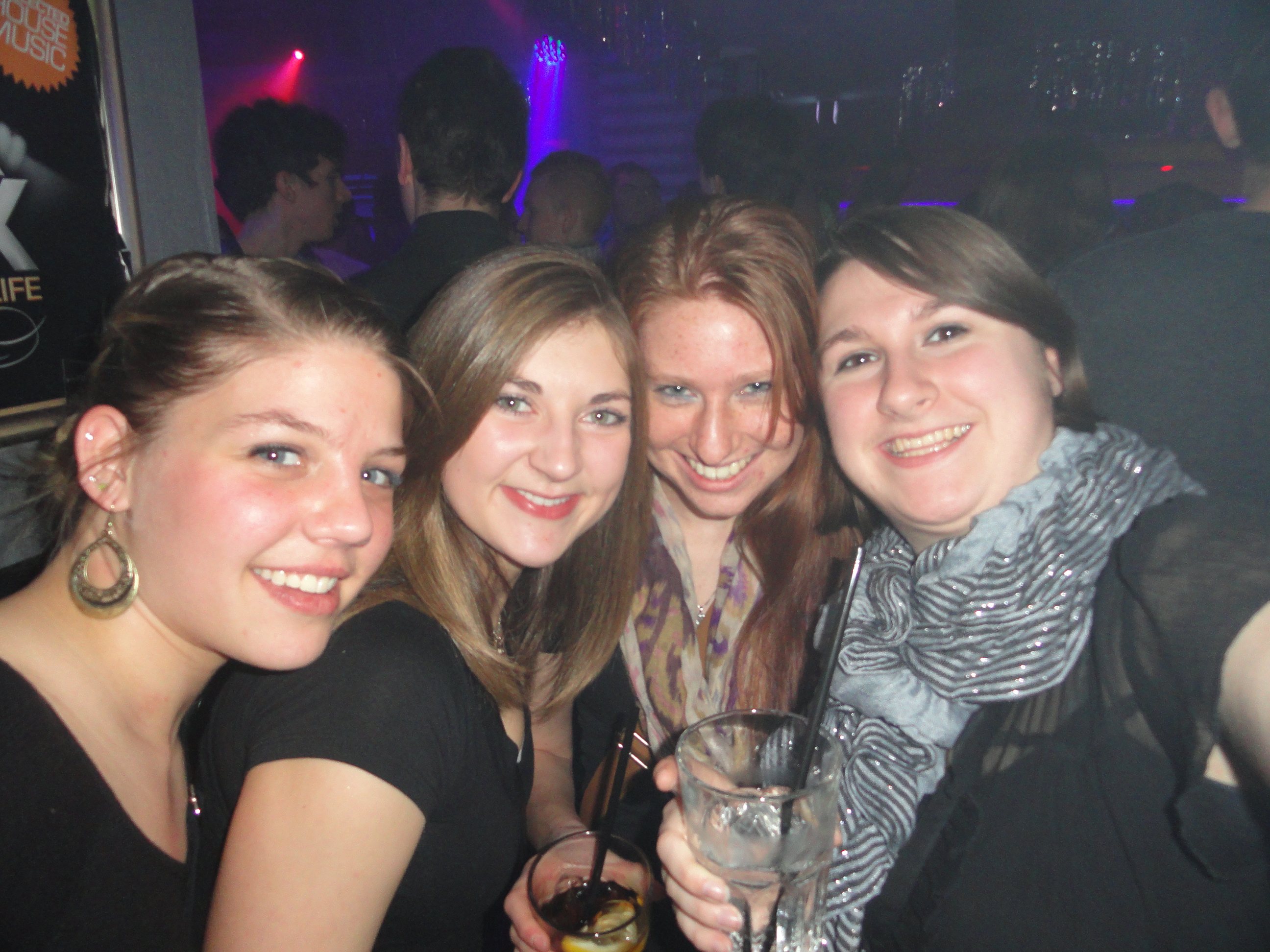
That night, a couple of us went to a club. I mean, it is Europe so we thought we should at least try to go out once. The place we went to was called Qdorf. It was awesome! There were two floors and each floor had multiple rooms, with each room being a different genre of music. They had rooms that included a karaoke room and a salsa room. They even had country, as well as hip hop and R&B room. I had never been to  a club like that before and I can assure you that we had fun. The cool thing about it was that if you got bored in one room, you could just walk to another and start dancing. I strongly advise that if anyone ever goes to Berlin, Qdorf is the club to go to.

Language Barrier Culture Shock

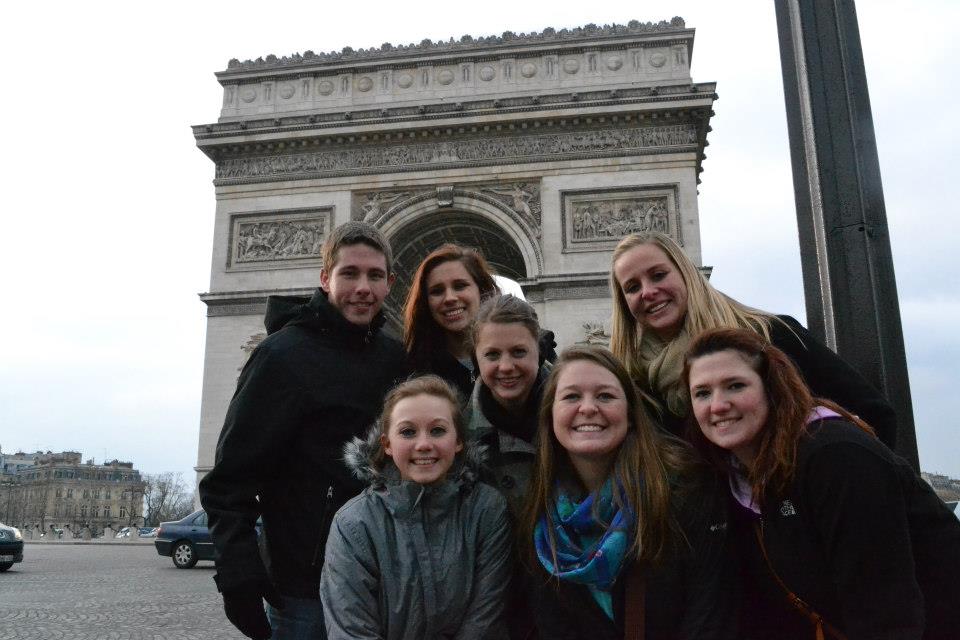
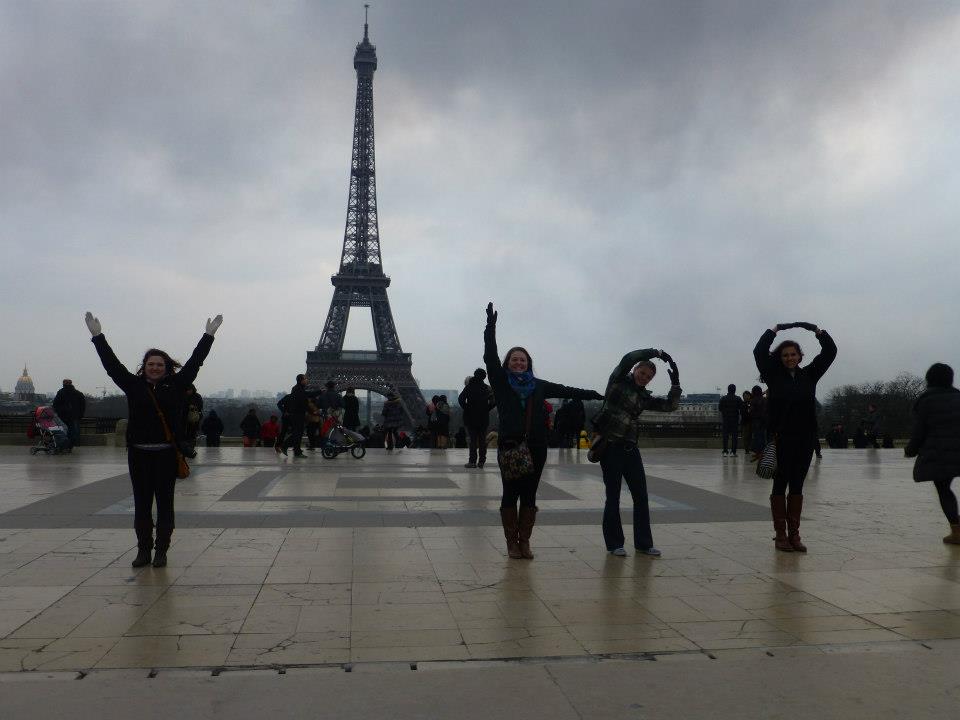
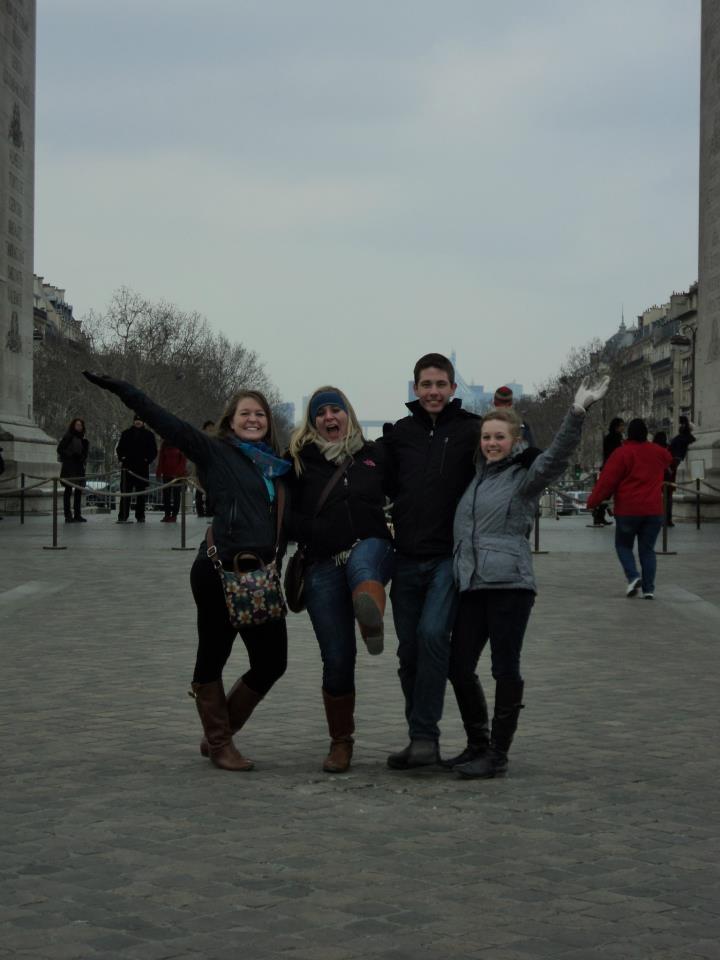
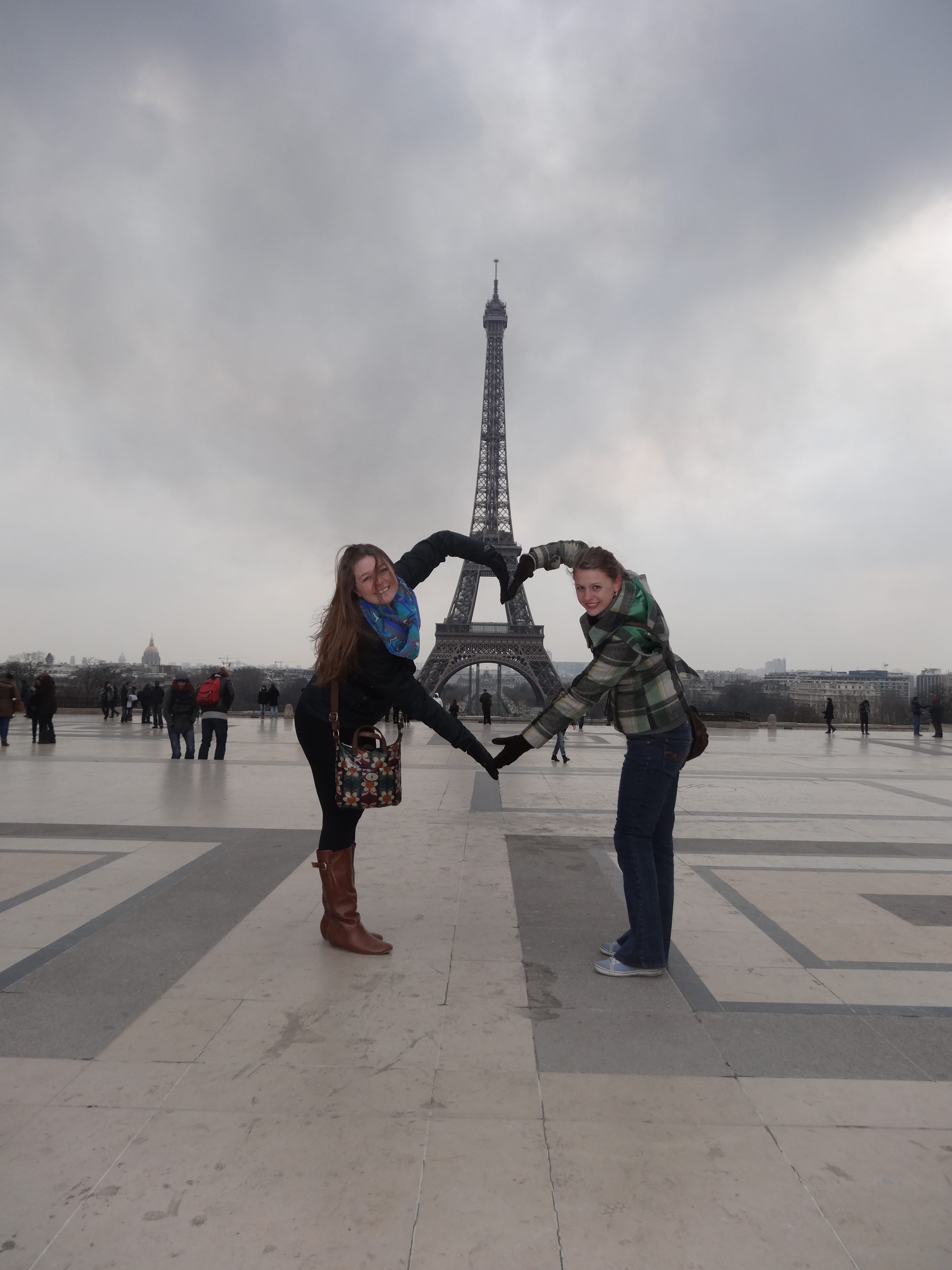
This past weekend, 6 of my friends and I traveled to the wonderful cit of Paris, France. In all the classes about study abroad we took before coming over here we learned all about culture shock and what its going to be like to experience it and how to deal with the stress and emotional roller coasters that go along with culture shock. Since being over here in England, however, I have experienced little to no culture shock. Sure some things are different, but I can cope well enough with things like driving on the left side of the road, or the fact that they don’t have mac and cheese. But I hadn’t actually experienced genuine culture shock… until this weekend that is.                          
I didn’t even think going over there that there would be a language barrier. I know, that’s a little ignorant, but I completely over looked that little piece of vital importance. My friends though, were prepared and printed out sheets of small phrases that we would most likely have to say. So on the train ride to the airport, we practiced our French. Still, at that point I still didn’t really think it would be too much of an issue. But, right when I got off the plane and walked into the French airport, I knew I was in trouble. EVERYTHING was in French, which makes sense because we were in France, but I was taken aback by how different their language was from ours. We successfully maneuvered our way through the airport to the train station and bought tickets to get to our hostel. Even buying tickets (which is such a mundane thing to do) was extremely difficult. We found our hostel and checked in and thankfully, a lot of Parisians speak some English (even thought they aren’t really happy to do so.)
The only things I know how to say in French are “Merci” “Merci Beaucoup” “S’il Vous Plait” “Bonjour” and “Au Revoir” and I said these 5 phrases over and over and over again this weekend. It was such a great relief when we actually found someone who spoke fluent English so we wouldn’t have to talk with our hands, or repeat ourselves over and over to get our point across, that, all we really wanted was a sandwich or a bottle of water.
Another thing is that the Parisians just really do not like Americans or the English so we stood out like a sore thumb with our loud American accents. We got many glares over the weekend. And when you get lost and are looking for directions, they will mess with you and play games because they think its funny to not help English speaking American tourists as some of our group found out the hard way.
I was extremely happy and relieved to come back to the UK and be able to understand all the people and read all the signs. Don’t get me wrong, I loved Paris and I would go back in a heartbeat, and really most of the Parisians are quite nice, but I felt a sense of homecoming when I got off the plane at London Luton and it was the best feeling in the world.

First taste of Berlin

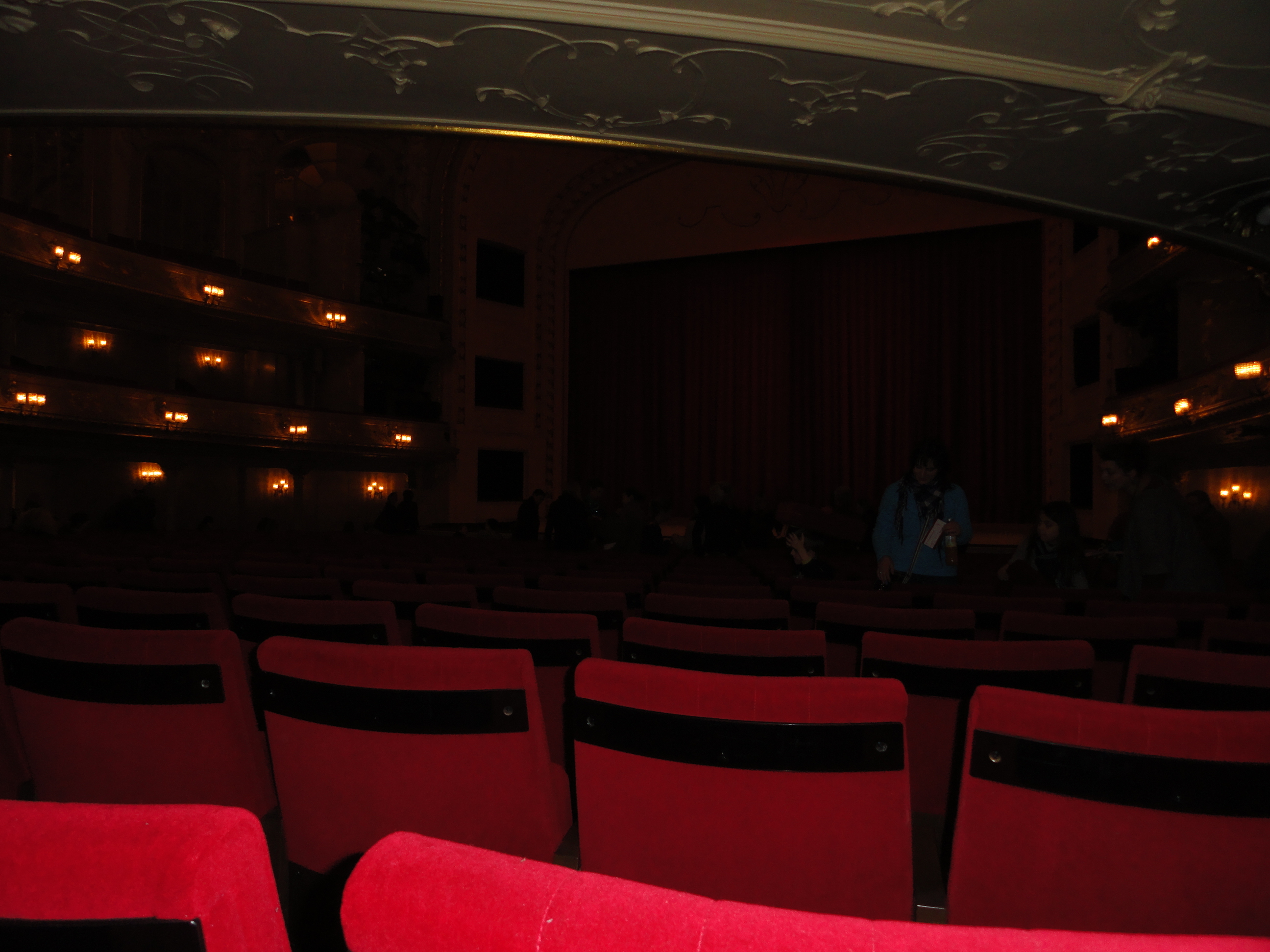
This past week has been full of excitement. Our class traveled to Berlin to not only learn about the capital of Germany but to also experience a different side to Germany; the more modern side. The first day in Berlin we arrived in the evening, so a couple of us went to the opera house to see The Wizard of Oz ballet. This was the first ballet I have ever been to and it was just so amazing. My favorite part would have had to have been the scarecrow dance. The scarecrow is a limp character (for lack of a better term) and so his dance was kind of all over the place and very funny.

The lion had a very funny walk that brought the crowd to laughter everytime he walked somewhere. The best part would have had to have been when the clan has to get ready to meet the wizard and must therefore wash up. The production used clear balloons to represent the bubbles in a bath and the dancers on stage used them as props to dance with.
At one point a white screen was on stage in order to give them time to change the set behind it, and during this time leaf blowers were brought out and they blew the balloons forward to make it look like the characters were actually taking a bath with soap bubbles floating everywhere. The cool thing happened at the end when after the curtain call, the cast kicked the balloons into the audience. You can bet the kids in the audience had a blast with that.

The neat thing about the ballet was that it had its own original music. There may have been parts where the orchestra would play certain parts from the songs in the movie, but all in all everything was an original, which was really amazing.

The next day my class had a tour of Berlin, mainly the east side. There were some things that I had already known about from taking some of my German classes at Valpo, but there were some things that I learned that were very interesting. Apparently in order to escape east Berlin, a man took his son and wife to an office building and then placed a sign on the bathroom door indicating it was out of order and they hid in there until nightfall. At nightfall they climbed out onto the roof and threw a rope to the other side where the man’s brother was waiting for it. This family slid across to the other side without anyone noticing until the next morning when everyone saw the rope leading from the east to the west. Or so they thought no one had noticed anything the night before. It turns out that the guards on duty that night had seen them but had thought they were spies being sent to the west. That just goes to show how professional the family looked and just how difficult it must have been to have made it look like they were spies.

This all is just the tip of the iceberg, so to speak. There will be more to come this week, including Checkpoint Charlie and the concentration camp Sachsenhausen, as well as multiple museums that are definitely worth going to if you ever visit Berlin (which, by the way, is well worth it!).

Study Abroad got me my dream job

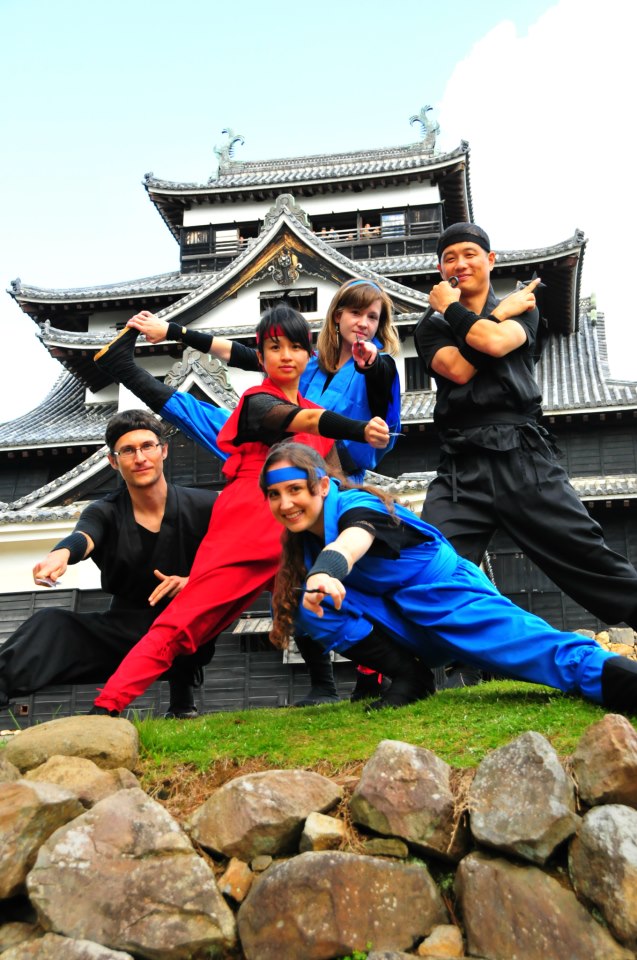
In front of Matsue Castle, this photo was part of my CIR work

My name is Brittany Partin and I decided to study abroad in Japan long before even looking into four-year universities. Once I got to Valpo as a junior level transfer student, the main question was not whether or not to study abroad, but how. I didn’t need anyone to tell me about the adventures, friendships, and personal development that would come with studying abroad, but I needed them to tell me how long and when I should go, how to pay for it, and what classes I should take to fit graduation requirements for both of my majors.  With the help of a few academic advisors, I not only managed to study for a semester at Kansai Gaidai, Japan, but I also went on a ten day research seminar trip to China—all without delaying graduation!
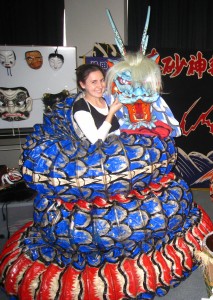
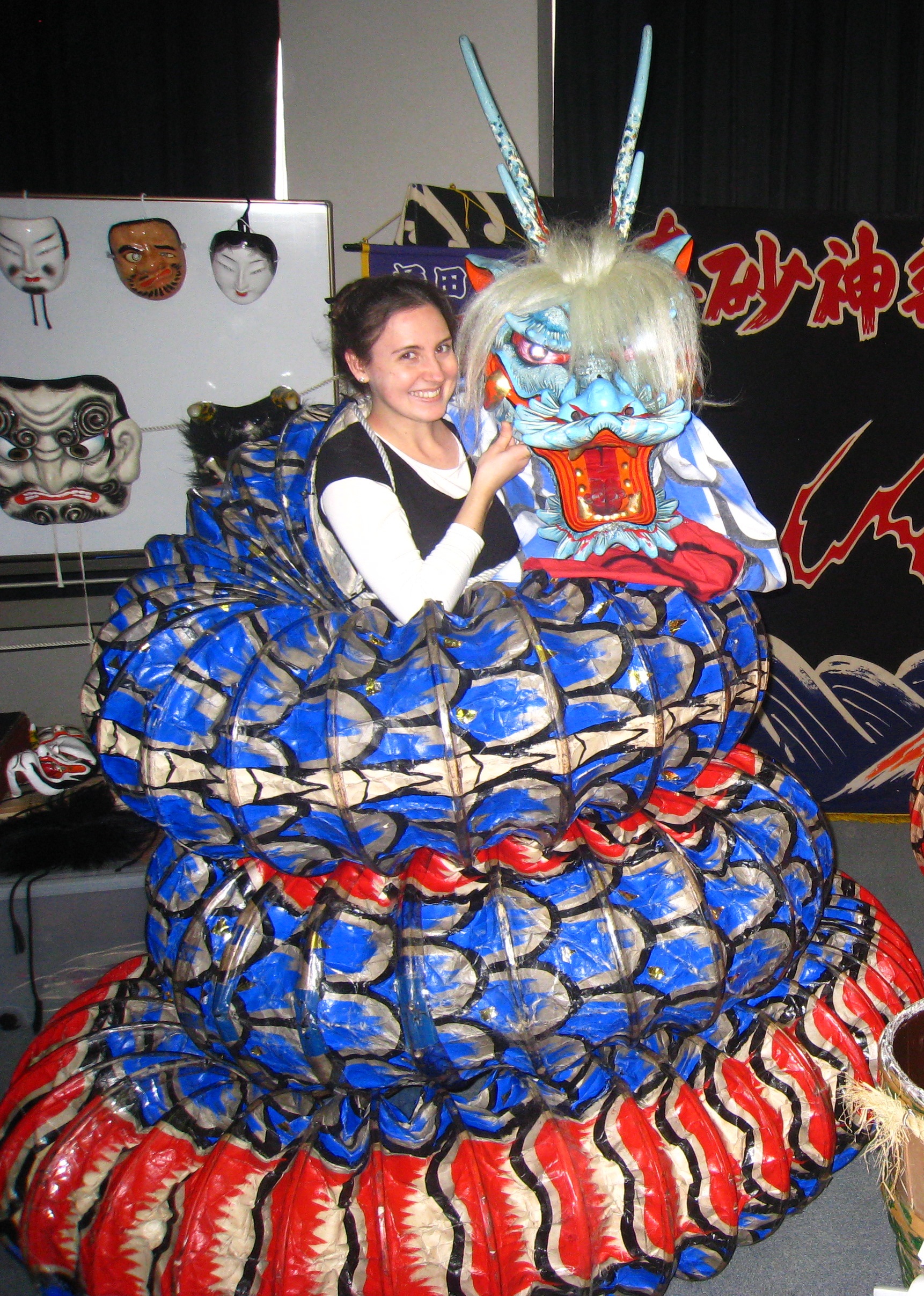
Yamata-no-Orochi in Iwami Kagura theater style

Knowing how fast they would go by, I fit in as many cultural experiences in as I could, and had plans almost every weekend, be it karaoke with an international cast of friends, or outings with my host family. As a student abroad, it is part of your duty to go out and explore.

The difficulty level of my language classes, however, was not something I anticipated. It was a shock when I got my first terrible Japanese midterm results, since all of the Japanese classes I had ever taken in America were a breeze. The shock, however, was one of the greatest things that ever happened in my language learning career. Kansai Gaidai was able to accommodate students at a vast range of language ability levels, and they placed me at an appropriately challenging level. For me, the challenge was a transition from enjoying foreign language classes and using it for fun sometimes to making a serious commitment to attaining fluency.
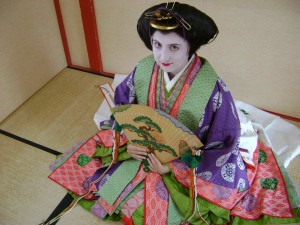
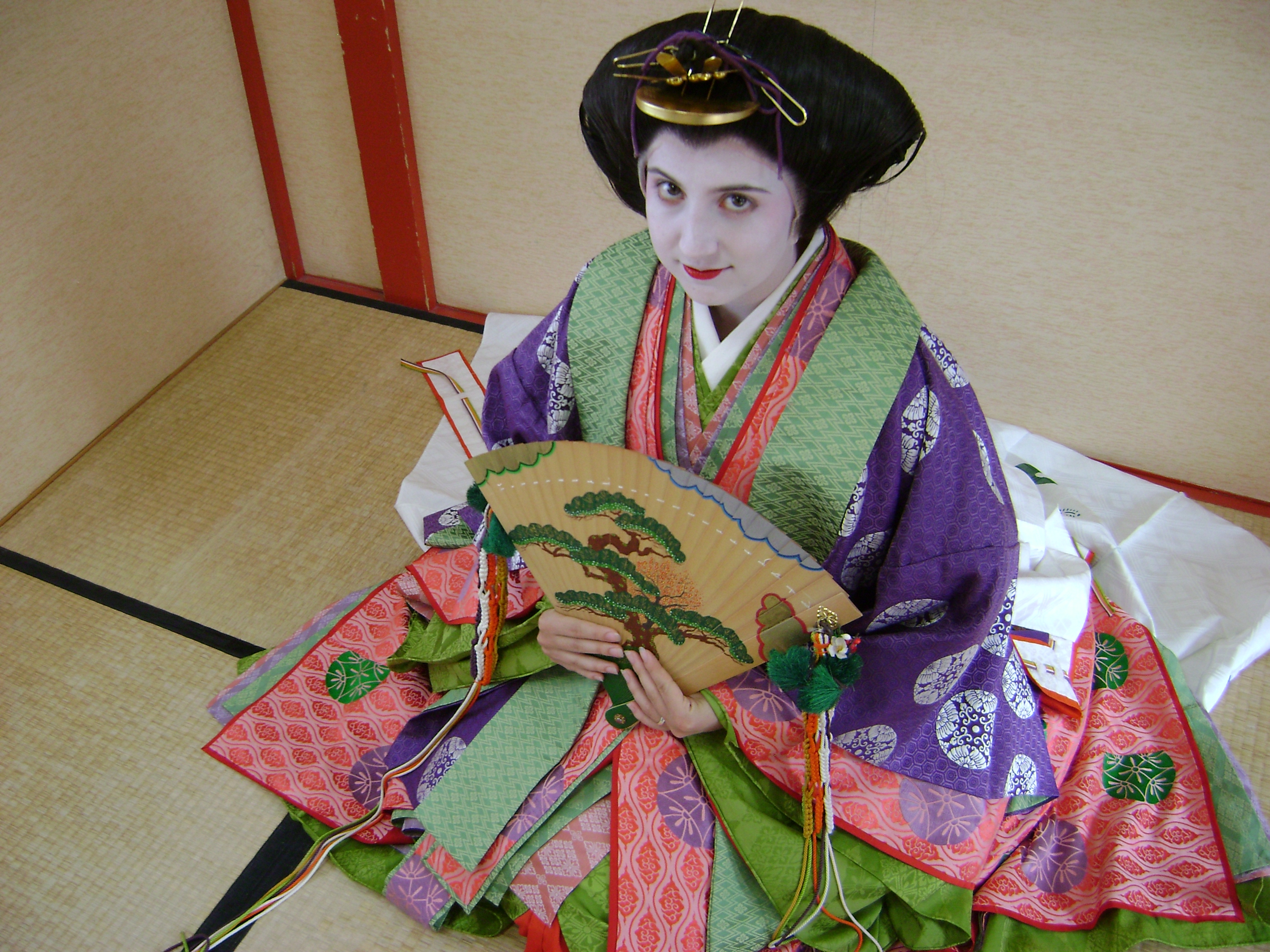
In Kyoto, dressed in Juuni-hitoe robes from the Heian era

Flash forward four years. I’ve since finished undergraduate and graduate school at Valpo, attained a high level of Chinese language proficiency, and


I’m in my first year as a Coordinator for International Relations (CIR) through the JET Program in Matsue City, Shimane Prefecture, Japan. This month I did on-the-fly interpreting with relative ease for a presentation about nuclear power. Back when I was struggling with my Japanese classes as Gaidai, I never thought I’d have to use vocabulary like “nuclear fission” outside my final exam.

Working in Japan isn’t quite the same as studying in Japan (I need to cook and clean for myself instead of having a host mother to do it), and Matsue is not as busy as the Kansai region, but it’s a good fit for me and I feel I’ve prepared well for my work and lifestyle here. Little did I know at Gaidai how much the material I studied would be directly applicable to my career—for instance, the class I took about Shintoism was just out of curiosity and to fulfill my theology requirement. It turns out Shimane is the setting for many Shinto myths, and now I write comics about those myths and introduce local Shinto culture as part of my tourism promotion activities. Furthermore, my professor for that course at Gaidai is now using some of my material! That being said, I still maintain many of the international connections I made while studying abroad.
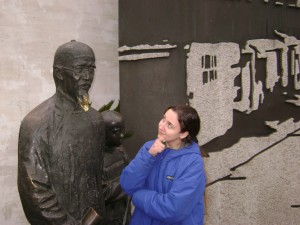
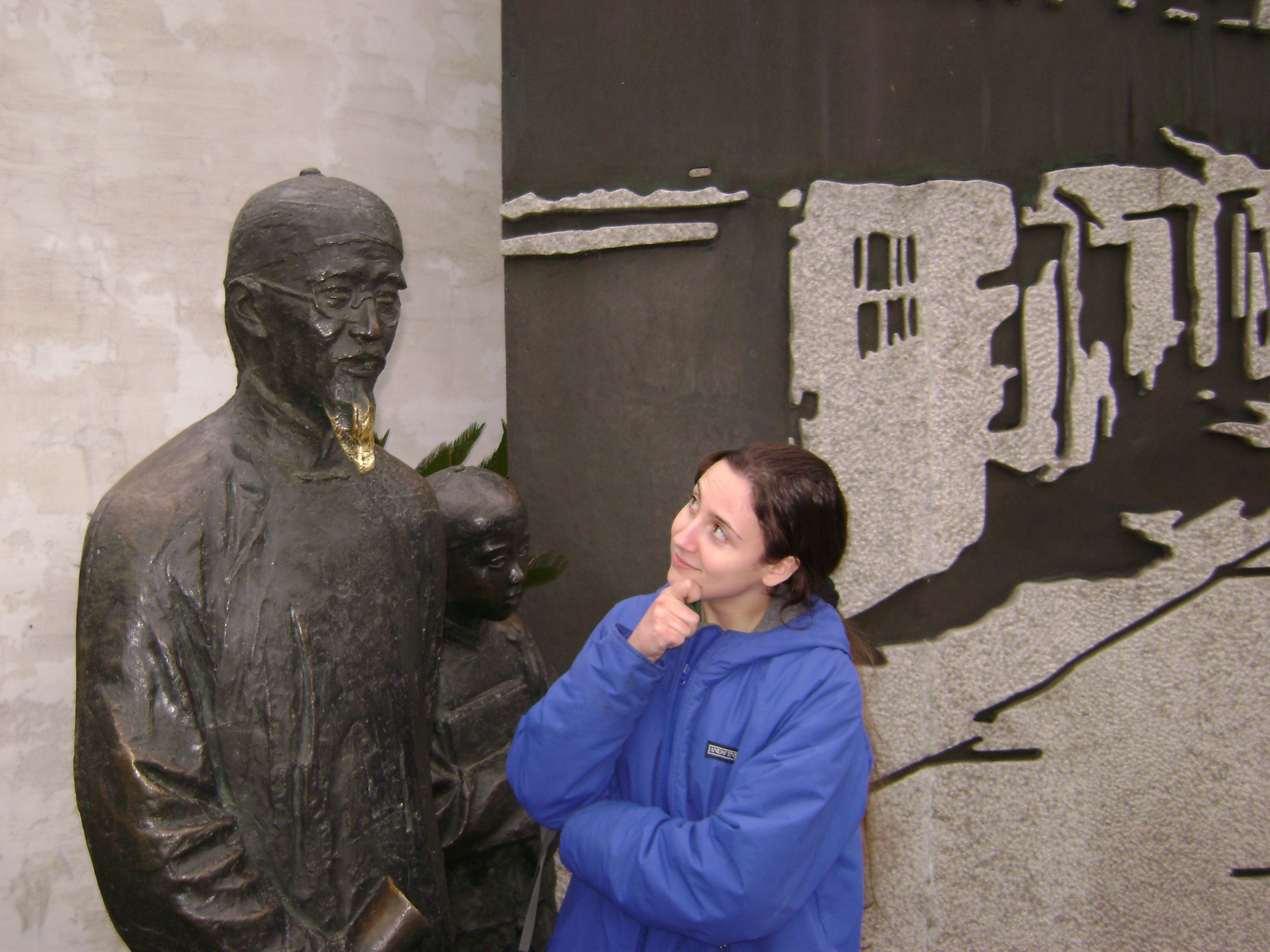
In Shaoxing, China on a spring break research seminar trip

As you are reading this, it is impossible to know where you will be four years from now, but right now you do have the resources to plan the rest of your stay at Valpo effectively. Talk with your advisors about how to make studying abroad work out, and once you get there, take advantage of everything. This is your semester to open yourself up to new experiences and challenges that only a change of scenery—and language, and diet, and customs, and community—can provide. You never know what is going to prove valuable in the future, but probably more than you can imagine right now.

Because I work in the international tourism promotion office, one aspect of my job is to blog about my adventures out here, so please take a look sometime: http://saninstory.wordpress.com/ and consider the many opportunities studying abroad can open up for you!
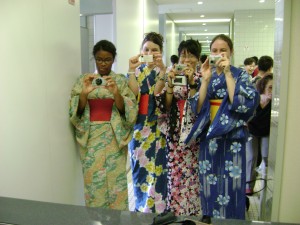
 

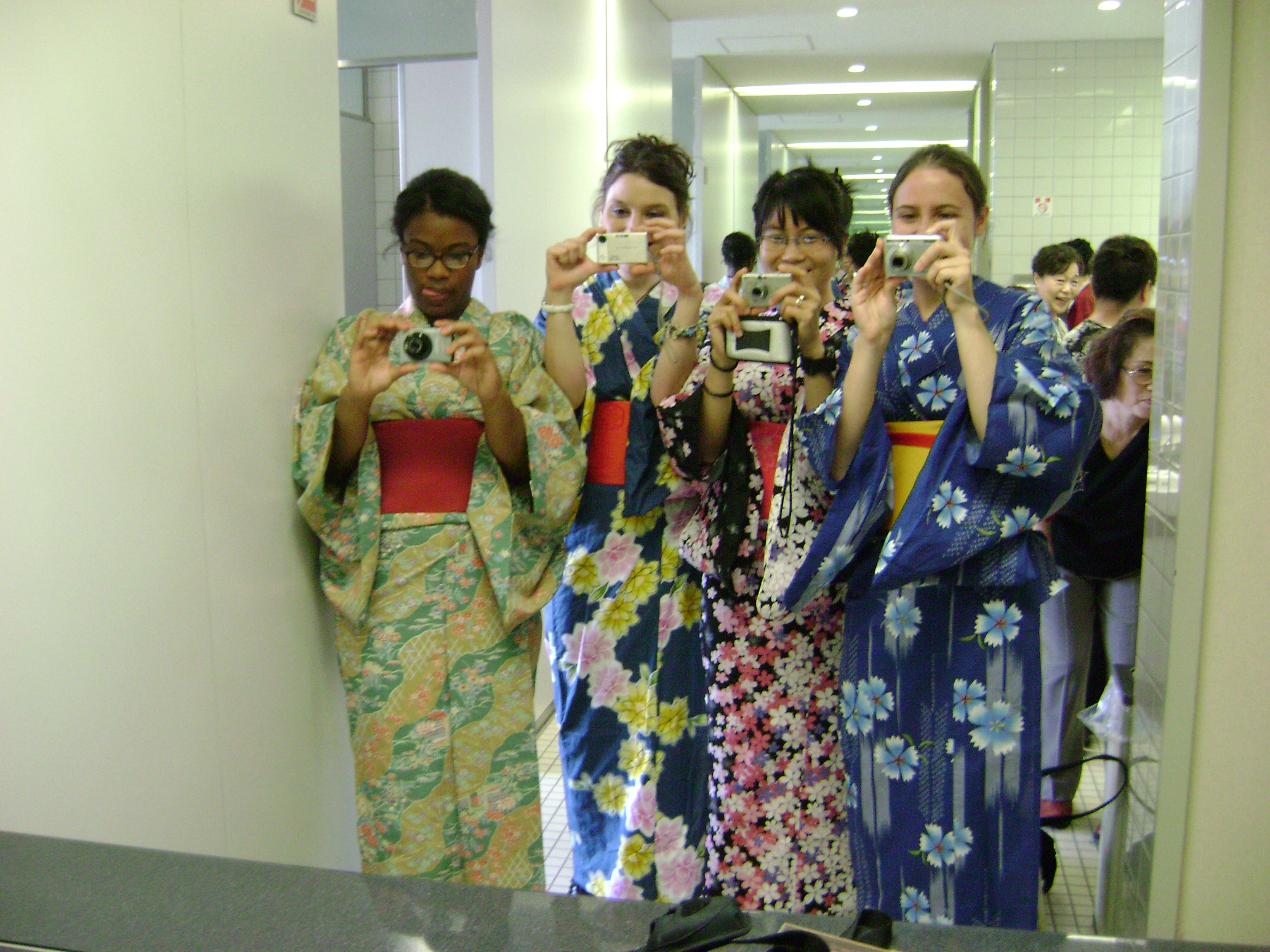
At Gaidai, with girls from Canada, Italy and Vietnam all dressed in summer yukata
« Older posts Newer posts »

© 2026 Valpo Voyager

Theme by Anders NorenUp ↑